Attractions and Places To See around Ocre - Top 20
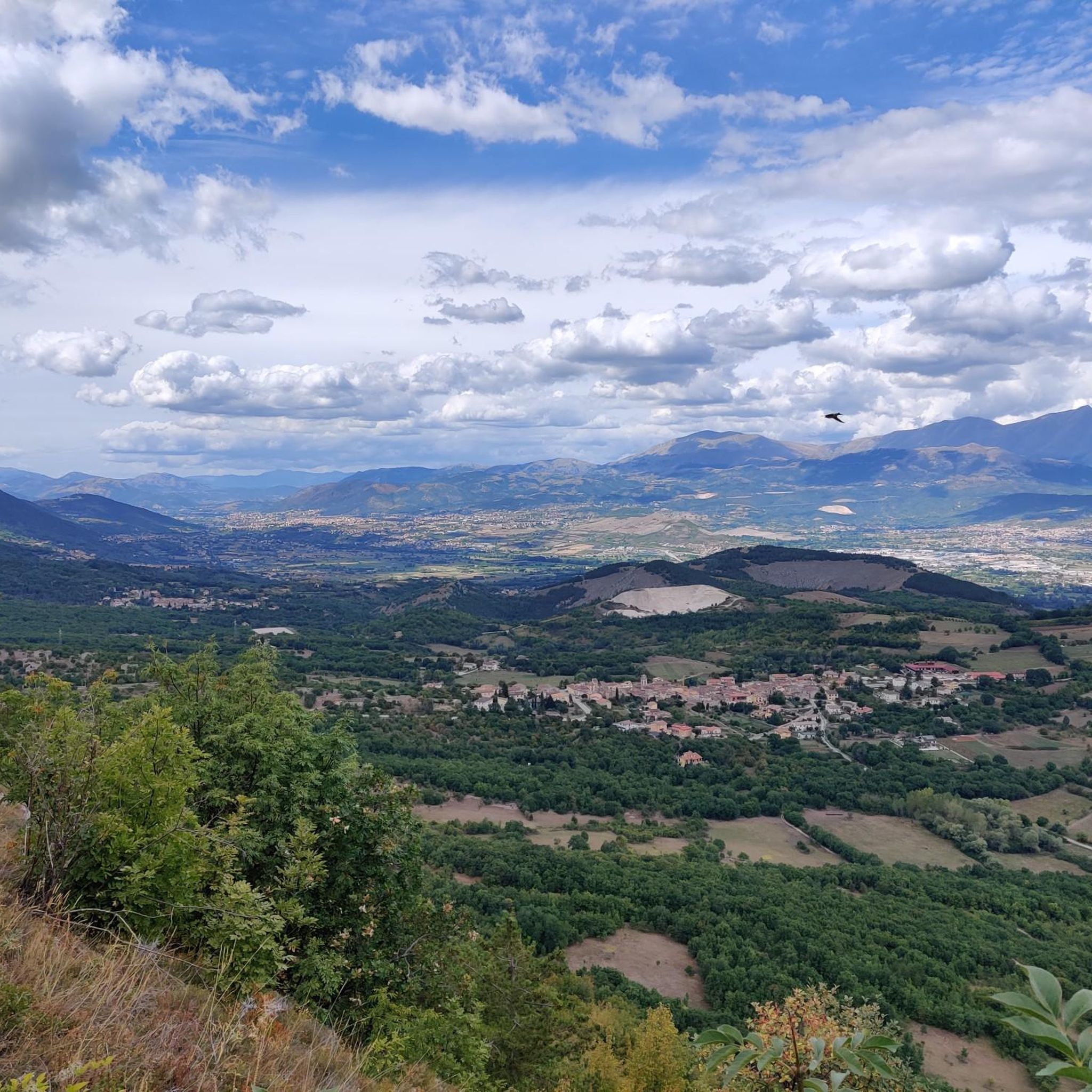
Best attractions and places to see around Ocre, a municipality in Italy's Abruzzo region, offer a blend of historical landmarks, natural beauty, and cultural points of interest. Nestled within the Sirente-Velino Regional Park and on the slopes of the Mount Ocre - Mount Cagno mountain range, Ocre features rugged mountain scenery and extends into the middle Aterno River valley. The area provides opportunities to explore medieval sites, natural monuments, and charming hamlets.
Best attractions and places to see around Ocre
…Last updated: June 22, 2026
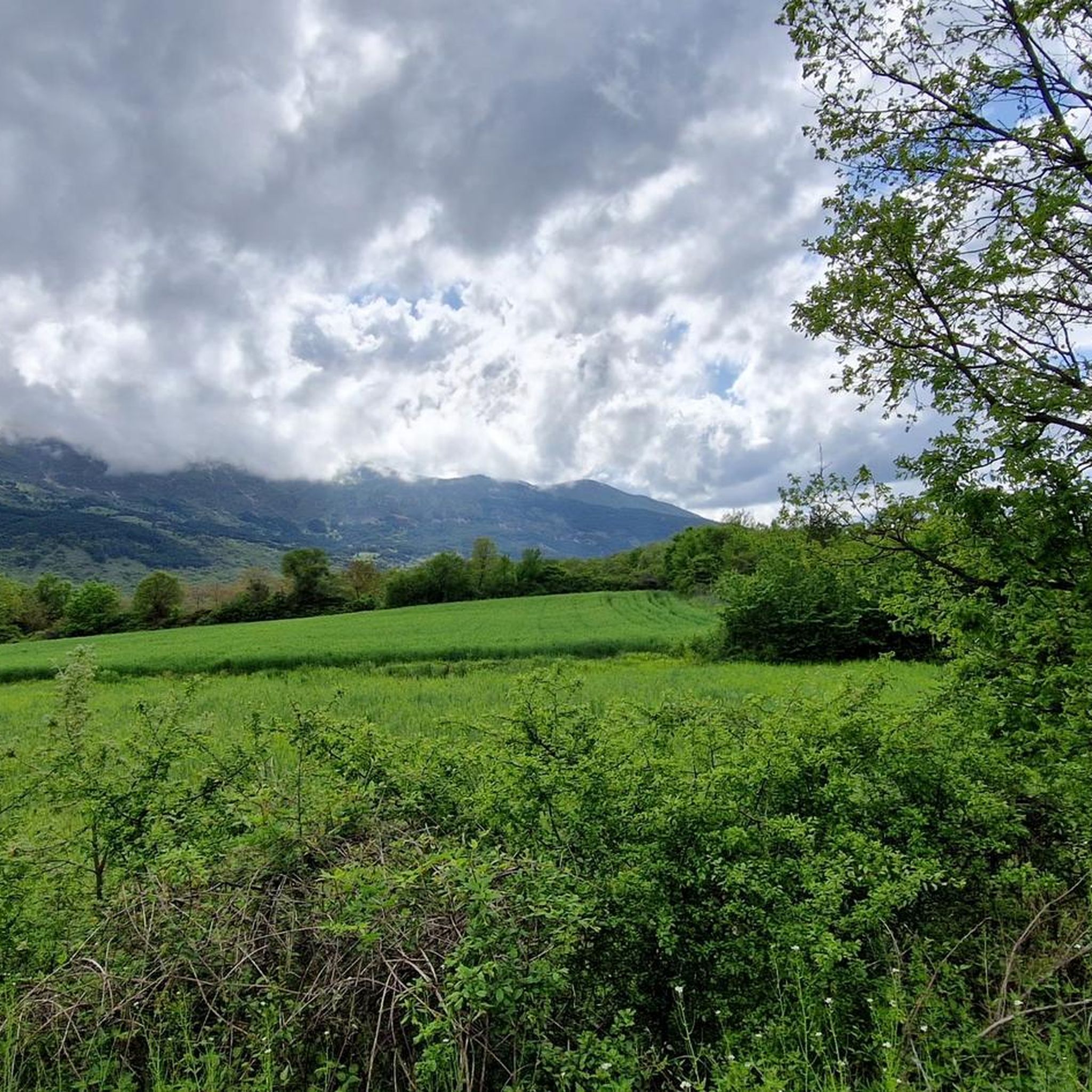
Piani di Pezza
Highlight • Natural
Translated by Google •
Tip by

Medieval Fountain of Fontecchio
Highlight • Monument
Translated by Google •
Tip by

Sign up now to discover places like this
Get recommendations on the best single tracks, peaks, & plenty of other exciting outdoor places.
Sign up for free
Fountain of the 99 Spouts
Highlight • Monument
Showing Translation
Tip by

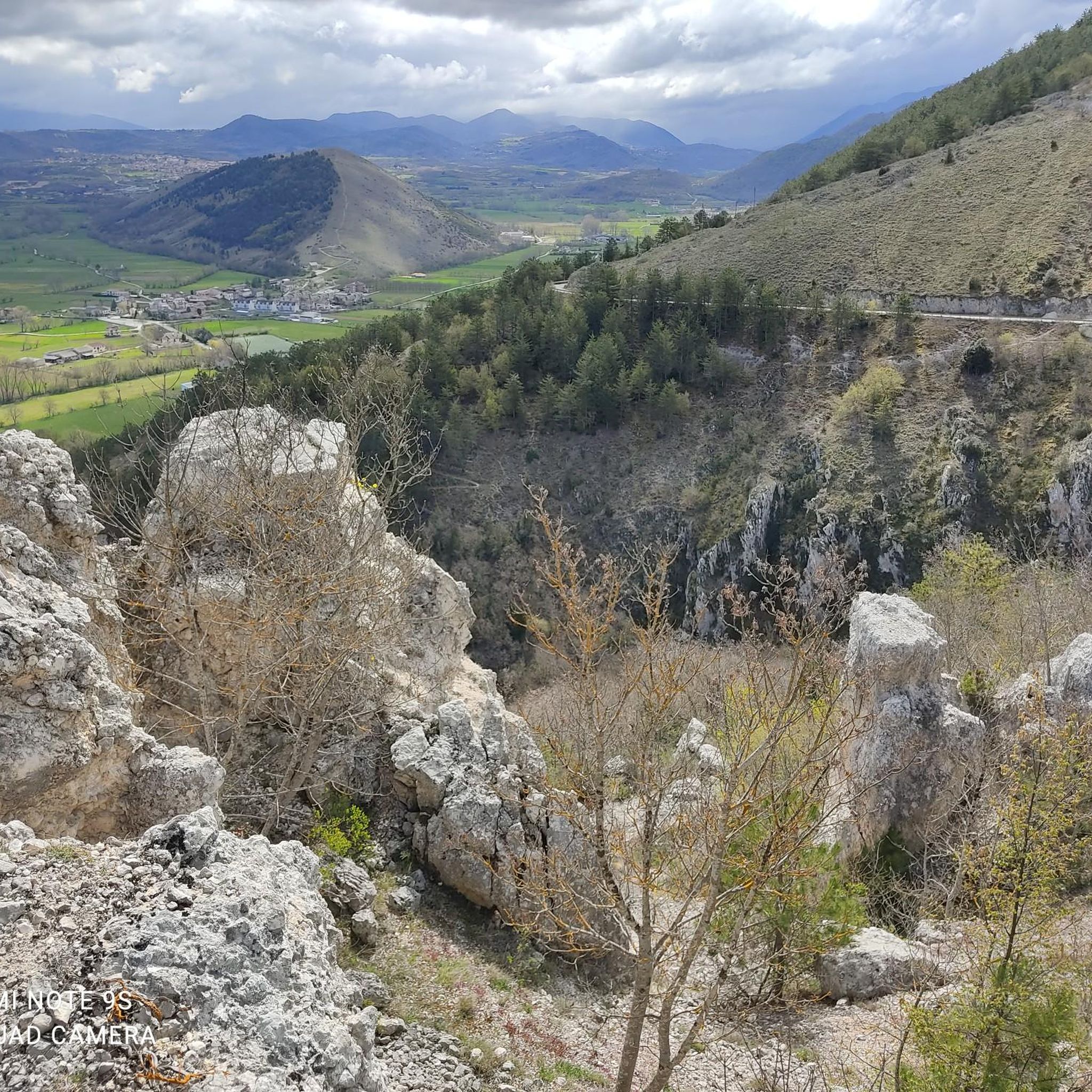
Pozzo Caldaio
Highlight • Natural Monument
Tip by

Chiesa di San Bernardino
Highlight • Religious Site
The Basilica di San Bernardino is one of the most beautiful Renaissance monuments in Abruzzo and tells the story of faith, art, and resilience.
Showing Translation
Tip by
Sign up for free to discover even more attractions around Ocre.
Sign up for free
Already have an account?
Start today with a free account
Your next adventure awaits.
Login or Signup
Tips from the Community

Explanation for the difference in the number of gargoyles! One of the most striking facts about the Fontana delle 99 Cannelle is that the fountain has 99 water jets, but only 93 sculpted mask heads. According to legend, L'Aquila was founded by 99 villages, but historical research indicates that there were actually 93. Therefore, in 1272, architect Tancredi da Pentima equipped the fountain with 93 stone masks. To later complete the famous legend of the 99, six additional gargoyles without mask faces were added. According to tradition, these six simple spouts refer to the six wounds of Christ. Thus, the fountain is not only a magnificent monument, but also a unique blend of history, symbolism, and legend. Moreover, for many visitors, it remains a fun challenge to count all 99 water jets themselves.
2
0
The monumental Scalinata di San Bernardino in L'Aquila is one of the most characteristic and photogenic urban elements of the city. This wide, stately staircase connects the lower Via Fortebraccio with the higher Piazza di San Bernardino. Origin and architecture (16th century) Simultaneous construction: the staircase was built in the 16th century, at the same time as the Renaissance facade of the Basilica di San Bernardino (designed by architect Cola dell'Amatrice between 1525 and 1542). It served as the perfect extension of the religious complex. Urban planning purpose: the staircase had two functions. Practically, it was intended to connect the lower districts around the city walls with the centre. Aesthetically, it created a theatrical and baroque visual axis; pilgrims coming from below saw the monumental church facade slowly tower above them. Imposing dimensions: The staircase is no less than 30 metres wide and 68 metres long. The steps were deliberately designed to be very low and deep, so that large groups of worshippers and processions could comfortably ascend the slope. Striking features and details. The watchtowers: at the beginning (bottom) and end (top) of the staircase are a total of four small, robust turrets (torrette) that flank the staircase and give it a slightly military or monumental character. The edicolae: along the sides of the staircase are three stone niches or chapels (edicole) per side. These historically served during religious festivals and processions.
2
0
Did you know that the Fontana delle 99 Cannelle legend says it has 99 gargoyles, in tribute to the 99 villages that founded L'Aquila? Those who look closely will see stone masks above the gargoyles, which according to tradition represent castle lords or protective spirits. It is striking that there are only 93 mask heads. Historians believe that the remaining six gargoyles were added later to complete the symbolic number 99. The fountain dates back to 1272, and its five water basins were formerly used as a wash place. Numerous legends also circulate around the fountain: for example, the architect is said to have taken the secret of the water source to his grave, and knights would have ritually cleansed themselves here before entering the Basilica di Collemaggio.
2
0
Basilica di San Bernardino – a Renaissance pearl of L’Aquila The Basilica di San Bernardino is one of the most beautiful Renaissance monuments in Abruzzo and tells the story of faith, art, and resilience. The impressive facade, designed by Cola dell'Amatrice, is inspired by classical Greek and Roman architecture. The three layers show the different styles: Doric at the bottom, Ionic above it, and Corinthian at the top. On the facade and in the interior, the golden IHS monogram shines with sunbeams, a symbol that Bernardino of Siena used during his sermons to reconcile rival families. Inside is the beautiful marble mausoleum of Saint Bernardino, created by Silvestro dell'Aquila. After his death in 1444, L’Aquila grew into an important pilgrimage site around his tomb. The basilica also symbolizes the city's reconstruction. The 2009 earthquake caused severe damage, including the collapse of part of the bell tower. After a six-year restoration, the church was reopened in 2015 and shines again as one of L’Aquila's major attractions.
3
0

Fascinating church with a magnificent organ, impressive ceiling, interesting dome, wide staircase...
1
0

The fountain of 99 spouts was included in the list of major national monuments in 1902. Try to count them.... there really are 99! 😊
0
0

On a sunny day it's refreshing just to look at it
0
0

The Fountain of the 99 Spouts is the best-known monument in the city of L'Aquila
0
0
Frequently Asked Questions
What natural attractions can I explore around Ocre?
Ocre is nestled within the scenic Sirente-Velino Regional Park, offering rugged mountain landscapes. You can visit Piani di Pezza, an expansive plateau known for its glacial views and pristine nature, ideal for hiking, cycling, and cross-country skiing. Another notable natural monument is Pozzo Caldaio, a natural lake that feeds the Grotte di Stiffe waterfalls and caverns.
Are there historical sites to visit in Ocre and its surroundings?
Yes, Ocre and the surrounding area are rich in history. You can explore the remains of the medieval Castello di Ocre, a fortified village dating back to 1178. The Cistercian Monastery of Santo Spirito, built from 1222, offers panoramic views of the Aterno valley. The 13th-century Church of San Panfilo d'Ocre features Romanesque architecture and 15th-century frescoes. Additionally, the Medieval Fountain of Fontecchio is a well-preserved 14th-century landmark within a fortified village.
What kind of outdoor activities can I do near Ocre?
The region around Ocre, particularly within the Sirente-Velino Regional Park, is excellent for outdoor activities. You can find numerous routes for mountain biking, cycling, and road cycling. For specific trails, explore the MTB Trails around Ocre, Cycling around Ocre, and Road Cycling Routes around Ocre guides. Piani di Pezza is particularly popular for hiking, cycling, and cross-country skiing.
Are there any family-friendly attractions in the Ocre area?
Many attractions around Ocre are suitable for families. The Medieval Fountain of Fontecchio is located in a charming fortified village that can be interesting for all ages. Exploring the natural beauty of Piani di Pezza offers gentle paths and open spaces for families to enjoy. The city of L'Aquila, with its historical monuments like the Fountain of the 99 Spouts, also provides engaging sights for families.
What is the best time of year to visit Ocre attractions?
Ocre offers different experiences throughout the year. Spring and autumn are ideal for hiking and exploring historical sites due to mild temperatures. Summer is perfect for enjoying the mountain landscapes and outdoor activities at higher altitudes like Piani di Pezza. In winter, Piani di Pezza transforms into a scenic spot for cross-country skiing and snowshoeing.
What can I see in the nearby city of L'Aquila?
The regional capital, L'Aquila, offers numerous monuments. Highlights include the iconic Fountain of the 99 Spouts, the grand Basilica of Collemaggio, the Cathedral, and remnants of a Roman amphitheater. The city has undergone significant reconstruction since the 2009 earthquake and is a fascinating place to visit for its history and resilience.
Are there any unique cultural experiences or local festivals in Ocre?
Ocre is known for its traditional festivals, which offer a taste of local culture. These often include celebrations of baked bread and chestnuts, providing a unique opportunity to experience the community's traditions and local produce.
What do visitors enjoy most about the natural areas around Ocre?
Visitors particularly appreciate the untouched beauty and serene landscapes. For instance, Piani di Pezza is praised for its 'enchanting scenery' and being a 'completely uncontaminated place' where one can 'immerse yourself in nature.' The glacial views and boundless plateau are frequently highlighted as captivating.
How long should I plan to visit Castello di Ocre?
While the Castello di Ocre is a medieval fortified village, much of it was damaged in the 2009 earthquake. You can typically spend an hour or two exploring the remaining trapezoidal walls and seven towers, appreciating its historical significance and enjoying the views. It's more about experiencing the atmosphere of a medieval ruin than a fully preserved castle.
Are there any hidden gems or less-known spots near Ocre?
Beyond the main highlights, exploring the various hamlets of Ocre, such as San Felice d'Ocre, San Martino d'Ocre, Valle, and Cavalletto, can reveal charming, less-trafficked spots with their own unique character. The Convent of Sant'Angelo, built in 1409, also offers a glimpse into the region's monastic history away from the more prominent sites.
What is the significance of the Fountain of the 99 Spouts?
The Fountain of the 99 Spouts, also known as the Rivera fountain, is a significant symbol of L'Aquila. Tradition holds that its 93 stone masks and 6 individual spouts represent the 99 castles in the surrounding area that contributed to the city's foundation in the 13th century. It's a magical and historically rich site on the edge of L'Aquila.
Most popular attractions around Ocre

Get inspired with the komoot mobile app


Explore more
Still not found the Highlight you’re looking for? See guides of the top attractions in other regions:
