The 15 Most Amazing Peaks around Vestenanova
Best mountain peaks near Vestenanova are situated within the Lessini Mountains and the scenic Alpone Valley in the Province of Verona, Italy. This region is characterized by green hills, chestnut trees, and diverse geological features, including ancient volcanic structures and renowned fossil deposits. The area offers a blend of natural beauty and historical significance, with elevated areas providing viewpoints and hiking opportunities. Various trails traverse the landscape, connecting geological wonders, ancient sites, and serene natural environments.
Best mountain peaks around…
Last updated: July 1, 2026
Mount Gramolon
Highlight • Summit
Translated by Google •
Tip by

Mount Zevola
Highlight • Summit
More information: piccoledolomitisport.com/salita-al-monte-zevola
Translated by Google •
Tip by

Sign up now to discover places like this
Get recommendations on the best single tracks, peaks, & plenty of other exciting outdoor places.
Sign up for free
Zovo Pass
Highlight • Mountain Pass
Translated by Google •
Tip by

Lobbia Peak
Highlight • Summit
Translated by Google •
Tip by

Bertagnoli Hut
Highlight • Mountain Hut
Tip by

Sign up for free to discover even more peaks around Vestenanova.
Sign up for free
Already have an account?
Start today with a free account
Your next adventure awaits.
Login or Signup

Tips from the Community

The photo shows the via ferrata, not the path below the refuge. It's misleading.
0
0

very panoramic peak reachable from Campofontana, from the crest of the Telegrafo and Porto mountains, or from the Scagina pass.
0
0

Mount Zèvola (1,976 m) is the highest peak in the Tre Cime mountain chain, one of the mountain groups of the Little Dolomites (the Tre Croci chain, the Carega Group, the Sengio Alto chain, and the Pasubio Massif). The summit is actually divided in two by the deep Vajo dell'Acqua: Zevola Alta (1,976 m) and Zevola Bassa or Antecima (1,961 m), with the cross. From up here, you can enjoy a stunning 360° panorama: on one side, there's an excellent view of Carega and Pasubio, and on the other, the entire Lessinia plateau. The climb from Passo Zevola is short but steep.
0
0
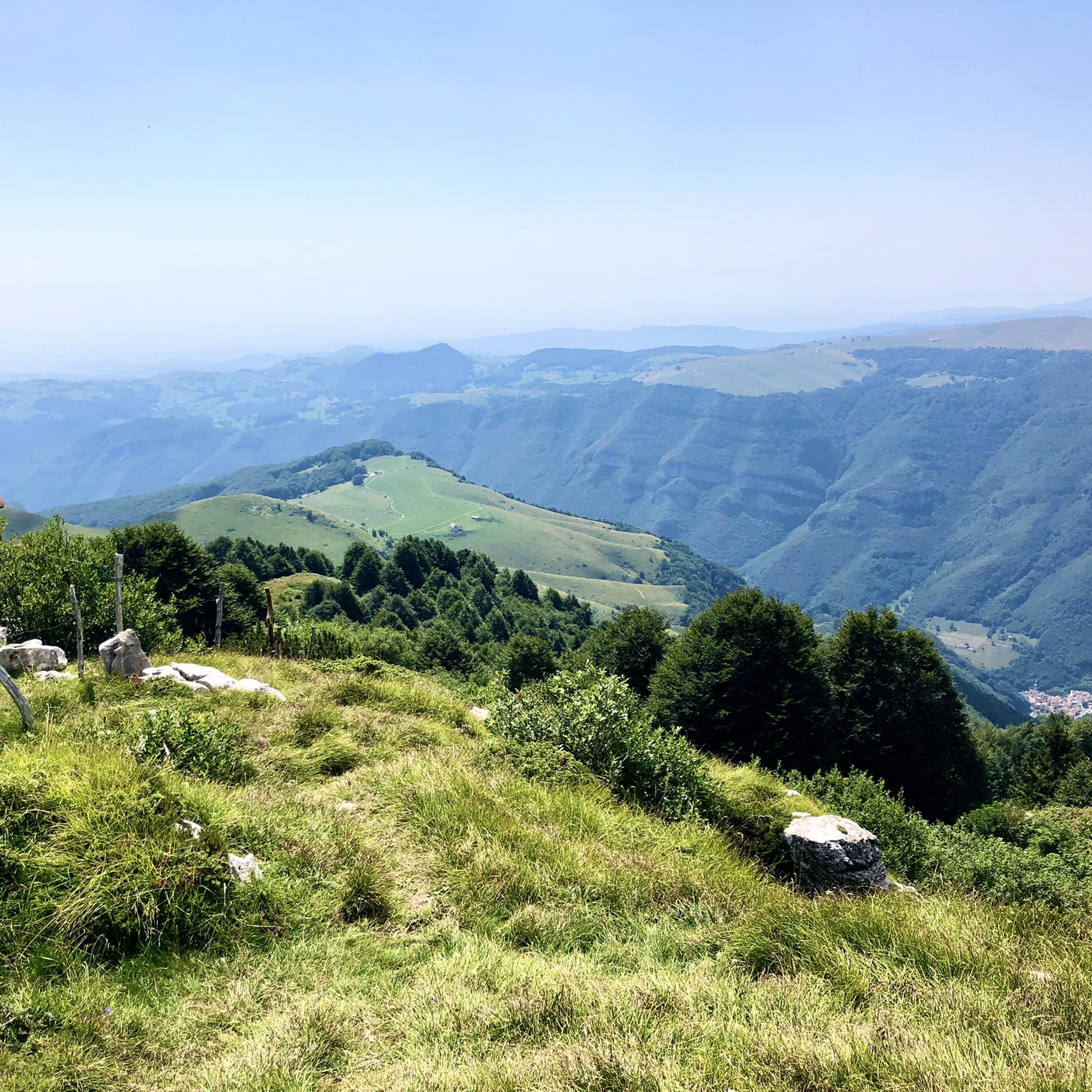
From Monte Gramolòn (1,814 m), you have a breathtaking 360° view of the Piccole Dolomiti, the Sentiero dei Grandi Alberi trail below, and, on the opposite side, the Lessinia mountains! The climb from Passo Ristele (to the north) is short but steep, and breathtaking! From Passo della Scagina (to the south), it's even steeper and more technical, EE, with frequent switchbacks that ascend a deep gully: very evocative. On this side, there are also the Angelo Viali and Ferrari via ferratas. The summit, with its cross, touches a spectacular but exposed ridgeline over the precipice, so be careful and avoid leaning out. The toponym derives from the dialect verb 'sgramolare', meaning to break into lumps: therefore, 'Gramolon' means the mountain that crumbles, due to subsidence and scree!
0
0

But is the photo of the via ferrata along the path to get to the Bertagnoli refuge coming from the Battisti refuge or is it a via ferrata near the refuge ("optional")?
0
0

Very kind and excellent desserts
0
0
Strategic area as a starting point for many trails
0
0

Itinerary almost out of town, repeated many times
0
0
Frequently Asked Questions
What are some of the most unique mountain peaks to explore around Vestenanova?
The region offers a variety of unique peaks. For a spectacular 360° panorama, consider Lobbia Peak, easily accessible from Campofontana. If you're interested in geological history, Monte Calvarina is a significant subaerial volcanic structure with hiking trails. For a challenging climb and stunning views, Mount Zevola is the highest peak of the Little Dolomites in its group.
Where can I find mountain passes with facilities near Vestenanova?
The Zovo Pass is an alpine pass in the Vicenza Prealps that connects the cities of Schio and Valdagno. It offers facilities, including a restaurant, and serves as a starting point for several trails. Parking is also available next to the restaurant.
Are there any peaks known for their geological significance or fossil discoveries?
Yes, the area is rich in geological history. Monte Calvarina is recognized as one of the largest subaerial volcanic structures in the Veronese region, showcasing basaltic rock outcrops from ancient volcanic activity. The hamlet of Bolca, near Vestenanova, is world-renowned for its extraordinary fossil deposits, particularly around Monte Purga and Monte Pergo. You can explore these areas and visit the Bolca Fossil Museum to see 50-million-year-old treasures.
What kind of hiking trails can I find near Vestenanova's mountain peaks?
The region offers diverse hiking experiences. You can explore trails like the 'Cammino dei sette vulcani' which passes by Monte Calvarina, or the 'Red Path of Bolca' for fossil discoveries. The Lessinia Regional Nature Park features green hills and chestnut trees with various trails, including the 'Memory Path of Vestenanova' and routes showcasing ancient mountain huts. For more options, check out the Hiking around Vestenanova guide.
Are there challenging mountain peaks for experienced hikers?
Absolutely. Mount Zevola, at 1976m, is a challenging summit and the highest peak of the Little Dolomites in its group. Another demanding option is Monte Telegrafo (1,562 m), which can be reached via a very steep path from Campofontana, offering magnificent 360° views on clear days.
What are some good options for mountain biking or gravel biking near Vestenanova?
The area around Vestenanova provides excellent opportunities for cycling. For gravel biking, you can find routes like the 'Velo Veronese – Malga Lessinia loop' or the 'Passo del Branchetto – View of the Valdiporro Hills loop'. If you prefer mountain biking, consider trails such as the 'Scenic Trail – Monte Campetto loop from Bolca' or the 'Giazza – Passo Pertica Mountain Hut loop'. More details are available in the Gravel biking around Vestenanova and MTB Trails around Vestenanova guides.
Where can I find a mountain hut or a place to eat during my hike?
The Bertagnoli Hut is a great option, known for its good food and as a starting point for various trails and via ferratas. The Zovo Pass also features a restaurant, which is an excellent place to cool off after an excursion.
Are there any family-friendly mountain areas or trails?
While specific family-friendly peaks are not highlighted, the Zovo Pass is categorized as family-friendly and offers facilities. The Lessinia Regional Nature Park, with its green hills and diverse trails, generally provides a suitable environment for family outings, though specific trail difficulty should always be checked.
What kind of views can I expect from the mountain peaks in this region?
Many peaks offer extensive panoramic views. Lobbia Peak provides a spectacular 360° panorama. Similarly, Monte Telegrafo (1,562 m) is known for its magnificent 360° views on clear days. The Lessini Mountains, in general, offer enchanting panoramas of the surrounding green hills and valleys.
What is the best time of year to visit the mountain peaks around Vestenanova?
The region is characterized by green hills, suggesting that spring, summer, and early autumn would be ideal for hiking and enjoying the natural beauty. These seasons typically offer pleasant weather for exploring trails and enjoying panoramic views. Always check local weather forecasts before your visit.
Are there any historical sites or paths related to the region's past?
Yes, the area has historical significance. The 'Memory Path of Vestenanova' explores sites related to World War II. Additionally, Monte Calvarina historically housed military bases, adding another layer to the region's past. The ancient volcanic and fossil sites also tell a deep geological history.
Most popular routes around Vestenanova
Most popular attractions around Vestenanova

Get inspired with the komoot mobile app


Explore more
See even more amazing summits around Vestenanova with these guides:
