The best walks and hikes around Soragna
4.5
(153)
1,061
hikers
90
hikes
Hiking around Soragna offers opportunities to explore the agricultural lowlands of Parma, situated between the Via Emilia and the Po River. The region is characterized by serene rural landscapes, cultivated plains, and local waterways like the Taro River. Trails often incorporate historical sites, blending natural exploration with cultural insights. The available routes are generally easy to moderate, suitable for various fitness levels.
Best hiking trails around Soragna
- The most popular hiking route is Verdi Route Loop from San Secondo Parmense…
Last updated: October 4, 2026
4.9
(10)
52
hikers
10.8km
02:48
60m
60m
Moderate hike. Good fitness required. Easily-accessible paths. Suitable for all skill levels.
5.0
(1)
13
hikers
4.10km
01:02
10m
10m
Easy hike. Great for any fitness level. Easily-accessible paths. Suitable for all skill levels.

3.0
(1)
9
hikers
9.94km
02:30
10m
10m
Moderate hike. Good fitness required. Easily-accessible paths. Suitable for all skill levels.
5
hikers
Moderate hike. Good fitness required. Easily-accessible paths. Suitable for all skill levels.
5.0
(2)
7
hikers
23.2km
06:10
240m
240m
Hard hike. Very good fitness required. Easily-accessible paths. Suitable for all skill levels.
Get access to more routes and recommendations from other explorers.
Already have an account?
Our route recommendations are based on thousands of hikes, rides, and runs completed by other people on komoot.
Start today with a free account
Your next adventure awaits.

Tips from the Community

The historic center of Fidenza (once known as Borgo San Donnino) is a small jewel of Emilia-Romagna located along the ancient Via Francigena. Often overshadowed by the famous Outlet Village, the city center actually offers an itinerary rich in medieval history, Romanesque architecture, and charming views to discover on foot.
0
0

From this dirt road under the main embankment of the Po, between Polesine and Zibello, in the Bassa parmense, you can enjoy a great view of the longest river in Italy. Here nature is truly uncontaminated and you can pedal away from motorized traffic.
1
0

The Palazzo Comunale in Fidenza is a historic building with neo-Gothic features, located on the south side of the central Piazza Garibaldi. The original town hall was built in Lombard-Gothic style in the 13th century by architect Bendidio, with the first mentions of its construction dating back to 1273. Construction was completed in 1354. In 1527, the building was occupied by Spanish and French troops, who partially destroyed it. Reconstruction only began in 1570 under the direction of Master Paris. During this reconstruction, the bell tower was erected and the façade decorated with a fresco of San Donnino, painted by Antonio Formaiaroli. In 1875, the main façade was almost completely rebuilt in neo-Gothic style by the set designer Girolamo Magnani. He removed the plaster and frescoes, changed the old trifora on the first floor into bifora and added Ghibelline battlements, together with two small turrets at the ends. The Palazzo Comunale has a rectangular plan around a central courtyard. The symmetrical main façade is entirely faced in brick and is characterized by a high portico supported by massive columns, surmounted by five wide pointed arches. Above a row of brick arches are four large bifora with central stone columns, set within semicircular arches that frame the rich decoration of the arch forms.
8
0
The Porta di San Donnino is the only remaining city gate of the medieval city walls of Fidenza, in the province of Parma. The gate dates from the 14th century and was built by order of Bernabò Visconti, lord of Milan1. It was founded in 1364 as the western entrance to the city, on the first arch of an ancient Roman bridge buried in the early Middle Ages.
7
0

The old tower of the former city fortifications not far from the cathedral.
2
0


Drinking water fountain
0
0

It was built between the 12th and 13th centuries on the route of the Via Francigena in Romanesque style, dedicated to San Donnino and built on the point where, according to legend, the saint fell. The direction of the works and the sculptures were by Benedetto Antelami. The most valuable part is the facade, one of the most beautiful of the Emilian Romanesque style, where you can admire bas-reliefs and statues. The two largest are those of David and Ezekiel, respectively to the left and right of the main door.
2
0
Frequently Asked Questions
What kind of terrain can I expect on hikes around Soragna?
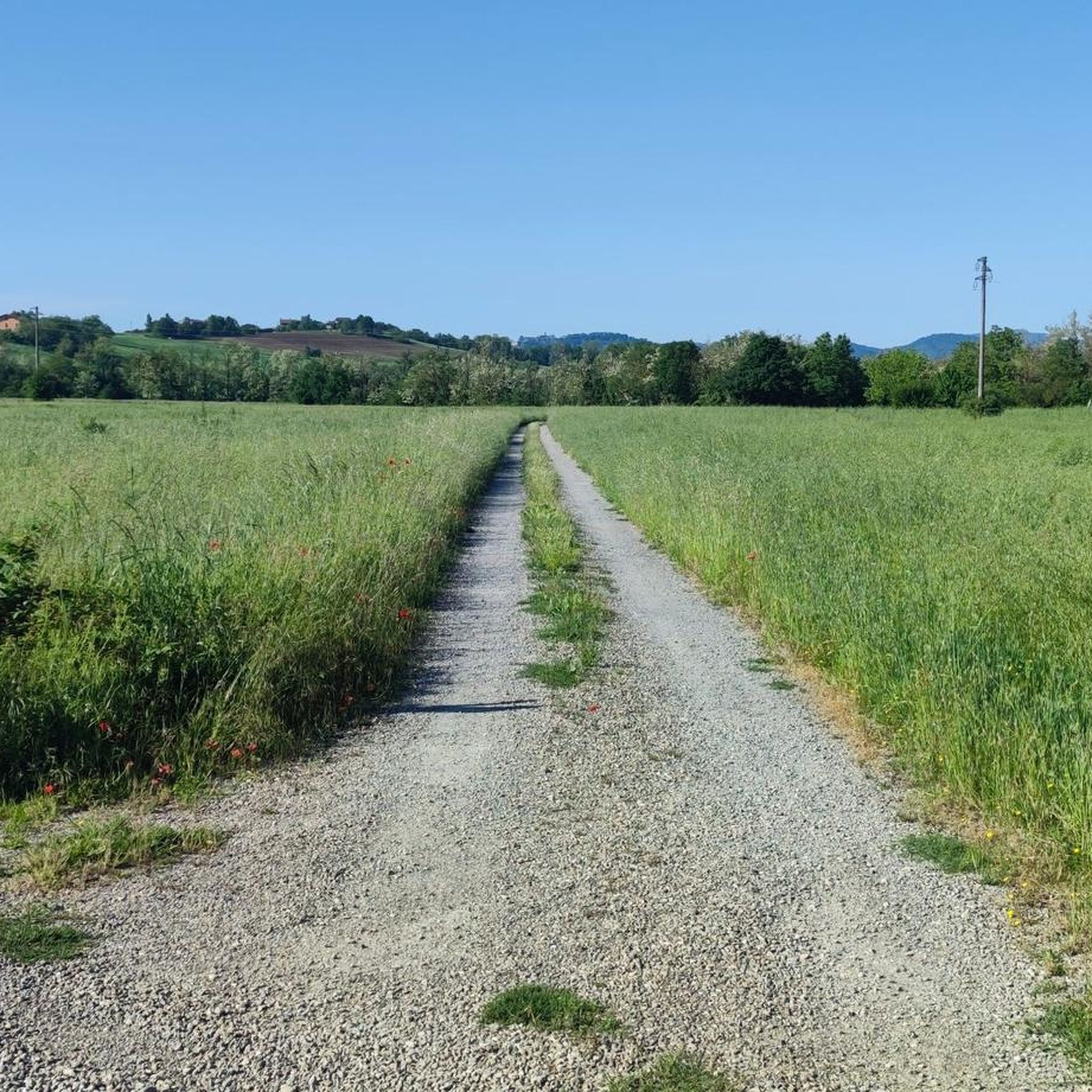
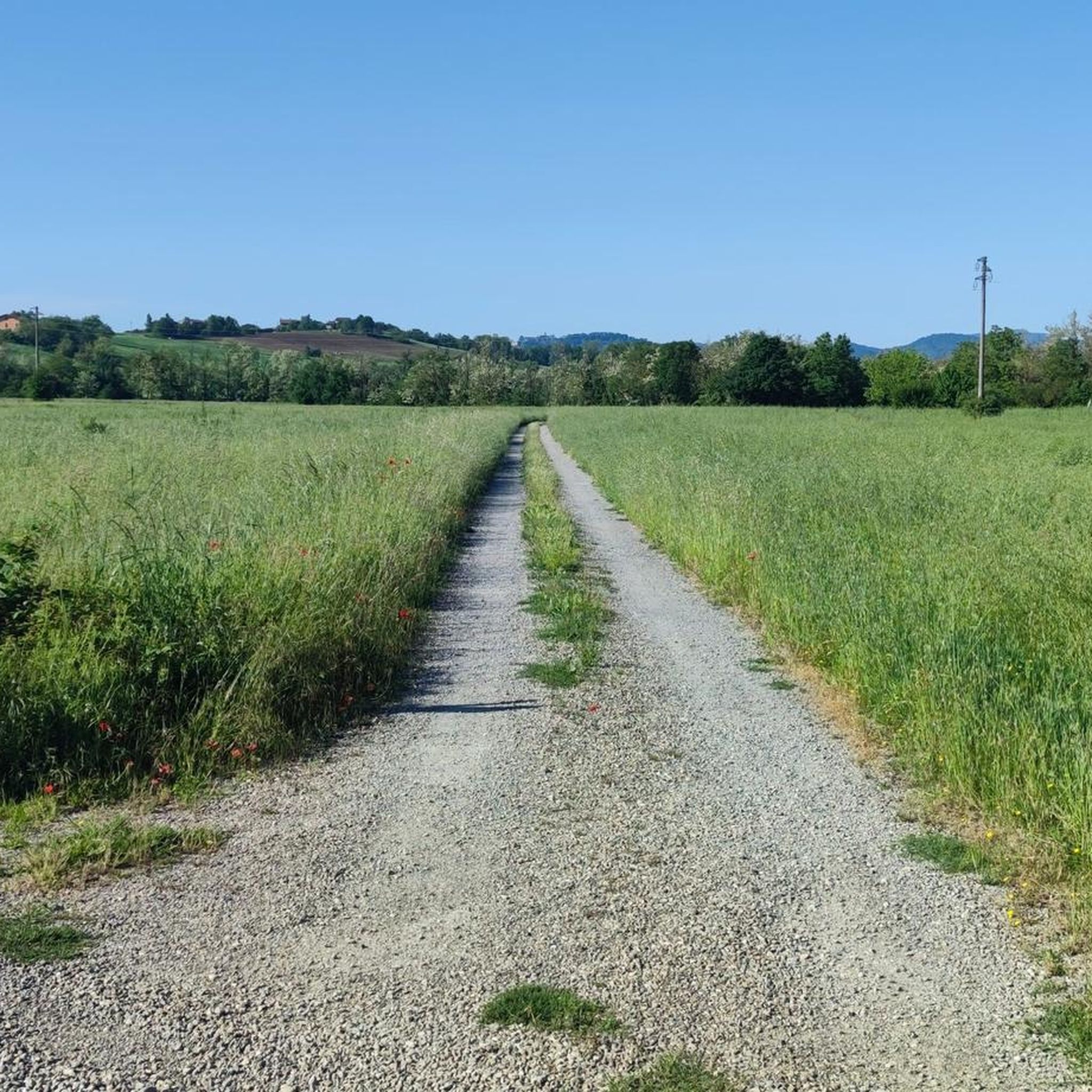
Hikes around Soragna primarily traverse agricultural lowlands and cultivated plains. You'll find serene rural environments, often following local waterways like the Taro River. The trails are generally flat with minimal elevation gain, reflecting the region's position between the Via Emilia and the Po River.
Are there many easy hiking trails suitable for beginners in Soragna?
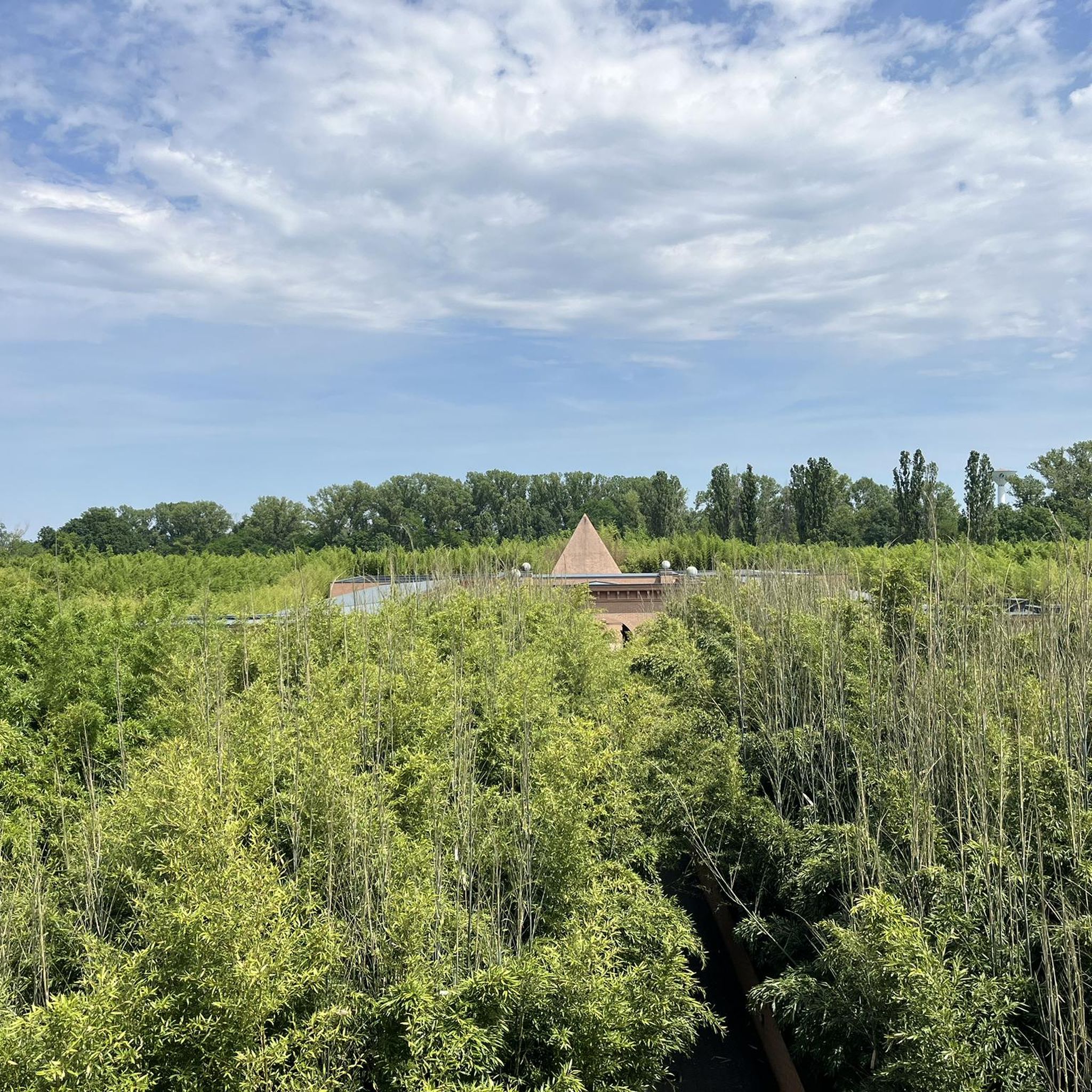
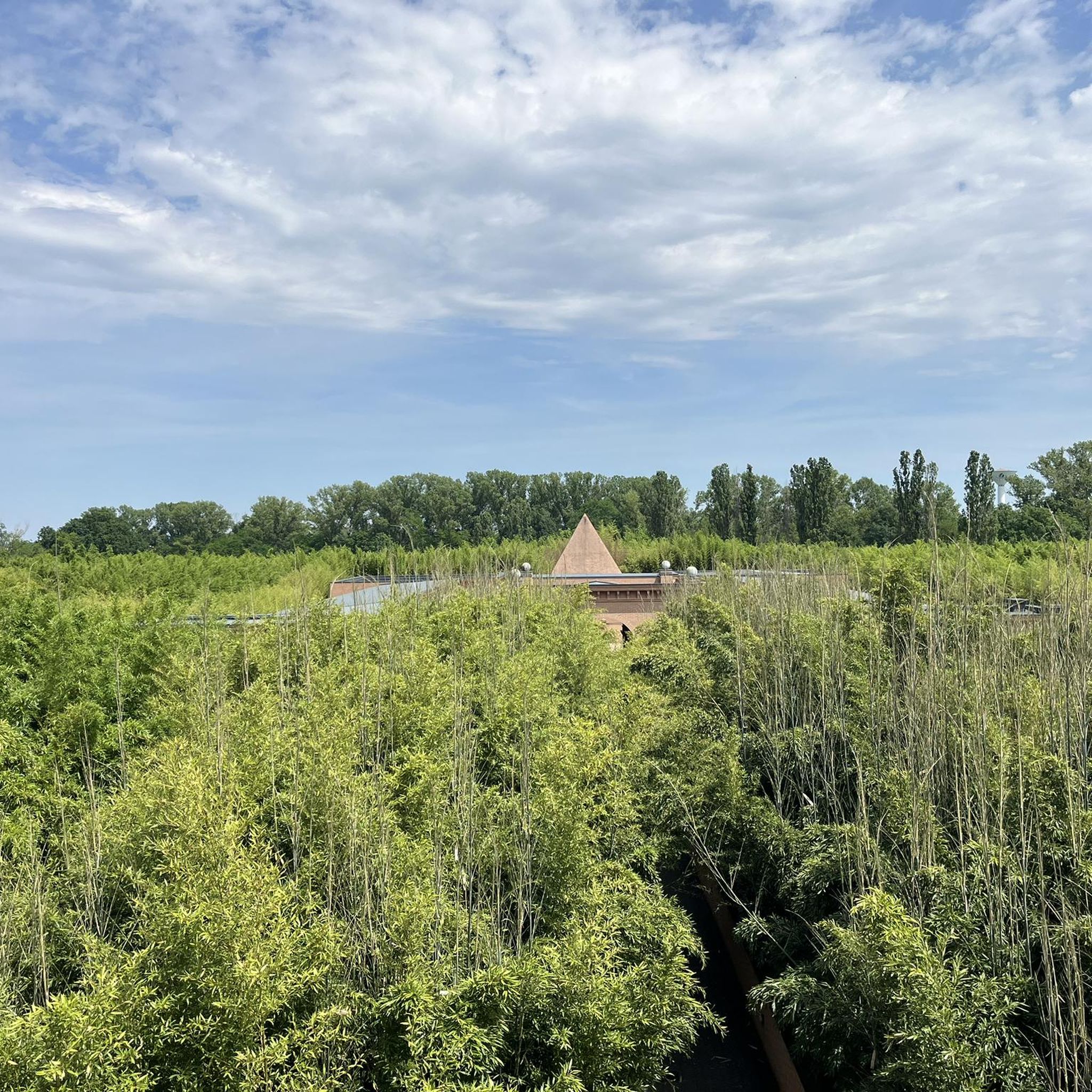
Yes, Soragna offers a good selection of easy trails. Out of 54 routes, 26 are classified as easy, making them ideal for beginners or those looking for a relaxed walk. An example is the Bamboo Pathway – Bamboo Pathway loop from Labirinto della Masone, which is only 0.8 miles (1.3 km) long.
What are some interesting landmarks or historical sites I can see while hiking near Soragna?
Many trails in Soragna incorporate historical sites, blending natural exploration with cultural insights. For example, the Verdi Route Loop from San Secondo Parmense passes by historical landmarks in the agricultural lowlands of Parma. You can also explore nearby castles such as Rocca Sanvitale di Fontanellato or Roccabianca Castle, which are close to some hiking routes.
Are there any family-friendly hiking options around Soragna?
Absolutely. The generally easy to moderate nature of the trails and minimal elevation make many routes suitable for families. The Bamboo Pathway – Bamboo Pathway loop from Labirinto della Masone is a unique and short option that children often enjoy, leading through a bamboo labyrinth.
Can I find circular hiking routes in the Soragna area?
Yes, many of the hiking routes around Soragna are designed as loops. Examples include the Verdi Route Loop from San Secondo Parmense and the Rest stop loop from Fidenza, which allow you to start and end at the same point.
What is the best time of year to go hiking in Soragna?
The agricultural lowlands of Soragna are pleasant for hiking during spring and autumn when temperatures are mild. Summer can be warm, but early mornings or late afternoons are still enjoyable. Winter hiking is possible, but some paths might be muddy after rain.
Are dogs allowed on the hiking trails around Soragna?
Generally, dogs are welcome on trails in the agricultural lowlands of Parma, including those around Soragna. However, it's always recommended to keep them on a leash, especially when passing through cultivated fields or near livestock, and to check for specific local regulations at trailheads.
What do other hikers enjoy most about hiking in Soragna?
The komoot community rates hiking in Soragna highly, with an average score of 4.4 stars from over 100 reviews. Hikers often praise the peaceful, cultivated landscapes, the blend of natural exploration with historical sites, and the accessibility of the easy to moderate routes.
Are there any accommodations or places to eat near the hiking trails in Soragna?
Soragna and nearby towns like Fidenza and Fontanellato offer various accommodations, from agriturismos to hotels. You'll also find local trattorias and cafes where you can enjoy traditional Emilian cuisine, often within a short distance of trailheads.
How many hiking trails are available around Soragna?
There are over 50 hiking routes around Soragna, offering a variety of experiences from easy strolls to moderate walks through the agricultural lowlands.
What is the typical difficulty level of hikes in Soragna?
The majority of hikes in Soragna are classified as easy or moderate. Out of 54 routes, 26 are easy and 24 are moderate, making the area accessible for most fitness levels. There are only a few difficult routes, which typically involve slightly longer distances rather than significant elevation changes.
Can I reach hiking trailheads in Soragna using public transport?
While some larger towns like Fidenza, which has routes like the Hiking loop from Fidenza, are accessible by public transport, many trailheads in the rural Soragna area may require a car. It's advisable to check local bus schedules if you plan to rely on public transport to reach specific starting points.
Are there any specific natural features to look out for on hikes in Soragna?
The primary natural features you'll encounter are the vast agricultural lowlands and the local waterways, particularly the Taro River. These provide a serene backdrop for walks, showcasing the cultivated beauty of the Po Valley. While not dramatic mountains, the open landscapes offer a unique perspective of rural Italy.
Most popular attractions around Soragna

Get inspired with the komoot mobile app


Explore more
Browse the best Hikes in other regions.
