Attractions and Places To See around Colorno - Top 20
Best attractions and places to see around Colorno. Situated on the banks of the Parma River within the flat landscapes of the Po Valley, Colorno is a historic town in Emilia-Romagna. It is known for its rich Baroque heritage, including the grand Reggia di Colorno and its French-style gardens. The area offers a blend of historical landmarks, cultural sites, and picturesque natural features.
Best attractions and places to see around Colorno
- The most popular attractions is Sabbioneta (UNESCO World Heritage Site), a historical site and settlement that embodies the Renaissance "ideal city" concept. This walled city, recognized as a UNESCO World Heritage Site since 2008, features sumptuous palaces and harmonious alleys.
- Another must-see spot is Corte San Giorgio, a historical site with Roman origins and a Romanesque bell tower. Visitors can explore the Oratory of S. Giorgio, erected in 1876, and remnants of a Matildic-period church.
- Visitors also love Peppone and Don Camillo Museum, Brescello, a museum dedicated to the famous Italian novels and films. It houses original film posters, photographs, and memorabilia from the sets, including Peppone's motorbike and Don Camillo's cassock.
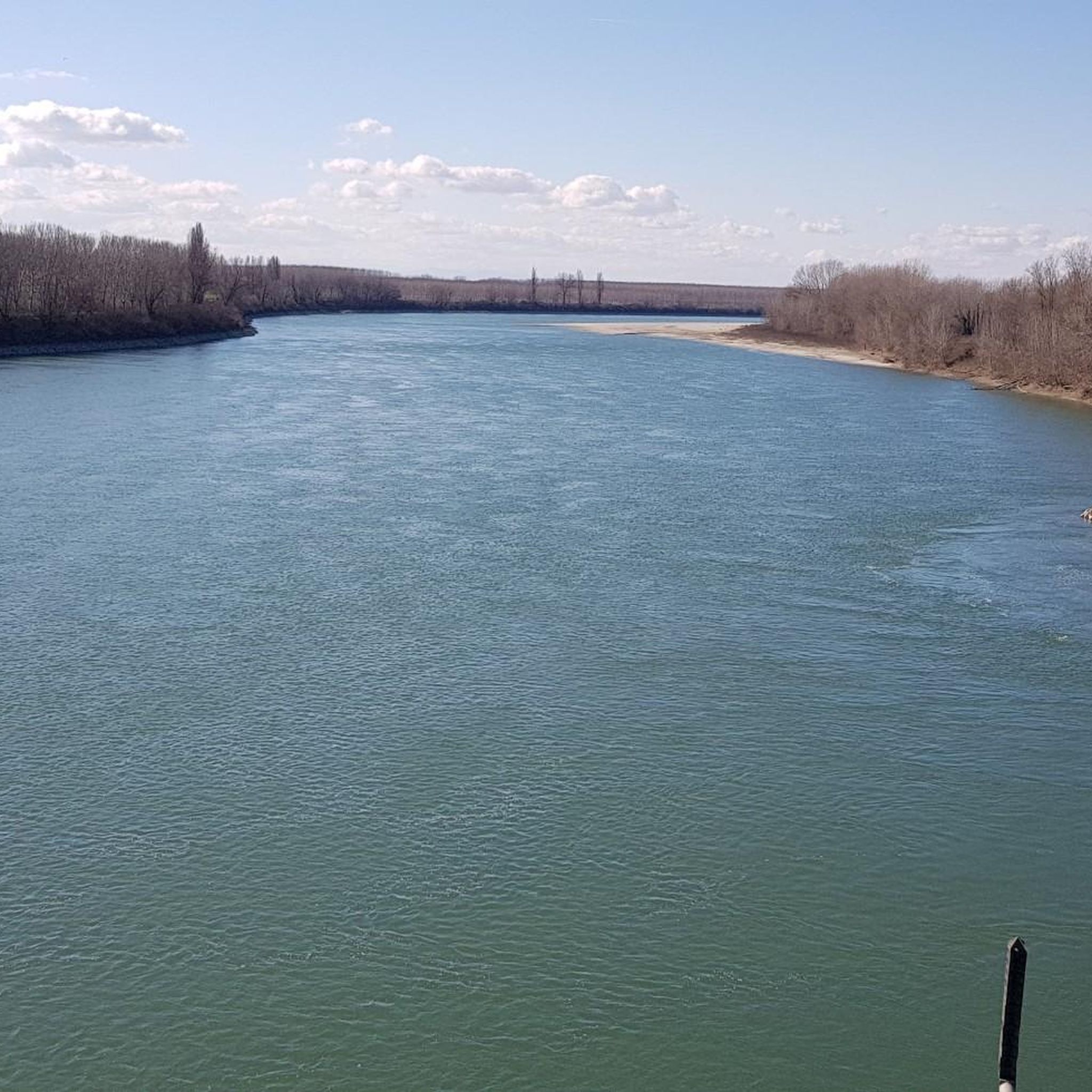
- Colorno is known for its historical sites, cultural attractions, and natural features. The area offers a variety of places to see and explore, from grand ducal palaces and restored gardens to museums and riverside walks.
- The attractions around Colorno are appreciated by the komoot community, with more than 80 upvotes and over 120 photos shared by visitors.
Last updated: October 10, 2026
Sabbioneta (UNESCO World Heritage Site)
Highlight • Historical Site
Translated by Google •
Tip by

Statues of Don Camillo and Peppone in Brescello
Highlight • Monument
Translated by Google •
Tip by

Sign up now to discover places like this
Get recommendations on the best single tracks, peaks, & plenty of other exciting outdoor places.
Tomato Route (Food Valley Bike)
Highlight • Cycleway
Translated by Google •
Tip by

Corte San Giorgio
Highlight • Historical Site
Various Roman material was found in the locality. In 1099 San Giorgio with the chapel built there in memory of the same saint was donated by Countess Matilde di Canossa to the Benedictine monastery of Brescello. Around 1100 a court was built there and in 1153 a Bull of Anastasio IV reports the existence of the Church of San Giorgio and its court. Of the Church of San Giorgio we still have memory in the "Rotolo" of the Tithes of the Diocese of Parma among the employees of the Monastery of Brescello. In the Parma diocesan appraisal of 1354 it is exempt from Diocesan Jurisdiction. The possession of San Giorgio was entrusted in 1405 as a fief to the Bernieri family. In 1700 it became the property of the Cisalpine Republic which appropriated the ecclesiastical and monastic structures.
In the locality there is currently the Oratory of S. Giorgio erected in 1876 by the then owner Giuseppe Bartolo Soliani to replace the ancient church of the Matildic period with three naves he had demolished. It has a simple gabled façade bordered by pilasters and a frontispiece; the entrance is architraved with an upper lunette window. You can still admire the Romanesque bell tower, built largely with Roman material. Source Pro-Loco Brescello
Translated by Google •
Tip by

Tomato and Parmigiano Reggiano Route
Highlight • Cycleway
The overall length is approximately 70 km flat; an itinerary that skirts the Po several times and is suitable for cycle tourists of all ages.
To travel it with all the information conveniently in your pocket, a digital guide is available, the Food Valley Bike App, where you can also discover the details of the two themes that make up the itinerary: the Pasta Route and the Cured Meat Route.
here are the details: emiliaromagnaturismo.it/it/itinerari/parma-busseto-food-valley-bike
Translated by Google •
Tip by

Sign up for free to discover even more attractions around Colorno.
Already have an account?
Start today with a free account
Your next adventure awaits.

Tips from the Community

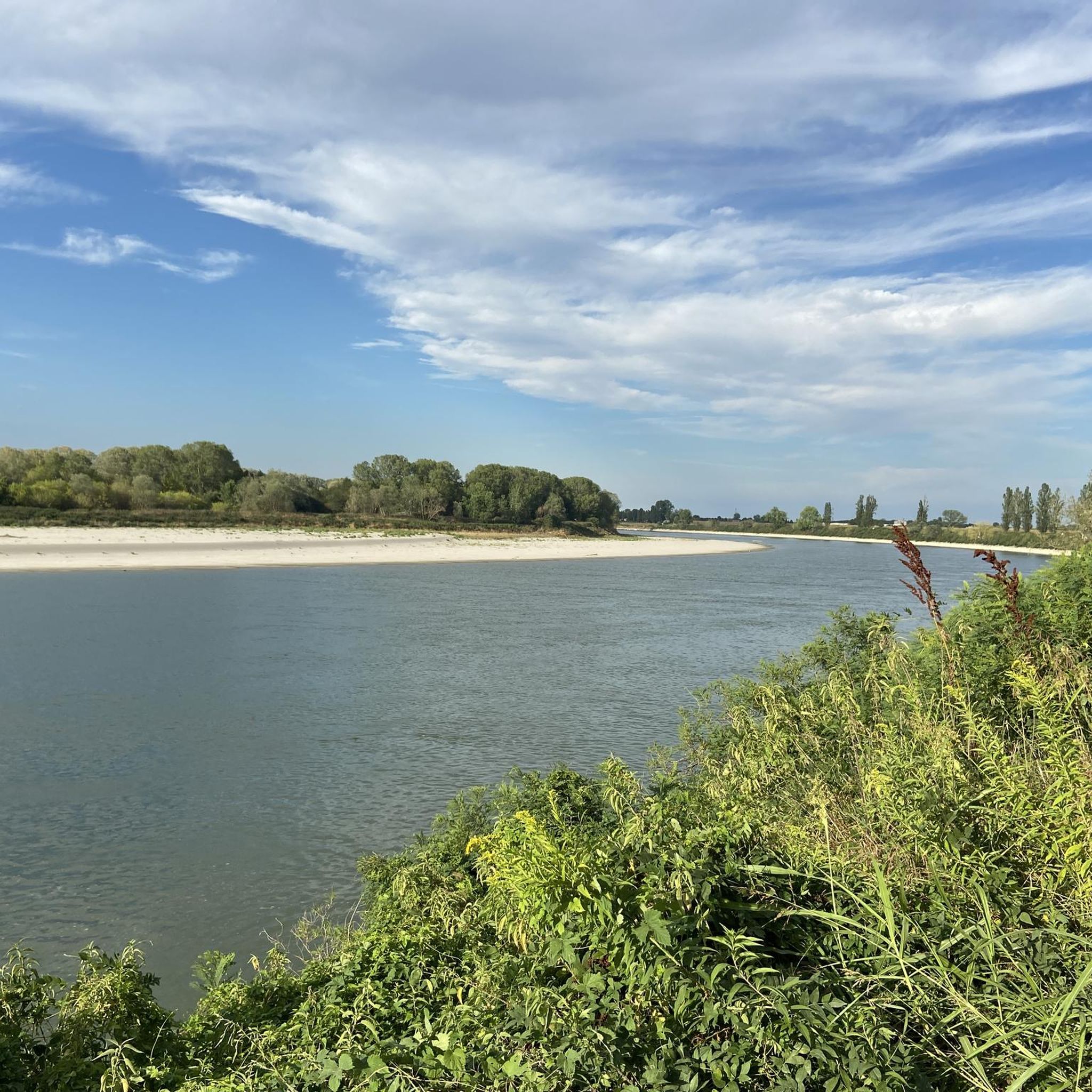
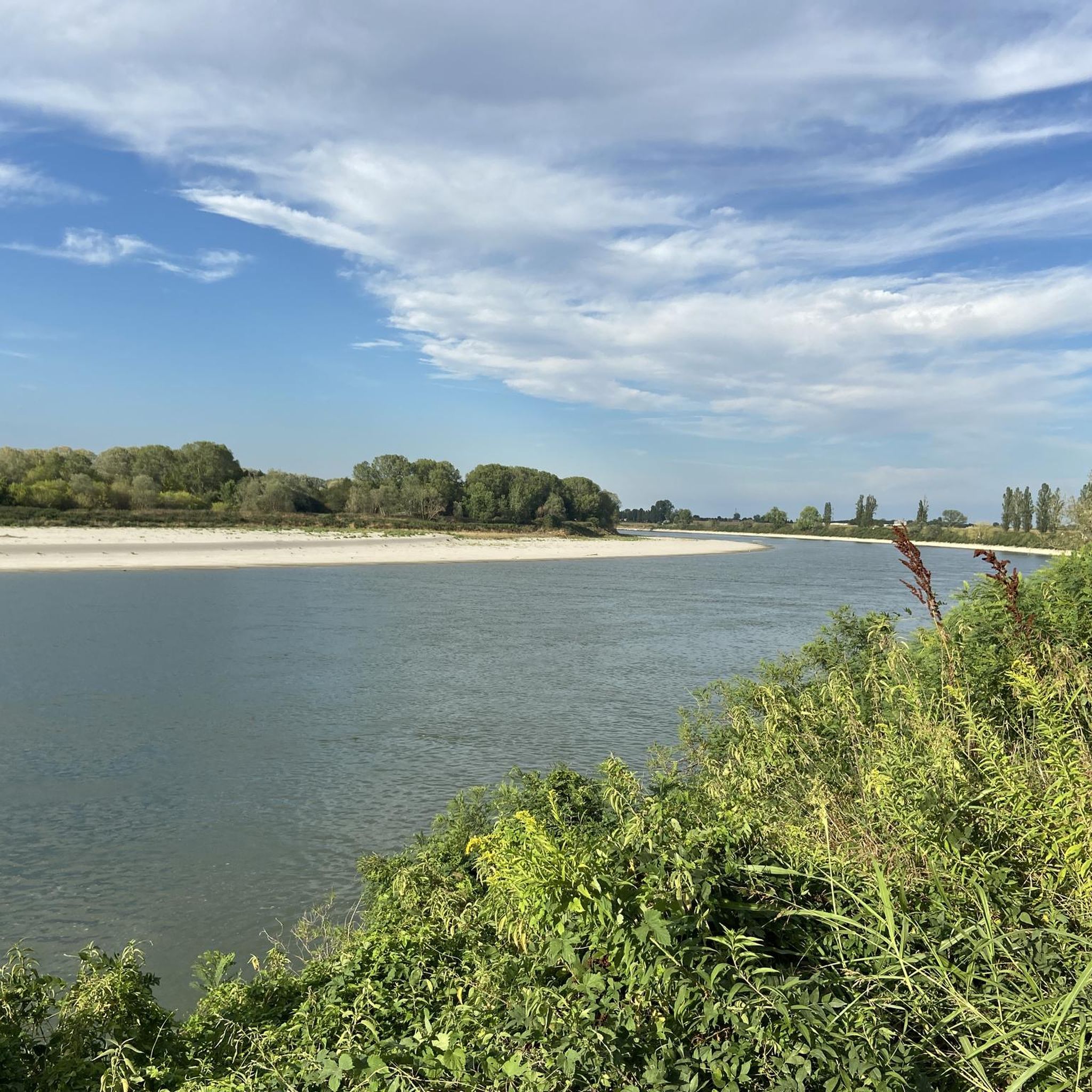
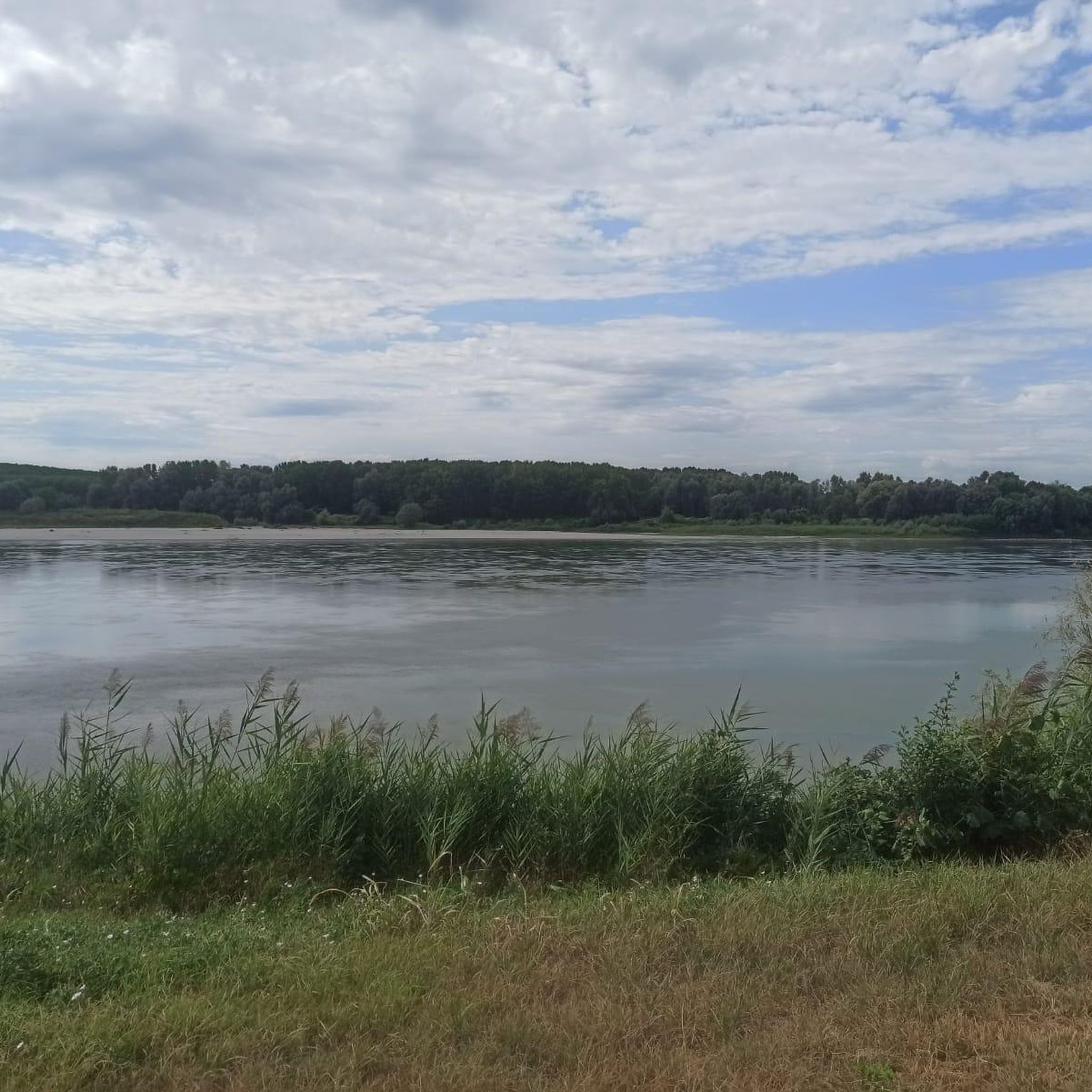
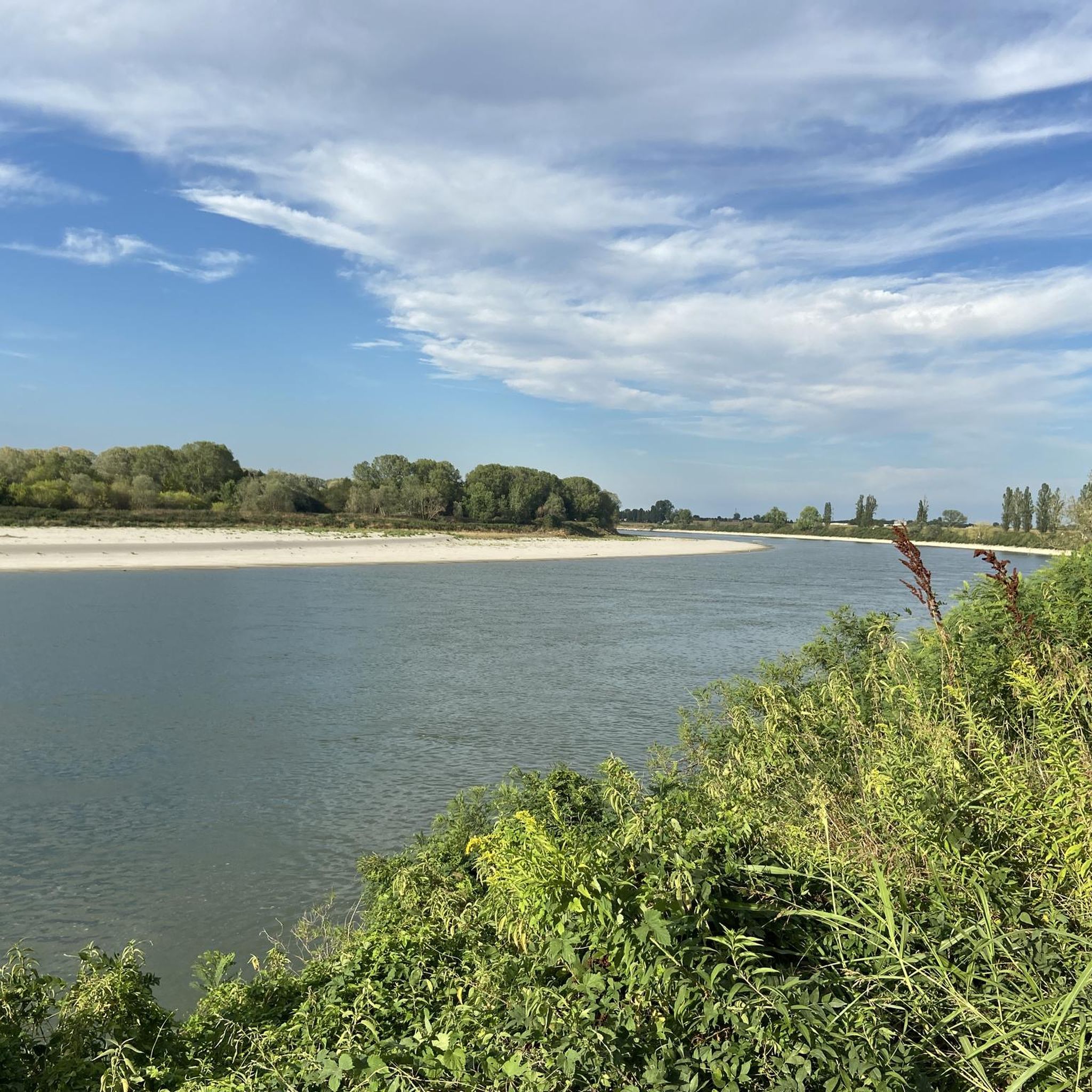
The Path of Tomato and Parmigiano Reggiano is a stretch of the Food Valley Bike, a cycle path that connects Parma to Busseto, crossing the Bassa parmense. The Path and the Stages Start: You start from Parma, the capital of the Food Valley, following the cycle path signs. Tomato Fields: You cycle through fields cultivated with tomatoes, discovering the supply chain of the typical local product. Parmigiano Reggiano: You visit local dairies (like the historic ones in Ramoscello or Sorbolo) to see the cheese production. Arrival and Taste: The main stretch reaches Sorbolo, where you can taste a plate of pasta with tomato and Parmigiano made with local ingredients.
0
0
The Tomato and Parmigiano Reggiano Route is a section of the Food Valley Bike, a cycle path that connects Parma to Busseto, crossing the Bassa Parmense area. The Route and Stages Start: You start from Parma, the capital of the Food Valley, following the cycle path signs. Tomato Fields: You cycle through fields cultivated with tomatoes, discovering the supply chain of the typical local product. Parmigiano Reggiano: You visit local dairies (like the historic ones in Ramoscello or Sorbolo) to see the cheese production. Arrival and Taste: The main section reaches Sorbolo, where you can enjoy a plate of pasta with tomato and Parmigiano made with local ingredients.
0
0

Don Camillo and Peppone are the famous protagonists of a series of stories by the writer Giovannino Guareschi, set in the post-war period in an imaginary small town in the Bassa Padana. They represent the archetype of divided Italy in the 1950s: Don Camillo (the energetic and anti-communist parish priest) and Peppone (Giuseppe Bottazzi, the communist and fiery mayor). Despite their furious ideological disputes, the two characters maintain a deep humanity and always find themselves united for the common good of the community.
1
0

dairy production and sale of Parmigiano Reggiano
2
0

Statue of the legendary Don Camillo and Peppone
3
0

A route of approximately 80 km between nature, flavors and culture, all to be enjoyed by bicycle: this is how the Food Valley Bike presents itself, the Lower Parma cycle route that connects Parma to Busseto following cycle paths and gravel routes parallel to the Po river.
2
0

The Food Valley Bike is a network of cycle paths that connects various towns in the Lower Parma area. In this stretch, you can cycle in total tranquility, without traffic and among the fields, between the center of Parma and Sorbolo.
4
0
The Lower Parma cycle route, the Food Valley Bike, is a cycle tourism route that unites Parma, ducal city and UNESCO Creative City of Gastronomy, with Busseto, the beating heart of Verdi's places, through a splendid territory, to discover culture, nature, traditions and gastronomy. The overall length is approximately 70 km flat; an itinerary that skirts the Po several times and is suitable for cycle tourists of all ages. To travel it with all the information conveniently in your pocket, a digital guide is available, the Food Valley Bike App, where you can also discover the details of the two themes that make up the itinerary: the Pasta Route and the Cured Meat Route. here are the details: https://emiliaromagnaturismo.it/it/itinerari/parma-busseto-food-valley-bike
2
0
Frequently Asked Questions
What historical sites can I explore in Colorno?
Colorno is rich in history. The most prominent site is the Reggia di Colorno, often called the 'Versailles of Parma,' which served as a ducal palace for influential families. You can also visit the Chiesa di San Liborio, an 18th-century church with an elegant interior, and the Aranciaia, which now houses the Museum of Peasant Civilisation and Pre-Industrial Technology. Don't miss the historic town center with its arcaded streets and Baroque architecture.
Are there any natural attractions or green spaces to visit in Colorno?
Yes, the meticulously restored French-style Gardens of the Reggia offer a beautiful setting for leisurely strolls, especially in spring and early summer. Colorno is also nestled on the banks of the Parma River within the Po Valley, providing scenic riverside views and opportunities for walks along the water.
What are some family-friendly activities around Colorno?
Families can enjoy exploring the UNESCO World Heritage Site of Sabbioneta, known for its 'ideal city' concept. Another great option is the Peppone and Don Camillo Museum, Brescello, which brings to life the famous Italian novels and films with original memorabilia. The French-style Gardens of the Reggia also provide a pleasant outdoor space for all ages.
What outdoor activities are available near Colorno?
The flat landscapes of the Po Valley around Colorno are ideal for various outdoor activities. You can find numerous routes for hiking, cycling, and gravel biking. For example, there are moderate hiking routes like the 'Church of San Rocco of Vedole – Reggia di Colorno loop' and cycling tours such as the 'Reggia di Colorno – Parma Morta Nature Reserve loop'. You can explore more options in the dedicated guides for hiking, cycling, and gravel biking around Colorno.
What is the best time of year to visit Colorno?
The French-style Gardens of the Reggia are particularly beautiful in spring and early summer. Generally, spring and autumn offer pleasant weather for exploring the town's historical sites and enjoying outdoor activities without extreme heat.
Are there any attractions related to local food or gastronomy?
Absolutely! Colorno is situated along the Culatello di Zibello Trail, highlighting a famous local cured meat and offering a unique culinary experience. Within the Reggia di Colorno, you'll also find the ALMA International School of Italian Cuisine, a renowned culinary institution.
Can I visit a UNESCO World Heritage Site near Colorno?
Yes, just a short distance away, you can visit Sabbioneta (UNESCO World Heritage Site). This walled city is recognized for embodying the Renaissance 'ideal city' concept, featuring sumptuous palaces and harmonious alleys.
What is the 'Reggia di Colorno' and what can I see there?
The Reggia di Colorno is a grand ducal palace, often referred to as the 'Versailles of Parma.' Originally a 14th-century fortress, it was transformed into an elegant residence. Today, it hosts art exhibitions and cultural events. You can explore its opulent interiors, the ALMA International School of Italian Cuisine, and the beautiful French-style Gardens that surround it.
Are there any wheelchair-accessible attractions in the Colorno area?
Yes, the Brescello Square with Statues of Don Camillo and Peppone is noted as wheelchair accessible, allowing visitors to enjoy the charming town square and its iconic statues.
What kind of museums are available in Colorno?
Colorno offers a couple of distinct museums. The Aranciaia within the Reggia complex houses the Museum of Peasant Civilisation and Pre-Industrial Technology. Nearby, in Brescello, you can visit the Peppone and Don Camillo Museum, dedicated to the beloved Italian novels and films, showcasing original film posters, photographs, and memorabilia.
Where can I find historical architecture in Colorno's town center?
The historic town center of Colorno is characterized by its arcaded streets and pastel-colored buildings, reflecting its rich Baroque heritage. You can also find the Church of Santa Margherita, with its Gothic origins, and the Water Tower, dating back to 1718–1719, which was once part of the Ducal Garden's hydraulic system.
What is the significance of Corte San Giorgio?
Corte San Giorgio is a historical site with Roman origins. It features the Oratory of S. Giorgio, erected in 1876, and remnants of a Matildic-period church. Visitors can still admire its Romanesque bell tower, built largely with Roman material, offering a glimpse into the region's ancient past.
Most popular routes around Colorno
Most popular attractions around Colorno

Get inspired with the komoot mobile app


Explore more
Still not found the Highlight you’re looking for? See guides of the top attractions in other regions:
