The best cycling routes around Ponte Dell'Olio
4.6
(23)
501
riders
48
rides
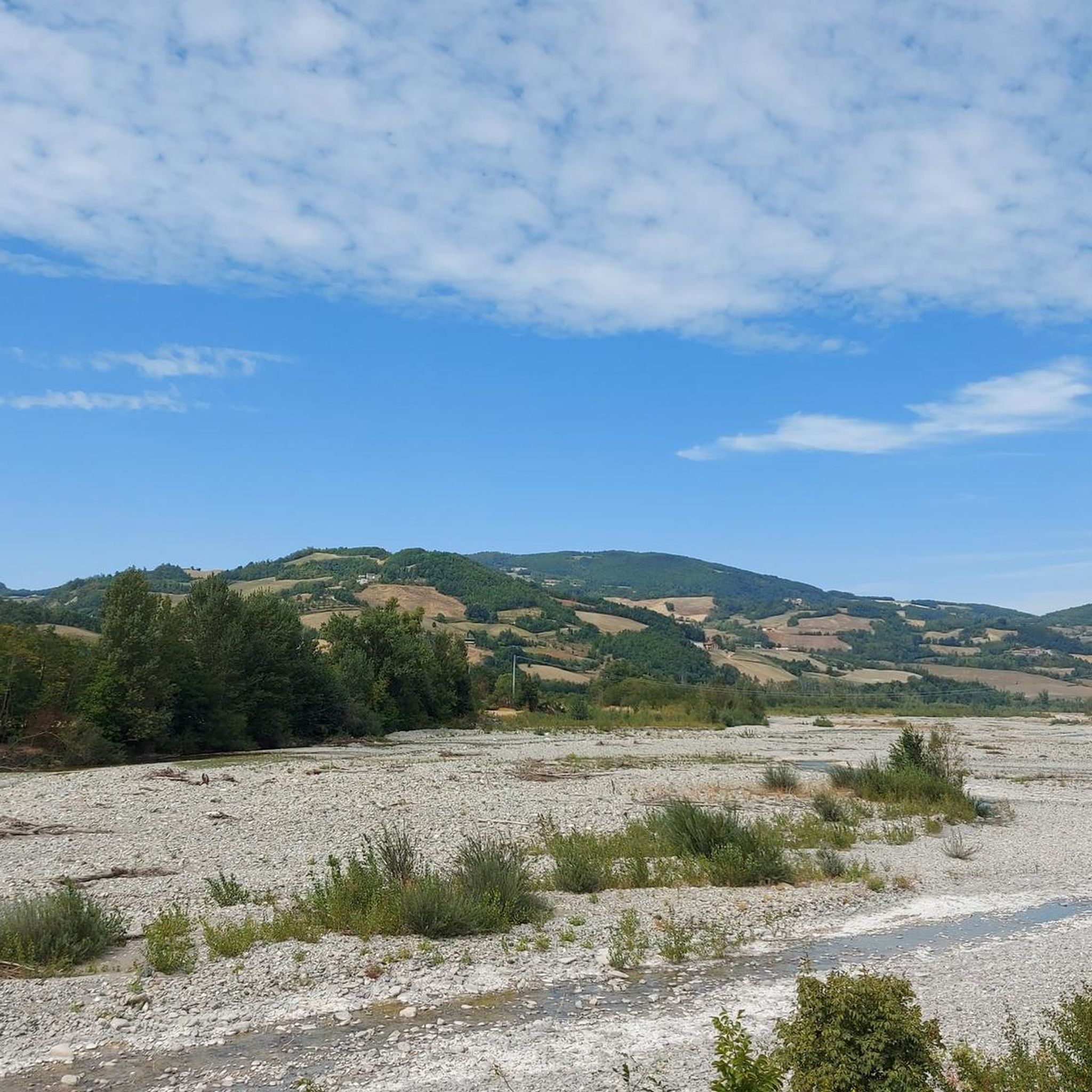
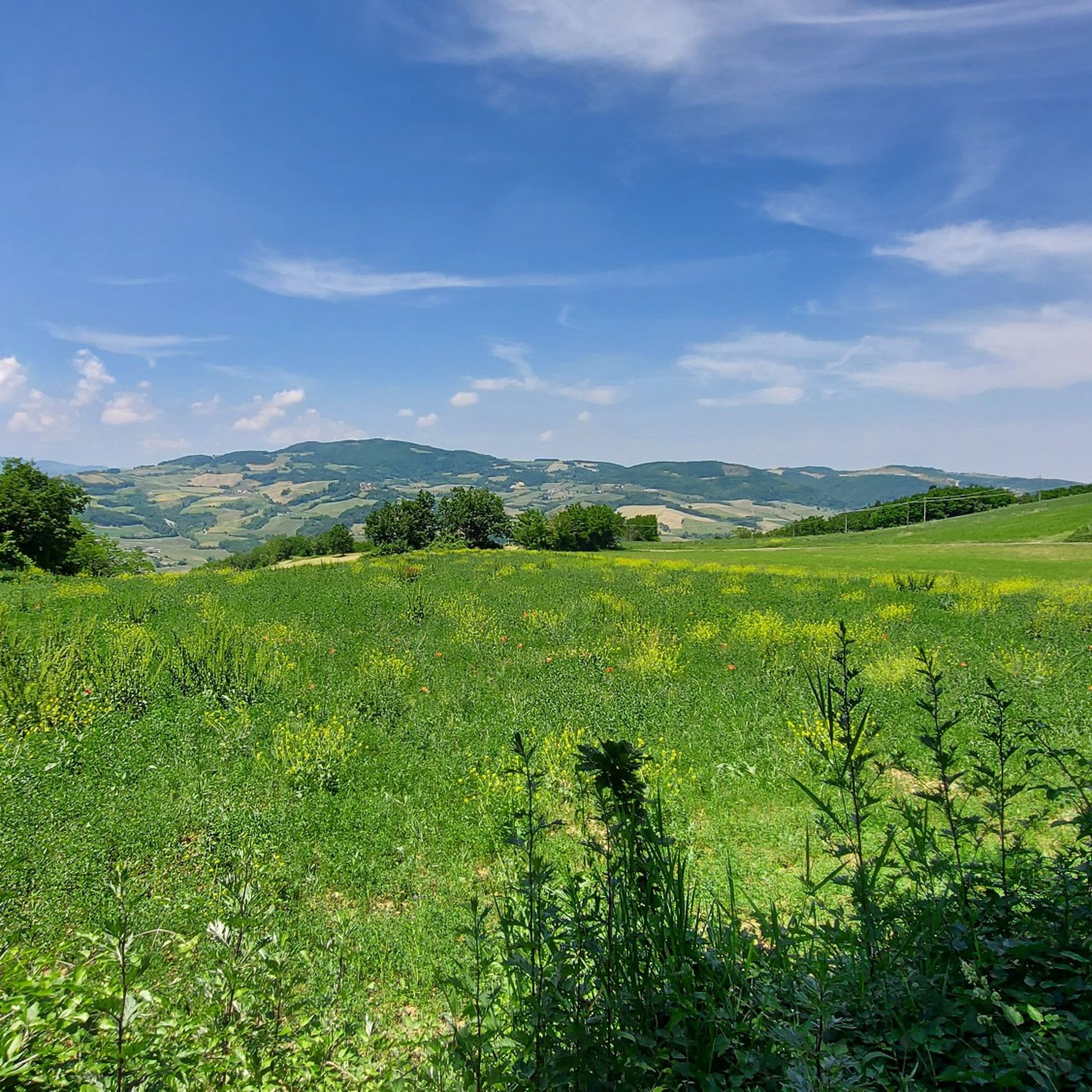
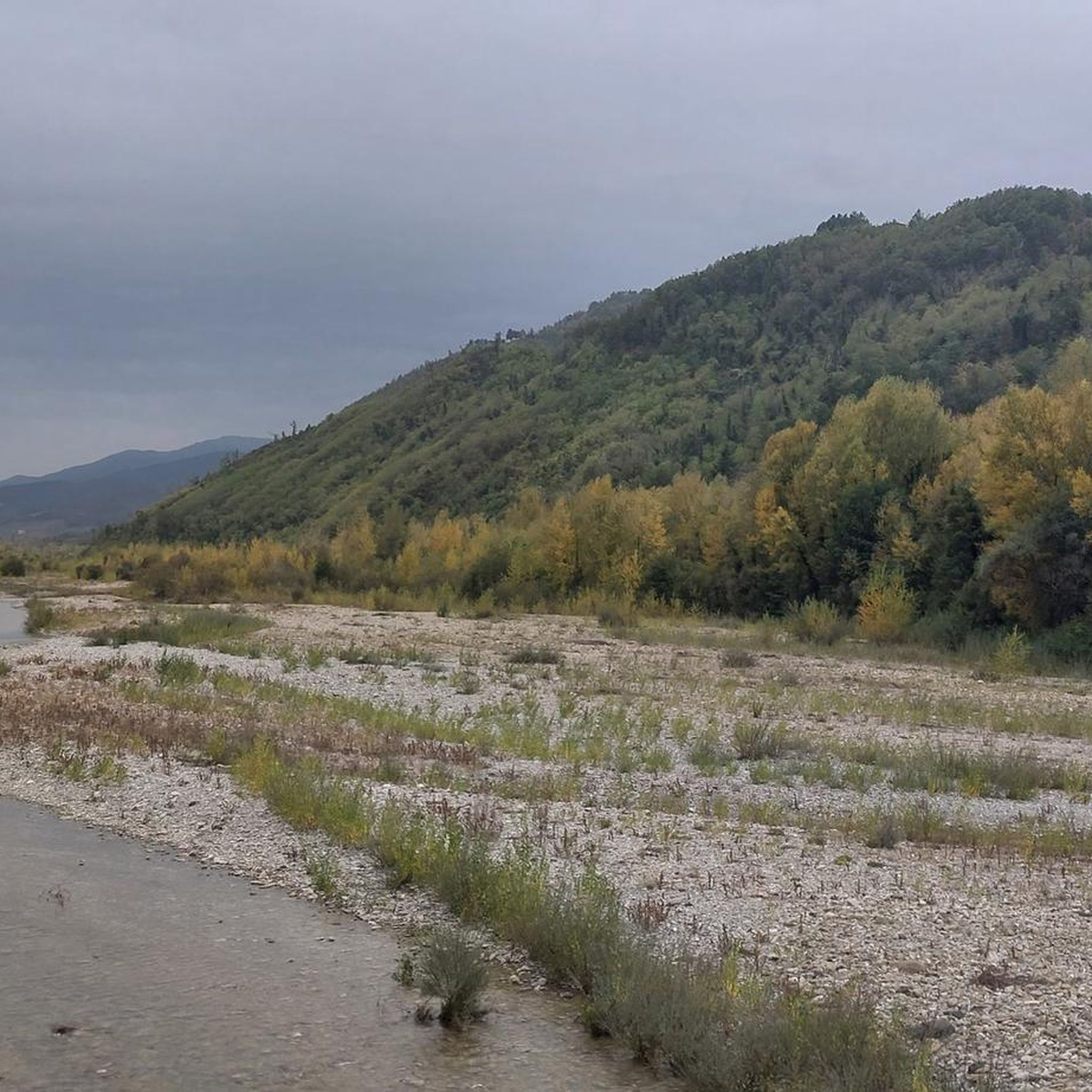
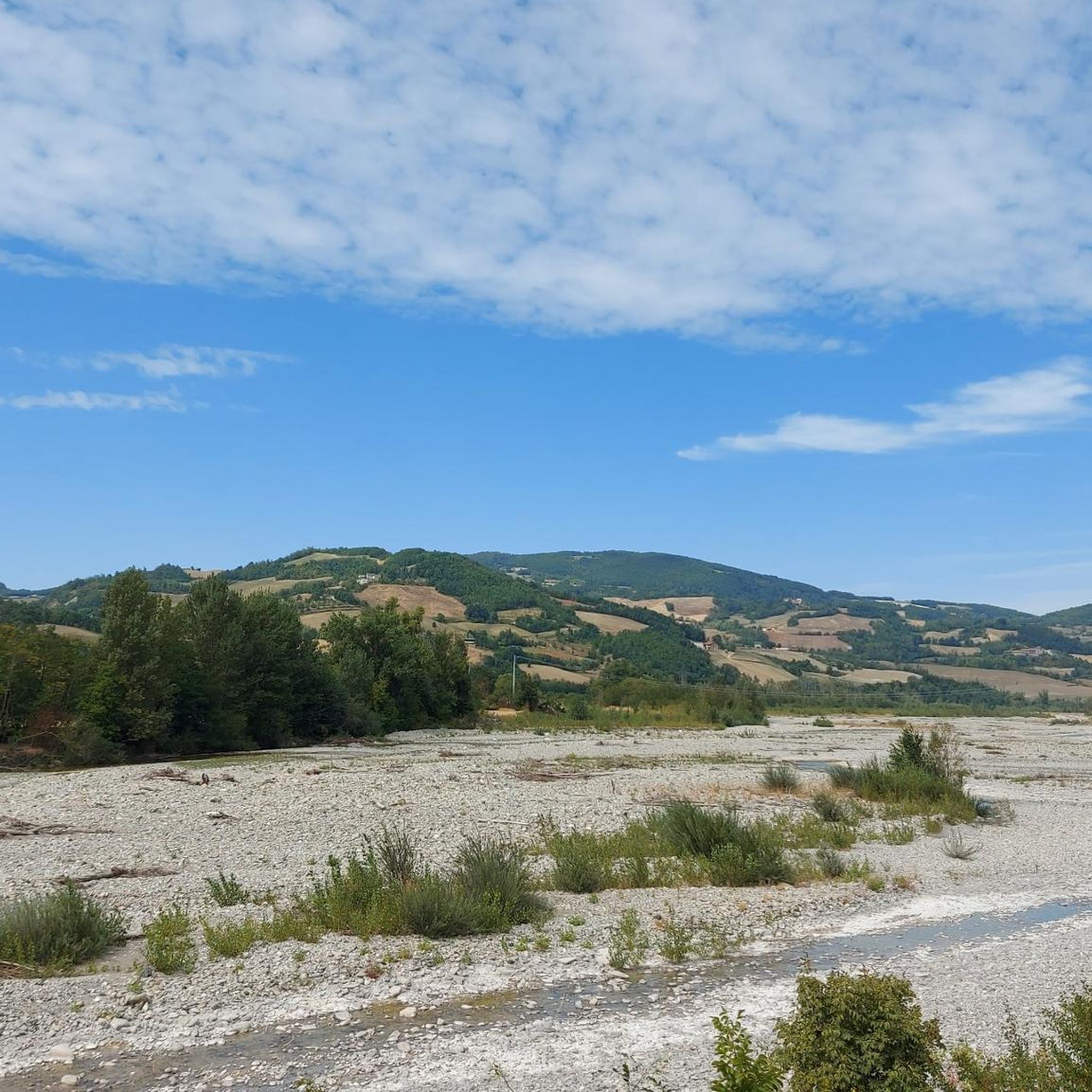
Touring cycling routes around Ponte Dell'Olio are situated in the Val Nure, Emilia-Romagna, Italy, characterized by the Nure River and surrounding rolling hills. The landscape features peaceful forests and vineyards, offering diverse terrain for cyclists. Elevations range from river valleys to hills, with Monte Santo reaching 677 meters and Monte Denavolo at 702 meters, providing elevated views. The region's varied topography supports a range of touring cycling experiences.
Best touring cycling routes around Ponte Dell'Olio
- The most popular touring cycling…
Last updated: October 18, 2026
4.3
(3)
31
riders
80.2km
05:39
1,590m
1,590m
Hard bike ride. Very good fitness required. Mostly paved surfaces. Suitable for all skill levels.
31
riders
68.3km
04:48
1,300m
1,300m
Hard bike ride. Very good fitness required. Mostly paved surfaces. Suitable for all skill levels.

5.0
(2)
24
riders
33.7km
02:28
610m
610m
Hard bike ride. Very good fitness required. Mostly paved surfaces. Suitable for all skill levels.
5.0
(1)
17
riders
37.5km
03:08
880m
880m
Hard bike ride. Very good fitness required. Mostly paved surfaces. Suitable for all skill levels.
17
riders
53.6km
03:41
900m
900m
Hard bike ride. Very good fitness required. Mostly paved surfaces. Suitable for all skill levels.
Get access to more routes and recommendations from other explorers.
Already have an account?
Our route recommendations are based on thousands of hikes, rides, and runs completed by other people on komoot.
Start today with a free account
Your next adventure awaits.

Tips from the Community

Central hub of the Piacenza mid-mountain, between the Nure and Arda valleys. From Prato Barbieri you can go down to Bettola, Morfasso and Gropparello. You can then go up to Passo Santa Franca, and from there reach Farini passing through Groppallo. Beautiful views guaranteed.
0
0

Very nice dirt roads, really recommended both in Gravel and MTB. Only a few sections are a bit rough.
0
0


The Riva castle is a fortified complex located in Ponte dell'Olio, in the province of Piacenza. It is so called as it is located in the district of the same name in the town, whose name derives, in all probability, from its proximity to the Nure stream; the castle was, in fact, built on the right bank of the stream to control the passage along the Nure valley. Its location, near the point where the Nure begins to flow into the Po Valley, was strategic as it allowed control of the passage towards the sea: via the Aveto valley towards Liguria and via the Taro valley towards Lunigiana.
0
0

The Riva Castle, of typical medieval construction, dates back to 1277 as attested by the inscription MCCLXXVII fuit factum hoc castrum, carved inside the manor, and its construction is due to the Del Cairo family of Piacenza, who in 1323 handed it over to Anguissola, appointed by Duke Visconti in 1468, counts of the fiefdom. In 1567 they sold it to Duke Ottavio Farnese who elevated it to a marquisate and gave it to Paolo Vitelli, one of the captains in his service. In 1703 Riva passed to Cesare and Carlo Maggi and then to the Cusani of Milan. In 1778 it was sold to the Sforza Fogliani and then to the Scribani Rossi. Between the 19th and 20th centuries, the Roman prince Emanuele Ruspoli bought it, who completely renovated it in 1884, relying on the architect Angelo Colla, who was also responsible for the restoration of the Gothic Palace of Piacenza. The interventions are not limited to a conservative restoration, but involve a true reconstruction of the building in neo-medieval style which involves, among other things, the elevation of the keep and the creation of curtains and battlements. From Ruspoli the manor passed to the Fioruzzi family, and, therefore, to the current owner Sebastiano Grasso Camardi Polizzi.
2
0

The Riva Castle. On the right bank of the Nure torrent, between the watercourse and the road that goes up the lower Nure Valley, the Riva Castle stands out, 18 km from Piacenza, in the Castelli del Ducato circuit in Emilia Romagna. The stronghold of Riva was born in ancient times as a military outpost to control the passage over the territory, towards the sea, through the Val d'Aveto towards Liguria, the Val Taro towards Lunigiana and towards the Po Valley where the watercourse begins. The story in brief. The Riva Castle, of typical medieval construction, dates back to 1277 as attested by the inscription MCCLXXVII fuit factum hoc castrum, carved inside the manor, and its construction is due to the Del Cairo family of Piacenza, who in 1323 handed it over to Anguissola, appointed by Duke Visconti in 1468, counts of the fiefdom. In 1567 they sold it to Duke Ottavio Farnese who elevated it to a marquisate and gave it to Paolo Vitelli, one of the captains in his service. In 1703 Riva passed to Cesare and Carlo Maggi and then to the Cusani of Milan. In 1778 it was sold to the Sforza Fogliani and, then, to the Scribani Rossi. Between the 19th and 20th centuries, the Roman prince Emanuele Ruspoli bought it. Source: Castles of the Duchy of Parma, Piacenza, Guastalla and Pontremoli
1
0
The church, with a seventeenth-century layout, has a nave inside with lateral noble chapels with seventeenth-century stuccos and contains paintings by Giovanni Battista Galluzzi (1716). Dedicated to San Bernardino, born at the beginning of the 15th century in Massa Marittima in the territory of the Republic of Siena, who abandoned the law to become a friar and then a priest. His sermons are known both for their high religious content and for their notable literary value.
0
0
Frequently Asked Questions
What kind of terrain can I expect on touring cycling routes around Ponte Dell'Olio?
The touring cycling routes around Ponte Dell'Olio are characterized by a diverse landscape, including rolling hills, peaceful forests, and picturesque vineyards, especially in the Val Nure. You'll find a mix of river valleys and ascents towards peaks like Monte Santo (677 meters) and Monte Denavolo (702 meters), offering varied terrain from gentle climbs to more challenging sections with unpaved segments.
Are there touring cycling routes suitable for beginners or families with children?
Yes, while many routes are moderate to difficult, there are options for less experienced cyclists. The region offers an extensive network of paths, and you can find easier rides lasting up to two hours with minimal elevation gain. For example, you can explore routes along the Nure River, which tend to be less demanding.
What historical landmarks or natural attractions can I see along the touring cycling routes?
Ponte Dell'Olio and its surroundings are rich in historical and natural points of interest. You can cycle past impressive structures like Momeliano Castle or Rivalta Castle. Natural highlights include the panoramic views from the Monte Denavolo Summit Cross, offering 360° vistas of the Trebbia and Nure valleys.
When is the best time of year to go touring cycling in Ponte Dell'Olio?
The period between spring and autumn is particularly recommended for touring cycling in Ponte Dell'Olio. The pleasant weather during these seasons is ideal for exploring the splendid countryside, vineyards, and forests, making for a comfortable and enjoyable cycling experience.
Are there any challenging touring cycling routes for experienced riders?
Absolutely. Ponte Dell'Olio offers numerous challenging routes for experienced touring cyclists. Many routes are classified as difficult, featuring significant elevation gains. For instance, the Ponte Gobbo – Bettola loop from Ponte dell'Olio covers over 100 km with more than 2000 meters of elevation gain, requiring very good fitness.
Can I find circular touring cycling routes in the area?
Yes, many of the touring cycling routes around Ponte Dell'Olio are designed as loops, allowing you to start and finish in the same location. Examples include the Bettola – Riva Castle loop from Ponte dell'Olio or the Riva Castle – Monte Santo loop from Ponte dell'Olio, which offer varied distances and difficulties.
What do other touring cyclists say about the routes in Ponte Dell'Olio?
The touring cycling routes in Ponte Dell'Olio are highly rated by the komoot community, with an average score of 4.3 stars from over 20 reviews. Cyclists often praise the diverse terrain, the scenic beauty of the Nure Valley, and the well-maintained paths that allow for varied experiences.
Are there options for long-distance touring cycling?
Yes, the region provides routes suitable for longer touring cycling adventures. The extensive trail network, part of 'the largest organised area for outdoor sports,' offers over 560 km of paths. You can combine segments to create longer journeys, such as the Ponte Gobbo – Bettola loop from Ponte dell'Olio, which is over 100 km long.
Is it possible to access touring cycling routes using public transport in Ponte Dell'Olio?
While specific public transport connections directly to trailheads might be limited, Ponte Dell'Olio itself is connected to neighboring towns like Vigolzone, Podenzano, and San Giorgio via local transport. It's advisable to check local bus schedules for connections that might facilitate access to various starting points for your cycling tours.
Are there any specific passes or elevated points worth cycling to for views?
Definitely. The region features several passes and elevated points that offer stunning panoramic views. Notable road cycling routes include loops around Prato Barbieri Pass, Tomarlo Pass, Sella dei Generali – Cerro Pass, and Passo Cappelletta. The ascent towards Monte Santo, as seen in the Riva Castle – Monte Santo loop from Ponte dell'Olio, also provides expansive vistas of the valley.
How many touring cycling routes are available around Ponte Dell'Olio?
There are over 45 touring cycling routes available around Ponte Dell'Olio, catering to various skill levels. This extensive network ensures a wide range of options for exploring the region's diverse landscapes.
Are there any cafes or places to stop for refreshments along the touring cycling routes?
While specific cafes directly on every trail are not listed, the routes often connect Ponte Dell'Olio with neighboring towns and villages. These settlements, such as Bettola or Vigolzone, will offer opportunities to find cafes, restaurants, and other amenities for refreshments and breaks during your ride.
Most popular routes around Ponte Dell'Olio
Most popular attractions around Ponte Dell'Olio

Get inspired with the komoot mobile app


Explore more
Browse the best Cycling routes in other regions.
