Top 14 Castles around Vernasca
Castles around Vernasca are situated in the Piacenza plain, characterized by rolling hills and historical significance. The region is known for its well-preserved medieval fortified villages and ancient churches. These points of interest provide insights into centuries of history and offer panoramic views over the surrounding valleys. The area provides a diverse range of historical sites for exploration.
Best castles around Vernasca
- The most popular castles is Tabiano Castle, a castle that was built by the Pallavicino family to…
Last updated: July 1, 2026
Tabiano Castle
Highlight • Castle
Translated by Google •
Tip by

Keep of Vigoleno
Highlight • Castle
via Libertà s.n., 29010 Vigoleno PC
visitvigoleno.it
3297503774
Translated by Google •
Tip by

Sign up now to discover places like this
Get recommendations on the best single tracks, peaks, & plenty of other exciting outdoor places.
Sign up for free
Gropparello Castle
Highlight • Castle
Translated by Google •
Tip by

Castell'Arquato
Highlight • Settlement
Via Sforza Caolzio, 1, 29014 Castell'Arquato PC
castellarquato.com/turismo/monumenti/podesta
Translated by Google •
Tip by
Scipione Castle of the Pallavicino Marquises
Highlight • Castle
Translated by Google •
Tip by

Sign up for free to discover even more castles around Vernasca.
Sign up for free
Already have an account?
Start today with a free account
Your next adventure awaits.
Login or Signup

Tips from the Community

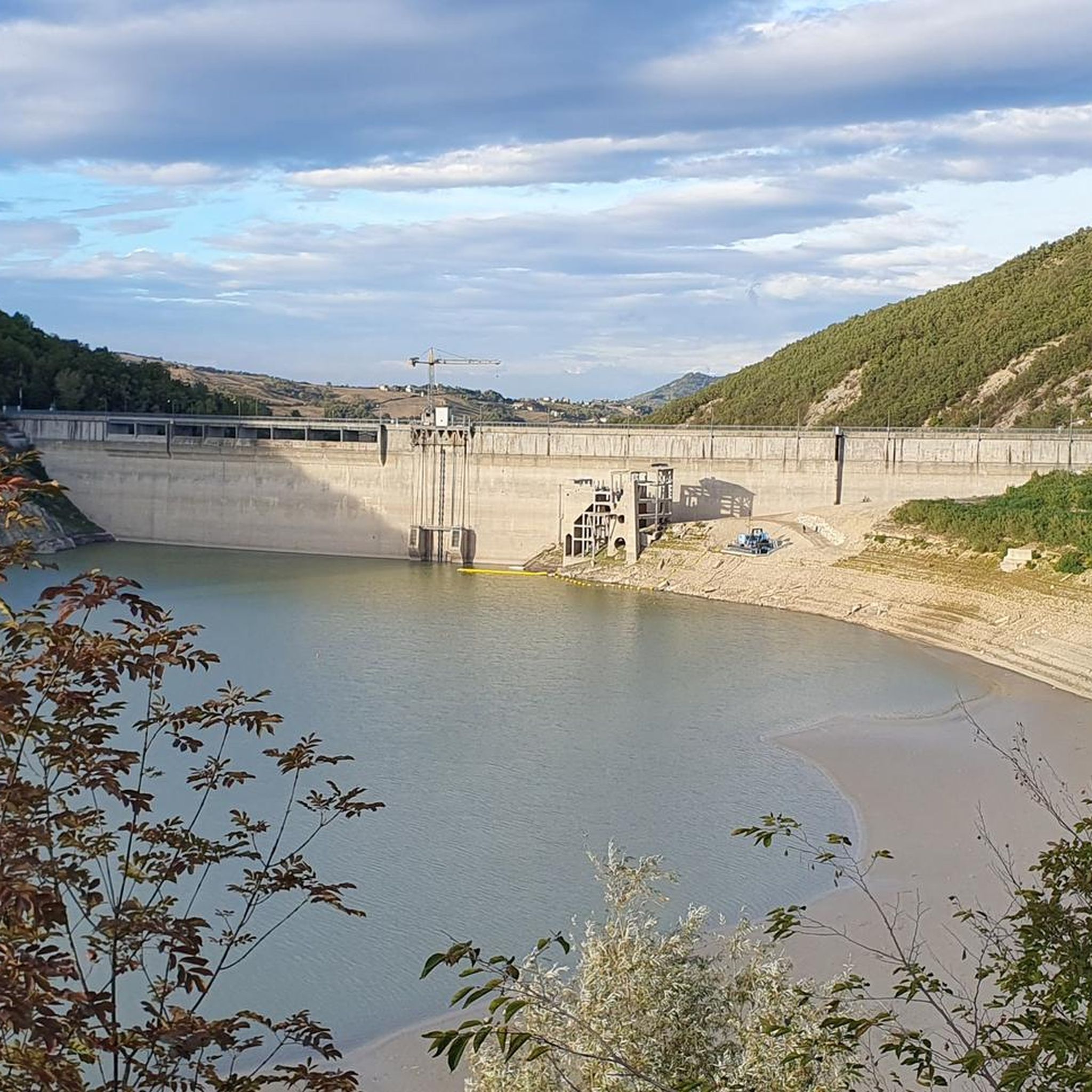
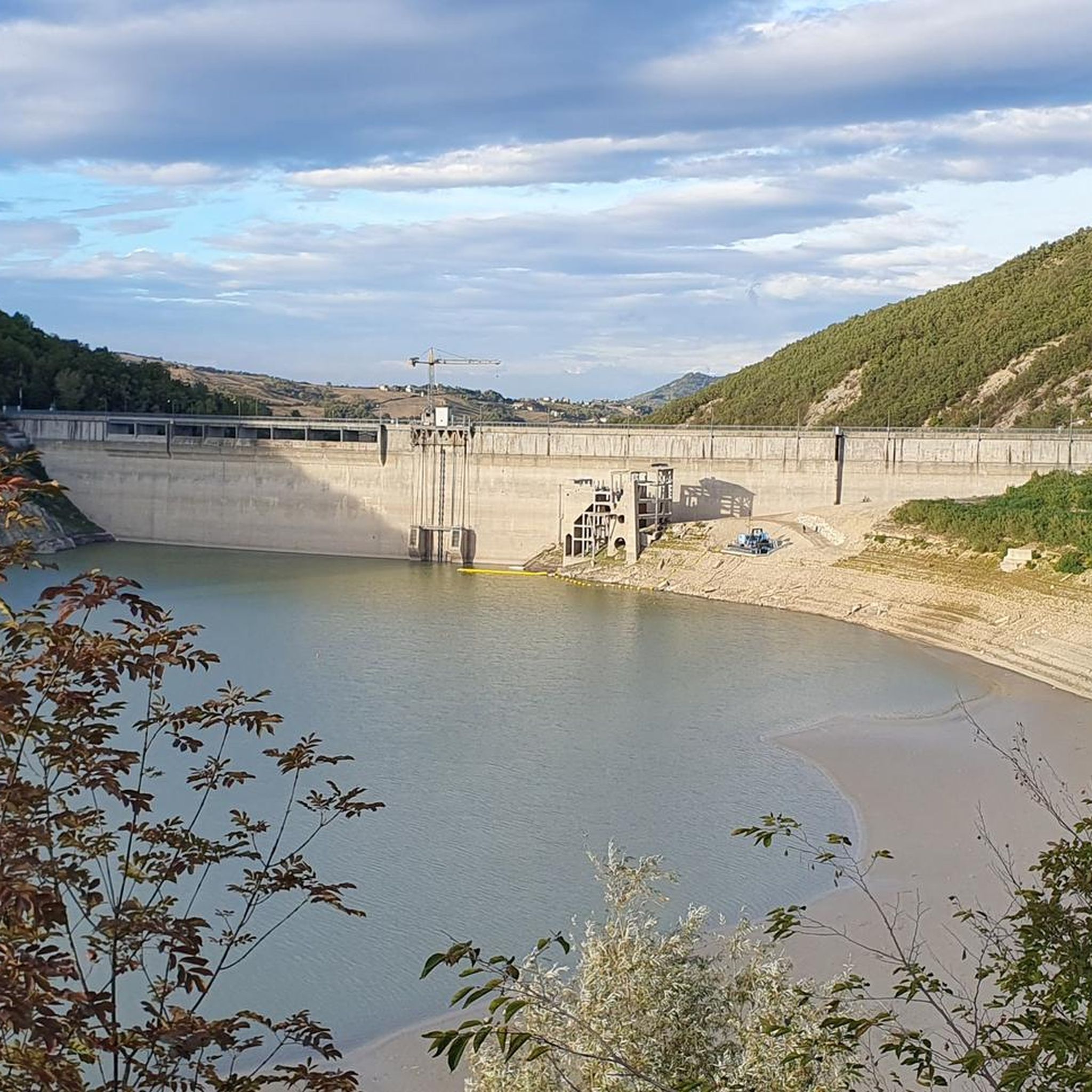
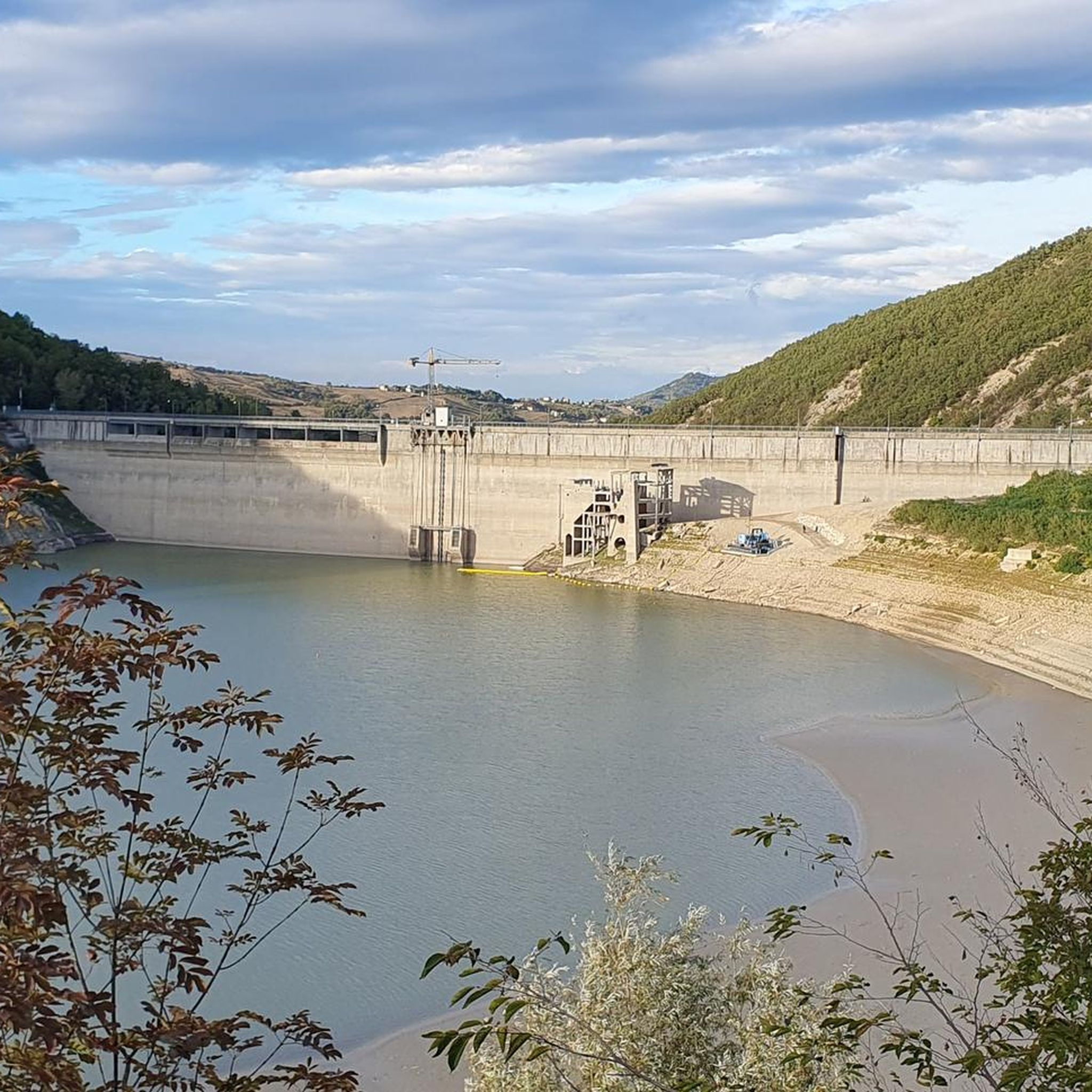
The Pallavicino Marquises' Scipione Castle dominates the hills between Parma and Salsomaggiore Terme and is one of the oldest fortresses in Emilia-Romagna, built before the 11th century to control the salt routes. Inhabited by the same family for centuries, it preserves medieval structures and rooms transformed in later eras, nestled within the historic village of Scipione Castello.
3
0

Originally built between the 10th and 11th centuries, the castle was rebuilt in 1153 and expanded several times in the following centuries. With the exception of a few brief periods in the 12th and 14th centuries, the Pallavicino marquises maintained it almost uninterruptedly until their extinction in 1756. Assigned to the Sermattei family, the manor was purchased a few years later by the Landi cousins. Sold in 1882 to the Corazza family, the manor was renovated and transformed into an elegant stately home, rich in frescoes and stucco decorations. Since the early 21st century, the building, along with the surrounding village, has been used as a scattered hotel, with an adjoining farm. SOURCE: https://it.wikipedia.org/wiki/Tabiano_Castello
0
0

Very beautiful village, well worth a visit
2
0

The castle was born as a medieval fortification in the Vezzeno Valley. The manor, surrounded by Guelph battlements, is defended by towers, the entrance one with a drawbridge and the mighty central keep. The Castle of Gropparello, known in ancient times as "Rocca di Cagnano", is a characteristic example of a medieval fortification built to defend the access route to a valley, conceived as a true eagle's nest overlooking the cliff, and therefore absolutely unassailable .. The oldest document known so far about Gropparello dates back to the year 810, and is the deed with which the emperor Charlemagne granted the place as a fief to the then bishop of Piacenza Giuliano II.
1
0

Castell'Arquato, a medieval village and city of art on the first hills of the Val D'Arda, stands majestically thirty kilometers from Piacenza and a little further from Parma. Dominating the hill along the Arda stream, this village keeps its medieval structure intact, offering an authentic experience. Culture, history, natural beauty and gastronomy blend harmoniously in this unique place, enriched by unmissable events.
1
0

The castle of Scipione, also known as Castello Pallavicino, is a medieval manor that rises in the small hamlet of Scipione Castello.
3
1

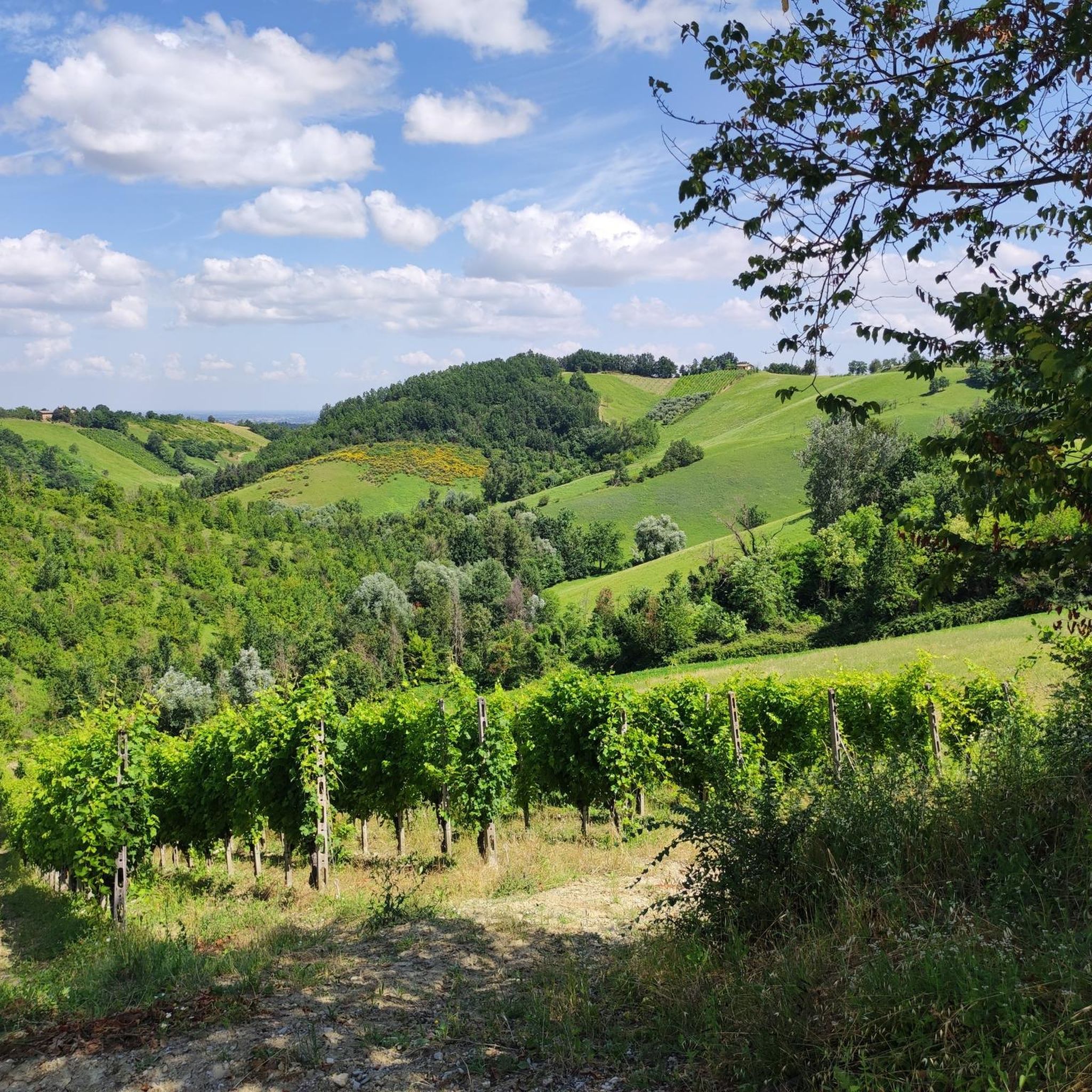
take advantage of clear days to enjoy the view
1
0
Frequently Asked Questions
What are some notable castles to visit in the Vernasca area?
The region offers several impressive castles. Don't miss Tabiano Castle, known for its historical control over trade routes. The Keep of Vigoleno is part of a beautifully preserved medieval village, and the Visconti Fortress of Castell'Arquato offers panoramic views from its 42-meter-high main tower. Gropparello Castle, a medieval fortification in the Vezzeno Valley, is also a significant site.
Are there any well-preserved medieval villages with castles nearby?
Yes, the Castello di Vigoleno is an exceptionally well-preserved medieval fortified village within the municipality of Vernasca. It features intact defensive structures, a Romanesque church, and offers a complete immersion into a medieval atmosphere.
What kind of historical features can I expect to see at Castello di Vigoleno?
At Castello di Vigoleno, you can explore an intact fortified village with two surrounding walls, portcullises, embrasures, and Ghibelline battlements. You can also walk along the ancient patrol path on the crenellated walls. The village includes the Romanesque Parish Church of San Giorgio and the Oratory of the Madonna delle Grazie. The noble floor of the castle houses private residences and 15th-century frescoes.
What is the best time of year to visit the castles around Vernasca?
The spring and autumn months generally offer pleasant weather for exploring the castles and surrounding areas. These seasons avoid the intense heat of summer and the colder, potentially wetter conditions of winter, making outdoor exploration and castle visits more comfortable.
Are there family-friendly castles or activities in the Vernasca area?
Many castles in the region, including the Keep of Vigoleno and the Visconti Fortress of Castell'Arquato, are considered family-friendly. Gropparello Castle specifically organizes visits with activities for children inspired by the medieval world, making it a great option for families.
What outdoor activities can I do near the castles?
The Vernasca area is excellent for outdoor enthusiasts. You can find various hiking trails, including moderate routes like the 'Stirone Cycle Path' and more challenging ones like 'From Vigoleno to San Colombano church'. There are also numerous MTB trails and road cycling routes that allow you to explore the scenic Piacenza plain and its rolling hills.
Can I find panoramic views from the castles?
Yes, several castles offer stunning panoramic views. From the Castello di Vigoleno, you can enjoy suggestive views of Lake Mignano and the surrounding Piacenza plain. The Visconti Fortress of Castell'Arquato allows you to climb its main tower for a comprehensive view of the entire village and surrounding hills.
Is there a castle directly in Vernasca, or are they in the surrounding area?
While the original castle in Vernasca itself, built around the year 1000, no longer stands, its municipality is home to the remarkable Castello di Vigoleno. This well-preserved medieval fortified village is a prime example of the region's historical architecture. The Antica Pieve di San Colombano in Vernasca, a Romanesque church, stands where the original castle once was.
What is the significance of the Antica Pieve di San Colombano in Vernasca?
The Antica Pieve di San Colombano is a significant Romanesque church dating back to the 12th century, built next to Vernasca's now-vanished castle. Despite suffering from landslides and fire, its apse and bell tower remain. It offers panoramic views over the Arda Valley and houses important frescoes, including the 'Crowned Madonna' from 1474, now displayed in the Provincial Visitor Center of the Via Francigena.
Are there any specific historical connections or stories associated with these castles?
Many castles have rich histories. Tabiano Castle was built by the Pallavicino family to control vital trade routes. The Visconti Fortress of Castell'Arquato was built by Luchino Visconti and later passed through the hands of the Scotti and Sforza families. Gropparello Castle, known as 'Rocca di Cagnano', dates back to 810 and was granted as a fief by Emperor Charlemagne.
How long should I plan for a visit to a castle like Vigoleno?
To fully experience a fortified village like Castello di Vigoleno, including exploring its streets, defensive structures, the church, and enjoying the panoramic views, you should plan for at least 2-3 hours. If you wish to visit any internal exhibitions or enjoy a meal in the village, allow more time.
Is parking available at the castles?
Parking is generally available near the main castle attractions. For instance, there is parking available for visitors to Vigoleno Castle. It's advisable to check local signage upon arrival for specific parking areas and any potential fees.
What makes the Castell'Arquato village and its fortress special?
Castell'Arquato is a wonderful medieval village considered one of the most beautiful in Italy. Its main attraction is the imposing Visconti Fortress, built between 1342 and 1349. You can climb its 42-meter-high main tower for spectacular views. The village itself retains its medieval structure, blending culture, history, natural beauty, and gastronomy.
Most popular routes around Vernasca
Most popular attractions around Vernasca

Get inspired with the komoot mobile app


Explore more
Looking for the best castles somewhere else? Discover other guides around Vernasca:
