Top 9 Castles around Bardi
Best castles around Bardi are found in a region defined by its dramatic landscape, with fortresses often positioned on rocky spurs overlooking river valleys. The area holds significant medieval history, particularly through the influence of the Landi family, who developed many of its prominent structures. This historical context, combined with the natural features of the Ceno Valley, offers a unique exploration experience. The region provides insights into centuries of architectural evolution and strategic importance.
Best castles around Bardi
- The most…
Last updated: October 11, 2026
Bardi Castle
Highlight • Castle
Translated by Google •
Tip by

Malaspina-Doria Castle
Highlight • Castle
Translated by Google •
Tip by

Sign up now to discover places like this
Get recommendations on the best single tracks, peaks, & plenty of other exciting outdoor places.
Bardi Castle
Highlight • Castle
Translated by Google •
Tip by

Compiano Castle
Highlight • Castle
Translated by Google •
Tip by

Castello di Belforte
Highlight • Castle
Translated by Google •
Tip by

Sign up for free to discover even more castles around Bardi.
Already have an account?
Start today with a free account
Your next adventure awaits.
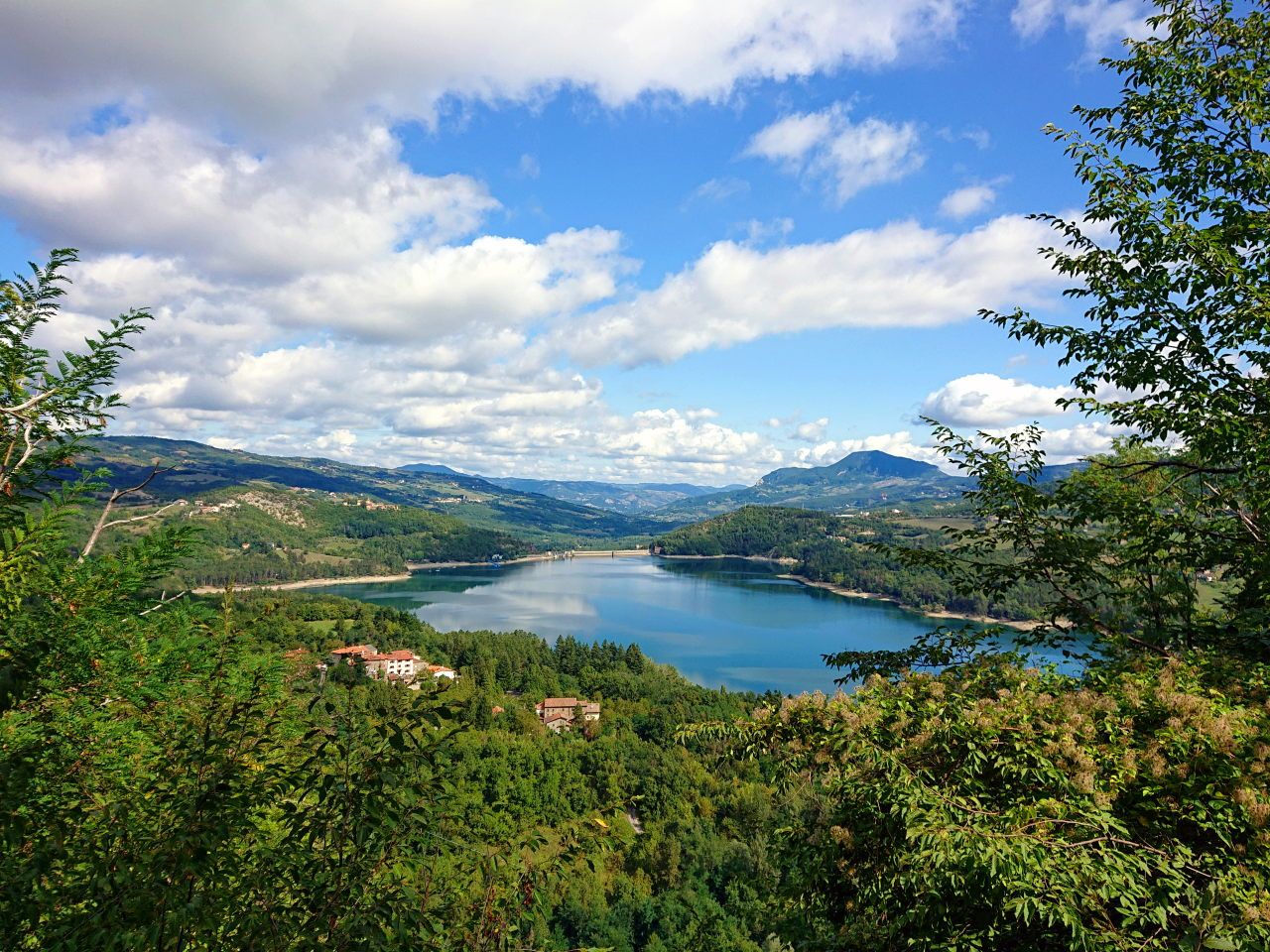
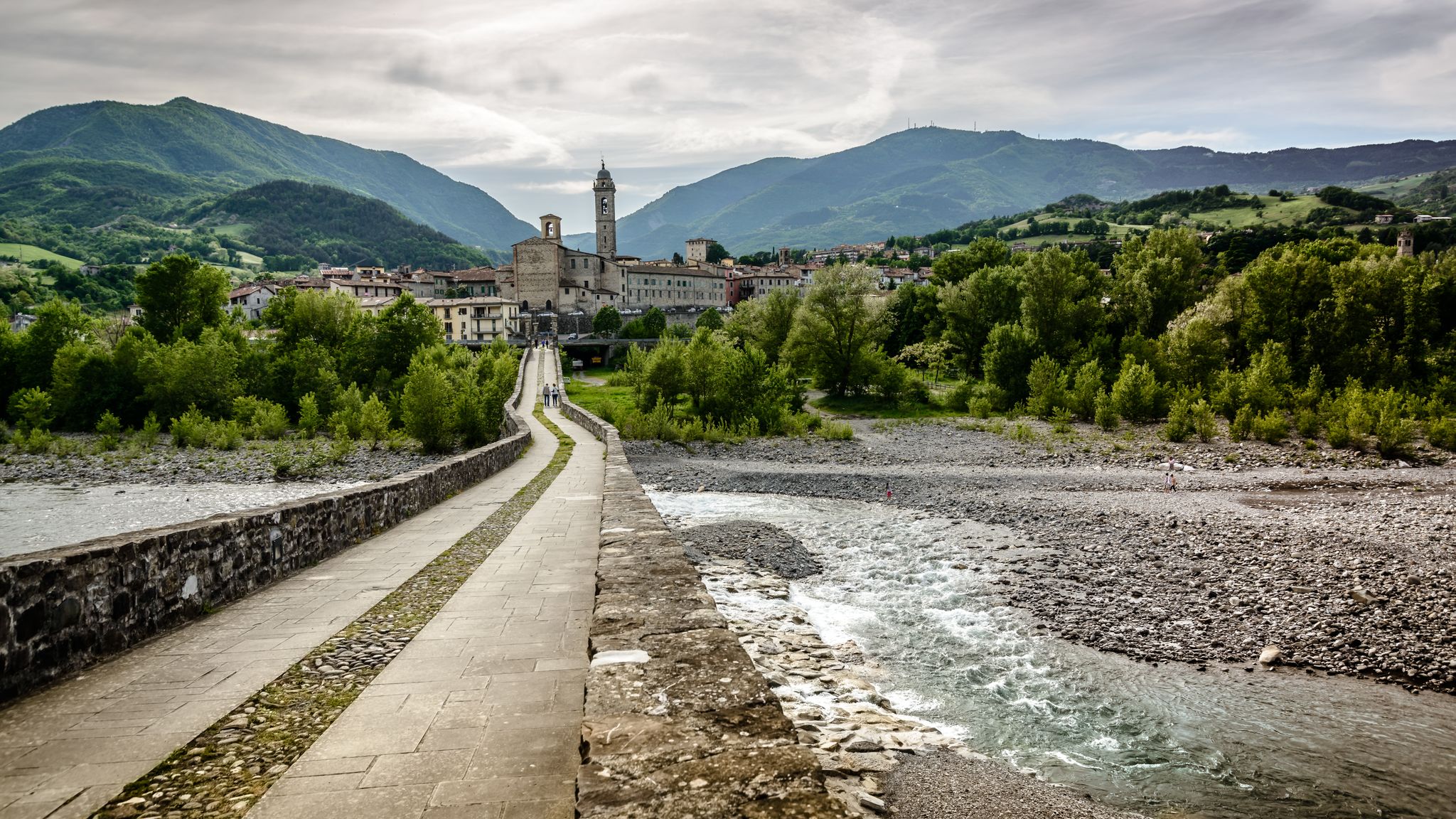
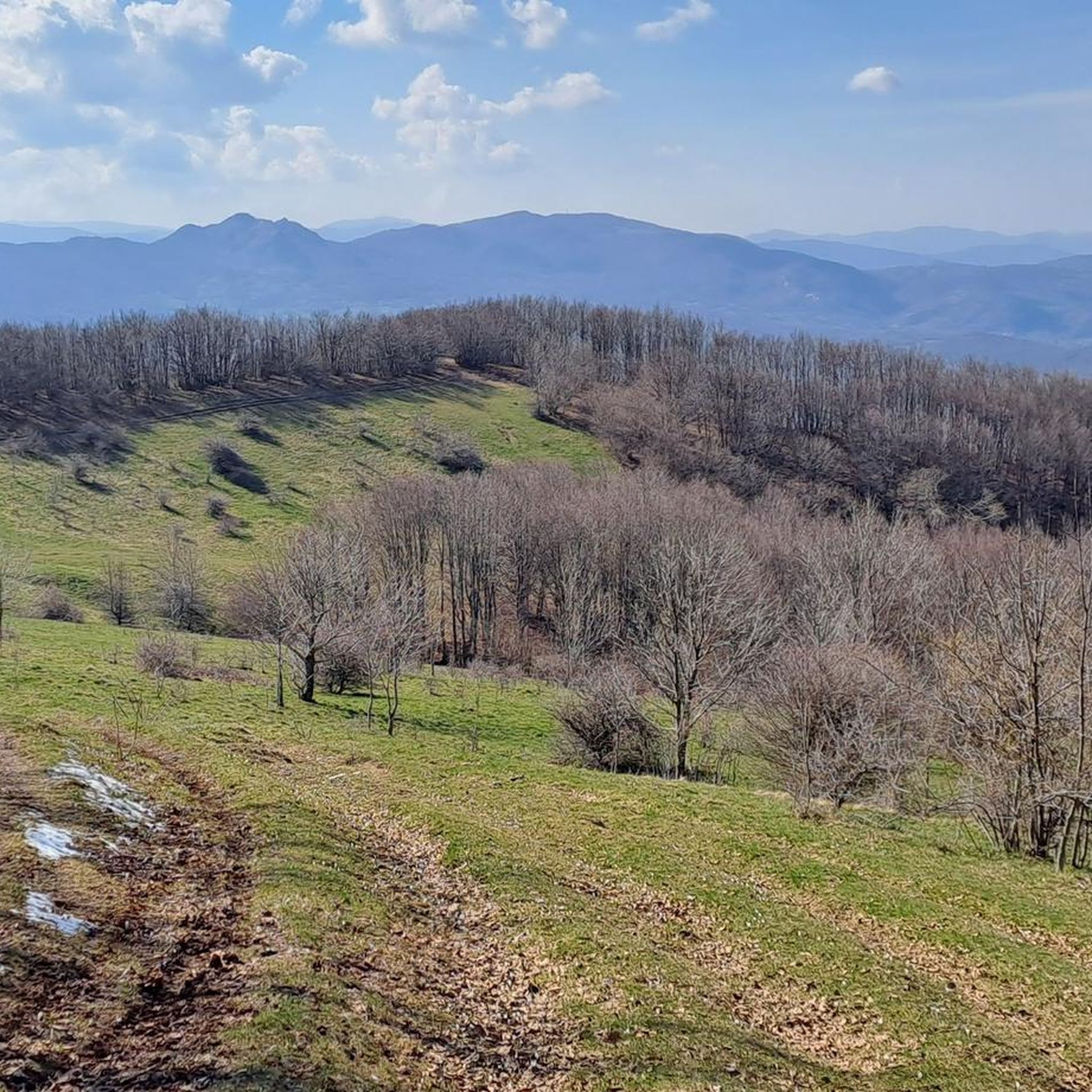
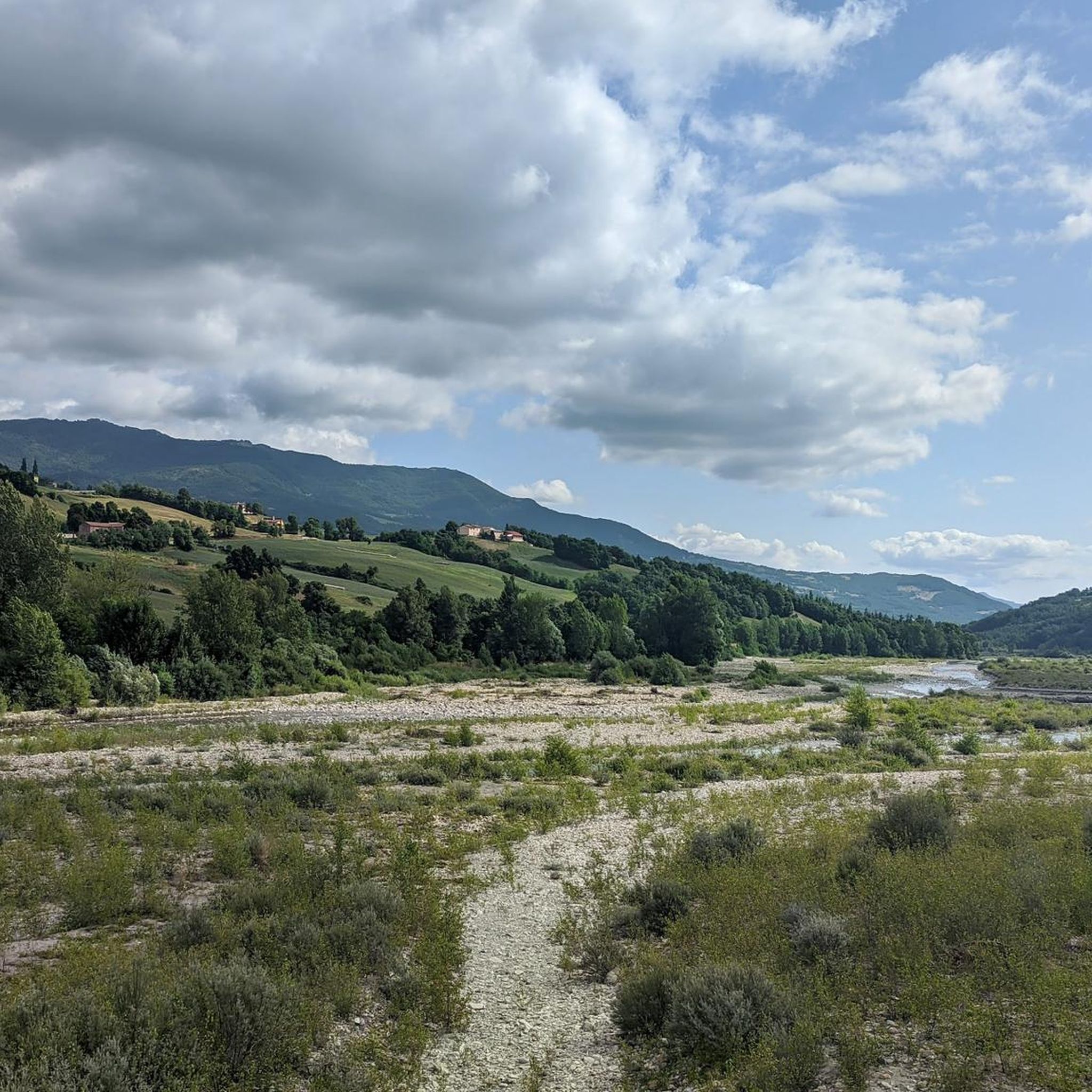
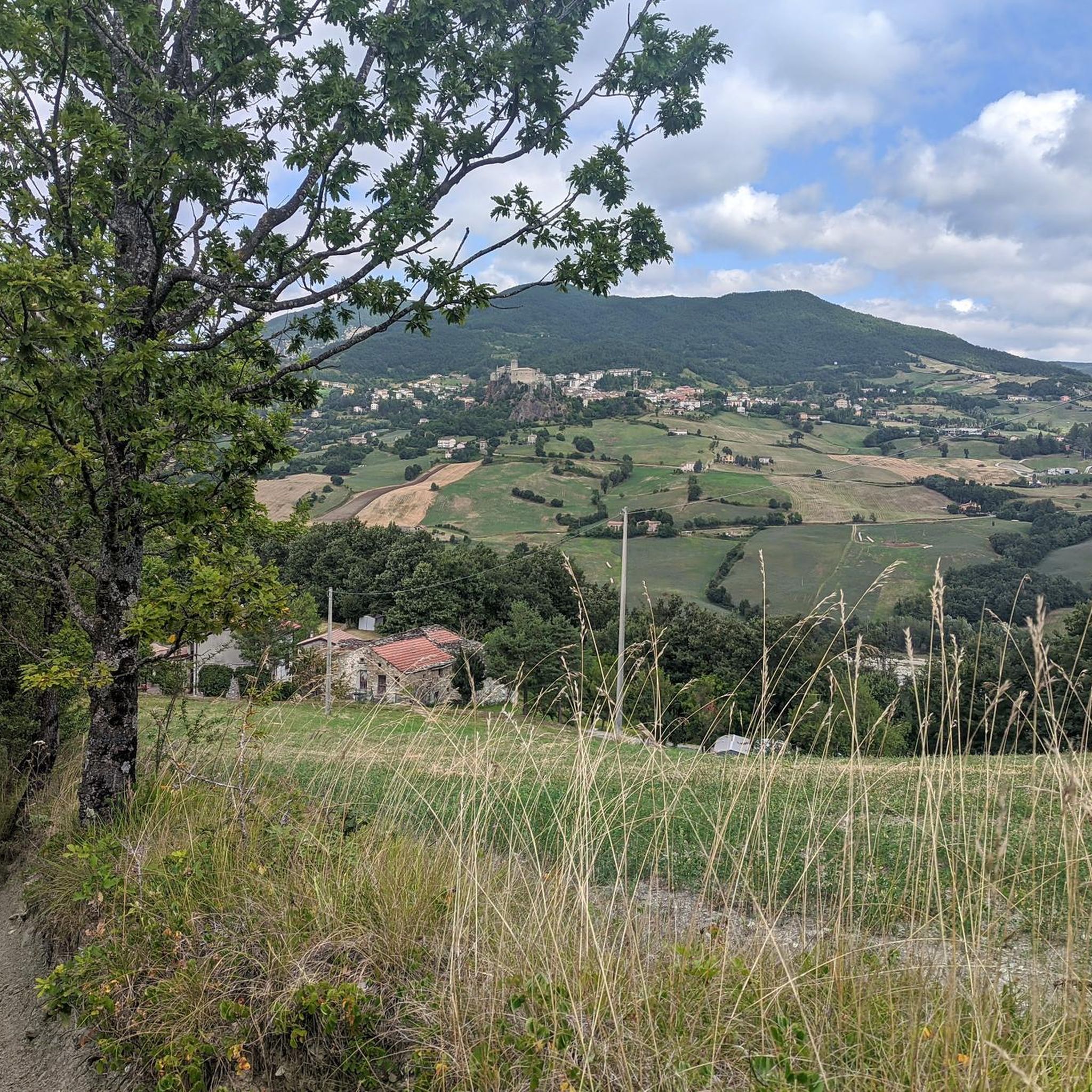
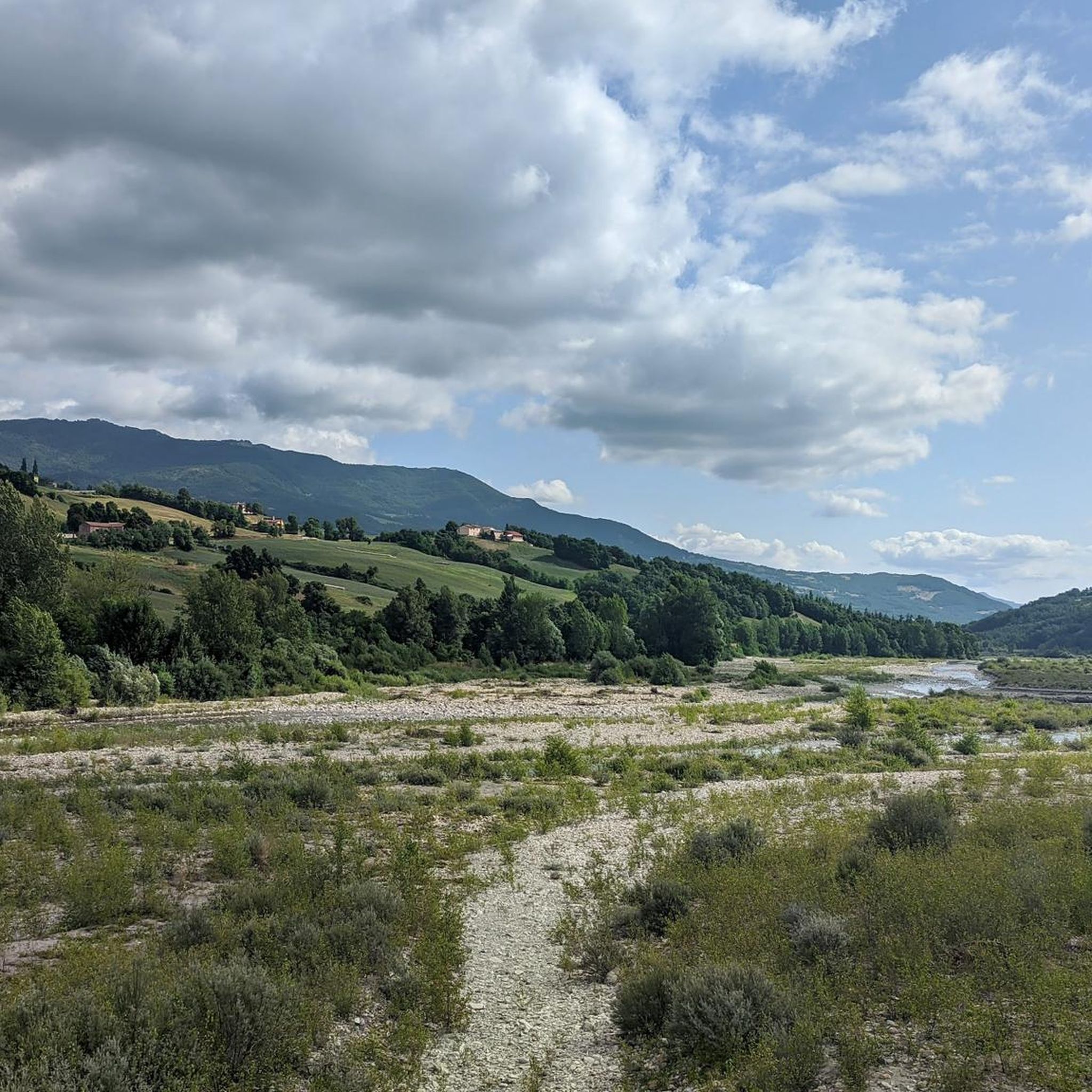
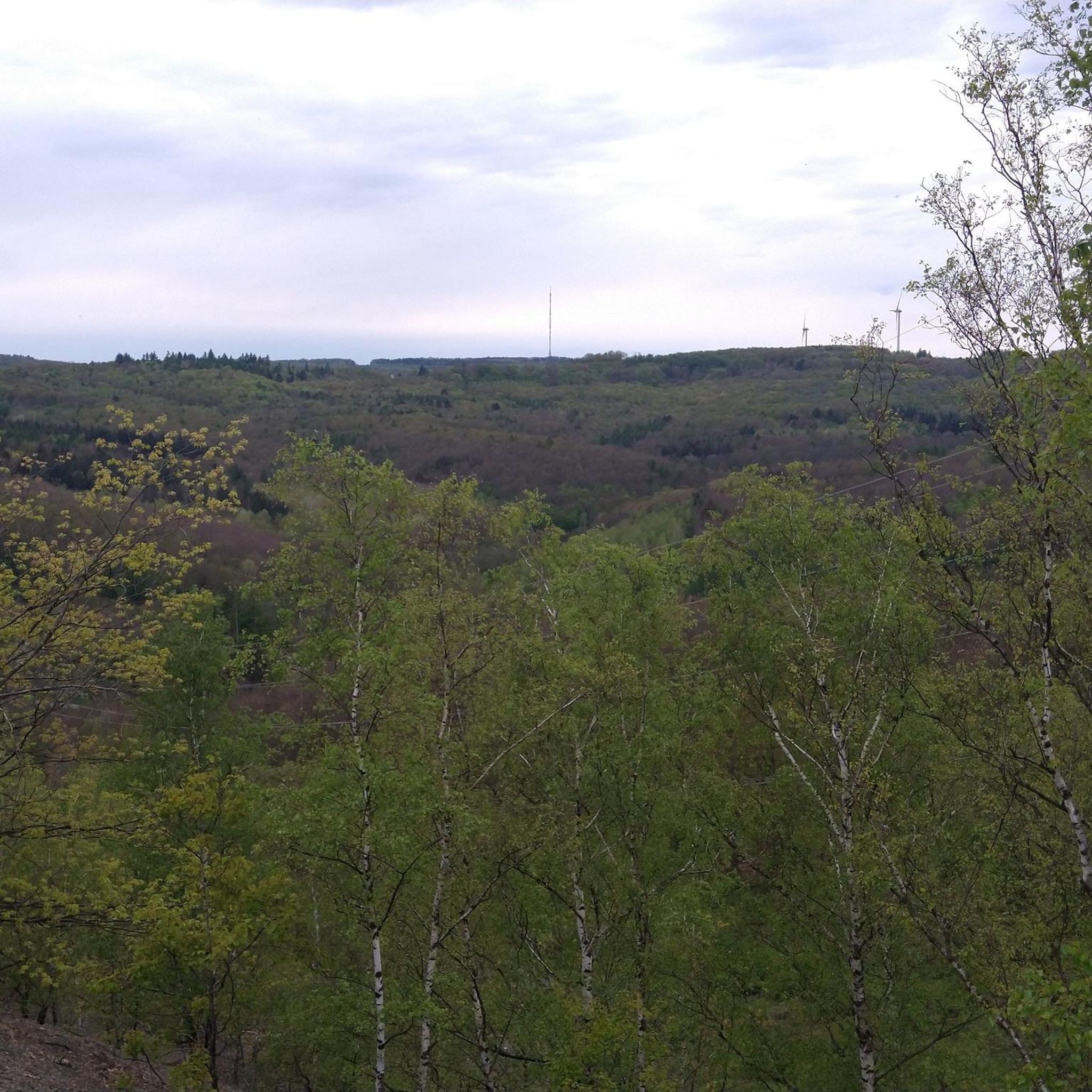


Tips from the Community

The Castle of Bardi (also known as Fortezza dei Landi) is one of the most impressive and spectacular military fortresses in Europe, perched for over a thousand years on a red jasper spur in the Parma Apennines. It dominates the confluence of the Ceno and Noveglia streams about 60 km from Parma, offering an extraordinarily well-preserved example of medieval defensive architecture.
1
0

Even before the castle was built, the monks of the Abbey of Bobbio passed through Bardi on their Way to the Sea.
0
0

A beautiful village perched in the Ligurian Apennines. It's worth stopping to see the well-preserved walls of the Malaspina Fieschi Doria Castle, for an excellent coffee at Bar Leon D'oro, and especially for the "Gobeletti" pastries from the Chiesa pastry shop.
0
0

On the way from Belforte to the waterfalls, you'll pass through a lunar landscape and Mediterranean scrub, finally reaching the Cogena River bed, which offers four stunning waterfalls. Bravo, nature, beautiful Valtaro!
0
0

The singular basaltic monolith beneath the Bardi castle is located at the beginning of the Bardi - Borgo Val di Taro stage of the Via degli Abati
0
0

A pretty little village with its characteristic castle, a convenient stopover for those taking the Appennino Bike Tour.
0
0

The Malaspina-Doria castle is probably the most beautiful castle in the Aveto valley. Located in Piazza del Popolo in the center of Santo Stefano d'Aveto, it belonged to the Malaspina family and Admiral Andrea Doria.
1
0

Situated on a natural hill of red jasper, the castle, of medieval origins, was initially the residence of the Landi family and later, in the Bourbon era, it was transformed into a military garrison. Subject to numerous renovations over time, the castle still retains the ancient keep, a high and off-centre square tower crowned by squared stone corbels. The castle dominates the landscape around Bardi, but it is the green hills around the small town that contribute to its charm. It is possible to visit the inside of the castle, and the view from the towers is very pleasant.
2
0
Frequently Asked Questions
What is the most prominent castle in the Bardi area?
The most prominent castle is the Castello di Bardi, also known as the Bardi Fortress or Landi Castle. Perched dramatically atop a rocky spur of red jasper, it offers an excellent view of the entire municipality of Bardi and the surrounding Ceno Valley. It's a significant example of medieval architecture with origins dating back to the 9th century.
What historical significance do the castles around Bardi hold?
The castles in the Bardi area, particularly Bardi Castle, are deeply rooted in medieval history. They served as crucial strategic points, often along variants of the Via Francigena. The Landi family played a pivotal role, transforming ancient fortresses into princely residences and establishing Bardi as the capital of the Landi State for centuries.
Are there other notable castles to visit near Bardi?
Yes, beyond Bardi, you can explore Compiano Castle, a historical site located in the characteristic village of Compiano, also dating back to the 9th century. Another option is Malaspina Castle in Gambaro, built by the Malaspina family and later owned by the Landi, offering insights into different feudal histories.
What kind of views can I expect from the castles in the Bardi region?
The castles, especially Bardi Castle, are strategically located on rocky spurs, offering breathtaking panoramic views of the surrounding Val Ceno and the green hills. From viewpoints like View of Santo Stefano d'Aveto and the Castle, you can enjoy vistas of charming villages with the Apennine peaks in the background.
Are the castles around Bardi family-friendly?
Yes, Bardi Castle is considered family-friendly. Its imposing structure, historical exhibits, and famous ghost stories make it an exciting adventure for children, with ample space for exploration. Many viewpoints in the area, such as the View of Santo Stefano d'Aveto and the Castle, are also suitable for families.
What outdoor activities can I do near the castles in Bardi?
The Bardi area offers various outdoor activities, particularly cycling. You can find numerous routes for touring bicycles, road cycling, and gravel biking. For example, there are challenging touring bicycle loops like the 'Passo del Pelizzone – Bettola loop from Bardi' or road cycling routes such as the 'Bardi Fortress – Tomarlo Pass loop from Bardi'. You can explore more options in the Cycling around Bardi or Road Cycling Routes around Bardi guides.
When is the best time to visit the castles in the Bardi region?
The Bardi region is beautiful year-round, but for comfortable exploration of the castles and surrounding natural areas, spring and autumn offer pleasant weather. Summer can also be a good time, especially for enjoying the green hills and outdoor activities. Some castles, like Compiano Castle, may have specific visiting days, so it's advisable to check their schedules.
Are there any legends or ghost stories associated with Bardi Castle?
Yes, Castello di Bardi is renowned for its legends and ghost stories. The most famous tale is that of Moroello, a knight whose spirit is said to roam the castle, searching for his beloved Soleste. This adds an intriguing, mysterious element to the historical visit.
Is Bardi Castle accessible for visitors with disabilities?
Bardi Castle is partially accessible for disabled people. Special transport services, such as a golf car, can be arranged to assist visitors, ensuring a more inclusive experience.
What facilities are available at Bardi Castle?
Bardi Castle offers an immersive historical experience with various interior spaces to explore, including the main hall, Princess' Halls, and an arcaded courtyard. It also houses several museums, such as an Archaeological Museum and a Museum of Fauna and Poaching. There's an excellent refreshment point with benches and a fountain, and the castle is pet-friendly.
Where can I find information about parking or public transport to Bardi Castle?
While specific parking details for Bardi Castle are best checked locally upon arrival, the castle's strategic location makes it an ideal stop for road trippers exploring the Emilia-Romagna region. For public transport options, it's recommended to consult local transport services or the official tourism website for the Parma region, such as visit-parma.com, for the most up-to-date information.
What can I expect to see inside Bardi Castle?
Inside Bardi Castle, you can explore the main hall, the Princess' Halls with their late Gothic coffered ceilings and wall paintings, and the residential sections. The castle also features ancient kitchens, cold storage areas, prisons, and even a torture chamber, providing a comprehensive look into daily life and defensive strategies of centuries past. Additionally, it hosts several museums and art collections.
Most popular attractions around Bardi

Get inspired with the komoot mobile app


Explore more
Looking for the best castles somewhere else? Discover other guides around Bardi:
