Top 20 Castles around Guiglia
Best castles around Guiglia offer a journey through centuries of history in the charming municipality of Modena, Italy. This region, nestled in the Apennines, features a landscape rich with historical fortifications and panoramic viewpoints overlooking the Panaro river. Guiglia is known for its blend of cultural heritage and natural beauty, providing a setting for exploring ancient structures. The area's elevated positions often provide extensive views of the surrounding valleys and plains.
Best castles around Guiglia
- The most popular castles is…
Last updated: July 1, 2026
Vignola Castle
Highlight • Castle
Translated by Google •
Tip by

Levizzano Rangone Castle
Highlight • Castle
Translated by Google •
Tip by

Sign up now to discover places like this
Get recommendations on the best single tracks, peaks, & plenty of other exciting outdoor places.
Sign up for free
Fortified village of Castello di Serravalle
Highlight • Historical Site
Translated by Google •
Tip by

Santa Maria Church and Denzano Tower
Highlight • Religious Site
Translated by Google •
Tip by
Campiglio Village
Highlight • Settlement
Translated by Google •
Tip by

Sign up for free to discover even more castles around Guiglia.
Sign up for free
Already have an account?
Start today with a free account
Your next adventure awaits.
Login or Signup
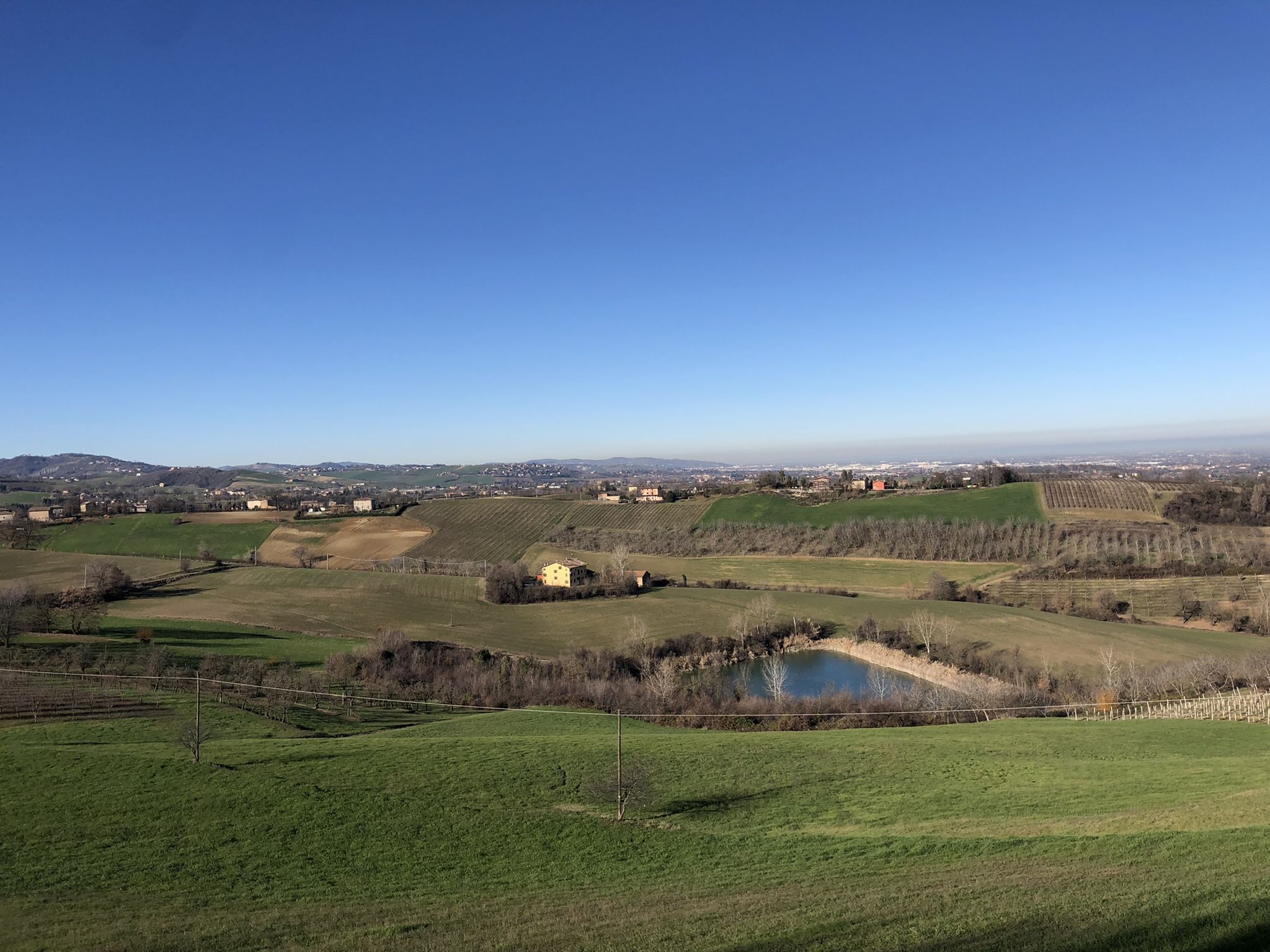
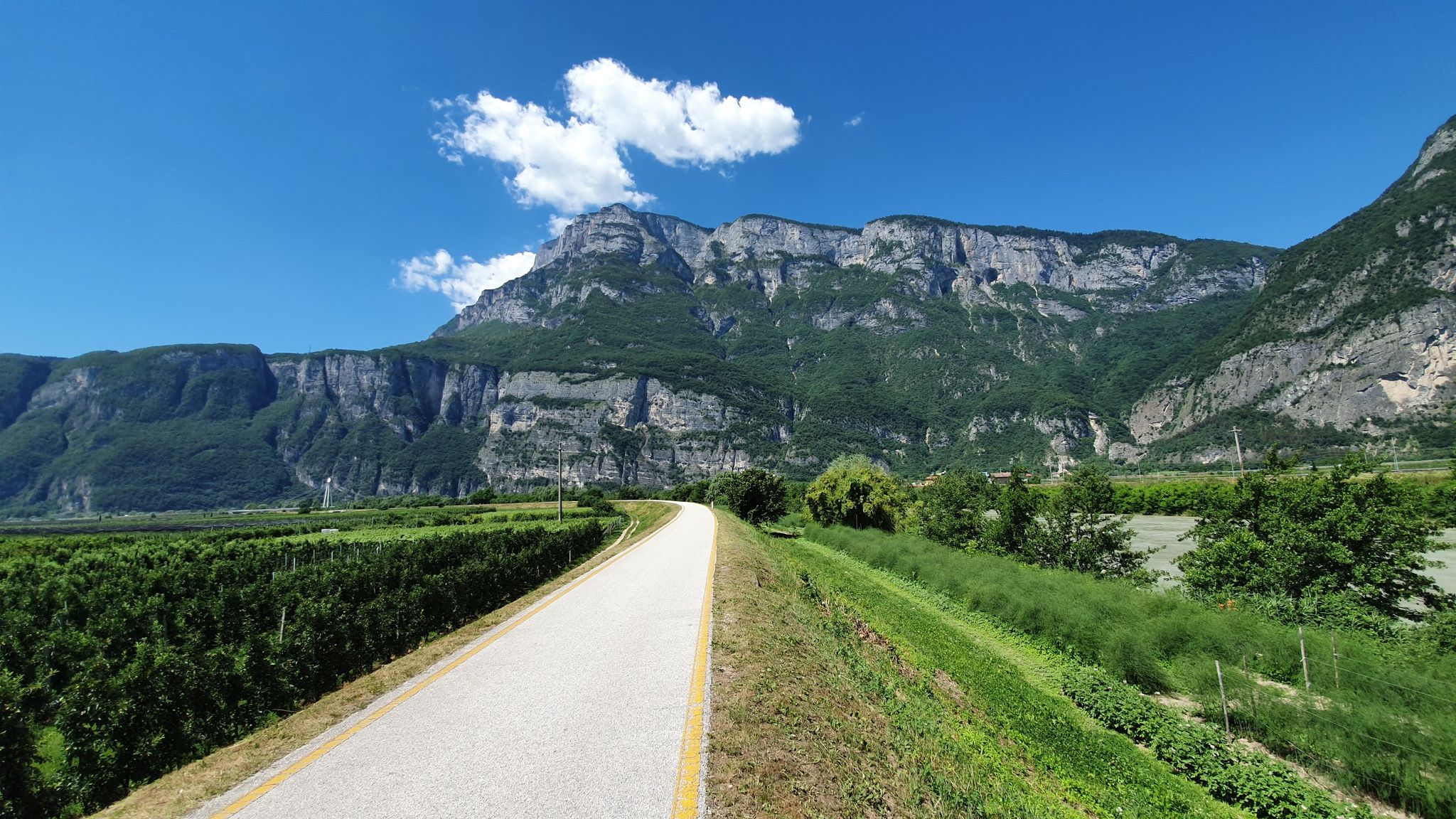
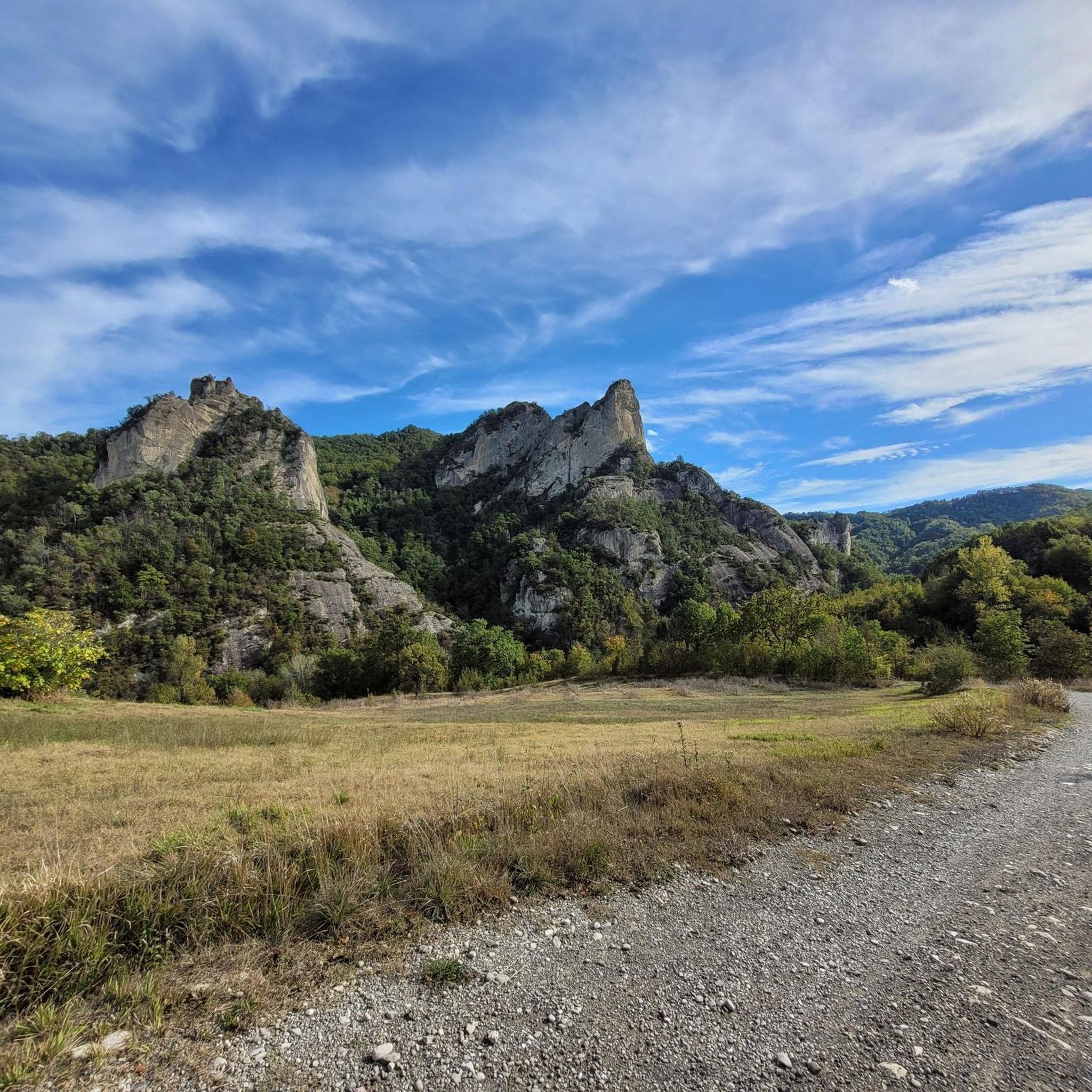
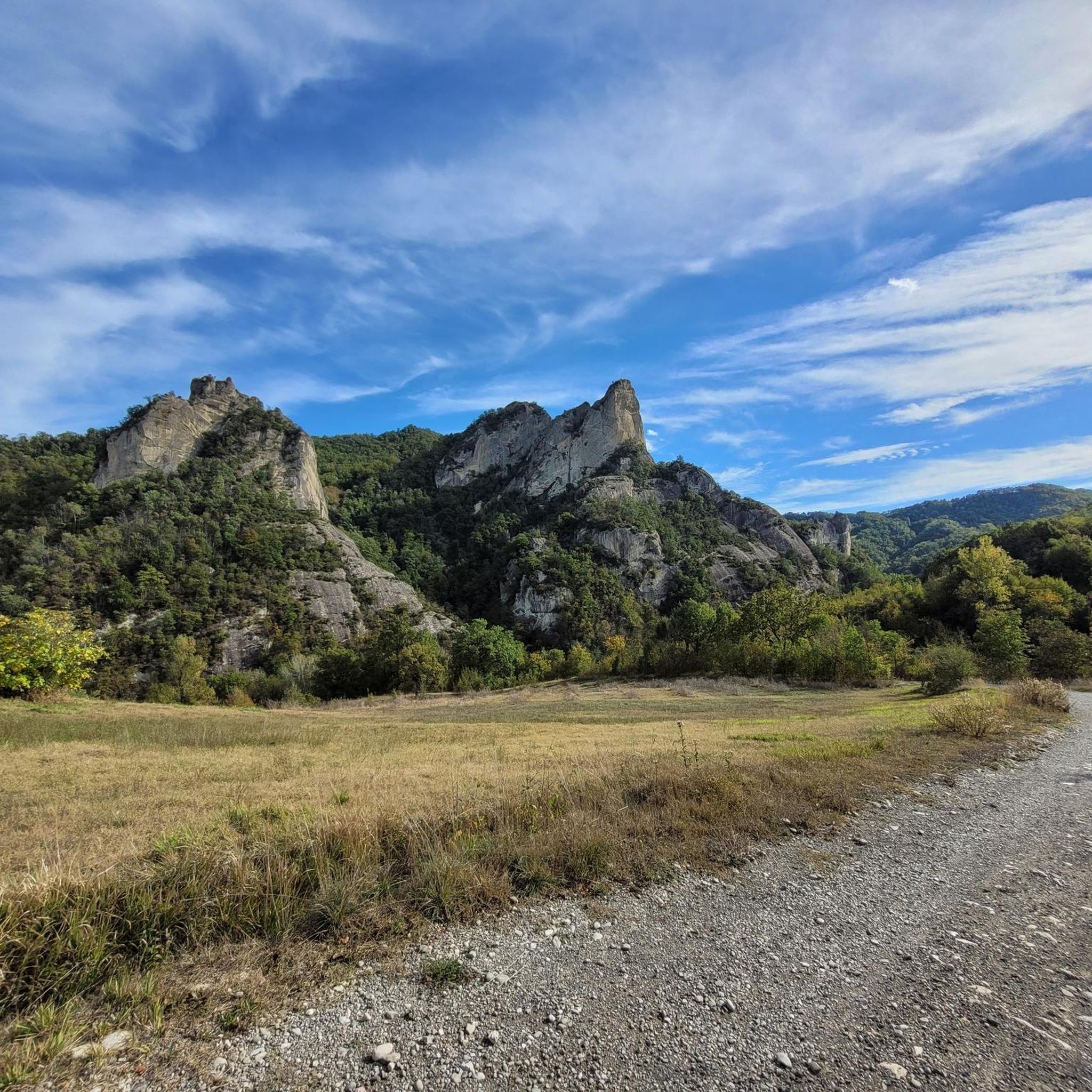
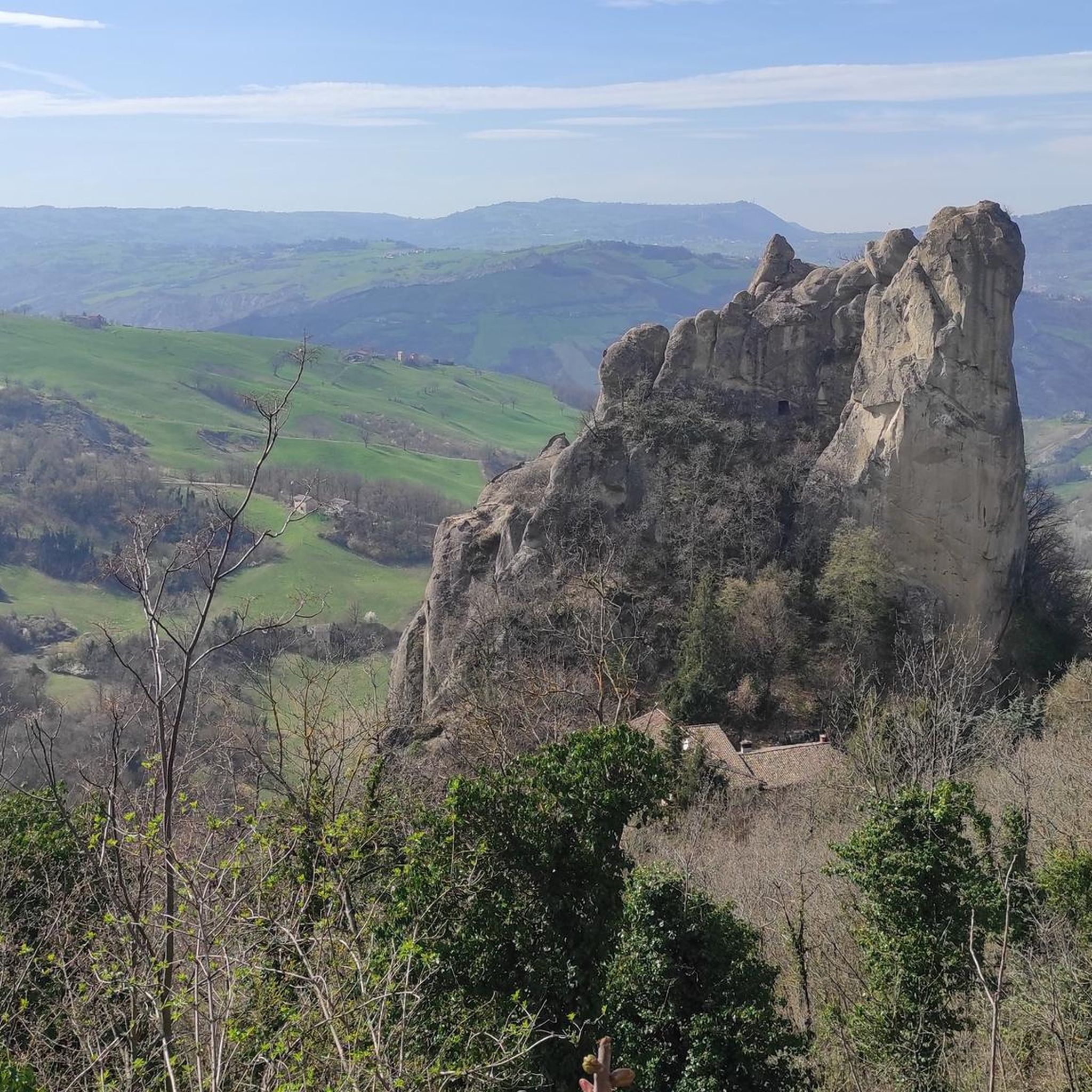
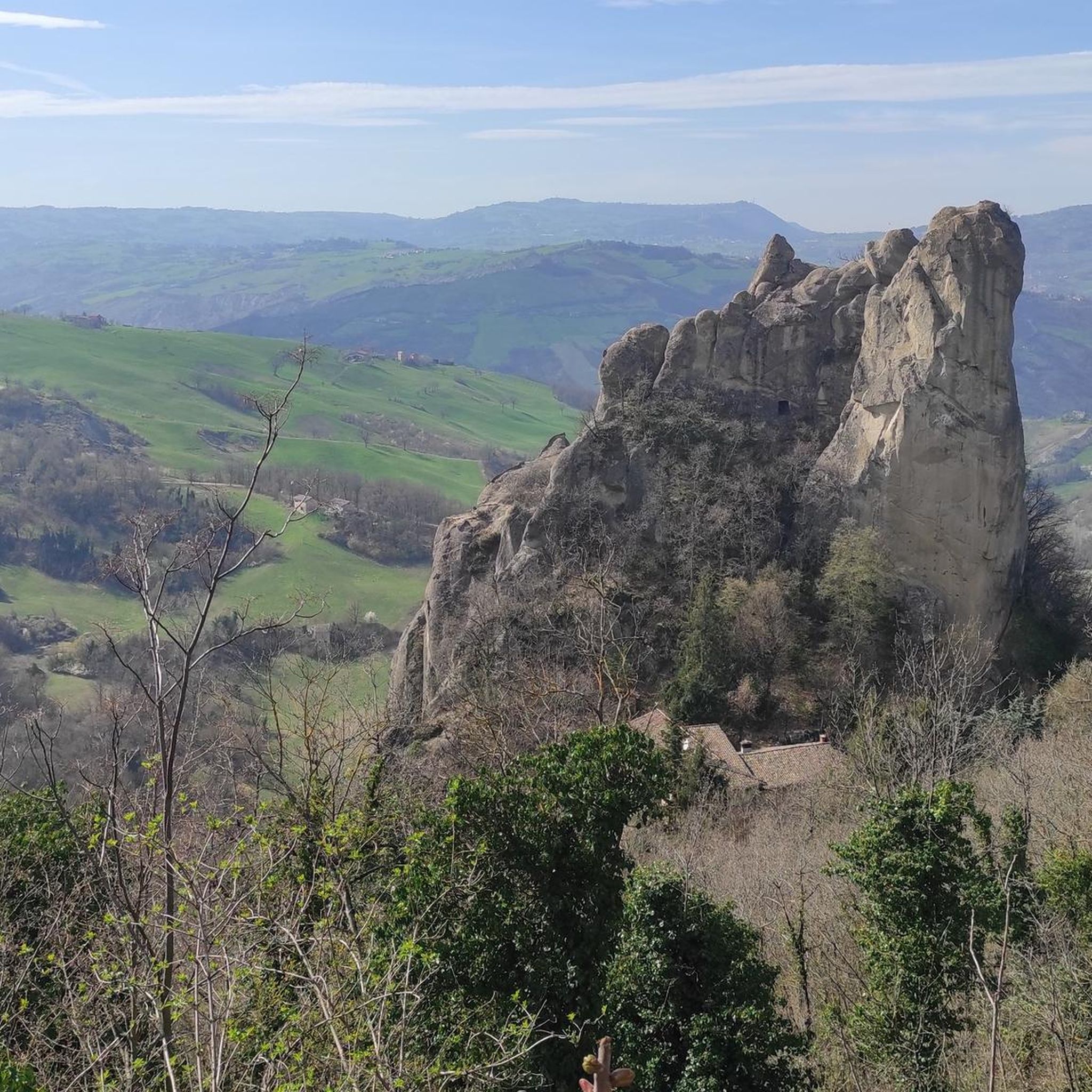



Tips from the Community

A very small village now abandoned. Despite this however, if you arrive hungry just below the bell tower you will find an excellent inn, ideal for a good hot, typical and homemade meal!
0
0

nice village, nothing else to report
0
0

Castello di Vignola is an imposing fortress built in the 15th century on top of a hill overlooking the city of Vignola. The castle is famous for its watchtower, which offers a panoramic view of the Emilian plain, and for its Italian garden.
2
0

The fortified village of Castello di Serravalle has ancient origins, it was formed to defend the exarchate of Ravenna against the barbarian invasions. It was then razed to the ground by the Lombards in the eighth century and was rebuilt in the Middle Ages on the Roman foundations. In the 19th century he even gave asylum to Charlemagne, on his way to Rome. Until 1109 it was part of the fiefdom of Matilde di Canossa and was then bitterly disputed between the Ghibelline Modena and the Guelph Bologna in the historic struggle between the 2 cities. ... The castle doesn't lack the traditional ghost story either. In fact, it is said that the souls of the cruel Boccadiferro's wives still wander in the fortress. On the nights of May their ghosts roam the village spreading a mysterious perfume while in the tower of the castle echo the laments of Boccadiferro himself who was finally killed by his thirteenth wife. (Source: https://www.bolognawelcome.com/it/luoghi/borghi/borgo-fortificato-di-castello-di-serravalle)
0
0

It is well preserved, but it is really tiny: a dozen buildings in all, crossed by a road. I was a little disappointed while I thoroughly enjoyed Savignano sul Panaro, nearby.
0
0

Beautiful 1300 village on the Bolognese hills
0
0

Suggestive route that leads near the 3 crosses, the very challenging route not recommended for beginners
1
0

Dirt road downhill, stop and visit the church of Denzano and its small village.
8
0
Frequently Asked Questions
Which castles around Guiglia offer the best panoramic views?
Many castles in the Guiglia area are situated on elevated positions, providing stunning vistas. The Vignola Castle is famous for its watchtower, which offers a panoramic view of the Emilian plain. Similarly, the Castello di Guiglia (also known as Castello Montecuccoli) provides breathtaking views of the Panaro river and the Modenese plain, earning Guiglia the nickname 'Terrace of the Apennines'. From the Campiglio Village, you can enjoy a splendid view of Vignola and its valley, while the Fortified village of Castello di Serravalle offers beautiful views among the vineyards.
Are there family-friendly castles to visit near Guiglia?
Yes, several castles in the region are suitable for families. Vignola Castle and Levizzano Rangone Castle are both highlighted as family-friendly destinations. These sites often allow for exploration on foot and offer a blend of history and natural beauty that can engage visitors of all ages.
What historical insights can I gain from visiting the castles in Guiglia?
The castles around Guiglia offer a deep dive into centuries of history. The Castello di Guiglia, for instance, showcases a transformation from a 14th-century fortification to a lavish 17th-century noble residence with Baroque elements. The remnants of the Castello di Monteorsello provide a glimpse into medieval military architecture and the strategic disputes between Modena and Bologna. For those interested in the Matildic era, the Rocca di Montebaranzone, a favored residence of Matilde di Canossa, reveals significant archaeological discoveries from the 12th to 17th centuries.
Are there any castles or historical sites that are less well-known but worth visiting?
Beyond the more prominent sites, the Rocca di Montebaranzone is an intriguing 'hidden gem'. While its remains are largely hidden in the woods, ongoing archaeological excavations continue to uncover its significant past as a residence of Matilde di Canossa. Another interesting site is the Denzano Tower, which is the remaining square tower of an ancient castle dating back to the year 1000, built with local materials.
What outdoor activities can I combine with a visit to the castles?
The Guiglia region is excellent for combining castle visits with outdoor activities. You can find numerous gravel biking, road cycling, and mountain biking routes nearby. For gravel biking, consider routes like the 'Vignola Castle – View of the Panaro Valley loop from Vignola' or the 'Levizzano Rangone Castle – Vignola Castle loop from Levizzano Rangone'. For mountain biking, the 'Miele Vadino – Tower of Denzano Castle loop from La Provincia' offers a chance to see historical sites. You can find more details on these and other routes in the Gravel biking around Guiglia, Road Cycling Routes around Guiglia, and MTB Trails around Guiglia guides.
What is the best time of year to visit the castles around Guiglia?
The region's elevated positions and scenic beauty make spring and autumn ideal for visiting, when the weather is mild and the natural landscapes are vibrant. These seasons are perfect for exploring the castle grounds and combining your visit with outdoor activities like hiking or cycling. Summer can also be pleasant, especially in the mornings or late afternoons, though it can be warmer.
Are there cafes or restaurants near the castles in Guiglia?
While specific cafes directly adjacent to every castle might vary, the villages and towns surrounding these historical sites, such as Guiglia itself, Vignola, and Levizzano Rangone, offer various dining options. For example, the Campiglio Village, which developed around a castle, is known for volunteers frying excellent fried dumplings on Sundays in May near the church.
Can I visit the Castello di Guiglia, and what are its notable features?
The Castello di Guiglia, also known as Castello Montecuccoli, is a splendid 14th-century fortress that was transformed into a noble residence. It features a prestigious entrance with a high portal, a courtyard with a loggia in a sumptuous Baroque style, and the nearby Torre del Pubblico. It also has the Oratorio della Madonnina, housing the Montecuccoli family tombs. Today, the castle can be booked for private events, offering a unique blend of art, history, and natural beauty. For more information, you can visit visitmodena.it.
What remains of the Castello di Monteorsello, and why is it significant?
Today, only a few remnants of the Castello di Monteorsello remain, including a passage vault and a quadrangular tower likely dating back to the 14th century. Despite being largely in ruins, it offers a glimpse into medieval military architecture and the strategic importance of the region during disputes between Modena and Bologna. The village layout still hints at its ancient defensive structure, and visitors can enjoy panoramic views of the surrounding valleys.
Is public transport available to reach the castles near Guiglia?
While direct public transport to every individual castle might be limited, Guiglia and its surrounding towns are generally accessible. From these central points, local transport or short drives would be necessary to reach specific castle sites. For detailed information on public transport options to the broader Guiglia area, you might find resources on local tourism websites like visitmodena.it helpful.
What do visitors enjoy most about the castles around Guiglia?
Visitors appreciate the diverse range of castles, from well-preserved 14th-century fortresses to ancient Matildic-era structures and fortified villages. The blend of historical exploration with stunning panoramic views of the Panaro river and the Modenese plain is a major draw. Many also enjoy the opportunity to explore charming villages that have grown around these historical sites, offering a sense of stepping back in time.
Most popular attractions around Guiglia

Get inspired with the komoot mobile app


Explore more
Looking for the best castles somewhere else? Discover other guides around Guiglia:
