Top 20 Castles around Fivizzano
Best castles around Fivizzano are found in the Lunigiana region, an area characterized by its historical significance and diverse landscape. This region, nestled between Tuscany and Liguria, features a mix of river valleys and hills, historically important for controlling various passes. The castles here reflect centuries of strategic importance and architectural evolution. Fivizzano itself is a charming town, serving as a gateway to exploring these fortified structures.
Best castles around Fivizzano
- The most popular castles is Firmafede Fortress, a…
Last updated: October 17, 2026
Firmafede Fortress
Highlight • Castle
Translated by Google •
Tip by

Lusuolo Castle and Medieval Village
Highlight • Castle
Translated by Google •
Tip by
Sign up now to discover places like this
Get recommendations on the best single tracks, peaks, & plenty of other exciting outdoor places.
Malaspina Castle Tower, Villafranca in Lunigiana
Highlight • Castle
Translated by Google •
Tip by

Ducal Palace of Massa
Highlight • Historical Site
Translated by Google •
Tip by

Brunella Fortress
Highlight • Castle
Translated by Google •
Tip by

Sign up for free to discover even more castles around Fivizzano.
Already have an account?
Start today with a free account
Your next adventure awaits.
Popular around Fivizzano
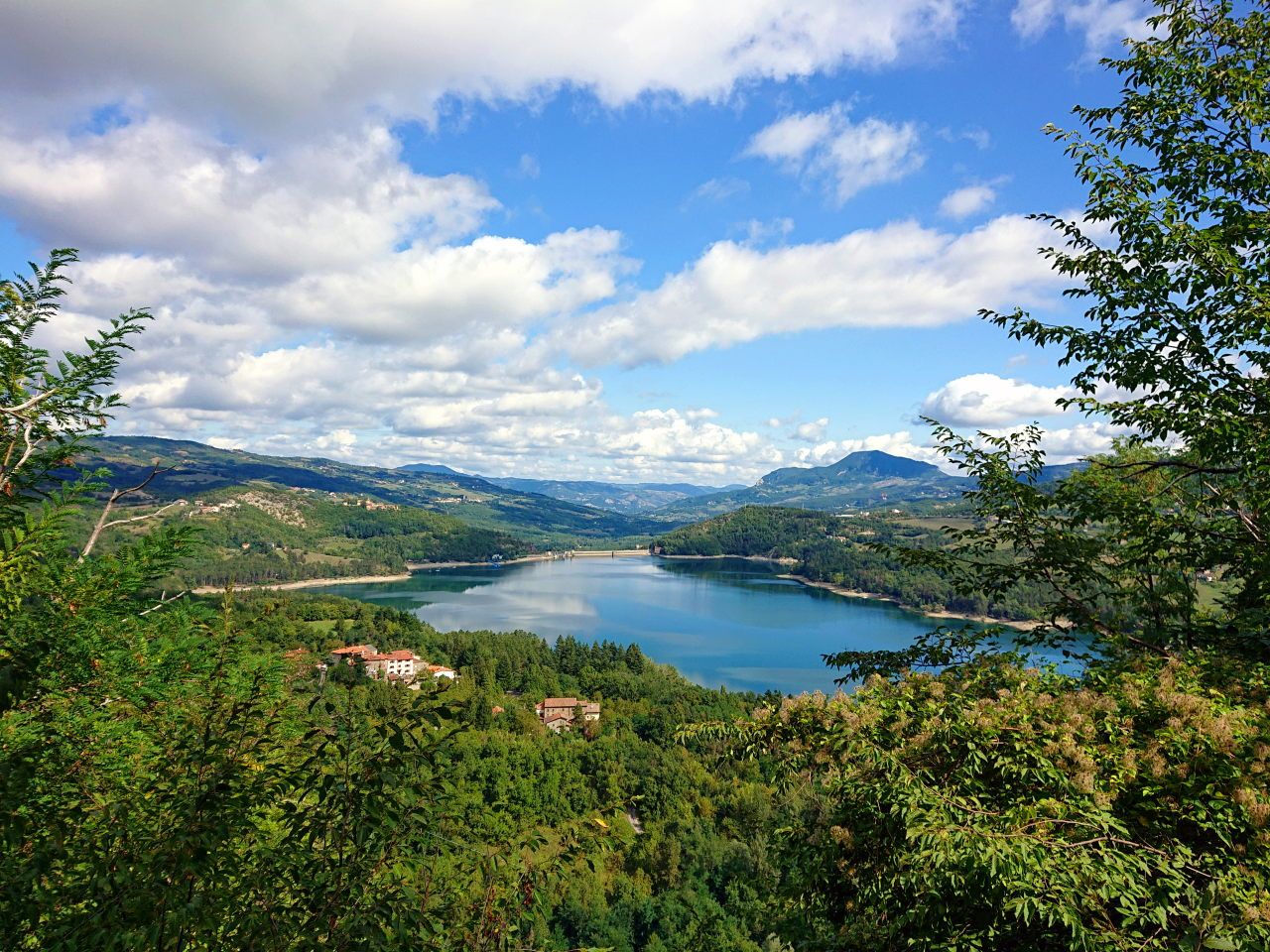
Interiora - A Journey into the Remote Areas of Italy
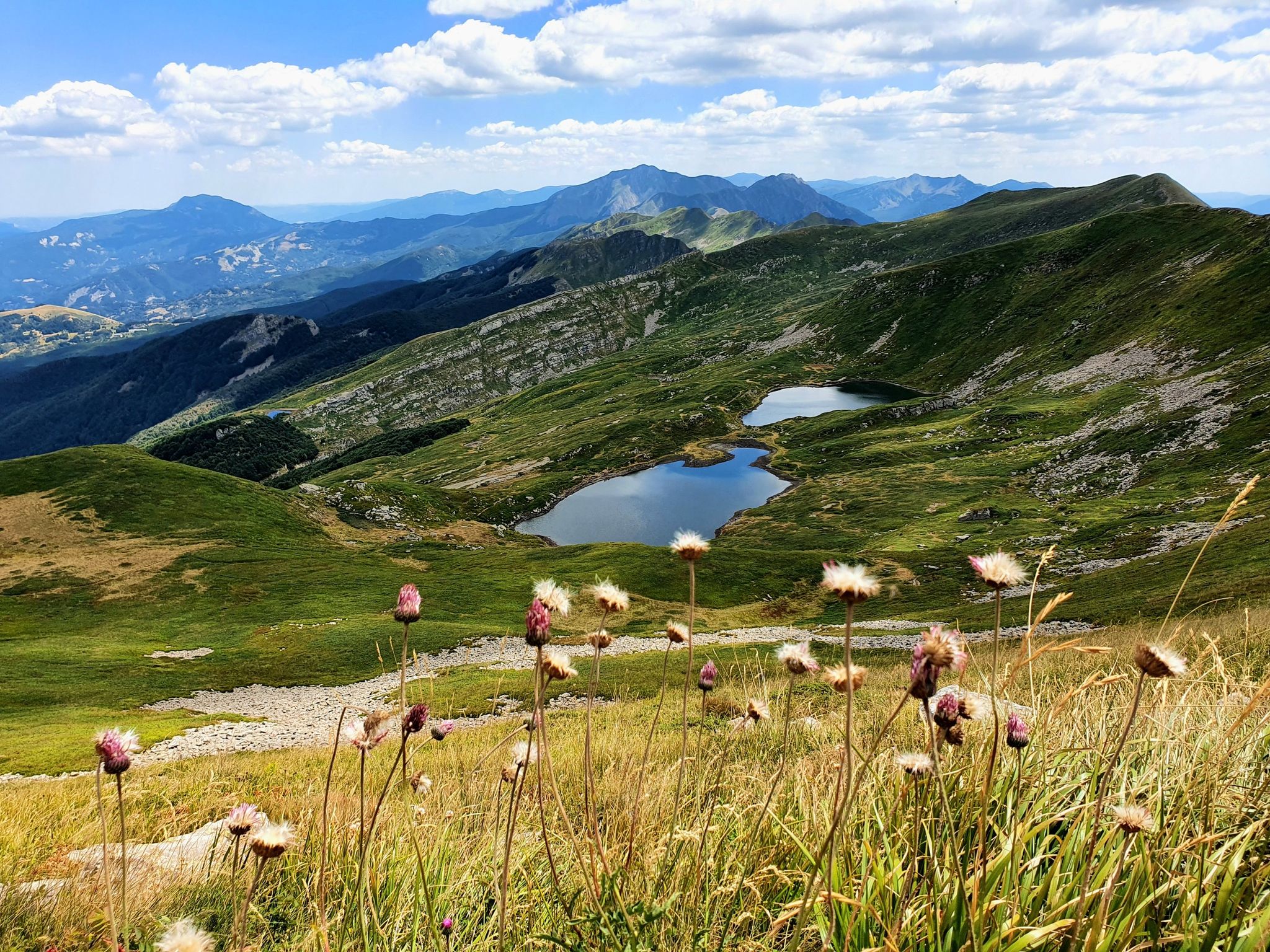
Berceto to Abetone – Alta Via dei Parchi (part 1)
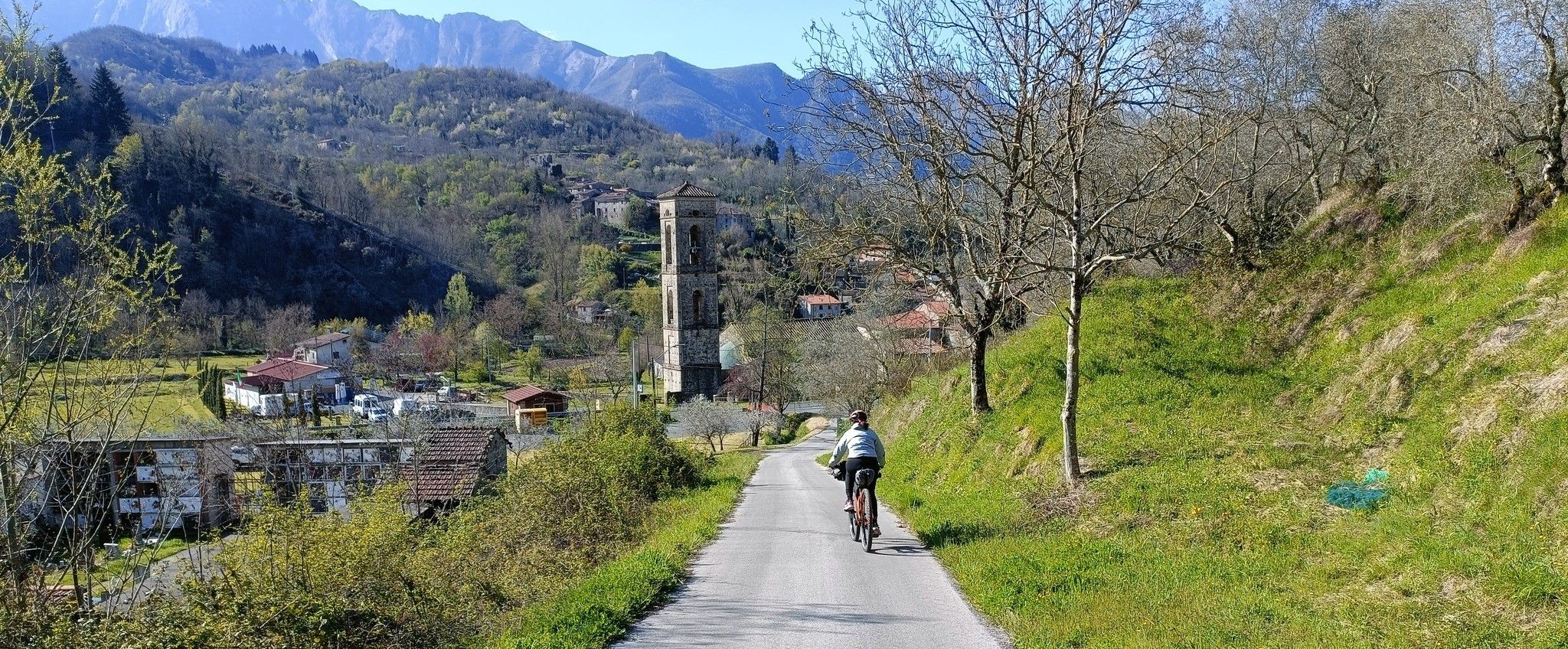
Mediaeval villages and sublime nature – Lunigiana Gravel
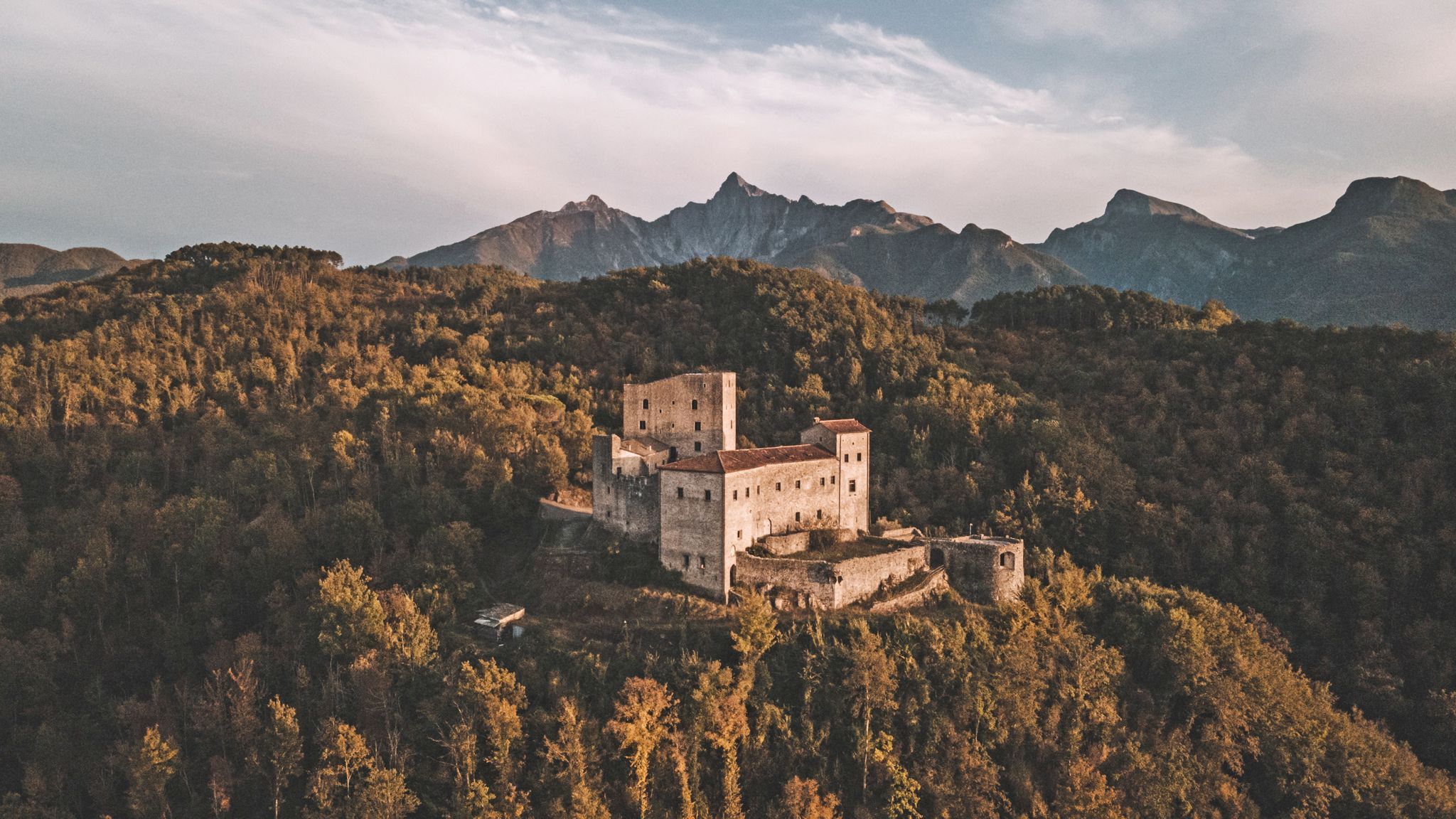
Through history between Lunigiana and Garfagnana – Via del Volto Santo by MTB
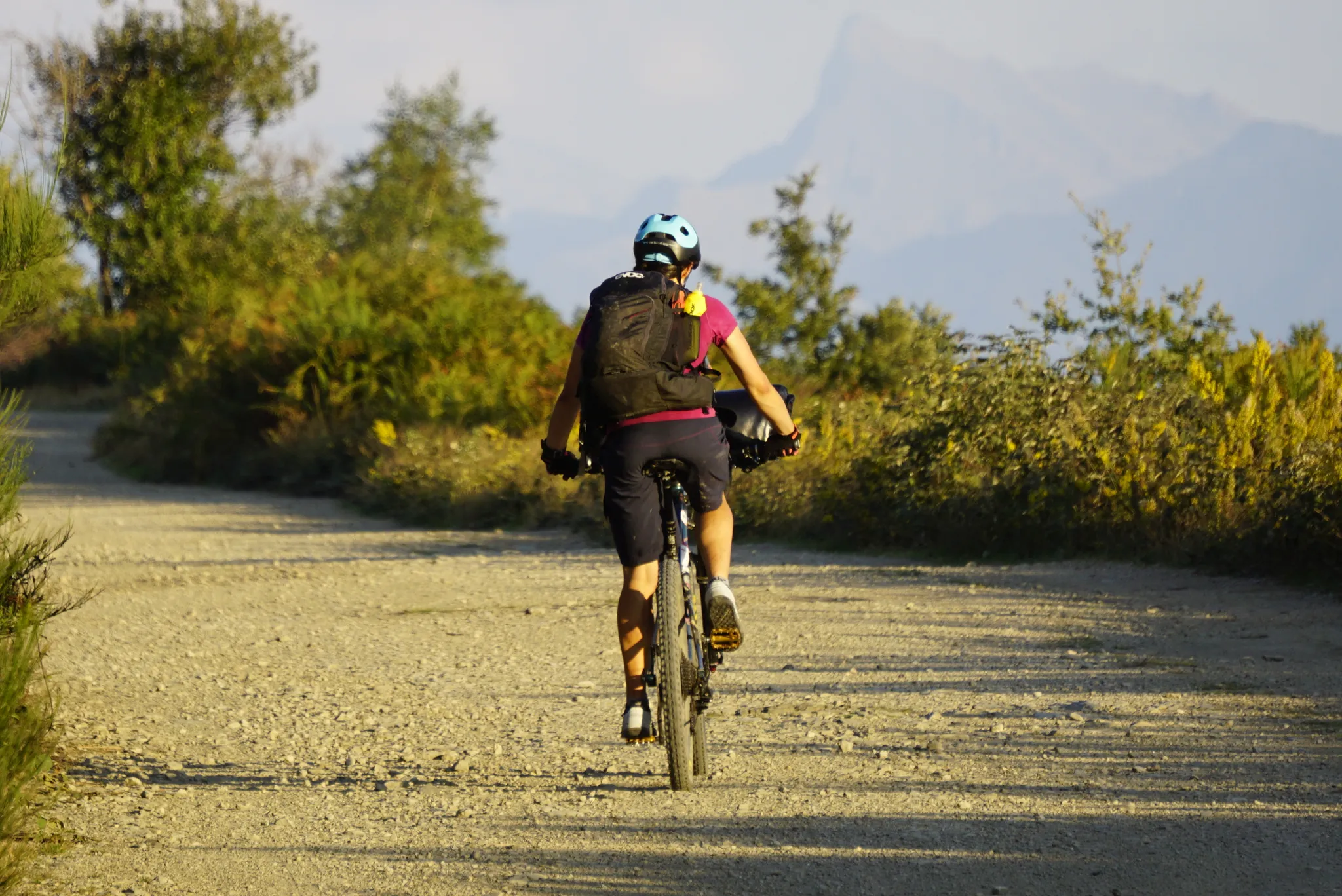
The land of 100 castles – Lunigiana Trail MTB
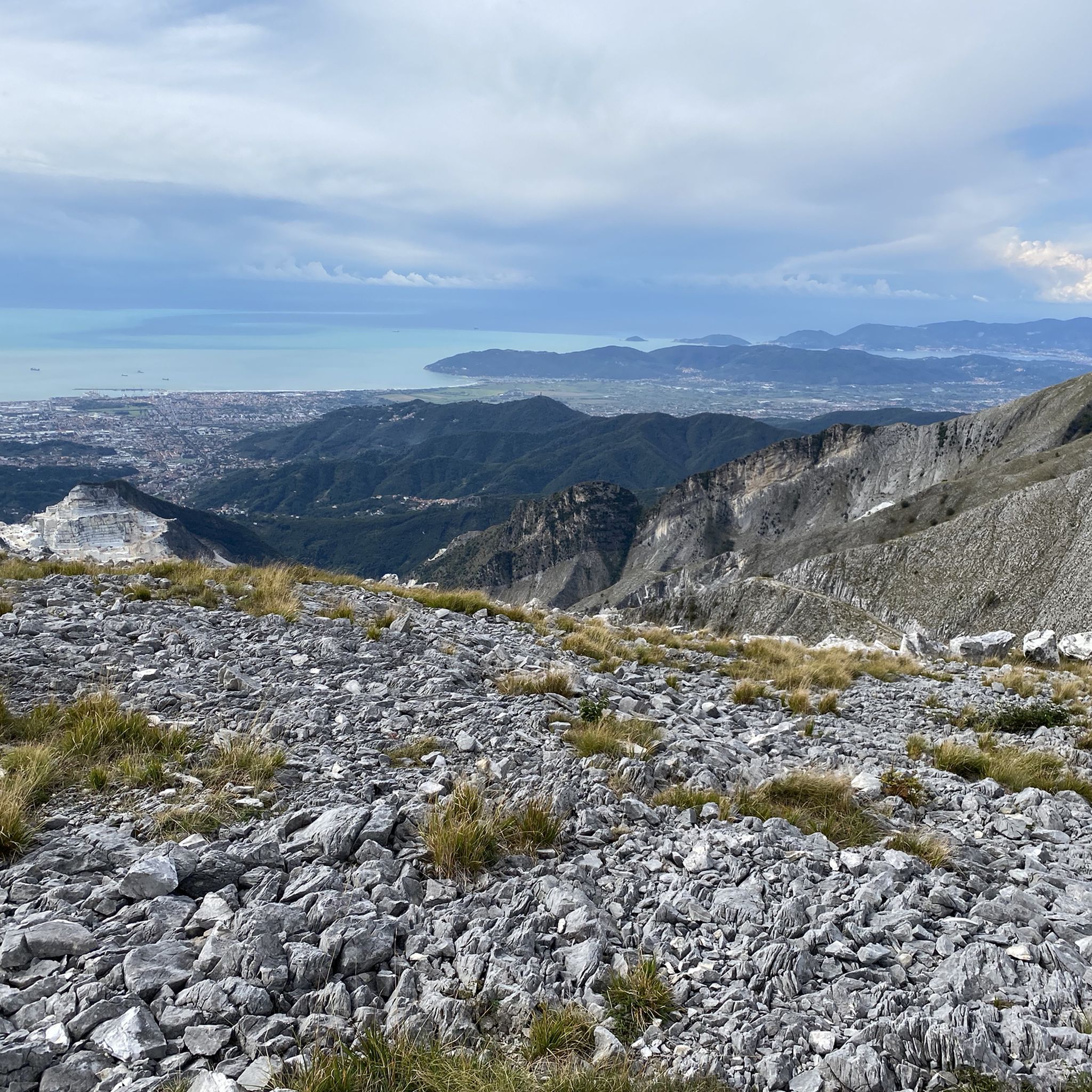
Hiking around Fivizzano
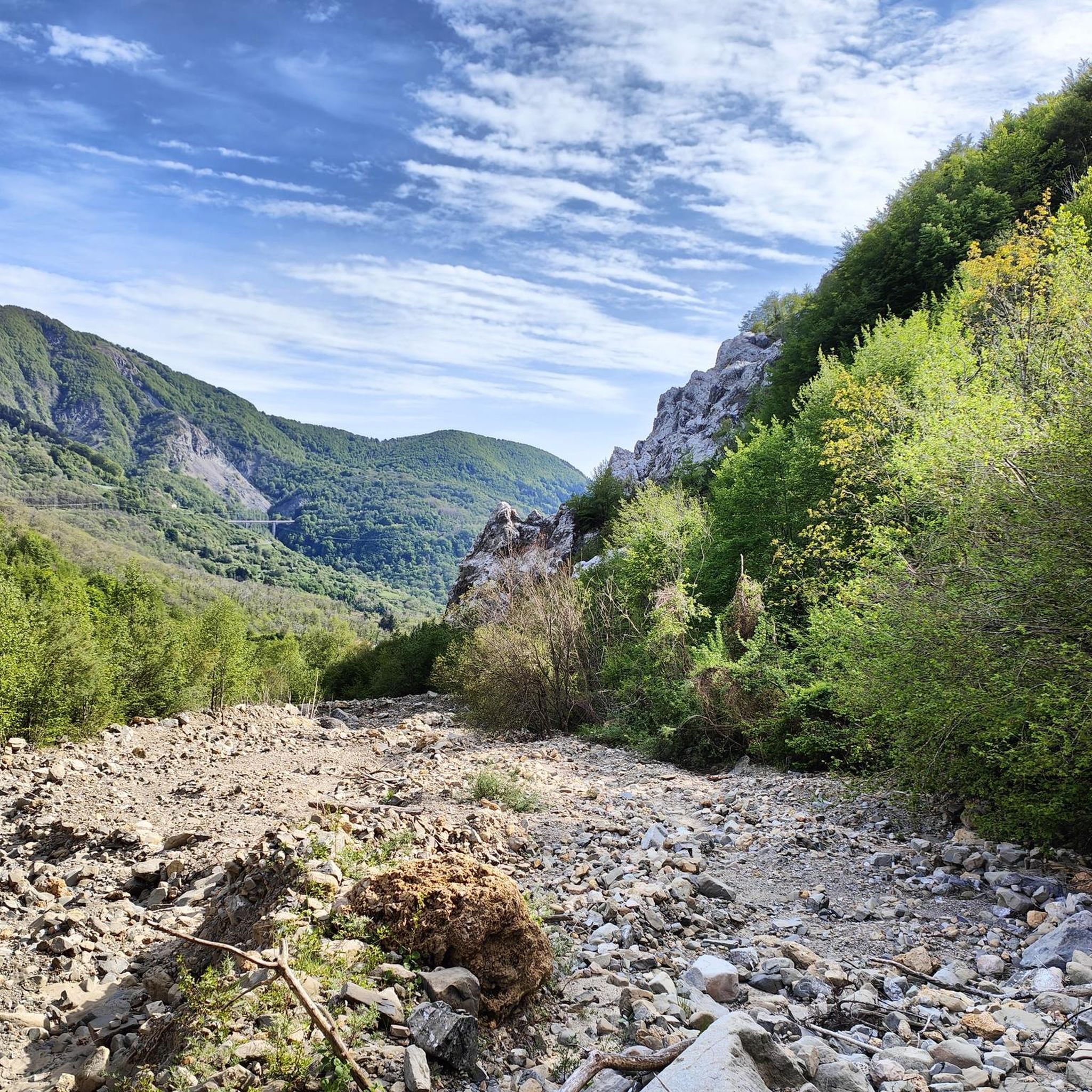
Road Cycling Routes around Fivizzano
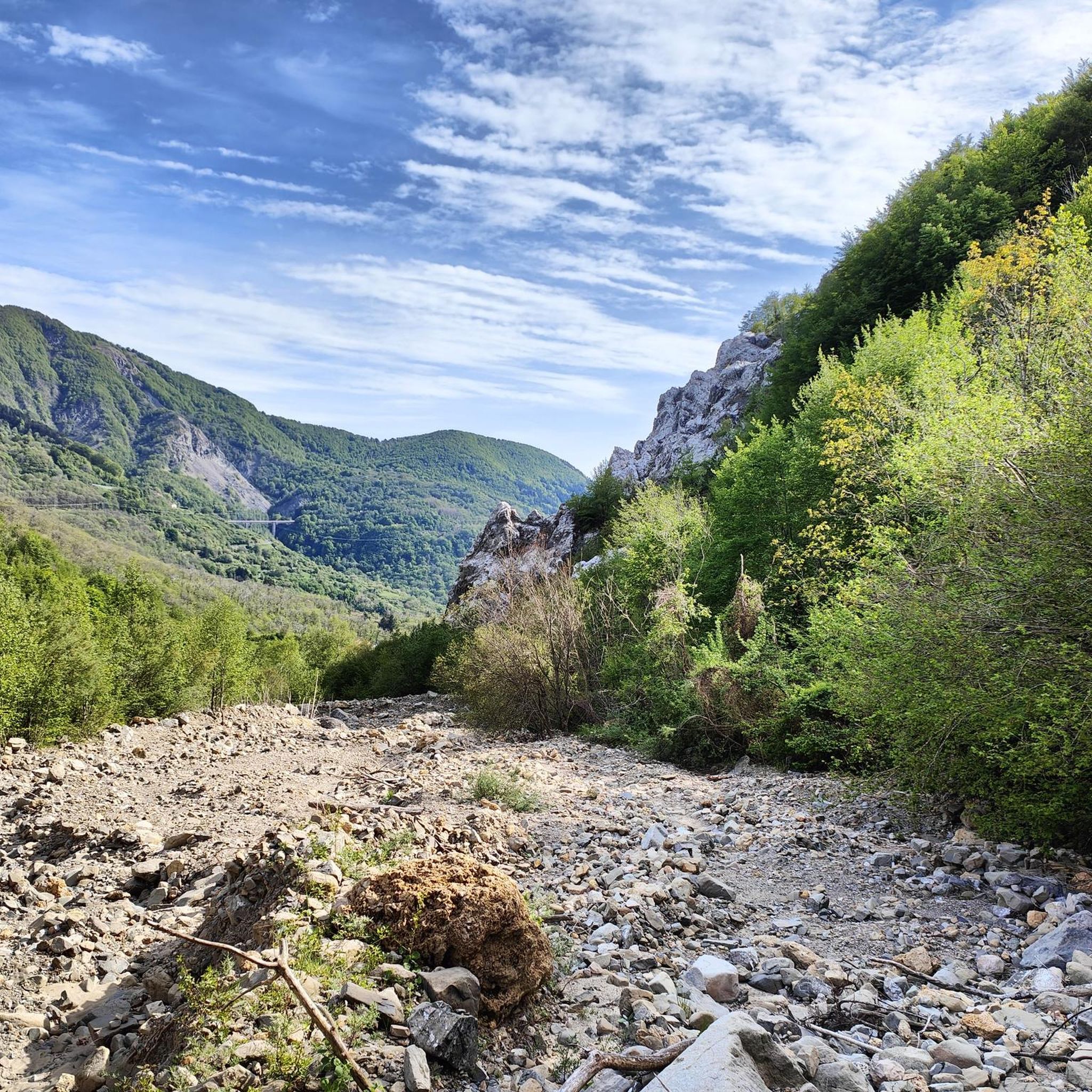
MTB Trails around Fivizzano
Cycling around Fivizzano
Running Trails around Fivizzano
Other adventures around Fivizzano


Tips from the Community

The Torre del Castello Malaspina in the municipality of Villafranca in Lunigiana mainly refers to the imposing and famous cylindrical structure of the Castello Malaspina di Malgrate, although in the municipal capital there are also the ruins of the Castello di Malnido, the historic Dantesque residence of the Malaspina marquises, which was also originally equipped with a control tower. The best-preserved and famous fortification with its slender tower is located precisely in the hamlet of Malgrate. The cylindrical keep towers over the valley and is an unmistakable symbol of the Lunigiana landscape.
0
0
The Citadel, also known as the Sarzana Fortress or Firmafede Fortress, was the first fortification in Sarzana, built in the 13th century. It was owned by the lord Castruccio Castracani, who made numerous significant modifications to its defenses. After its destruction by Florence in 1487, it was rebuilt on the orders of Lorenzo de' Medici. In 1494, the Republic of Genoa, having regained possession of Sarzana, completed work on the Citadel. The fortress is used as a venue for cultural events and exhibitions and also houses the Fortress Museum, an interactive exhibit that traces the history of Sarzana and the Lunigiana region.
1
0

Aula is a fundamental hub of the Via Francigena, it was tormented by the bombings of the Second World War, causing the almost total destruction of its historic center, of which very few vestiges remain. It is located a few kilometers from the border with Liguria, on a narrow strip of land at the confluence of the Magra river and the Aulella stream, a decisive place for the civil and religious life of the entire area before the year 1000. Aulla in that period was already a small village and its importance was linked precisely to its central position along the Via Francigena, both as a pilgrimage road and as a commercial artery. The center of the town had an important role in defending the roads that led from the Lucca area and Liguria towards the Cisa Pass.
0
0
The Brunella Fortress owes its name to the hill on which it was built in the mid-16th century. The fort is a typical example of Renaissance military architecture, designed to defend against firearm attacks. It is an almost square construction with large polygonal struts. What is certain is that the complex represents the most powerful military work in Lunigiana and its strategic position allowed it, in the past, to control all the main routes in the area and the arrivals from the Apennine passes.
0
0
Ruins of the Malnido Castle, with the square dedicated to Dante Alighieri, ancient guest of the Malaspina, and the remains of the church of San Nicolò, the medieval road leads to the parish church of San Giovanni
0
0

The Palazzo Ducale is an important monument in Massa, located in Piazza Aranci. It was built in the mid-16th century according to the wishes of Prince Alberico I Cybo-Malaspina. Hence it is also called Palazzo Cybo-Malaspina. The impressive façade overlooking the square offers a color scheme of red and white (in the marble and stucco). Beyond the main entrance opens a large courtyard, surrounded by columns, staircases, loggias and marble portals. At the far end is a nymphaeum with a statue of Neptune riding the waves.
4
0

Piazza Aranci in Massa is named after the double row of orange trees, which were planted in the early nineteenth century after the hotly debated demolition of the church of San Pietro on the orders of Countess Elisa Baciocchi, Napoleon's niece. In the beginning, sweet citrus trees were selected and strict laws were in place to ensure that tourists and passers-by did not pick the fruits, which were instead given to charities. Over time, less tasty bitter citrus fruits were planted, which turned out to be stronger in winter. Giacomo Leopardi and Giosué Carducci were equally captivated by these trees and mentioned them in letters after visiting the square.
2
1

The Firmafede Fortress (originally called Cittadella) was built in 1249 thanks to the help of the Pisan allies of the city. In the 15th century the city became an important strategic point, Lorenzo the Magnificent decided to transform the village into a military stronghold of the Florentine lordship and to rebuild the fortress. In 1496 the fortress passed to the Banco di San Giorgio and from 1562 to the Republic of Genoa, remaining there until the end of the 18th century, a period in which it underwent several interventions. In the 19th century, with the annexation of the Republic to the Savoy kingdom and with the radical changes in defensive strategies, the fortress was used first as a police barracks and subsequently as a prison until the 1970s.
4
0
Frequently Asked Questions
What types of castles can I expect to find around Fivizzano?
The Fivizzano region, part of Lunigiana, offers a diverse range of fortified structures. You'll find everything from medieval castles and well-preserved fortresses to ducal palaces and ancient towers, reflecting centuries of strategic importance and architectural evolution. Examples include the medieval Lusuolo Castle and Medieval Village and the Renaissance military architecture of Brunella Fortress.
What is the historical significance of castles in the Fivizzano region?
The castles around Fivizzano were strategically important for controlling various passes between Tuscany and Liguria. They reflect the power struggles of families like the Malaspina and the influence of city-states such as Florence and Genoa. Many, like the Firmafede Fortress, were rebuilt multiple times due to their crucial defensive positions.
Are there any particularly well-preserved medieval castles in the area?
Yes, the Castle of Verrucola, just a few kilometers from Fivizzano, is an excellent example of medieval architecture and is considered one of the best-preserved complexes in Lunigiana. Another outstanding example, though slightly further afield in the Lunigiana region, is the Malaspina Castle in Fosdinovo, which offers a comprehensive glimpse into medieval life.
Are there family-friendly castles to visit near Fivizzano?
Several castles in the area are suitable for families. The Firmafede Fortress in Sarzana hosts cultural events and exhibitions, including an interactive Museum of the Fortresses. The Ducal Palace of Massa is also listed as family-friendly, offering a grand historical experience. The Malaspina Castle in Fosdinovo provides engaging guided tours that can be fascinating for older children.
What are some unique architectural features of the castles in this area?
The castles showcase diverse architectural styles. The Castle of Verrucola features a square keep, a rectangular tower with stone corbels, and a large central square tower with an impressive octagonal column. The Sarzanello Fortress is notable for its triangular plan and a massive ravelin, forming a unique rhombus shape. The Brunella Fortress is a prime example of 16th-century Renaissance military architecture, designed to withstand firearm attacks.
What outdoor activities can I do near these castles?
The region around Fivizzano offers numerous outdoor activities. You can explore various trails for mountain biking, road cycling, and gravel biking. For example, there are challenging MTB routes like 'Da Monzone al Rifugio Carrara' and scenic road cycling loops such as 'Fivizzano and Casola in Lunigiana Loop'. You can find more details on these activities in the MTB Trails around Fivizzano, Road Cycling Routes around Fivizzano, and Gravel biking around Fivizzano guides.
Are there hiking trails near the castles?
Yes, the Lunigiana region provides excellent opportunities for hiking. While specific hiking routes directly to every castle are not listed, many castles are situated in areas with existing trail networks. For instance, the 'Lunigiana Trail: Equi Terme - Castello dell'Aquila Loop' is a moderate MTB route that passes near Castel dell'Aquila, offering a chance to explore the surroundings on foot or by bike. Check the MTB Trails around Fivizzano guide for routes that might offer hiking possibilities.
What is the best season to visit the castles around Fivizzano?
Spring and autumn are generally the best seasons to visit the castles around Fivizzano. The weather is milder, making it pleasant for exploring both the castle interiors and their surrounding landscapes. Summer can be hot, but many castles offer shade and cooler interiors. Winter visits are possible, but some sites might have reduced opening hours.
Can I visit the Castle of Verrucola, and what makes it special?
The Castle of Verrucola is a significant medieval site near Fivizzano. It's known for its well-preserved architecture, including a square keep and multiple towers. It was meticulously restored by sculptor Pietro Cascella. While privately owned, it is sometimes open to the public upon request. You can find more information about its history and potential visiting details on the Visit Tuscany website.
What do visitors enjoy most about the castles in the Fivizzano area?
Visitors appreciate the rich history and architectural beauty of the castles. Many enjoy the strategic viewpoints offered by sites like Sarzanello Fortress and Brunella Fortress. The blend of civil and military medieval architecture, as seen at Lusuolo Castle and Medieval Village, is also a highlight, along with the cultural events and museums housed within some of these historic structures.
Are there any castles associated with famous historical figures or legends?
Yes, the Malaspina Castle in Fosdinovo is famously associated with Dante Alighieri, who is said to have stayed there and written part of the *Divine Comedy*. This castle is also rich in other legends and offers a captivating historical experience through its well-preserved rooms and artifacts.
How can I get to the castles, and are there parking options?
Most castles are accessible by car, and parking is generally available nearby, though it might be limited in smaller villages. For example, the Firmafede Fortress in Sarzana and the Ducal Palace of Massa are in towns with parking facilities. For more remote sites like the Castle of Verrucola, it's advisable to check local information for specific directions and parking availability.
Most popular routes around Fivizzano
Most popular attractions around Fivizzano

Get inspired with the komoot mobile app


Explore more
Looking for the best castles somewhere else? Discover other guides around Fivizzano:
