The best walks and hikes around Pietrabruna
4.4
(354)
1,498
hikers
22
hikes
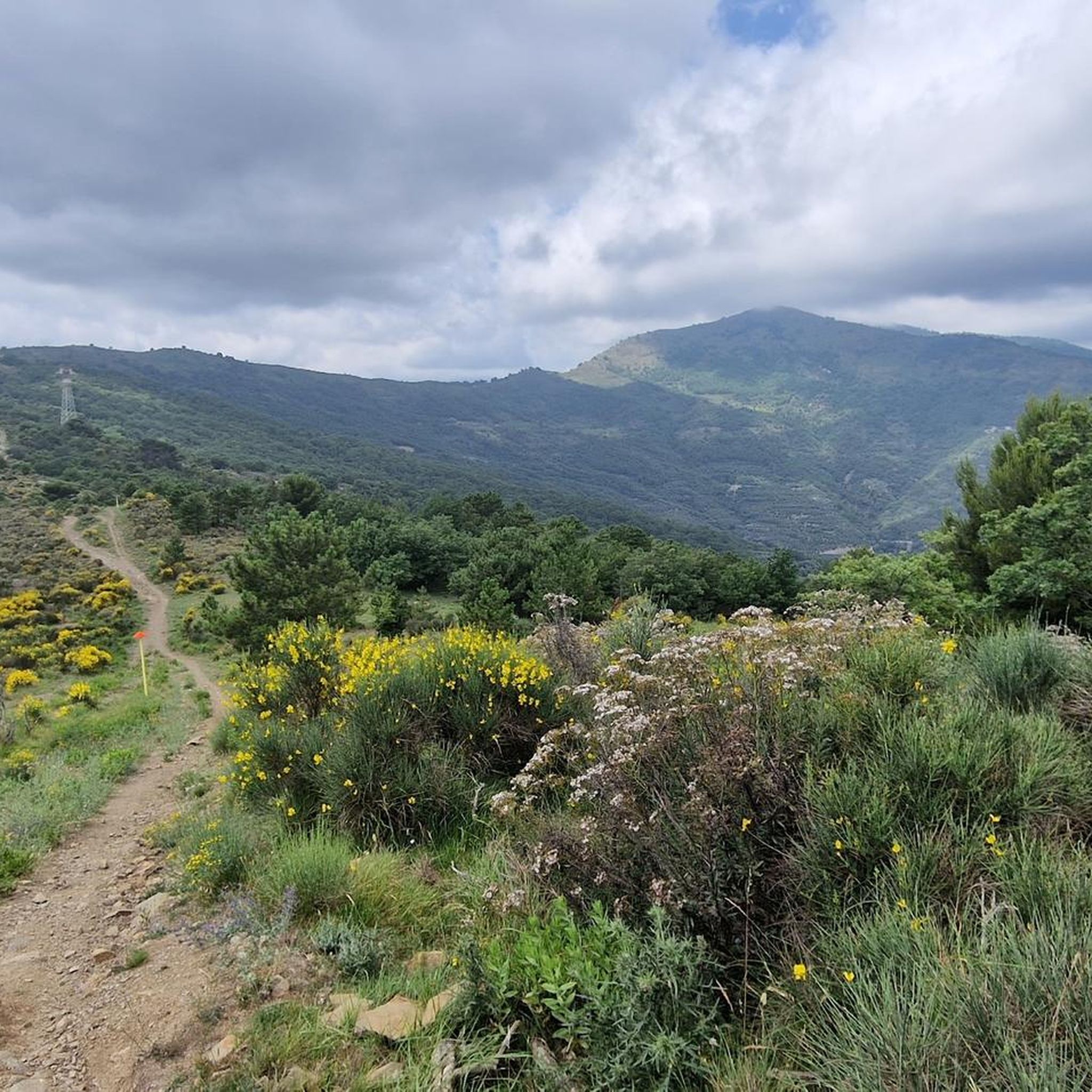
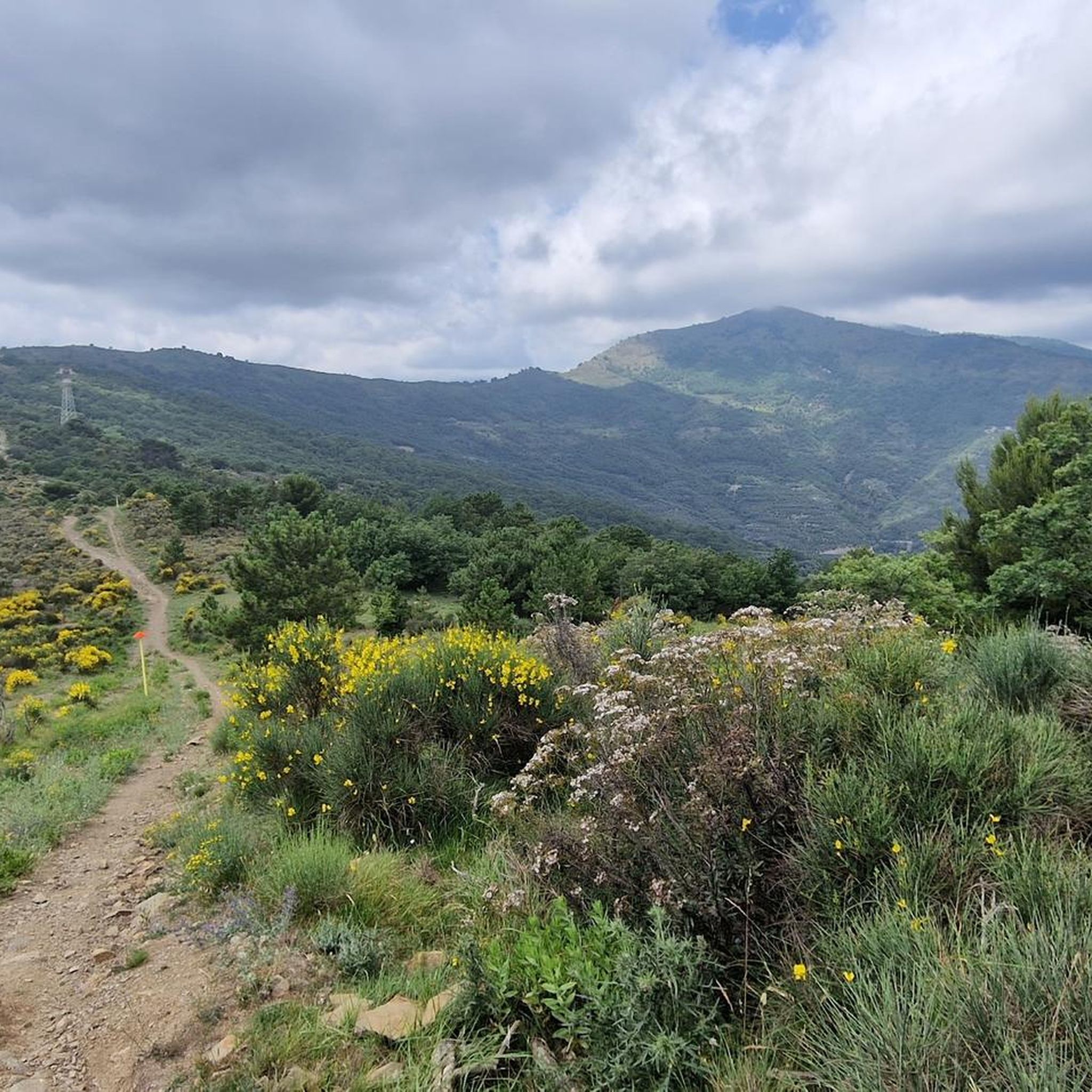
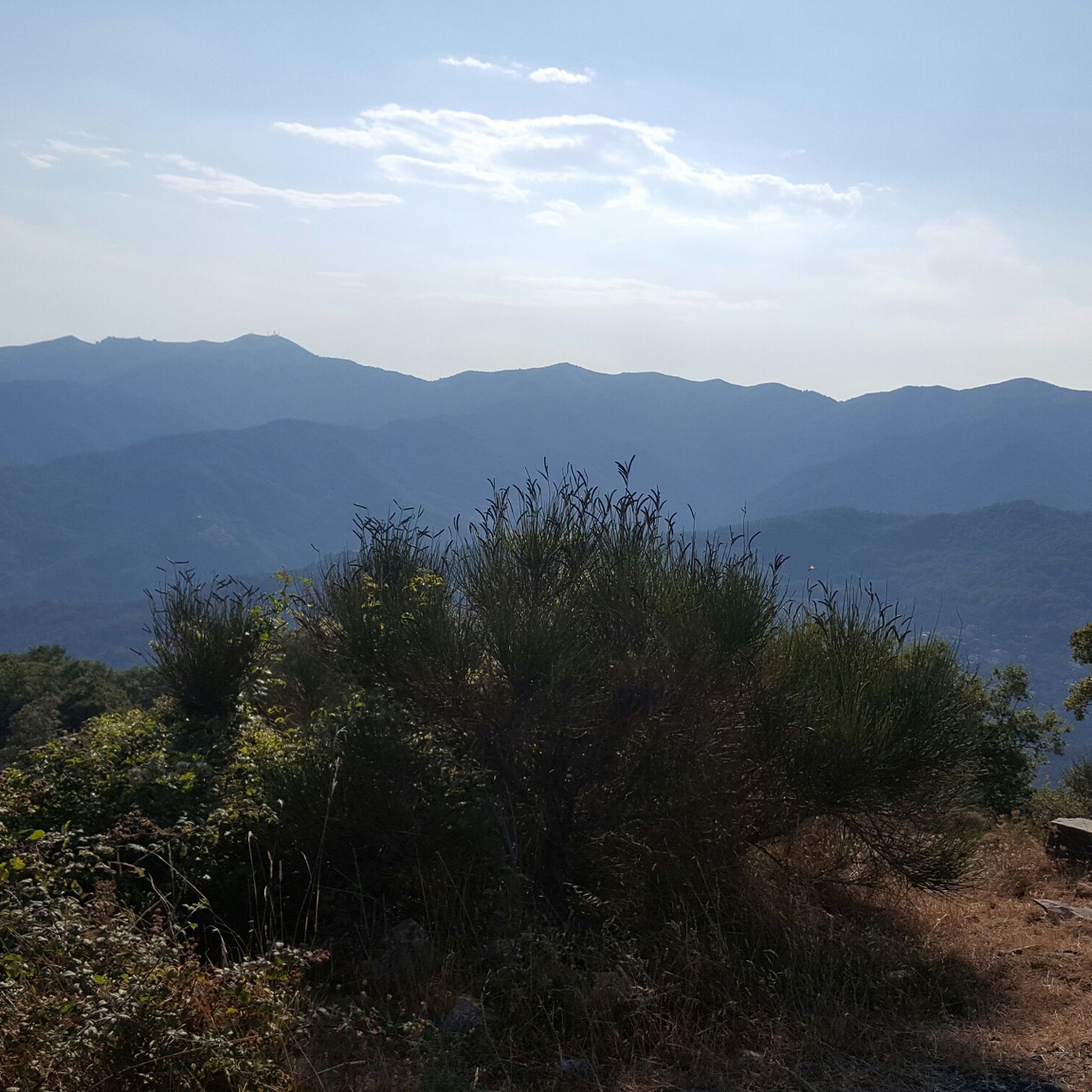
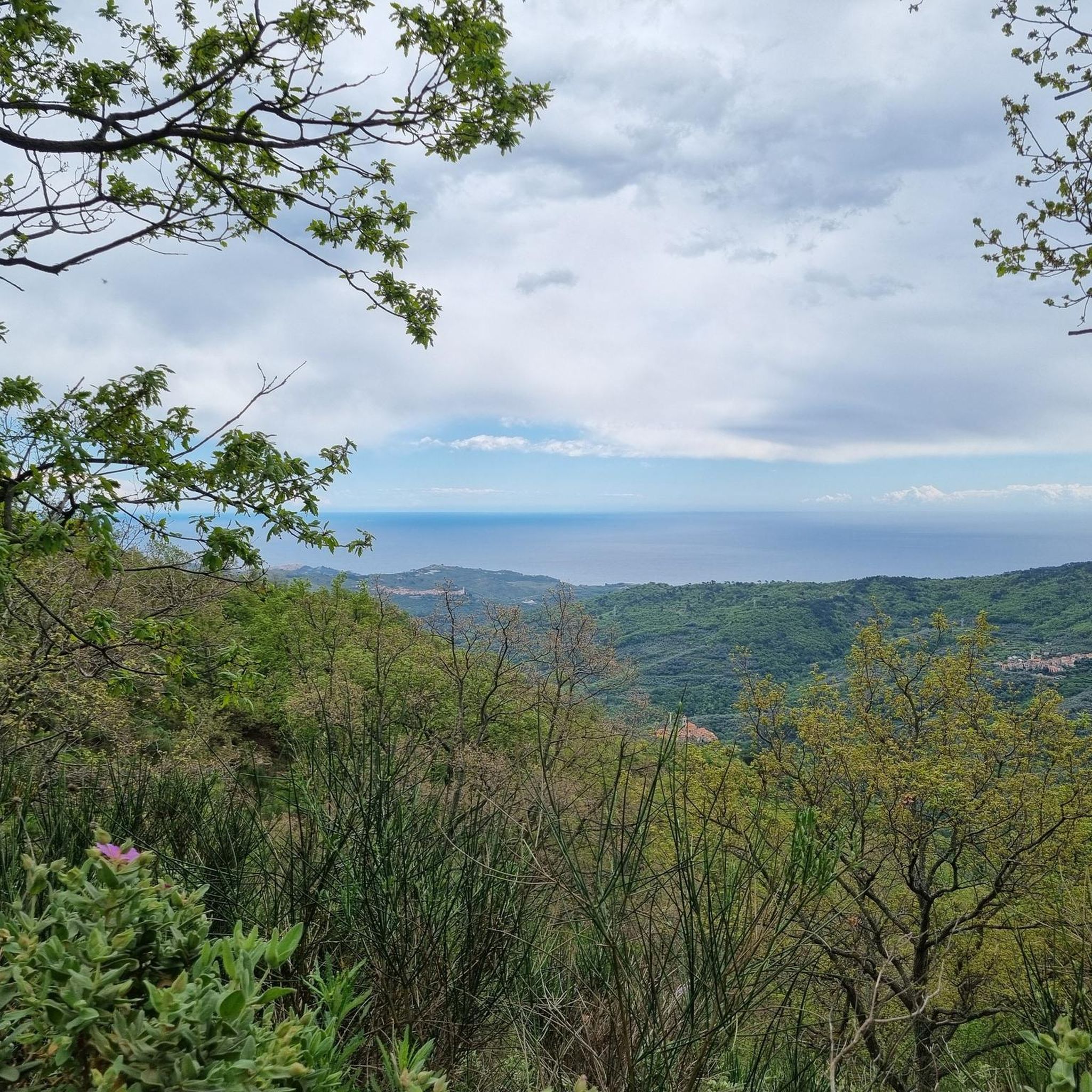
Hiking around Pietrabruna offers diverse landscapes in the Ligurian hills, characterized by extensive terraced olive groves and ancient trails. The region provides dramatic views of both the Ligurian Sea and the rugged Ligurian Alps, including Monte Follia. Trails range from easy paths to more challenging routes with significant elevation gain, often following historic mule tracks connecting medieval villages.
Best hiking trails around Pietrabruna
- The most popular hiking route is Torre Paponi to Lingueglietta Medieval Trail, a moderate 5.7 miles (9.2 km) trail that takes 2 hours 54 minutes to complete. This path connects historic villages and offers coastal views.
- Another top favourite among local hikers is Monte Follia Summit Trail from Pietrabruna, a difficult 12.2 miles (19.7 km) path. This route ascends Monte Follia, providing expansive views of the surrounding hills and sea.
- Local hikers also love the Ubago di Castellaro Loop, a 7.8 miles (12.6 km) trail leading through varied terrain, often completed in about 4 hours 10 minutes.
- Hiking around Pietrabruna is defined by terraced olive groves, coastal vistas, and ancient mule tracks. The network offers options for various ability levels, from easy walks to more demanding ascents.
- The routes in Pietrabruna are highly rated by the komoot community with an average score of 4.4 stars from more than 300 reviews. More than 1,400 hikers have used komoot to explore Pietrabruna's varied terrain.
Last updated: August 17, 2026
4.0
(1)
2
hikers
9.18km
02:54
350m
350m
Medieval trail connecting fortified churches and castle ruins with stunning Ligurian coastal views.
19.7km
07:14
1,170m
1,160m
Ancient Ligurian trail through olive groves to Monte Follia's prehistoric castellaro ruins and roaming donkeys.

Sign up for free
12.6km
04:10
570m
570m
Hike the difficult 7.8-mile Ubago di Castellaro Loop through olive groves, medieval villages, and vistas of the Maritime Alps.
4.7
(16)
36
hikers
Moderate hike. Good fitness required. Mostly accessible paths. Sure-footedness required.
5.0
(4)
22
hikers
1.91km
00:32
30m
30m
Easy hike. Great for any fitness level. Easily-accessible paths. Suitable for all skill levels.
Get access to more routes and recommendations from other explorers.
Sign up for free
Already have an account?
Our route recommendations are based on thousands of hikes, rides, and runs completed by other people on komoot.
Start today with a free account
Your next adventure awaits.
Login or Signup

Tips from the Community

ancient extinct volcano, site of an infamous nazi-fascist massacre, seat of an ancient fortified village. so much history in a few steps.
0
0

Pietrabruna owes its name to the color of the stone used to build its first buildings at the end of the 11th century
1
0
Beautiful scenic trail on which you can occasionally encounter cows or horses
1
0
Mounts Follia, Faudo, and Arbozzaro are also linked to a painful history: the massacre of August 17, 1944, when Nazi-Fascists killed 13 farmers mowing hay. The first to die was at the Passo della Follia, Muratorio G.B., aged 29. Two small monuments commemorate him: one just below the summit of Mount Faudo, among wild horses and silent meadows, and the other in the saddle of Mount Follia. Passing through here isn't just a matter of cycling: it's a matter of sensations, scents, and stories. During those days, the partisans of Badalucco were holding German positions in Taggia under fire. In retaliation, the Germans organized a punitive expedition that—as too often—blindly targeted innocent people. The first investigation, by La Stampa, speaks of German Alpine troops from the IV Battalion, “Hochgebirgsjäger” (Meeralpen Battalion, Major von Ruffin, active in the Ligurian Alps, http://digilander.libero.it/historiamilitaria/strauss_hochgebirgs.htm): they were most likely the ones who killed the thirteen civilians (other sources speak of eleven). Bianca Rimbaudo, 85 years old at the time of the interview and a survivor of the massacre, recounts that an officer ordered the women to be spared; while she was returning with her mother, the Black Brigades fired, but from a distance. She also recalls Alfiore Ranise, then a boy, who escaped thanks to his sister who begged the Germans for mercy. In a conversation with Maurizio Vezzaro, he recalled that morning of September 17, 1944, saying: “Germans? Yes, there were Germans, but also Italians.” Another witness pretended to be dead in a ravine and died only a few years ago, with two buckshot pellets still lodged in his back. A long-forgotten massacre, reconstructed thanks to the few survivors and other accounts: traces online are few and confusing. Even an investigation by the Carabinieri helped clarify the situation, gathering testimonies that led to the identification of the battalion responsible. Two German soldiers still alive were tracked down and convicted of war crimes, not imprisoned due to their age.
1
0
There's something mystical about Mount Faudo: a trail of ancient stories, far back in time. Today, it's best known for the marathon trail that climbs from Imperia to its summit and for the antennas dotting it; yet for centuries, it was a contested land between the church, neighboring states, and the villages on its slopes. Since the ancient Ligurians, well before the Romans. It shares this burden with Mount Follia and Mount Sette Fontane. The oldest evidence of human settlement in the Dolcedo area is near Mount Follia, a conical peak on the southern slope of Mount Faudo. Traces of metalworking have emerged there, with furnaces and residential structures, dating back to the Iron Age castellari, fortifications placed high up for observation and defense, in visual contact with other castellari in the area. Today, the site is abandoned: one can still walk and imagine the defensive landscape of the ancient Ligurians.
1
0
a small and very ancient frescoed chapel, located at the crossroads of the roads to Pietrabruna, the Sanctuary of Lampedusa, Boscomare and the top of Faudo. Inside there are some rather ruined frescoes dating back to 1481. The church is a rare example of architectural separation that was once common, intended to separate the men's area from the women's area.
0
0
of the town there are three important things to visit: the castle, of which little remains in the central square, the adjacent church of Romanesque structure and the underlying fortified church just below the town. Witnesses of the importance of Lingueglietta as a fortified village halfway up the hill. The Via della Costa in gravel passes through here, as well as the numerous descents towards the sea on mule tracks with the MTB.
0
0

Pietrabruna is a charming village located in the hinterland of the province of Imperia, in Liguria. Nestled among the hills of the Riviera dei Fiori, the village offers breathtaking views of the valley and the sea. The historic center of Pietrabruna is characterized by narrow stone streets, traditional houses with colorful facades and a small square that invites you to calm down and discover. The village is also known for its agricultural tradition, in particular for the production of high-quality olive oil. The natural beauty that surrounds it makes it an ideal destination for excursions and walks in the greenery, with paths that allow you to explore the typical flora of the area.
4
1
Frequently Asked Questions
How many hiking trails are available around Pietrabruna?
Pietrabruna offers a diverse network of over 20 hiking trails. These routes vary in difficulty, ranging from easy strolls through olive groves to more challenging ascents into the Ligurian Alps.
Are there easy hiking options suitable for beginners in Pietrabruna?
Yes, Pietrabruna has several easy hiking options perfect for beginners or those seeking a relaxed walk. There are 6 easy trails available, such as the Hiking loop from Pietrabruna, which offers a gentle introduction to the area's beautiful landscapes.
What kind of natural features can I expect to see on hikes in Pietrabruna?
Hiking in Pietrabruna will immerse you in stunning natural beauty. You'll traverse extensive terraced olive groves, enjoy dramatic views of both the Ligurian Sea and the rugged Ligurian Alps, and discover small waterfalls and ponds, such as the beautiful Lecchiore Ponds.
Are there any circular hiking routes in the Pietrabruna area?
Yes, there are several circular routes available for hikers who prefer to start and end in the same location. An example is the Ubago di Castellaro Loop, which takes you through varied terrain and offers a comprehensive experience of the local landscape.
Can I find trails that offer historical insights or lead to ancient sites?
Absolutely. Many trails around Pietrabruna follow ancient mule tracks and connect charming medieval villages. You can explore routes that lead past prehistoric *castellaro* ruins on Monte Follia or link historic hamlets with stunning views, providing a glimpse into the region's rich past.
What are the most challenging hikes around Pietrabruna?
For experienced trekkers, Pietrabruna offers challenging routes with significant elevation gain. The Monte Follia Summit Trail from Pietrabruna is a difficult 12.2-mile path that ascends Monte Follia, providing expansive views of the surrounding hills and sea.
Are there any specific viewpoints or panoramic spots along the trails?
Pietrabruna's elevated position ensures many trails offer breathtaking panoramic views. You'll frequently encounter vistas encompassing the sparkling Ligurian Sea and the rugged peaks of the Ligurian Alps, including Monte Faudo and Monte Follia, especially from higher elevations.
What do other hikers say about the trails in Pietrabruna?
The hiking routes in Pietrabruna are highly regarded by the komoot community, holding an average rating of 4.4 stars from over 300 reviews. Hikers often praise the diverse landscapes, the well-maintained ancient trails, and the stunning coastal and mountain views.
Are there any waterfalls or lakes to visit while hiking?
Yes, the area features beautiful water attractions. You can discover the picturesque Lecchiore Ponds, which are small lakes along stream courses, and other waterfalls like the Rocchetta Nervina Waterfall and Pond, adding a refreshing element to your hike.
What is the best time of year to go hiking in Pietrabruna?
Given its location in the Riviera dei Fiori, Pietrabruna generally offers pleasant hiking conditions for much of the year. Spring and autumn provide mild temperatures and vibrant scenery, while early summer can also be ideal before the peak heat. Always check local weather forecasts before heading out.
Are the trails in Pietrabruna suitable for families with children?
Many trails in Pietrabruna are suitable for families, especially the easier routes that wind through the olive groves and offer gentle gradients. These paths allow families to enjoy the natural beauty and historical charm of the region at a comfortable pace.
Most popular attractions around Pietrabruna

Get inspired with the komoot mobile app


Explore more
Browse the best Hikes in other regions.
