The best road cycling routes around Gualdo Cattaneo
4.1
(116)
3,048
riders
169
rides
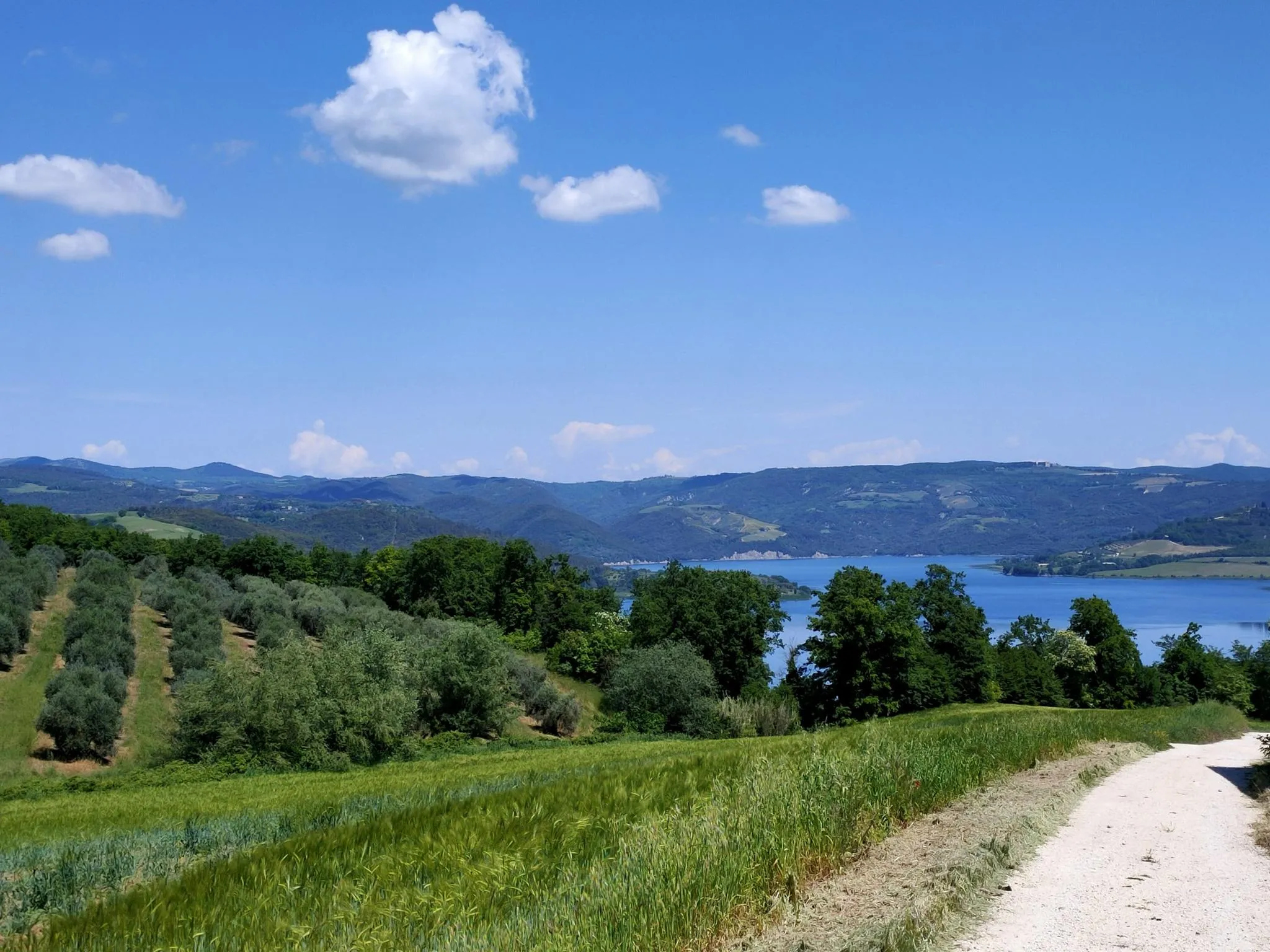
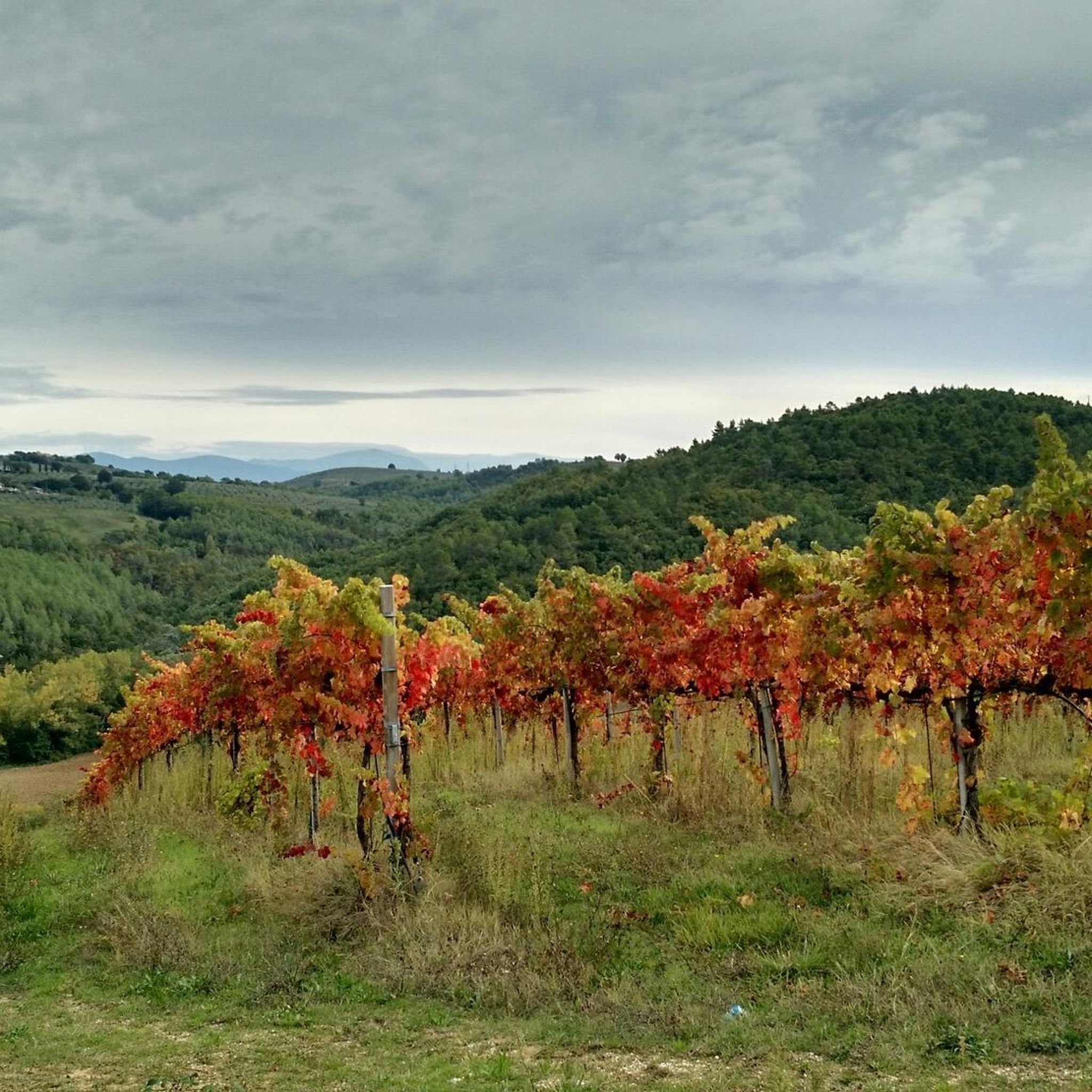
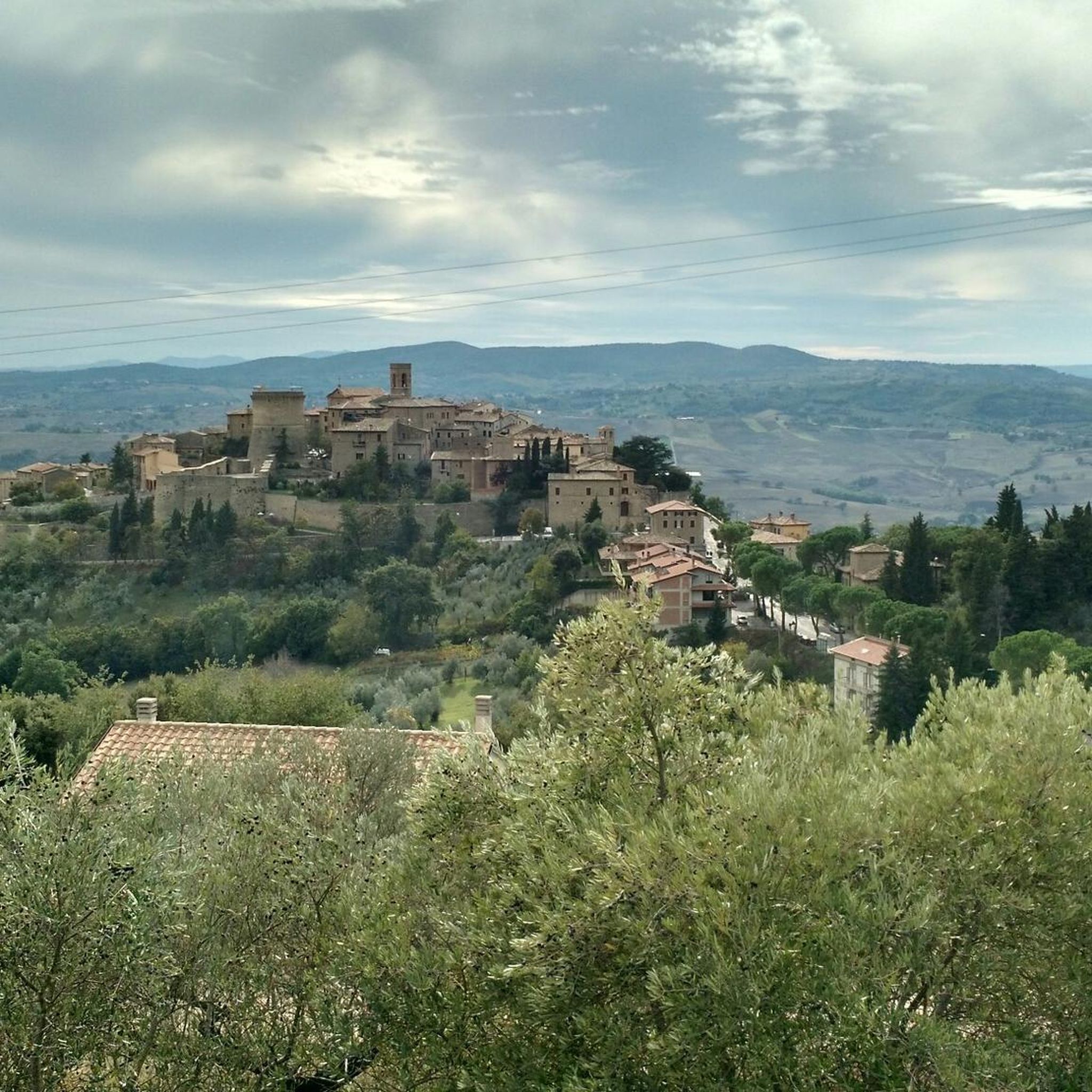
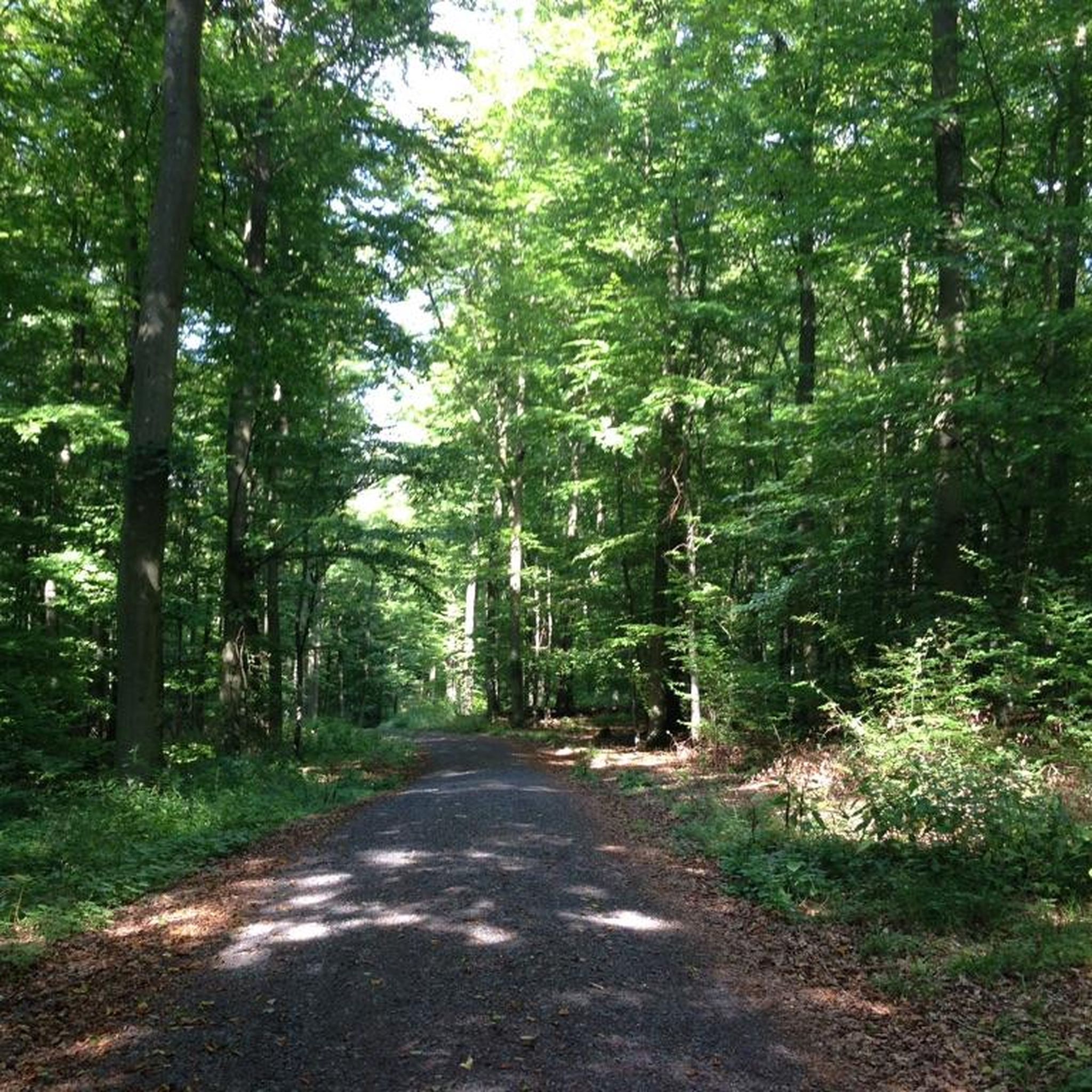
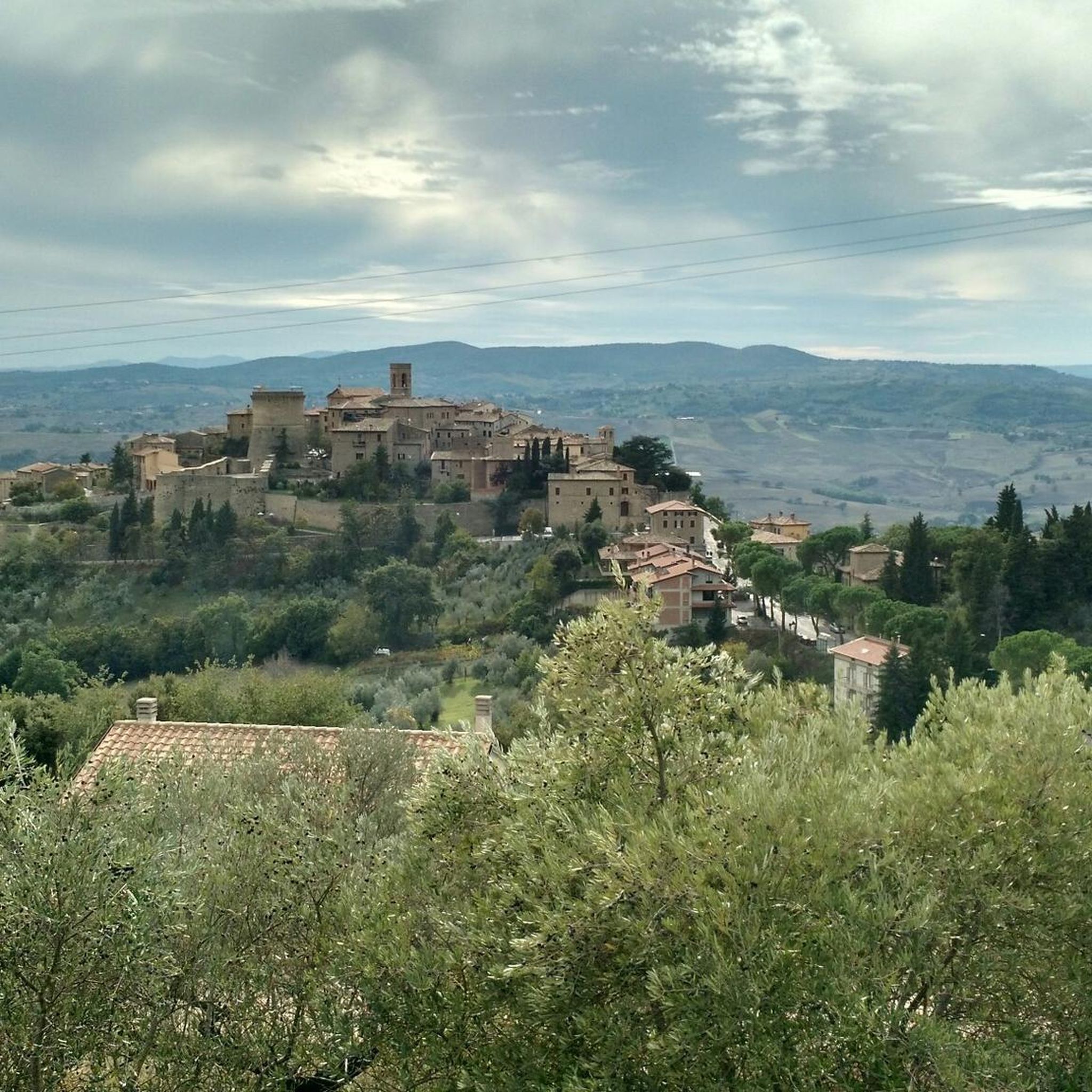
Road cycling routes around Gualdo Cattaneo traverse a diverse landscape of rolling hills, valleys, and plateaus. The region is characterized by extensive olive groves, vineyards, and cultivated fields, providing varied gradients suitable for road cyclists. Many routes offer views of medieval villages and historical landmarks, including the Rocca fortress. The terrain includes both gentle ascents and more challenging climbs, with some routes reaching significant elevation gains.
Best road cycling routes around Gualdo Cattaneo
- The most popular road cycling route is…
Last updated: October 11, 2026
5.0
(1)
47
riders
72.3km
03:34
1,040m
1,040m
Hard road ride. Very good fitness required. Mostly well-paved surfaces and easy to ride.
5.0
(1)
40
riders
77.3km
03:37
840m
840m
Moderate road ride. Good fitness required. Mostly well-paved surfaces and easy to ride.

3.0
(1)
25
riders
52.2km
02:34
710m
710m
Moderate road ride. Good fitness required. Mostly well-paved surfaces and easy to ride.
20
riders
47.6km
02:19
520m
520m
Moderate road ride. Good fitness required. Mostly well-paved surfaces and easy to ride.
11
riders
72.0km
03:19
790m
790m
Moderate road ride. Good fitness required. Mostly well-paved surfaces and easy to ride.
Get access to more routes and recommendations from other explorers.
Already have an account?
Our route recommendations are based on thousands of hikes, rides, and runs completed by other people on komoot.
Start today with a free account
Your next adventure awaits.
Other adventures around Gualdo Cattaneo

Tips from the Community


The historic center of Bevagna is unmissable for the historic buildings it contains. But what makes the difference is the medieval atmosphere that you can breathe.
0
0

The Temple of Santa Maria della Consolazione is located just outside the thirteenth-century walls of the town, in the southwestern part of Todi, and is one of the finest examples of Renaissance art in Umbria.
1
0

Piazza Garibaldi in Bevagna is an elegant agora that combines the charm of medieval history with the vitality of the present. Andrea Roggi's work stands out in this setting: a majestic bronze Tree of Life whose gnarled roots intertwine with stylized human figures in a universal embrace. The sculpture harmoniously dialogues with the surrounding architecture, symbolizing rebirth and the profound connection between humanity and nature. It is a reflective resting place where contemporary aesthetics enhance the ancient beauty of the Umbrian village.
0
0

Spello's historic center is an elegant and well-preserved medieval village. It's definitely worth a visit.
0
0

Acquasparta is a charming town on the road that connects Terni and Sangemini to Todi. Famous in the Middle Ages for its cultural vivacity, it has some important monuments among which Palazzo Cesi stands out
1
0

Wonderful area for road bike tours, visiting villages off the beaten track, but be careful of the very damaged road surface. I add, there is an exclusive route on a cycle path from Spoleto to Assisi.
0
0

Bevagna / Region – Umbria / Province – Perugia (PG) The town, surrounded by a city wall with towers and gates, has an intact medieval structure (12th-13th centuries). In the upper part of the town, numerous Roman remains can still be seen: the ruins of a temple, the theater, and a thermal bath complex, of which a frigidarium with a magnificent black and white floor mosaic depicting marine figures from the 2nd century AD survives. The medieval town structure, with its squares and noble houses, developed over the Romanesque foundations: The magnificent Piazza Silvestri is home to the Palazzo dei Consoli (1270), which houses the Torti Theater, the Romanesque churches of San Silvestro and San Michele Arcangelo, both from the late 12th century, and the church of San Domenico e Giacomo (1291). Worth seeing is the Palazzo Comunale (late 18th century), which houses the historical archives, the library, and the art gallery. The Baroque churches of the Monastery of Santa Margherita and San Filippo are also very interesting. At the highest point in the town stands the Church of San Francesco (late 13th century). Next to the altar, one can see the stone on which St. Francis knelt when he preached to the flock of birds at Pian d'Arca. The 18th-century Palazzo Lepri houses the Museum of Bevagna, with works that tell the story of the town from pre-Roman times to the 18th century: archaeological finds from the ancient city of Mevania, medieval documents, and paintings by Dono Doni, Fantino, and Corrado Giaquinto. In the surrounding area, the Sanctuary of Madonna delle Grazie (late 16th century), the Sanctuary of Madonna della Valle, and the Monastery of Annunziata (11th century), formerly a defensive castle, rise up against the hillsides. Text / Source: Umbria Tourism.it contatti@umbriatourism.it https://www.umbriatourism.it/de/bevagna
16
1
Frequently Asked Questions
How many road cycling routes are available in Gualdo Cattaneo?
Gualdo Cattaneo offers a wide selection of road cycling routes, with over 150 different tours available. These routes cater to various skill levels, from moderate rides to more strenuous ones with significant elevation gains.
What is the terrain like for road cycling in Gualdo Cattaneo?
The region is characterized by a diverse landscape of rolling hills, valleys, and plateaus. You'll encounter varied gradients, from gentle ascents to challenging climbs, with some routes reaching over 1000 meters of elevation gain. The scenery often includes extensive olive groves, vineyards, cultivated fields, and medieval villages.
Are there routes suitable for beginners or less experienced cyclists?
Yes, Gualdo Cattaneo offers routes suitable for various experience levels. While many routes involve rolling terrain, there are 20 routes classified as 'easy' and 98 as 'moderate', providing options for those looking for less strenuous rides. These typically feature manageable ascents and offer scenic views without extreme difficulty.
Are there challenging routes for advanced road cyclists?
Absolutely. For experienced road cyclists seeking a challenge, Gualdo Cattaneo has 34 routes classified as 'difficult'. These routes often feature significant elevation gains and longer distances. An example is the Massa Martana Historic Center – Santa Maria in Pantano loop from Bastardo, which covers over 72 km with more than 1000 meters of ascent.
What historical landmarks or attractions can I see while cycling in Gualdo Cattaneo?
Many road cycling routes in Gualdo Cattaneo pass by or near significant historical sites. You can explore medieval villages and castles, such as the impressive Rocca di Gualdo Cattaneo fortress, or the charming Historic Center of Bevagna. Other points of interest include ancient churches and traditional oil mills, offering a glimpse into the region's rich heritage.
Are there any scenic viewpoints along the road cycling routes?
Yes, the rolling hills and diverse landscapes of Gualdo Cattaneo provide numerous scenic viewpoints. From various vantage points, you can admire the slopes of Mount Subasio, Monte Le Cinque Querce, and the picturesque Clitunno River. The region is also known for its stunning sunsets and vibrant colors, especially when cycling through olive groves and vineyards.
Are there circular road cycling routes in Gualdo Cattaneo?
Many of the road cycling routes in Gualdo Cattaneo are designed as loops, allowing you to start and end in the same location. For example, the Montepennino – Piazza Silvestri, Bevagna loop from Pozzo is a moderate 67 km circular path offering scenic views through agricultural landscapes.
What do other road cyclists enjoy the most about road cycling in Gualdo Cattaneo?
The area is highly rated by the komoot community, with an average score of 4.0 stars from over 130 reviews. Cyclists often praise the diverse terrain, the well-maintained routes, and the breathtaking views of medieval villages and natural landscapes. The combination of challenging climbs and scenic beauty makes it a popular destination.
Is parking available near the road cycling routes in Gualdo Cattaneo?
Yes, parking is generally available in and around the main towns and villages, such as Gualdo Cattaneo itself or nearby Bastardo, which serve as common starting points for many routes. It's advisable to check local signage for specific parking regulations.
Can I access road cycling routes in Gualdo Cattaneo using public transport?
While Gualdo Cattaneo is well-connected by road, public transport options for directly accessing trailheads with a bike might be limited. It's best to check local bus schedules or regional train services to nearby larger towns like Foligno or Spoleto, and then cycle to your desired starting point. For more detailed information on the region, you can visit visitterreolioesagrantino.it.
Are there places to eat or drink along the cycling routes?
Yes, as you cycle through the region, you'll find opportunities to stop in charming medieval villages like Bevagna or Montefalco. These towns offer cafes, restaurants, and local shops where you can refuel and experience Umbrian hospitality. The area is also known for its traditional oil mills and wine cellars, which can be interesting stops.
What is the best time of year for road biking in Gualdo Cattaneo?
The spring and autumn months generally offer the most pleasant conditions for road cycling in Gualdo Cattaneo. During these seasons, temperatures are mild, and the landscapes are particularly vibrant. Summer can be warm, especially in July and August, so early morning rides are recommended if cycling during these months.
Are there any routes that connect to broader cycling networks?
Yes, the region around Gualdo Cattaneo is integrated into broader cycling networks. For instance, parts of the area are close to the Assisi-Spoleto-Norcia Cycle Route, which includes scenic 'white roads' offering a unique cycling experience. You can find more information about regional cycling paths, such as those between Trevi and Spoleto, on umbriatourism.it.
Most popular routes around Gualdo Cattaneo
Most popular attractions around Gualdo Cattaneo

Get inspired with the komoot mobile app


Explore more
Browse the best Road cycling routes in other regions.
