The best walks and hikes around Trevi
4.5
(342)
1,611
hikers
46
hikes
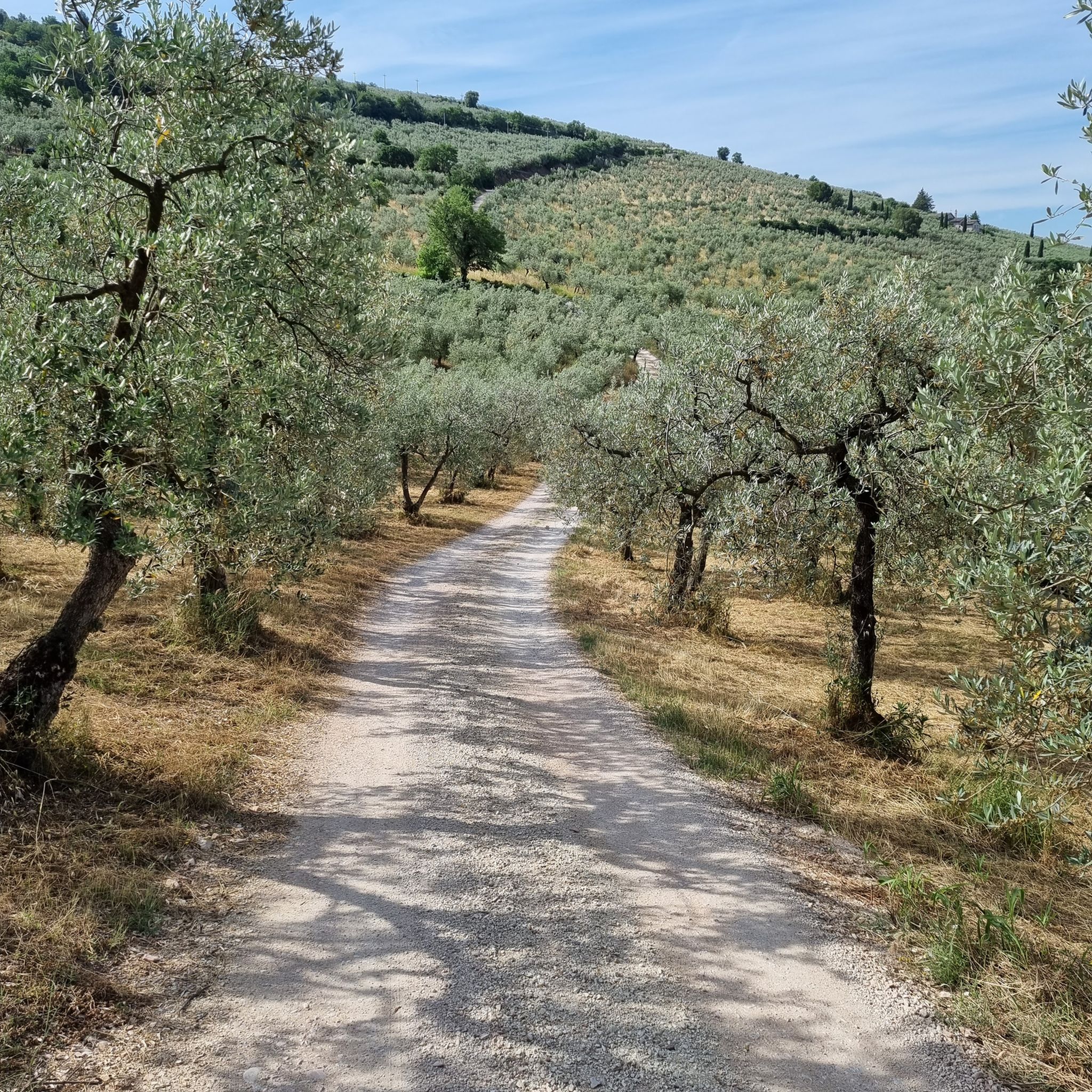
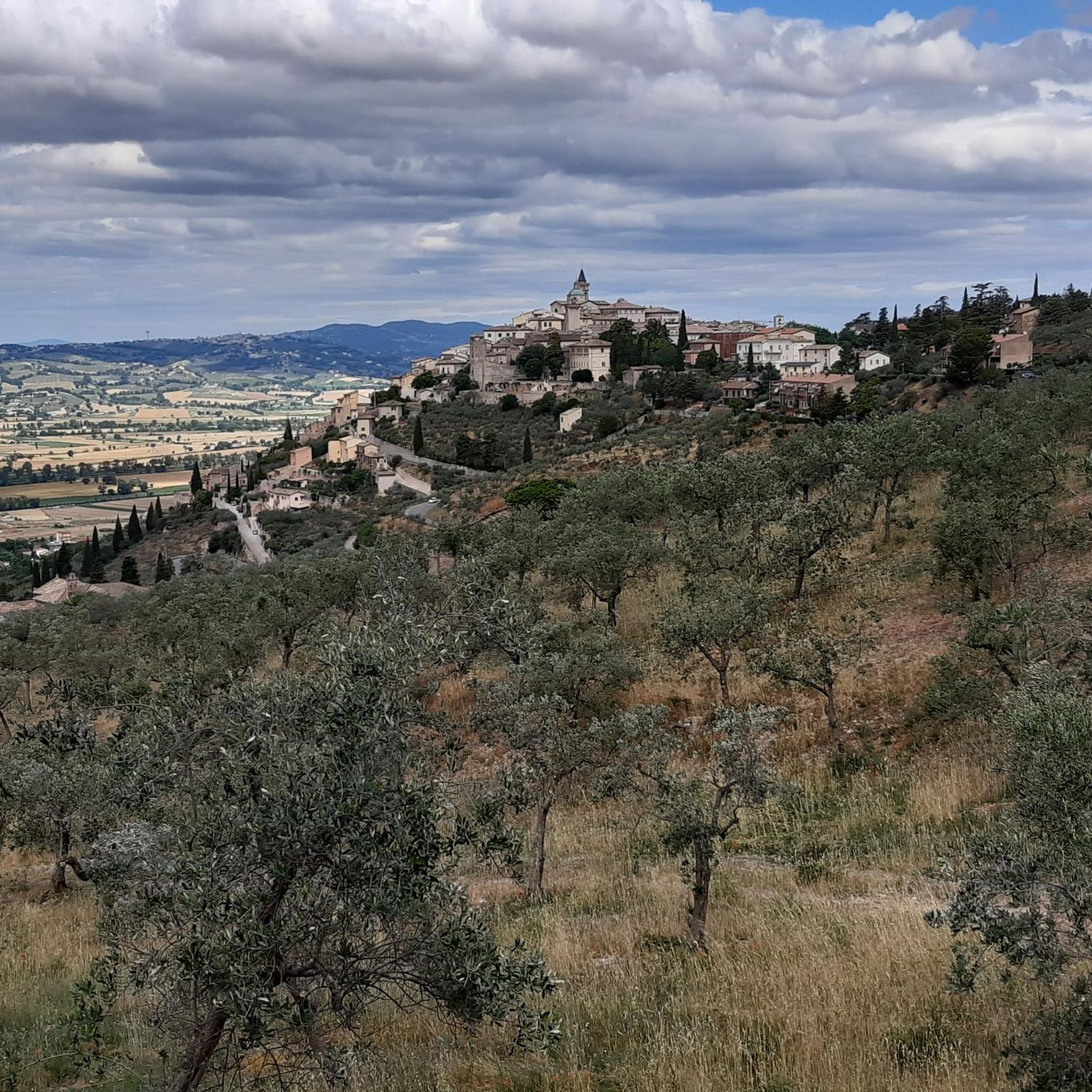
Hiking trails around Trevi are situated in central-west Umbria, Italy, on the slopes of Mount Serano. The region is characterized by extensive olive tree plantations, offering scenic views across the Spoleto Valley. Part of the Umbria-Marche Apennine, the area features micrite limestone formations and karstic landforms, with the Clitunno River and its springs adding to the natural features.
Best hiking trails around Trevi
- The most popular hiking route is Way of St. Francis to Trevi, a 5.7 miles (9.2 km) trail that takes about 3 hours to complete. This moderate route offers valley views through olive groves and historic towns.
- Another top favourite among local hikers is View of Trevi – View of Campello Alto loop from Pigge, a difficult 12.2 miles (19.7 km) path. This challenging route provides panoramic views of the Spoleto Valley and the Umbria-Marche Apennine.
- Local hikers also love the Civic Tower of Trevi – View of Trevi loop from Trevi, a 6.2 miles (10.0 km) trail leading through the historic center and surrounding olive groves, often completed in about 3 hours.
- Hiking around Trevi is defined by olive groves, the slopes of Mount Serano, and views of the Spoleto Valley. The network offers options for different ability levels, from easy paths to more challenging mountain trails.
- The routes in Trevi are highly rated by the komoot community with an average score of 4.5 stars from around 300 reviews. More than 1,400 hikers have used komoot to explore Trevi's varied terrain.
Last updated: October 10, 2026
5.0
(5)
30
hikers
9.19km
02:54
360m
360m
Moderate hike. Good fitness required. Easily-accessible paths. Suitable for all skill levels.
4.7
(40)
190
hikers
19.8km
06:02
650m
650m
Hard hike. Very good fitness required. Easily-accessible paths. Suitable for all skill levels.

4.8
(15)
48
hikers
25.6km
07:49
850m
850m
Hard hike. Very good fitness required. Easily-accessible paths. Suitable for all skill levels.
4.6
(9)
40
hikers
6.14km
01:45
130m
130m
Easy hike. Great for any fitness level. Easily-accessible paths. Suitable for all skill levels.
4.4
(10)
40
hikers
6.91km
01:58
150m
150m
Easy hike. Great for any fitness level. Easily-accessible paths. Suitable for all skill levels.
Get access to more routes and recommendations from other explorers.
Already have an account?
Our route recommendations are based on thousands of hikes, rides, and runs completed by other people on komoot.
Start today with a free account
Your next adventure awaits.

Tips from the Community

If you pass by, stop, it's a beautiful place. The entrance to the park is paid but it's a magical place. In summer, however, there are a lot of people
0
0
lots of people in the summer season
0
0
Beautiful place to stop and walk in the park (even if it has a fee).
0
0

Stay at the B&B Le Torrette for this view, or just go for an evening walk.
0
0

Trevi's historic center retains the charm of its medieval alleys, narrow and winding, weaving between stone houses and ancient buildings. These streets were designed not only to connect squares and gates, but also to defend the city, creating sheltered and safe routes. The houses feature small doorways and windows, while stairways and arches connect different levels, following the hilly terrain. Walking through the alleys, you'll experience a secluded atmosphere, filled with unexpected glimpses and silhouettes of rooftops and bell towers. Every corner tells stories of daily life, shops, markets, and medieval traditions, making the village a true journey into the past.
0
0
Inside Trevi Cathedral is an elegant 16th-century altar, with harmonious and sober forms typical of the Renaissance. At its center is a panel attributed to Francesco Melanzio, an Umbrian painter known for his delicate and luminous painting. The altar introduces a more modern style compared to the medieval parts of the church, marking the transition from Gothic to Renaissance style. Overall, it represents a clear testimony to how the Cathedral encompasses centuries of history and art, preserving traces of every era.
0
0
The apses of Trevi Cathedral (Church of Sant'Emiliano) date back to the Romanesque period, dating back to the 12th century. They constitute the oldest part of the building and belong to the medieval church prior to subsequent transformations. Their massive stone structure, with simple, well-defined volumes, fully reflects the Umbrian Romanesque style, characterized by solidity and sobriety. The apses therefore testify to Trevi's importance even in the Middle Ages and represent a precious trace of the historical continuity of the Cathedral, which has been expanded and remodeled over the centuries, especially in the upper and interior sections.
0
0
Porta Nuova was built between the late 13th and 14th centuries, at a time when Trevi expanded its city walls to include new residential areas and better control access. Unlike older gates, it was therefore designed as an "expansion gate," linked to the city's growth. Interestingly, despite its defensive function, it was primarily a daily transit point for farmers and merchants heading to the village. Precisely for this reason, its architecture is simple and functional, more practical than monumental.
0
0
Frequently Asked Questions
How many hiking trails are available around Trevi?
Trevi offers a diverse network of nearly 40 hiking routes. These trails cater to various fitness levels, ranging from easy paths suitable for beginners to more challenging mountain trails, ensuring there's an option for every hiker.
What kind of terrain can I expect on hikes around Trevi?
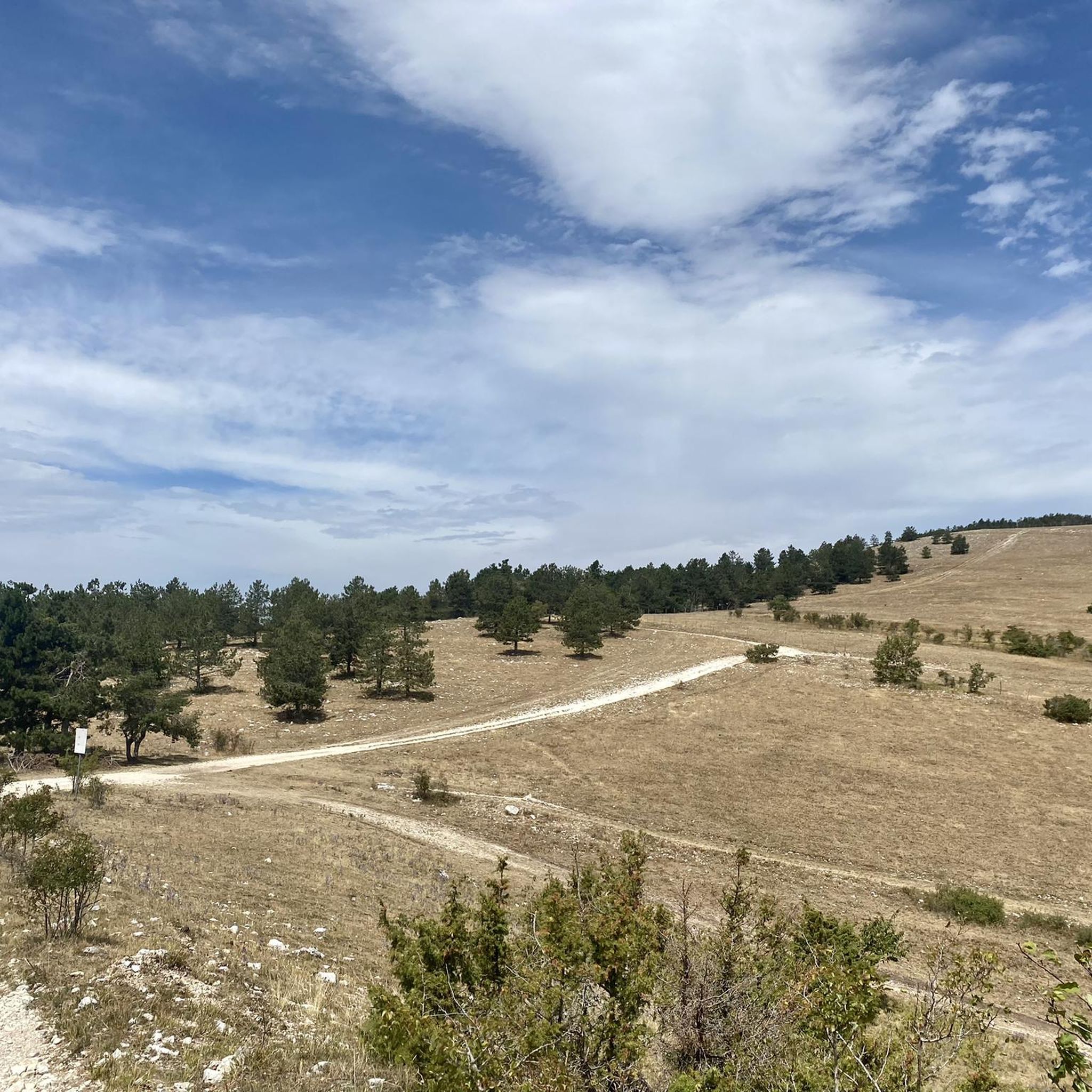
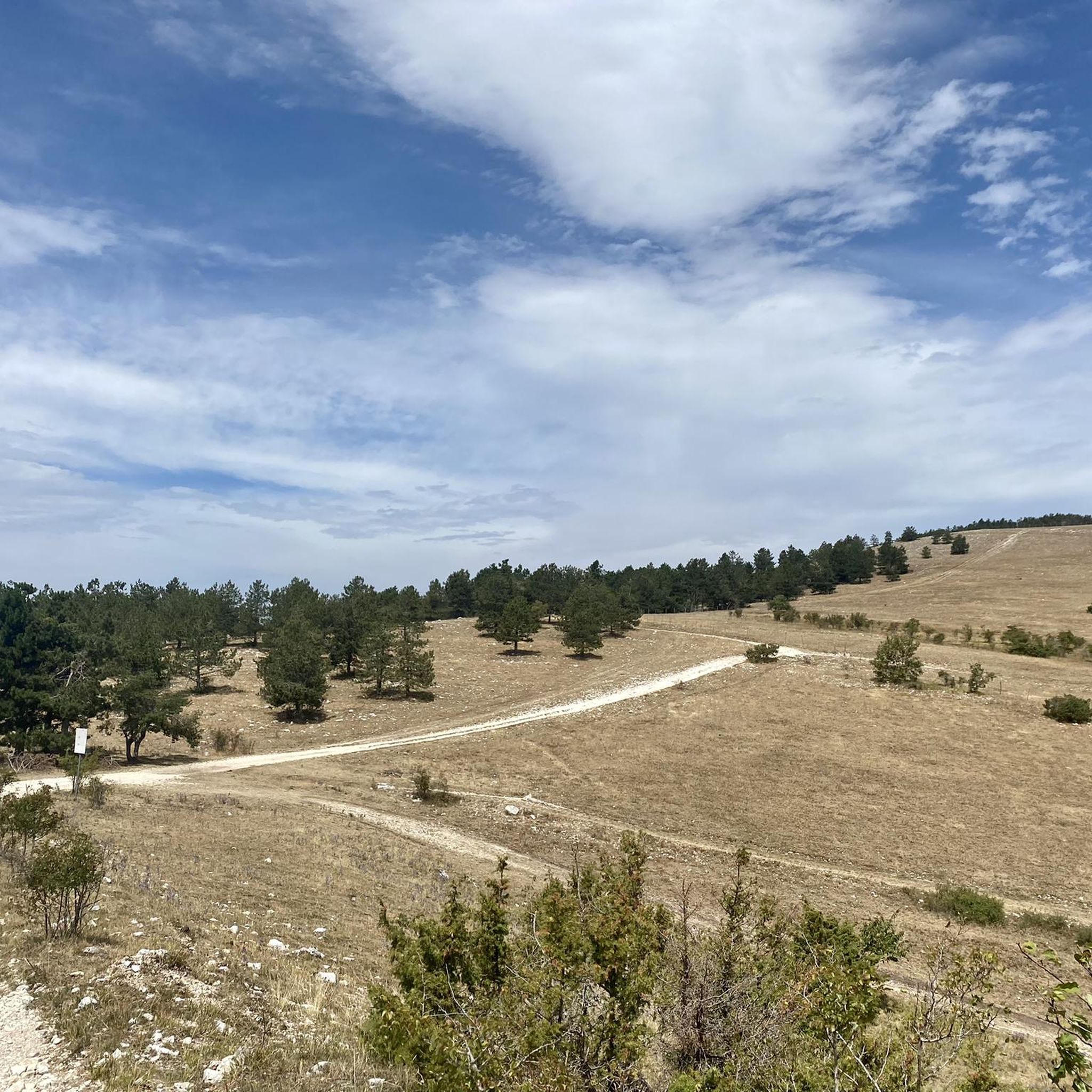
Hiking around Trevi primarily involves traversing extensive olive groves on the slopes of Mount Serano, offering scenic views of the Spoleto Valley. You'll encounter varied terrain, from gentle paths through agricultural landscapes to more rugged sections in the Umbria-Marche Apennine, characterized by micrite limestone formations and karstic features.
Are there any easy hikes suitable for beginners in Trevi?
Yes, Trevi has several easy hiking options. For instance, the View of Trevi – Historic Center of Trevi loop from Trevi is an easy 7 km route that takes you through the town's charming surroundings without significant elevation gain. Overall, about 10 of the trails are considered easy, typically taking up to 2 hours to complete.
Can I find family-friendly hiking options in Trevi?
Many of Trevi's easier trails are suitable for families. Routes that wind through the olive groves or explore the historic center, such as the View of Trevi – Historic Center of Trevi loop from Trevi, offer pleasant walks without being too strenuous. These paths allow families to enjoy the natural beauty and cultural heritage of the region together.
Are dogs allowed on the hiking trails around Trevi?
Generally, dogs are welcome on most hiking trails around Trevi, especially those in natural areas like the olive groves and mountain paths. It's always advisable to keep your dog on a leash, especially near agricultural areas or wildlife, and to carry water for them. There are no specific restrictions mentioned for the general hiking network.
Are there any circular hiking routes in Trevi?
Yes, many of the trails around Trevi are designed as loops, allowing you to start and end at the same point. A popular example is the Civic Tower of Trevi – View of Trevi loop from Trevi, a moderate 10 km route that takes you through the historic center and surrounding olive groves. Another option for experienced hikers is the challenging View of Trevi – View of Campello Alto loop from Pigge.
What natural attractions or landmarks can I see while hiking near Trevi?
While hiking near Trevi, you can discover several natural attractions. The renowned Clitunno Springs, known for their clear waters, are a notable natural feature. Further afield, you might encounter the beautiful Rasiglia Springs and Waterfalls or the Menotre Waterfalls, offering picturesque stops along your journey.
What is the best time of year to go hiking in Trevi?
The best time to hike in Trevi is typically during the spring (April to June) and autumn (September to October). During these seasons, the weather is mild and pleasant, and the olive groves display beautiful silver or golden hues. Summer can be hot, while winter offers a different, often quieter, experience, though some higher trails might be cooler.
How can I reach the hiking trails around Trevi using public transport?
Trevi is accessible by public transport, with bus services connecting it to larger towns in Umbria. Once in Trevi, many trails, especially those starting from the historic center like the Civic Tower of Trevi – View of Trevi loop from Trevi, are within walking distance. For trails further afield, local bus services might be available, but checking schedules in advance is recommended.
Where can I park when hiking in Trevi?
Parking is generally available in and around the historic center of Trevi. Many trailheads, particularly for routes starting directly from the town, are easily accessible from public parking areas. For trails that begin outside the main village, look for designated parking spots near the starting points, which are often indicated on komoot route maps.
What makes hiking in Trevi unique compared to other regions?
Hiking in Trevi offers a unique blend of natural beauty, cultural heritage, and panoramic views. The region is renowned for its extensive olive groves, part of the 'Assisi – Spoleto Olive Belt,' providing a distinctive landscape. You'll also experience the charm of one of 'The Most Beautiful Villages in Italy,' with its medieval historic center, all set against the backdrop of the Spoleto Valley and the Umbria-Marche Apennine.
What do other hikers say about their experience in Trevi?
The hiking routes in Trevi are highly rated by the komoot community, with an average score of 4.5 stars from nearly 300 reviews. Hikers often praise the stunning panoramic views of the Spoleto Valley, the serene walks through ancient olive groves, and the opportunity to explore the charming historic towns along the way. The variety of trails catering to different skill levels is also frequently highlighted.
Are there any longer, more challenging hikes for experienced trekkers?
Yes, for experienced hikers, Trevi offers more challenging routes. The Monti Serano - Brunette Summit loop from Coste is a moderate 13 km hike with over 700 meters of elevation gain, taking you into the higher reaches of the Apennines. Another demanding option is the View of Trevi – View of Campello Alto loop from Pigge, a difficult 19.7 km path with significant elevation changes, offering panoramic views across the valley.
Most popular attractions around Trevi

Get inspired with the komoot mobile app


Explore more
Browse the best Hikes in other regions.
