The best cycling routes around Colledara
4.5
(73)
1,399
riders
129
rides
Touring cycling routes around Colledara are set within Italy's Abruzzo region, characterized by a plateau offering views of the Gran Sasso and surrounding "Twin Mountains." The area serves as a gateway to the Gran Sasso and Monti della Laga National Park, featuring high-altitude peaks, plateaus, and ancient forests. Notable terrain includes the expansive Campo Imperatore plateau and views of the Vomano River. The region provides diverse cycling experiences, from paved roads to gravel sections and challenging ascents.
Best touring cycling…
Last updated: October 11, 2026
5.0
(3)
58
riders
62.9km
04:55
1,730m
1,730m
Hard bike ride. Very good fitness required. Mostly paved surfaces. Suitable for all skill levels.
5.0
(3)
37
riders
55.4km
03:45
920m
920m
Hard bike ride. Very good fitness required. Mostly paved surfaces. Suitable for all skill levels.

4.0
(2)
30
riders
93.0km
05:54
1,000m
1,000m
Hard bike ride. Very good fitness required. You may need to push your bike for some segments of this route.
5.0
(1)
17
riders
Hard bike ride. Very good fitness required. Mostly paved surfaces. Suitable for all skill levels.
3.0
(1)
16
riders
38.2km
02:36
680m
680m
Hard bike ride. Very good fitness required. Mostly paved surfaces. Suitable for all skill levels.
Get access to more routes and recommendations from other explorers.
Already have an account?
Our route recommendations are based on thousands of hikes, rides, and runs completed by other people on komoot.
Start today with a free account
Your next adventure awaits.
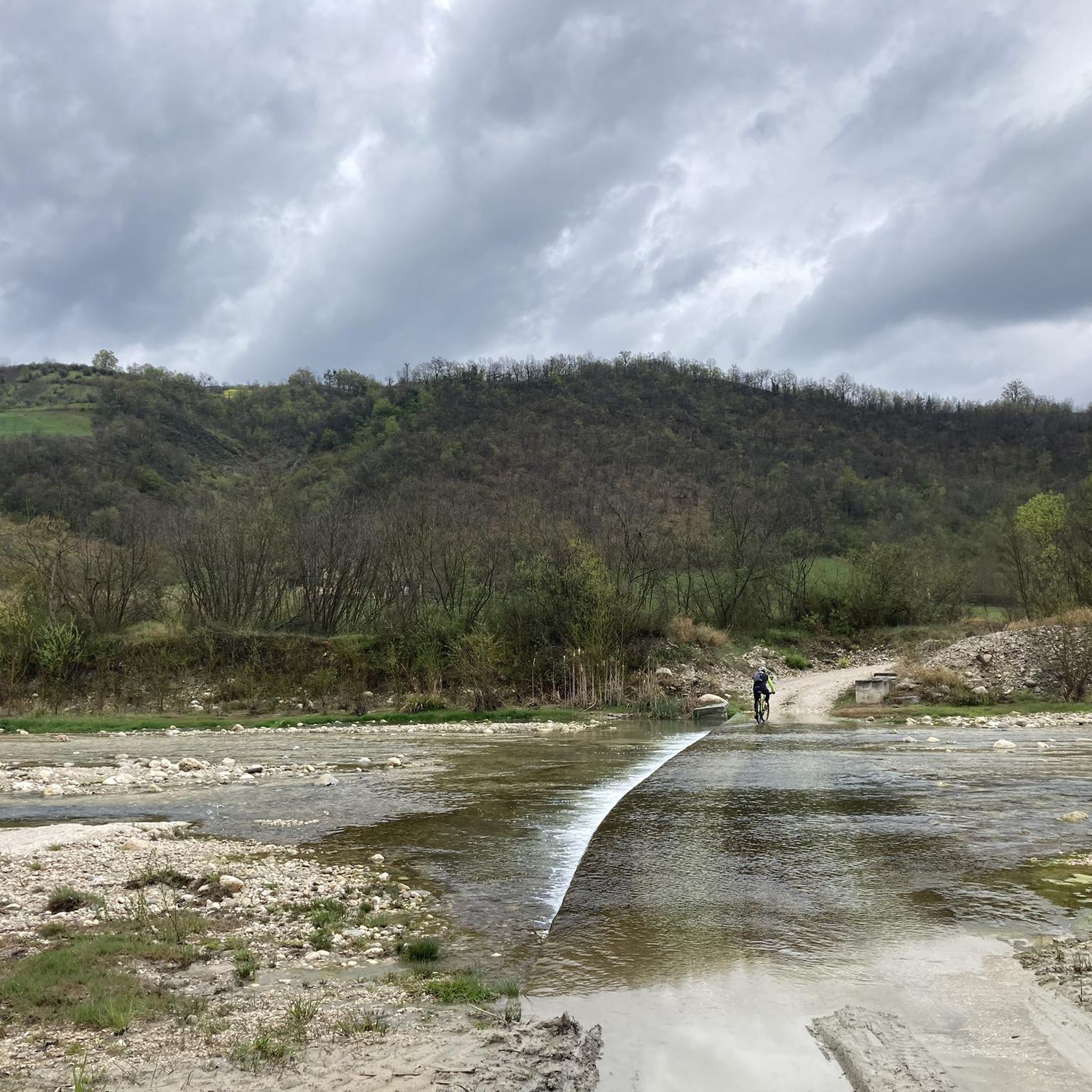
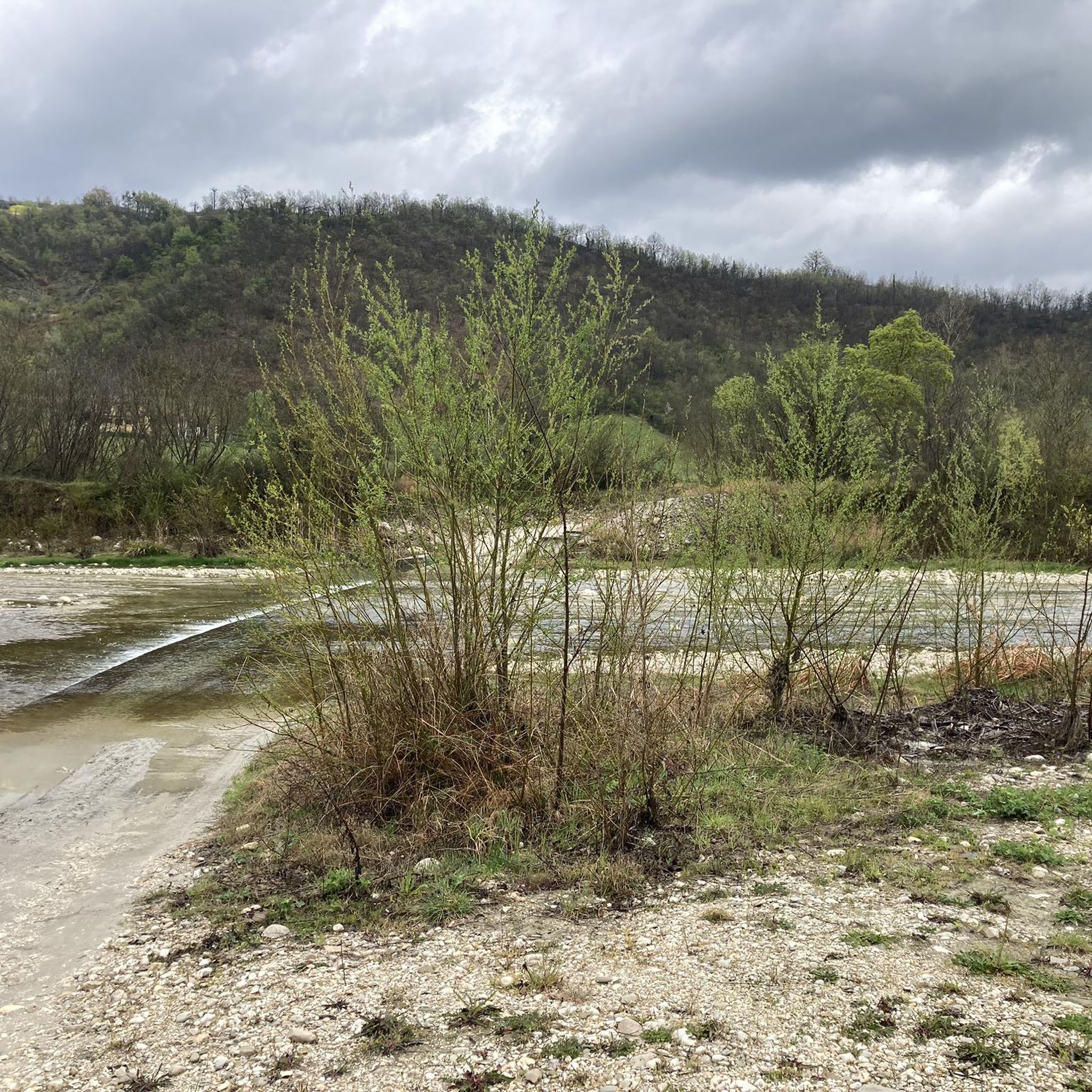
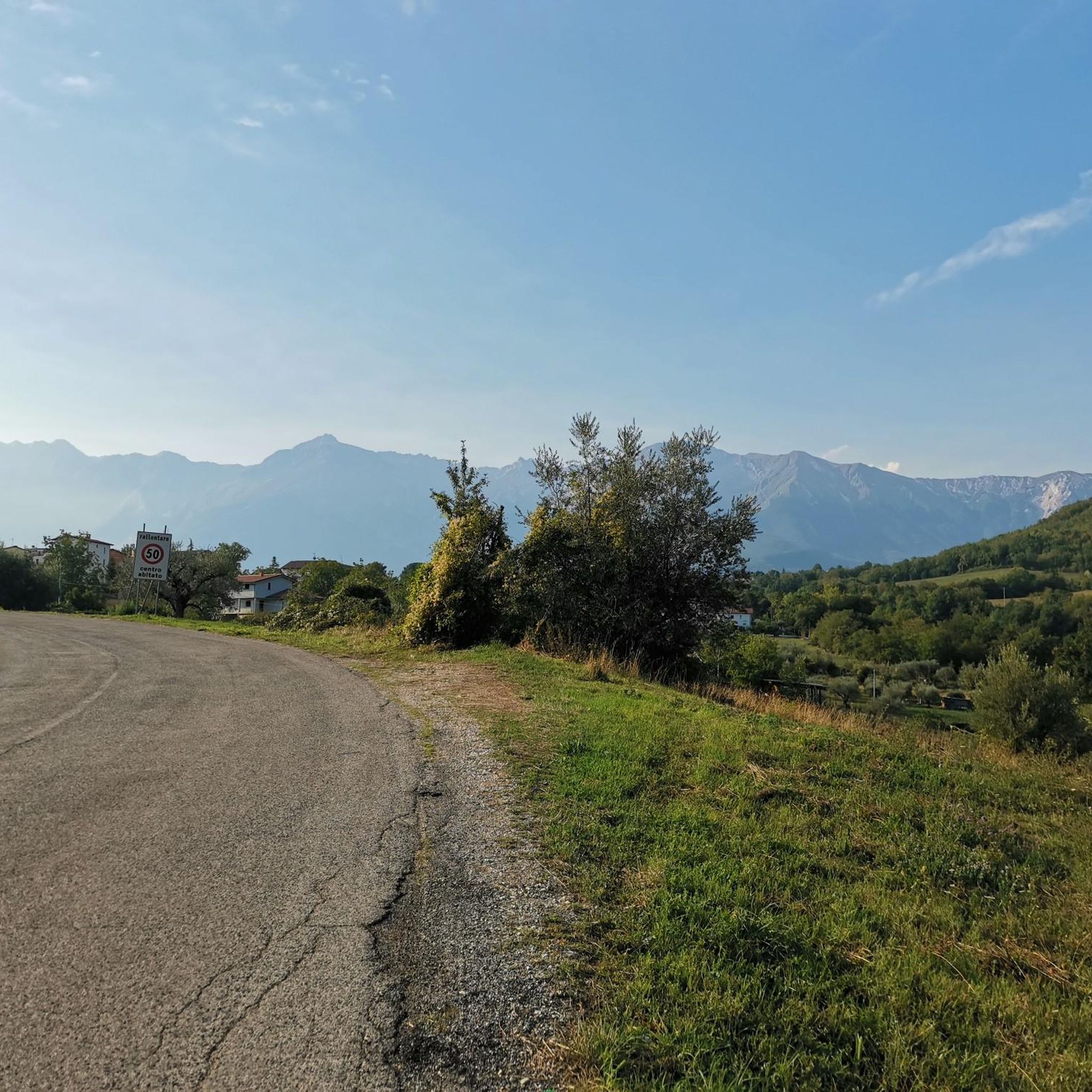
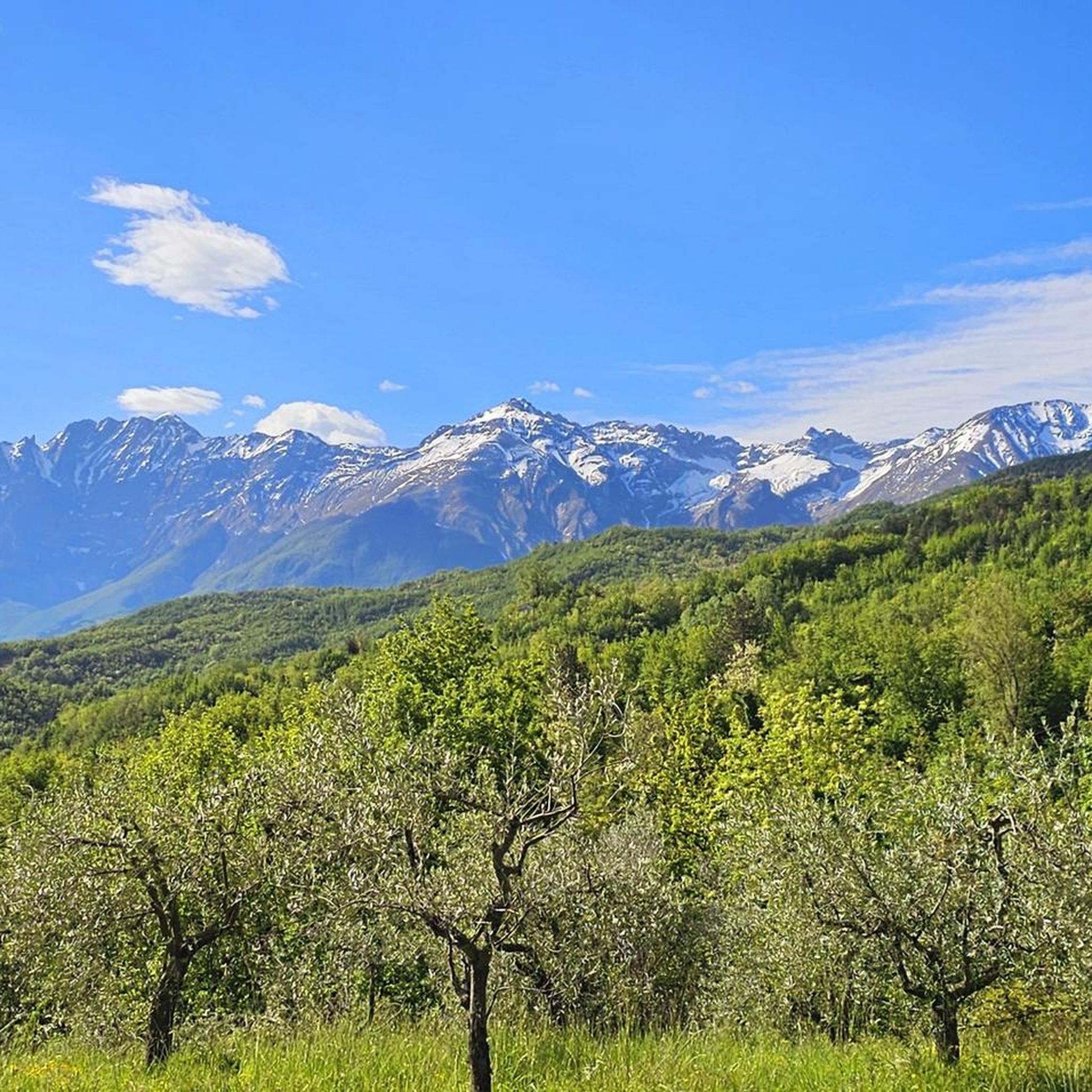
Tips from the Community

Did you know – The bell tower that has defied the earth for centuries Just for the impressive bell tower, a visit to the cathedral is worthwhile. At 50 meters high, it has dominated the skyline of Teramo for centuries. The tower was built in three phases: the robust square base dates from the 12th century, the middle section from the 14th century, and the elegant octagonal spire was added in 1493. Even more impressive is its hidden strength. Thanks to walls over 2.5 meters thick and an increasingly lighter structure towards the top, the tower can move during earthquakes. While the ground shakes, the tower "wobbles" along without losing its stability. That ingenious medieval craftsmanship has ensured that it has withstood numerous severe earthquakes for over five centuries. A beautiful example of how history, architecture, and engineering come together.
2
0
The Cathedral of Santa Maria Assunta is the monumental heart of Teramo and an absolute must-see. This impressive cathedral was built after the destruction of the old cathedral in 1156 and grew over the centuries into a unique interplay of Romanesque and Gothic architecture. Inside, be sure to notice the many Roman columns and marble reliefs, originating from the nearby Roman theatre and amphitheatre. A visit to the Duomo is a journey through almost two thousand years of history and one of the highlights of a walk through Teramo.
2
0
The Statua di Sor Paolo Proconsole is undoubtedly the most peculiar monument in Teramo. This ancient Roman statue, embedded in a facade on Largo Proconsole, is known as the 'voice of the people'. For centuries, residents placed anonymous notes with criticism, mockery, and humor in Sor Paolo's open hand, so that everyone could read his "message" the next morning. A kind of medieval social network, long before social media existed. Take a good look at the statue too: the Roman body and the much younger head form a striking combination that gives Sor Paolo his unique appearance. A nice and surprising stop during your walk through Teramo!
4
0
What can you see today? The Teatro Romano di Teramo is today an impressive archaeological site where the past is gradually being uncovered. From street level, you look three meters down at the ancient arches, the stage, and the orchestra area of this Roman theatre. Excavation and restoration work are in full swing, allowing you to witness a unique piece of living history. In a few years, this monument should once again become the setting for open-air performances and concerts – a visit now lets you experience the restoration up close.
2
0
The Roman Theatre of Teramo takes you back to the time of the mighty Roman Interamnia. This impressive theatre from the reign of Emperor Augustus once seated around 3,000 spectators. After the fall of the Roman Empire, parts of the theatre disappeared into the city walls, including the nearby cathedral, and the rest remained hidden underground for centuries. Today, you can admire one of the most important Roman archaeological sites in Abruzzo – a place where almost 2,000 years of history come back to life.
2
0

Avoid during peak sea hours but convenient for avoiding city traffic... use it calmly
0
0
The Porta Reale, invariably called Porta Madonna by the inhabitants of Teramo, is a historic city gate and an important landmark in the city. The gate forms the direct entrance to the street that leads to the Santuario della Madonna delle Grazie. Some facts: Built for a royal visit. The gate was erected in the first half of the 19th century (partially rebuilt in 1825) as an arch of triumph. This was specifically intended to ceremoniously welcome King Ferdinand I of the Two Sicilies of the House of Bourbon to the city. Two names: The official name is Porta Reale (Royal Gate). However, the locals always call it Porta Madonna, due to its direct proximity to the sanctuary of the Madonna delle Grazie. Medieval foundations: Although its current appearance is 19th-century, the gate stands on the site of a much older, medieval city gate. Those who look closely can still see some scarce remains of the old medieval city wall next to the gate. Strategic junction: Today, the gate marks the transition from modern Teramo to the historic center. It forms the starting point of the Corso De Michetti, the atmospheric axis that leads you deeper into the old city.
3
0

Among the most beautiful villages in Italy, Castelli is famous for its ceramics craftsmanship. The view of the Gran Sasso and the visit to the ceramic workshops are worth the stop in this place.
0
0
Frequently Asked Questions
How many touring cycling routes are available around Colledara?
Colledara offers a wide selection of touring cycling routes, with over 120 options available. These routes cater to various skill levels, from moderate paths to challenging multi-day adventures within the Gran Sasso National Park.
What is the best time of year for touring cycling in Colledara?
The temperate climate of Colledara makes it suitable for cycling for much of the year. However, for routes involving higher altitudes like the Campo Imperatore plateau, late spring through early autumn (May to October) generally offers the most favorable conditions, avoiding snow and extreme cold. Always check local weather forecasts before heading out.
Are there any easy or moderate touring cycling routes for beginners in Colledara?
While many routes around Colledara are classified as difficult due to the mountainous terrain, there are options for less experienced cyclists. The region offers moderate gravel paths, and some routes utilize former railway tracks for a unique, less strenuous experience. For example, the area around Lake Campotosto offers a moderate gravel ring route.
What kind of terrain can I expect on touring cycling routes around Colledara?
The terrain is highly diverse, ranging from paved roads to significant gravel sections. You'll encounter high-altitude plateaus like Campo Imperatore, river valleys such as the Vomano, and challenging mountain ascents within the Gran Sasso and Monti della Laga National Park. Some routes also feature ancient forests and vineyards.
What historical sites or natural landmarks can I see while cycling around Colledara?
Cycling around Colledara offers access to numerous points of interest. You can explore the 14th-century Church of St. John the Baptist and the ancient Eagle Castle in Colledara itself. Routes like the Porta Reale (Porta Madonna) – Roman Theatre of Teramo loop from Tossicia pass by historical landmarks. For natural beauty, you might encounter highlights such as Corno Grande Western Summit, Monte Aquila Summit, and the The Madonnina (Gran Sasso) viewpoint.
Are there any routes that offer views of the Gran Sasso mountains or Campo Imperatore?
Yes, many routes provide stunning views of the Gran Sasso and the surrounding 'Twin Mountains.' The View of the Vomano River – Campo Imperatore Plateau loop from Isola del Gran Sasso d'Italia is a challenging route that takes you directly to the expansive Campo Imperatore plateau, offering breathtaking panoramic views, sometimes even extending to the Adriatic Sea on clear days.
Can I find circular touring cycling routes in the Colledara area?
Yes, many of the touring cycling routes around Colledara are designed as loops, allowing you to start and end in the same location. Examples include the popular View of the Vomano River – Pietracamela Village loop from Tossicia and the Vomano Cycle Bridge loop from Tossicia, which explores the Vomano River valley.
What do other touring cyclists say about cycling in Colledara?
The touring cycling routes around Colledara are highly rated by the komoot community, with an average score of 4.6 stars from over 70 reviews. Cyclists often praise the diverse terrain, the stunning views of the Gran Sasso, and the opportunity to explore both natural landscapes and historical villages.
Are there any specific bikepacking routes or networks in the region?
Yes, the region is home to the 'Le Vie del MAGS' (Mar Adriatico Gran Sasso) bikepacking and walking network. This network connects the Adriatic Sea to Gran Sasso, offering an immersive experience through ancient villages, pristine plateaus, and colorful hills, allowing cyclists to discover local art, history, and traditions.
Where can I find parking for cycling routes in Colledara?
Parking availability varies depending on the specific starting point of your chosen route. Many routes begin from towns like Tossicia or Isola del Gran Sasso d'Italia, where you can typically find public parking. It's advisable to check the specific route details on komoot for recommended parking locations near the trailhead.
Is it possible to bring my dog on touring cycling routes around Colledara?
While many natural areas in Italy are dog-friendly, specific rules can apply within the Gran Sasso and Monti della Laga National Park. It's best to check the park's official regulations regarding dogs on trails, especially for protected areas or during certain seasons, to ensure a pleasant and compliant experience for you and your pet.
Are there cafes, pubs, or accommodation options for cyclists in Colledara and nearby villages?
Colledara and the surrounding villages like Tossicia and Isola del Gran Sasso d'Italia offer various amenities for visitors. You can find local cafes and pubs for refreshments, and there are accommodation options ranging from agriturismos to small hotels, many of which are accustomed to hosting outdoor enthusiasts. It's recommended to book in advance, especially during peak season.
Most popular attractions around Colledara

Get inspired with the komoot mobile app


Explore more
Browse the best Cycling routes in other regions.
