The best walks and hikes around Castilenti
4.4
(141)
546
hikers
16
hikes
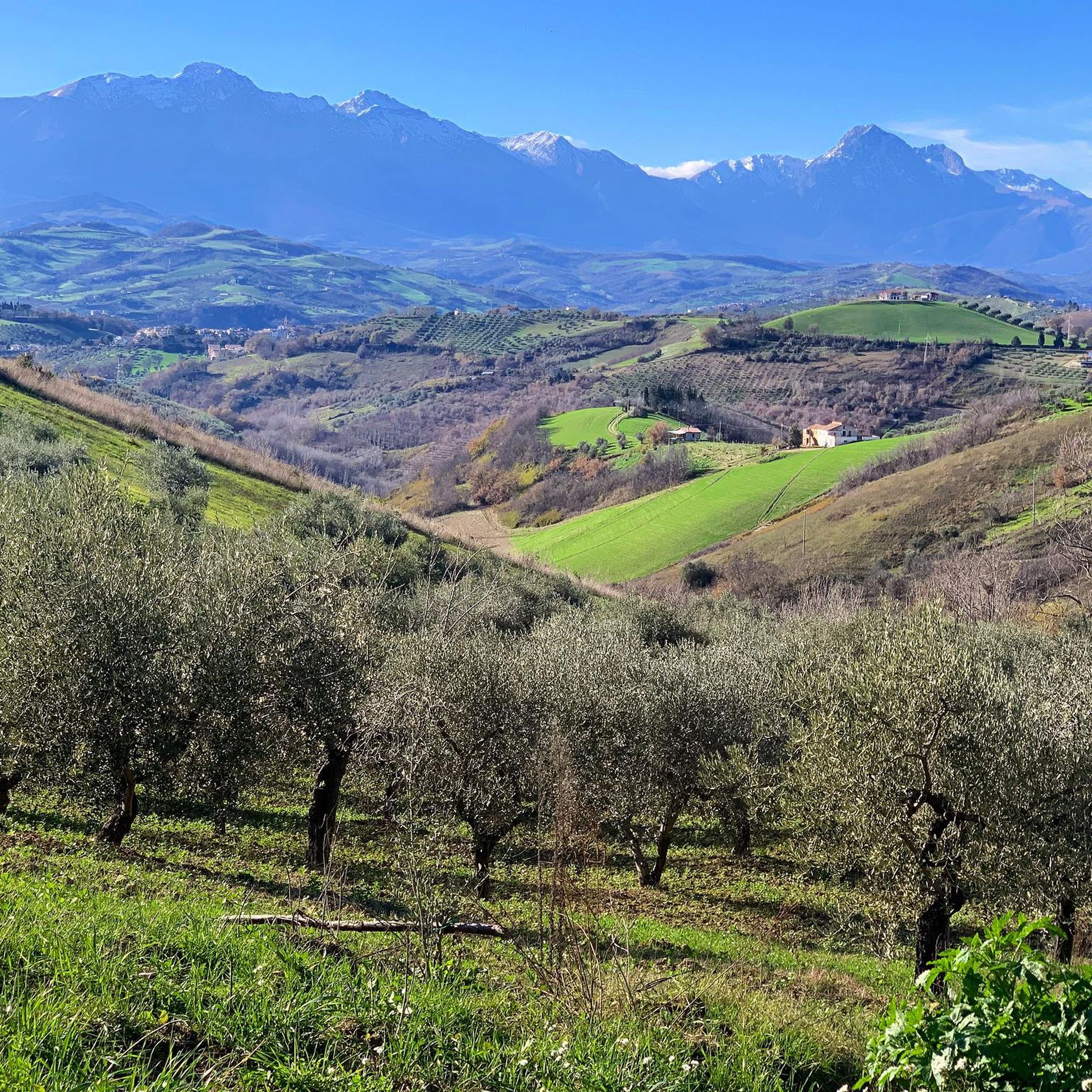
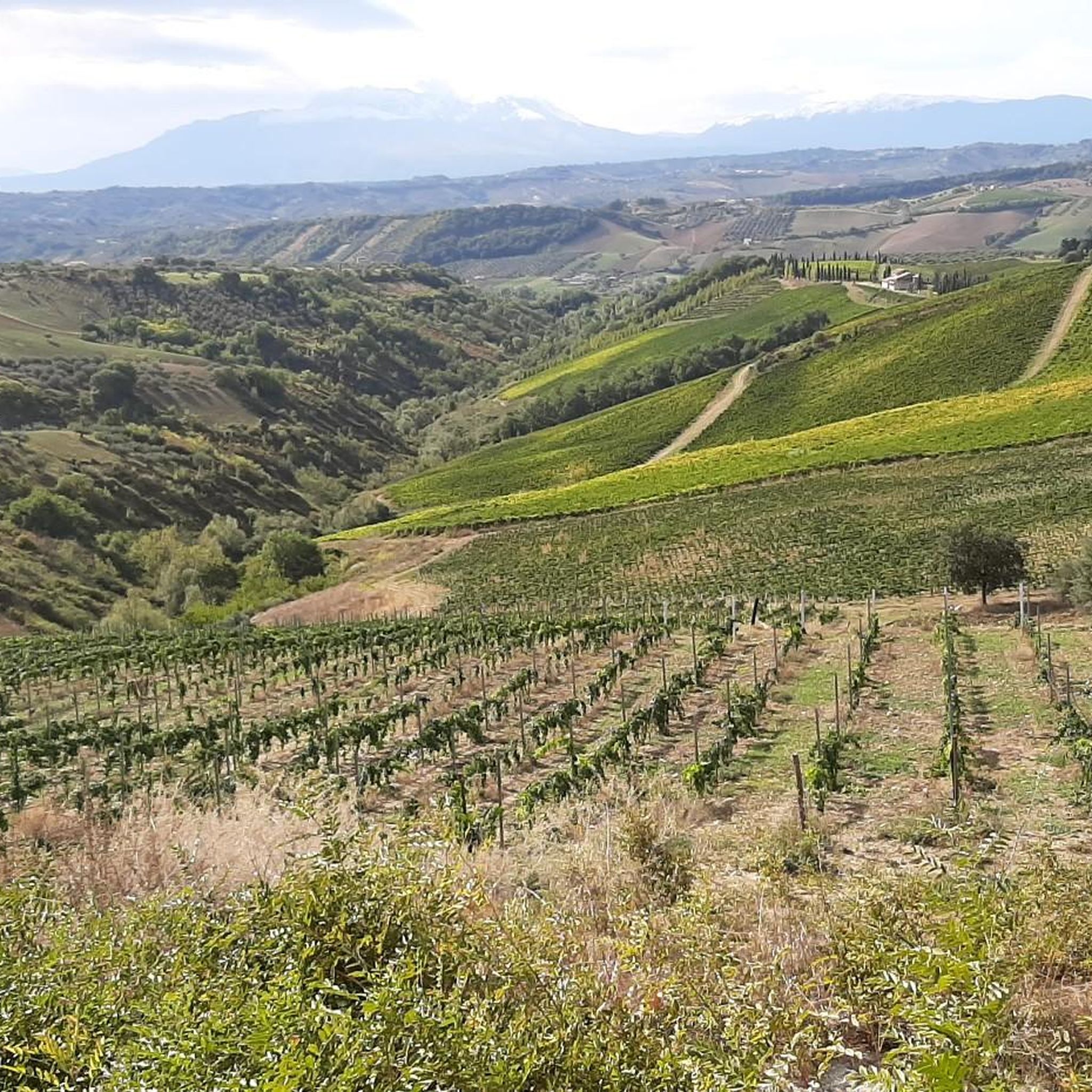
Hiking around Castilenti offers diverse landscapes, characterized by the unique geological formations of the Calanchi di Atri, also known as the Atri Badlands. The region features a mix of rolling hills, natural reserves, and areas around lakes, providing varied terrain for outdoor activities. Trails often traverse clay and sand formations, with some routes leading through more vegetated areas.
Best hiking trails around Castilenti
- The most popular hiking route is Calanchi di Atri Loop, a 3.8 miles (6.2 km) trail…
Last updated: October 11, 2026
4.4
(85)
307
hikers
6.19km
02:02
290m
290m
Moderate hike. Good fitness required. Easily-accessible paths. Suitable for all skill levels.
3.0
(2)
21
hikers
3.09km
01:05
180m
180m
Easy hike. Great for any fitness level. Easily-accessible paths. Suitable for all skill levels.

4.4
(10)
15
hikers
13.0km
04:00
470m
470m
Moderate hike. Good fitness required. Easily-accessible paths. Suitable for all skill levels.
5.0
(3)
23
hikers
5.71km
01:35
110m
110m
Easy hike. Great for any fitness level. Easily-accessible paths. Suitable for all skill levels.
5
hikers
10.3km
02:54
220m
220m
Moderate hike. Good fitness required. Easily-accessible paths. Suitable for all skill levels.
Get access to more routes and recommendations from other explorers.
Already have an account?
Our route recommendations are based on thousands of hikes, rides, and runs completed by other people on komoot.
Start today with a free account
Your next adventure awaits.
Tips from the Community

The Cathedral of Santa Maria Assunta (the Duomo of Atri) is one of the most important and impressive religious monuments in the Abruzzo region. This co-cathedral was built between 1260 and 1305 on the foundations of an older Romanesque church and even older Roman baths. Open daily in the morning from 09:00 - 12:30
5
0
De Porta San Francesco is the most monumental and iconic city gate of the historic town of Penne, located on four hills. The gate forms the main entrance to the medieval center and is a striking example of local architecture. The gate owes its name to Francis of Assisi, who according to legend visited Penne on September 16, 1216. He came to the city at the time to establish peace between two violent, rival family clans. In memory of this historic visit, the original medieval city gate was later named after him. Although the origin of the gate is medieval, its current baroque appearance dates from 1780 (with later adjustments around 1870). The gate, to be renovated, came from the drawing board of architect Francesco Di Sio and was completely rebuilt, along with the adjacent buildings. Since then, they have formed a monumental, stylish entrance to 'the city of brick'. Bonus: if you stand in front of the gate and look closely, you will see the patron saint of Penne, San Massimo, at the top of the gate.
5
0
The dam of Lago di Penne (diga di Penne) is an important infrastructural work that formed the basis for the current nature reserve. Some technical data and brief history: The construction of the dam began in 1965 and was completed in the second half of the 1960s. The dam wall has a height of 30 meters. The dam blocks the Tavo river, which originates in the Gran Sasso massif. In addition, the basin collects water from the Gallero stream. The dam is owned and technically maintained by the Consorzio di Bonifica Centro
5
0
Ideal starting point to discover the nature reserve around Lago di Penne. Parking is located a stone's throw from the visitor center. There are also large bins at this location.
3
0
Definitely take some time for this bird hide. In complete tranquility, you can enjoy life in and around the water, while birds unhindered follow their daily rhythm. Each season brings different species and new scenes, ensuring no visit is the same. A simple, yet special nature experience that you get completely free of charge. Take a seat and enjoy it in silence.
5
0
The visitor center of the Riserva Naturale Regionale Lago di Penne serves as the gateway to this beautiful nature reserve in Abruzzo. Access to the reserve is free, but it is advisable to stop by the center first for information and a free hiking map. The visitor center of the Riserva Naturale Regionale Lago di Penne serves as the gateway to this beautiful nature reserve in Abruzzo. Access to the reserve is free, but it is advisable to stop by the center first for information and a free hiking map. Within the reserve, there is a special rescue center (Area Faunistica del Lupo) that houses hybrid Apennine wolves, among other animals. Additionally, other local animal species such as otters can sometimes be seen. Botanical Garden & Butterfly Garden: you can visit the Orto Botanico and walk through a specially designed butterfly garden. Inside the center, you will find a small natural history museum (Museo Naturalistico), a library, and rooms with educational material about local biodiversity. Several hiking trails start from the center, along and around the lake. Please note: some parts of the trail may sometimes be poorly maintained or closed due to repair work. Bring mosquito repellent just in case. The center's opening hours vary by season: March 21 to June 20: open daily from 10:00 AM - 1:00 PM and from 3:00 PM - 6:00 PM. June 21 to September 20: open daily from 10:00 AM - 1:00 PM and from 3:00 PM - 7:00 PM. September 21 to March 20: open only Monday to Friday from 10:00 AM - 1:00 PM and from 3:00 PM - 5:00 PM (closed on weekends during this period). Tip: on Saturdays in spring and summer, the center also remains open in the afternoon.
5
0
The artwork that can be admired here depicts the lighting of the 'Faugni' fire by a community of anthropomorphic figures. These are based on animals typical of the Abruzzo region. The costumes feature textures inspired by the culture and art of Atri, particularly the frescoes by De Litio in the cathedral of Atri. Source: information can be read on site.
5
0
San Nicola is one of the oldest churches in Atri and dates back to the 13th century. Inside, you can admire a beautiful 15th-century fresco by Andrea de Litio above the baptismal font. Outside, be sure to notice the colourful ceramic tiles from Castelli above the rose window – a typical and unique detail of Atri's architecture. Source: https://www.comune.atri.te.it/it/vivere/la-chiesa-di-s-nicola
6
0
Frequently Asked Questions
How many hiking trails are available around Castilenti?
There are 7 hiking trails around Castilenti, offering a variety of experiences. These include 4 easy routes and 3 moderate routes, ensuring options for different fitness levels.
Are there any easy hiking trails suitable for beginners or families in Castilenti?
Yes, Castilenti offers several easy trails. A great option for a shorter outing is the Atri Calanchi Cycle Route – Atri Badlands loop from Atri, an easy 1.9-mile (3.1 km) path that provides accessible views of the unique Calanchi formations. Another short, easy route is the Atri Badlands loop from Atri, which is only 1.4 km long.
What kind of views can I expect on the hiking trails around Castilenti?
The trails around Castilenti offer distinctive views of the Calanchi di Atri, also known as the Atri Badlands. These unique geological formations feature dramatic clay and sand landscapes. Additionally, some routes traverse rolling hills and areas around lakes, providing scenic vistas of natural reserves and varied terrain.
Are there any circular hiking routes in the Castilenti area?
Yes, many of the trails around Castilenti are circular. For instance, the Calanchi di Atri Loop is a moderate 3.8-mile (6.2 km) route exploring the badlands. Another excellent circular option is the Penne Lake – Lago di Penne Circular Walk loop from Riserva Naturale Regionale Lago di Penne, which offers a 12.2 km walk around the lake.
What are some interesting places to explore or landmarks near the hiking trails?
Near the hiking trails, you can explore several interesting landmarks and natural features. The Atri Badlands themselves are a major natural monument. You can also visit the Calanchi di Atri Nature Reserve or the Mud Volcano Il Cenerone. For historical interest, consider the Historic Village of Mutignano or the Co-Cathedral Basilica of Saint Mary of the Assumption.
What is the best season for hiking in Castilenti?
The best seasons for hiking in Castilenti are typically spring and autumn. During these times, the weather is milder, making it more comfortable to explore the badlands and other natural areas. Summer can be quite hot, especially in the exposed badlands, while winter might bring cooler temperatures and potentially muddy conditions on the clay trails.
Are there any advanced or challenging hiking routes in Castilenti?
The routes around Castilenti are primarily categorized as easy or moderate. There are no trails currently classified as 'difficult' in the immediate area. The longest moderate route is the Atri Badlands – Atri Badlands loop from Atri, which is 8.1 miles (13.0 km) and takes about 4 hours to complete, offering a more extended challenge.
What do other hikers enjoy most about hiking in Castilenti?
The hiking experience in Castilenti is highly rated by the komoot community, with an average score of 4.3 stars from over 100 reviews. Hikers frequently praise the unique and dramatic landscapes of the Calanchi di Atri, the varied terrain, and the opportunity to explore natural reserves and scenic lake areas.
Are the hiking trails around Castilenti suitable for dogs?
Many natural areas in Italy, including those around Castilenti, are generally dog-friendly, especially on marked trails. However, it's always recommended to keep dogs on a leash, particularly in nature reserves like the Calanchi di Atri, to protect wildlife and ensure their safety on the unique terrain. Always carry water for your dog, especially on exposed badlands trails.
Is there parking available at the trailheads in Castilenti?
While specific parking details for every trailhead are not always listed, it is common for trailheads in popular hiking areas like Castilenti to have designated parking areas or roadside parking nearby. For routes starting from towns like Atri, public parking facilities are usually available. It's advisable to check local signage upon arrival.
Are there opportunities for wild swimming near the hiking trails?
While the region features areas around lakes, such as the one explored by the Penne Lake – Lago di Penne Circular Walk loop, specific opportunities for wild swimming are not explicitly highlighted. Lakes in natural reserves often have regulations regarding swimming to protect the ecosystem. It's best to check local rules or signage at the lake itself for permitted swimming areas.
Can I hike in Castilenti during winter?
Hiking in Castilenti during winter is possible, but conditions can vary. The clay and sand formations of the badlands can become muddy and slippery after rain or during thaw. While snow is less common at lower elevations, temperatures will be cooler. Always check the local weather forecast and trail conditions before heading out in winter.
Most popular attractions around Castilenti

Get inspired with the komoot mobile app


Explore more
Browse the best Hikes in other regions.
