The best walks and hikes around Vignanello
4.4
(529)
2,034
hikers
103
hikes
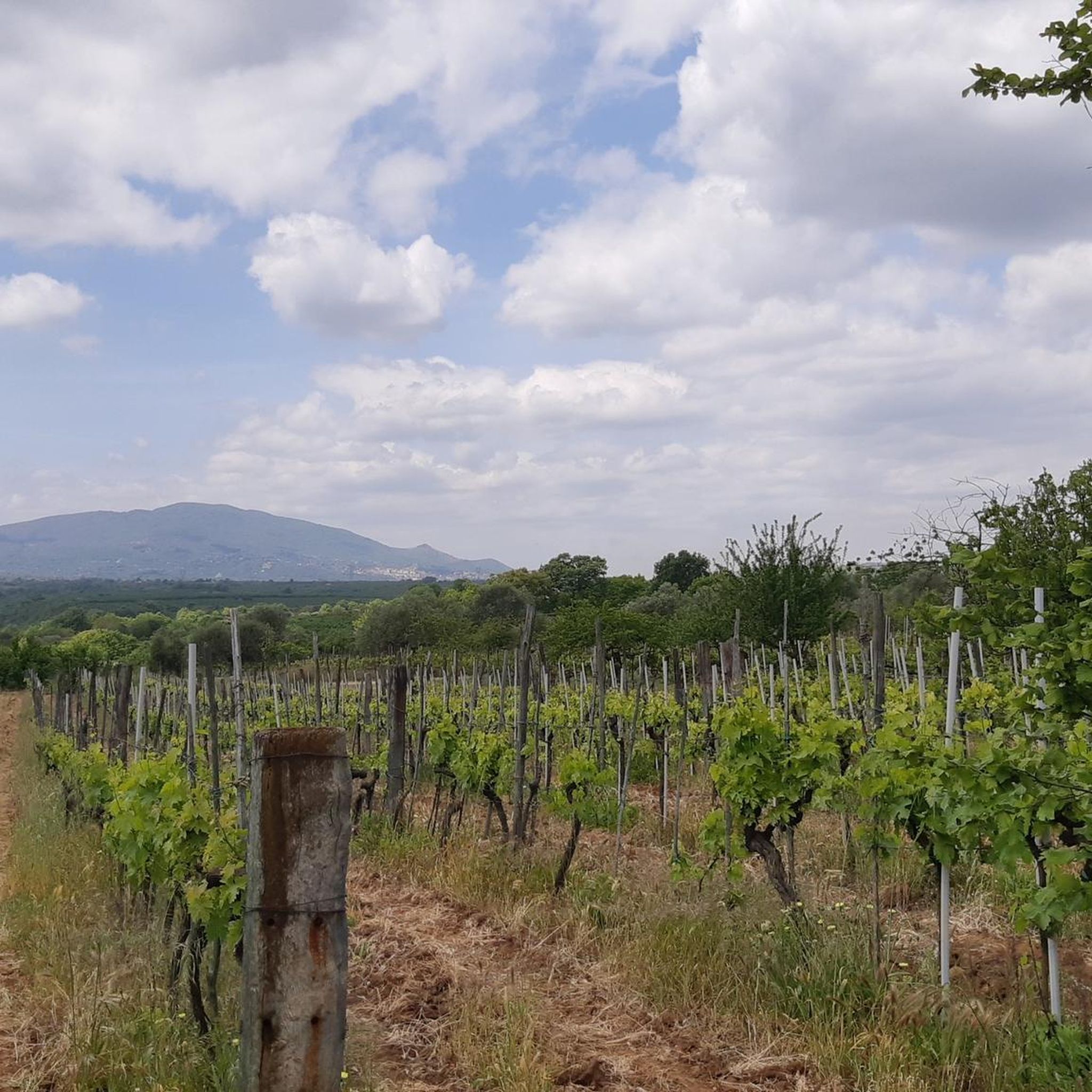
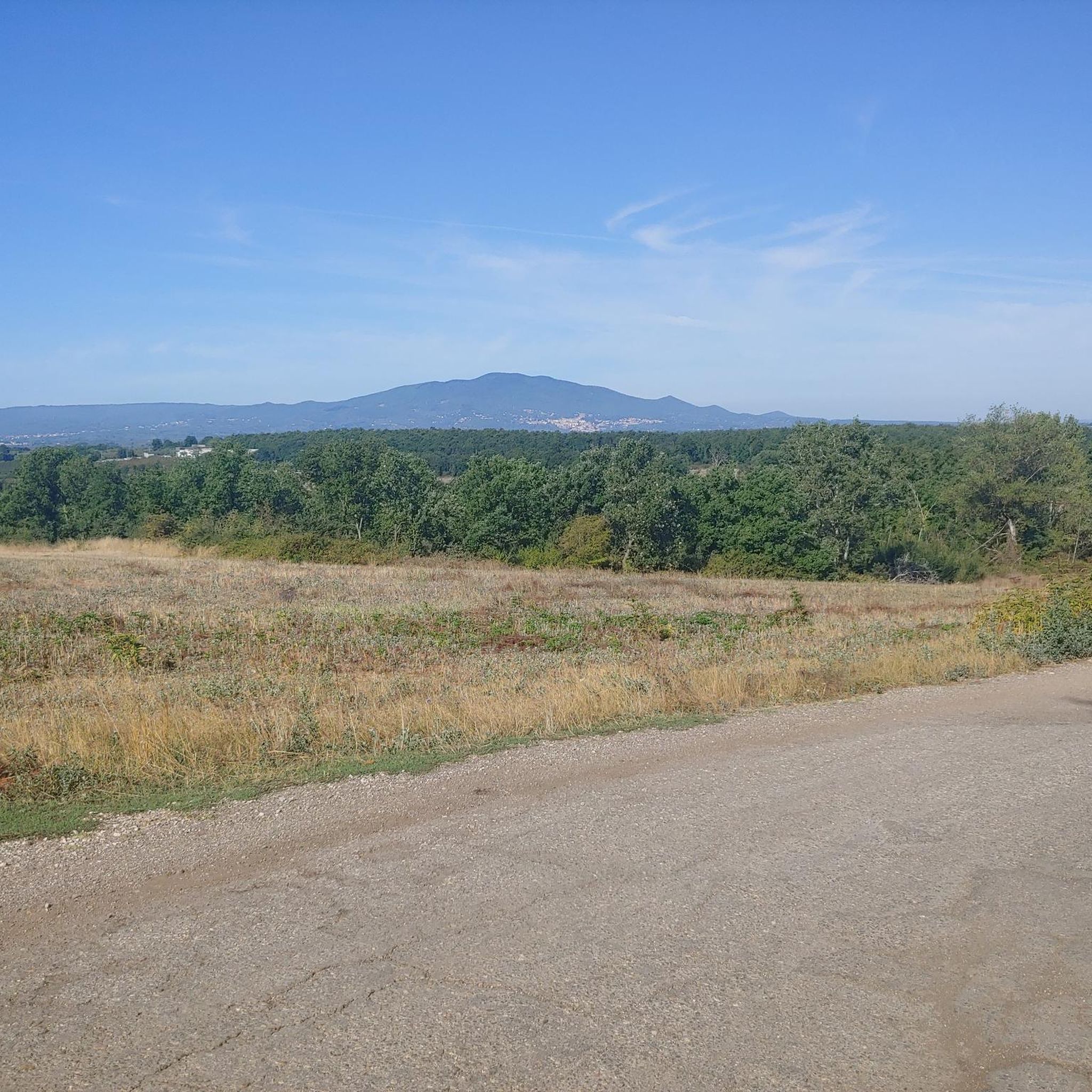
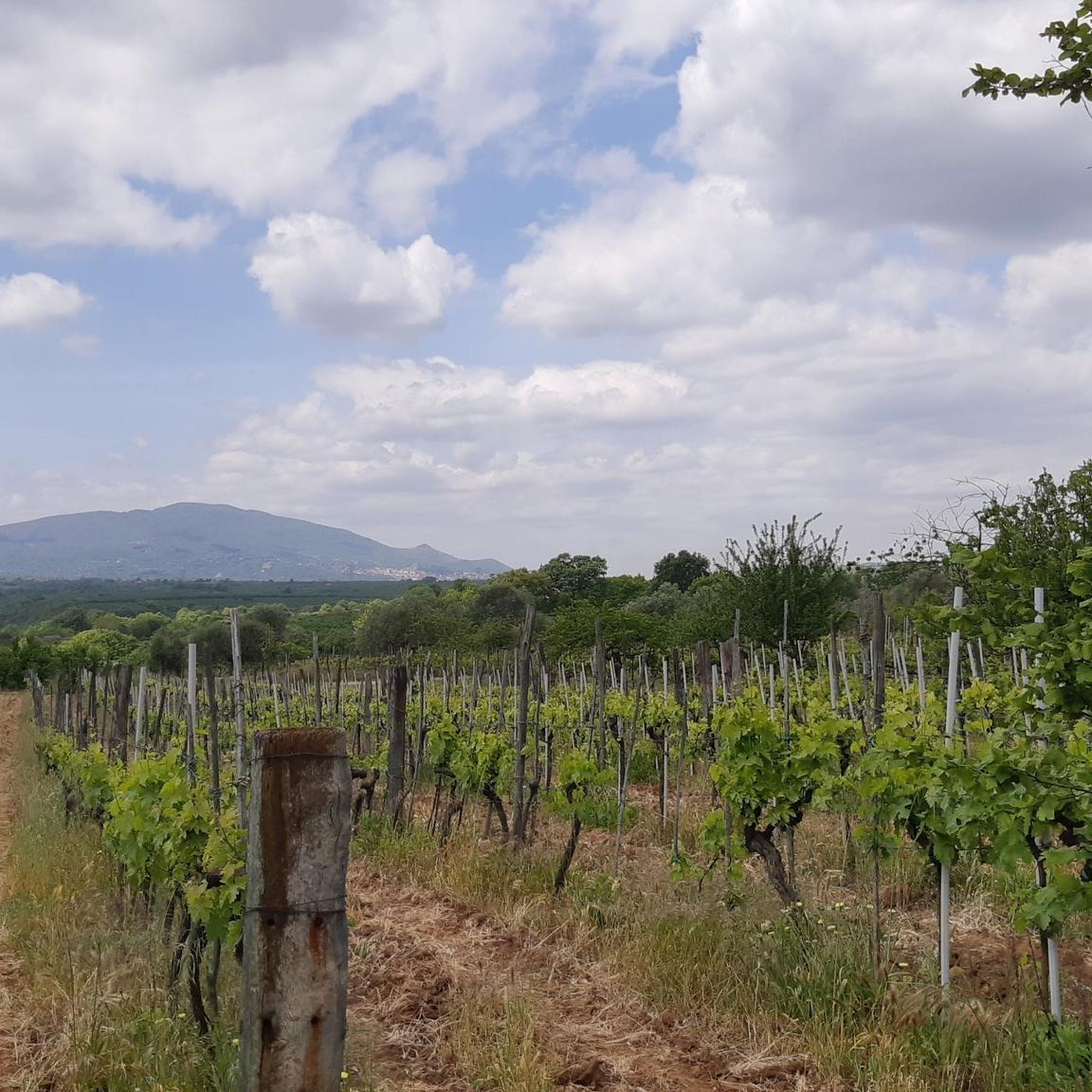
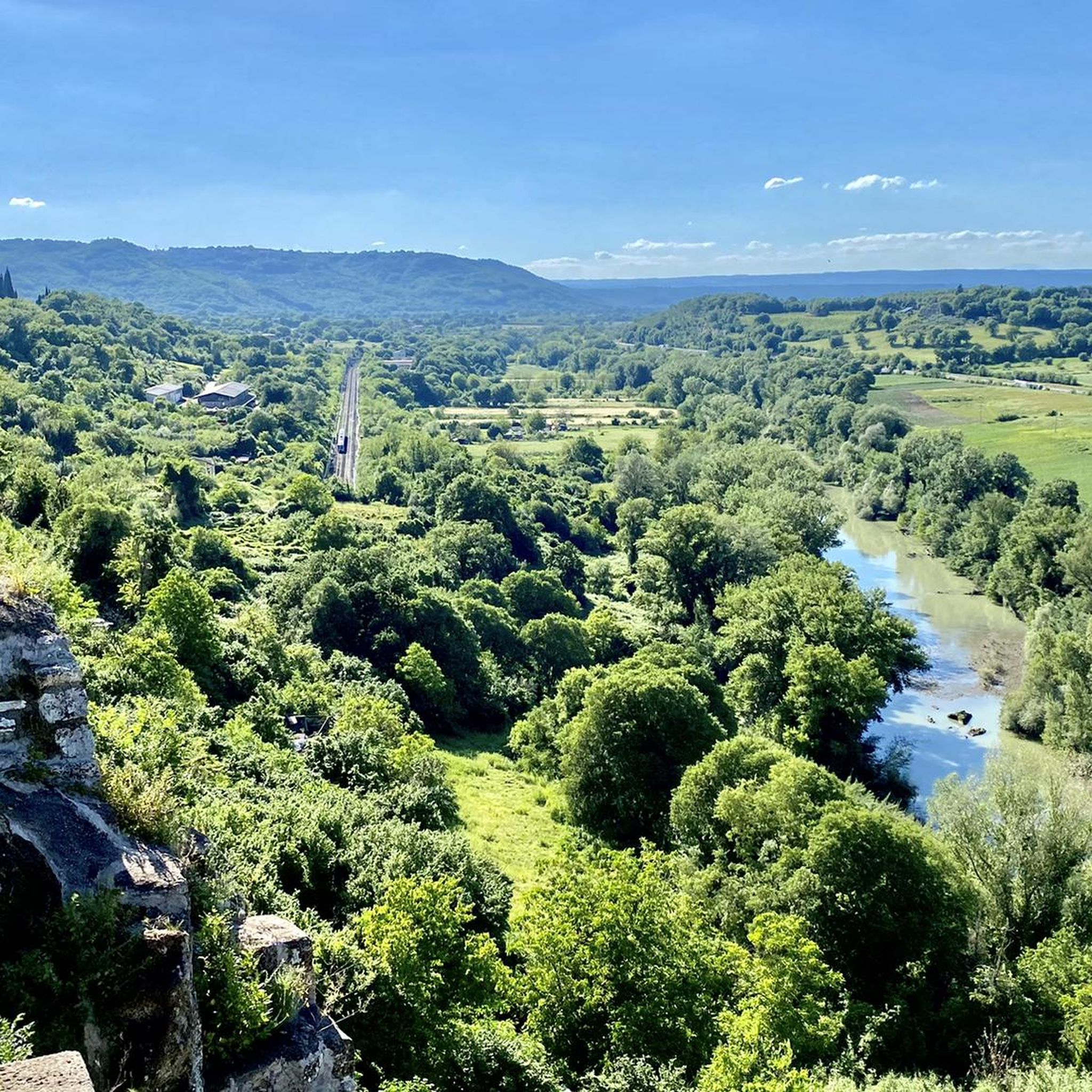
Hiking trails around Vignanello traverse a diverse landscape characterized by the volcanic terrain of the Cimini Mountains and tufa hills. The region features extensive chestnut forests, olive groves, and vineyards, offering panoramic views. Deep ravines, known as "forre," and water features like the Corchiano Waterfall are prominent natural elements. This varied topography provides a range of hiking experiences.
Best hiking trails around Vignanello
- The most popular hiking route is From Soriano nel Cimino to Monte Cimino - Ring tour,…
Last updated: August 15, 2026
4.2
(30)
74
hikers
15.4km
05:01
700m
700m
Embark on the challenging Trail of the 5 Mountains, a difficult 9.6-mile (15.4 km) hike that demands a very good fitness level. You will gain a significant 2305 feet (703…
4.5
(23)
90
hikers
6.76km
01:47
60m
60m
Embark on an easy hike through the historic landscapes of Corchiano, where natural beauty meets ancient history. This 4.2-mile (6.8 km) route, taking about 1 hour and 46 minutes with…

Sign up for free
4.0
(21)
51
hikers
12.4km
03:55
480m
480m
Moderate hike. Good fitness required. Mostly accessible paths. Sure-footedness required.
4.5
(22)
85
hikers
15.0km
04:51
670m
670m
Hard hike. Good fitness required. Sure-footedness, sturdy shoes and alpine experience required.
3.2
(5)
23
hikers
Easy hike. Great for any fitness level. Easily-accessible paths. Suitable for all skill levels.
Get access to more routes and recommendations from other explorers.
Sign up for free
Already have an account?
Our route recommendations are based on thousands of hikes, rides, and runs completed by other people on komoot.
Start today with a free account
Your next adventure awaits.
Login or Signup

Tips from the Community

The Cathedral dedicated to San Nicola di Bari, stands on the main square of Soriano. It was built in neoclassical style at the end of the eighteenth century based on a design by Giulio Camporese, to replace the parish church of Sant’Eutizio which, due to its modest size, was insufficient to accommodate the number of faithful. At the time of its construction, two pre-existing religious buildings were demolished and the ground was leveled. (c) https://sorianonelcimino.artecitta.it/chiesa-di-san-nicola-di-bari-duomo/
0
0
In the 14th century the city walls of Soriano were built, equipped with four gates, the main one being Porta del Ponte. Initially the gate was surrounded by a moat and equipped with a drawbridge; in the 18th century modifications were made to further embellish the building; destroyed due to the air raid of 1944, it was rebuilt maintaining the previous forms: the current arrangement shows the appearance of the one built in 1903 based on a design by Angelo Santocchi. (c) https://sorianonelcimino.artecitta.it/porta-del-ponte/
0
0
Soriano presents itself as a large center spread out on the top and sides of a hill immersed in the Selva Cimina. The medieval village develops around the Castle, built by Pope Nicholas III Orsini in the 13th century, and is made up of small houses and steep alleys. The Renaissance part, which develops all around, finds its maximum expression in the splendid Palazzo Albani-Chigi, dating back to the 16th century. The strategic position near the main ancient centers, along the Ferentana road that connected Ferento to Falerii, favored the presence of small inhabited centers already in the Etruscan era and, subsequently, Roman, as evidenced by numerous archaeological finds in the surrounding area. Between the 8th and 13th centuries, the presence of several monastic settlements was recorded, especially Benedictine, around which entire villages of artisans and farmers developed. In 1278 the Lordship of the Orsini began; the family completed the construction of the Rocca and Soriano was chosen by Pope Nicolò III Orsini as a summer residence. In the mid-14th century Paolo Orsini sold the castle, now considered a true fortress, to the Holy See. The Rocca experienced numerous vicissitudes, from the occupation of the Bretons, aligned with the antipope Clement VII, the Colonna and numerous captains of fortune, including Francesco Sforza and Nicolò Fortebraccio. Soriano was then the scene of an important pitched battle that saw the papal troops defeated by those of the Orsini, defeated in turn by Cesare Borgia. After various changes of ownership, the Rocca was purchased by the Altemps and then by the Albani who completed the Palazzo di Papacqua. In the 19th century the Rocca passed to the Chigi, and after several insurrectionary attempts, in 1870 Soriano was conquered and annexed to the Kingdom of Italy. (c) https://www.mytuscia.com/soriano-nel-cimino.html
0
0

Walking along via S. Egidio, you will find the beginning of this short but very suggestive path inside a "via cava" (roads dug through the tuff that connected the bottom of the valley with the territories above and, in other areas, were also used to drain excess water from agricultural land). This via cava is full of caves dug directly into the tuff, probably used as stables or cellars to store wine or food.
0
0
Corchiano is a small town in the province of Viterbo, apparently similar to many others, a little modest... and yet, it has become famous for some events, such as the infiorata, which is held at the end of May and sees the entire town involved in decorating a good part of the streets of the town with flower petals, colored sawdust, coffee grounds and in general any material that can be colored and applied in designs of great beauty. Then, in December, the living nativity scene takes place in a natural setting of great suggestion, finally, the exploration on foot of the ravines should not be overlooked, a true natural monument and archaeological site of great interest... in short, a place that is worth visiting. The difficulty in walking the paths, all equipped, is generally T (tourist) and suitable for all age levels.
1
0

What a wonderful place especially if you reach it by bike!
0
0
It is impossible not to know the beech forest if you are from the area
0
0

Frequently Asked Questions
How many hiking trails are available around Vignanello?
The Vignanello area offers a wide variety of hiking experiences, with over 90 trails to explore. These routes traverse diverse landscapes, from volcanic hills to ancient chestnut forests and deep ravines.
What kind of landscapes can I expect to see while hiking in Vignanello?
Hikers in Vignanello will encounter a rich tapestry of landscapes. The region is characterized by its volcanic terrain, tufa hills, and extensive chestnut forests. You'll also find picturesque olive groves and vineyards, offering panoramic views, as well as dramatic deep ravines known as "forre".
Are there hiking options for beginners or those looking for an easy walk?
Yes, Vignanello offers plenty of options for easy walks. There are over 40 routes classified as easy, perfect for beginners or those seeking a relaxed stroll. An example is the Walk to Corchiano towards the Forre and surrounding trails, which explores the dramatic ravines.
Are there challenging hikes for experienced trekkers in the Vignanello area?
Absolutely. For experienced trekkers, there are 13 difficult routes available. These often feature significant elevation changes, such as the challenging ascent of Monte Cimino. A notable example is the From Soriano nel Cimino to Monte Cimino - Ring tour, which covers over 15 km with substantial climbs.
Can I explore the unique "forre" (ravines) on a hike?
Yes, the deep, narrow valleys known as "forre" are a prominent natural feature of the Vignanello region. You can certainly explore them on foot. The Walk to Corchiano towards the Forre and surrounding trails is an excellent route to experience these dramatic geological formations.
Are there any trails that feature waterfalls near Vignanello?
Yes, the Corchiano Waterfall, created by the Rio Fratta, is a beautiful attraction in the area. You can incorporate it into your hike with routes like the Corchiano Waterfall – Staircase to the Old Town loop from Corchiano.
What historical or natural landmarks can I visit while hiking around Vignanello?
The region is rich in landmarks. You can explore the Corchiano Historic Village and Gorges, which offer both natural beauty and historical interest. For those hiking near Monte Venere, the intriguing Devil’s Well Cave is a point of interest. Additionally, the Monte Cimino Ancient Beech Forest is a notable natural monument.
Are there circular hiking routes available in Vignanello?
Yes, many of the trails around Vignanello are circular, allowing you to start and end your hike in the same location. An example is the Spasa Water – Acquagrande Spring loop from Soriano nel Cimino, which takes you through varied landscapes.
What do other hikers enjoy the most about hiking in Vignanello?
The trails in Vignanello are highly rated by the komoot community, with an average score of 4.5 stars from nearly 500 reviews. Hikers often praise the diverse terrain, from volcanic hills to ancient forests, and the dramatic ravines. The authentic, less-trafficked environment also contributes to a rewarding outdoor experience.
Is the Vignanello area suitable for family-friendly hikes?
Yes, the region offers several easy trails that are suitable for families. The equipped paths within the Corchiano Gorges, for instance, are generally easy enough for all ages, providing a mix of natural beauty and historical interest.
What is the best time of year to go hiking in Vignanello?
The Vignanello area, situated in the Cimini Mountains, offers pleasant hiking conditions during spring and autumn when temperatures are mild and the landscapes are vibrant with new growth or autumnal colors. Summer can be warm, but shaded forest trails provide respite. Winter hikes are also possible, offering a different, quieter perspective of the region.
Are there any trails that explore the agricultural landscapes like vineyards and olive groves?
Yes, the region surrounding Vignanello is rich in agricultural landscapes. Many trails will lead you through vast expanses of vineyards and olive groves, especially at the foothills of the Monti Cimini, offering scenic views and a taste of rural Italian life.
Most popular attractions around Vignanello

Get inspired with the komoot mobile app


Explore more
Browse the best Hikes in other regions.
