Attractions and Places To See around Civitella Casanova - Top 20
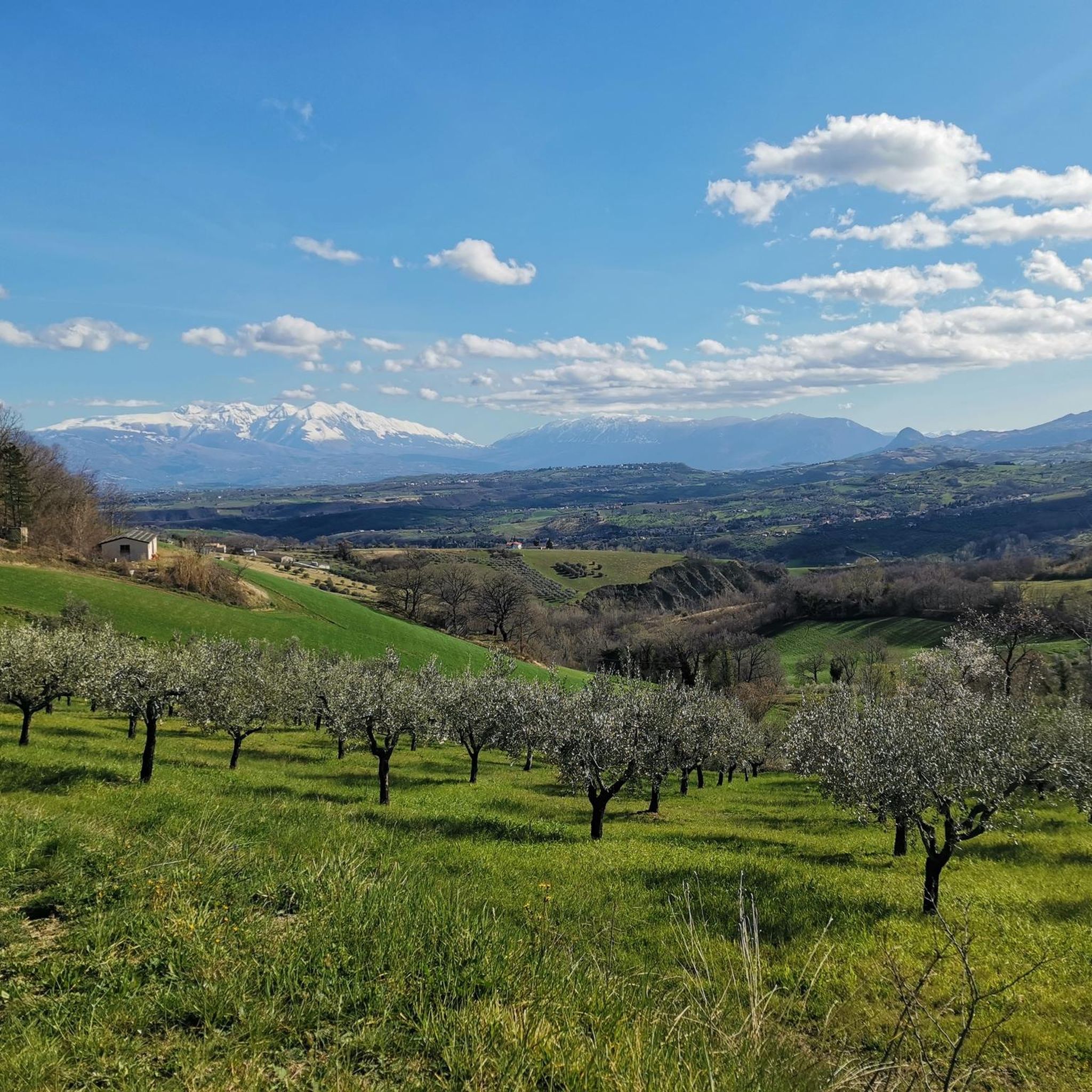
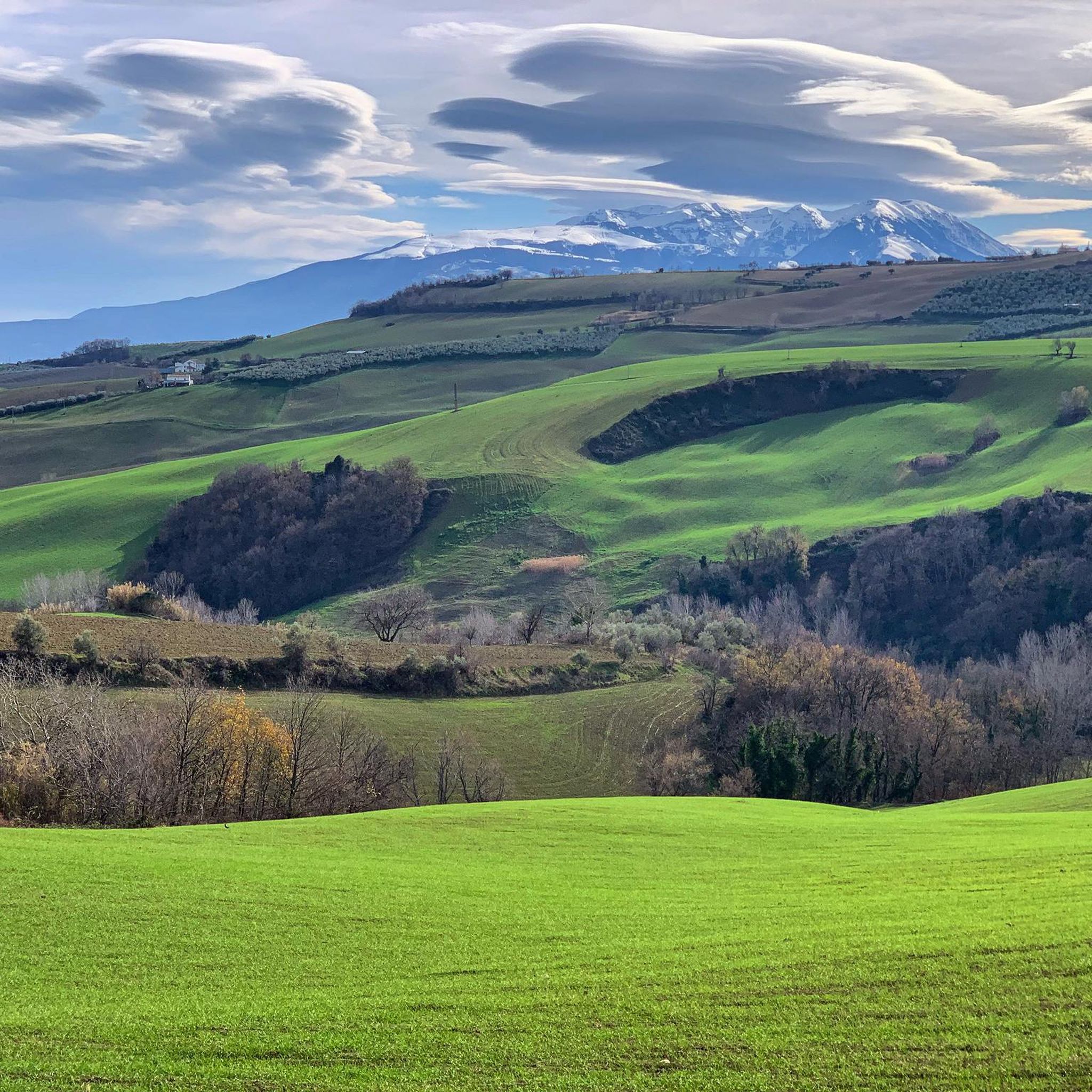
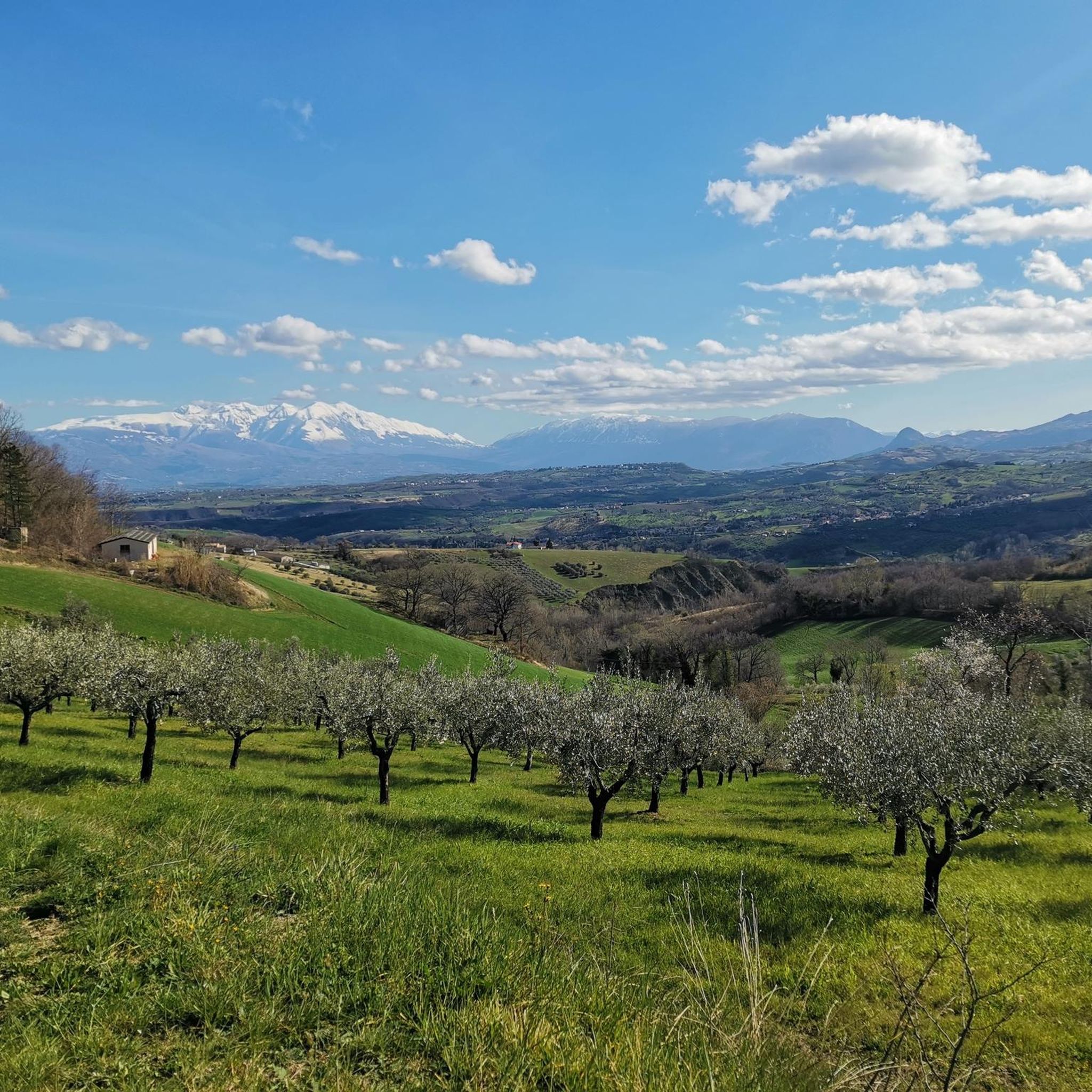
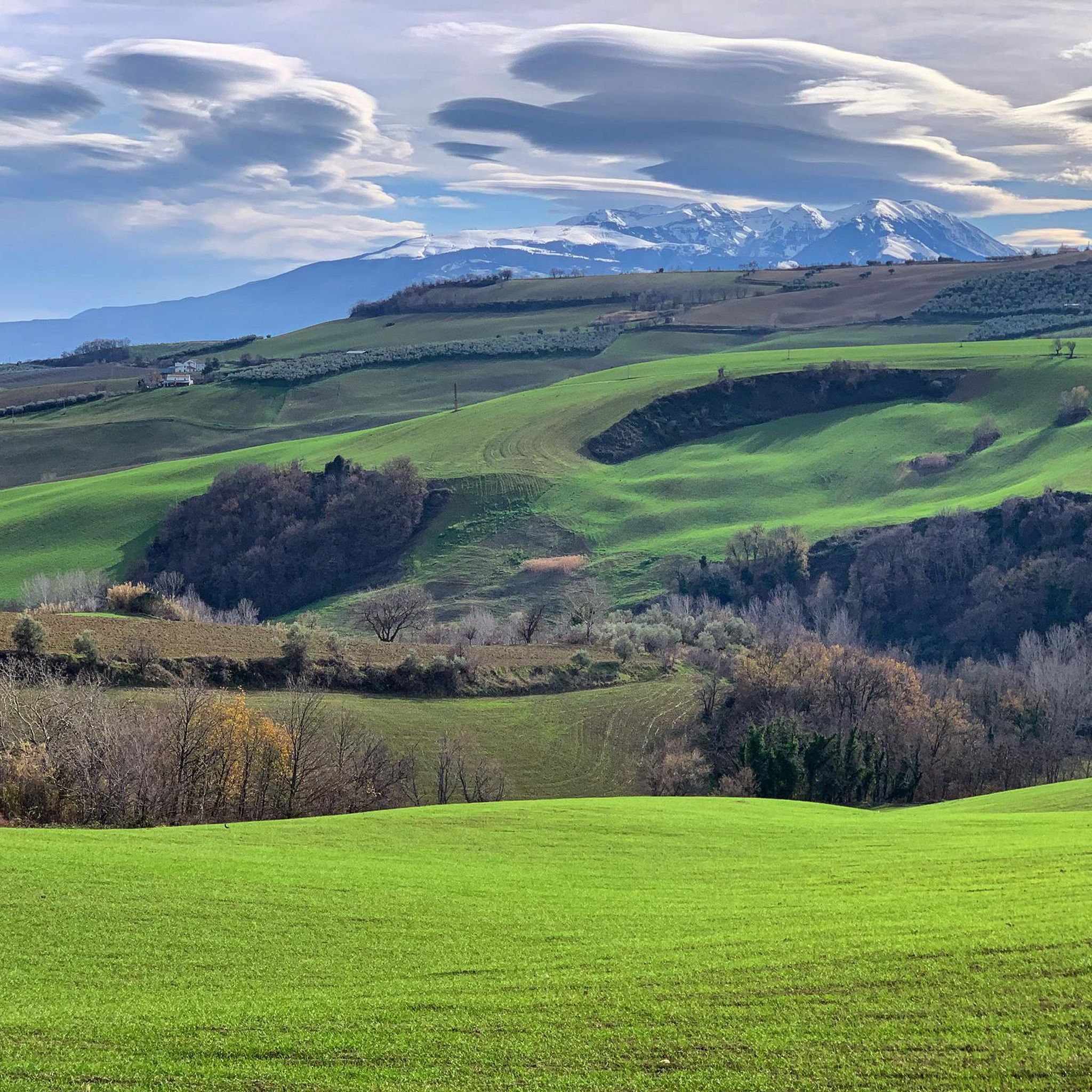
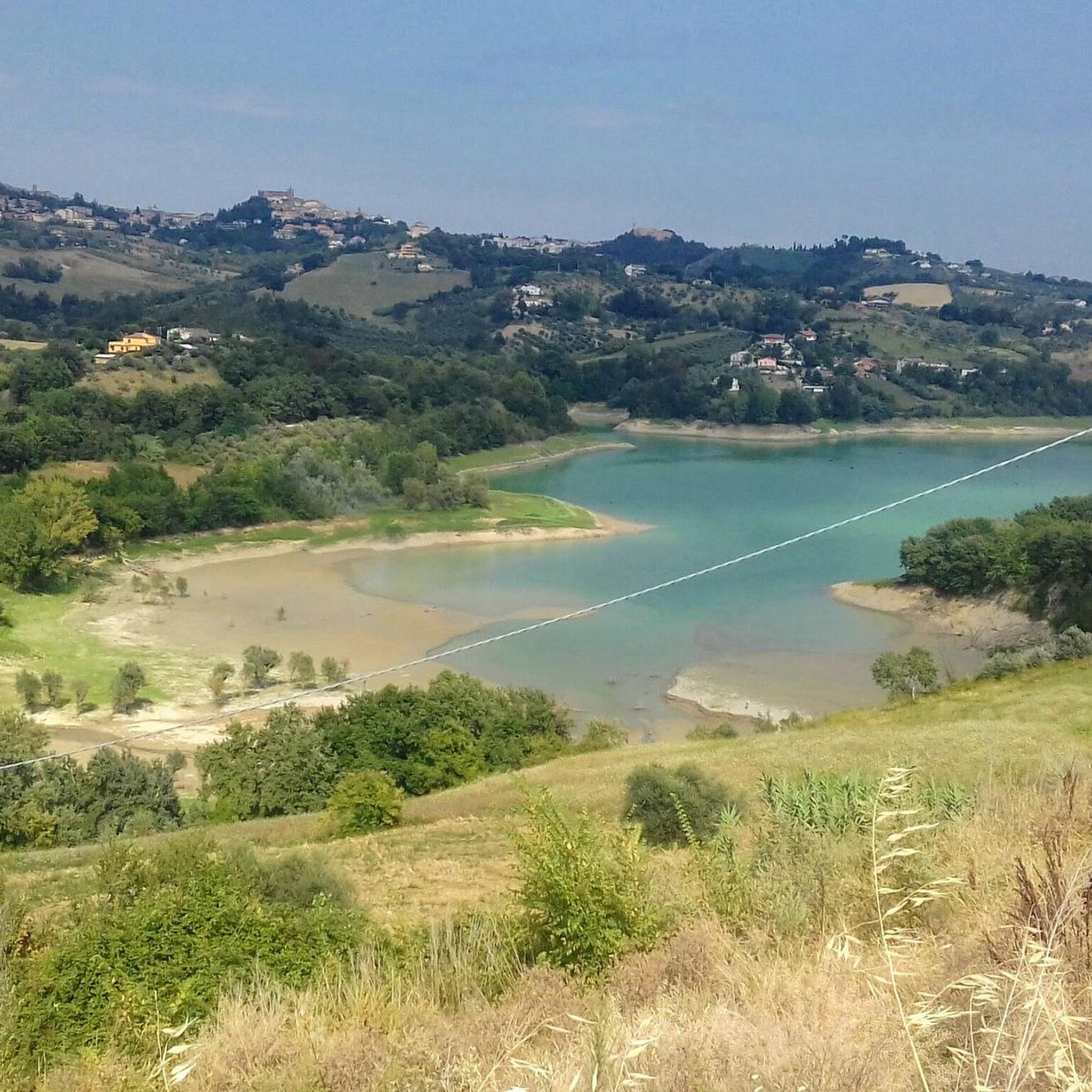
Best attractions and places to see around Civitella Casanova include a variety of historical, cultural, and natural sites. This town, located in the province of Pescara, Abruzzo, is nestled in a hilly area at the foot of Mount Cona. Situated within the Gran Sasso-Monti della Laga National Park, the region offers diverse landscapes and a tranquil experience. Visitors can explore ancient landmarks, religious buildings, and significant natural features.
Best attractions and places to see around Civitella Casanova
- The most popular…
Last updated: October 23, 2026
Scoppaturo Canyon
Highlight • Canyon
Translated by Google •
Tip by

Mucciante Refreshment Stop
Highlight • Restaurant
Translated by Google •
Tip by
Sign up now to discover places like this
Get recommendations on the best single tracks, peaks, & plenty of other exciting outdoor places.
Castel del Monte (Abruzzo)
Highlight • Settlement
Translated by Google •
Tip by

Capo la Serra Pass
Highlight • Mountain Pass
Translated by Google •
Tip by
Shepherd and Family Statue
Highlight • Monument
Showing Translation
Tip by

Sign up for free to discover even more attractions around Civitella Casanova.
Already have an account?
Start today with a free account
Your next adventure awaits.

Tips from the Community

it is possible to buy meat and various foods, really well stocked if you buy meat, it is also possible to cook it on the grills they provide with hot coals always available during opening hours outside there is also a fountain with fresh drinking water
0
0

The story of Pupo Nunzio di Roio from October 1919 is one of the most poignant historical tragedies of the Abruzzo region. It symbolises the harsh and dangerous reality of the transumanza (the seasonal migration of livestock), which for centuries determined the economic and social life of this Italian mountain region. This place commemorates one of the most tragic events in the history of the transumanza, the age-old migration where shepherds drove their sheep every summer to the green pastures of Campo Imperatore and returned in the autumn to the warmer plains of Puglia. In the autumn of 1919, the 41-year-old shepherd Nunzio Pupi, better known as Pupo Nunzio, postponed the descent for a few days. The autumn was exceptionally mild, and he wanted to let his flock of no less than 5,000 sheep graze for as long as possible. But the weather unexpectedly turned. A fierce snowstorm caught him by surprise in the middle of the high plain. Together with his two young sons, Idolo (12) and Alfredo (11), and their loyal sheepdog, he became disoriented in the snow. None of them survived the icy storm. The entire flock also perished. According to local legend, his wife Ersilia Caruso could not cope with the loss of her husband, her children, and their sole source of livelihood. She died a short time later, consumed by grief. This moving story recalls the hard life of the shepherds, who were completely dependent on nature and often paid a high price for their existence. About the monument: Monument of Fonte Vetica In Fonte Vetica, on the southeastern plateau of Campo Imperatore, stands an impressive monument commemorating the tragedy of 1919. The Abruzzese sculptor Vicentino Michetti immortalised the shepherd, his two sons, and their dog as they desperately fought against the icy snowstorm. A little further away stands the statue of the mother, with outstretched arms directed towards the mountains, hoping to see her family return alive. Although the monument tells one poignant story, it has become a tribute to all the shepherds of Abruzzo who, over the centuries, risked their lives during the arduous transumanza. Anyone who stops at Fonte Vetica today immediately feels the impressive combination of overwhelming beauty and the unforgiving power of this mountain landscape.
2
0
Many visitors call it an unforgettable experience and an absolute must-do in Abruzzo. This is not an ordinary restaurant, but a unique DIY barbecue in the middle of the Campo Imperatore plateau. You choose your meat from the local butcher, your smoldering barbecue is ready for you to cook. Simply enjoy a meal with a spectacular view over the plateau. Those who want to avoid the crowds should come in May, June, September, or October. In July and August and on sunny weekends, it can be very popular and long queues often form. The location is usually open from April to November, typically daily from 09:00 to 19:00. The establishment closes during the winter months, as the plateau often disappears under a thick layer of snow.
2
0

what beautiful places to cycle
0
0
the fountain of castel del monte
0
0
the beautiful village of castel del monte
0
0

Easy route for any level of preparation, almost flat. You walk on grass and gravel (inside the canyon). The surrounding view is enchanting, it is worth going there. You can park in the nearby refuges or in the parking lot along the road.
0
0
Easy route for any level of preparation, almost flat. You walk on grass and gravel (inside the canyon). The surrounding view is enchanting, it is worth going there. You can park in the nearby refuges or in the parking lot along the road.
0
0
Frequently Asked Questions
What natural attractions can I explore around Civitella Casanova?
The region offers diverse natural beauty. You can visit the spectacular Scoppaturo Canyon on the Campo Imperatore plateau, known for its 'Wild West' landscape. Another highlight is Lake Capodacqua, a picturesque artificial lake that feeds the Tirino river. The area is also part of the Gran Sasso-Monti della Laga National Park, offering unspoiled nature and wildlife.
Are there any historical or cultural sites worth visiting near Civitella Casanova?
Yes, the area is rich in history. Castel del Monte (Abruzzo) is a must-see, recognized as one of Italy's most beautiful villages with its cobbled streets and agro-pastoral traditions. Other notable sites include the 15th-century Torre Difensiva, the 16th-century Church of Santa Maria della Cona, and the remains of the Cistercian Abbey of Santa Maria di Casanova.
What outdoor activities are available near Civitella Casanova's attractions?
Being within the Gran Sasso-Monti della Laga National Park, there are many opportunities for outdoor activities. You can find numerous running trails, road cycling routes, and mountain biking trails. For example, there are challenging running loops like 'Sasso Vivo – Rifugio Pantani' and scenic road cycling routes such as 'Penne - Castilenti - Elice'. You can explore more options in the Running Trails, Road Cycling Routes, and MTB Trails guides for the area.
Are there family-friendly attractions or activities in Civitella Casanova?
Absolutely. Castel del Monte (Abruzzo) is considered family-friendly, offering charming streets to explore. Lake Capodacqua is also a great spot for families to enjoy the natural scenery. Additionally, the Zoo-Park 'La Rupe' provides a Permanent Wildlife Exhibition and a Botanical Park, which can be an engaging experience for all ages.
Where can I find local food and refreshments near the attractions?
For a taste of local cuisine, consider stopping at the Mucciante Refreshment Stop. It's known as the 'homeland of the arrosticino' and offers fresh beer and kebabs. The Vestea Hamlet is also renowned for its famous arrosticini and other local dishes like maccheroni alla chitarra and local cheeses.
What are some unique viewpoints or scenic spots in the area?
The Capo la Serra Pass, located at 1,600 meters above sea level, offers breathtaking views overlooking the southern slope of the Gran Sasso massif. The Scoppaturo Canyon also provides spectacular and evocative landscapes. The Vestea Hamlet, perched on a thin ridge, offers panoramic views of the surrounding area.
Is Civitella Casanova known for any specific local traditions or products?
Yes, Civitella Casanova is considered the birthplace of arrosticini, the famous grilled meat skewers, with historical records dating back to 1819. The region's deep connection to agriculture and pastoralism is reflected in its authentic gastronomy, including local cheeses and cured meats.
Are there any wellness or therapeutic springs nearby?
Yes, in the Festina Hamlet, at an altitude of 790 meters above sea level, there is a sulphurous spring. Its waters are known for their therapeutic benefits for skin, joints, and respiratory issues.
What is the Gran Sasso-Monti della Laga National Park like, and what can I see there?
The Gran Sasso-Monti della Laga National Park, which encompasses Civitella Casanova, is a vast area of unspoiled nature. It features lush forests, diverse wildlife including chamois, buzzards, peregrine falcons, deer, and the Apennine wolf. It's an ideal location for hiking, cycling, and observing nature.
Can I find any museums or exhibitions in Civitella Casanova?
Yes, the Museo delle Tradizioni ed Arti Contadine (Museum of Peasant Traditions and Arts) was inaugurated in 1989. This private museum spans two levels and features reconstructions of environments dedicated to oil, wheat, spinning, and faithful reproductions of local artisan workshops, offering insight into the region's agricultural heritage.
What is the best time of year to visit Civitella Casanova for outdoor activities?
The region offers attractions year-round. For hiking and cycling, spring and autumn provide pleasant temperatures and vibrant landscapes. Summer is also popular for exploring the national park and enjoying the lakes. The Piana del Voltigno, within the Regional Reserve Voltigno and Valle d'Angri, is a popular destination for excursions in both winter and summer.
Are there any unique geological features to observe?
Beyond the Scoppaturo Canyon, the Piana del Voltigno is a significant karstic formation featuring numerous small karstic lakes and pastures. Lake Background is another small karstic lake fed by winter snowfall, which dries up in the summer, showcasing interesting hydrological patterns.
Most popular routes around Civitella Casanova
Most popular attractions around Civitella Casanova

Get inspired with the komoot mobile app


Explore more
Still not found the Highlight you’re looking for? See guides of the top attractions in other regions:
