Attractions and Places To See around Crecchio - Top 20
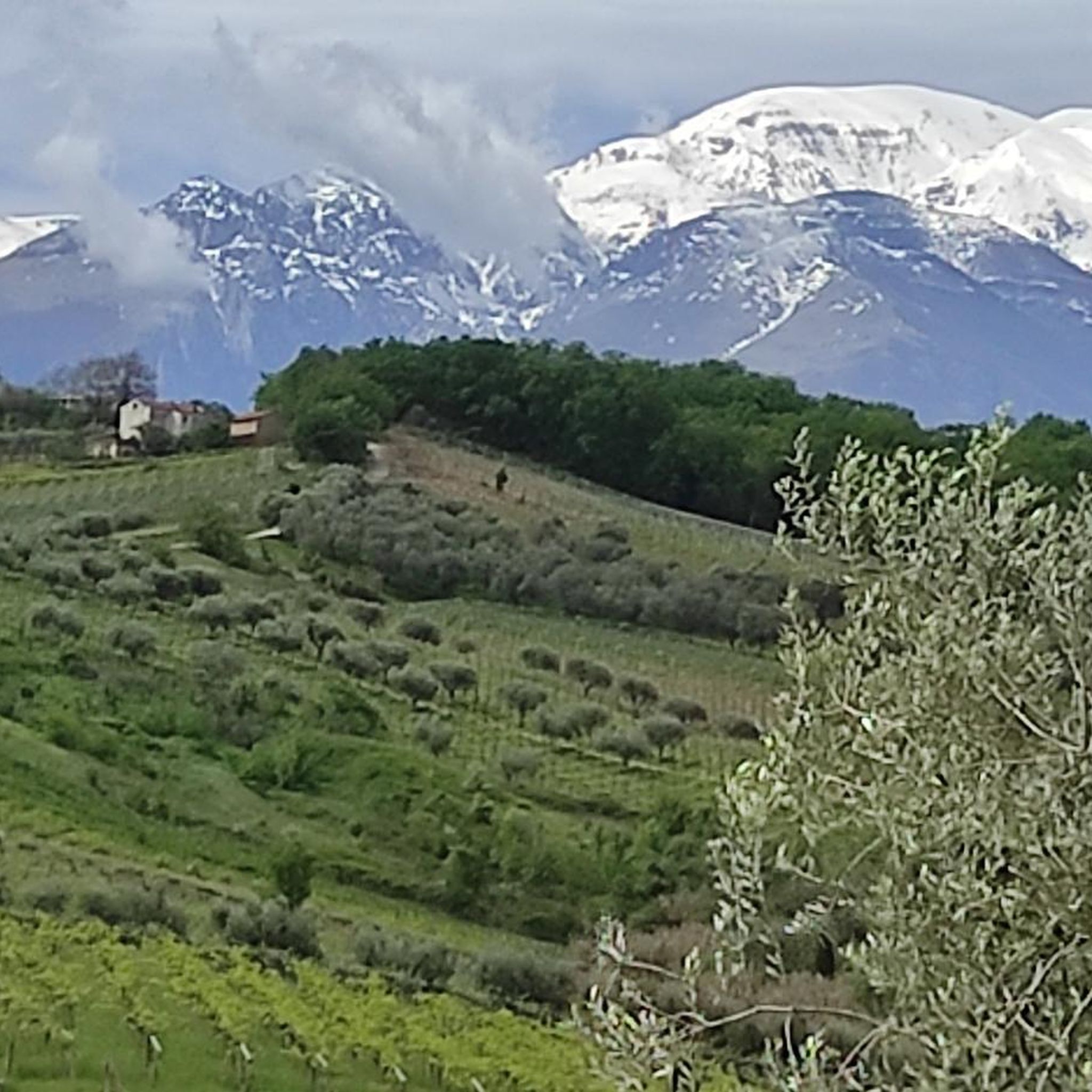
Best attractions and places to see around Crecchio include historical landmarks, cultural sites, and natural features. The village is situated amidst hills and valleys, between the Adriatic coast and the Maiella Mountain Massif. Streams like the Arielli and Rifago carve deep valleys, contributing to the diverse landscape. Crecchio maintains a medieval character and has a rich history, including Byzantine influences.
Best attractions and places to see around Crecchio
- The most popular attractions is Via Verde dei Trabocchi, a cycle way that runs directly by the sea over a bridge and through a tunnel. Pedaling along this route offers views of the Adriatic.
- Another must-see spot is Aragonese Castle of Ortona, a 15th-century castle perched on a promontory overlooking the sea. It offers panoramic views of the Trabocchi coast and the cycle path.
- Visitors also love Punta dell'Acquabella Nature Reserve, a natural monument featuring a promontory and a beach. This reserve includes a wild beach with crystalline sea framed by high cliffs and a pine forest with paths.
- Crecchio is known for its ancient landmarks, cultural sites, and natural points of interest. The area offers a variety of attractions to see and explore, from historical castles to nature reserves.
- The attractions around Crecchio are appreciated by the komoot community, with more than 400 upvotes and 60 photos.
Last updated: August 16, 2026
Via Verde dei Trabocchi
Highlight (Segment) • Cycleway
Translated by Google •
Tip by

Trabocco on the Trabocchi Coast
Highlight • Structure
Showing Translation
Tip by

Sign up now to discover places like this
Get recommendations on the best single tracks, peaks, & plenty of other exciting outdoor places.
Sign up for free
Punta dell'Acquabella Nature Reserve
Highlight • Natural Monument
Translated by Google •
Tip by

Aragonese Castle of Ortona
Highlight • Castle
Translated by Google •
Tip by

Punta dell'Acquabella Beach
Highlight • Beach
Near the cycle tunnel in Ortona lies Spiaggia di Punta dell'Acquabella, one of the most beautiful and pristine beaches on the Costa dei Trabocchi. This protected nature reserve is surrounded by high cliffs and a fragrant pine forest and is known for its crystal-clear, turquoise water – ideal for a refreshing dip during a hot bike ride.
Behind the beach lie the silent ruins of the former fishing village Borgo dell'Acquabella, which has been abandoned since the 1970s. The turn-off to the beach is also located near the impressive murals by Millo, making both highlights perfectly combinable.
Please note that this is a natural pebble beach without any facilities. Bring plenty of drinking water, and water shoes are definitely recommended if you want to enter the clear water.
Showing Translation
Tip by
Sign up for free to discover even more attractions around Crecchio.
Sign up for free
Already have an account?
Start today with a free account
Your next adventure awaits.
Login or Signup

Tips from the Community

Beautiful and really interesting
0
0

Castello Aragonese – Historic viewpoint above the Adriatic Sea The Castello Aragonese is the impressive northern starting point of the Costa dei Trabocchi. This 15th-century fortress stands high on a steep cliff and offers you a magnificent view over the Adriatic Sea, the port of Ortona, and the coastline of the Via Verde dei Trabocchi. The massive round towers and thick fortress walls are reminiscent of a turbulent past. The castle withstood heavy fighting during World War II, after which part of the complex was lost. As if that were not enough, in 1946, a landslide caused almost half of the fortress to disappear into the sea. Today, it is one of the most beautiful viewpoints in Ortona and an ideal stop during your cycling or hiking tour. The castle ruins and inner courtyard are freely accessible. A short, steep climb awaits from the port, but it is amply rewarded with beautiful panoramas. Around the castle, you will also find cozy terraces and shady benches to catch your breath.
1
0
Riserva Naturale Punta dell'Acquabella: a wild coastal paradise 🌿🌊 One of the absolute ecological pearls along this route is the Riserva Naturale Punta dell'Acquabella. While many coastal towns are busy and touristy, here you'll discover a hidden oasis where rugged cliffs, fragrant pine forests, and an azure sea come together perfectly. Why you should definitely stop here: 💧 Crystal clear water The name Acquabella – “beautiful water” – says it all. The sheltered bay boasts remarkably clear seawater that invites a refreshing dip. 🎨 Art along the route The reserve lies right next to the Galleria Aurelia. Just before you dive into the tunnel, you'll cycle past impressive murals by street artist Millo, a tribute to the local war resistance. 🏚️ An abandoned fishing village in the green Hidden behind the pebble beach lie the ruins of Borgo dell’Acquabella. This small fishing hamlet was abandoned in the '70s and has since been slowly reclaimed by nature. 🚴 A place made for cyclists By car, this hidden bay is barely accessible due to the narrow and steep access roads. By bike, you reach the reserve via the Via Verde and roll almost effortlessly to this unique coastal spot. A short stop that feels like a discovery: wild nature, sea views, and a piece of hidden history in one place.
5
0
Flat and car-free: The route is laid out on a former railway line directly on the Adriatic Sea. It is fully asphalted, flat, and 100% car-free, making it perfect for any type of cyclist (from road cyclists to families).Unique setting: You cycle right past the iconic trabocchi: wooden, spider-like fishing platforms that hover over the waves. At many of these platforms, you can stop nowadays for a unique lunch or dinner with fresh fish.
6
0
Spiaggia di Punta dell'Acquabella – Hidden nature gem Near the cycle tunnel in Ortona lies Spiaggia di Punta dell'Acquabella, one of the most beautiful and pristine beaches on the Costa dei Trabocchi. This protected nature reserve is surrounded by high cliffs and a fragrant pine forest and is known for its crystal-clear, turquoise water – ideal for a refreshing dip during a hot bike ride. Behind the beach lie the silent ruins of the former fishing village Borgo dell'Acquabella, which has been abandoned since the 1970s. The turn-off to the beach is also located near the impressive murals by Millo, making both highlights perfectly combinable. Please note that this is a natural pebble beach without any facilities. Bring plenty of drinking water, and water shoes are definitely recommended if you want to enter the clear water.
5
0
Imagine: the Adriatic Sea shimmering beside you, a fresh sea breeze on your face, and an endless cycle path winding along the coast. The Via Verde dei Trabocchi is one of those routes where you don't really want the ride to end. This cycle path, over 50 kilometers long and largely flat, follows a former railway line and takes you along one of the most beautiful coastal stretches of Abruzzo. Along the way, you'll pass the iconic trabocchi: impressive wooden fishing platforms that seem to float on the sea on stilts. With their long arms and nets, they stand out against the horizon like gigantic wooden works of art. Thanks to the flat course, this route is suitable for almost everyone, from recreational cyclists to avid mileage eaters. Along the way, charming beaches, atmospheric villages, and countless spots beckon where you can stop for an espresso, an ice cream, or a fresh fish lunch with a sea view. The Via Verde dei Trabocchi is not just a cycle path, but an experience that effortlessly combines nature, culture, and relaxation. A route you must cycle at least once.
5
0

It was one of the most beautiful bike routes we've ridden in recent months. If you're in the area or just passing through, you absolutely should do this tour; it's unforgettable.
2
0

During the Second World War, a gunpowder depot blew up and seriously damaged the facility. A subsequent landslide destroyed further parts. The facility was restored in 2001. Now it looks almost a bit too new, but the next few centuries will change that again :-)
1
0
Frequently Asked Questions
What historical sites can I explore in Crecchio?
Crecchio is rich in history. You can visit the imposing Ducal Castle, a 12th-century fortress that once hosted King Victor Emmanuel III. Within the castle, you'll find the Museum of Byzantine and Early Medieval Abruzzo. Other notable historical sites include Porta Pescara, dating back to the 13th century, and the 15th-century Torre e Palazzo Arcivescovile. The village also features several historic churches like Santa Maria da Piedi, Santissimo Salvatore, and the Sanctuary of Santa Elisabetta, described as 'little jewels of history, art, and faith'.
Are there natural attractions or reserves near Crecchio?
Yes, Crecchio is surrounded by beautiful natural features. A notable natural attraction is the Grotta delle Farfalle (Butterfly Cave), located between San Vito and Rocca San Giovanni, known for its unique sandstone excavation and traditional butterfly population. Additionally, the Punta dell'Acquabella Nature Reserve offers a wild beach with crystalline sea framed by high cliffs and a pine forest with paths, perfect for relaxation and discovery.
What outdoor activities can I do near Crecchio?
The area around Crecchio is excellent for outdoor activities, especially cycling. The Via Verde dei Trabocchi is a popular cycle way that runs directly by the sea, offering spectacular views of the Adriatic. You can find various cycling routes, including road cycling, touring, and gravel biking, with options for different difficulty levels. For more detailed routes, explore the Road Cycling Routes around Crecchio, Cycling around Crecchio, and Gravel biking around Crecchio guides.
Are there any family-friendly attractions around Crecchio?
Absolutely! Several attractions are great for families. The Via Verde dei Trabocchi is a fantastic cycle path suitable for all ages, offering scenic views along the coast. The Punta dell'Acquabella Nature Reserve provides paths through a pine forest and a beach, ideal for family outings. The Aragonese Castle of Ortona is also considered family-friendly, offering historical exploration and panoramic views.
What is the Aragonese Castle of Ortona and what does it offer?
The Aragonese Castle of Ortona is a suggestive 15th-century structure perched on a promontory overlooking the sea. It offers excellent panoramic views of the Trabocchi coast and the famous cycle path. Visitors enjoy exploring its well-maintained grounds and appreciating its historical significance, which initially served defensive functions before becoming a residence.
What unique cultural events or traditions does Crecchio have?
Crecchio celebrates its strong Byzantine influence with an annual summer festival called A Cena con i Bizantini (Dining with the Byzantines). During this event, locals dress in medieval costumes, parade through the village, and offer traditional Byzantine and medieval dishes, such as Byzantine lamb, providing a unique cultural experience.
Are there any art installations or murals to see in the area?
Yes, along the Trabocchi cycle path, you can discover interesting art installations. The Alessandro Fantini Mural is dedicated to the cyclist Fantini and was painted for the 2023 Giro d'Italia. Further along, the Dalle Radici al Fiore Murals by Millo in Ortona are striking black and white metropolitan landscapes with large poppies, inspired by historical events of World War II and partisan women.
What is the geographical landscape like around Crecchio?
Crecchio is situated amidst a diverse landscape of hills and valleys, positioned between the Adriatic coast and the foothills of the Maiella Mountain Massif. The Arielli and Rifago streams carve deep valleys in the northwest, while the terrain slopes towards the Moro stream in the southeast, creating a picturesque and varied environment for exploration.
What do visitors enjoy most about the attractions near Crecchio?
Visitors particularly enjoy the stunning coastal views and the opportunity for active exploration. For instance, the Via Verde dei Trabocchi is praised for its beautiful colors and the experience of pedaling right by the sea. The Aragonese Castle of Ortona is loved for its panoramic points, offering exceptional views of the Adriatic. The natural beauty of places like Punta dell'Acquabella Nature Reserve is also highly appreciated for its wild, isolated beaches and serene pine forests.
When is the best time to visit Crecchio for outdoor activities and sightseeing?
While specific data for the 'best time' isn't provided, considering Crecchio's location between the Adriatic coast and the Maiella Mountain Massif, and the popularity of activities like cycling and exploring nature reserves, spring and autumn generally offer pleasant temperatures for outdoor activities. Summer is ideal for enjoying the coastal attractions and beaches, and for experiencing local festivals like 'A Cena con i Bizantini'.
Are there any archaeological sites in the Crecchio area?
Yes, the Parco Archeologico Civitella is an important archaeological complex in the area. Recent excavations have uncovered ancient Roman elements and grandiose Italic temples, including a Roman amphitheater. A museum is also located within the area of the ancient Theatine acropolis, offering insights into the region's past.

Get inspired with the komoot mobile app


Explore more
Still not found the Highlight you’re looking for? See guides of the top attractions in other regions:
