The best walks and hikes around Poggio Catino
4.4
(438)
1,624
hikers
94
hikes
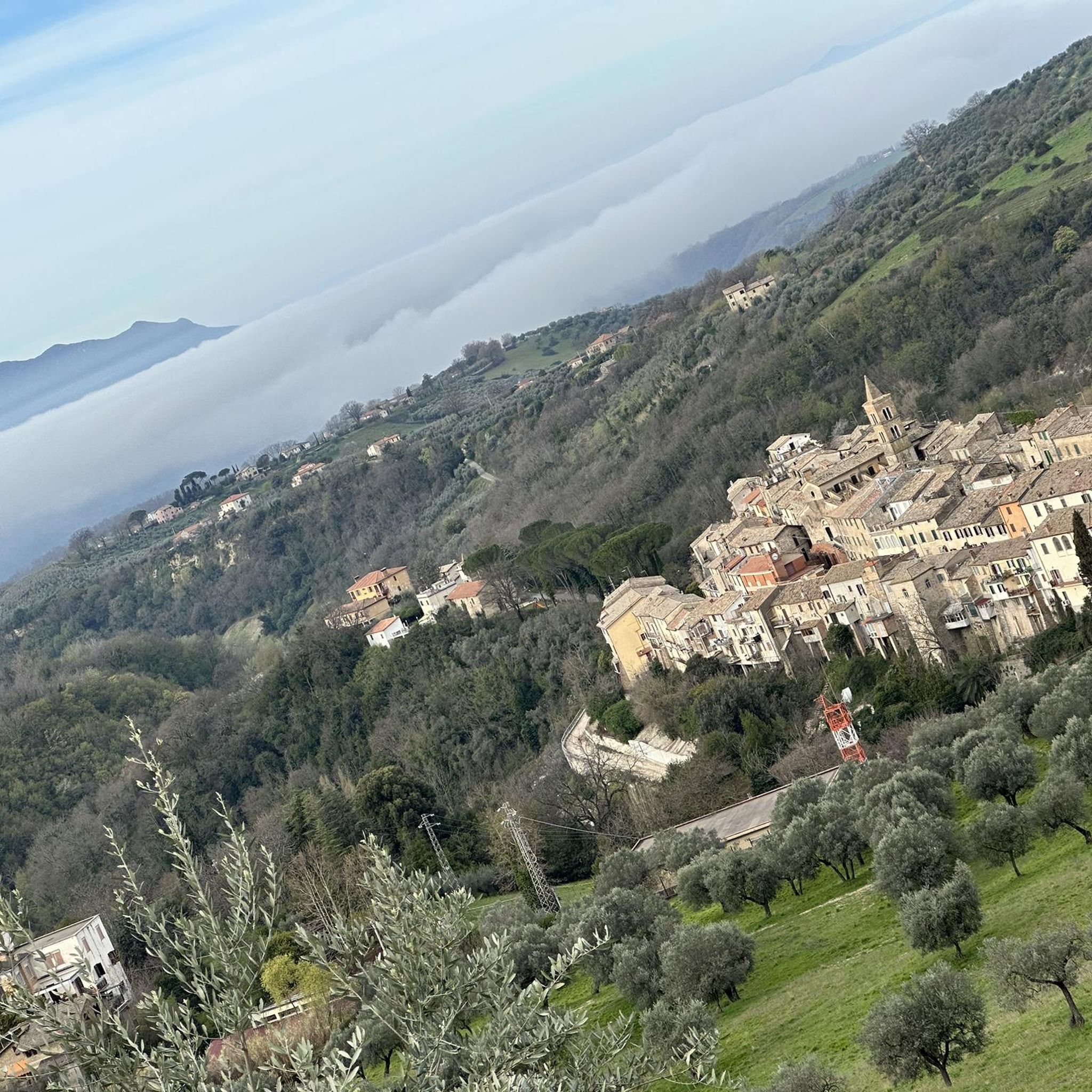
Hiking around Poggio Catino offers diverse terrain within the Lazio region, characterized by rolling hills, dense woodlands, and historical sites. The landscape features a mix of open paths and shaded forest trails, providing varied experiences for hikers. Elevations are generally moderate, with some routes leading to panoramic viewpoints over the surrounding countryside. The area is well-suited for exploring the natural beauty and cultural heritage of the Sabina hills.
Best hiking trails around Poggio Catino
- The most popular hiking route is Hermitages from Roccantica via Monte Pizzuto, a 9.5 miles (15.3 km) trail that takes about 5 hours 30 minutes to complete, offering challenging hikes Poggio Catino with significant elevation gain and historical hermitage views.
- Another top favourite among local hikers is Old Stone Osteria – Tancia Inn loop from La Pianella, a moderate 4.7 miles (7.6 km) path. This circular walk Poggio Catino leads through varied forest and open terrain, often completed in about 2 hours 10 minutes.
- Local hikers also love the Pozze del Diavolo Waterfall – San Michele Cave loop from La Pianella, a 1.6 miles (2.6 km) trail leading through woodlands to a waterfall, often completed in about 45 minutes, making it one of the family friendly hikes Poggio Catino.
- Hiking around Poggio Catino is defined by its rolling hills, ancient villages, and natural features like waterfalls and dense forests. The network of Poggio Catino hiking trailheads offers options for different ability levels, from easy strolls to more demanding ascents.
- The routes in Poggio Catino are highly rated by the komoot community with an average score of 4.4 stars from over 400 reviews. More than 1600 hikers have used komoot to explore Poggio Catino's varied terrain.
Last updated: July 5, 2026
3.7
(3)
23
hikers
15.3km
05:32
910m
910m
Hard hike. Very good fitness required. Easily-accessible paths. Suitable for all skill levels.
4.4
(33)
95
hikers
7.56km
02:12
200m
190m
Moderate hike. Good fitness required. Easily-accessible paths. Suitable for all skill levels.

Sign up for free
4.7
(30)
94
hikers
Moderate hike. Good fitness required. Easily-accessible paths. Suitable for all skill levels.
4.7
(14)
75
hikers
7.08km
02:18
300m
300m
Moderate hike. Good fitness required. Easily-accessible paths. Suitable for all skill levels.
5.0
(3)
13
hikers
Easy hike. Great for any fitness level. Easily-accessible paths. Suitable for all skill levels.
Get access to more routes and recommendations from other explorers.
Sign up for free
Already have an account?
Our route recommendations are based on thousands of hikes, rides, and runs completed by other people on komoot.
Start today with a free account
Your next adventure awaits.
Login or Signup
Tips from the Community

The San Michele site is accessible but haunted. The Pozze del Diavolo is accessible if you want to wade through flowing water. Very disappointing!!
0
0

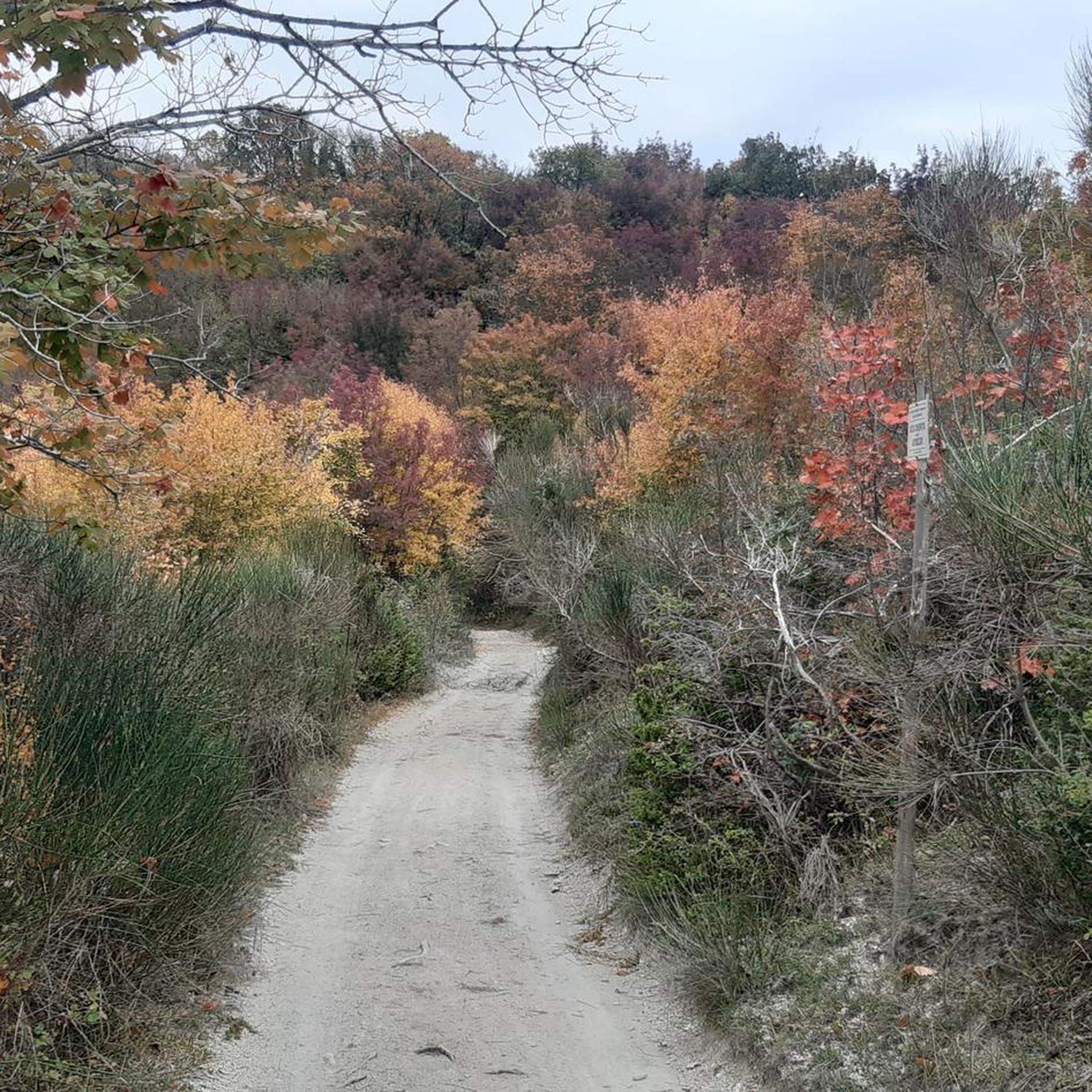
The hike follows ancient paths, quickly immersing itself in the dense vegetation of holm oaks and oaks. The route, typically classified as Hiking (E), offers an intense experience rich in historical and naturalistic points of interest. The Hermitage of San Michele Arcangelo: History and Rock Faith The trail leads to the Hermitage of San Michele Arcangelo, one of the oldest and most significant rock sanctuaries in Sabina, with origins dating back to the 4th century. This place of worship is literally carved into the rock face and is reached via a final climb that culminates in an evocative portal. Inside the cave, the small church still preserves fragments of frescoes, the most famous of which depicts the Archangel Michael in his armor, a symbol of the eternal struggle between good and evil. The isolated and panoramic location invites contemplation. The Hermitage of San Leonardo: The Ancient Hermit Cave Continuing the loop, you reach the Hermitage of San Leonardo, a place that embodies the profound hermit spirituality of the Early Middle Ages. This site is known as the Grotto of San Leonardo, a natural cavity used as a refuge and place of prayer since the 8th century. Its historical importance lies precisely in its being an example of rock worship, where monks sought isolation in the rock. In the immediate vicinity of the hermitage, the geological composition of the wall has created a cliff that, while today a reference point for sport climbing, adds an element of natural majesty to the spiritual context, testifying to the wild beauty of the place. The Medieval Mill: Hydraulic Heritage After leaving the hermitages, the trail descends towards the valley floor of the Galantina stream. Here you come across the remains of the Medieval Mill, a testament to the ingenuity and economy of the past. The ancient hydraulic structure, of which the foundations and sometimes the stone millstones are still visible, was essential for grinding grain and for the life of the Roccantica community, harnessing the driving force of the water flowing in the stream. The Revotano Abyss: The Mysterious Chasm The itinerary continues towards its geological culmination: the Revotano Abyss. This imposing karst sinkhole, of extraordinary dimensions, is one of the most spectacular natural phenomena in the Sabine Mountains. It is a deep chasm formed by the collapse of the ceiling of an underground cave, so large that it is classified as a tiankeng. The Revotano is surrounded by an aura of mystery, fueled by a famous legend that tells of divine punishment and the sinking of an entire village. Visitors can admire the abyss from the vantage point, but the more adventurous and experienced can descend to its bottom, a unique ecosystem with a humid microclimate that favors unusually lush vegetation. The loop ends by returning to the Old Tancia Provincial Road, concluding an experience that spans millennia of history and the power of nature.
1
0

You can park your car before starting the excursion
0
0
very nice village from where some paths start
0
0

Laying of the Summit Book together with the CAI Subsection of Guidonia and the CAI Section of Monterotondo
0
0
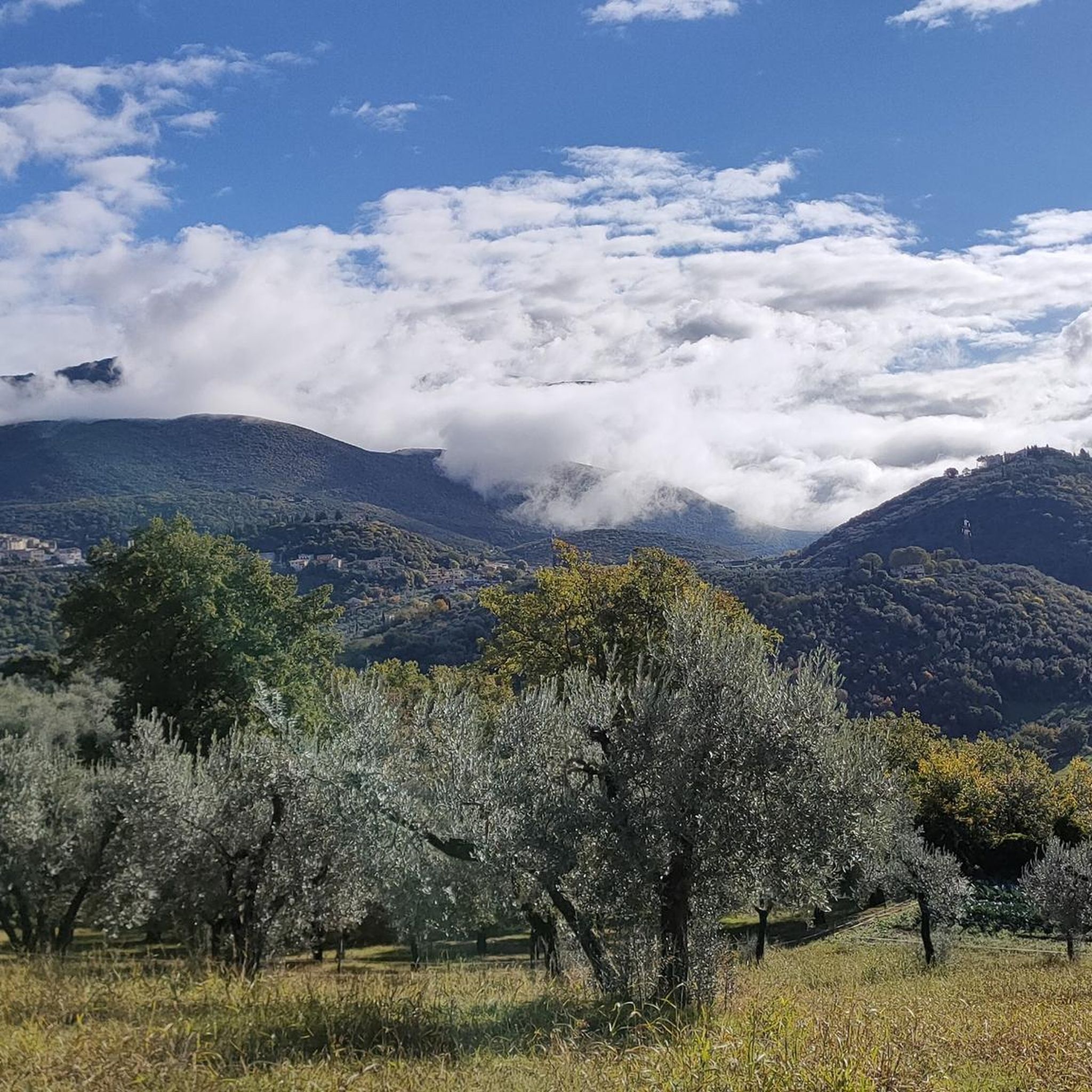
View with Mount Terminillo and Gran Sasso in the background
0
0

The Osteria del Tancia was built towards the end of the Middle Ages, around the 15th century. It arose in a strategic position, on the pass of Mount Tancia, the highest peak of the Sabine Mountains, at about 800 meters above sea level. For centuries, the Osteria del Tancia represented the most important stop along the Via del Tancia, which was the main connection between the Rieti basin and the Sabina Tiberina. This road was frequently traveled by merchants, shepherds who practiced transhumance, pilgrims and bandits.
0
0
Frequently Asked Questions
How many hiking trails are available around Poggio Catino?
There are over 80 hiking trails around Poggio Catino, offering a wide range of experiences. This includes 26 easy routes, 45 moderate paths, and 18 more challenging trails, ensuring options for all skill levels.
Are there any family-friendly hiking trails in Poggio Catino?
Yes, Poggio Catino offers several family-friendly options. A great choice is the Pozze del Diavolo Waterfall – San Michele Cave loop from La Pianella. This easy 1.6-mile (2.6 km) trail takes about 45 minutes to complete and leads through woodlands to a beautiful waterfall, perfect for a shorter outing with children.
Can I find circular hiking routes in the Poggio Catino area?
Absolutely. Many trails in Poggio Catino are designed as circular routes. For example, the Old Stone Osteria – Tancia Inn loop from La Pianella is a moderate 4.7-mile (7.6 km) path that takes around 2 hours 10 minutes, offering varied forest and open terrain.
Are there any trails that feature waterfalls?
Yes, the region is home to the scenic Pozze del Diavolo Waterfall. You can experience it on the Hermitage of San Leonardo – Pozze del Diavolo Waterfall loop from Roccantica, a moderate 7.6-mile (12.27 km) hike. This route combines natural beauty with historical elements.
What are some challenging hikes around Poggio Catino?
For those seeking a challenge, the Hermitages from Roccantica via Monte Pizzuto is an excellent option. This difficult 9.5-mile (15.3 km) trail involves significant elevation gain and takes approximately 5 hours 30 minutes, rewarding hikers with historical hermitage views.
What kind of historical sites can I explore on hikes in Poggio Catino?
The Poggio Catino area is rich in history. Many trails pass by ancient villages and hermitages. You can explore sites like the Ruins of San Martino Abbey on Mount Acuziano or the Hermitage of San Leonardo, often integrated into hiking loops like the Village of Roccantica – Hermitage of San Leonardo loop from Roccantica.
Are there hiking trails with good viewpoints in the region?
Yes, the rolling hills of Poggio Catino offer several panoramic viewpoints. Trails often lead to elevated spots, providing expansive views over the Sabina hills and surrounding countryside. The Monte Pizzuto Summit is a notable point of interest for stunning vistas.
What do other hikers enjoy most about the trails in Poggio Catino?
The trails in Poggio Catino are highly regarded by the komoot community, with an average rating of 4.4 stars from over 400 reviews. Hikers frequently praise the diverse terrain, from dense woodlands to open paths, and the blend of natural beauty with historical elements like ancient villages and hermitages.
Are there any easy routes for beginners or those looking for a short walk?
Yes, Poggio Catino has 26 easy routes suitable for beginners or those preferring a gentle stroll. The Pozze del Diavolo Waterfall – San Michele Cave loop from La Pianella is a short and accessible option, taking only about 45 minutes to complete.
What is the typical terrain like on hikes around Poggio Catino?
The terrain around Poggio Catino is quite varied. You can expect a mix of rolling hills, dense woodlands, and open paths. Trails often feature natural surfaces, with some sections leading through historical areas or alongside natural features like waterfalls, characteristic of the Lazio region's Sabina hills.
Are there any specific natural monuments to see while hiking?
Beyond the scenic landscapes, you can encounter specific natural monuments. The Pozze del Diavolo Waterfall is a prominent natural feature. Additionally, the area includes the Nazzano Tevere-Farfa Nature Reserve, offering opportunities to explore diverse ecosystems.
Most popular attractions around Poggio Catino

Get inspired with the komoot mobile app


Explore more
Browse the best Hikes in other regions.
