Attractions and Places To See around Sant'Oreste - Top 20
Best attractions and places to see around Sant'Oreste include historical, cultural, and natural sites. This Italian town is situated on a foothill of Monte Soratte, providing panoramic views over the Tiber Valley and northern Lazio. The area features a rich tapestry of landmarks, natural reserves, and medieval architecture. Visitors can explore significant historical sites and diverse natural landscapes.
Best attractions and places to see around Sant'Oreste
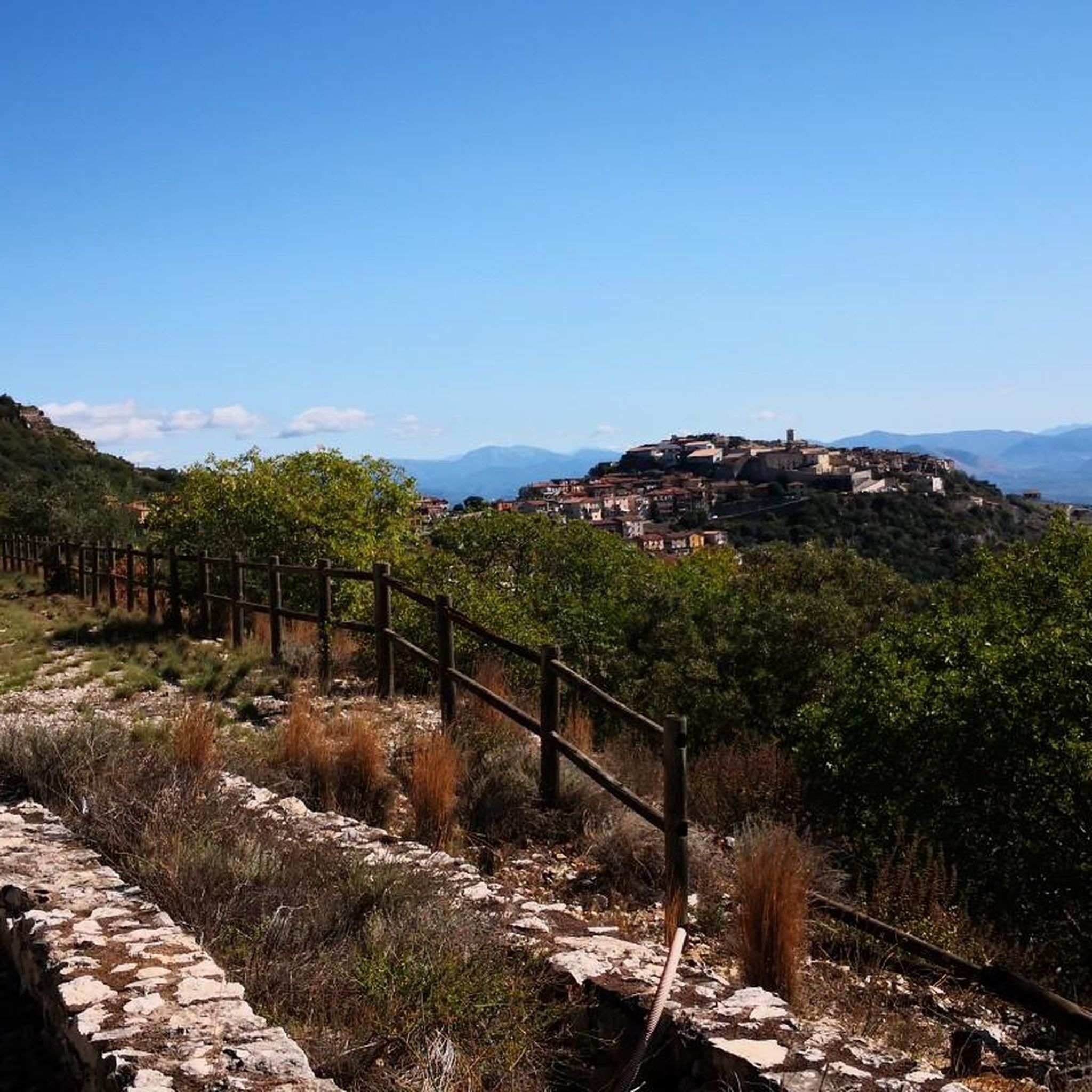
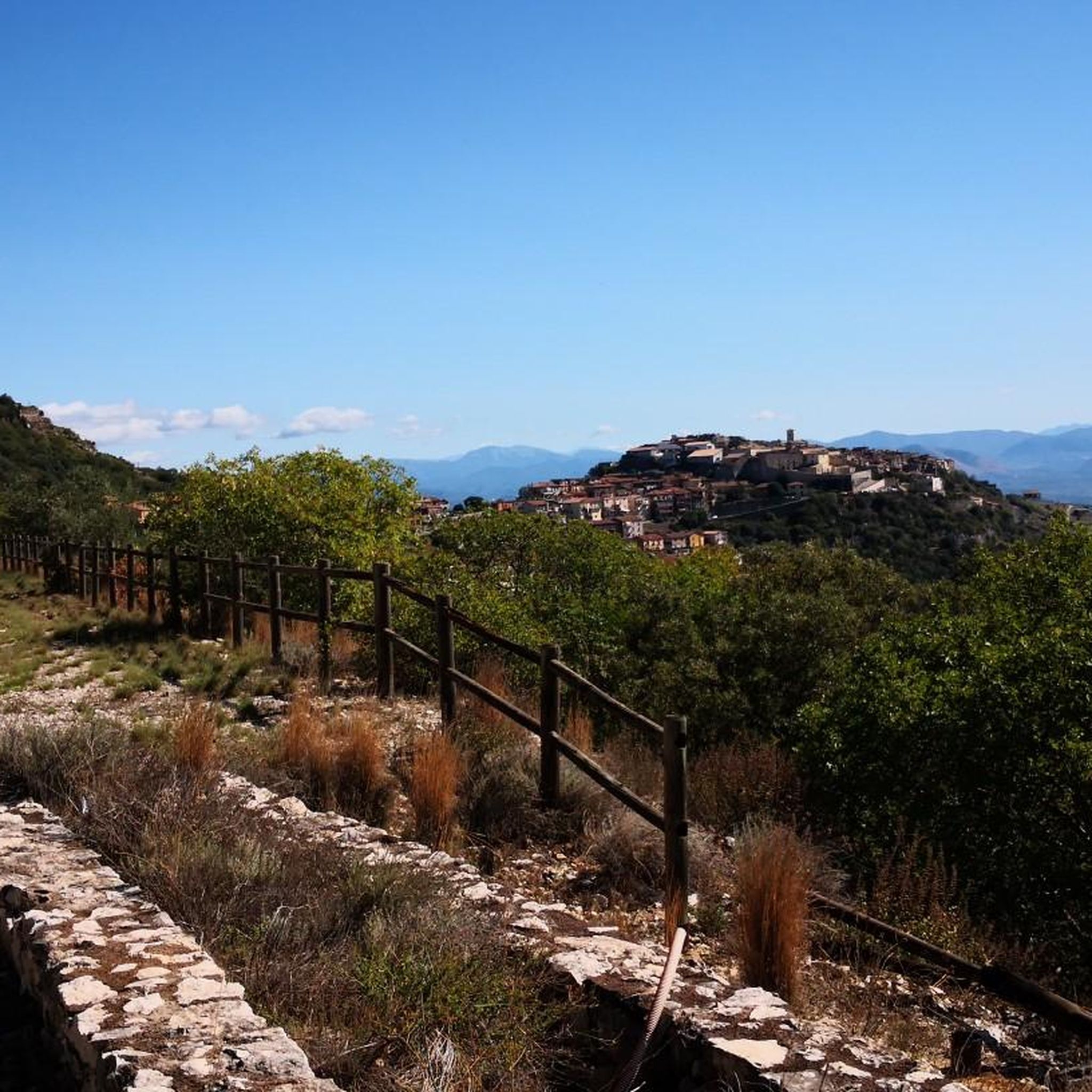
- The most popular attractions is Hermitage of Saint Sylvester, a religious building that offers stunning panoramic views of the surrounding valleys from the top of Monte Soratte. This hermitage is believed to be built over an ancient pagan temple and has a rich history.
- Another must-see spot is Nazzano Tevere-Farfa Nature Reserve, an other natural area in the Tiber Valley north of Rome. This protected natural area encompasses a stretch of the Tiber River and its tributary, the Farfa, along with the artificial lake of Nazzano.
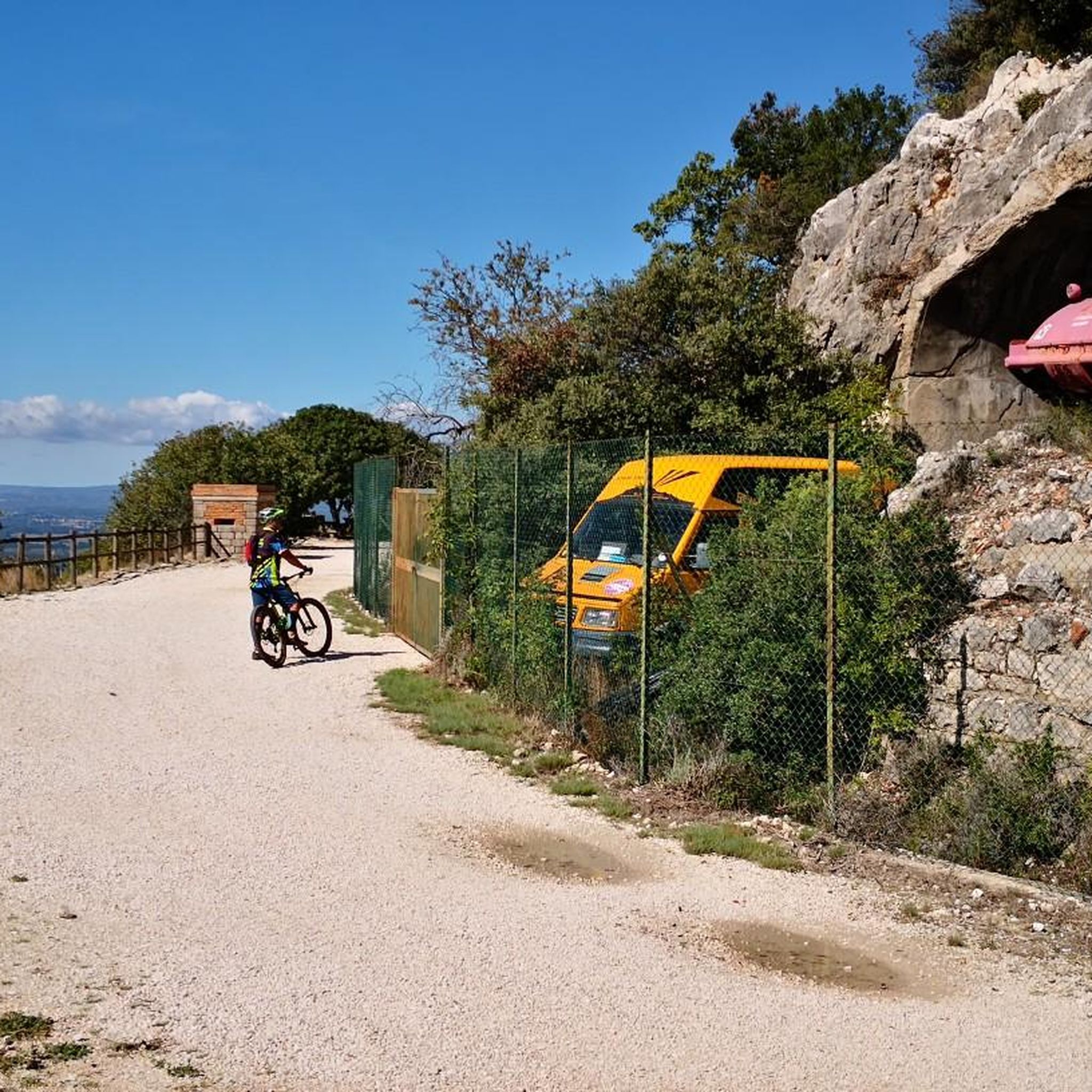
- Visitors also love Monte Soratte Bunker, a man-made monument built by Mussolini between 1937 and 1944. This network of tunnels inside Monte Soratte extends for about 4 km and served as an anti-nuclear bunker and air-raid shelter.
- Sant'Oreste is known for its historical sites, natural reserves, and religious buildings. The area offers a variety of attractions to see and explore, from ancient fortifications to scenic natural landscapes.
- The attractions around Sant'Oreste are appreciated by the komoot community, with 117 upvotes and 92 photos shared by visitors.
Last updated: October 9, 2026
Hermitage of Saint Sylvester
Highlight • Religious Site
Translated by Google •
Tip by

Nazzano Tevere-Farfa Nature Reserve
Highlight • Natural
Translated by Google •
Tip by

Sign up now to discover places like this
Get recommendations on the best single tracks, peaks, & plenty of other exciting outdoor places.
Monte Soratte Bunker
Highlight • Monument
When, after 8 September 1943, the German supreme command of the South was bombed in Frascati, Field Marshal Albert Kesselring, who was in charge of it, arranged to transfer its headquarters to Soratte. There it would remain almost undisturbed until early June 1944. The bunker also resisted the bombing of 12 May 1944 carried out by two flocks of allied B-17s, which had left specifically from Foggia to destroy it. The operation, which hit many houses in nearby Sant'Oreste, caused about a hundred victims among the 980 German soldiers in the town. To leave, however, the Wehrmacht troops waited for June 5, when British and American tanks entered Rome. Before leaving, they flooded the tunnels with petrol and set them on fire. To enter, the British had to wait for the fire to burn itself out five days later.
After the end of the war, the complex remained abandoned until 1967, when a fallout shelter was built under the aegis of NATO, which however was not completed and abandoned in 1972.
Translated by Google •
Tip by

Calcata Vecchia
Highlight • Settlement
Translated by Google •
Tip by

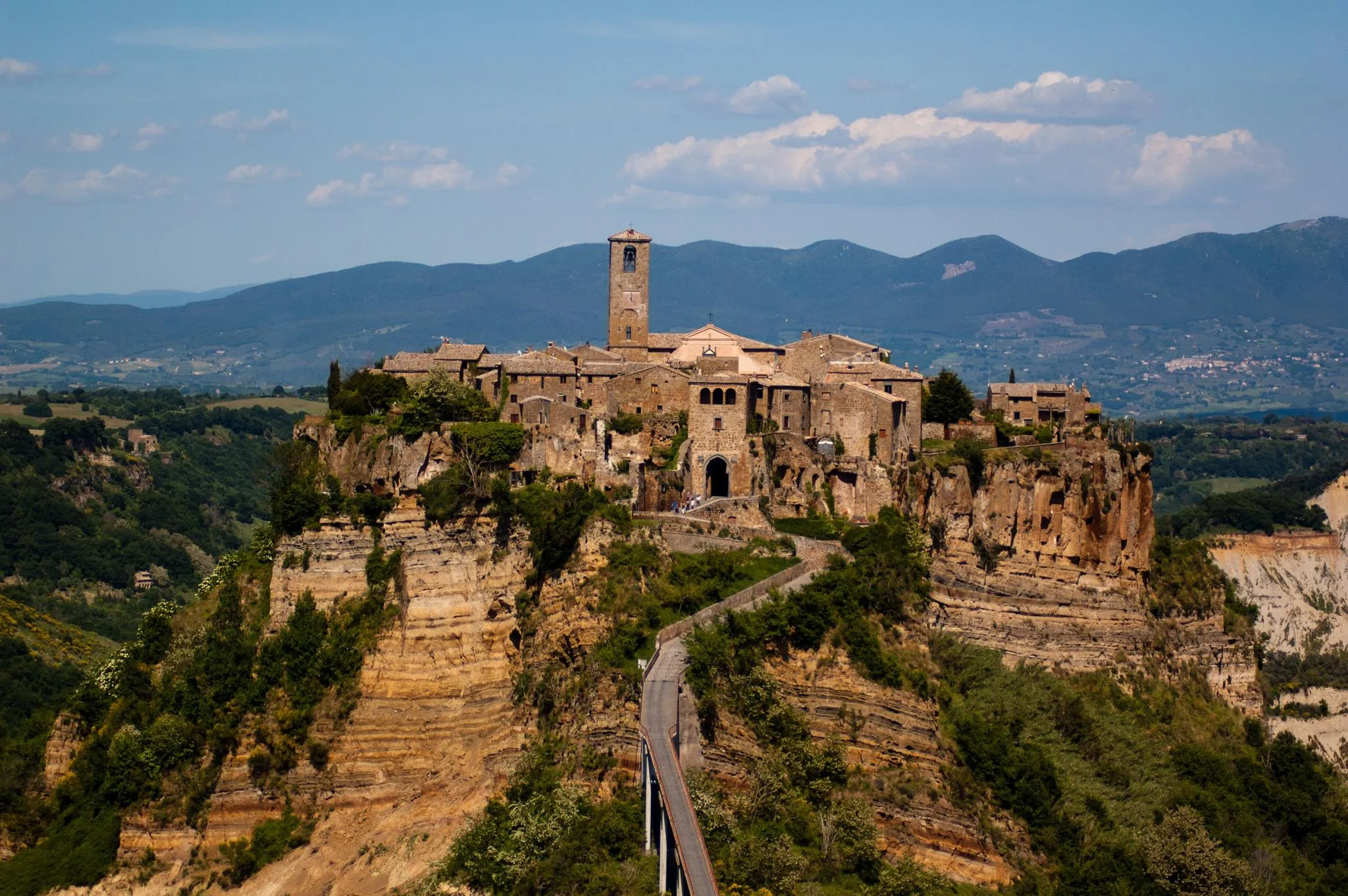
Ponzano Romano
Highlight • Settlement
Translated by Google •
Tip by
Sign up for free to discover even more attractions around Sant'Oreste.
Already have an account?
Start today with a free account
Your next adventure awaits.

Other adventures around Sant'Oreste

Tips from the Community

For those arriving at Calcata Vecchia and wanting to descend into the Treja Valley, I strongly advise against taking the marked path that is not on the road: it is a pedestrian descent that can only be done with a bike in hand, and not even easily. Descend following the main asphalt road.
0
0

An open-air museum, recommended
1
0

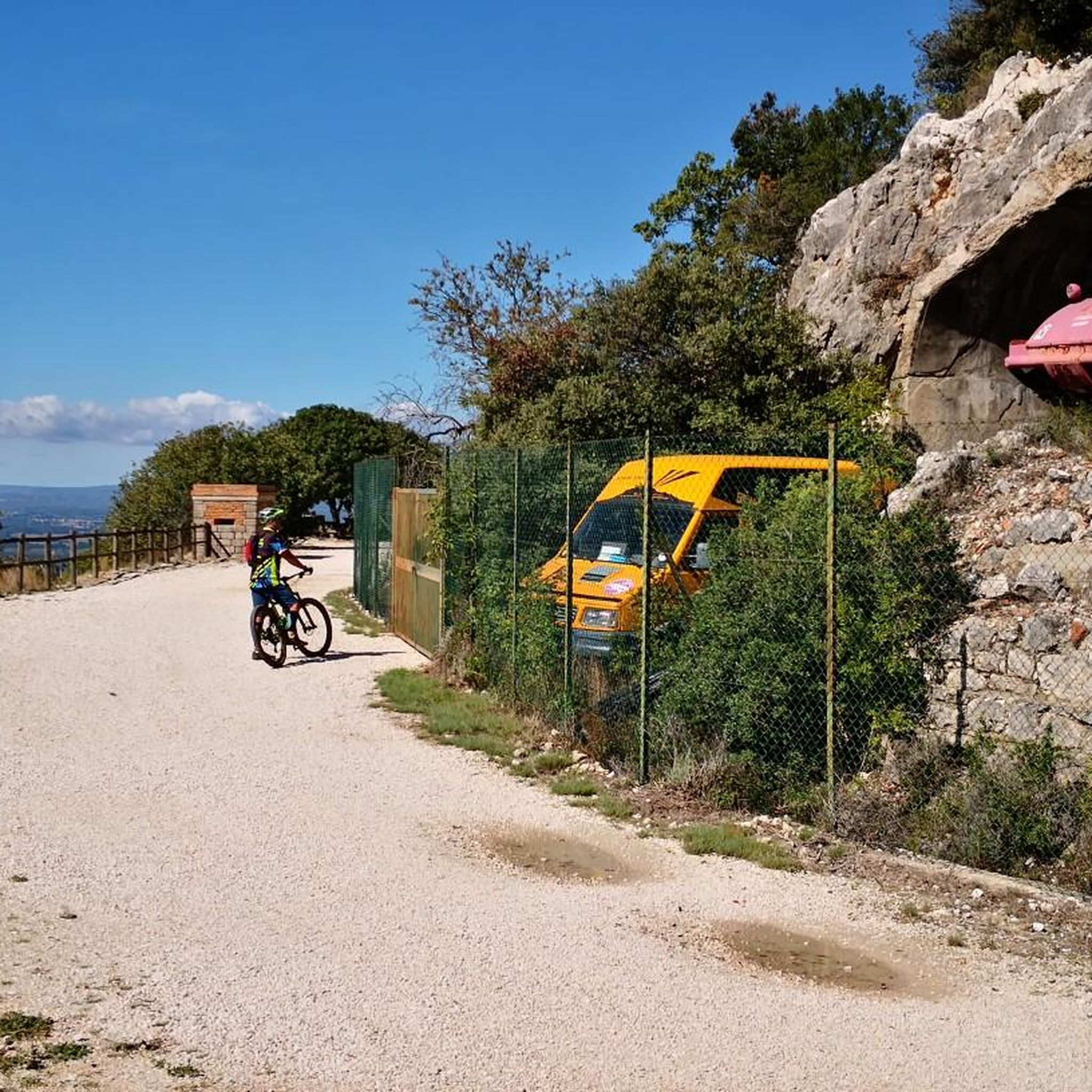
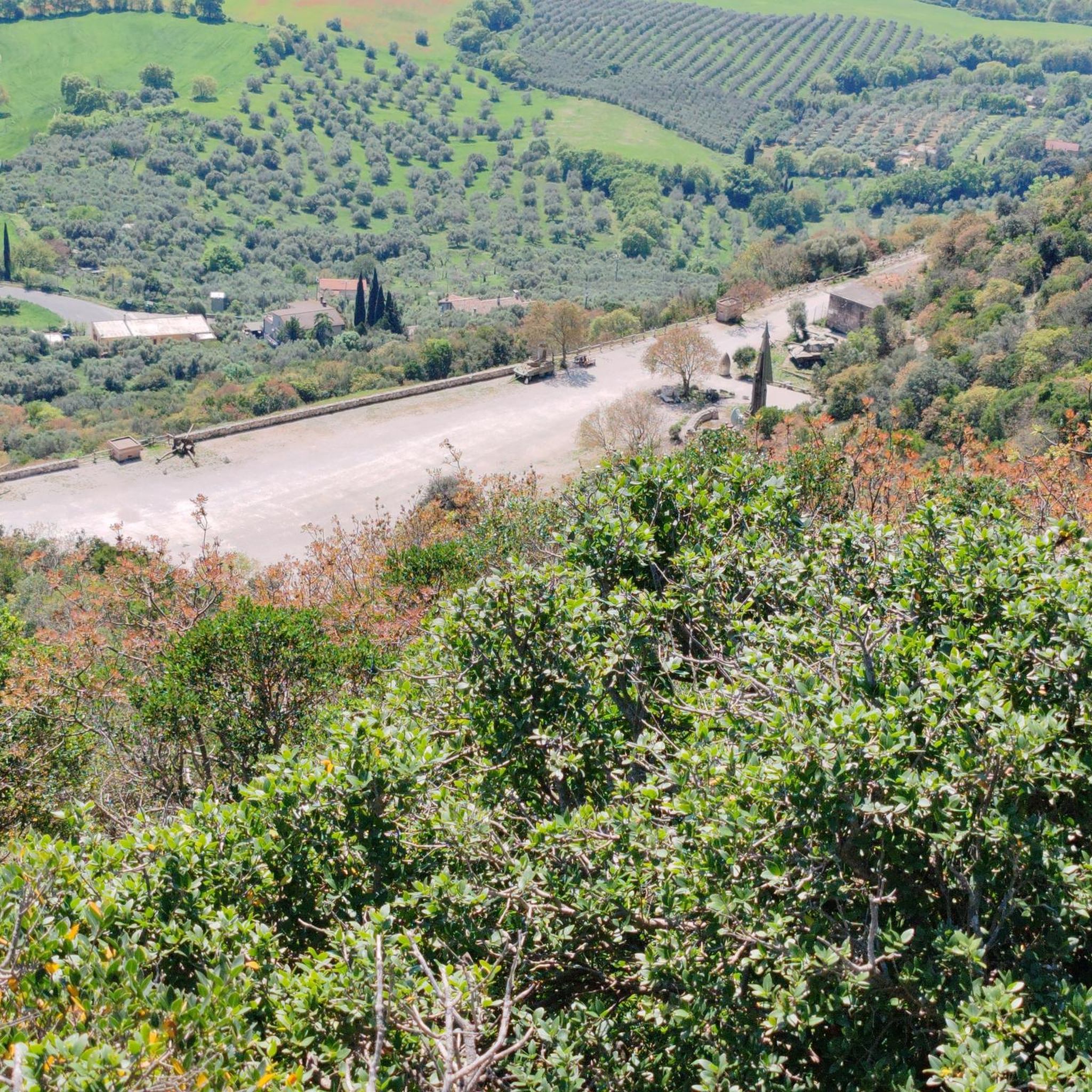
Short panoramic walk with an exhibition of military vehicles.
0
0

The Nazzano Tevere - Farfa Regional Nature Reserve extends upstream of the Enel hydroelectric power plant in Nazzano, and includes the stretch of the Tiber river that goes from the power plant itself to the Poggio Mirteto mountain and along the course of the Farfa river up to the Granica bridge .
0
0

On the way to the top of Soratte, just before the San Silvestro hermitage, you can take the path on the left that leads to the small San Sebastiano hermitage, of which modest wall traces remain. The latter was home to hermits in the 16th and 17th centuries, after which it began to be abandoned and fell into ruin. In the rock there is a cavity used to collect water. Short trail but to be followed with care.
0
1

This hermitage has a patronal name that is truly on everyone's lips, but only a few will know the person behind it: the feast day of Saint Sylvester (San Silvestro) is December 31st. He lived at the end of the third or beginning of the fourth century and was Bishop of Rome when Emperor Constantine - later generations gave him the nickname "the Great" - recognized Christianity as a religion with the so-called "Edict of Toleration" of Milan, thus ending - at least temporarily - the period of bloody persecution of Christians.
1
2

For the landscapes and also the roads, which however, at least for the part of the Province of Rome, should be maintained a little more (asphalt at times too ruined).
1
0

The Eremo di San Silvestro, located at the top of Mount Soratte, offers a stunning panoramic view of the surrounding valleys. This hermitage, one of the numerous hermitages scattered in the Sabina region, stands in a clearing overlooking the beautiful Tiber Valley. Its isolated location far from the town of Sant'Oreste gives it a suggestive atmosphere.
4
0
Frequently Asked Questions
What historical sites can I explore in Sant'Oreste?
Sant'Oreste is rich in history. You can visit the fascinating Monte Soratte Bunker, an extensive underground fortification built by Mussolini. The medieval old town, known as "Spiazzo," with its ancient defensive walls and gates like Porta Ladentro, is also a significant historical site. Additionally, the grand Palazzo Caccia-Canali, dating back to 1589, offers a glimpse into the past.
Are there any notable religious sites or churches in Sant'Oreste?
Yes, Sant'Oreste is home to several important religious sites. The most prominent is the Hermitage of Saint Sylvester, located at the top of Monte Soratte, offering stunning panoramic views. The main town church is San Lorenzo Martire, and other noteworthy churches include San Biagio, San Nicola, Santa Croce, Santa Mara Hospitalis, and Sant'Edisto.
What natural attractions are there around Sant'Oreste?
The dominant natural feature is Monte Soratte, an isolated limestone ridge that is largely a nature reserve. It offers numerous walking paths and breathtaking views. Another significant natural area is the Nazzano Tevere-Farfa Nature Reserve, which protects a stretch of the Tiber River, its tributary Farfa, and the artificial lake of Nazzano.
Are there hiking opportunities near Sant'Oreste?
Absolutely. Monte Soratte is crisscrossed with numerous walking paths suitable for various abilities, offering spectacular views. You can find several hiking routes, including a ring tour from Sant'Oreste to Monte Soratte, and routes exploring the Hermitages of Monte Soratte. For more details and specific routes, visit the Hiking around Sant'Oreste guide.
What kind of views can I expect from Sant'Oreste and Monte Soratte?
Sant'Oreste, perched on a foothill, provides magnificent panoramic views over the Tiber Valley and northern Lazio. From the top of Monte Soratte, especially from the Hermitage of Saint Sylvester, you can enjoy stunning vistas of the surrounding valleys. On clear days, it's even possible to see Rome's St. Peter's Basilica dome.
Are there any family-friendly activities or attractions in the area?
Yes, the Nazzano Tevere-Farfa Nature Reserve is considered family-friendly, offering a natural setting for walks along the Tiber. The historic centers of nearby towns like Ponzano Romano and Mazzano Romano are also noted as family-friendly historical sites to explore.
What unique cultural experiences does Sant'Oreste offer?
A unique experience is the Madonna di Maggio Festival, where thousands of canes on Monte Soratte are set ablaze during a procession, creating a spectacular light show. Beyond specific events, simply wandering through the winding medieval streets of Sant'Oreste offers a glimpse into authentic Italian life and local culture.
Can I go cycling near Sant'Oreste?
Yes, the area around Sant'Oreste offers various cycling opportunities. You can find routes for touring bicycles and road cycling, including loops around Monte Soratte, the Tiber Valley, and nearby villages. For detailed routes and guides, check out the Cycling around Sant'Oreste guide and the Road Cycling Routes around Sant'Oreste guide.
What is the best time to visit Sant'Oreste?
Sant'Oreste is enjoyable in warmer seasons for outdoor activities like hiking on Monte Soratte and enjoying fresh air. The town also offers breathtaking sunset views and stargazing opportunities during events like the Night of San Lorenzo. The Madonna di Maggio Festival, preceding the celebrations of the Madonna di Maggio, is a unique cultural event to experience.
What can I learn about the local natural environment and wildlife?
The Naturalistic Museum of the Monte Soratte Reserve, housed in Palazzo Caccia-Canali, provides insights into the local environment. Monte Soratte itself is a nature reserve, home to diverse wildlife including wild boar, badgers, eagles, and buzzards. The Nazzano Tevere-Farfa Regional Nature Reserve also protects a rich ecosystem along the Tiber River.
Are there any hidden gems or less-known spots worth visiting?
While the main attractions are well-known, exploring the medieval streets of Sant'Oreste's "Spiazzo" can reveal picturesque views and quiet corners. The
What is the significance of Monte Soratte's 'Meri'?
Monte Soratte features unique geological formations known as 'Meri,' which are sinkholes or pits that can reach depths of up to 115 meters. These natural features add to the mountain's distinct character and are part of its natural allure.
Most popular routes around Sant'Oreste
Most popular attractions around Sant'Oreste

Get inspired with the komoot mobile app


Explore more
Still not found the Highlight you’re looking for? See guides of the top attractions in other regions:
