Attractions and Places To See around Vejano - Top 20
Best attractions and places to see around Vejano include a blend of historical sites, cultural points, and natural features within the Lazio region of Italy. This historic town, situated near the confluence of the Crovino and Mignone rivers, offers insights into centuries of history and ancient civilizations. Its medieval urban layout preserves traces of various noble families who influenced its development. The surrounding area of Tuscia Rupestre also presents a landscape of geological and natural interest.
Best attractions and places…
Last updated: October 10, 2026
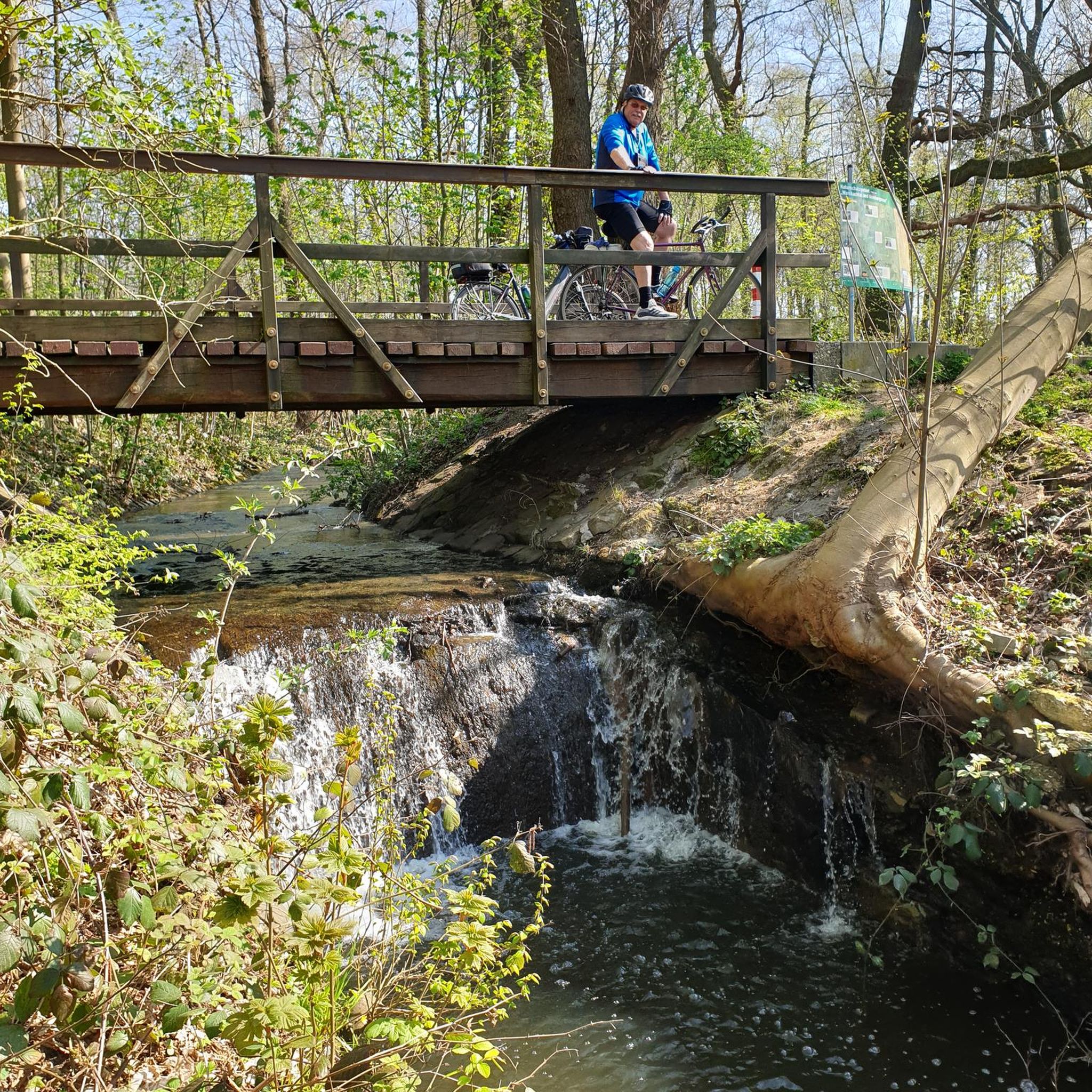
Terza Mola (Third Mill) Waterfalls and Ancient Aqueduct
Highlight • Waterfall
Translated by Google •
Tip by

Historic Center of Sutri
Highlight • Historical Site
Translated by Google •
Tip by

Sign up now to discover places like this
Get recommendations on the best single tracks, peaks, & plenty of other exciting outdoor places.
Church and Convent of San Bonaventura
Highlight • Religious Site
Translated by Google •
Tip by
Piazza Umberto I and its fountain, Oriolo Romano
Highlight • Settlement
Translated by Google •
Tip by

Mignone Railway Bridge
Highlight • Bridge
Translated by Google •
Tip by

Sign up for free to discover even more attractions around Vejano.
Already have an account?
Start today with a free account
Your next adventure awaits.
Tips from the Community

A route that presents many points of interest. It keeps the traveler's curiosity alive by combining the beauty and uniqueness of the landscape and the material traces of man.
0
0

The village of Sutri is located on the Via Cassia, it is worth a stop to visit the wonderful archaeological area and the rock necropolis
0
0

Bridge over the Mignone where the Old Civitavecchia-Orte railway passes. Splendid panoramic point
0
0

very nice village, recommended visit
0
0

Sutri is a charming town in the province of Viterbo. It is located about 30 kilometers north of Rome and has about 6565 inhabitants. The city is built on a tuff hill and has a beautiful location with many historical sights. Sutri is rich in historical sites, including a Roman amphitheater, an Etruscan necropolis, the Santa Maria del Tempio church, the Madonna del Parto church, the villa Savorelli, and the remains of a castle. In addition, there are also several historic palaces and churches in the city. The city is located on the ancient main road Via Cassia, an ancient Roman road from Rome to Tuscany. It is also an important stop on the Via Francigena, one of the oldest pilgrimage routes in Europe that runs from Canterbury to Rome.
3
0

The church, in a very poor state of conservation, has a façade framed between two twin bell towers which have now almost completely disappeared (only a faint trace remains of part of the one on the left) and has Doric pilasters (false Doric columns in relief) in stucco with a large triangular gable (also called pediment). The roof of the church was octagonal topped by a lantern, while inside it was domed. Opposite the entrance to the church in the center of the square there is still the base of Bernini's octagonal fountain and, after the restoration works of 1995-96, a copy faithful to the original was placed there. Bernini's fountain can today be admired, however, in the square of the Municipality of Canale Monterano. A representation of the church is in a 1781 painting by G. Barbieri in the Altieri palace in Oriolo Romano. https://www.iluoghidelsilenzio.it/convento-di-san-bonaventura-monterano-di-canale-monterano-rm/
0
0

On the hills of the Sabatini mountains, we find Oriolo Romano, lying near Lake Bracciano. This locality became a nature reserve in 1999 and counts among its attractions the Olmate, the gardens of Palazzo Altieri and a luxuriant beech forest. The village has an urban planning that dates back to its foundation and enjoys historical significance as a transit point for the Etruscan and Roman civilizations.
1
0
beautiful village, I recommend to visit it
3
0
Frequently Asked Questions
What historical sites can I visit in and around Vejano?
Vejano is rich in history. You can explore the imposing Rocca di Vejano (Vejano Castle) in the historic center, though visits are typically only possible from the outside. Other significant historical sites include the Church of Santa Maria Assunta and the Madonna del Rosario Chapel. Nearby, the Historic Center of Sutri offers a Roman amphitheater, an Etruscan necropolis, and is an important stop on the ancient Via Francigena.
Are there any natural attractions or viewpoints near Vejano?
Yes, Vejano is situated near the confluence of the Crovino and Mignone rivers, offering natural beauty. A notable natural attraction is the Terza Mola (Third Mill) Waterfalls and Ancient Aqueduct, where you can explore waterfalls and an old rock tunnel path. The Mignone Railway Bridge also offers scenic views of the surrounding wild area.
What cultural experiences does Vejano offer?
Vejano's historic center preserves traces of several noble families and offers a glimpse into its medieval past. You can experience traditional events like the Ancient Palio di Viano, celebrated on the last Sunday of August, or the evocative Living Nativity Scene staged from December 26th to January 6th. The Ecomuseo della Tuscia Rupestre (EMTR) also provides insights into the region's unique landscape and history.
Are there family-friendly activities or attractions around Vejano?
For families, the Piazza Umberto I and its fountain in Oriolo Romano is a pleasant spot. The Mignone Railway Bridge can also be an interesting destination for a family walk, though be aware of potential access challenges mentioned in visitor tips.
What kind of outdoor activities can I do near Vejano?
The area around Vejano is excellent for outdoor activities. You can find numerous routes for hiking, running, and mountain biking. For hiking, explore trails like the UNESCO Beech Forest of Monte Raschio Trail or the Trail of the Three Villages. Mountain biking enthusiasts can enjoy routes such as "Nel territorio del Parco Regionale Marturanum." For more details on routes, visit the dedicated guides for Hiking around Vejano, Running Trails around Vejano, and MTB Trails around Vejano.
Are there any notable religious buildings or ruins to see?
Yes, Vejano has several significant religious sites. The Church of Santa Maria Assunta, originally built in 1344, and the Madonna del Rosario Chapel are important local churches. Additionally, the Church and Convent of San Bonaventura, though in ruins, is notable for its historical significance and architectural details, including its façade framed by twin bell towers.
What is the best time of year to visit Vejano?
Vejano offers different experiences throughout the year. The festival dedicated to "Pizza a Fiamma" takes place at the beginning of July. For cultural events, the Ancient Palio di Viano is in late August, and the Living Nativity Scene runs from late December to early January. For outdoor activities, spring and autumn generally offer pleasant weather for exploring the natural and historical sites.
What local specialties or cuisine should I try in Vejano?
Vejano is known for its local cuisine, including Tarquinia DOC wine. A unique specialty is "Pizza a Fiamma," a soft and durum wheat pizza filled with chicory and ricotta, traditionally cooked over an open wood flame. A festival celebrating this dish is held in early July.
Are there any ancient ruins or archaeological sites near Vejano?
The foundation of Vejano is attributed to inhabitants of the Etruscan settlement of Veio. Near Fontiloro, outside Vejano, you can find remains of a large Roman villa, indicating ancient habitation. The Historic Center of Sutri also features a Roman amphitheater and an Etruscan necropolis.
What do visitors enjoy most about the attractions around Vejano?
Visitors appreciate the blend of history and nature. For instance, the Terza Mola (Third Mill) Waterfalls and Ancient Aqueduct is loved for its unique combination of natural waterfalls and an ancient aqueduct. The Historic Center of Sutri is praised for its beautiful village atmosphere and rich archaeological area.
How can I get to Vejano using public transport?
While specific bus routes to individual attractions are not detailed, Vejano is located along the road connecting Rome to Lake Bracciano. For detailed public transport information, it is advisable to check local bus schedules or regional transport websites, such as Visit Lazio, for current options.
Most popular attractions around Vejano

Get inspired with the komoot mobile app


Explore more
Still not found the Highlight you’re looking for? See guides of the top attractions in other regions:
