Attractions and Places To See around Torrebruna - Top 10
Best attractions and places to see around Torrebruna include a blend of historical, natural, and cultural sites. This mountain village in Abruzzo is situated on the slopes of the Apennines, offering panoramic views of the Trigno Valley. The area features ancient forests, historical landmarks, and traditional stone architecture. Visitors can explore a variety of sites reflecting its rich history and natural beauty.
Best attractions and places to see around Torrebruna
- The most popular attractions is Roccavivara Town Center, a…
Last updated: August 10, 2026
San Nicola Staircase and Trivento Cathedral
Highlight • Historical Site
Tip by

Torre della Fara
Highlight • Historical Site
Translated by Google •
Tip by

Sign up now to discover places like this
Get recommendations on the best single tracks, peaks, & plenty of other exciting outdoor places.
Sign up for free
San Michele Arcangelo Cave in Liscia
Highlight • Cave
The Grotta di San Michele Arcangelo (also known as the Eremo di San Michele) is a unique and ancient sanctuary in a …
Showing Translation
Tip by

Roccavivara Town Center
Highlight • Settlement
Translated by Google •
Tip by
Convento di Sant'Antonio
Highlight • Religious Site
The Convento di Sant'Antonio is located in an idyllic, quiet spot just outside the hilly village of San Buono, deep in the hinterland …
Showing Translation
Tip by
Sign up for free to discover even more attractions around Torrebruna.
Sign up for free
Already have an account?
Start today with a free account
Your next adventure awaits.
Login or Signup
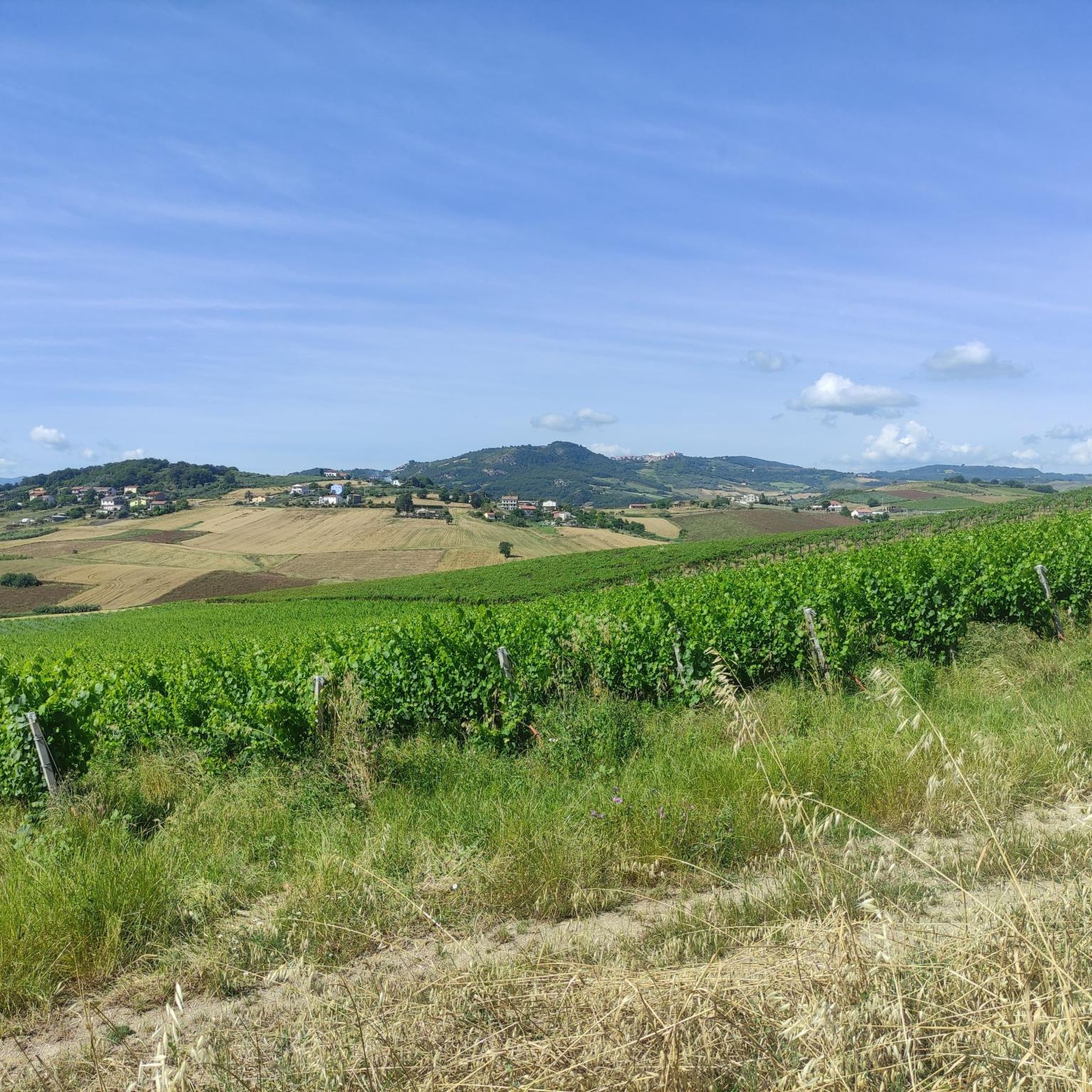
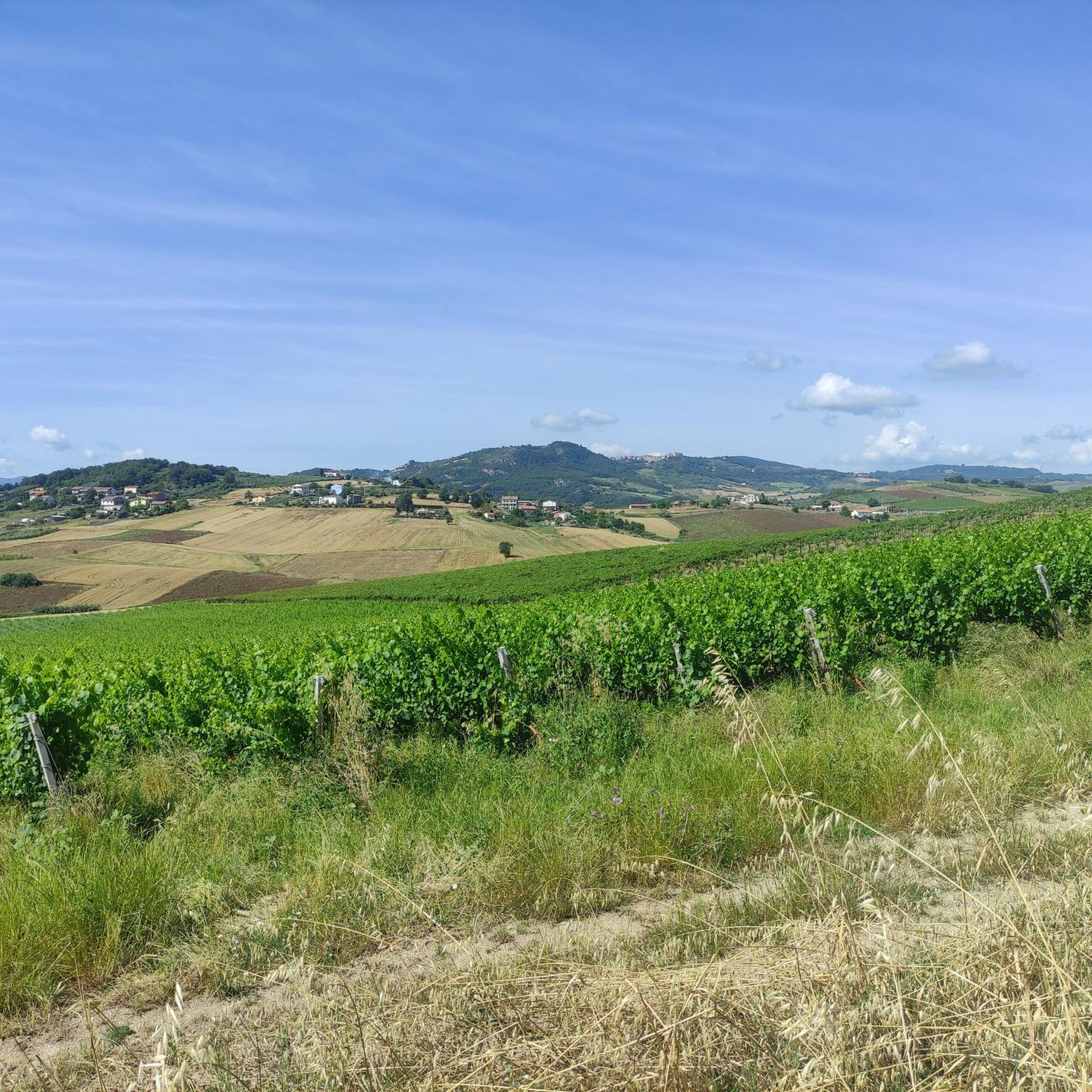
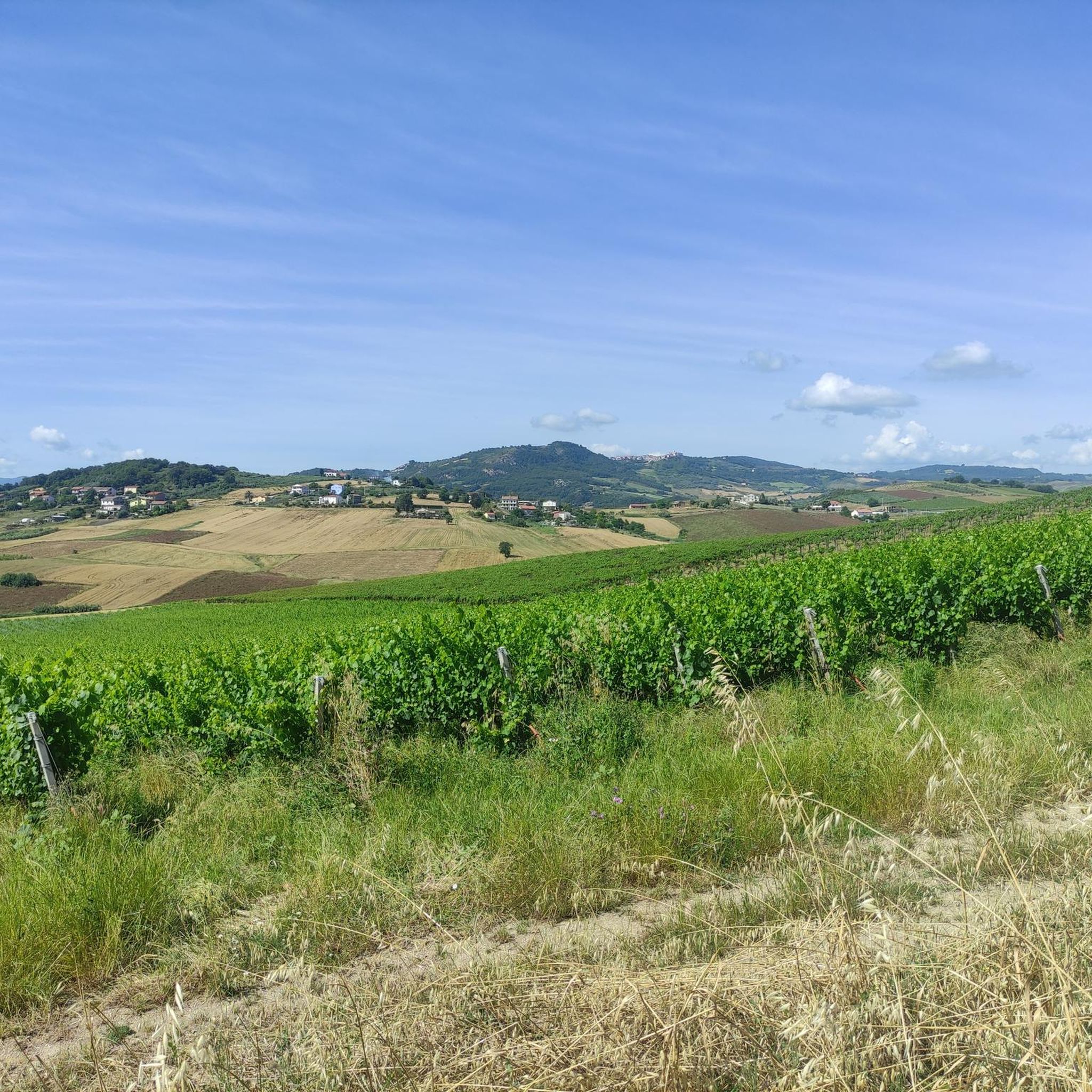
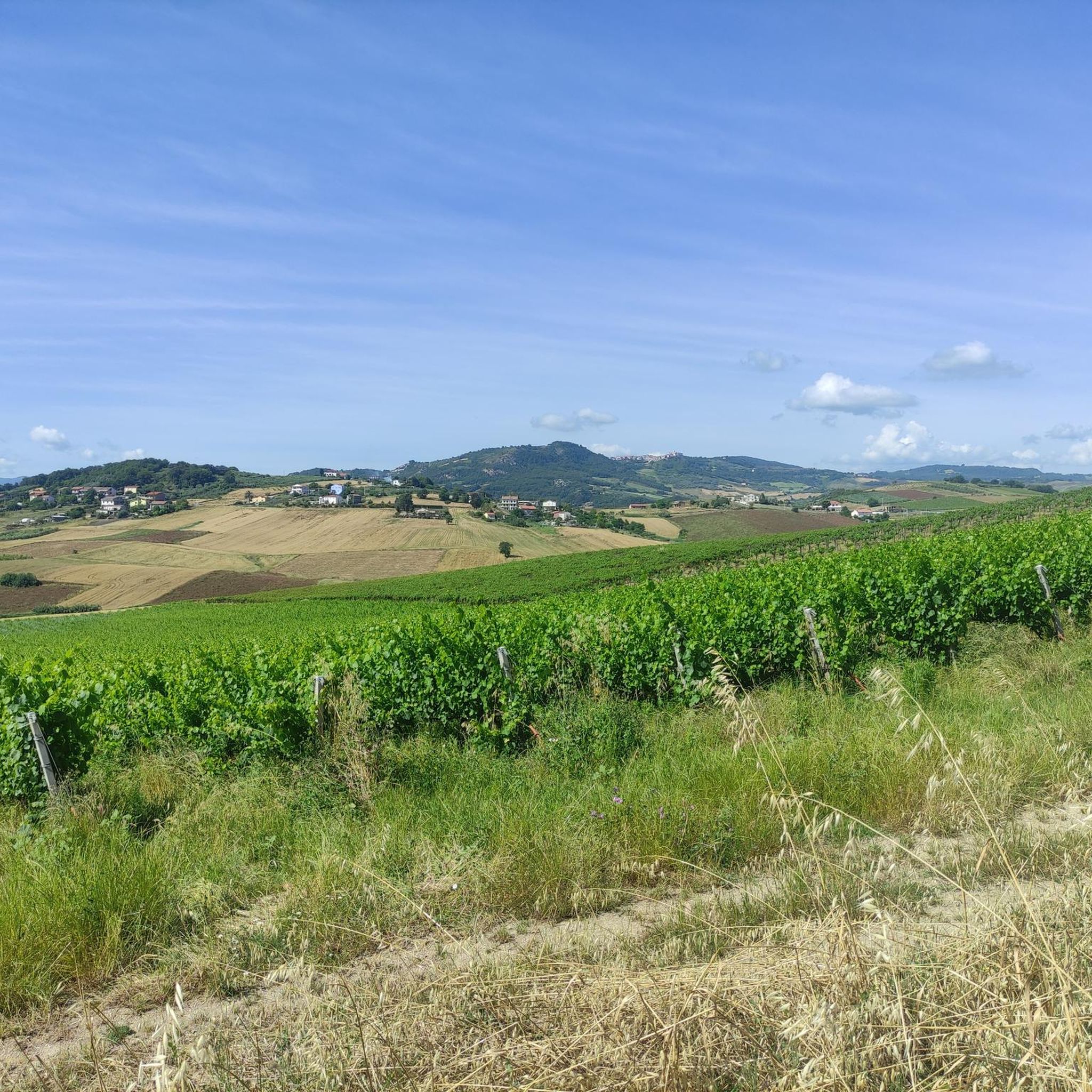
Tips from the Community

Spiritual rock sanctuary hidden in a green valley. The Grotta di San Michele Arcangelo (also known as the Eremo di San Michele) is a unique and ancient sanctuary in a rock just outside the village of Liscia. The church is built around a natural karst cave about 10 meters deep. According to local legend, the archangel Michael himself stopped in these woods around Monte Sorbo before travelling on to the famous Monte Sant'Angelo in Puglia. Inside the serene, rocky hollow, a small spring flows along the stone walls. The water collected here in a stone basin has been considered sacred and healing by pilgrims since ancient times. The combination of the white limestone facade, the rugged nature of the Treste valley, and the spiritual silence makes this one of the most fascinating hidden treasures of the Abruzzese hinterland.
2
0
Centuries-old Franciscan monastery hidden in the greenery. The Convento di Sant'Antonio is located in an idyllic, quiet spot just outside the hilly village of San Buono, deep in the hinterland of the province of Chieti. This Franciscan monastery complex was originally built in 1575 on the orders of the local prince Giovannantonio Caracciolo. The church immediately stands out with its monumental stone architecture and characteristic double bell tower. What makes this place so unique for outdoor enthusiasts is its serene and calming location. Inside the complex, there is a beautiful, authentic cloister (chiostro) with a central well. Today, the complex houses, among other things, the local art and archaeology museum. The spacious, shaded front courtyard is ideal for parking your bike and enjoying a well-deserved break in nature.
2
0

The Torre della Fara is located in Torre della Fara in the municipality of Celenza sul Trigno in the province of Chieti. The tower is located near the Trigno river and the Ateleta-Biferno sheep track and was in visual connection with neighboring towns and with the monastery of Santa Maria del Canneto of Roccavivara (Molise). (Source Wikipedia.)
1
0

The Torre della Fara is located in Torre della Fara in the municipality of Celenza sul Trigno in the province of Chieti. The tower is located near the Trigno river and the Ateleta-Biferno tratturo and was in visual connection with neighboring towns and with the monastery of Santa Maria del Canneto in Roccavivara (Molise). The tower dates back to the 12th century.[1] Even if the toponym recalls the Longobard fara, it is, however, difficult to identify the period of construction of the site.[ The tower has a cylindrical structure and is made of stone[1], but stone fragments are also used to frame the openings and loopholes[2]. The tower is 15 meters high and 6 meters in diameter. The tower has no scarp walls and, at a third of the height there is an opening which, probably, is a raised entrance. Furthermore, inside there are the holes where the beams used to support the various levels. The roof inside is vaulted with a lowered cap. The use of mortar in the Torre della Fara decreases with height[1] just as the thickness of the walls decreases with increasing height
0
0
According to oral tradition, it seems that San Michele, who left from the East to defeat paganism, stopped in a wood near Liscia before arriving on the Gargano; this wood is located around Monte Sorbo, an area that in ancient times had a high anthropic density, as can be seen from the remarkable archaeological material found here and coming from Italic tombs. Still on the subject of legend, it is said that a man from Palmoli, a village in the upper Vasto bordering Liscia, intent on grazing cows near the Treste river, noticed that a young bull got lost every day and then returned in the evening. One day, however, the farmer, intrigued by this mysterious behavior, decided to follow his animal and saw that the vegetation opened up, as if by magic, as it passed, as if to indicate a direction to follow; this strange path led him to a cave where he saw the bull kneeling in front of a wooden image of St. Michael the Archangel, which miraculously made water gush out so that man could quench his thirst and recover from the discovery to witness this event supernatural. In memory of these events that occurred in Liscia, the Marquesses of Avalos, in the eighteenth century incorporated the cave inside a small church, perhaps, to regulate the large influx of pilgrims who are here recalled by popular devotion to the Archangel Michael, a cult that is lost in the mists of time.
1
0

Beautiful convent, surrounded by oak woods. There is also a picnic area.
0
0

There are two hypotheses on the origins of its name, the first has it that it derives from Rocca Bonnarii, referring to its founder, a certain Bonnario; the second that it comes from Rocca di Vivara, referring to the district of Vivara still existing and bordering the municipality of Roccavivara. The lower part of the Roccavivara countryside offers ample evidence of the presence of inhabited centers at the time of republican and imperial Rome. Historical information tells us that in 1268 Gualtiero di Vollers was feudal lord of Roccavivara; he was followed by Bertrando Cantelmo, whose descendants held the dominion until 1442. Subsequently the power passed to the Sangro, the Carafa and the Coppola until the abolition of feudalism. A very interesting site was found in San Fabiano: a Roman villa certainly built on a ground floor supported by a megalithic construction.
0
0
Arte e storia del territorio molisano caratterizzano anche il paese di Trivento, in provincia di Campobasso, cosi chiamato perché ancora oggi è esposto ai venti dell’est, del sud e del nord. Vi si accede tramite una salita che porta in cima al colle e proietta il visitatore in un’altra dimensione, dove a trionfare è la pietra. Ovunque tutto intorno è fatto di pietra, ad incominciare dalla fontana monumentale fino alla magnifica scalinata a tre corsie, formata da quella centrale molto ampia e da due laterali più piccole. E’ la scalinata di San Nicola, dove sfilano uno dopo l’altro ben 365 gradini, che si dice siano uno per ogni giorno dell’anno. Conduce alla parte alta del borgo collegando la piazza al centro storico: ai suoi lati si ergono gli edifici più importanti del paese e da sempre è il simbolo di accoglienza di Trivento, rappresentando una delle più belle gradinate di tutto il Molise. Scalino dopo scalino si arriva davanti alla Chiesa di San Nicola, davanti alla quale si può ammirare una bella statua marmorea del Cuore Immacolato di Maria. A quota 150 scalini ci si può fermare su Largo di Porta Maggiore dove la visuale spazia sulla Trivento moderna e si perde sulla montagna circostante. A quota 175 una poderosa costruzione la costringe a diramarsi e dare luogo a Via Roma, una strada fatta di scale. Al 234esimo scalino si apre invece la grande piazza che ospita la Cattedrale, il Campanile, la chiesa della SS Trinità e la Curia. La Cattedrale è l’altro simbolo cittadino, eretta su una preesistente basilica dedicata a San Casto. Ha subito nei secoli vari restauri ma custodisce tutt’ora preziosi tesori artistici tra cui la Cripta, situata a qualche metro di profondità sotto il transetto e il presbiterio, che segna il passaggio dal Tempio pagano, dedicato a Diana, al primo Cristianesimo. Della sua fase più antica la Cattedrale conserva oltre ad un' iscrizione del 1076 con la dedica ai Santi Nazario e Casto, una serie di archetti pensili che a tratti la coronano esternamente. Sull'altare c'è una lunetta in pietra, risalente al XIII secolo, con bassorilievo raffigurante la Trinità fiancheggiata da due angeli e due delfini. Tra le tre sculture lignee spicca una Madonna in trono del Duecento. A sinistra della Cattedrale un portale con arco a ogiva introduce nel Giardino dell’Episcopio da cui si può osservare la fiancata romanica della chiesa e, nelle aiuole, frammenti di cippi funerari romane. Quando poi si arriva in cima la vista ripaga della salita, con la panoramica a 360° che spazia dai profili frastagliati dei monti ai paesini dirimpettai come Schiavi d’Abruzzo, Vastogirardi e Pietrabbondante.
0
0
Frequently Asked Questions
What historical sites can I explore near Torrebruna?
The region is rich in history. You can visit the Roccavivara Town Center, a settlement with evidence of Roman-era inhabitants and a history of feudal lords. Another significant site is the San Nicola Staircase and Trivento Cathedral, featuring 365 steps leading to a historic center with an 18th-century crypt. Don't miss the Torre della Fara, a 12th-century cylindrical stone tower that once served as a visual connection to neighboring towns.
Are there any natural attractions or scenic viewpoints in the Torrebruna area?
Yes, Torrebruna's elevated position in the Apennines offers breathtaking panoramic views. From various points in the village and especially from Guardiabruna, you can take in the sprawling Trigno Valley, the rugged profiles of surrounding mountains, distant villages, and even catch a glimpse of the Adriatic Sea on clear days. The area is also surrounded by ancient forests, perfect for nature walks.
What outdoor activities are available around Torrebruna?
The area around Torrebruna is ideal for various outdoor activities. You'll find beautiful routes for cycling and hiking through ancient forests. For specific cycling routes, explore the Cycling around Torrebruna guide. If you prefer mountain biking, check out the MTB Trails around Torrebruna. Road cycling enthusiasts can find routes in the Road Cycling Routes around Torrebruna guide.
Are there any family-friendly attractions or activities near Torrebruna?
The Roccavivara Town Center is considered family-friendly, offering a chance to explore a historic settlement. The ancient forests surrounding Torrebruna also provide excellent opportunities for easy nature walks and picnics, suitable for families looking to enjoy the outdoors together.
Where can I find religious or cultural sites in the region?
Beyond the Trivento Cathedral, you can visit the Church of the Transfiguration in Torrebruna, built in 1615 with a Baroque-style portal and significant artworks. High on the mountain, the Chiesetta della Madonna delle Nevi serves as a site of faith. Additionally, the San Michele Arcangelo Cave in Liscia is a unique religious site incorporated into a small church.
What is the best time of year to visit Torrebruna for outdoor activities?
Torrebruna, situated in the Apennines, offers pleasant conditions for outdoor activities during spring, summer, and early autumn. These seasons provide comfortable temperatures for hiking, cycling, and exploring the natural landscapes and historic villages. Clear summer days also offer the best chance to see the Adriatic coast from panoramic viewpoints.
Are there any archaeological sites or ancient ruins to visit?
Yes, the Sacred Area of the Italic Temples of Schiavi d'Abruzzo is an important archaeological site. It features a Samnite sanctuary dating back to the 2nd century BC, with remnants of two temples and votive deposits. The area around Roccavivara also has evidence of Roman villas and ancient inhabited centers.
What local products or traditions is the Torrebruna area known for?
The region around Torrebruna is known for its authentic hospitality and local produce. You can discover local honey, particularly millefiori, and truffles, both black and white. The Associazione Ecologica Corvara even hosts an annual truffle festival, offering a chance to experience these culinary traditions.
Can I find places to eat or stay in Torrebruna?
Torrebruna is a charming mountain village, and while specific establishments are not detailed, you can expect to find local cafes and restaurants offering traditional Abruzzese cuisine. Accommodation options typically include guesthouses or small hotels that reflect the authentic character of the region.
What kind of architecture can I expect to see in Torrebruna's historic center?
The Historic Center of Torrebruna features traditional stone houses built in concentric circles, reflecting its ancient fortified past. You can observe remnants of its ancient walls and gates, showcasing architecture that dates back to the early Middle Ages, with influences from prehistoric and Roman settlements.
Is it possible to see the Adriatic Sea from Torrebruna?
Yes, due to its elevated position, on clear summer days, you can often catch a glimpse of the Adriatic coast to the east from various panoramic viewpoints in Torrebruna and especially from the nearby fortified hamlet of Guardiabruna.

Get inspired with the komoot mobile app


Explore more
Still not found the Highlight you’re looking for? See guides of the top attractions in other regions:
