Attractions and Places To See around Spinete - Top 20
Best attractions and places to see around Spinete, a medieval town in the Molise region, offers a blend of historical landmarks and natural beauty. Situated at the foot of the Matese mountains, the area provides panoramic views and a rich natural heritage. Ancient Samnite settlements indicate the town's long history, making it a point of interest for those exploring historical sites. The surrounding landscape features fertile woods and opportunities for outdoor activities.
Best attractions and places to see around Spinete
…Last updated: July 1, 2026
Hermitage of Sant'Egidio
Highlight • Religious Site
Translated by Google •
Tip by

Ascent to Campitello Matese (Molise side)
Highlight (Segment) • Climb
Translated by Google •
Tip by

Sign up now to discover places like this
Get recommendations on the best single tracks, peaks, & plenty of other exciting outdoor places.
Sign up for free
Hermitage of Sant'Egidio
Highlight • Religious Site
Translated by Google •
Tip by

Frosolone – The Village of Knives
Highlight • Settlement
Translated by Google •
Tip by
Biferno Spring
Highlight • River
Translated by Google •
Tip by

Sign up for free to discover even more attractions around Spinete.
Sign up for free
Already have an account?
Start today with a free account
Your next adventure awaits.
Login or Signup

Tips from the Community

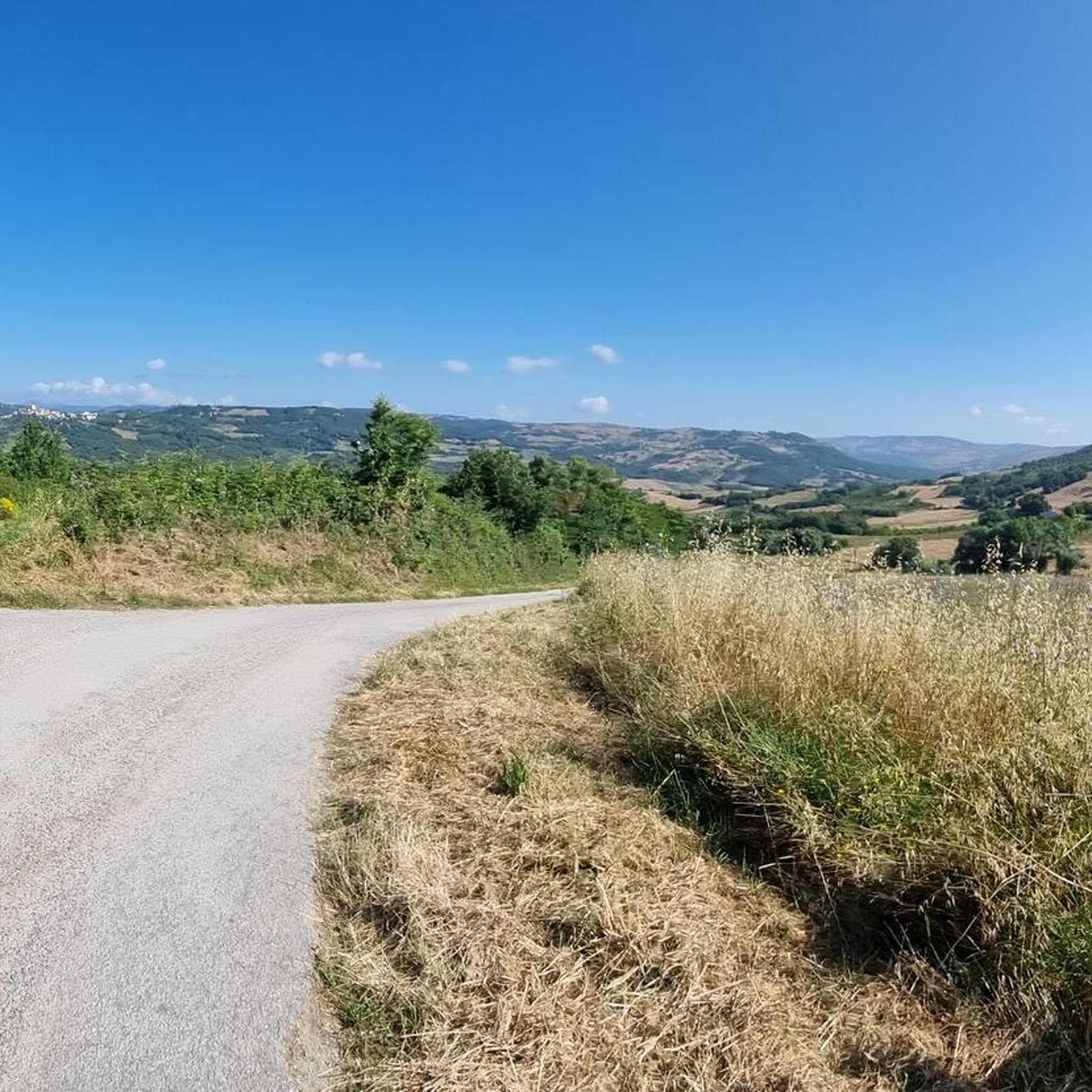
Well-equipped hermitage, it enjoys a breathtaking view and a very fresh water source
0
0

The Biferno spring which flows copiously from the rock, feeding a basin of crystalline water. A place of refreshment and peace a stone's throw from the town center of Bojano
0
0

Frosolone (Frescëlonë in Molise, Frusëlónë in Frosolonese dialect) is an Italian municipality of 2,797 inhabitants in the province of Isernia in Molise. The hypotheses which derive the name Frosolone from the Frosone, which some identify as the bird present in the municipal banner, must be considered Paretymologies, as well as that which associates it with an unidentified Samnite settlement cited by Livy, Fresilia and that according to which Frosolone it would have been founded by Benedictine monks coming from Frosinone, who would therefore have called the new settlement with the name of their place of origin. Before the Roman age the area was inhabited by Samnite populations, as evidenced by the presence of polygonal megalithic wall enclosures, visible on the mountain above the town, in the Civitelle area. These remains belong to what is defined as a high-altitude settlement: a fortified settlement of not very large dimensions, probably intended to be inhabited only in certain periods of the year, with generically defensive functions. As with many other centers in Molise, the medieval phase of the town ended drastically with the earthquake of 1456: according to what Antonino Pierozzi reports in his Chronicon, Frosolone was totally razed to the ground and there were 317 victims[16]; this information was then taken up by various authors, including Giovanni Antonio Summonte, who recalls how the town "largely fell, with the death of 318 people". There are regular testimonies of Frosolone starting from the Spanish period; in this era it went through an intense phase of development: together with Agnone and Trivento it hosted one of the three bishop's residences of the diocese. There is also a war fortification, which concerns very few centers in Molise, with the construction of an armed ravel in the area where today stands the so-called loggia dei pezzenti, the space known as Largo XX Settembre. In the early years of the 19th century, Frosolone was one of the most populous inhabited centers in the Molise countryside: in the same period in which it was close to 4,000 inhabitants, Agnone had around 7,500, Boiano around 3,500, Campobasso around 5,500, Isernia around 6,900. The 1805 earthquake imposed a major setback in the country's development; this second catastrophe seems to have had an equally disastrous outcome as that of 1456: sources of the time define it as "almost entirely adequate for the ground", and report a figure (how reliable it is not known) of a thousand deaths and 46 injuries out of a population of 4,000 souls. Source: Wikipedia
0
0
The Hermitage, at the foot of the Morgia Quadra of Frosolone (IS), is a true pearl. To welcome visitors, the ancient church of Sant'Egidio which, in the Middle Ages, was a chapel, dependent on the nearby convent of Sant'Onofrio. Protected by the Antonians, according to tradition, it has become famous for the numerous miraculous healings of which the monks were protagonists. At the beginning of 1300, after the Church of Rome excommunicated the congregation, the chapel was destroyed together with the convent of Sant'Onofrio. In the following years, it was rebuilt, probably by hermits and livestock sellers, who went to Sant'Egidio for the end-of-summer fair. In 1704, thanks to Michele Vago and Antonio Zaccagnino, a real church was built in place of the chapel. Falling to pieces with the earthquake of 1805, the small complex was rebuilt and subsequently restored several times. The last renovation took place in the 1980s. The church of Sant'Egidio represents a place of worship very dear to the people of Frosolone, above all because it houses the statue of the Crowned Virgin which, according to tradition, has appeared near the church several times. Furthermore, inside the sacred walls, an ancient and precious manuscript is preserved which lists some miracles performed by Sant'Egidio. Going beyond the church, what is most striking is, certainly, the surrounding landscape. In these sections, it is possible to see some horses in the wild or, more simply, calm herds of cows and flocks of sheep that, at sunset, go to water, after an abundant meal of fodder. The same one that makes Frosolone milk and cheeses so good as to satisfy the palates of the most severe gourmets. Source: www.moliseeccellenze.it There is also a fountain for hikers!
1
0

It is located at 1025m above sea level among beech woods. It was founded by the Cistercians or by the Templars in the 9th century. It was restored in the 20th century and consists of a church which was once a small monastery also used as a shelter for wayfarers.
0
0

The hermitage of Sant'Egidio is an ancient monastery on the eastern side of the Matese above the town of Bojano. It consists of a church with a single nave with a statue of the saint and is flanked by a mountain refuge equipped with picnic tables and a spring for water.
6
0

Natural springs where you can enjoy a little coolness on hot summer days.
1
0

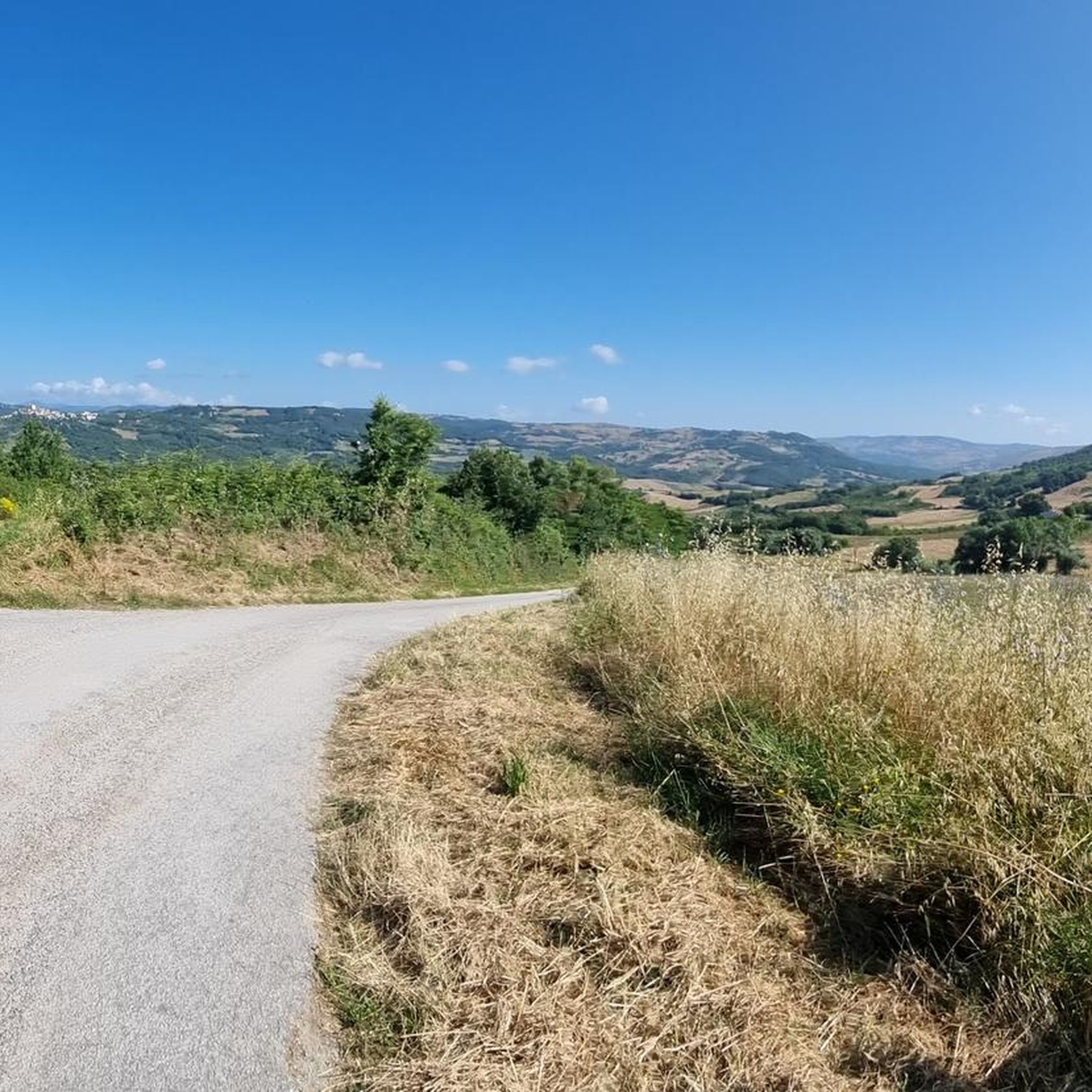
Very long climb but with very pedalable slopes, sometimes there are some torn ones but nothing special.
10
0
Frequently Asked Questions
What natural attractions can I explore near Spinete?
Spinete is nestled at the foot of the Matese Mountains, offering breathtaking views and a rich natural heritage. You can visit the Hermitage of Sant'Egidio, located at 1025m above sea level among beech woods, which also features a mountain refuge. The surrounding landscape includes fertile woods of chestnut, beech, and Turkey oak, and the area is part of the larger Parco Regionale del Matese.
Are there historical sites to visit in and around Spinete?
Yes, Spinete has a rich history. You can explore the Palazzo Baronale (also known as Palazzo Marchesale), which was once a stately residence. The Chiesa di Santa Maria Assunta, built in 1241, and the ancient Chiesa di San Pietro Apostolo are significant religious landmarks. Archaeological findings also indicate the presence of ancient Samnite settlements dating back to the 4th century BCE.
What outdoor activities are available in the Spinete area?
The Spinete area, with its mountainous terrain, is ideal for various outdoor activities. Cyclists can challenge themselves with the Ascent to Campitello Matese (Molise side), a long climb with an average gradient of 7%. The region also offers opportunities for hiking and running, with numerous trails winding through the Matese mountains.
Are there any family-friendly attractions or activities?
While specific family-friendly attractions are not detailed, the town of Bojano, located at the foot of the Matese mountains, is noted for its forest and river, making it a pleasant spot for families to explore. The natural surroundings of Spinete, including the Matese mountains, offer gentle walks and picnic opportunities suitable for families.
When is the best time of year to visit Spinete?
The summer months, particularly early August, are a vibrant time to visit Spinete due to the annual 'Estate Spinetese' (Spinete Summer) festival. For outdoor activities like hiking and cycling, late spring and early autumn offer pleasant temperatures and beautiful scenery, avoiding the peak heat of summer or potential winter snow in higher elevations.
What are some unique cultural aspects of Spinete?
Spinete is known for its devotion to Saint John the Baptist, its patron saint, reflected in the large Church of San Giovanni. The town is also renowned for its truffle production, particularly white truffles, making it a point of interest for culinary enthusiasts. The annual 'Estate Spinetese' festival in early August showcases local traditions and events.
Where can I find hiking trails near Spinete?
You can find a variety of hiking trails near Spinete, many of which start from nearby towns like Bojano. Popular routes include the 'Civita Superiore and the Hermitage of Sant'Egidio – loop from Bojano' and the 'Hermitage of Sant'Egidio loop from Bojano'. For more options and detailed routes, explore the Hiking around Spinete guide.
Are there cycling routes for different skill levels?
Yes, the region offers cycling routes ranging from moderate to difficult. The Ascent to Campitello Matese (Molise side) is a challenging climb for experienced cyclists. For a wider selection of routes, including longer and more demanding tours, consult the Cycling around Spinete guide.
What do visitors particularly enjoy about the attractions around Spinete?
Visitors appreciate the blend of historical landmarks and natural beauty. The Hermitage of Sant'Egidio is highly regarded for its serene location among beech woods and its historical significance. The scenic views from the Matese mountains and the opportunities for outdoor activities like cycling and hiking are also frequently enjoyed.
What is the 'Village of Knives' and where is it located?
The 'Village of Knives' refers to Frosolone, a municipality in the province of Isernia. Frosolone has a long history of craftsmanship, particularly known for its production of knives and other sharp tools. It's an interesting historical site with ancient Samnite origins and megalithic wall enclosures.
Is there a regional park nearby for nature lovers?
Yes, the Parco Regionale del Matese is a significant natural attraction in the vicinity of Spinete. This regional park offers extensive opportunities for nature observation, hiking, and enjoying the diverse flora and fauna of the Matese mountains.
What is the significance of Bojano in the region?
Bojano is a settlement located at the foot of the Matese mountains and serves as a crucial starting point for numerous excursions into the surrounding natural areas. It also boasts a historic center with a rich artistic and cultural heritage, making it a significant town for both outdoor enthusiasts and those interested in history.
Are there any specific religious landmarks worth visiting?
Beyond the main churches in Spinete, the Hermitage of Sant'Egidio is a notable religious building. It features an ancient church, once a chapel, and is deeply cherished by the people of Frosolone. It's known for its historical significance and the beautiful surrounding landscape.
Most popular attractions around Spinete

Get inspired with the komoot mobile app


Explore more
Still not found the Highlight you’re looking for? See guides of the top attractions in other regions:
