The best walks and hikes around Trinitapoli
4.6
(29)
206
hikers
39
hikes
Hiking around Trinitapoli offers diverse landscapes, from coastal areas to significant wetlands and riverine environments. The region is characterized by the vast Margherita di Savoia Salt Pans, the Ofanto River Regional Natural Park, and nearby coastal dunes. These features provide varied terrain for outdoor activities, including flat paths along salt pans and riverbanks. The area's low elevation and varied ecosystems support a range of hiking experiences.
Best hiking trails around Trinitapoli
- The most popular hiking route is Walk in the…
Last updated: August 17, 2026
4.0
(3)
7
hikers
Moderate hike. Good fitness required. Easily-accessible paths. Suitable for all skill levels.
5.0
(1)
4
hikers
Moderate hike. Good fitness required. Easily-accessible paths. Suitable for all skill levels.

Sign up for free
1
hikers
20.2km
05:05
20m
20m
Hard hike. Very good fitness required. Mostly accessible paths. Sure-footedness required.
3.0
(1)
23
hikers
Easy hike. Great for any fitness level. Easily-accessible paths. Suitable for all skill levels.
5.0
(5)
23
hikers
9.61km
02:26
20m
20m
Moderate hike. Good fitness required. Easily-accessible paths. Suitable for all skill levels.
Get access to more routes and recommendations from other explorers.
Sign up for free
Already have an account?
Our route recommendations are based on thousands of hikes, rides, and runs completed by other people on komoot.
Start today with a free account
Your next adventure awaits.
Login or Signup
Other adventures around Trinitapoli

Tips from the Community

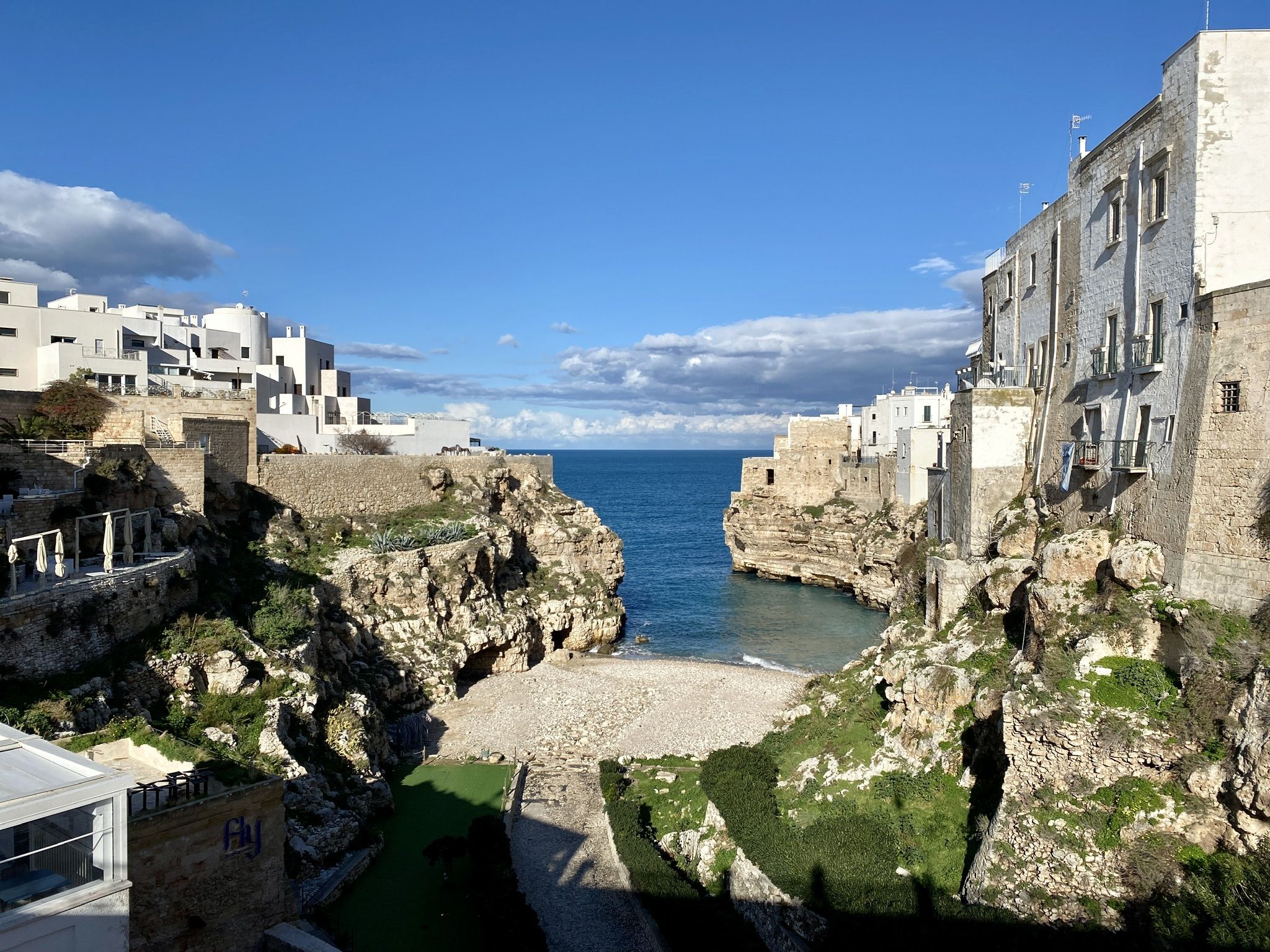
Enjoy the setting sun on the beach of Barletta
2
0

Impressive old testimonies.
1
0

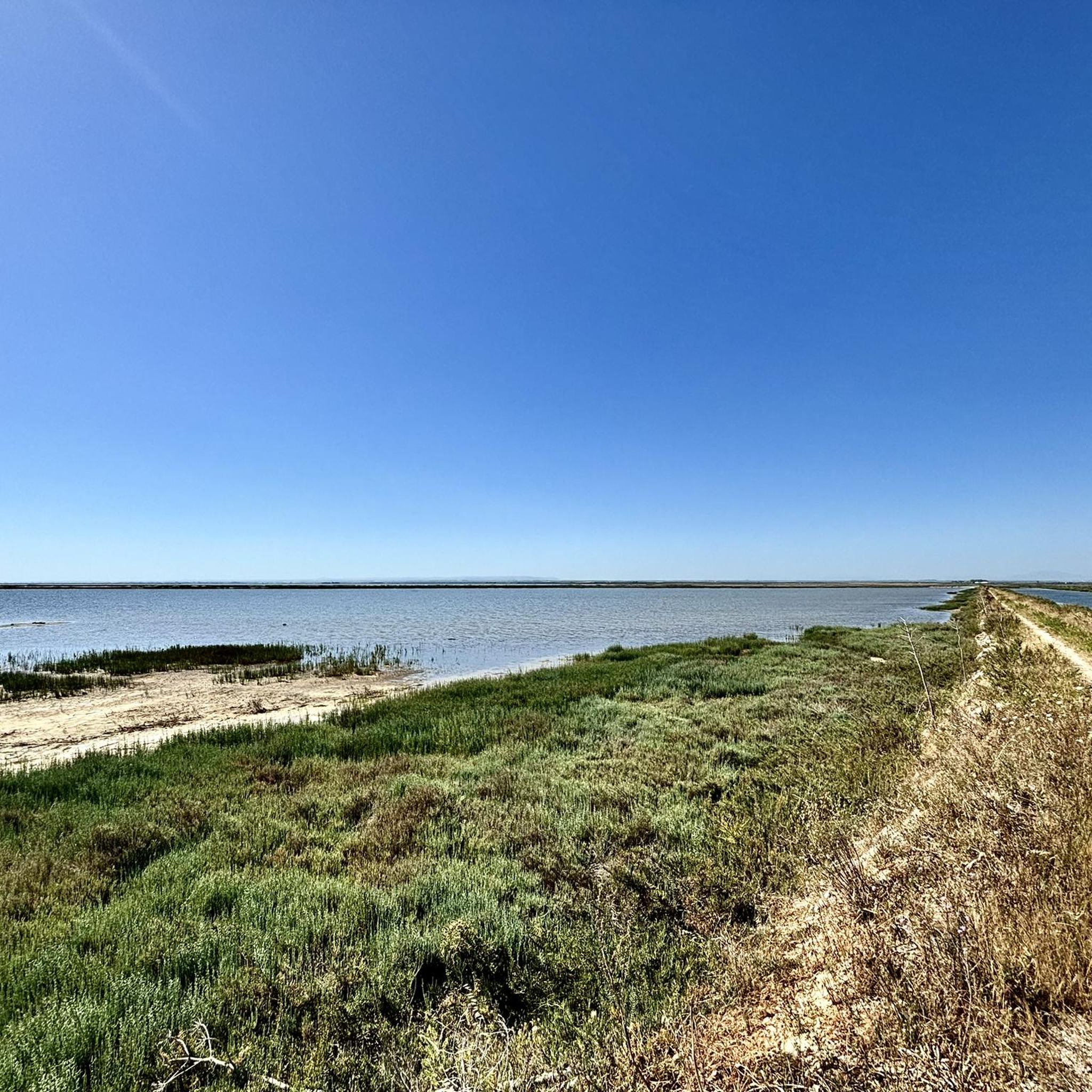
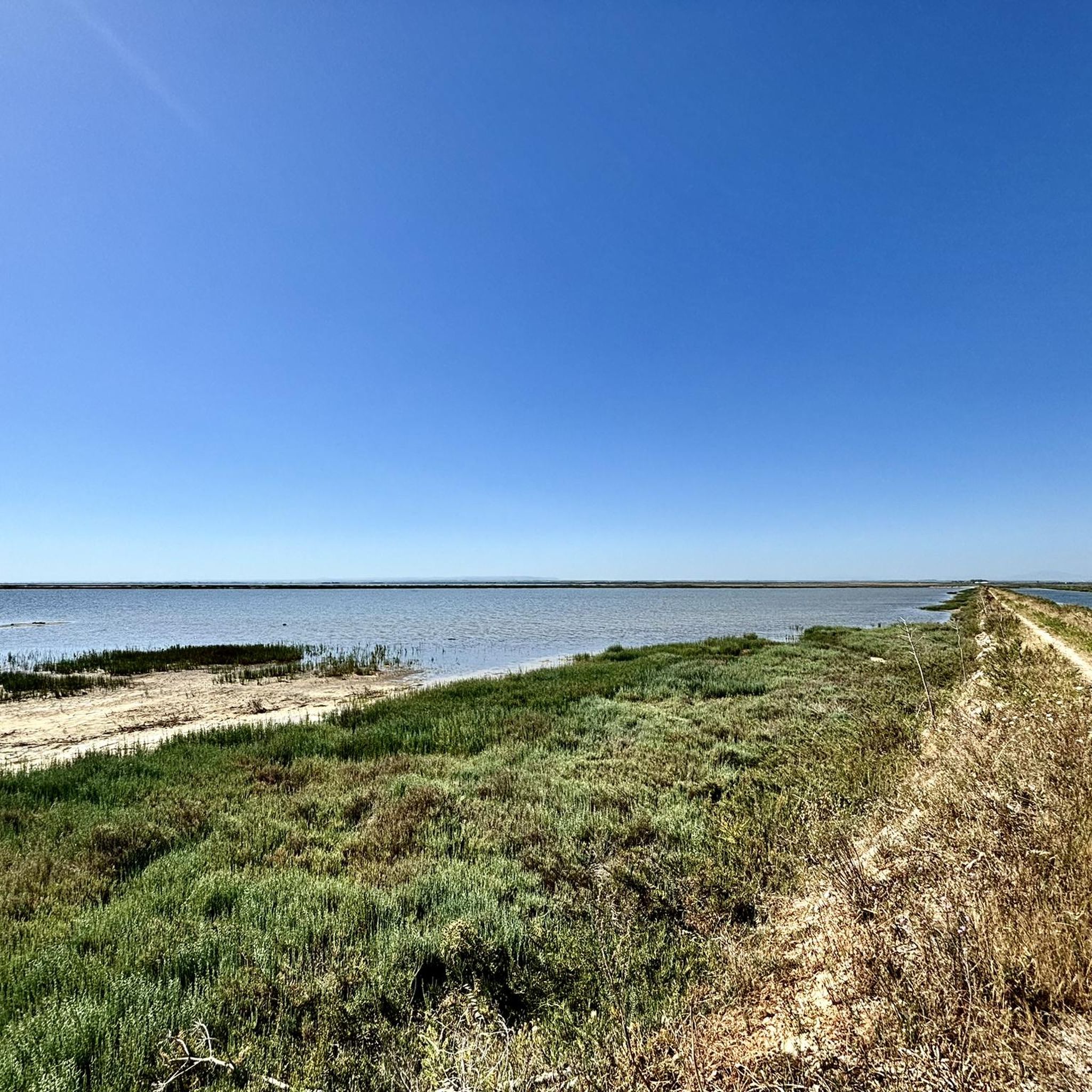
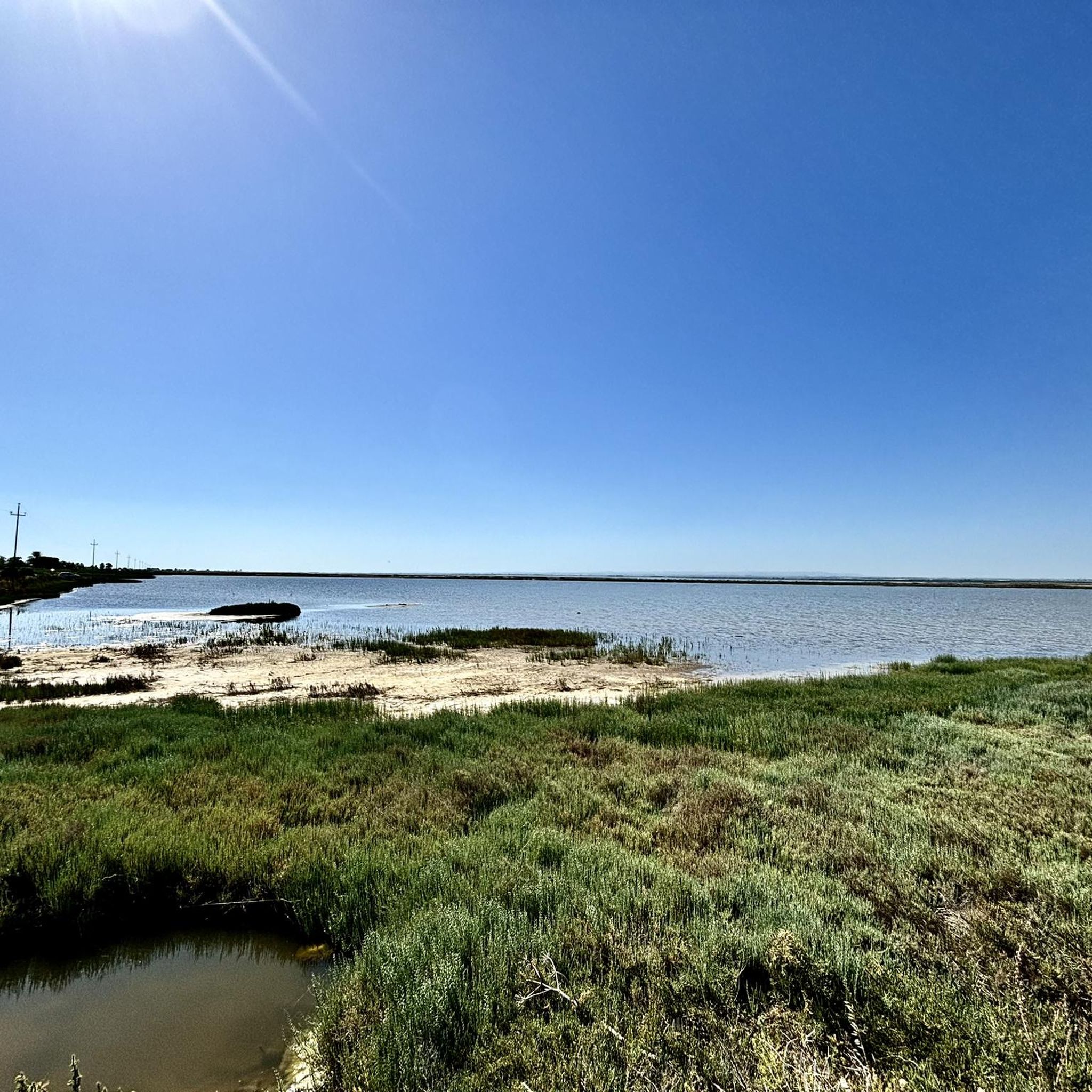
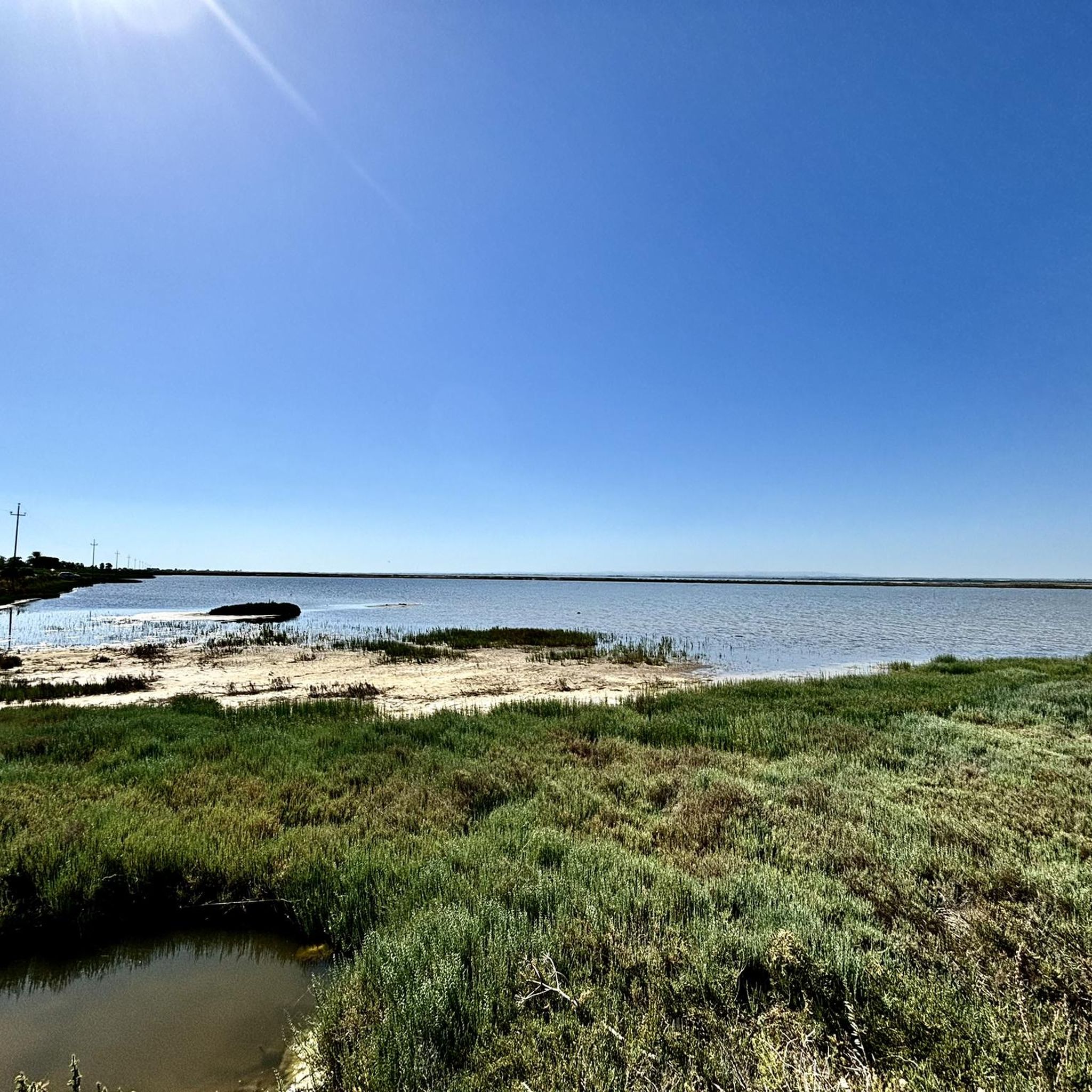
The salt pans of Margherita di Savoia are a protected natural area of Puglia established in 1977. They extend over an area of 4500 hectares, of which 4000 hectares are covered by water.
2
0
The church dates back to 1700 and is located in the center of Trinitapoli, an ancient medieval village in Puglia. In the same square, not far from the church, you can admire a beautiful anti-mafia mural.
2
0

They were the pylons of the cableway that transported salt from the salt pans of Margherita di Savoia to the port of Barletta.
5
0

Do any of you know what these antenna-like structures are? They are erected in a dead straight line in both directions. what are they for
2
0
Frequently Asked Questions
How many hiking trails are available around Trinitapoli?
There are over 25 hiking routes around Trinitapoli. These trails offer a variety of experiences, from easy strolls to more challenging excursions, exploring the region's unique landscapes.
What kind of terrain and difficulty levels can I expect for hikes in Trinitapoli?
The terrain around Trinitapoli is generally low in elevation, characterized by coastal paths, vast salt pans, and riverine landscapes. You'll find a good mix of difficulty levels: 17 easy routes, 6 moderate routes, and 2 more difficult trails, ensuring options for various fitness levels.
Are there any family-friendly hiking options in Trinitapoli?
Yes, Trinitapoli offers several family-friendly hiking options, particularly among the 17 easy routes available. These often feature flat paths suitable for all ages, such as urban walks or gentle coastal strolls. For example, the Walk in the city of Barletta – loop tour is an easy 5.8 km route that takes about 1 hour 30 minutes.
What are the typical durations for hikes around Trinitapoli?
Hikes around Trinitapoli vary in duration. You can find shorter walks, like the Walk in the city of Barletta – loop tour which takes about 1 hour 30 minutes. Longer, more challenging routes, such as the From Trinitapoli to the Margherita di Savoia salt pans – loop tour, can take around 5 hours.
What natural features or landmarks can I see while hiking near Trinitapoli?
Hiking near Trinitapoli offers diverse natural and historical sights. You can explore the vast Saline di Margherita di Savoia, one of Europe's largest salt pans, known for its unique landscape and birdlife. The From Trinitapoli to the Margherita di Savoia salt pans – loop tour provides extensive views of this area. Additionally, coastal routes like the Barletta Seafront – Castello di Barletta loop from Barletta Centrale FNB pass by historical landmarks such as the Castello di Barletta.
Are there opportunities for wildlife spotting on hikes in Trinitapoli?
Yes, Trinitapoli is an excellent area for wildlife spotting, especially birdwatching. The Saline di Margherita di Savoia and the adjacent Riserva Naturale Statale Il Monte are crucial resting and nesting grounds for numerous migratory birds, including grey herons, little egrets, and flamingos. The Ofanto River Regional Natural Park is also known for its biodiversity, with the otter being a symbolic animal of the valley.
Are there any circular hiking routes available?
Yes, many of the trails around Trinitapoli are designed as circular routes, allowing you to start and end at the same point. Examples include the Walk in the city of Barletta – loop tour and the challenging From Trinitapoli to the Margherita di Savoia salt pans – loop tour.
What do other hikers enjoy most about hiking in Trinitapoli?
The hiking routes in Trinitapoli are highly rated by the komoot community, with an average score of 4.4 stars from over 10 reviews. Hikers often praise the diverse landscapes, from the unique salt pans to the coastal paths and riverine environments, offering varied and engaging experiences.
Is public transport available to access hiking trailheads?
While specific public transport details for each trailhead are best checked locally, towns like Barletta, which feature popular routes such as the Barletta Seafront – Castello di Barletta loop from Barletta Centrale FNB, often have train stations or bus services that can provide access to the starting points of some trails.
What is the best time of year to go hiking in Trinitapoli?
The Apulia region, where Trinitapoli is located, generally offers pleasant hiking conditions during spring (April-May) and autumn (September-October) when temperatures are milder. Summer can be quite hot, especially in open areas like the salt pans, while winter offers a different, often quieter, experience, particularly for birdwatching.
Are there any coastal walks near Trinitapoli?
Yes, the coastline near Margherita di Savoia offers pristine beaches and dunes, perfect for relaxed walks. Routes like the Sandy Beach with Seashells – Frecce Tricolori Air Show loop from Lido Mussawa provide opportunities to walk along the clear blue waters and white sands, where you can also observe various bird species.
Most popular attractions around Trinitapoli

Get inspired with the komoot mobile app


Explore more
Browse the best Hikes in other regions.
