Top 6 Castles around Alife
Best castles around Alife are situated in the Province of Caserta, Campania, Italy, a region known for its historical depth and diverse landscape. The area features a mix of ancient fortifications, some integrated into urban centers and others positioned on panoramic hilltops. Alife itself has Roman origins, evident in its ancient city plan and archaeological sites. The castles in this region reflect centuries of historical stratification, from Lombard and Norman influences to later medieval periods.
Best castles around Alife
- The…
Last updated: July 1, 2026
Ducal Castle of Castelpagano
Highlight • Castle
Translated by Google •
Tip by

Prata Sannita
Highlight • Settlement
Translated by Google •
Tip by

Sign up now to discover places like this
Get recommendations on the best single tracks, peaks, & plenty of other exciting outdoor places.
Sign up for free
Faicchio
Highlight • Settlement
Translated by Google •
Tip by

Matese Castle
Highlight • Castle
Translated by Google •
Tip by

Rupecanina Castle
Highlight • Castle
Translated by Google •
Tip by

Sign up for free to discover even more castles around Alife.
Sign up for free
Already have an account?
Start today with a free account
Your next adventure awaits.
Login or Signup

Tips from the Community

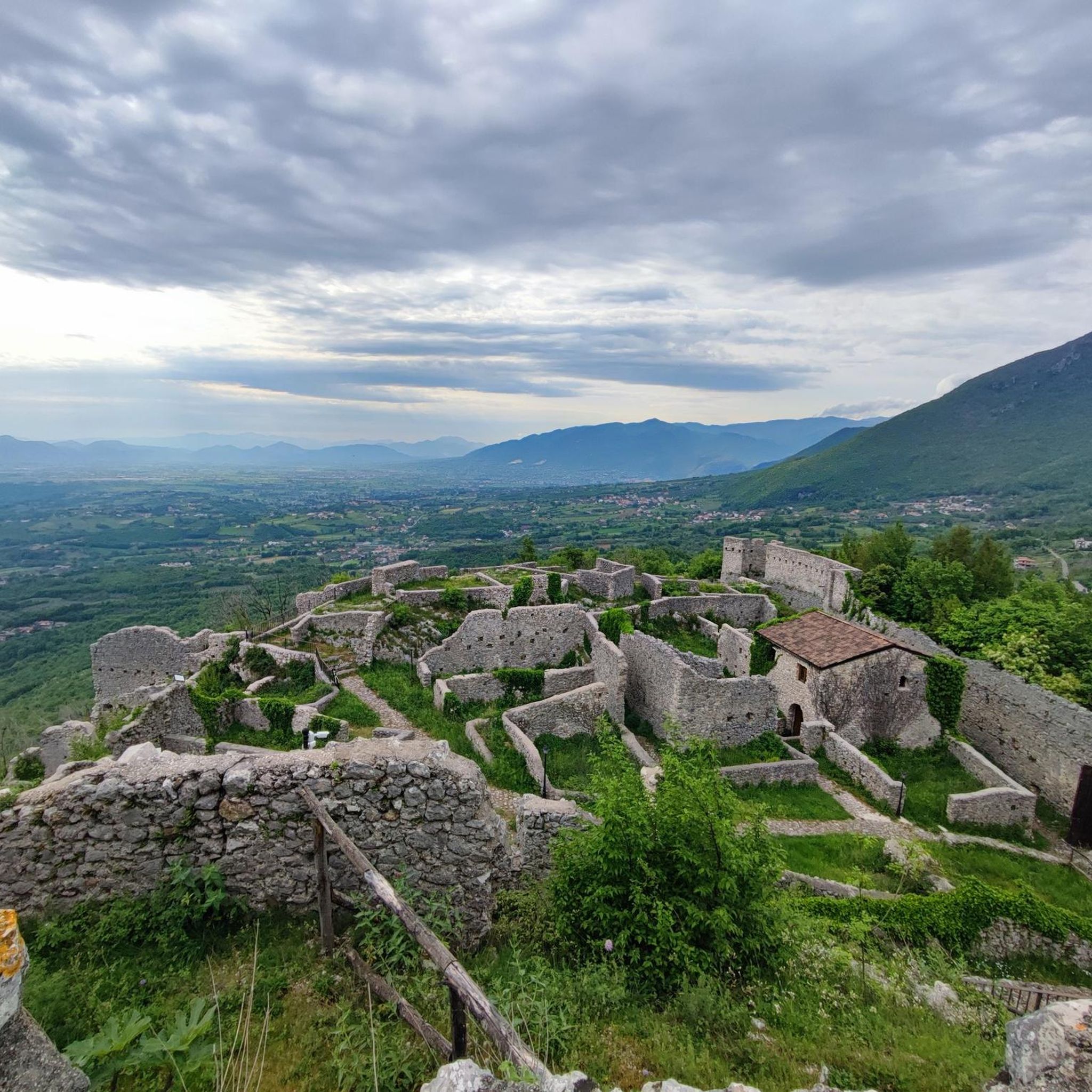
The fortress of Ravecanina (as it was later called) or Rupe Canina, an ancient medieval tower, was renovated by Frederick II, who assigned it to the Teutonic Knights. Today it is unfortunately abandoned.
0
0

An ancient castle located on top of a hill in a panoramic position. Unfortunately at the moment it is in a state of neglect despite being well preserved.
0
0

The castle of Faicchio is a historic medieval residence that dates back to the mid-12th century. It has an irregular polygon shape with three towers and a monumental entrance door. Today it is home to a museum, there is a restaurant and it is used for events and weddings.
1
0
The medieval village of Prata Sannita is located on a rock ridge overlooking the valley of the river Lethe. It is characterized by narrow and winding alleys, stairways, arches and stone portals. Here is also the castle, a medieval fortress that witnessed important historical events and is now home to several museums.
1
0

From Castello di Monte you have an incredible view of the valley floor. This town was an almost impregnable stronghold, there were five towers, of which two remain today. The layout of the city is medieval.
1
0

Faicchio is a small town located at an altitude of 175 m. The name comes from the Latin "fagus", which means beech. Populations were already present during prehistory and during the Roman period. Here there are various interesting monuments, including churches, caves and convents and the castle of Faicchio.
2
0

The building is private and hosts events such as weddings and first communions. Only in the presence of staff and availability can you make a visit
1
0

The municipality of Faicchio has a population of 3775 inhabitants and is located in the province of Benevento. As in all of Italy, viticulture also occupies a prestigious position among the agricultural activities of the region and the wines produced in the province are known for their originality and quality. The municipality of Faicchio is located at an altitude of 175 m a.s.l. . The municipal area of Faicchio has been inhabited since prehistoric times as evidenced by some finds found in the area, currently preserved in the Sannio museum in Benevento. [5] In the 6th century BC the Osco-Samnite megalithic walls that still surround the peak of Mount Acero date back to this day. They protected the so-called "Arce di monte Acero", a Samnite fortress to spot enemies. Most likely Mount Acero was the last outpost south of the Pentri and these were used to defend themselves from possible attacks by peoples further south. It was probably the site of a Roman settlement as evidenced by the remains of an aqueduct, a cryptoporticus and a bridge from that era. The Lombards founded a church dedicated to San Michele in a cave on Mount Monaco di Gioia. The first written record dates back to 1151 when Faicchio was counted among the possessions of the Sanframondo family, an important family of Norman origin that had all the municipalities of the Titernina valley as a fief.
1
0
Frequently Asked Questions
What makes the castles around Alife unique?
The castles in the Alife region offer a deep dive into historical stratification, from Lombard and Norman influences to later medieval periods. Many, like the medieval village of Prata Sannita, are integrated into ancient settlements or positioned on panoramic hilltops, reflecting centuries of strategic importance and urban development. Alife itself has Roman origins, with its castle remnants integrated into the ancient city plan.
Are there family-friendly castles to visit near Alife?
Yes, several castles and historical sites in the region are suitable for families. The Ducal Castle of Castelpagano, for example, is a historic medieval residence that hosts events, offering a glimpse into its past. Exploring the medieval village of Prata Sannita with its fortress and museums can also be an engaging experience for all ages.
What outdoor activities can I do near the castles in Alife?
The area around Alife offers various outdoor activities. You can find numerous cycling routes, such as the 'Lavello Gorges – Porta Romana of Alife loop' or the 'Piedimonte Matese – Alife Historic Center loop'. For hikers, there are trails like the 'Valle dell'Inferno Loop Trail' or the 'Castello di Alife loop'. You can explore more options on the Hiking around Alife or Cycling around Alife guide pages.
Which castles offer the best panoramic views?
For stunning panoramic views, consider visiting Rupecanina Castle, which is situated on top of a hill. The medieval village of Prata Sannita, located on a rock ridge overlooking the Lethe river valley, also provides excellent vistas of the surrounding landscape.
Can I visit the historic Castello di Alife?
The Castello di Alife is heavily integrated into the urban fabric of the town. While much of its original structure is gone due to centuries of earthquakes and warfare, visitors can still observe significant remnants, including one largely intact tower and parts of its integration into the ancient Roman-era city walls. It offers a unique opportunity to explore ancient urban planning and historical stratification within the town of Alife.
What is the best season to visit the castles around Alife?
The region generally experiences pleasant weather during spring (April-May) and autumn (September-October), making these ideal seasons for exploring the castles and enjoying outdoor activities. Summers can be hot, while winters are milder but may have more rainfall.
Are there any castles near Alife that have been renovated or are well-preserved?
The Rupecanina Castle, an ancient medieval tower, was renovated by Frederick II and is noted for being well-preserved despite its current state of neglect. The Ducal Castle of Castelpagano is also a well-maintained historic residence that hosts events.
What kind of historical context does the town of Alife itself offer?
Alife is rich in history, boasting a Roman amphitheater (once the fourth largest in Italy), a Roman cryptoporticus, and various other Roman ruins. The town's rectangular layout reflects its ancient Roman 'castrum' plan. The castles in the area, including the remnants of the Castello di Alife, are part of this continuous historical narrative, from Samnite and Roman foundations to its medieval role.
Are there any museums associated with the castles in the region?
Yes, the medieval fortress within the village of Prata Sannita now houses several museums. Additionally, the Ducal Castle of Castelpagano is home to a museum.
What are some lesser-known or 'hidden gem' castles in the Alife area?
While not a hidden gem in the sense of being unknown, the remnants of the Castello di Alife itself, integrated into the town's urban fabric, offer a unique and often overlooked perspective on historical fortifications compared to more traditional, standalone castles. Exploring its connection to Alife's Roman past provides a deeper historical insight.
What are the best photography spots for castles around Alife?
The panoramic position of Rupecanina Castle on its hilltop offers excellent opportunities for photography, especially at sunrise or sunset. The medieval village of Prata Sannita, with its narrow alleys, stone portals, and the fortress overlooking the valley, also provides picturesque settings for capturing the region's historical charm.
Are there any castles near Alife that are part of a larger settlement or village?
Yes, the medieval village of Prata Sannita is a prime example. It's located on a rock ridge and includes a medieval fortress that is an integral part of the settlement. Similarly, the Castello di Alife is deeply integrated into the ancient town of Alife itself, reflecting its role in the city's historical development.
Most popular attractions around Alife

Get inspired with the komoot mobile app


Explore more
Looking for the best castles somewhere else? Discover other guides around Alife:
