Attractions and Places To See around Pietragalla - Top 20
Best attractions and places to see around Pietragalla include a blend of historical, cultural, and natural features in the Basilicata region of Southern Italy. The town is situated on a plateau at 839 meters above sea level, characterized by rolling hills and ancient olive groves. Visitors can explore its well-preserved medieval architecture and unique winemaking traditions. The area offers opportunities to connect with nature through its scenic landscapes.
Best attractions and places to see around Pietragalla
- The most popular attractions…
Last updated: October 19, 2026
Vaglio Basilicata
Highlight • Settlement
Translated by Google •
Tip by

Potenza
Highlight • Settlement
It is also known as the 'vertical city' due …
Translated by Google •
Tip by

Sign up now to discover places like this
Get recommendations on the best single tracks, peaks, & plenty of other exciting outdoor places.
High-altitude scenic crossroads
Highlight • Trail
Translated by Google •
Tip by

Palmenti of Pietragalla
Highlight • Historical Site
Translated by Google •
Tip by

Church of Santa Maria dei Templari
Highlight • Religious Site
Translated by Google •
Tip by

Sign up for free to discover even more attractions around Pietragalla.
Already have an account?
Start today with a free account
Your next adventure awaits.



Tips from the Community


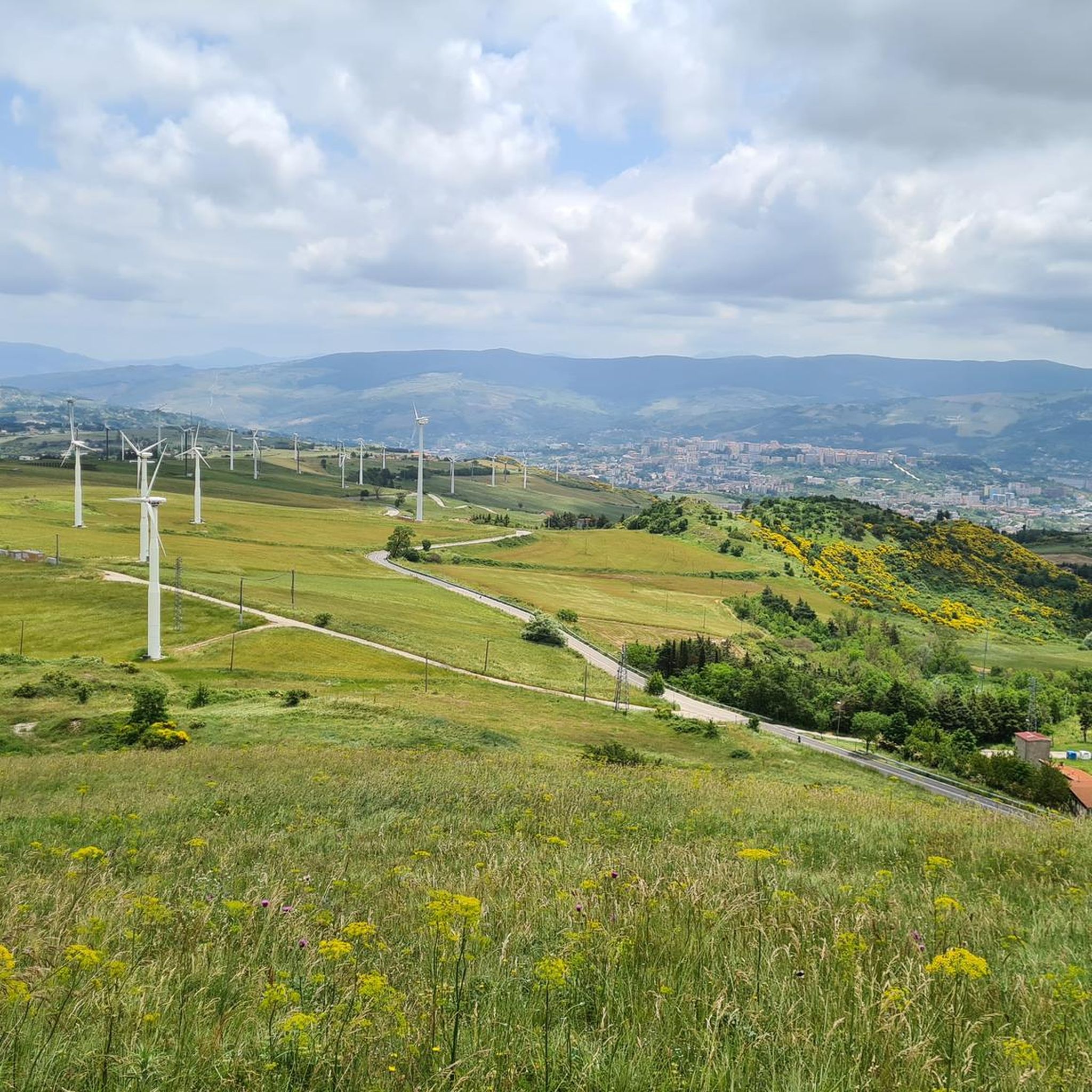
This crossroads enjoys a panoramic location near Vaglio Basilicata. At approximately 1,000 meters above sea level, it offers beautiful views of the surrounding valleys, where—among other things—there is an interesting archaeological site.
0
0

The church was built between the last years of the 12th century or the beginning of the 13th century by the order of the Templars. In fact, precisely in those years, between 1190 and 1191, the counts of Santasofia, lords of Rivischio, lords of a district near Potenza, took part in the third crusade and returned to the city, building the place of worship. In 1488, the Count of Potenza, Innico de Guevara, enlarged and embellished the church and built a convent next to it.
0
0

Pietragalla, a small town known for its "Palmenti" or "rutte", cave cellars dug into the rock, preserves thousand-year-old stories. You walk through the alleys of the medieval village, guided by the bell tower of San Nicola di Bari and the Palazzo Ducale. Local history tells of the French influence and heroism during the Brigandage. Nearby, the ancient settlement on Monte Torretta reveals precious archaeological remains.
0
0

Municipality perched on a plateau at 839 m a.s.l. particularly famous for its millstones and its elegant ducal palace.
1
0

Potenza is the capital of Basilicata. It is located at 819m above sea level in the center of the Basento Valley. It is also known as the 'vertical city' due to its development on the hills. It is also known as the 'City of the Hundred Stairs' due to the numerous ancient and modern stairs that connect the streets of the city.
0
0

A small village in the Lucanian hinterland where the inhabitants speak a Gallo-Italic dialect, Vaglio is definitely worth a visit.
0
0

Il toponimo Vaglio, deriva presumibilmente dal nome Balios, che, nella mitologia greca, indica il progenitore di una razza di cavalli. Da questa ipotesi si può dedurre che in questa località si allevasse questa razza di cavalli, e che trattandosi di un mito greco, i primi insediamenti furono greci. Questa ultima deduzione è corroborata dal fatto che in località Rossano di Vaglio sono stati ritrovati reperti tombali, armature e scudi greci, attualmente conservati presso il Museo Archeologico Nazionale. L'attuale paese di Vaglio fu probabilmente fondato a seguito del trasferimento in Basilicata verso il XII secolo di nuclei di popolazione originaria dell'Italia settentrionale giunti al seguito di signori feudali in epoca normanna (XI-XII secolo)[4] e angioina (XIII secolo). Il territorio di Vaglio, dopo un lungo periodo di spopolamento (nel 1277 vi erano 210 abitanti), è appartenuto dal 1496 agli Orsini, potente famiglia romana, concorrente ai Colonna e ai Conti di Tuscolo. In seguito alla ribellione degli Orsini all'imperatore Carlo V, nel 1530 Vaglio fu ceduto a Don Filiberto De Chalon, principe di Orange, amico dell'imperatore, per poi ritornare a Ferdinando Orsini nel 1560. La successione dei potentati proseguì e l'universitas di Vaglio continuò ad essere oggetto di contesa. Nel 1569 Vaglio passa ad un certo Giovanni del Tufo, per poi essere riacquistato dai duchi di Gravina. Solo nel 1582 si riscattano da ogni forma di servitù, si riscattano al consistente prezzo di 21000 ducati, ma non riuscendo a raccogliere la somma, il territorio viene posto all'asta per 34000 ducati. Quando venne venduto ai Massa, peggiorarono le condizioni di vita dei contadini perché questi si erano impossessati dei demani comunali e dello spazio dedicato al pascolo, negandone l'uso ai cittadini, in completo contrasto con le leggi di tutela. Questi erano tra i cosiddetti Ministeriales, che si erano sostituiti alla vecchia nobiltà, che sfruttavano il territorio il più possibile. Questo malcontento scoppiò nel 1647, anno della rivolta Napoletana, quando, grazie ad una rivolta, riottennero l'utilizzo del pascolo. La sua proprietà, data in dote a Gabriella Massa, passò al Barone di Laurenzana, Francesco Quarto. Vaglio rimase ai Quarto fino alla fine del feudalesimo. Per ordine di Carlo di Borbone, nel 1740 le Università devono avere un catasto, tra cui anche Baglio. Nel 1741 avviene la scissione di beni ecclesiastici, ora pienamente tassati, da quelli appartenenti al clero, tassati a metà. Questi verranno soppressi e messi in vendita nel 1792, ma gli unici acquirenti furono feudatari e borghesi, date le possibilità economiche, rafforzando il proprio potere economico. Nel 1741, Baglio tentò di rimuovere il proprio feudatario portando 9 capi di accuse al Sacro Consiglio. La cittadina fu teatro di uno rivolta popolare tra le due fazioni dominanti nel 1796, di cui quella di estrazione borghese, capeggiata da Daniele Carbone, l'altro di estrazione nobiliare capeggiata dai Catalano. Nel 1799, l'anno della repubblica Partenopea, i Catalano, di estrazione nobiliare si schierano dalla parte dei reazionari, e radicalizza l'odio tra le 2 famiglie. Intanto il 3 febbraio dello stesso anno, viene costituita una nuova municipalità con presidente Don Matteo Danzi, da parte della borghesia di Carbone e del mondo rurale, perché desiderosi di una riforma agraria, che consentisse una distribuzione dei terreni del demanio, ma questa ebbe vita breve perché l'8 dello stesso mese, per sollecitazioni del Cardinale Ruffo, una rivolta, capeggiata da Don Matteo Catalano, scacciò i repubblicani del paese. Ma nel 26 febbraio, i Carbone, fuggiti a Tolve, con l'aiuto dei repubblicani tolvesi, rientrarono in Vaglio, e mettono in fuga i Catalano. Carbone divenne Presidente con segretario il sacerdote Don Giovanni Danzi. Quando ci fu però il ripristino del vecchio regime, sempre nel 1799, Vaglio si alleò con Cancellara, Tolve e San Chirico Nuovo, per autodifesa e per salvare la repubblica. Il tentativo fallì, ma il barone Quarto perse ogni prestigio sociale, creando terreno fertile per i Francesi. Nel1806, quando Giuseppe Bonaparte abolì il feudalesimo, il demanio venne diviso tra i comproprietari. Dall'11 novembre 1807, con la proroga del 18 Nov 1808, una commissione composta da alti magistrati viene instituita per definire e concludere tutte le liti giudiziarie. Quando il suo lavoro termina, il 31 agosto 1810, venne elogiata per la sua equità ed efficienza dai Borboni, che la integrarono nella propria burocrazia. Intanto, il 29 agosto 1809, si concluse il riordino del catasto Nel 18 ottobre 1860, ci fu l'Abolizione dei privilegi del clero, divenuta legge nel 17 febbraio 1861. Nel Dicembre 1860 Vennero richiamati in servizio tutti i soldati dell'ex esercito borbonico, questo portò una protesta anche a causa della concomitanza dell'aumento del prezzo del pane. Così, nel 1861, ci fu un'Insurrezione popolare, guidata da una popolana della famiglia "Ciaiodd". Nel 22 marzo 1861 la repressione della rivolta popolare a Napoli. Verrà comunicato il 6 aprile
0
1
Frequently Asked Questions
What historical sites can I explore in Pietragalla?
Pietragalla is rich in history. You can explore its well-preserved medieval old town with narrow, winding streets. Key historical sites include the Palmenti of Pietragalla, an extraordinary complex of rock-cut structures used for winemaking, and the Palazzo Ducale, a significant historical building that was once a castle.
What are the unique winemaking structures in Pietragalla?
The most unique winemaking structures are the Palmenti of Pietragalla. These are approximately 200 rock-cut structures, often described as resembling 'hobbit homes,' used for winemaking until the 1960s and 70s. They feature carved troughs for grape crushing and tanks for fermentation, offering a fascinating insight into ancient winemaking techniques.
Are there any notable religious buildings to visit in Pietragalla?
Yes, Pietragalla features several religious buildings. The Mother Church is a prominent fixture at the crown of the historic center. Other churches include San Nicola, Madonna delle Grazie, Sant'Antonio, and San Cataldo. Nearby, you can also find the Church of Santa Maria dei Templari, built by the Templars, and the Church and Convent of San Francesco, dating back to 1274.
What kind of natural landscapes can I expect around Pietragalla?
Pietragalla is nestled in the rolling hills of Basilicata, offering stunning views over a landscape of green fields and ancient olive groves. The town itself is a hilly village, and the surrounding area is characterized by three hills named La Terra, San Michele, and La Serra. This provides a serene natural beauty for visitors.
Are there opportunities for hiking or outdoor activities near Pietragalla?
Yes, the hilly landscape around Pietragalla provides excellent opportunities for outdoor activities. You can find various hiking trails, including moderate routes like the 'Monte Carmine – Pink Flowers in Nature loop'. For more options, explore the hiking guide around Pietragalla.
Where can I find panoramic views of the surrounding area?
For breathtaking panoramic views, visit the High-altitude scenic crossroads near Vaglio Basilicata. Situated at approximately 1,000 meters above sea level, it offers expansive views of the surrounding valleys and the picturesque Basilicata landscape.
Is Pietragalla suitable for family visits?
Pietragalla offers a blend of historical and natural attractions that can be engaging for families. Exploring the unique Palmenti can be an interesting educational experience, and the surrounding natural areas provide space for outdoor activities. The capital city of Potenza, nearby, is also categorized as family-friendly.
What is the best time of year to visit Pietragalla for outdoor activities?
The Basilicata region generally enjoys pleasant weather for outdoor activities during spring (April-May) and autumn (September-October). These seasons offer milder temperatures, making hiking and exploring the historical sites more comfortable than the hotter summer months.
What is the main town near Pietragalla that I might visit?
The most prominent town nearby is Potenza, which is the capital of Basilicata. Located at 819 meters above sea level, it's known as the 'vertical city' due to its development on hills and offers a blend of historical and urban exploration.
What is the historical significance of Pietragalla's old town?
Pietragalla's historic center was founded about a thousand years ago. Its narrow, winding streets and central landmarks like the Palazzo Ducale and Mother Church tell stories of a rich past. The town was central to local community life, particularly around its winemaking traditions, and even played a role in local resistance during a brigand revolt in 1861.
Are there any museums in Pietragalla?
Yes, for those interested in local heritage, Pietragalla has a special Museum of Peasant Civilization. This museum offers insights into the traditional life and culture of the region's agricultural past.
What do visitors particularly appreciate about the attractions around Pietragalla?
Visitors appreciate the authentic Italian experience, away from more bustling tourist destinations. The unique Palmenti are a major draw, offering a fascinating glimpse into ancient winemaking. The well-preserved medieval architecture and the serene natural beauty of the surrounding hilly landscape are also highly valued.
Can I find trails for gravel biking near Pietragalla?
Yes, the area around Pietragalla offers opportunities for gravel biking. You can find routes like the 'Pantano di Pignola – Lago di Pignola Cycle Path loop'. For a comprehensive list of trails, refer to the gravel biking guide around Pietragalla.
Are there running trails available around Pietragalla?
Absolutely. There are several running trails in the vicinity of Pietragalla, including routes like the 'Potenza City Center – Potenza loop' and the 'Basento River – Cascata del Basento loop'. You can explore more options in the running trails guide around Pietragalla.
Most popular routes around Pietragalla
Most popular attractions around Pietragalla

Get inspired with the komoot mobile app


Explore more
Still not found the Highlight you’re looking for? See guides of the top attractions in other regions:
