Attractions and Places To See around Aliano - Top 19
Best attractions and places to see around Aliano offer a unique blend of literary heritage, cultural sites, and dramatic natural landscapes. This historic hill town in Basilicata, Italy, is deeply connected to the writer Carlo Levi and the distinctive "calanchi" geological formations. Visitors can explore sites related to Levi's exile and experience the striking "moon-like" landscape. The area provides opportunities to discover both historical settlements and natural wonders.
Best attractions and places to see around Aliano
- The most popular attractions…
Last updated: October 9, 2026
Alianello Vecchia
Highlight • Settlement
In the end the silence, …
Translated by Google •
Tip by

Road Through the Calanchi of Aliano
Highlight (Segment) • Gorge
Translated by Google •
Tip by

Sign up now to discover places like this
Get recommendations on the best single tracks, peaks, & plenty of other exciting outdoor places.
Viewpoint over the Bersagliere Ravine
Highlight • Viewpoint
Discover our Basilicata by bike on viaggiatorelento.com
Translated by Google •
Tip by

Aliano
Highlight • Settlement
Literally suspended over the Lucan gullies.
Translated by Google •
Tip by
Aliano, the village featured in Christ Stopped at Eboli
Highlight • Settlement
Discover our Basilicata by bike on viaggiatorelento.com
Translated by Google •
Tip by
Sign up for free to discover even more attractions around Aliano.
Already have an account?
Start today with a free account
Your next adventure awaits.

Other adventures around Aliano

Tips from the Community

Gagliano, the current Aliano described by Levi in his Christ Stopped at Eboli is still recognizable in the author's description. Discover our Basilicata by bike on www.viaggiatorelento.com
0
0

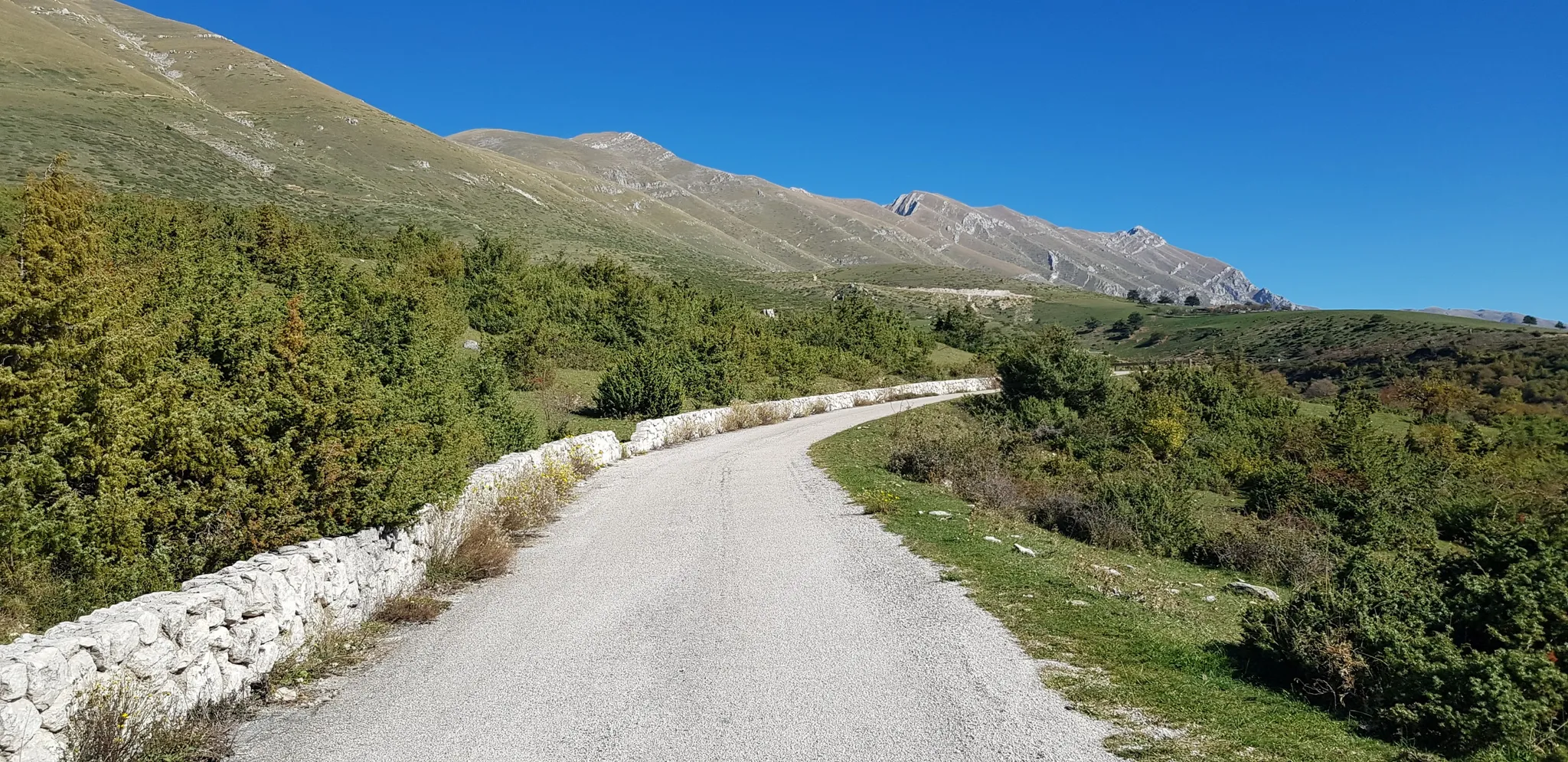
Beautiful stretch of road that connects Vituri to Alianello Nuovo. There is a viewpoint from which you can admire the gullies of Aliano.
2
0

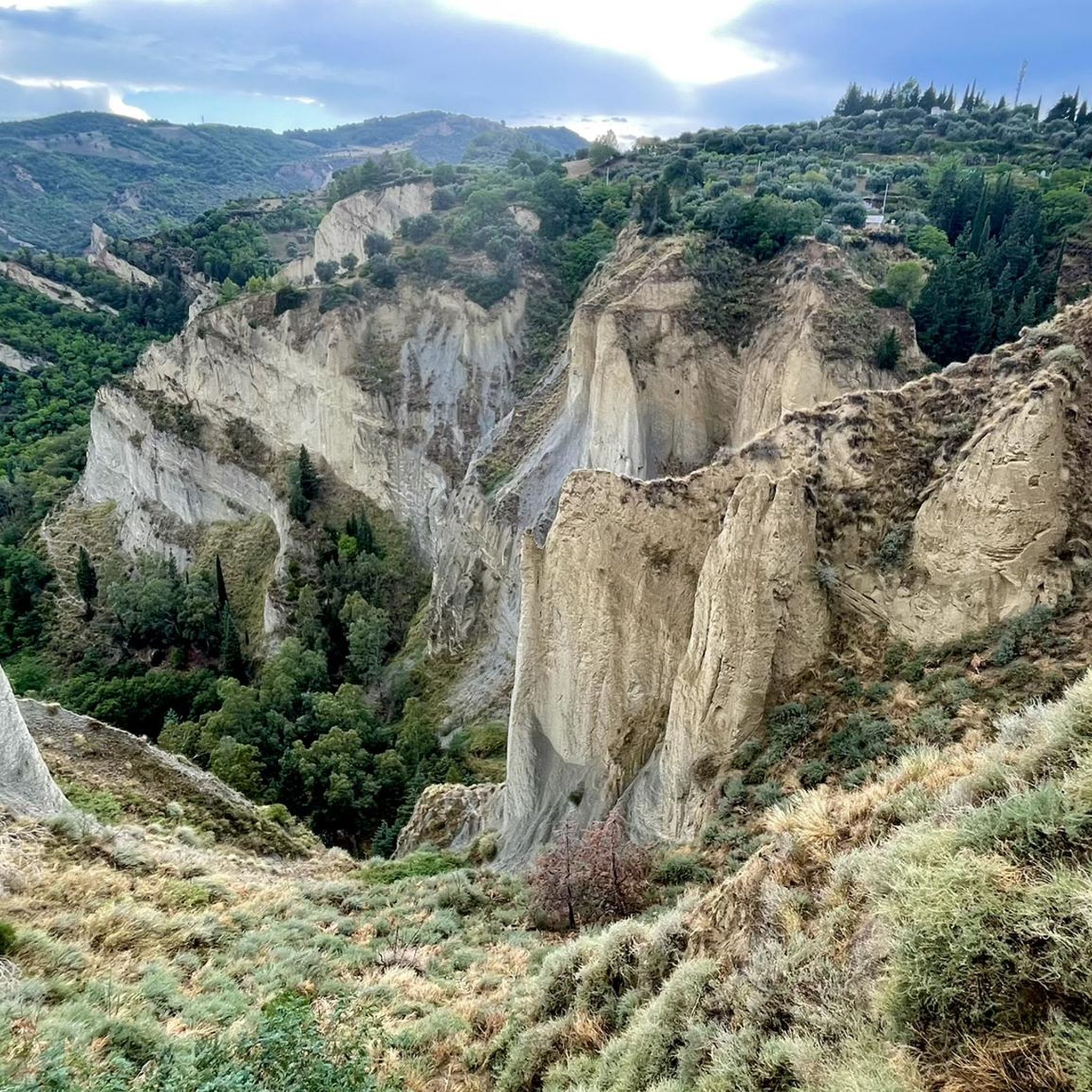
the facts of past times so as not to forget... a story of brigandage and a bersagliere watches over this panorama... This is Basilicata too 🥰
0
0
Various everyday objects left there, almost in a hurry, occupy the heart. Arranged but practical and functional construction styles ask for movement for the mind. In the end the silence, created by the wind and the birds, make one think of desolation and the abandonment of one's loved ones. A unique place that MUST be visited... but in silence, without breaking the peace created upstream of the gullies. This is also Basilicata 🥰
3
0
small village abandoned following earthquakes and landslides between the beginning and the end of the 20th century. still maintains the houses with furniture and a breathtaking view of the gullies. Discover our Basilicata by bike on www.viaggiatorelento.com
1
0
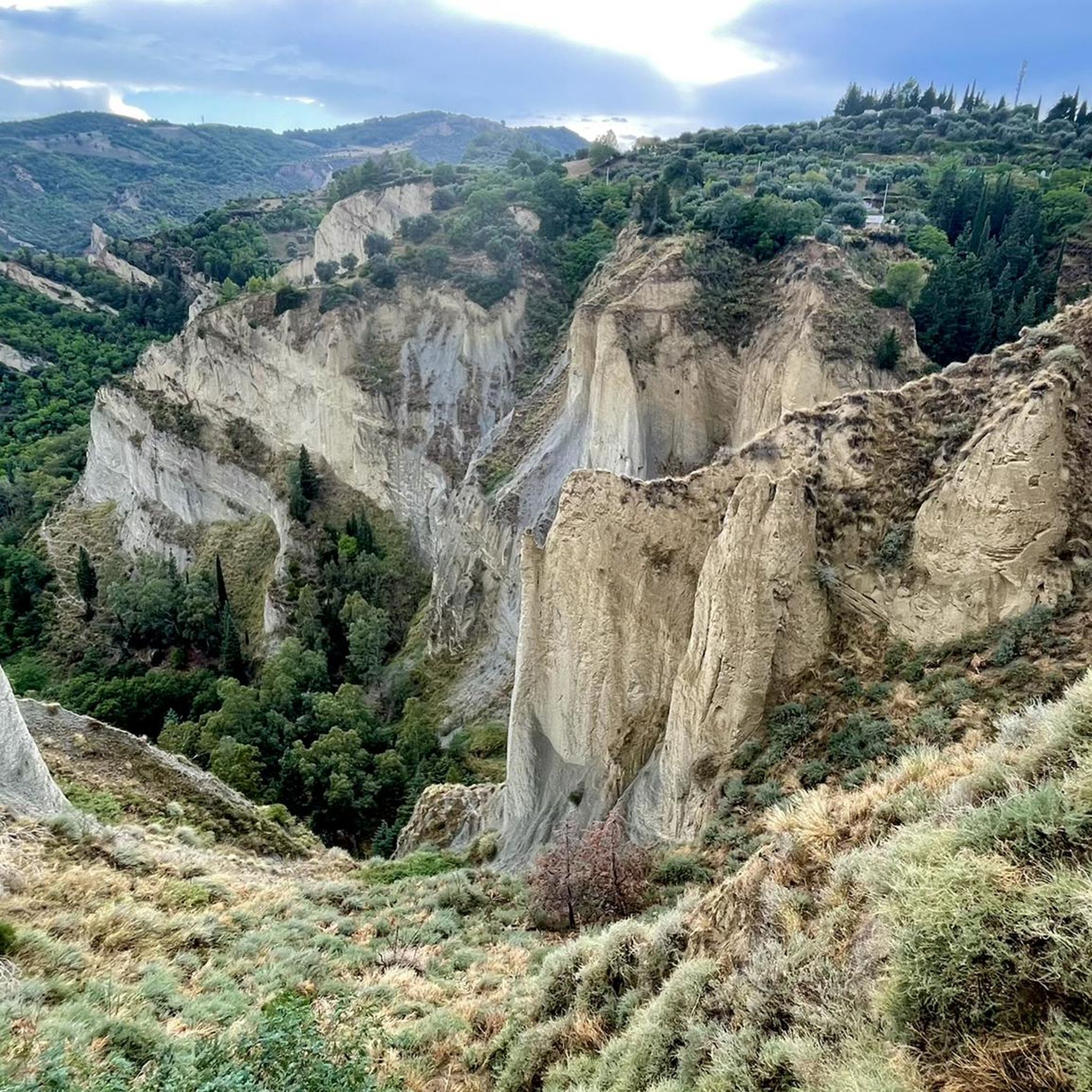
Belvedere on the Fosso del Bersagliere in Aliano. The places described by Carlo Levi in his Christ Stopped at Eboli. Discover our Basilicata by bike on www.viaggiatorelento.com
0
0
it seems to travel in a time stopped in the mid-fifties of the last century. Spectacular views of the Aliano gullies and then discover the village of Alianello abandoned for several decades. The arrival in the valley along a series of hairpin bends not always with a perfect road surface. Discover our Basilicata by bike on www.viaggiatorelento.com
0
0
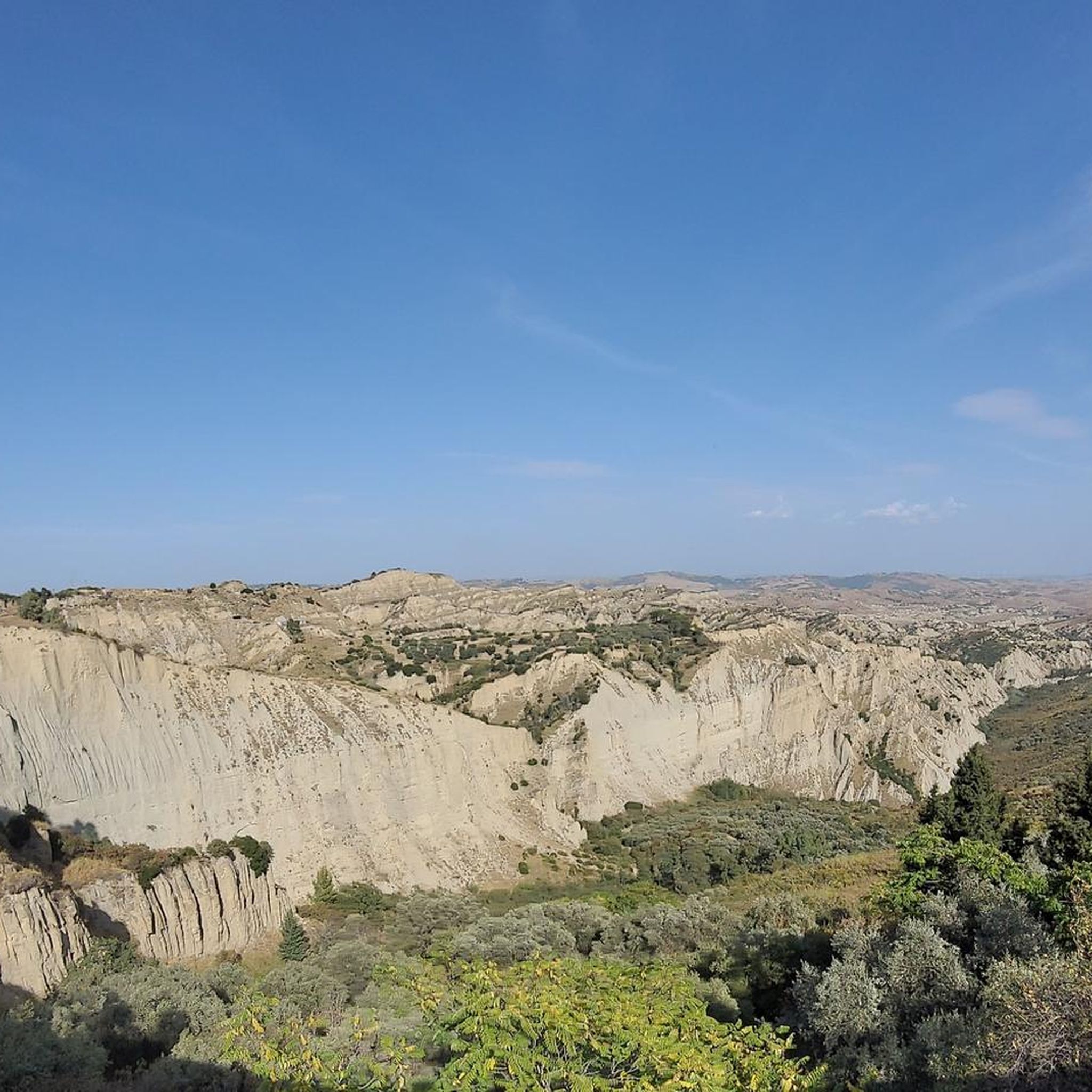
Aliano, an ancient Lucanian village famous for hosting Carlo Levi during his confinement in the Fascist era. Place of setting of the novel "Christ Stopped at Eboli". Literally suspended over the Lucan gullies.
0
0
Frequently Asked Questions
What unique natural landscapes can I explore around Aliano?
Aliano is renowned for its dramatic "calanchi" landscape, characterized by striking clay ridges, ravines, and pinnacles formed by erosion. This moon-like terrain offers unique views and opportunities for exploration. You can experience this by driving along the Road Through the Calanchi of Aliano, which provides spectacular views of these gullies.
What historical sites are there to visit in Aliano?
Aliano boasts a rich history, deeply connected to the writer Carlo Levi. You can visit the Carlo Levi Literary Park and the House of Carlo Levi (Casa Museo Carlo Levi), which commemorates his exile and work. Other historical sites include the 16th-century Church of San Luigi Gonzaga, the Museum of Rural Civilisation, and the intriguing House of the Evil Eye. You can also see the Alianello Vecchia, an abandoned settlement with houses still containing furniture, offering a glimpse into the past.
Are there any viewpoints offering panoramic vistas of the region?
Yes, Aliano offers several breathtaking viewpoints. The Viewpoint over the Bersagliere Ravine provides panoramic views of the Fosso del Bersagliere, a landscape famously described by Carlo Levi. Additionally, various viewpoints along the Strada del Parco dei Calanchi di Aliano offer stunning panoramas of the distinctive clay formations and the Valle d'Agri.
What outdoor activities can I do near Aliano's attractions?
The area around Aliano is excellent for outdoor activities, especially hiking and cycling. You can find numerous routes that allow you to explore the unique calanchi landscape, olive groves, and rocky terrains. For detailed hiking options, check out the Hiking around Aliano guide, which includes routes like 'Narrow alleys in Aliano – View of the Badlands loop'. Cyclists can explore routes such as the 'Aliano and the Calanchi Loop' found in the Cycling around Aliano guide.
What is the significance of Carlo Levi in Aliano?
Carlo Levi, a renowned writer and painter, was exiled to Aliano during the Fascist era, a period he vividly described in his seminal book "Christ Stopped at Eboli." His time in Aliano deeply influenced his work and brought international attention to the town and its unique culture. The Carlo Levi Literary Park and the House of Carlo Levi serve as central cultural hubs commemorating his legacy and exploring the region's history.
Are there any family-friendly attractions or activities in Aliano?
While Aliano's attractions are largely historical and natural, many can be enjoyed by families. Exploring the abandoned village of Alianello Vecchia can be an intriguing adventure for older children, and the dramatic calanchi landscape offers unique scenery for walks. The Museum of Rural Civilisation provides an educational insight into local traditions and handicrafts.
What do visitors enjoy most about the attractions around Aliano?
Visitors particularly appreciate the unique blend of literary history and dramatic natural beauty. Many are captivated by the abandoned settlement of Alianello Vecchia, noting the preserved everyday objects and the profound sense of peace. The spectacular views along the Road Through the Calanchi of Aliano and from the Viewpoint over the Bersagliere Ravine are also highly praised for their immersive experience of the 'moon-like' landscape.
Can I find cafes or places to eat near the main attractions in Aliano?
Yes, Aliano's main gathering place, Piazza del Popolo, is bordered by cafés and small shops. This square serves as a central point where you can find refreshments and enjoy local life, often with extensive views of the surrounding plains and hills.
What is the best time of year to visit Aliano for outdoor activities?
The best time to visit Aliano for outdoor activities like hiking and cycling is typically during the spring (April to June) and autumn (September to October). During these seasons, the weather is generally mild and pleasant, making it ideal for exploring the calanchi landscape and surrounding countryside without the intense heat of summer.
Are there any unique cultural traditions or events in Aliano?
Aliano, particularly through the Carlo Levi Literary Park, actively promotes local identity and traditions. The Piazza del Popolo often serves as a venue for local festivals. The Museum of Rural Civilisation also showcases objects related to farming and handicraft, including characteristic 'horned masks' used during Carnival, offering a glimpse into the region's unique cultural heritage.
Where can I find medieval remnants in Aliano?
You can explore the remains of Medieval Walls in Aliano, which offer a tangible connection to the village's defensive origins and historical character. These ancient structures provide insight into the town's past and its strategic importance.
Is there a scenic drive to experience the Calanchi landscape?
Absolutely. The Road Through the Calanchi of Aliano is a beautiful stretch that connects Vituri to Alianello Nuovo. It's a scenic road that winds through the heart of the Calanchi Park, offering immersive and spectacular views of this unique geological formation, making for a memorable drive.

Get inspired with the komoot mobile app


Explore more
Still not found the Highlight you’re looking for? See guides of the top attractions in other regions:
