Attractions and Places To See around San Nicola Dell'Alto - Top 3
Best attractions and places to see around San Nicola Dell'Alto, an Arbëreshë village in Calabria, offer a blend of historical, cultural, and natural features. Founded by Albanian immigrants in the 15th century, the village maintains its unique heritage and traditions. The area features historical sites, cultural museums, and natural viewpoints, providing diverse experiences for visitors.
Best attractions and places to see around San Nicola Dell'Alto
- The most popular attractions is Strongoli, a settlement that sits picturesquely on a table…
Last updated: July 14, 2026
Strongoli
Highlight • Settlement
Translated by Google •
Tip by

Umbriatico Village
Highlight • Settlement
Translated by Google •
Tip by
Sign up now to discover places like this
Get recommendations on the best single tracks, peaks, & plenty of other exciting outdoor places.
Sign up for free
Verzino rock caves
Highlight • Cave
Translated by Google •
Tip by

Panoramic Road of Bova
Highlight (Segment) • Viewpoint
Translated by Google •
Tip by

Strongoli Village
Highlight • Settlement
Translated by Google •
Tip by

Start today with a free account
Your next adventure awaits.
Login or Signup
Popular around San Nicola Dell'Alto
Tips from the Community

I did this 3-day hike and visited STRONGOLI, the ancient alleys and the small streets that communicated strategically with each other and simply brilliant
0
0
If you are looking for an ancient village, simplicity and tranquility, this is the right place
0
0

The Verzino caves are cavities carved into the limestone rock along the Vitravo Valley, used since the Byzantine era as shelters, dwellings, and places of worship. Some still retain traces of frescoes and carvings, evidence of the daily and religious life of the communities that once inhabited this area.
0
0

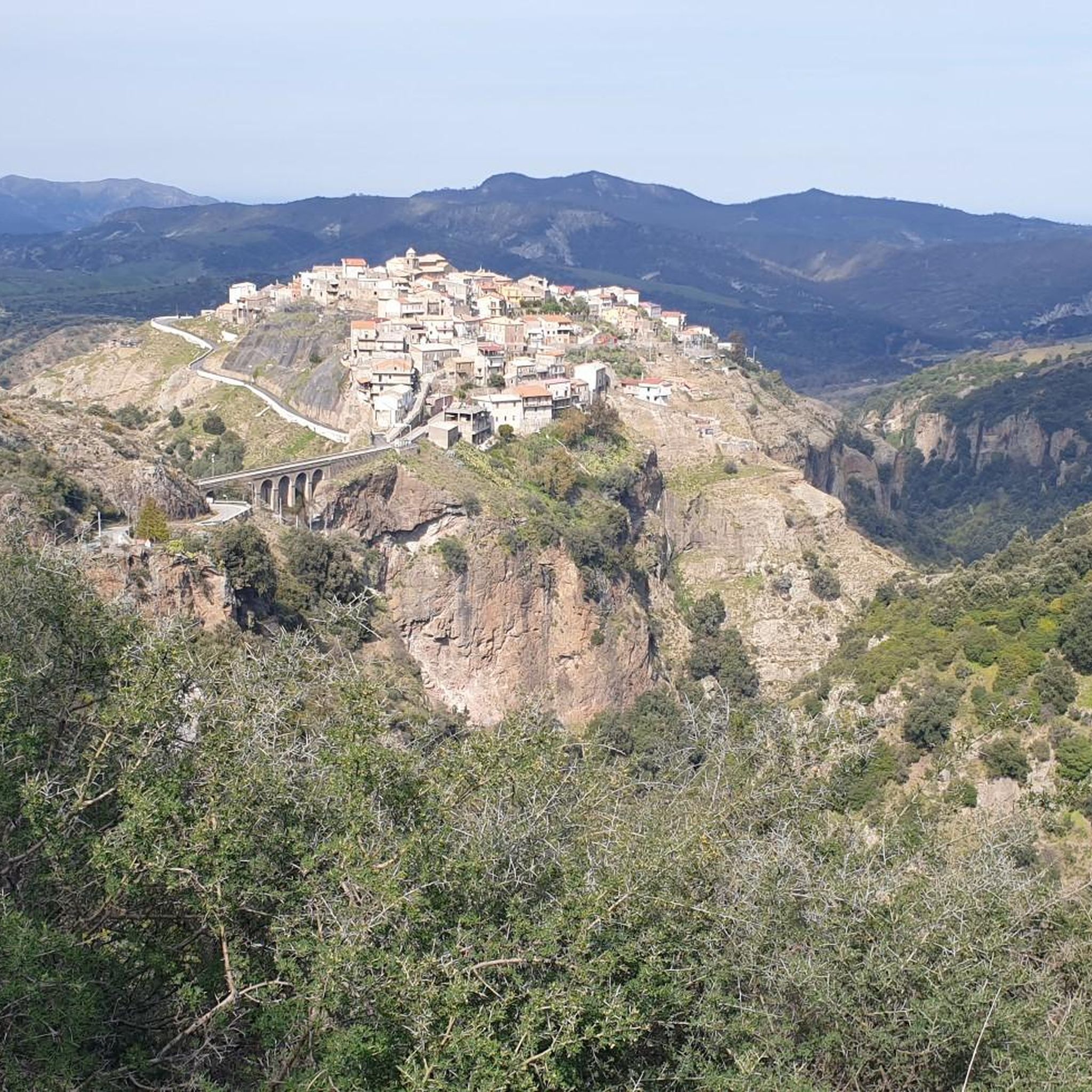
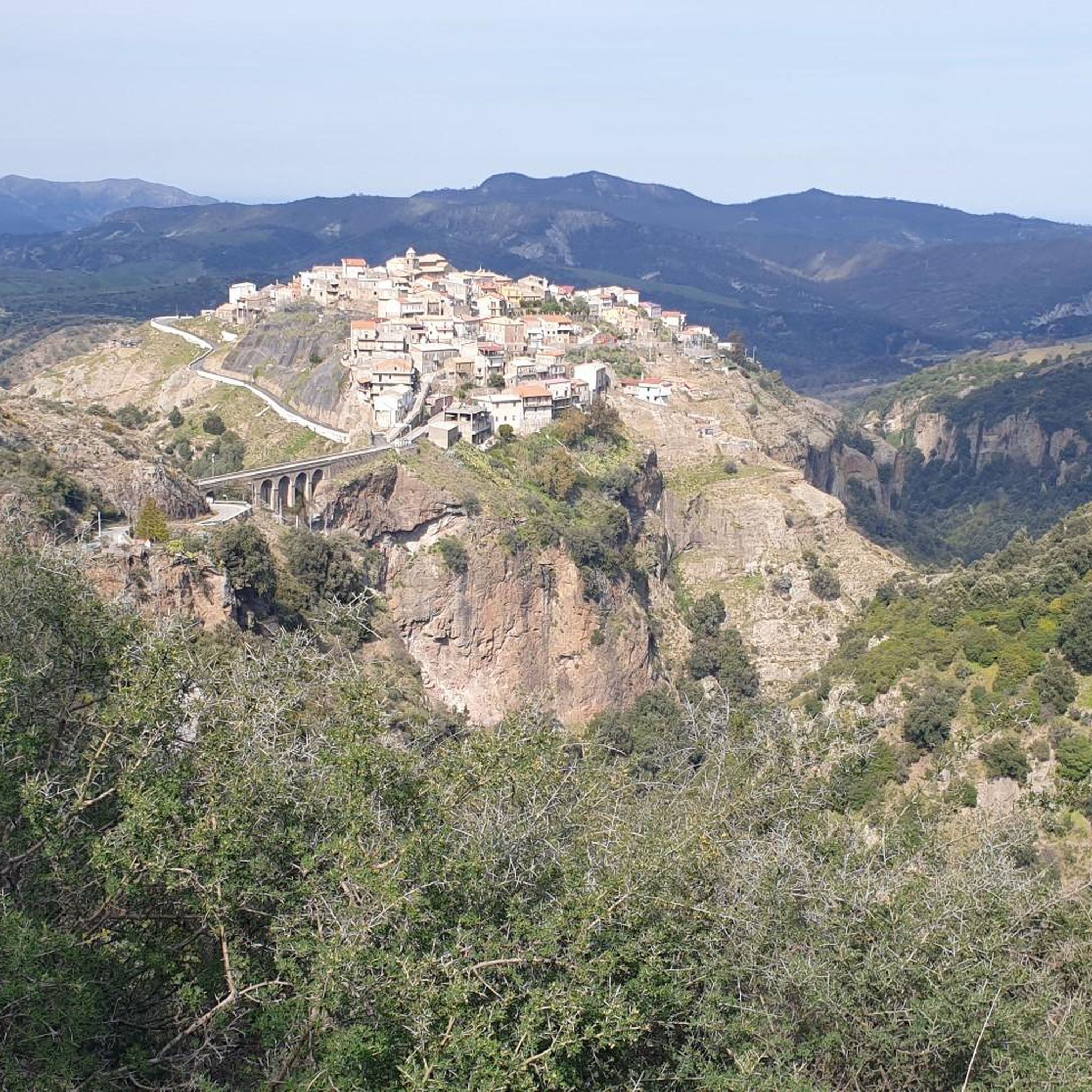
A picturesque town on a charming hill. Strongoli, located near the sea, boasts an enchanting coastline. Its name, "Strongoli", has origins from Byzantine Greek, alluding to the shape of the hill on which the town stands.
0
0
Umbriatico, located in the province of Crotone in Calabria, is a small town known for its connection with agriculture, livestock and forestation. One of its main features is the cliff on which it was built. Described by historians and poets as a place difficult to access and surrounded by spectacular landscapes, this town has never needed a castle since the rock on which it stands represents a natural fortress. Its history dates back to ancient times, with ties to the city of Bristacia and Roman rule.
0
0

Winding road surrounded by nature and with little traffic. In summer it may be advisable to walk it in the coolest hours of the day.
1
0

The place sits picturesquely on a table mountain and overlooks the entire region to the Sila N.P. and to the sea. Winding alleyways and the atmosphere of formerly better times characterize the place.
0
0
Frequently Asked Questions
What historical and cultural sites can I explore in and around San Nicola Dell'Alto?
San Nicola Dell'Alto is rich in history. You can visit the Chiesa Madre, the Shrine of San Michele Arcangelo on Mount San Michele, and the Church of San Domenico, which was the first church built in the area. Nearby, the Verzino rock caves offer a glimpse into ancient shelters and places of worship. Further afield, consider the historic Santa Severina Castle or the Florense Abbey of San Giovanni in Fiore.
Where can I find the best panoramic views in the San Nicola Dell'Alto area?
For breathtaking panoramic views, head to the Shrine of San Michele Arcangelo on Mount San Michele, which offers vistas of the Marchesato hills and the sea. Within the village, there's also a belvedere. The Panoramic Road of Bova also provides scenic outlooks, and the village of Strongoli, perched on a table mountain, offers extensive views.
Are there any unique cultural experiences in San Nicola Dell'Alto related to its Arbëreshë heritage?
Yes, San Nicola Dell'Alto proudly preserves its Arbëreshë heritage. You can visit the Museum of Peasant Culture (Museo della civiltà contadina) to see artifacts from daily life. There's also a Historical and Cultural Photo Exhibition showcasing ancient inhabitants in traditional clothing, and a Traditional Clothes Making Workshop that highlights the village's textile art.
What natural attractions are worth visiting near San Nicola Dell'Alto?
Beyond the panoramic views from Mount San Michele, the agricultural landscape itself is a natural feature, known for cereals, olives, grapes, and citrus fruits. For a more extensive natural experience, the Sila National Park, though further away, offers ancient forests, wildlife, and a botanical garden.
What kind of cycling routes are available around San Nicola Dell'Alto?
The area around San Nicola Dell'Alto offers various cycling routes. You can find road cycling options like the 'Aragonese Tower – View from Torre Melissa loop' or the 'San Nicola dell'Alto – Umbriatico Village loop'. For touring bicycles, routes such as 'San Nicola dell'Alto – Panoramic Road of Bova loop' are available. You can explore more options on the Road Cycling Routes around San Nicola Dell'Alto and Cycling around San Nicola Dell'Alto guide pages.
Are there any family-friendly attractions or activities in the area?
While specific family-focused attractions aren't highlighted, the Museum of Peasant Culture offers an educational and engaging experience for all ages. Exploring the picturesque villages like Strongoli or Umbriatico Village can also be an enjoyable family outing, offering gentle walks and historical insights.
What are some interesting nearby villages to visit from San Nicola Dell'Alto?
Several charming villages are within a reasonable distance. Strongoli is a picturesque town on a table mountain with winding alleyways and views of the Sila National Park and the sea. Umbriatico Village is uniquely built on a cliff, historically serving as a natural fortress. Belcastro, with its 11th-century Conti d'Aquino Castle, is another notable option.
What is the best time of year to visit San Nicola Dell'Alto for outdoor activities?
Given the region's climate, spring (April-May) and autumn (September-October) are generally the best times for outdoor activities like cycling and exploring. The weather is typically milder and more pleasant than the hot summer months, making it ideal for enjoying the panoramic views and historical sites.
Are there any ancient or unique geological features to see?
Yes, the Verzino rock caves are a significant geological and historical feature. These cavities carved into limestone rock along the Vitravo Valley were used since the Byzantine era and still retain traces of frescoes and carvings.
What agricultural products is the San Nicola Dell'Alto region known for?
San Nicola Dell'Alto is an agricultural center, particularly known for its production of cereals, olives, grapes, and citrus fruits. It's part of the Consortium for PDO (Protected Designation of Origin) olive oil production, and local wines are also recognized for their quality.
Are there any specific monuments or memorials in San Nicola Dell'Alto?
The village features a monument dedicated to the fallen of the two world wars, built on the site of the demolished Church of Purgatory. There is also a monument to Giorgio Castriota Skanderbeg, who is considered the father of Arbëreshë culture, reflecting the village's unique heritage.
Most popular routes around San Nicola Dell'Alto

Get inspired with the komoot mobile app


Explore more
Still not found the Highlight you’re looking for? See guides of the top attractions in other regions:
