The best road cycling routes around Pöggstall
4.4
(66)
2,689
riders
14
rides
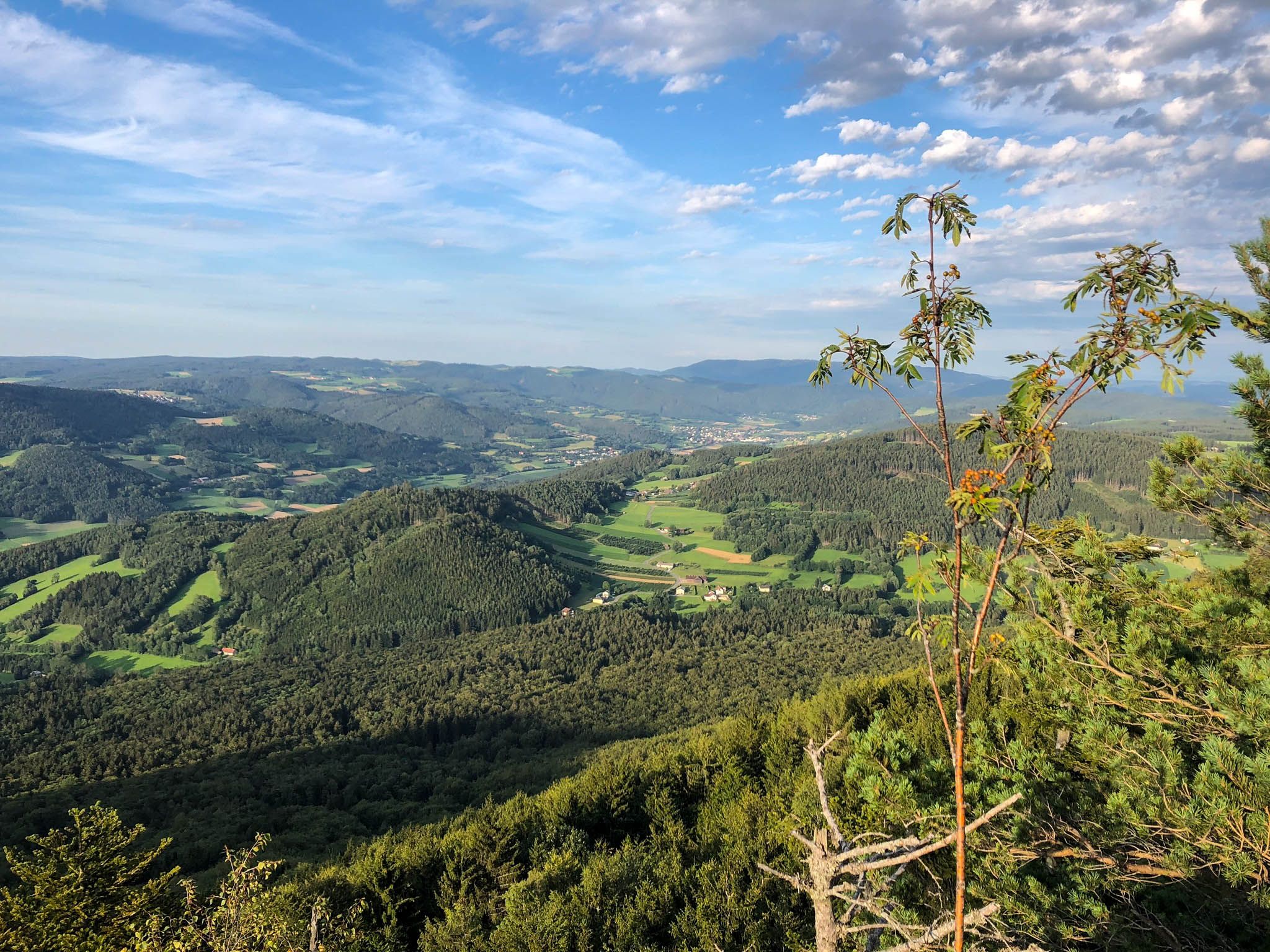
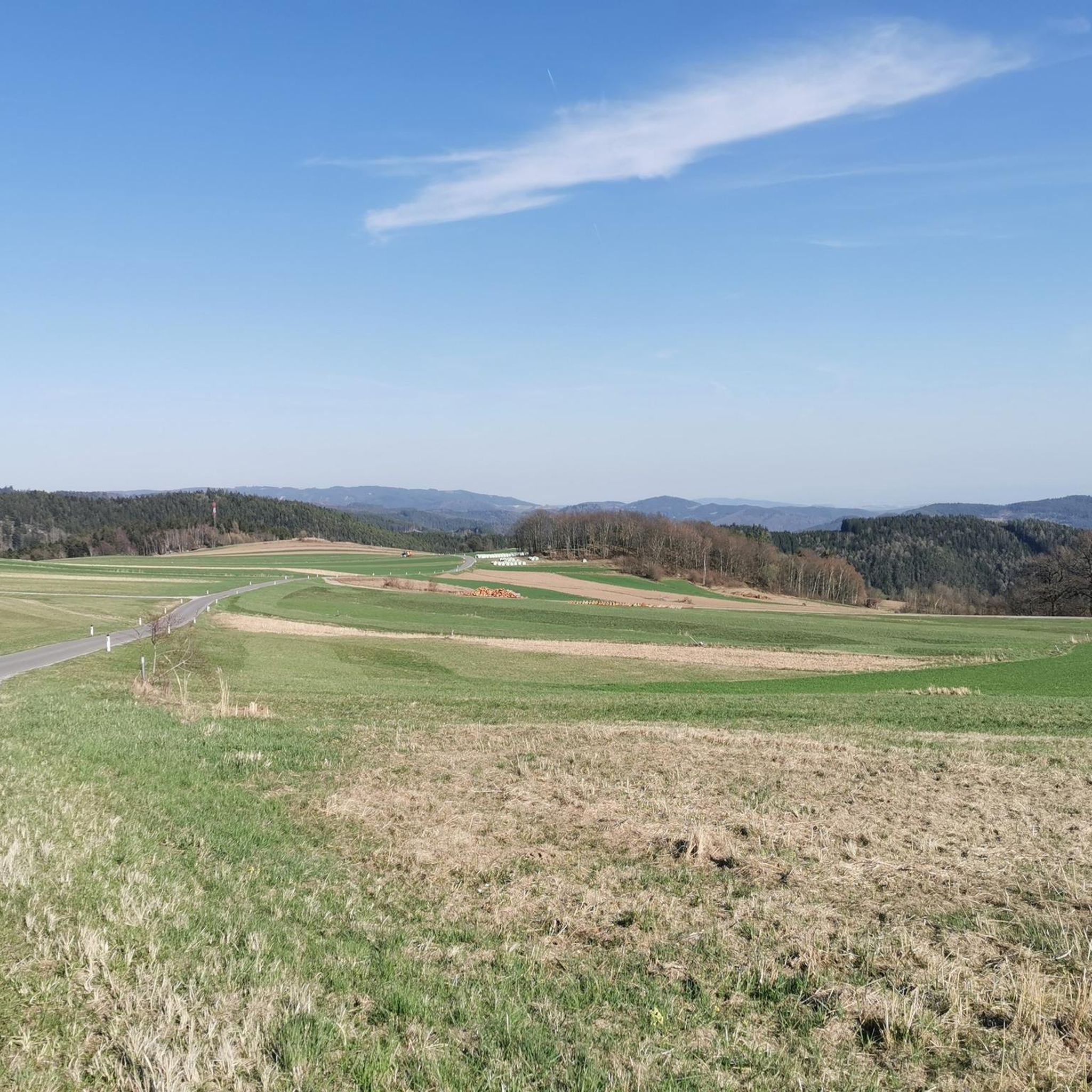
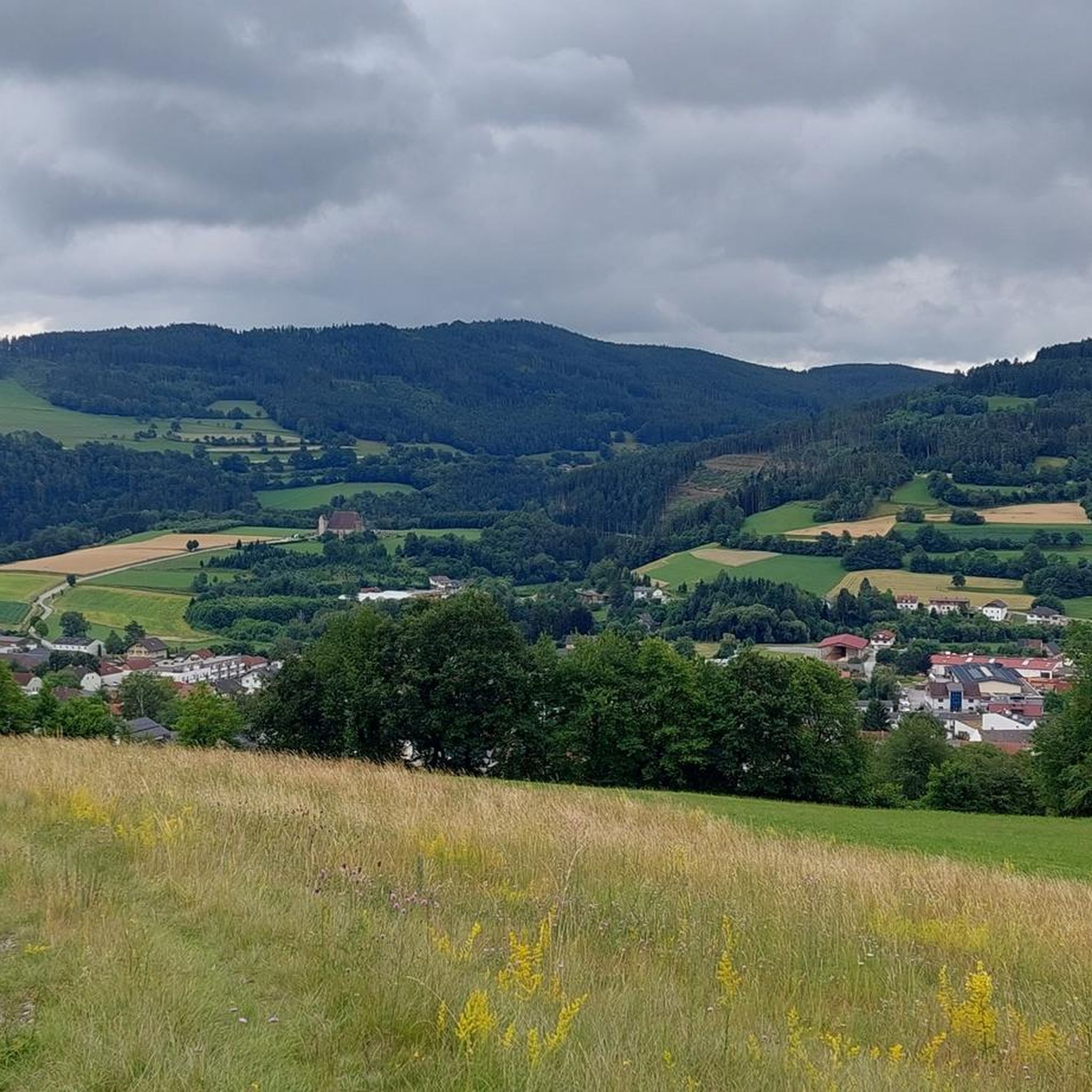
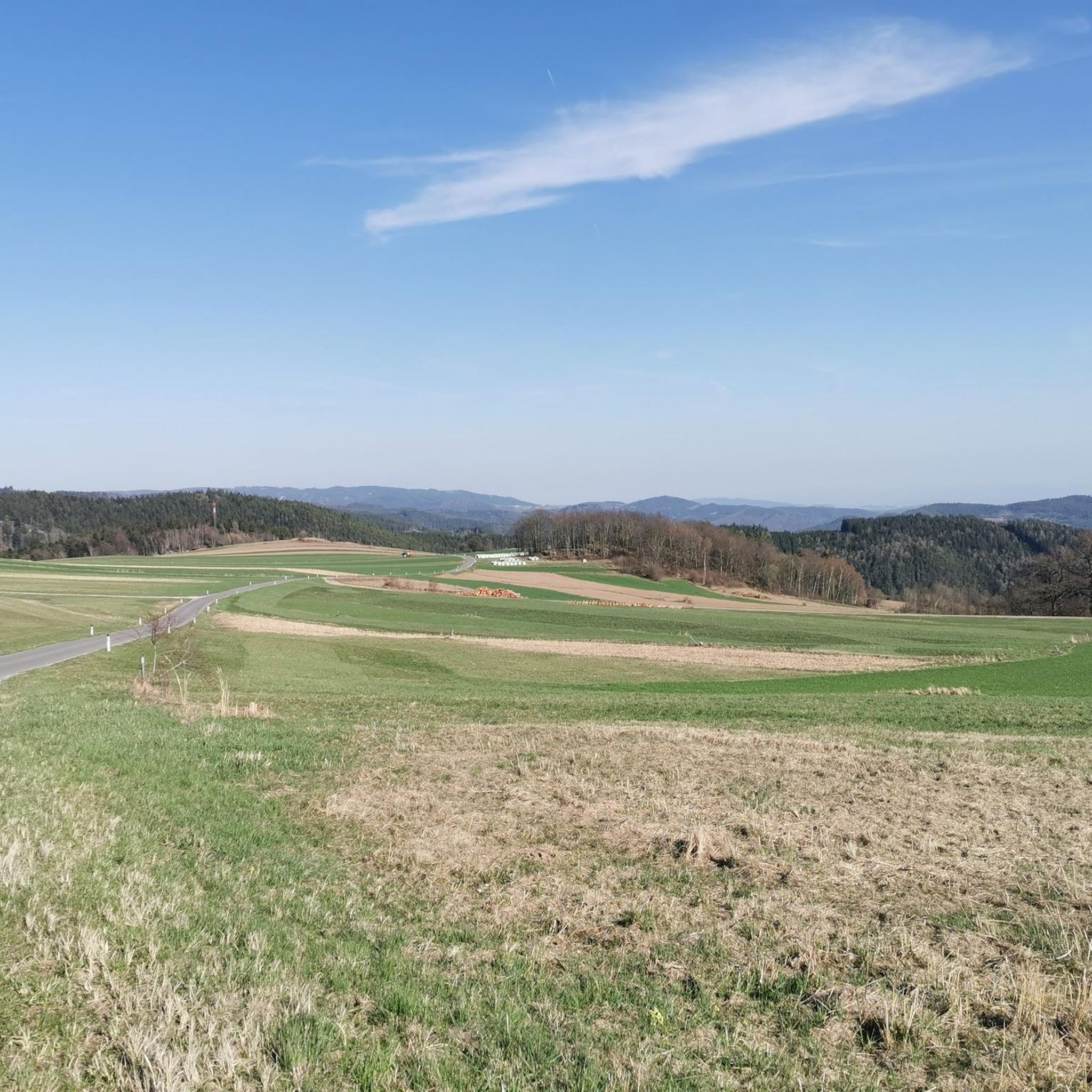
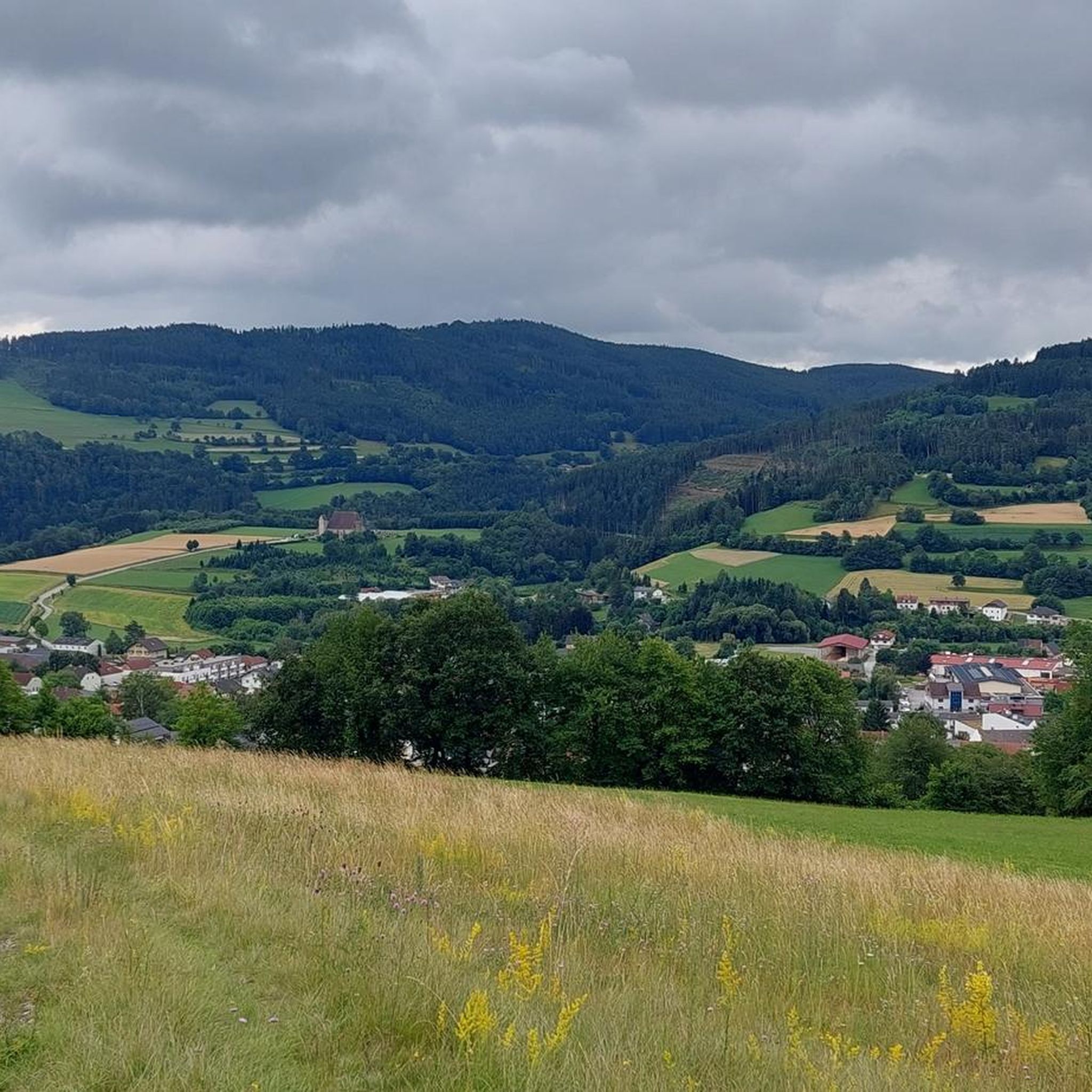
Road cycling around Pöggstall offers diverse landscapes within the Waldviertel region of Austria. The area is characterized by a mix of gentle hills and more challenging ascents, providing varied terrain for cyclists. Pöggstall is situated in the scenic Weitenbach Valley, with views extending to the Alpine foothills from higher points. The surrounding Südliches Waldviertel features fields, trees, and farmsteads, creating a picturesque environment for road cycling routes.
Best road cycling routes around Pöggstall
- The most popular road cycling route is…
Last updated: July 5, 2026
4.0
(2)
28
riders
86.7km
04:01
930m
930m
Hard road ride. Very good fitness required. Mostly well-paved surfaces and easy to ride.
23
riders
Moderate road ride. Good fitness required. Mostly well-paved surfaces and easy to ride.

Sign up for free
2.0
(1)
21
riders
40.6km
01:52
450m
450m
Moderate road ride. Good fitness required. Mostly well-paved surfaces and easy to ride.
13
riders
49.4km
02:44
1,000m
1,000m
Hard road ride. Very good fitness required. Mostly well-paved surfaces and easy to ride.
12
riders
85.6km
04:27
1,400m
1,400m
Hard road ride. Very good fitness required. Some segments of this route may be unpaved and difficult to ride.
Get access to more routes and recommendations from other explorers.
Sign up for free
Already have an account?
Our route recommendations are based on thousands of hikes, rides, and runs completed by other people on komoot.
Start today with a free account
Your next adventure awaits.
Login or Signup
Other adventures around Pöggstall

Tips from the Community

The subsidiary church of Schwallenbach belonged to the large complex of property of the Niederaltaich monastery in the Wachau, which was allegedly founded by Charlemagne. This resulted in close ties to the monastery administration and the parish in Spitz. Thus, a small noble family from Spitz directly founded and endowed this church. Above the north gate, two interesting coat of arms reliefs with a chain and lock have been preserved. They refer to the mutual dependence of liege lord and vassal knight. Since the end of the 13th century, the monastery has enfeebled its dominion to the Dukes of Bavaria, who ceded it to King Maximilian I in 1504. The subsidiary church is first mentioned in 1419 and shows strikingly pronounced features of its Gothic period of origin. For example, the brick-built pointed helmet of the tower is a building form from the late Gothic period, which is particularly characteristic of the Wachau. The church is dedicated to St. Sigismund, the legendary King of Burgundy - he lived around 500.
0
0
Seyfried der Ritzendorfer sought permission from Pope Martin V to rebuild the church, and received permission in 1420. In 1421, Seyfried Ritzendorfer and his wife Anna issued the deed of foundation for the chapel. The new church, dedicated to St. Sigmund, was to be subordinate to the parish church of Spitz as a daughter church, along with the cemetery. The two shields above the entrance are the coats of arms of the founding couple (right: coat of arms of the Knights of Schwallenbach; left: coat of arms of the Ritzendorfers). Seyfried Ritzendorfer is buried in the church.
0
0
Branch church of St. Sigismund - Typical of Wachau Gothic The branch church of Schwallenbach belonged to the large property complex of the Niederaltaich Monastery in the Wachau region, which was allegedly donated by Charlemagne himself. This resulted in close ties to the monastery administration and the parish in Spitz. A small noble family from Spitz directly endowed and endowed this church. Two interesting coat of arms reliefs with chain and lock have been preserved above the north gate. They refer to the mutual dependence of feudal lord and feudal knight. Since the end of the 13th century, the monastery has enfeoffed its dominion to the Dukes of Bavaria, which they ceded to King Maximilian I in 1504. The branch church is first mentioned in 1419 and shows strikingly pronounced features of its Gothic period of origin. For example, the brick-built pointed helmet of the tower is a building form from the late Gothic period that is particularly characteristic of the Wachau region. The church is dedicated to St. Sigismund, the legendary king
0
0
The church of Schwallenbach dates back to a chapel from 1420, which was dedicated to Saint Sigismund. Buttresses and vault ribs indicate the late Gothic style. A statue of the Virgin Mary from the church, dating from 1515, has been preserved, the baroque altar was consecrated in 1724 by the bishop of Passau. The altarpiece dedicated to Saint Sigismund by Martin Johann Schmidt dates from 1767.
0
0

Nicely tarred cycle path directly on the banks of the Danube
0
0

The cannon roundabout of Pöggstall Castle was built around 1530 as an outlying defensive structure and served to defend the castle. The round fortress tower, with its mighty walls and loopholes, was part of the former moated castle complex. Today, the roundabout is considered one of the most impressive late medieval defensive structures in Lower Austria.
0
0
A fascinating castle with an exhibition included in the Lower Austria Card. Food and drinks are available.
0
0

Persenbeug Castle is beautifully situated on the Danube bridge and lock of the power plant
0
0
Frequently Asked Questions
What kind of terrain can I expect when road cycling near Pöggstall?
The region around Pöggstall offers a diverse landscape, characterized by a mix of gentle hills and more challenging ascents. You'll find routes winding through the scenic Weitenbach Valley, pre-Alpine hills, and the picturesque Southern Waldviertel with its fields, trees, and farmsteads. This variety makes it suitable for different cycling preferences.
How many road cycling routes are available around Pöggstall?
There are 14 road cycling routes detailed around Pöggstall, offering a range of experiences. These include 8 moderate routes and 6 difficult routes, ensuring options for various skill levels.
What is the overall difficulty level of road cycling routes in the Pöggstall region?
Road cycling routes in Pöggstall are generally categorized as moderate to difficult. You'll find 8 moderate routes, perfect for those looking for a good workout without extreme challenges, and 6 difficult routes for ambitious riders seeking significant elevation gains and more demanding terrain.
What do other road cyclists enjoy most about road cycling in Pöggstall?
The road cycling routes around Pöggstall are highly rated by the komoot community, with an average score of 4.5 stars from over 30 reviews. Cyclists often praise the varied terrain, scenic views, and the opportunity to explore the picturesque Waldviertel region.
Are there any historical landmarks or cultural attractions to see while cycling around Pöggstall?
Yes, the region offers several historical and cultural points of interest. You can visit the stately 13th-century Pöggstall Castle, which houses a museum and unique architecture. The area also features historic churches like the late Gothic parish and castle church in Pöggstall, and the Gothic parish and pilgrimage church "Maria Himmelfahrt" in Neukirchen am Ostrong.
Are there any routes that offer views of the Danube River or other significant natural features?
Yes, some routes provide excellent views. For instance, the View of the Weitenegg ruins – Melk Hydroelectric Power Plant loop from Pöggstall offers views of the Weitenegg ruins and follows the Danube River. The region is also known for the scenic Weitenbach Valley and natural monuments like the Teufelswand (Devil's Wall) in the Hölltal Valley.
What is the best time of year for road cycling in Pöggstall?
Pöggstall, often called the "Merano of the Waldviertel" due to its mild climate, is generally pleasant for road cycling from spring through autumn. The mild weather during these seasons makes for ideal conditions to enjoy the diverse landscapes and varied terrain.
Are there any particularly challenging road cycling routes for experienced riders?
Absolutely. For experienced riders seeking a challenge, routes like the Hinterhaus Castle Ruins – Arnsdorf–Spitz ferry loop from Pöggstall offer significant elevation gains, with over 1,400 meters of ascent over 85.5 km. Another demanding option is the Yspertal – View of Grein loop from Münichreith-Laimbach, which covers 86.7 km with over 930 meters of elevation gain.
Are there any circular road cycling routes around Pöggstall?
Yes, many of the road cycling routes around Pöggstall are designed as loops, allowing you to start and end in the same location. Examples include the View of the Weitenegg ruins – Melk Hydroelectric Power Plant loop from Pöggstall and the View of the Weitenegg ruins – Emmersdorf loop from Pöggstall, both offering scenic circular journeys.
What are some of the longer road cycling routes available?
For longer rides, you can explore routes such as the Yspertal – View of Grein loop from Münichreith-Laimbach, which spans 86.7 km, or the Hinterhaus Castle Ruins – Arnsdorf–Spitz ferry loop from Pöggstall, covering 85.5 km. These routes provide extensive cycling experiences through varied landscapes.
Are there any lakes or natural ponds near the cycling routes?
While the primary focus of road cycling is the open road, the broader area around Pöggstall does feature natural water bodies. You can find highlights like the Upper Village Pond (Oberer Ortsteich), Lake Edlesberger, and Himmelteich, which can be explored as part of a longer trip or a separate visit.
What kind of views can I expect from higher points along the routes?
From higher elevations, particularly from locations such as Weinling, cyclists can enjoy wonderful panoramic views of the Alpine foothills. The routes often traverse gentle hills, providing picturesque vistas of the surrounding Southern Waldviertel landscape, characterized by fields, trees, and farmsteads.
Most popular routes around Pöggstall
Most popular attractions around Pöggstall

Get inspired with the komoot mobile app


Explore more
Browse the best Road cycling routes in other regions.
