Top 20 Mountain Passes in Pyrénées Ariégeoises
Best mountain passes in Pyrénées Ariégeoises offer routes through the Pyrenean chain, connecting valleys and providing access to high-altitude landscapes. The region features a variety of passes, many of which are known for their challenging ascents and panoramic viewpoints. These passes are integral to the natural and historical landscape of the Ariège Pyrenees, serving as pathways for both local travel and outdoor recreation. They provide access to diverse terrain types and natural features within the mountains.
Best mountain passes in…
Last updated: August 20, 2026
Col d'Agnes
Highlight • Mountain Pass
Translated by Google •
Tip by

Lers Pass
Highlight • Mountain Pass
Translated by Google •
Tip by

Sign up now to discover places like this
Get recommendations on the best single tracks, peaks, & plenty of other exciting outdoor places.
Sign up for free
Ascent to the Col de Peguere
Highlight (Segment) • Mountain Pass
Translated by Google •
Tip by

Col de la Crouzette (1245 m)
Highlight • Mountain Pass
Translated by Google •
Tip by

Col de Saraillé
Highlight • Mountain Pass
Translated by Google •
Tip by

Sign up for free to discover even more mountain passes in Pyrénées Ariégeoises.
Sign up for free
Already have an account?
Start today with a free account
Your next adventure awaits.
Login or Signup
Popular around Pyrénées Ariégeoises
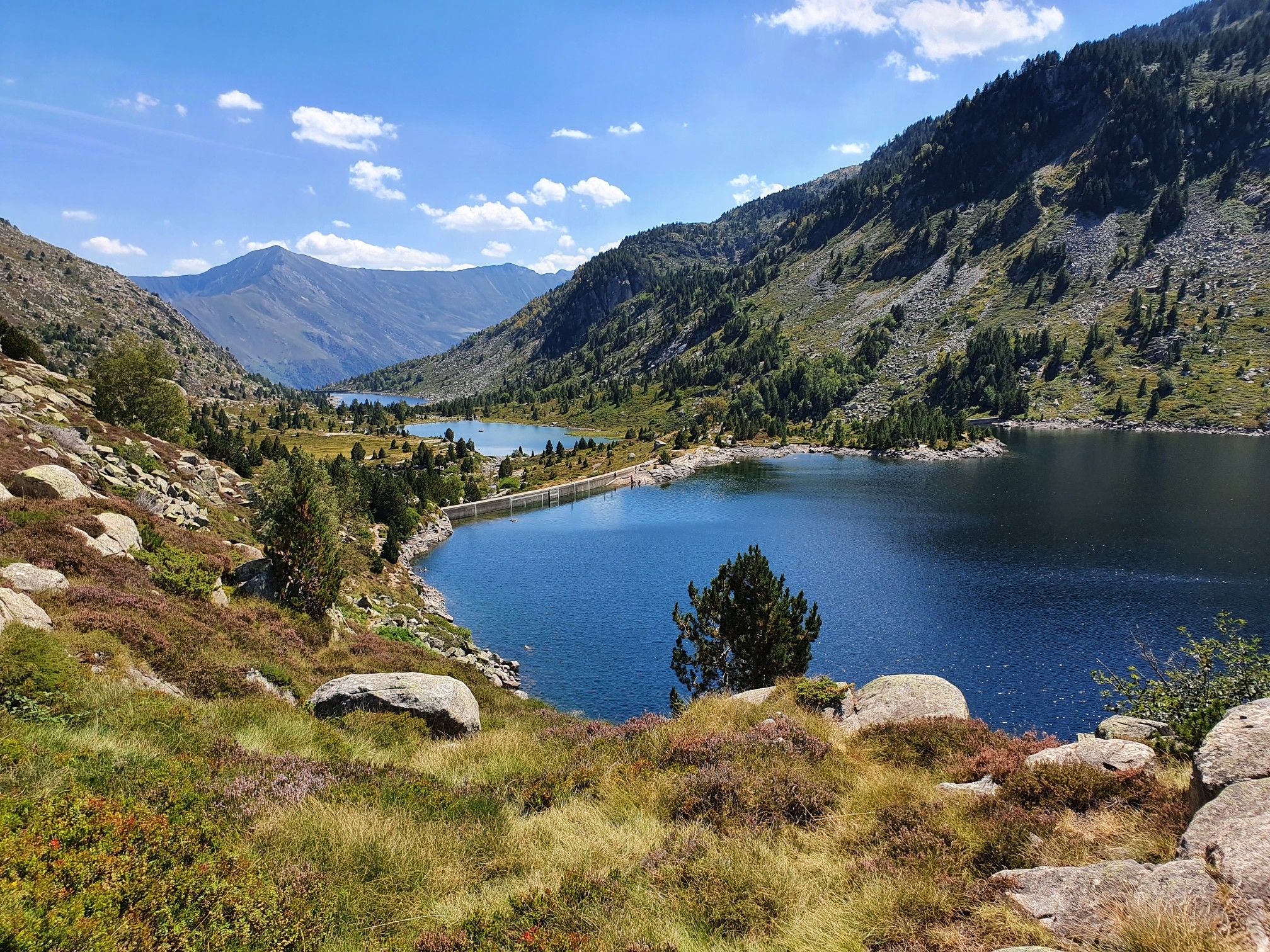
GR 10 – Explore the Ariège Pyrenees crossing the Pyrenees
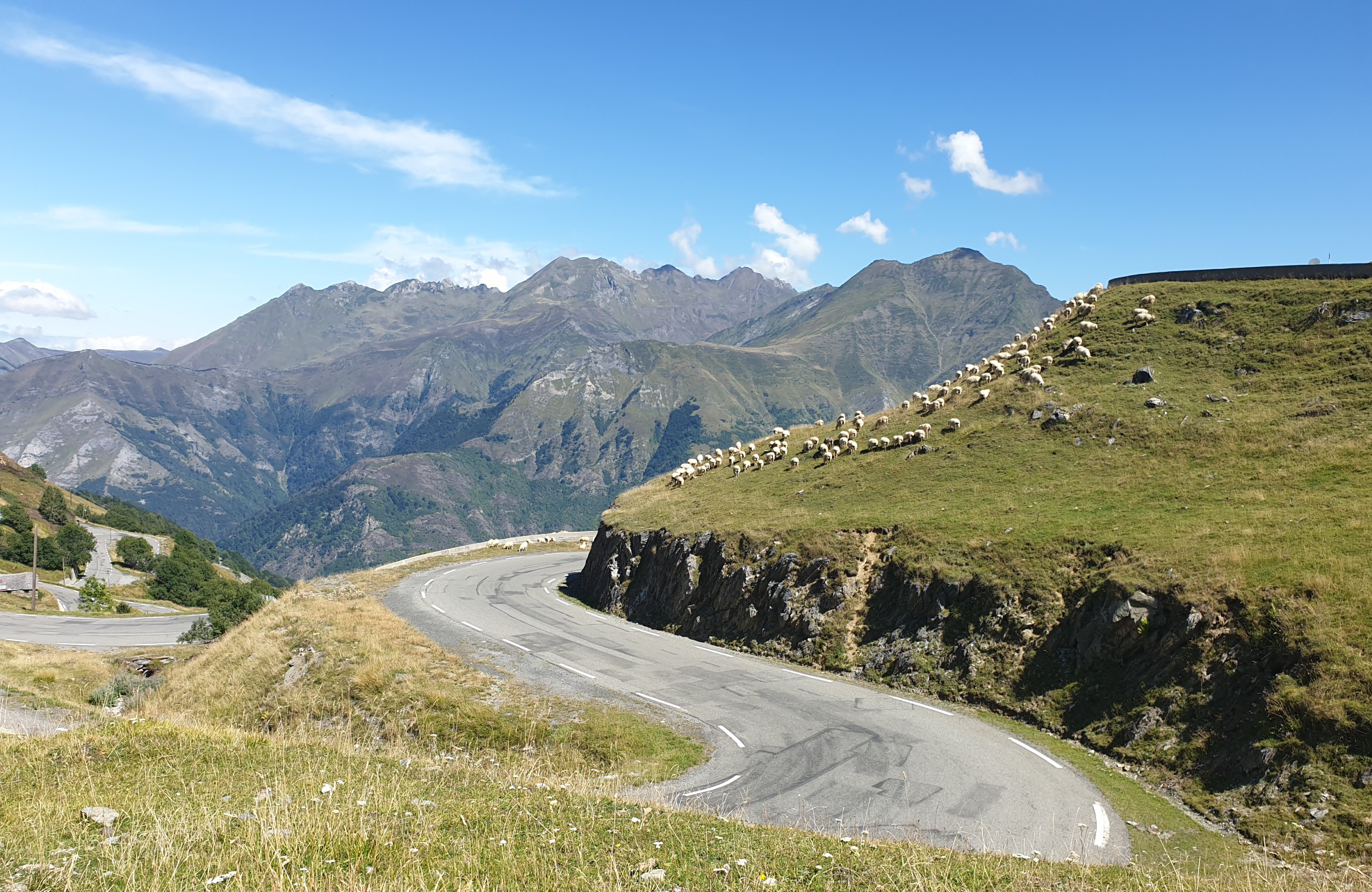
Between myths and legends – emblematic passes of the Pyrenees
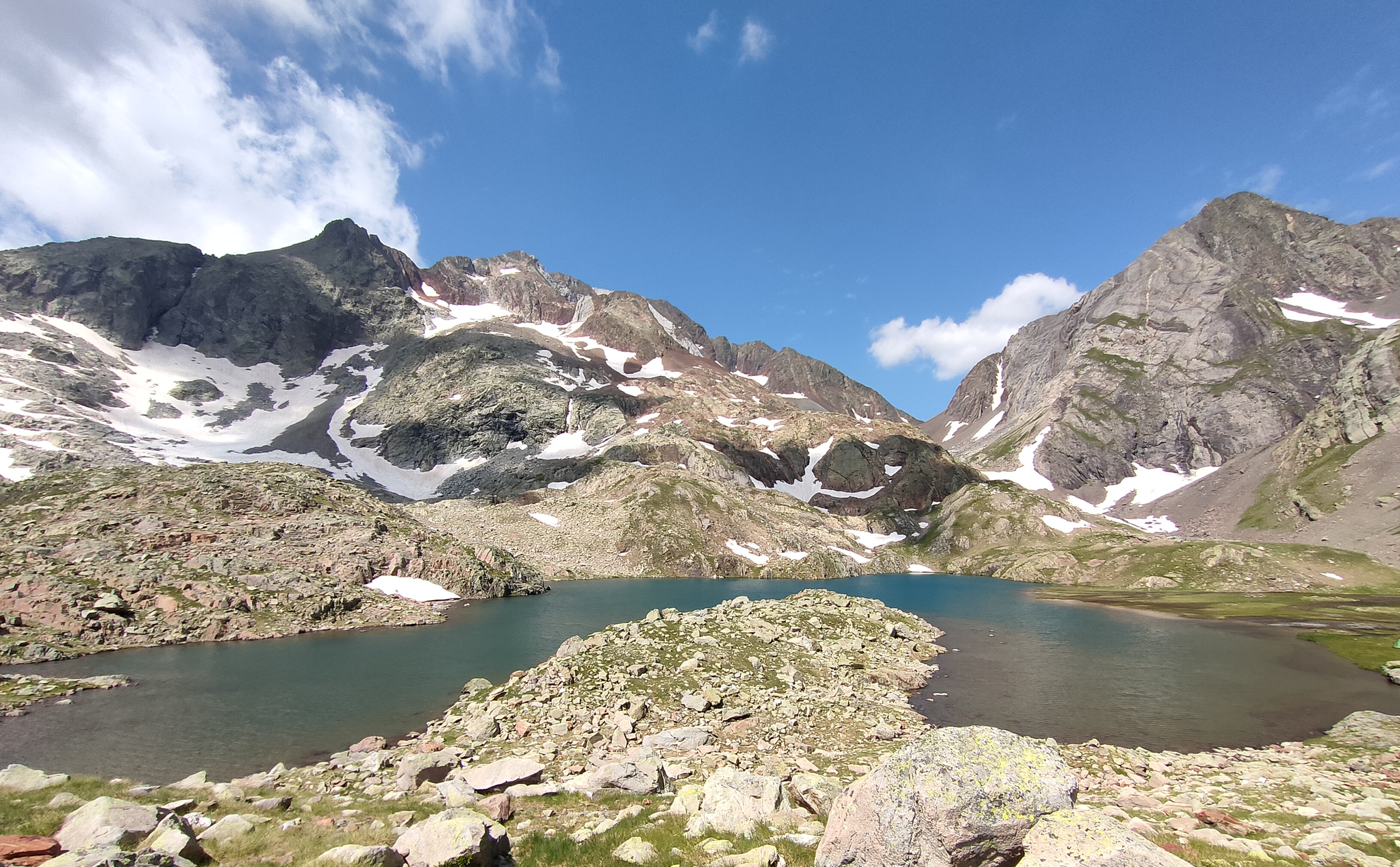
Panoramic Pyrenees – 15 hikers' peaks of over 3,000 metres
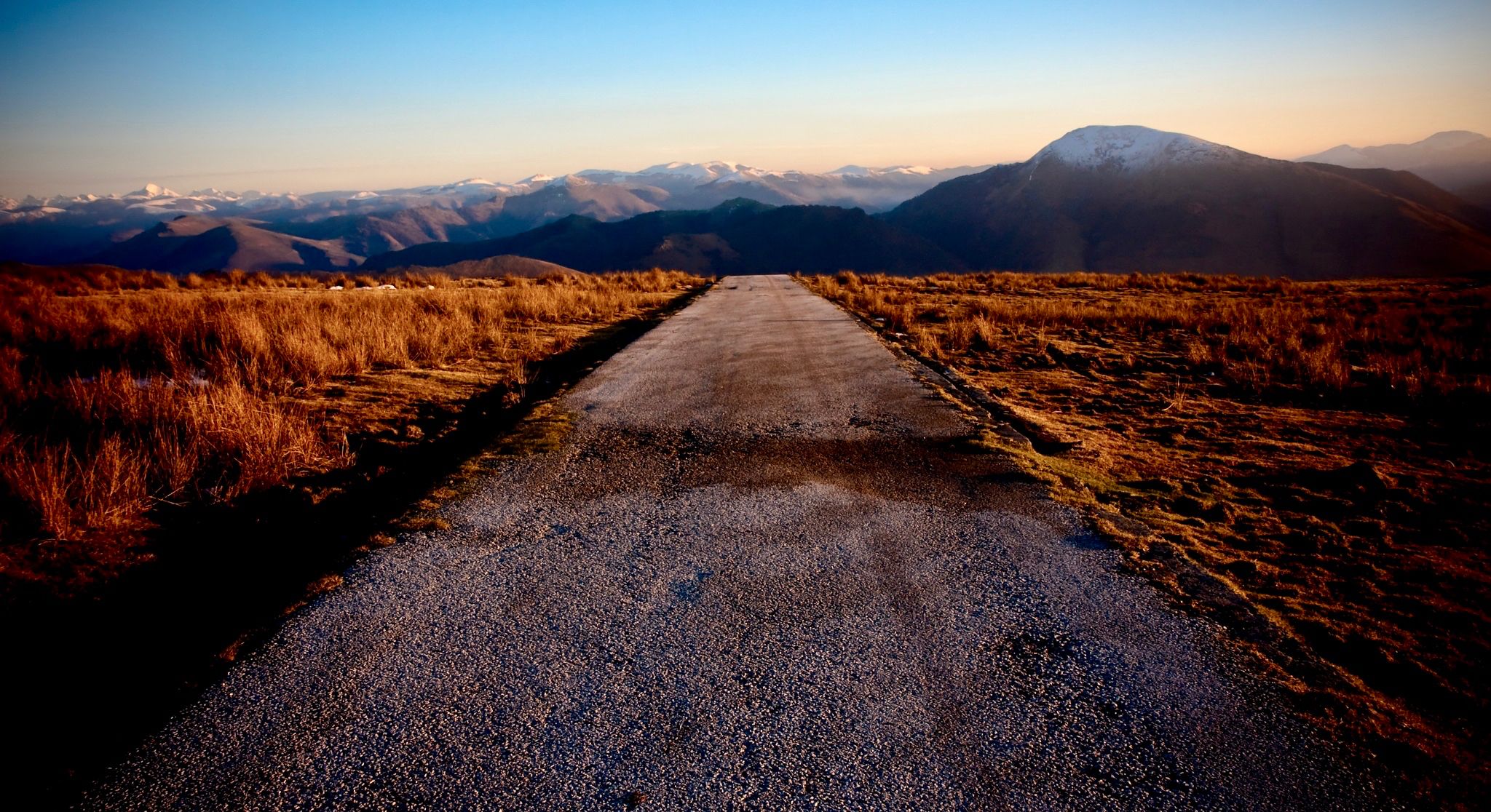
Coast to coast across the Pyrenees on your road bike
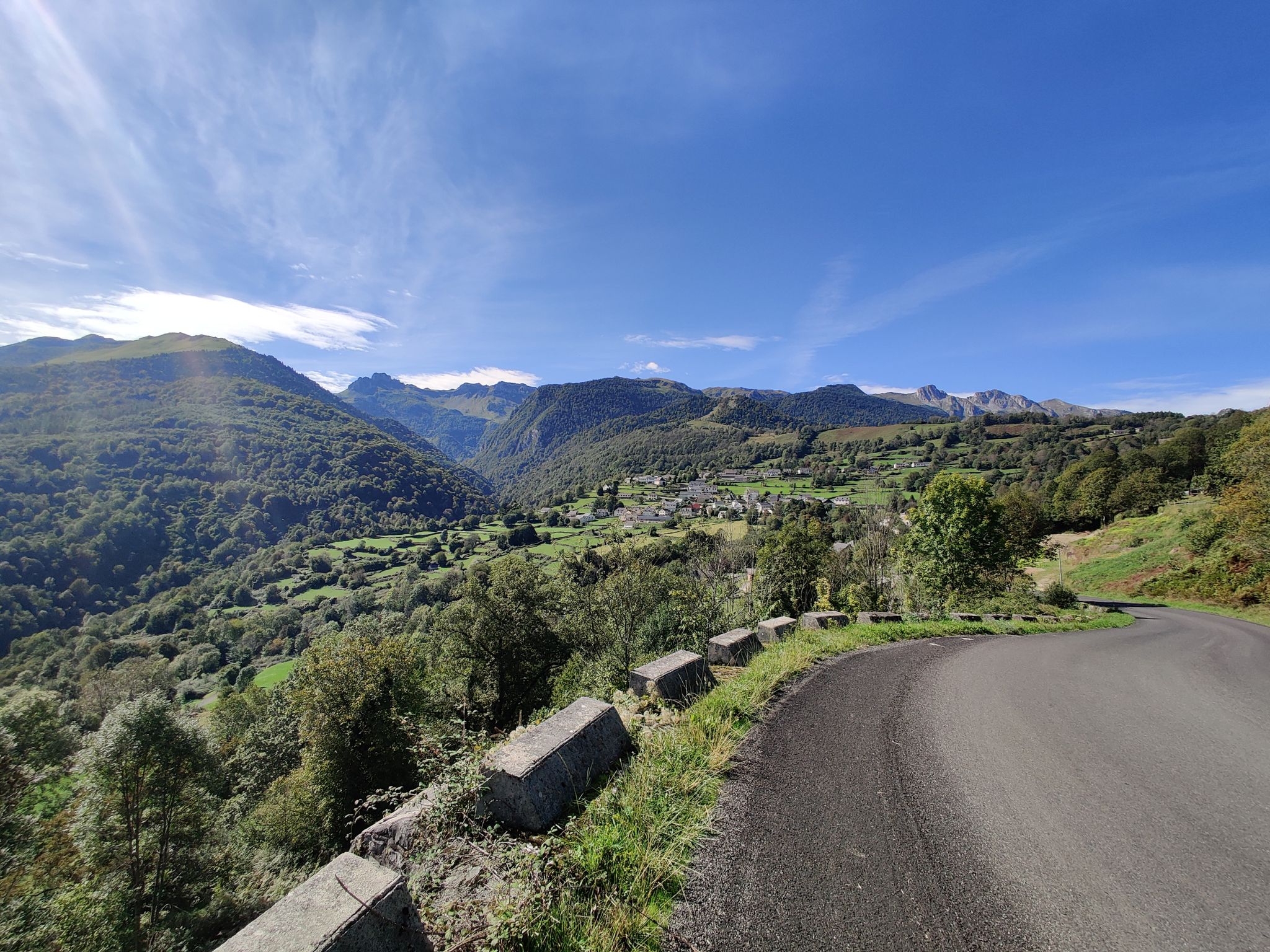
From the Atlantic to the Mediterranean – Route des Cols in the Pyrénées
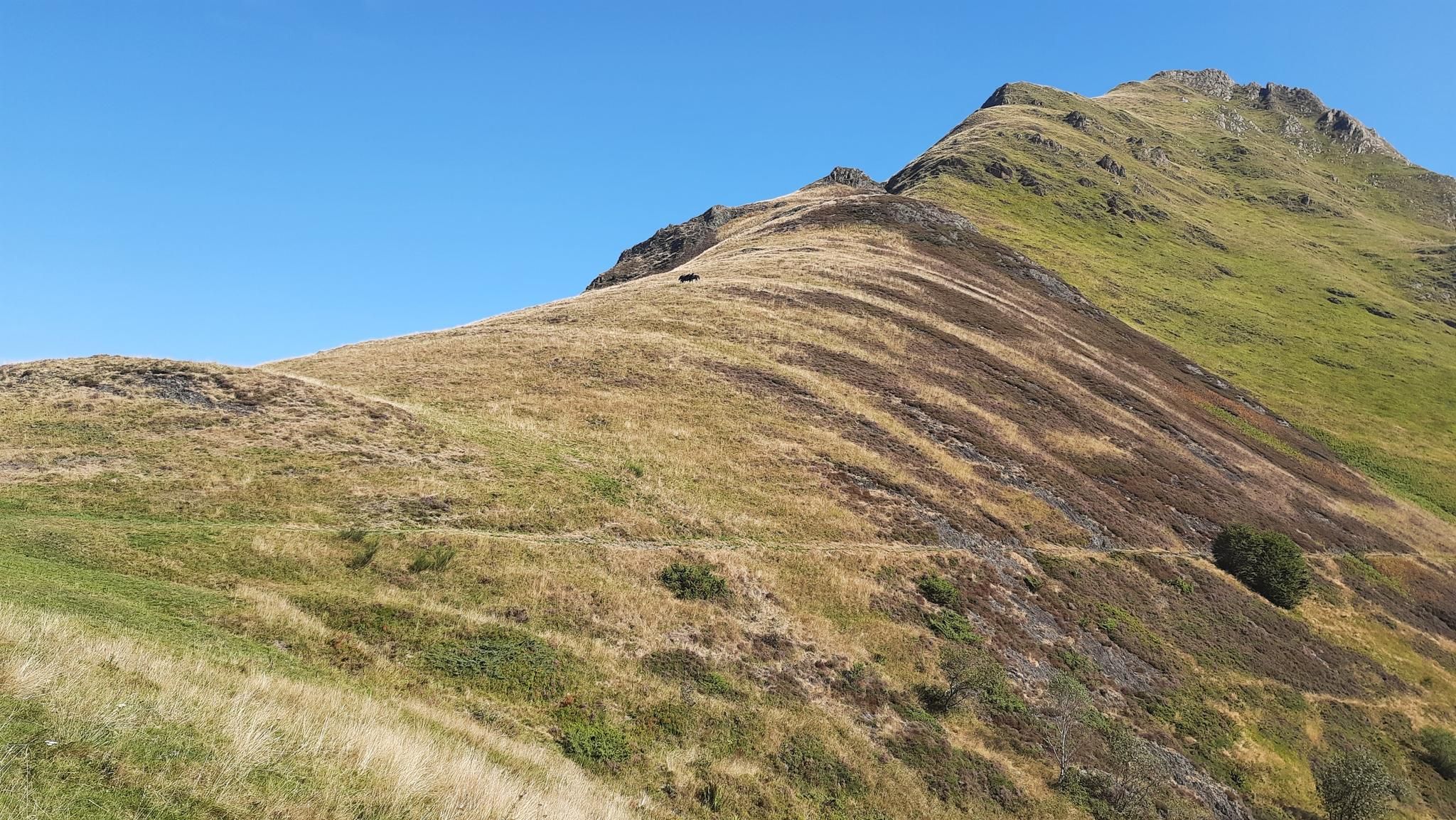
Tour of Mont Valier - The Giant of Ariège
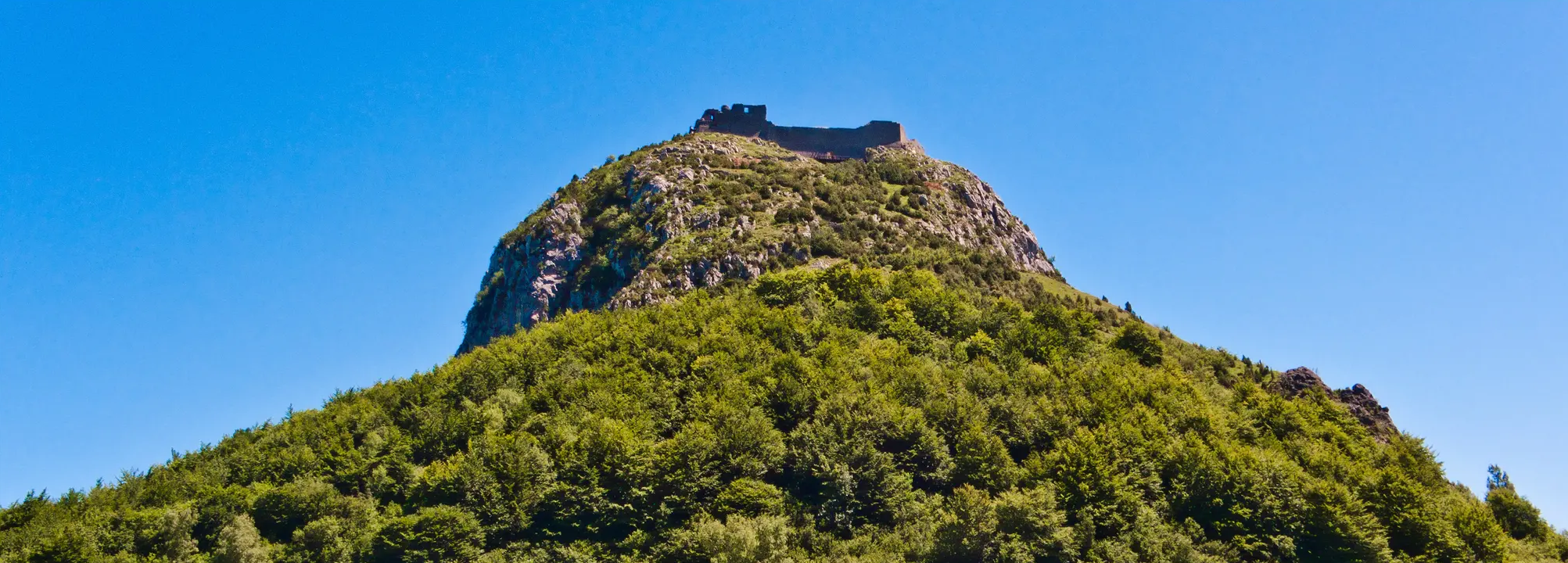
Climbs and greenways - The Great Ariège-Pyrénées Crossing by MTB
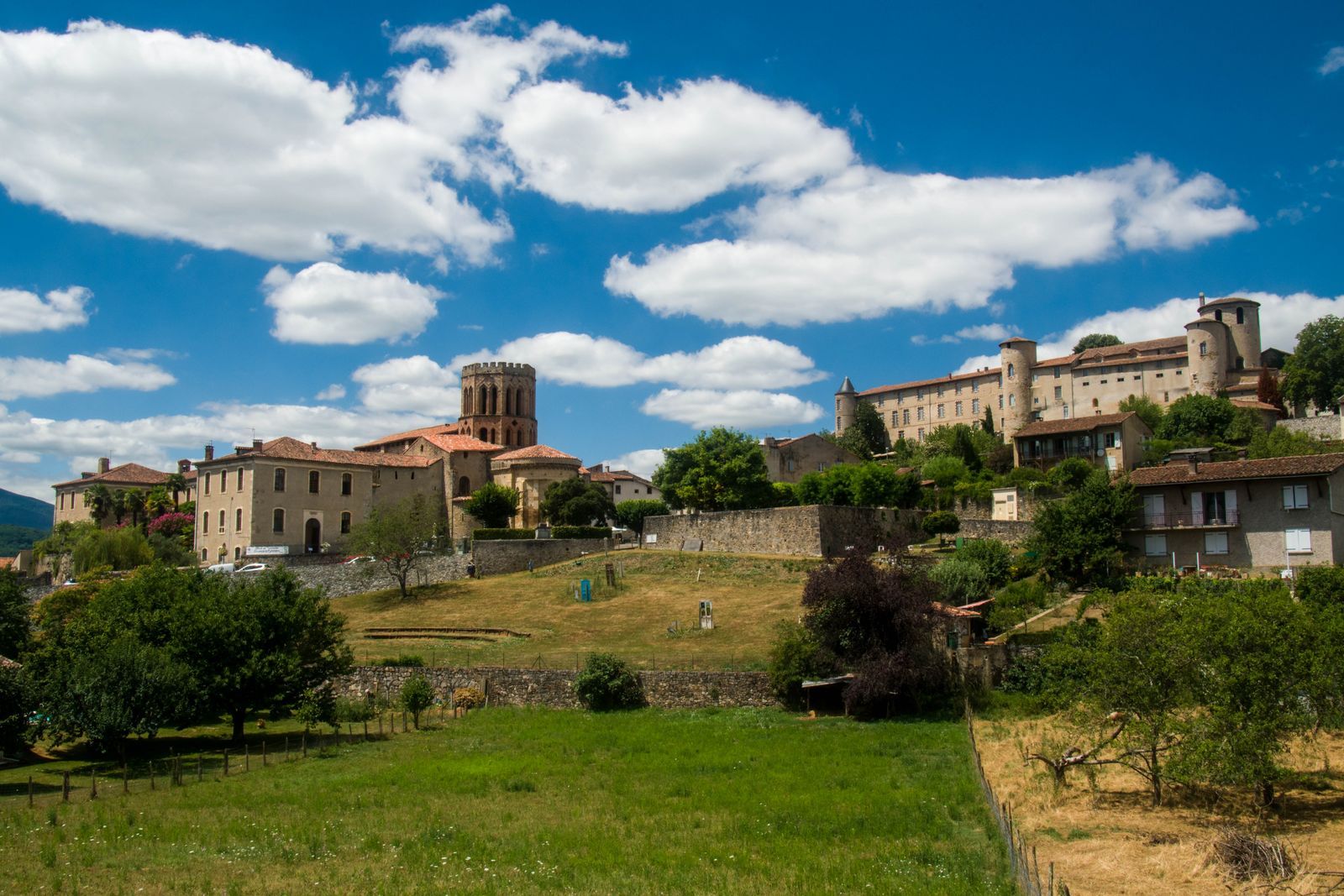
Tour of the Portes du Couserans by MTB – a Pyrenean odyssey
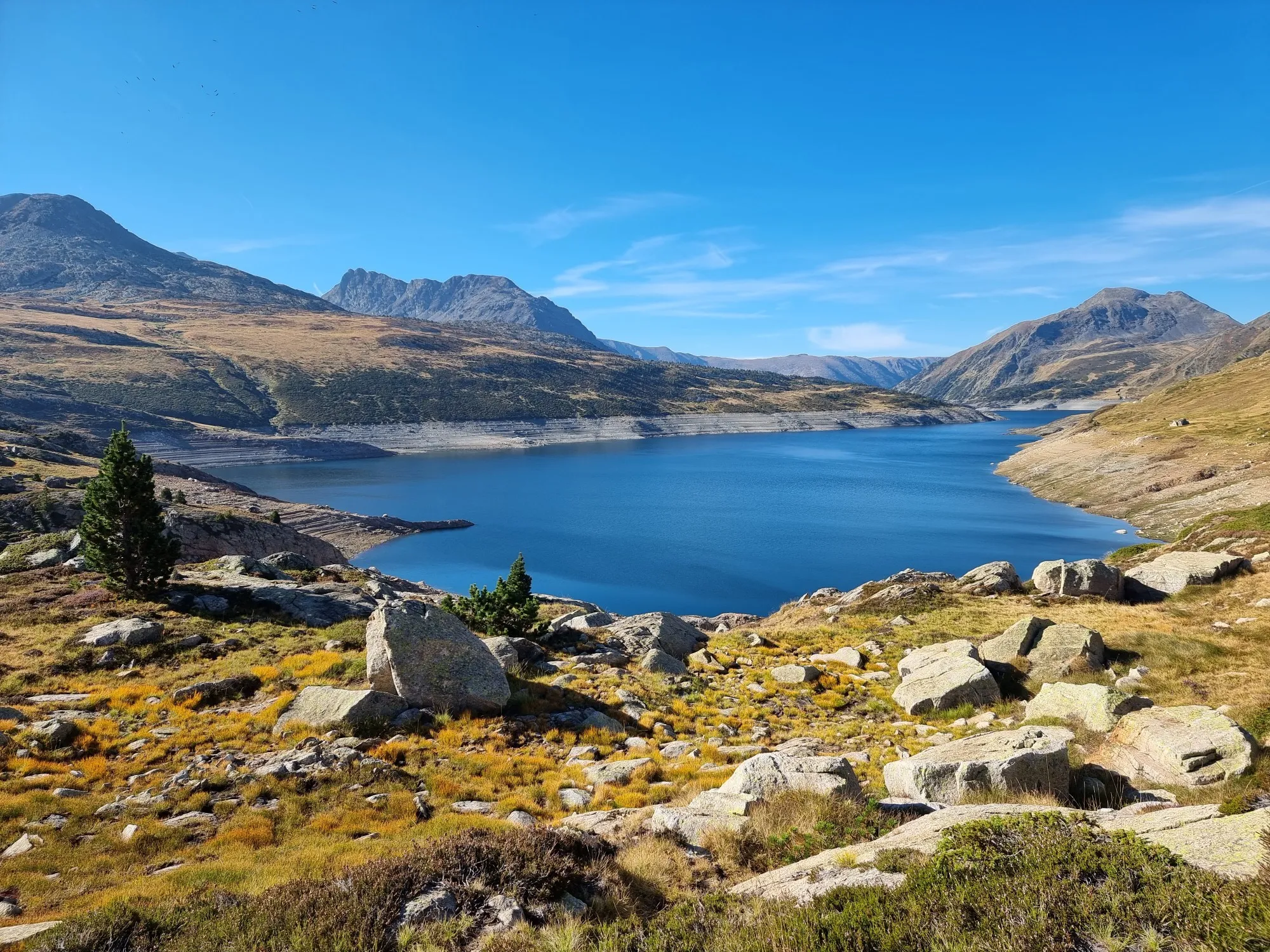
On wild ridges: Catalonia to Ariège – Hexatrek, Eastern Pyrenees
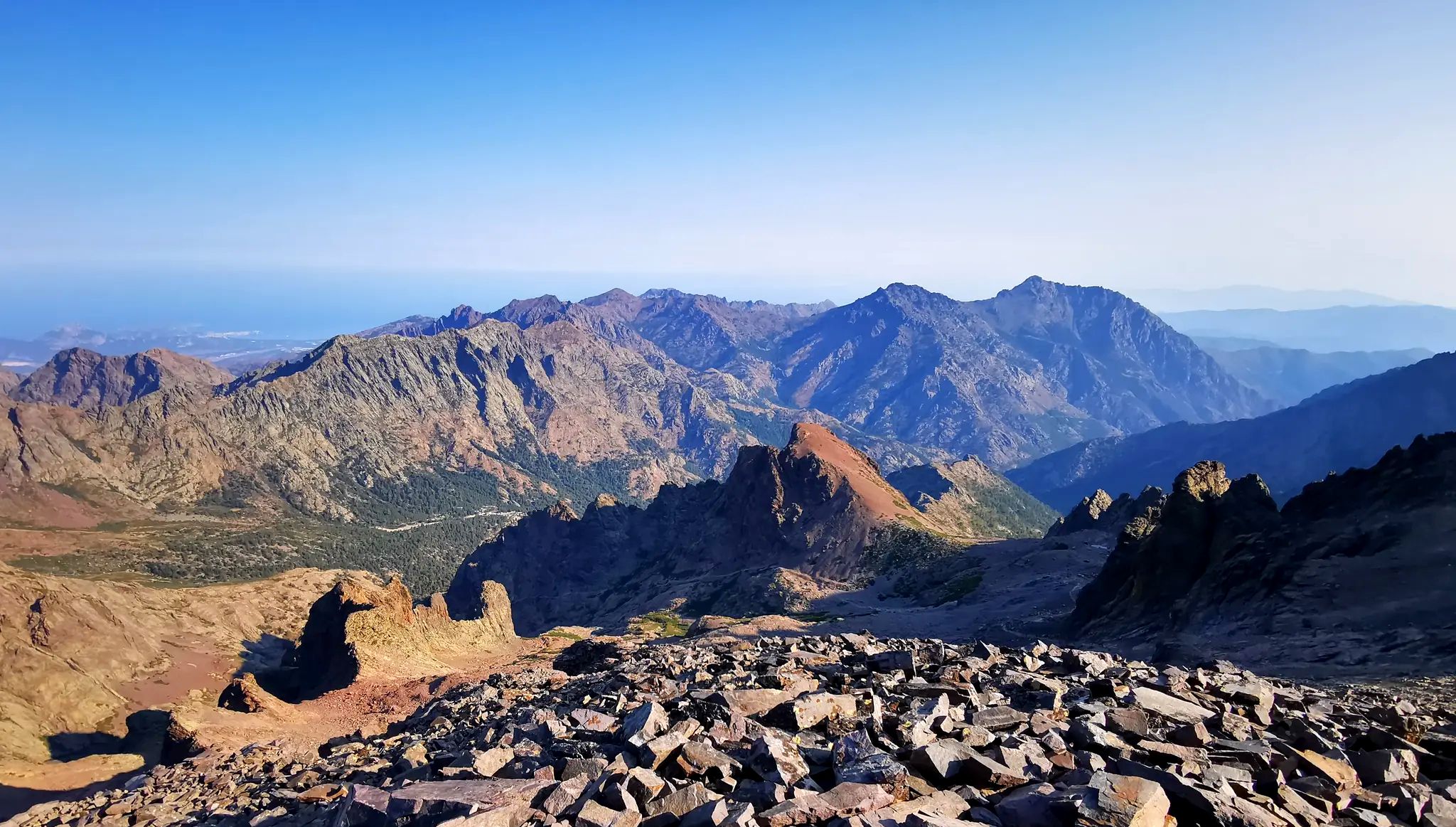
Hiking to the summits – France's highest points
Other adventures in Pyrénées Ariégeoises


Tips from the Community

It is a MUST in the Pyrenees, without a doubt, that should be included in any route that crosses the Pyrenees from side to side. Either of its slopes 2 is spectacular and tough. The views from its summit are wonderful, feeling the wild side of the Pyrenees. Of course, once at the summit of this pass... you have to descend to the Étang de Lers and enjoy a peaceful rest on the shores of the lake. It is a pass that has been part of the Tour de France route on several occasions, although always far from the finish line. The first professional rider to crest it in the lead was the unforgettable Marco Pantani in 1995.
0
0
I can only speak about my experience descending it from the south side, the one that starts in the village of Biert. It's simply a great pass, with a very tough final section, very similar to its close brother Mur de Peguère. With hardly any traffic, it has the appeal that the road is very narrow and very winding, which helps mentally.
1
0

I liked the climb from the north side (from Massat), very scenic and alpine landscapes towards the end at the étang de Lers
0
0

Be careful, since yesterday, June 19th, the descent to Rivèrenert has been freshly graveled and dangerous. I had a rear puncture due to small, sharp gravel sticking to the tire when braking. So, don't go crazy on this descent, friends.
3
0
Because around 12pm and >31°C, the climb from Biert is mostly in the shade, and this pass generally ends a series of small linked passes (like Portech, Catchaudégué or La Core, Saraillé, etc.). And the challenge of the last 3 km is worth experiencing to strengthen your mental strength. Get to your pedals
1
0

A little past the summit sign of the Col du Saraillé on the way down towards the valley or Aulus is a section where the road opens up in front of your reveiling a stunning view of the mountains with a few houses in the foreground. On the left at the intersection is a little viewing platform with a picnic table where you could relax and take in the view. Or you can also take in the view as you zigzag down the moutain into the valley.
0
0
Once you go past the Col de Saraillé sign and down towards Ercé a few kilometers you get an amazing view of the small little village, the valley and the looming mountains in the distance. There is also a viewing point on the left with a small table the shows you the name of each big mountain peak you can see.
0
0

As always: with filled water bottles you can enjoy the climbs with peace of mind
1
1
Frequently Asked Questions
What makes the mountain passes in Pyrénées Ariégeoises popular for cyclists?
Many of these passes are legendary climbs from the Tour de France, attracting cyclists globally to test their endurance. Passes like Col de Pailhères, Col de Péguère, and Plateau de Beille are known for their challenging ascents and varied gradients, offering a significant test for experienced riders.
Which mountain passes offer the most spectacular panoramic views?
For breathtaking panoramic views, consider Col de Pailhères, which offers awesome views into the heart of the surrounding mountains. Plateau de Beille provides extensive views over the high Pyrenees, and Col de Port offers excellent vistas, particularly of the Saurat valley and the Tabe massif. The Agnès Pass is also highly praised for its scenic western driveway.
Are there hiking opportunities near the mountain passes in Pyrénées Ariégeoises?
Yes, the Ariège Pyrenees are excellent for hiking. The GR10, a trans-Pyrenean trail, passes through many high-altitude passes. For shorter excursions, Col de Port serves as a starting point for hikes, such as the loop to Pic d'Estibat, which offers panoramic views of the entire Pyrenean chain.
When is the best time of year to visit the mountain passes in Pyrénées Ariégeoises?
The best time to visit is typically from late spring to early autumn (May to October) when the passes are generally free of snow and weather conditions are most favorable for cycling, hiking, and scenic drives. Some passes may open later or close earlier depending on snow conditions.
What kind of natural beauty and wildlife can I expect to see?
You can expect rugged Pyrenean peaks, lush valleys, and serene landscapes. The scenery changes from forested lower slopes to stark, rocky high-mountain environments. Some passes, like Lers Pass, are known for their tranquility, and visitors might even spot Mertens black horses in the area. The region is rich in flora and fauna, offering opportunities for nature observation.
Are there any less-known or quieter mountain passes to explore?
Yes, while many passes are famous, some offer a more peaceful experience. Lers Pass is noted for its low traffic and pleasant roads. The Col de la Crouzette (1245 m) is described as a less known and attractive pass with a narrow, quiet road. Col de Saraillé is also a wild and unknown pass located in the heart of the Massat region.
What outdoor activities can I do near these mountain passes?
Beyond cycling and hiking, the region offers various outdoor activities. You can find numerous routes for gravel biking and mountain biking. For more detailed routes, explore guides like Gravel biking in Pyrénées Ariégeoises, Cycling in Pyrénées Ariégeoises, and MTB Trails in Pyrénées Ariégeoises.
Which mountain passes are considered the most challenging for cyclists?
Cyclists seeking a significant challenge should consider Col de Pailhères, with its 8.2% average gradient over 10.6 kilometers from Mijanès, or Plateau de Beille, a grueling 15.8-kilometer climb with an average gradient of 7.9% and sections reaching 11%. Col de Péguère is also infamous for its notoriously steep sections, earning it the nickname 'Mur de Péguère'.
Are there any mountain passes suitable for families or less experienced visitors?
Col de Port, at 1,250 meters, is a more accessible pass that still offers excellent views and serves as a starting point for hikes. Lers Pass is also known for its pleasant roads and low traffic, making it enjoyable for driving and cycling without extreme difficulty.
What historical or cultural significance do these mountain passes hold?
Beyond their natural beauty, some passes have historical significance, having been used for centuries as routes for trade, migration, or even by exiled Cathars seeking refuge. Many are also legendary due to their frequent inclusion in the Tour de France, forging their place in cycling history.
What do visitors enjoy most about the mountain passes in Pyrénées Ariégeoises?
Visitors frequently praise the spectacular scenery, the challenge of cycling legendary Tour de France climbs, and the abundant hiking opportunities. The tranquility of less-trafficked passes and the rich flora and fauna also contribute to a sense of escape into the wilderness. The Agnès Pass, for example, is lauded for its beautiful western driveway and panoramic views.
Most popular routes in Pyrénées Ariégeoises
Most popular attractions in Pyrénées Ariégeoises

Get inspired with the komoot mobile app


