The best road cycling routes around Pöchlarn
4.6
(288)
7,247
riders
35
rides
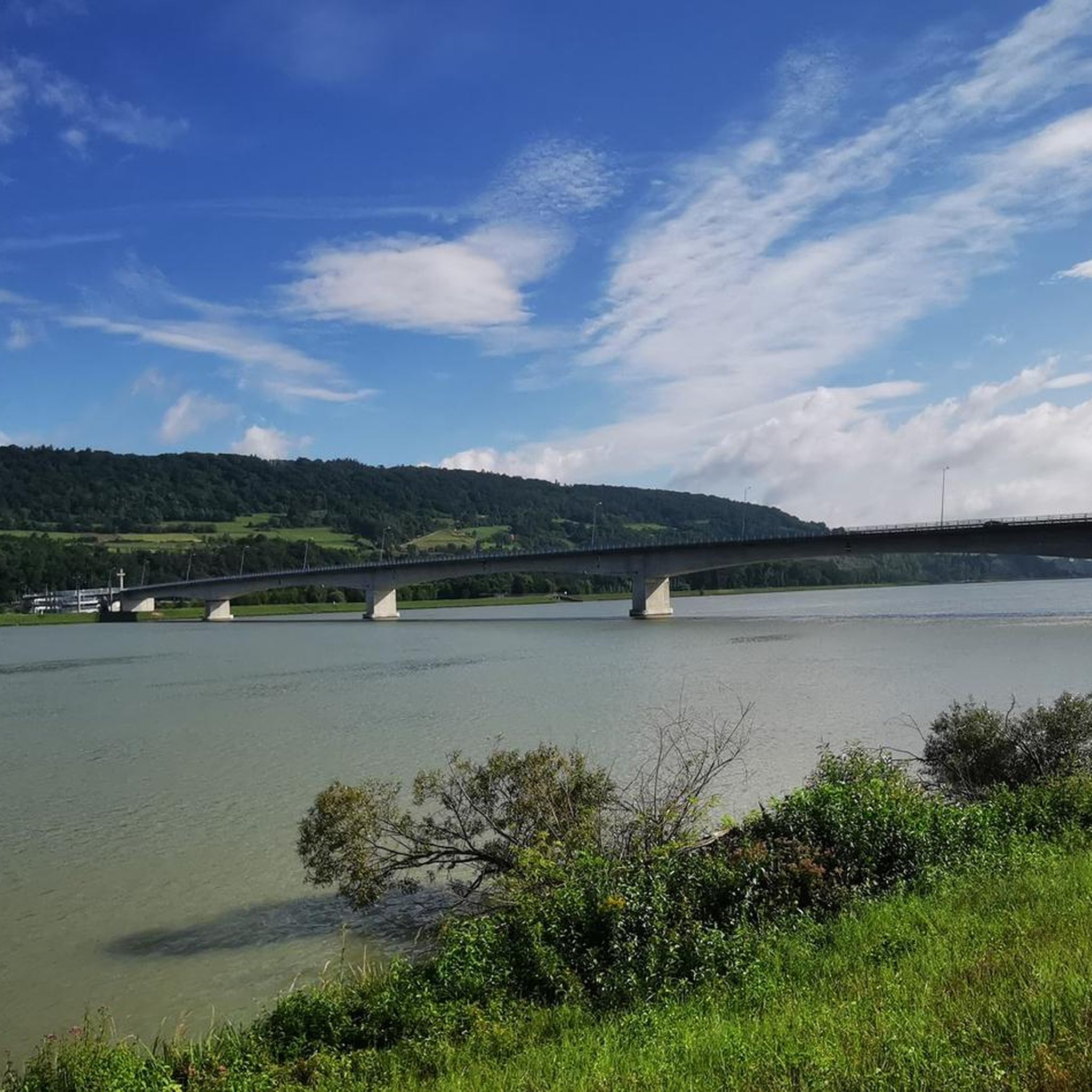
Road cycling around Pöchlarn offers diverse terrain along the Danube River in the Nibelungengau region of Austria. The area features flat, well-paved sections ideal for relaxed rides, particularly along the Danube Cycle Path. For more demanding cyclists, the surrounding landscape includes rolling hills and routes with significant climbs, providing varied challenges. The region is characterized by its riverine scenery, vineyards, and historic towns.
Best road cycling routes around Pöchlarn
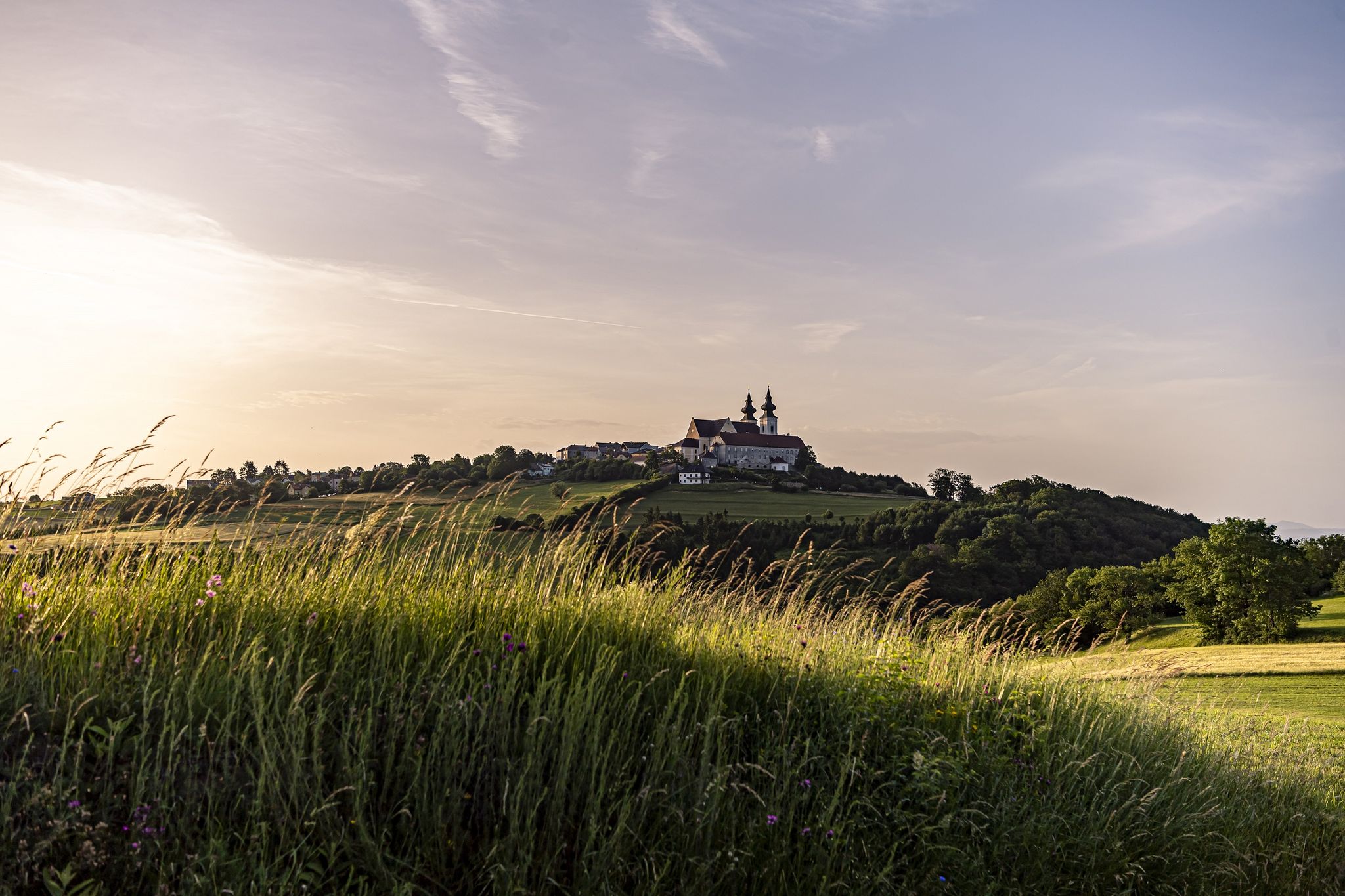
- The most popular road cycling route is View of Maria Taferl…
Last updated: October 9, 2026
4.7
(26)
626
riders
50.3km
02:04
130m
130m
Moderate road ride. Good fitness required. Some segments of this route may be unpaved and difficult to ride.
4.9
(12)
283
riders
107km
04:50
650m
650m
Moderate road ride. Good fitness required. Mostly well-paved surfaces and easy to ride.

5.0
(4)
165
riders
65.9km
02:55
510m
510m
Moderate road ride. Good fitness required. Some segments of this route may be unpaved and difficult to ride.
3.7
(3)
147
riders
93.4km
04:33
960m
960m
Hard road ride. Very good fitness required. Some segments of this route may be unpaved and difficult to ride.
4.0
(3)
122
riders
51.1km
02:03
180m
180m
Moderate road ride. Good fitness required. Some segments of this route may be unpaved and difficult to ride.
Get access to more routes and recommendations from other explorers.
Already have an account?
Our route recommendations are based on thousands of hikes, rides, and runs completed by other people on komoot.
Start today with a free account
Your next adventure awaits.
Other adventures around Pöchlarn

Tips from the Community

The Hinterhaus ruin, also called Oberhaus, is an almost thousand-year-old defensive structure in Spitz an der Donau, on an offshoot of the Jauerling. It was first mentioned in 1243. The ruin, located in the Wachau region, is situated near the "Tausendeimerberg", a vineyard that yields a certain amount of grapes each year, and on a rocky ridge of the so-called Hausberg, a part of the Jauerling massif.
0
0
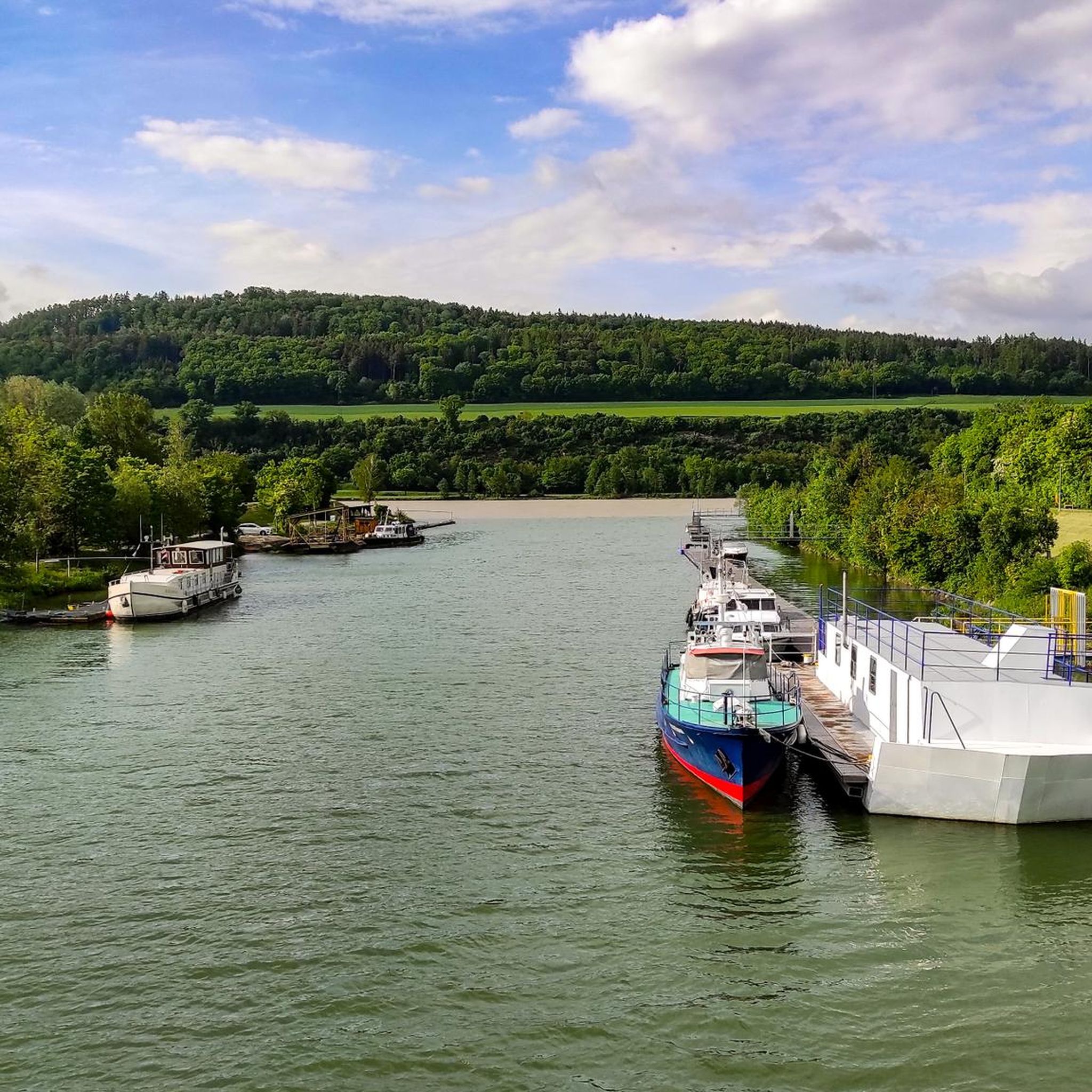
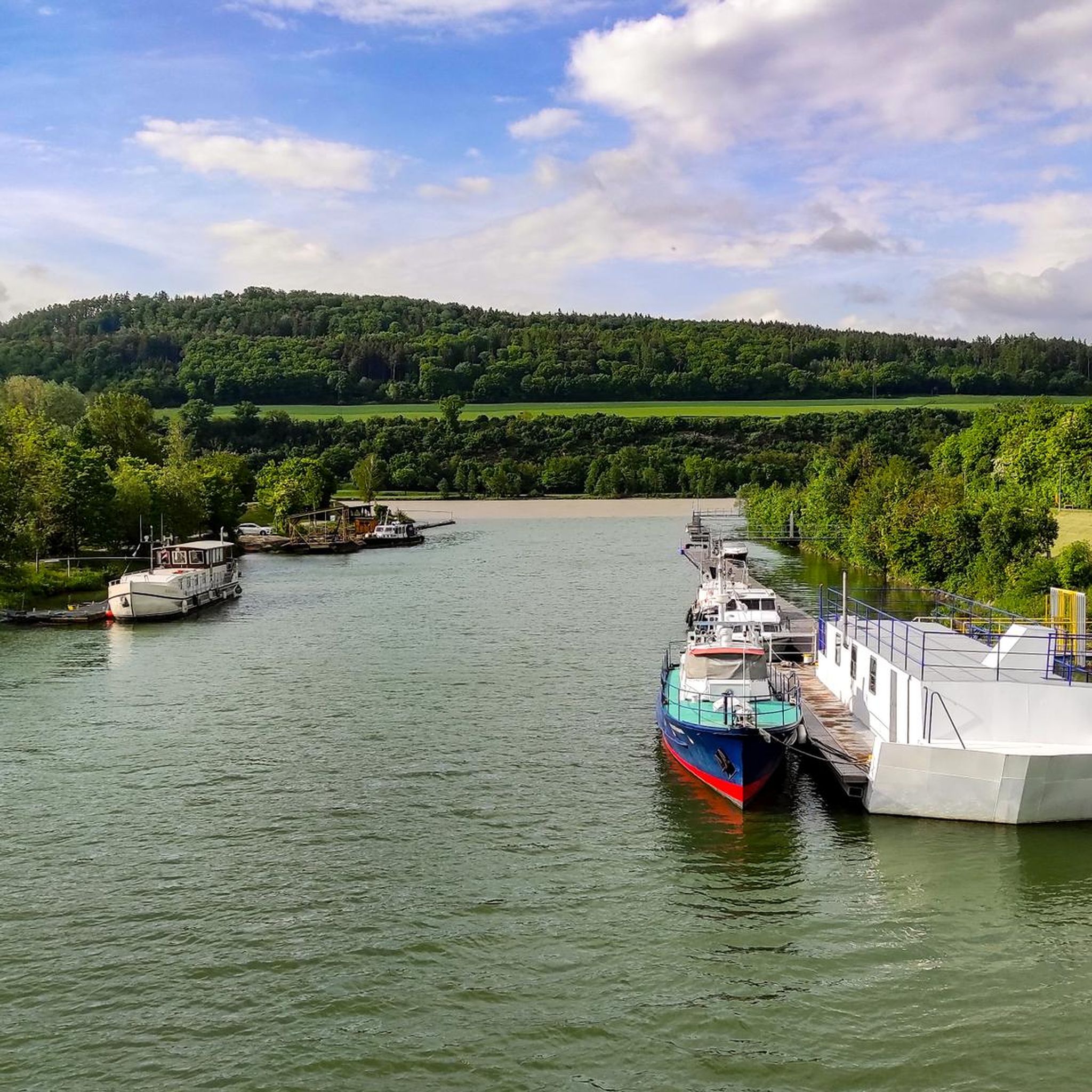
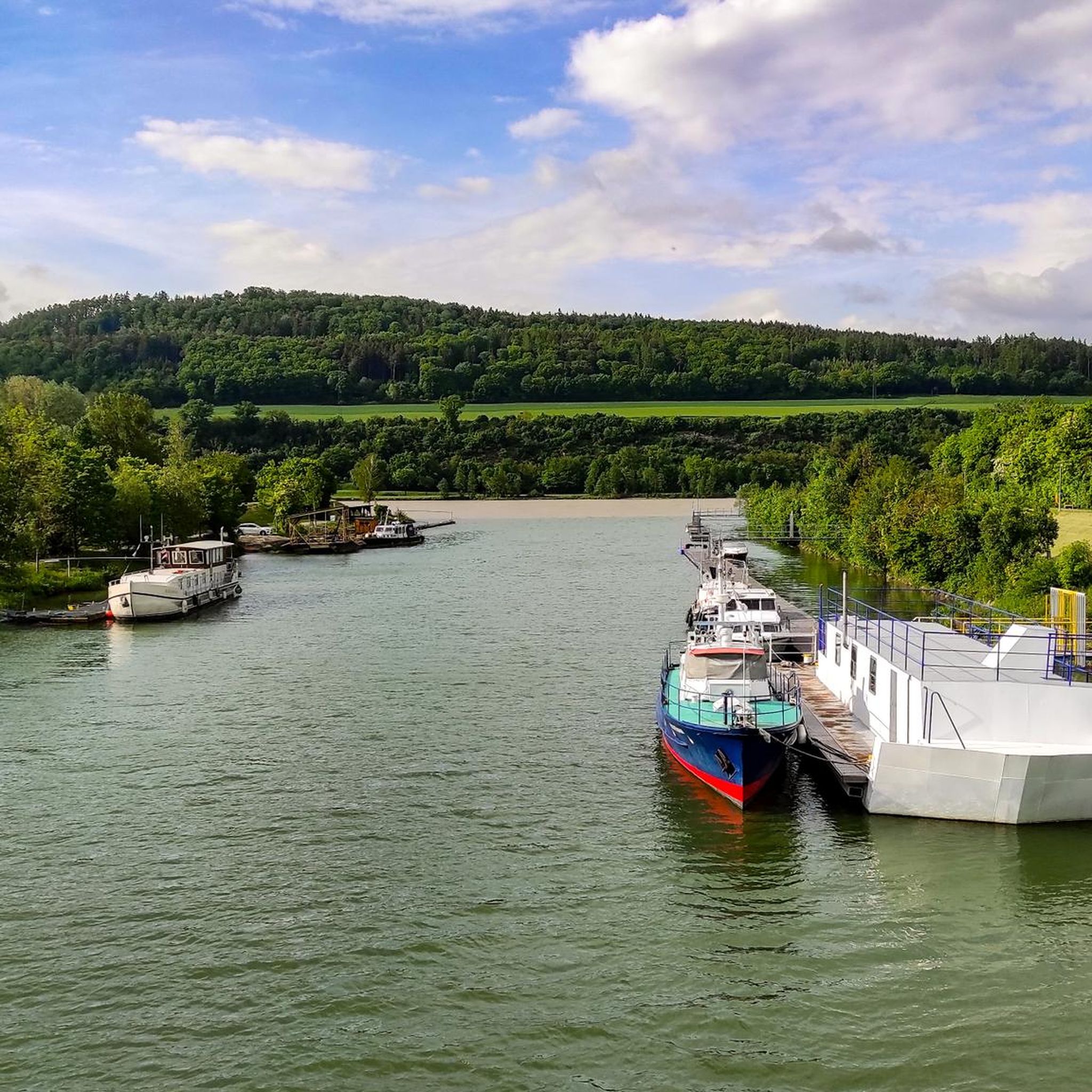
Emmersdorf - the western gateway to the Wachau, directly opposite the imposing Melk Abbey. A convenient starting point for excursions into the Wachau, the Nibelungengau, the Waldviertel and the Mostviertel. Worth seeing: the castle church (medieval fortification), the late Gothic parish church and the St. Magdalene Chapel surrounded by old townhouses. Boat jetties in Emmersdorf and Luberegg for private boats, guest jetties in the sports harbour Luberegg, swimming, surfing and sailing in the Luberegg leisure facility, circular hiking trails, guided bike tours, fishing opportunities, tennis courts, campsite.
0
0
The subsidiary church of Schwallenbach belonged to the large complex of property of the Niederaltaich monastery in the Wachau, which was allegedly founded by Charlemagne. This resulted in close ties to the monastery administration and the parish in Spitz. Thus, a small noble family from Spitz directly founded and endowed this church. Above the north gate, two interesting coat of arms reliefs with a chain and lock have been preserved. They refer to the mutual dependence of liege lord and vassal knight. Since the end of the 13th century, the monastery has enfeebled its dominion to the Dukes of Bavaria, who ceded it to King Maximilian I in 1504. The subsidiary church is first mentioned in 1419 and shows strikingly pronounced features of its Gothic period of origin. For example, the brick-built pointed helmet of the tower is a building form from the late Gothic period, which is particularly characteristic of the Wachau. The church is dedicated to St. Sigismund, the legendary King of Burgundy - he lived around 500.
0
0
Seyfried der Ritzendorfer sought permission from Pope Martin V to rebuild the church, and received permission in 1420. In 1421, Seyfried Ritzendorfer and his wife Anna issued the deed of foundation for the chapel. The new church, dedicated to St. Sigmund, was to be subordinate to the parish church of Spitz as a daughter church, along with the cemetery. The two shields above the entrance are the coats of arms of the founding couple (right: coat of arms of the Knights of Schwallenbach; left: coat of arms of the Ritzendorfers). Seyfried Ritzendorfer is buried in the church.
0
0
Branch church of St. Sigismund - Typical of Wachau Gothic The branch church of Schwallenbach belonged to the large property complex of the Niederaltaich Monastery in the Wachau region, which was allegedly donated by Charlemagne himself. This resulted in close ties to the monastery administration and the parish in Spitz. A small noble family from Spitz directly endowed and endowed this church. Two interesting coat of arms reliefs with chain and lock have been preserved above the north gate. They refer to the mutual dependence of feudal lord and feudal knight. Since the end of the 13th century, the monastery has enfeoffed its dominion to the Dukes of Bavaria, which they ceded to King Maximilian I in 1504. The branch church is first mentioned in 1419 and shows strikingly pronounced features of its Gothic period of origin. For example, the brick-built pointed helmet of the tower is a building form from the late Gothic period that is particularly characteristic of the Wachau region. The church is dedicated to St. Sigismund, the legendary king
0
0
The church of Schwallenbach dates back to a chapel from 1420, which was dedicated to Saint Sigismund. Buttresses and vault ribs indicate the late Gothic style. A statue of the Virgin Mary from the church, dating from 1515, has been preserved, the baroque altar was consecrated in 1724 by the bishop of Passau. The altarpiece dedicated to Saint Sigismund by Martin Johann Schmidt dates from 1767.
0
0

View and a beautiful church >> Plan time
0
0

Sindelburg Church
0
0
Frequently Asked Questions
How many road cycling routes are available around Pöchlarn?
Pöchlarn offers a wide selection of road cycling routes, with over 30 tours available. These routes cater to various skill levels, including easy, moderate, and difficult options.
What kind of terrain can I expect on road cycling routes near Pöchlarn?
The region around Pöchlarn provides diverse terrain. You'll find mostly flat, well-paved sections along the Danube Cycle Path, ideal for relaxed rides. For more demanding cyclists, the surrounding landscape includes rolling hills and routes with significant climbs, particularly towards areas like the Pielachtaler Höhenweg, offering varied challenges.
Are there any easy road cycling routes suitable for beginners in Pöchlarn?
Yes, the Danube Cycle Path (Donauradweg) offers extensive flat and well-paved sections, making it highly suitable for beginners and those seeking a relaxed ride. While specific easy routes are fewer, the overall character of the Danube path is very accessible.
Where can I find more challenging road cycling routes around Pöchlarn?
For more challenging rides, look for routes that venture away from the immediate riverbanks and into the rolling hills. An example of a difficult route is the View of Maria Taferl – Yspertal loop from Pöchlarn, which features significant elevation gains.
What are the best times of year for road cycling in Pöchlarn?
Spring and autumn are considered the best seasons for road cycling in Pöchlarn. During these times, the weather is pleasant, and the landscapes are vibrant, offering ideal conditions for exploring the Danube and Wachau regions.
Are there scenic viewpoints or natural features to see along the routes?
Absolutely. Many routes offer breathtaking scenery along the Danube River and through the picturesque vineyards of the Wachau Valley. You can enjoy views of the prominent pilgrimage church of Maria Taferl, for instance, on routes like the View of Maria Taferl – View of Maria Taferl loop from Pöchlarn.
Can I find family-friendly road cycling options in the Pöchlarn area?
Yes, the Danube Cycle Path is particularly well-suited for families due to its mostly flat and well-maintained surface. It allows cyclists of all experience levels, including children, to enjoy the scenic beauty along the Danube.
What historical sites or landmarks can I explore while cycling near Pöchlarn?
The region is rich in history. You can cycle past the impressive Melk Abbey, which sits majestically above the Danube. Routes like the View of the Weitenegg ruins – Hinterhaus Castle Ruins loop from Pöchlarn lead through historical ruins and river landscapes. Pöchlarn itself is known for its Renaissance Pöchlarn Castle and the Welser Tower.
Are there circular road cycling routes available from Pöchlarn?
Yes, many road cycling routes around Pöchlarn are designed as loops, bringing you back to your starting point. Examples include the View of Maria Taferl – Struden loop from Pöchlarn and the View of the Weitenegg ruins – Luberegg Castle loop from Pöchlarn.
What do other cyclists say about road cycling in Pöchlarn?
The road cycling routes in Pöchlarn are highly rated by the komoot community, with an average score of 4.3 stars from over 30 reviews. Cyclists often praise the diverse terrain, the stunning Danube scenery, and the well-maintained paths that cater to both leisurely rides and challenging climbs.
Are there options for parking when starting a road cycling tour in Pöchlarn?
Pöchlarn, being a key point on the Danube Cycle Path, generally offers parking facilities suitable for cyclists. Specific parking areas can be found near the town center or along the river, providing convenient access to the routes.
Can I access road cycling routes in Pöchlarn using public transport?
Pöchlarn is well-connected by public transport, including train services, which can be useful for reaching the starting points of various cycling routes. The Danube Cycle Path is easily accessible from the town, allowing for convenient starts and finishes.
Are there places to stop for refreshments or accommodation along the road cycling routes?
Yes, the region along the Danube and within the Wachau Valley is dotted with charming villages and towns that offer numerous opportunities for refreshments, meals, and accommodation. You'll find bike-friendly cafes, pubs, and guesthouses, especially in popular areas like the Wachau.
What are some notable natural attractions near Pöchlarn that I can visit?
Beyond the Danube River itself, you can explore the Wachau World Heritage Site, renowned for its vineyards and picturesque river views. There are also several lakes in the vicinity, such as Danube Lake and Rudolf Lake, which offer additional natural beauty.
Most popular routes around Pöchlarn
Most popular attractions around Pöchlarn

Get inspired with the komoot mobile app


Explore more
Browse the best Road cycling routes in other regions.
