The best MTB trails in Calanques
4.4
(2313)
12,435
riders
336
rides
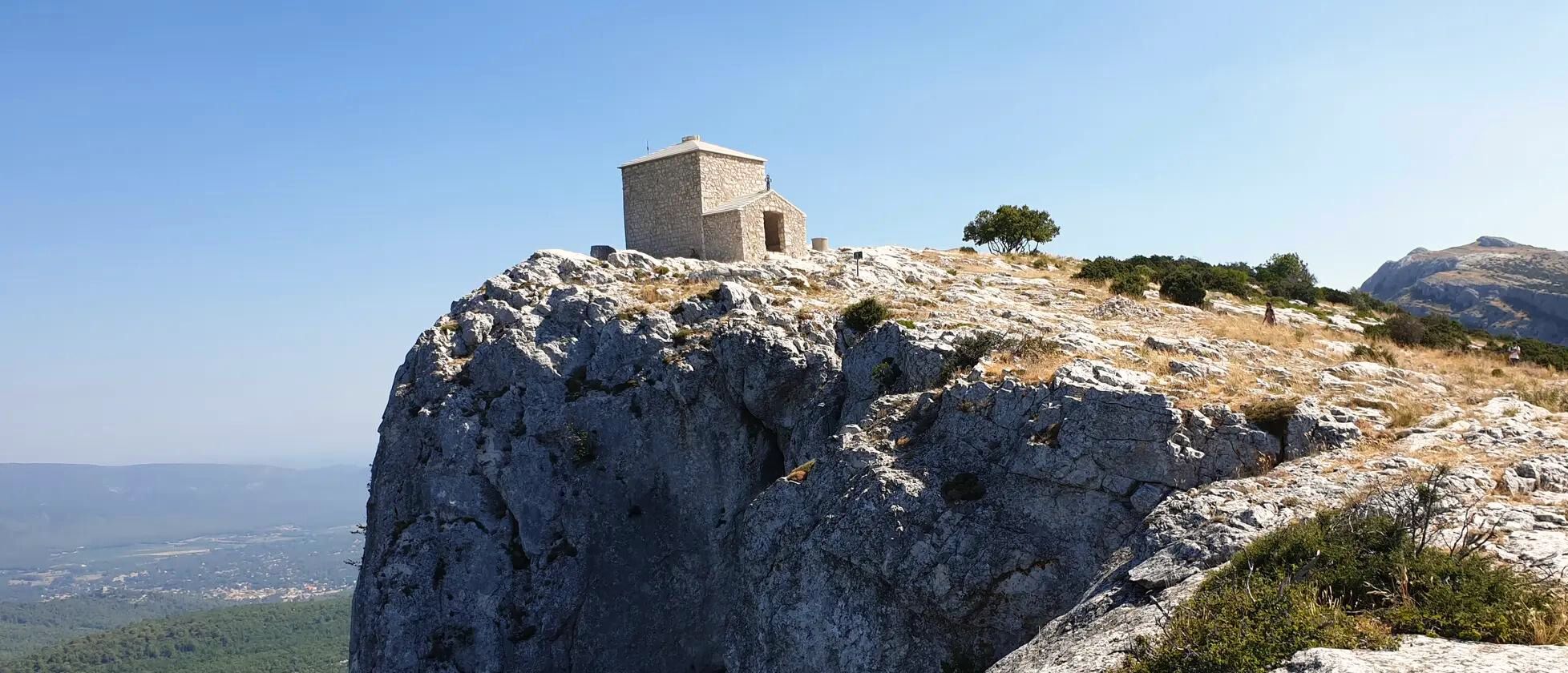
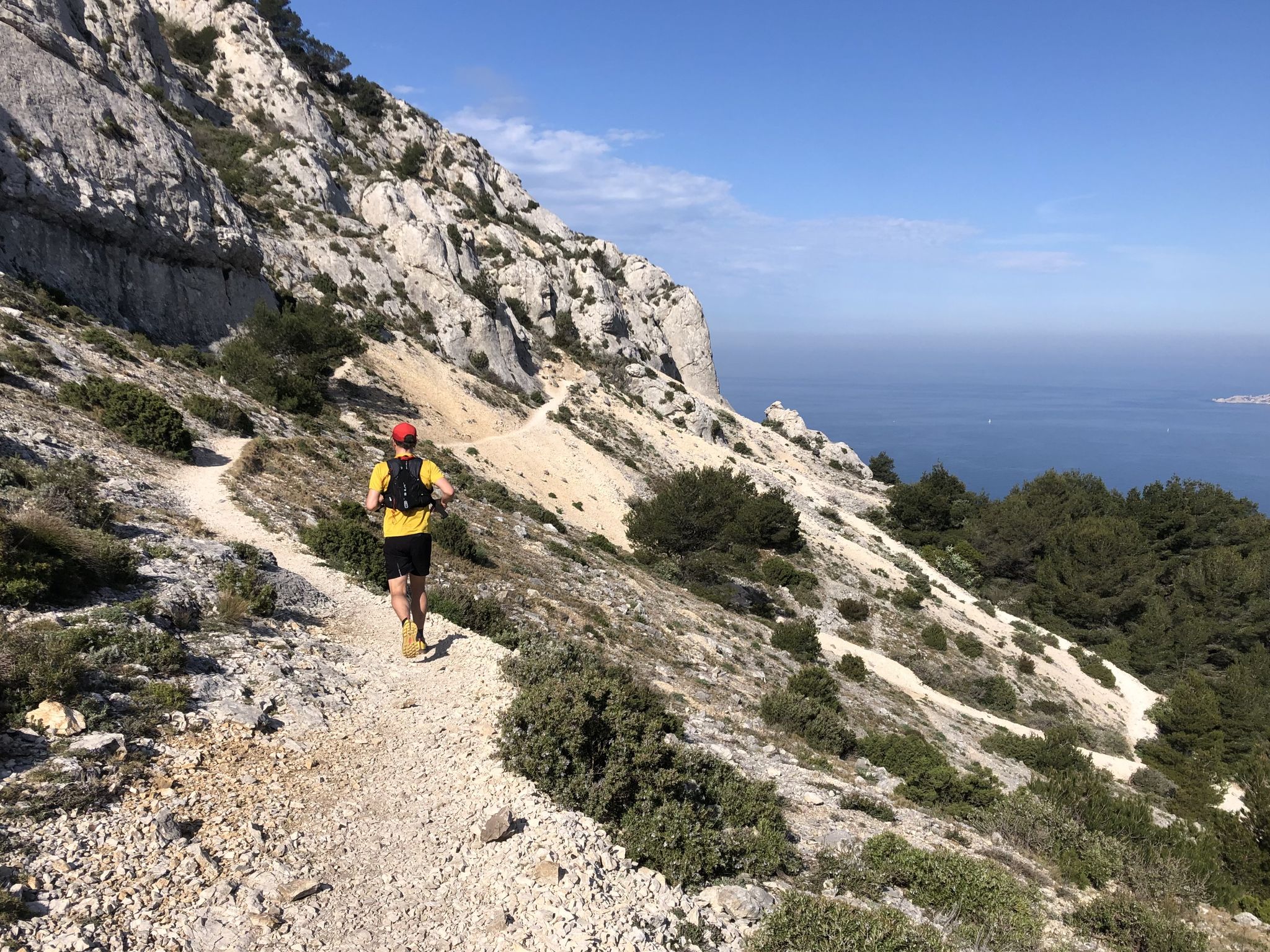
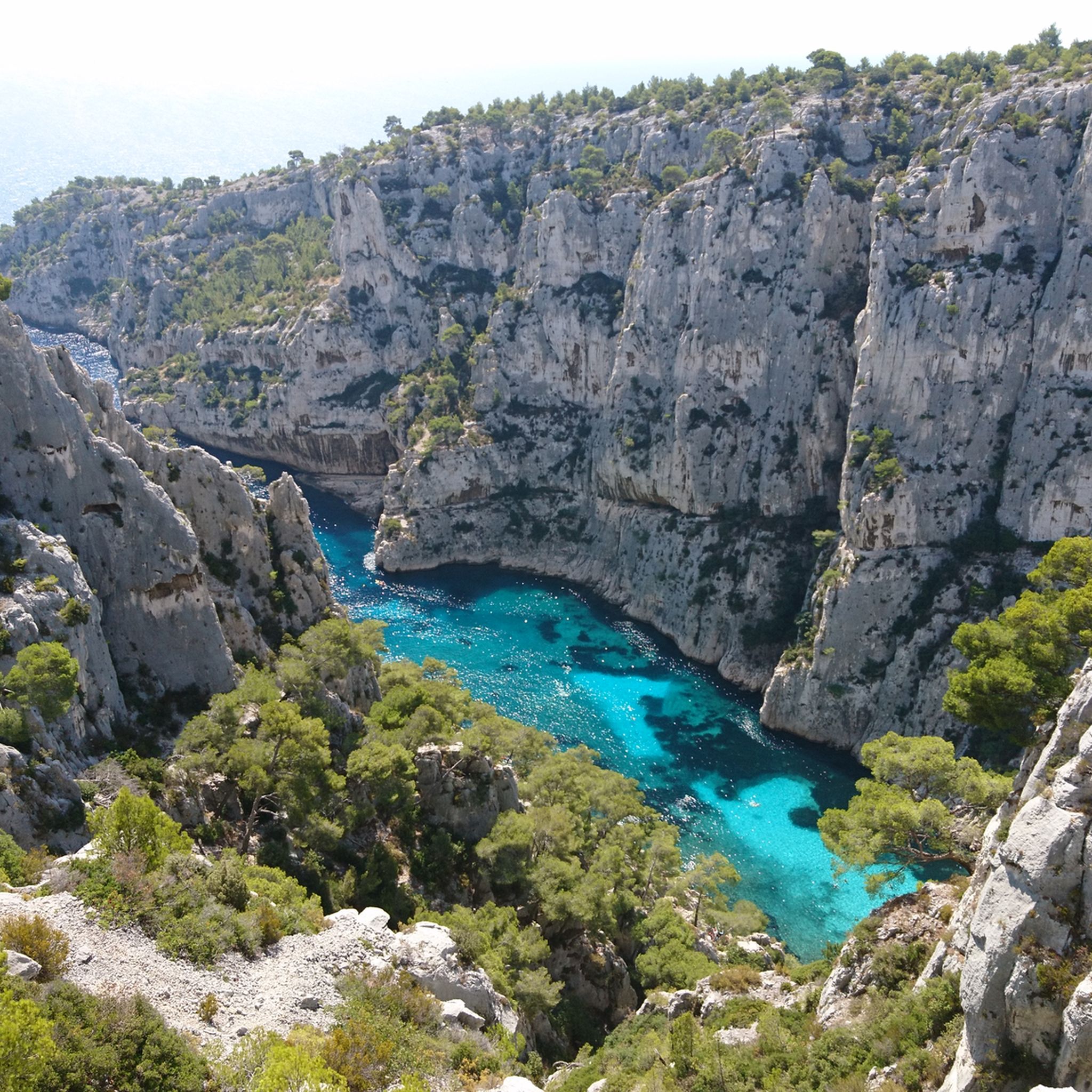
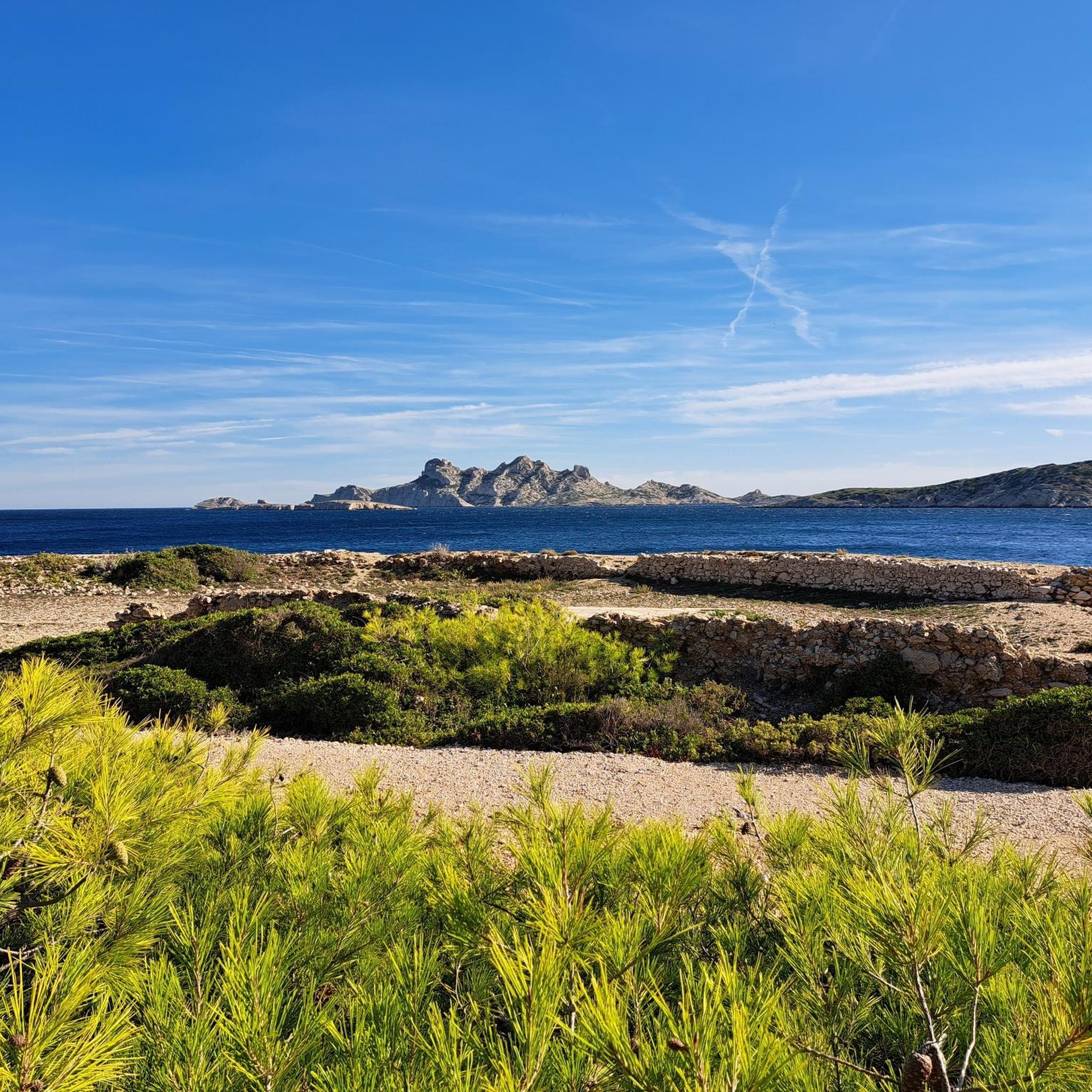
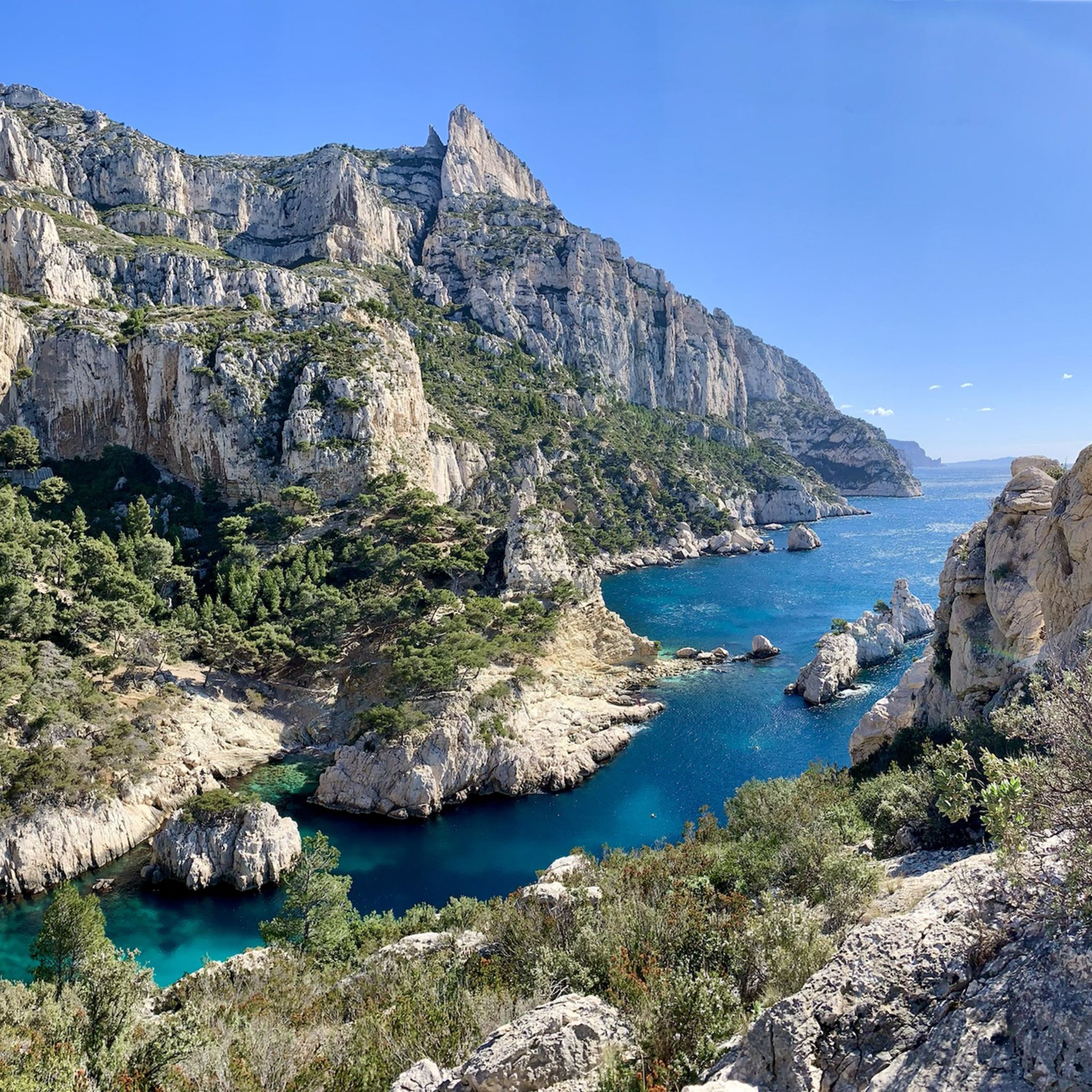
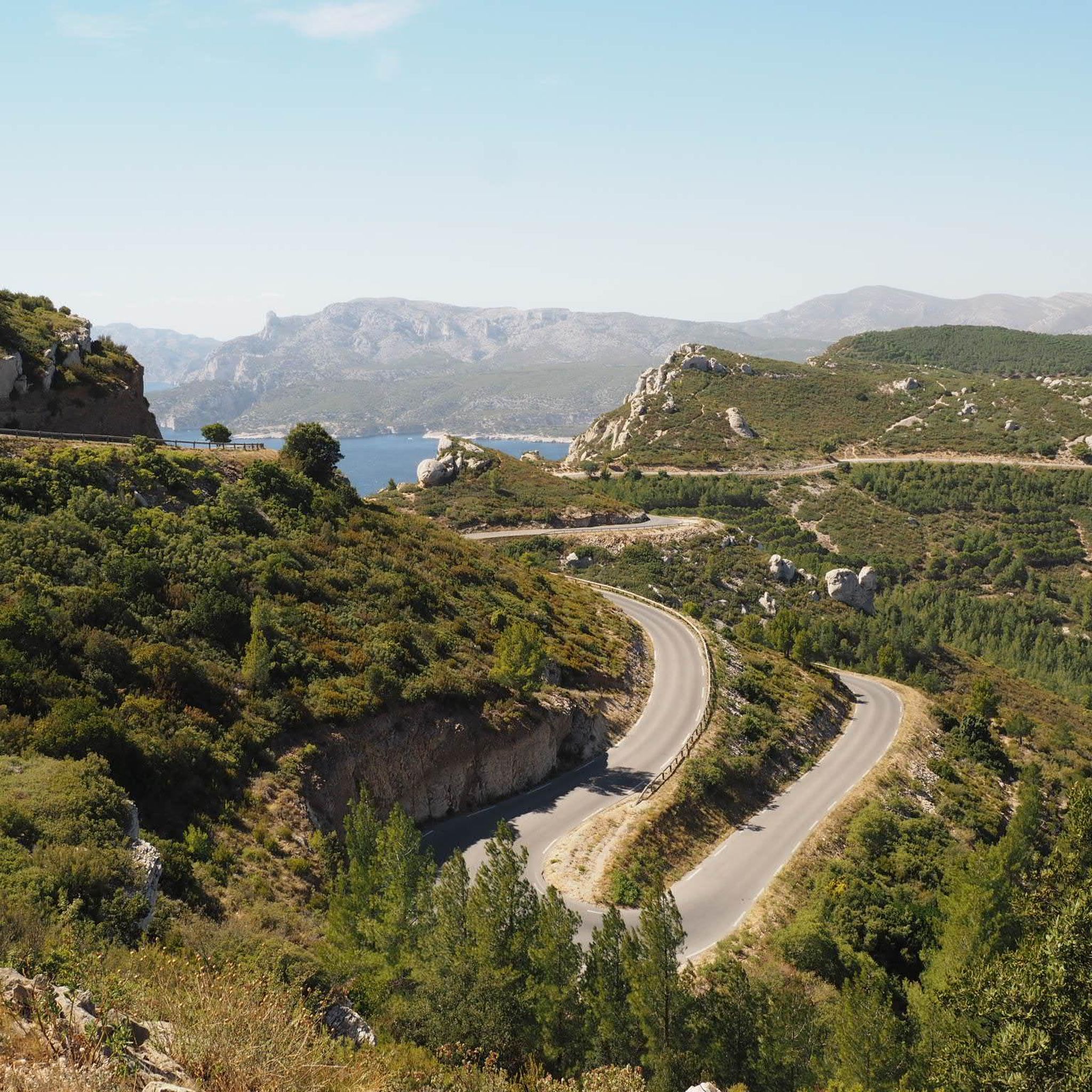
Mountain biking in Calanques offers diverse terrain across rugged limestone landscapes and coastal paths between Marseille and Cassis. The region is characterized by dramatic white limestone cliffs, deep inlets, and varied elevations, including peaks like Mont Puget. Riders can expect a mix of gravel tracks, rocky sections, and significant elevation changes, providing a challenging experience. The park's unique blend of arid landscapes and Mediterranean flora creates a distinct environment for outdoor activities.
Best mountain bike trails in Calanques
- The most…
Last updated: June 21, 2026
4.5
(13)
105
riders
22.7km
02:03
850m
860m
Moderate mountain bike ride. Good fitness required. Advanced riding skills necessary.
4.8
(26)
80
riders
18.6km
01:47
540m
550m
Moderate mountain bike ride. Good fitness required. Suitable for all skill levels.

Sign up for free
4.9
(15)
56
riders
Moderate mountain bike ride. Good fitness required. Suitable for all skill levels.
4.1
(16)
51
riders
29.8km
02:56
820m
820m
Hard mountain bike ride. Good fitness required. Advanced riding skills necessary. Some portions of the route may require you to push your bike.
4.5
(4)
41
riders
21.2km
01:56
590m
590m
Moderate mountain bike ride. Good fitness required. Advanced riding skills necessary.
Get access to more routes and recommendations from other explorers.
Sign up for free
Already have an account?
Our route recommendations are based on thousands of hikes, rides, and runs completed by other people on komoot.
Start today with a free account
Your next adventure awaits.
Login or Signup


Tips from the Community


Nothing to do with mountain biking!!! Just asphalt and national roads, Komoot could do better and give us some trails.
0
0


going downhill is still easier 🥳
0
0

watch out for the mistral and also for fire weather bans 🔥
0
0

📖 La Ciotat, a port steeped in history… 🏺 Ancient origins The Gulf of La Ciotat has attracted people for millennia. Excavations at Ellianac and in the Terrevaine Cave reveal the presence of sedentary tribes as early as 3000 BC. In the 5th century BC, the town became a stopover for ancient navigators. 📜 Birth of a commune In 1429, a charter recognized La Ciotat as a commune in its own right. In the 16th century, the town expanded with the arrival of Genoese noble families, who came from Italy after political unrest. ⚓ A port focused on shipbuilding In 1622, shipyards were established. Despite a decline in the 18th century, they regained their dynamism in the 19th century thanks to Louis Benet, who gave the site an industrial dimension. In 1836, Le Phocéen, the first French steamship in the Mediterranean, was launched, followed by the Bonaparte in 1839. 🏛️ A rich and vibrant heritage La Ciotat is full of treasures: churches, chapels, old gates, typical squares, private mansions... Old La Ciotat captivates with its charm and warm Provençal atmosphere, where past and present coexist. ⚫ The invention of pétanque At the beginning of the 20th century, Jules Le Noir, a merchant suffering from rheumatism, played the game sitting in a circle marked on the ground. His friend Mr. Pitiot suggested playing "with your feet tanqués" (glued to the ground)... Pétanque was born right here in La Ciotat! 🎬 The birthplace of cinema In 1895, Louis Lumière stayed in La Ciotat. There, he developed the cinematograph and shot some of the first films in history: Arrival of a Train at La Ciotat Station, The Sprinkler Sprinkled… The first private screening took place on September 21, 1895, at the Palais Lumière, even before Paris! In 1899, the Éden Théâtre hosted the first public ticketed cinema screening, making La Ciotat a mecca of the seventh art. This cinema, still in operation, is now a listed historic monument. 🎞️ Today: Economically, La Ciotat is experiencing a revival thanks to the rehabilitation of the former shipyards, now focused on luxury yachting and maritime technologies. La Ciotat seduces with its authentic Mediterranean atmosphere. Its bustling alleyways, colorful markets, festivals, and vibrant port offer a quality of life appreciated by both locals and visitors. https://youtu.be/BQjh8z9ioEw?si=6WY9ZC_NiBXN9eWL
0
0
Frequently Asked Questions
How many mountain bike trails are available in Calanques National Park?
Calanques National Park offers a wide variety of mountain biking experiences, with over 360 routes recorded on komoot. These trails cater to different skill levels, including 79 easy, 183 moderate, and 100 difficult options.
What kind of terrain can I expect when mountain biking in Calanques?
The terrain in Calanques is characterized by rugged limestone landscapes, coastal paths, and significant elevation changes. You'll encounter a mix of gravel tracks and rocky sections, often requiring good fitness and advanced skills. The dramatic white limestone cliffs and deep inlets create a unique and challenging environment.
Are there any family-friendly mountain bike trails in Calanques?
While many trails in Calanques are challenging, there are 79 routes classified as easy, which may be suitable for families or those looking for a less strenuous ride. These trails often feature smoother paths and less elevation gain, allowing for a more relaxed exploration of the park's natural beauty.
What are some notable viewpoints or natural attractions accessible by mountain bike?
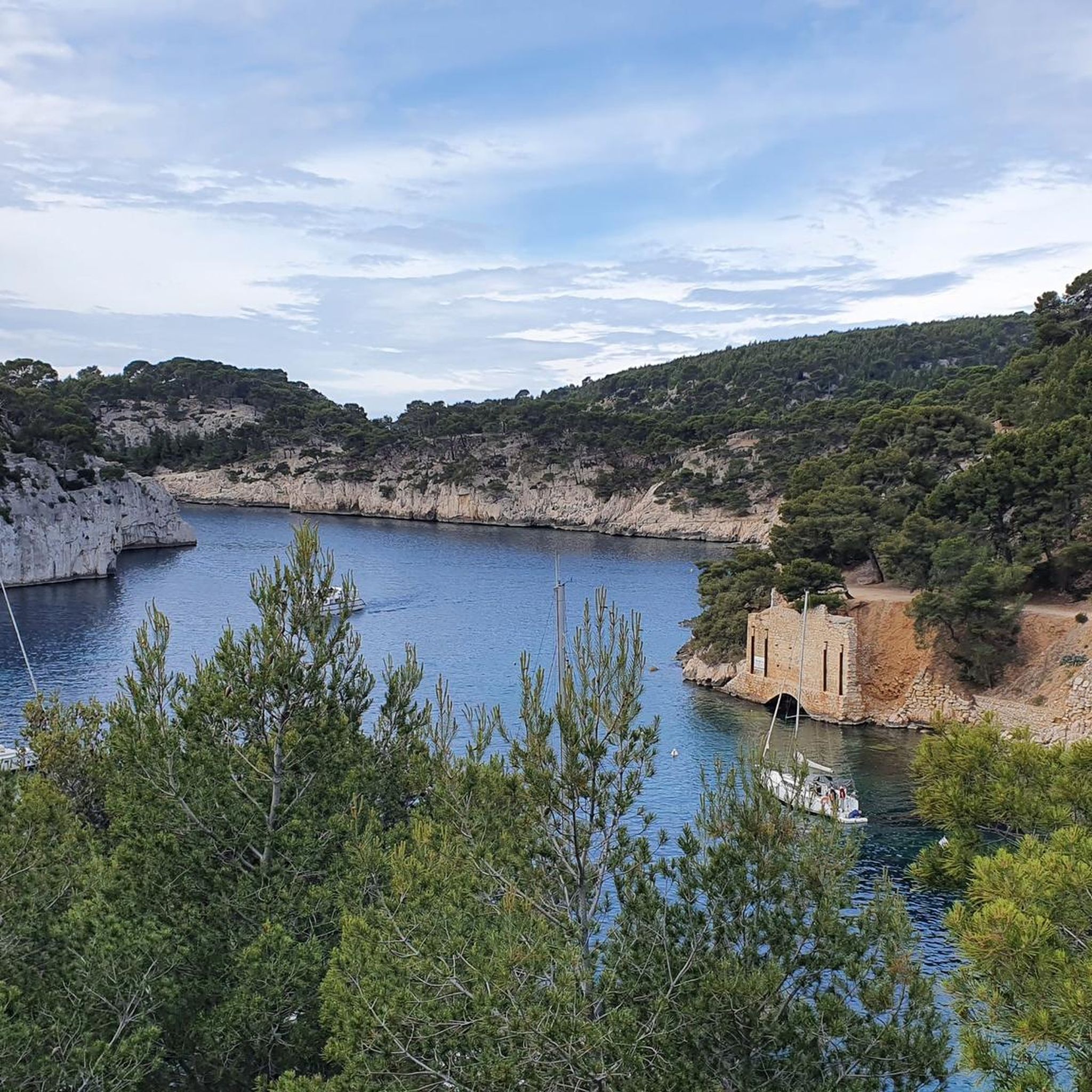
Many mountain bike routes offer stunning views of the Mediterranean Sea and the iconic calanques. You can find breathtaking vistas overlooking areas like Calanque d'En-Vau. Specific natural attractions you might encounter include Port-Pin Beach, the View of the Port Miou calanque, or the dramatic Morgiou Cove.
What is the best time of year to go mountain biking in Calanques?
The best time to mountain bike in Calanques is typically during the spring (April-May) and autumn (September-October) when temperatures are milder. Summers can be very hot, and there are often seasonal restrictions due to fire risk, which can limit access to certain areas of the park. Winters are generally mild but can be wet.
Are there any long-distance or challenging mountain bike routes in the park?
Yes, Calanques offers several challenging routes for experienced riders. For instance, the Gendame Valley – GR51 loop from La Ciotat is a difficult 42.1 km trail with over 1100 meters of elevation gain. Another demanding option is the View of Garlaban – Le Garlaban loop from La Barasse, covering nearly 30 km with significant climbs.
What do other mountain bikers enjoy most about riding in Calanques?
The komoot community highly rates mountain biking in Calanques, with an average score of 4.4 stars from over 2,000 reviews. Riders frequently praise the stunning coastal views, the unique limestone landscapes, and the challenging yet rewarding terrain that makes for an engaging experience.
Can I bring my dog mountain biking in Calanques National Park?
Calanques National Park has specific regulations regarding dogs to protect its fragile ecosystem. While dogs are generally permitted on trails, they must be kept on a leash. It's always advisable to check the official park regulations before your visit, especially concerning specific zones or seasonal restrictions.
Are there any circular mountain bike routes available?
Yes, many of the mountain bike trails in Calanques are designed as loops. For example, the Route des Crêtes – Bec de l'Aigle Semaphore loop from Cassis is a popular moderate 22.8 km circular route offering panoramic coastal views. Another option is the Palombière des Rompides – Chemin de Saint-Loup (Cassis) loop from Cassis, which navigates varied terrain.
What are the typical distances and durations for mountain bike trails in Calanques?
Trail distances vary significantly, from shorter easy loops to longer, more challenging routes. For instance, a moderate trail like the Route des Crêtes – Bec de l'Aigle Semaphore loop from Cassis is about 22.8 km and takes around 2 hours. More difficult routes, such as the Canal de Marseille – Small bike park loop from Montredon, can be around 28.6 km and take closer to 2 hours 40 minutes, depending on your pace and skill level.
Are electric mountain bikes (e-bikes) allowed in Calanques National Park?
Yes, electric mountain bikes (e-bikes) are generally permitted on many trails within Calanques National Park. E-bikes can be particularly helpful for navigating the park's challenging terrain and significant elevation changes, making it more accessible for a wider range of riders.
Most popular routes in Calanques
Most popular attractions in Calanques

Get inspired with the komoot mobile app


Explore more
Browse the best MTB trails in other regions.
