Attractions and Places To See in Timanfaya - Top 17
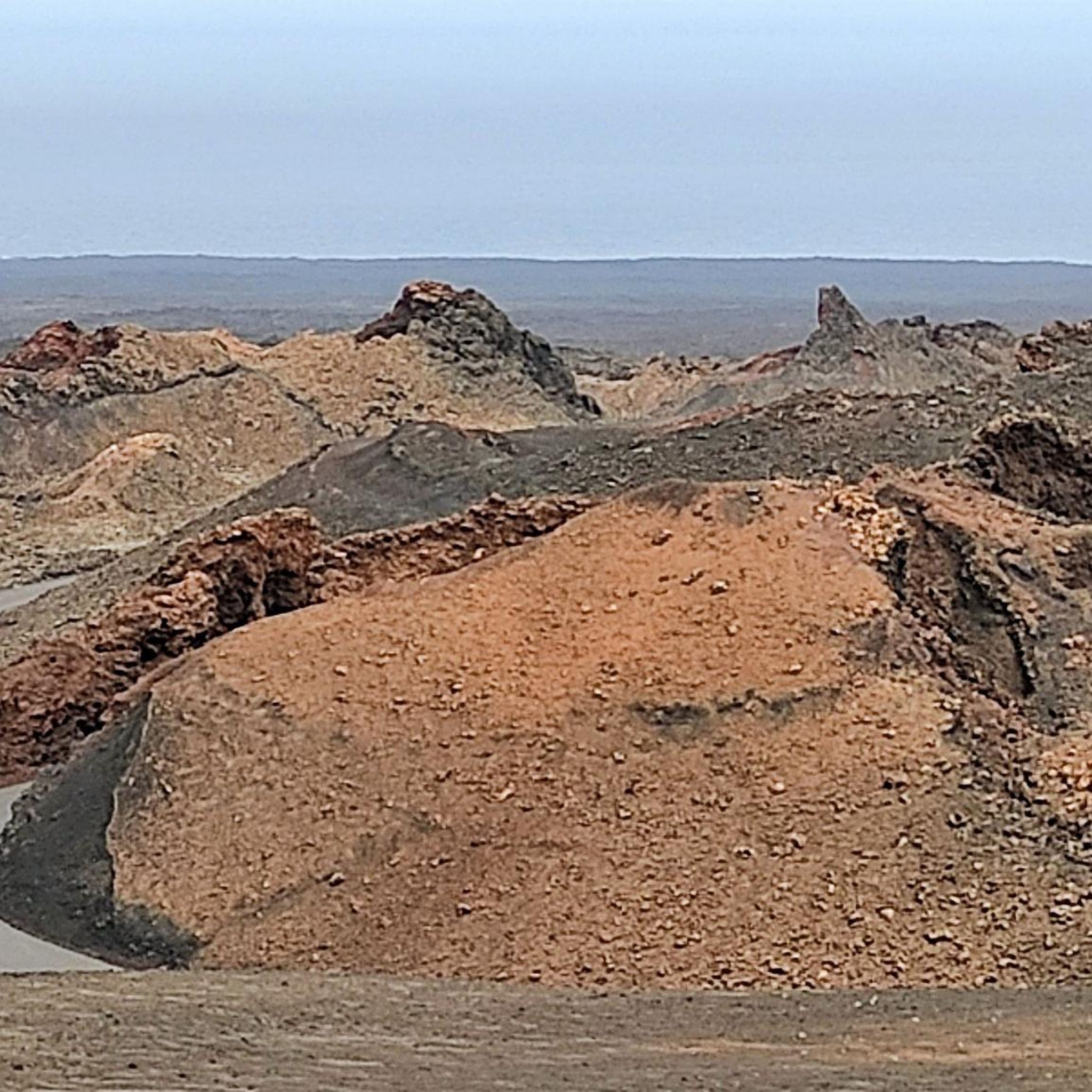
Best attractions and places to see in Timanfaya feature a unique volcanic landscape, shaped by eruptions between 1730 and 1736. This UNESCO Biosphere Reserve, located in southwestern Lanzarote, is Spain's only entirely geological national park. It is characterized by vast expanses of volcanic soil, lava fields, and dormant volcanoes with vibrant red, brown, ocher, and black hues. The park offers an otherworldly terrain, often described as Martian, making it a distinct destination for exploration.
Best attractions and places to see in Timanfaya
- The most popular attractions is Road through Timanfaya National Park, a trail that offers stunning views of the wild, black landscape. This route provides panoramic views of craters, lava fields, and volcanic mountains.
- Another must-see spot is Timanfaya National Park, a volcano area with impressive landscapes. Visitors can experience the unique geological features and open volcanic outlets within the park.
- Visitors also love Playa del Paso (Black Sand Beach, Timanfaya National Park), a tranquil dark sandy beach. This beach offers a stark contrast to the volcanic inland and can only be reached on foot.
- Timanfaya is known for its volcanic landscapes, unique trails, and distinctive beaches. The region offers a variety of attractions to see and explore, from geothermal demonstrations to camel rides and visitor centers.
- The attractions in Timanfaya are appreciated by the komoot community, with more than 560 upvotes and over 165 photos shared by visitors.
Last updated: June 23, 2026
Playa del Paso (Black Sand Beach, Timanfaya National Park)
Highlight • Beach
Translated by Google •
Tip by

Timanfaya National Park
Highlight • Volcano
Translated by Google •
Tip by

Sign up now to discover places like this
Get recommendations on the best single tracks, peaks, & plenty of other exciting outdoor places.
Sign up for free
Timanfaya National Park Entrance
Highlight • Volcano
Translated by Google •
Tip by

Road through Timanfaya National Park
Highlight (Segment) • Trail
I've lost count of how many times I've crossed Timanfaya, and I'm struck by how amazed I am every time... I'm amazed by
- the splendor of the wild, black landscape
- how strong the headwind is when you cycle this road from Uga
- how hard the wind blows you downhill as you fly towards Uga
- how wonderfully smooth the asphalt
- how courteous Spanish drivers are when they meticulously maintain the one-and-a-half-meter distance when overtaking you
If you're coming from Uga, the long climb is logically the physical challenge. Once at the top, you have a beautiful viewpoint at the entrance to the national park. You'll find it less physically demanding if you come from Mancha Blanca.
No matter how you drive this road, both sides offer stunning views.
I love it!
Translated by Google •
Tip by

Timanfaya National Park Road (LZ-67)
Highlight (Segment) • Cycleway
Tip by

Sign up for free to discover even more attractions in Timanfaya.
Sign up for free
Already have an account?
Start today with a free account
Your next adventure awaits.
Login or Signup
Tips from the Community

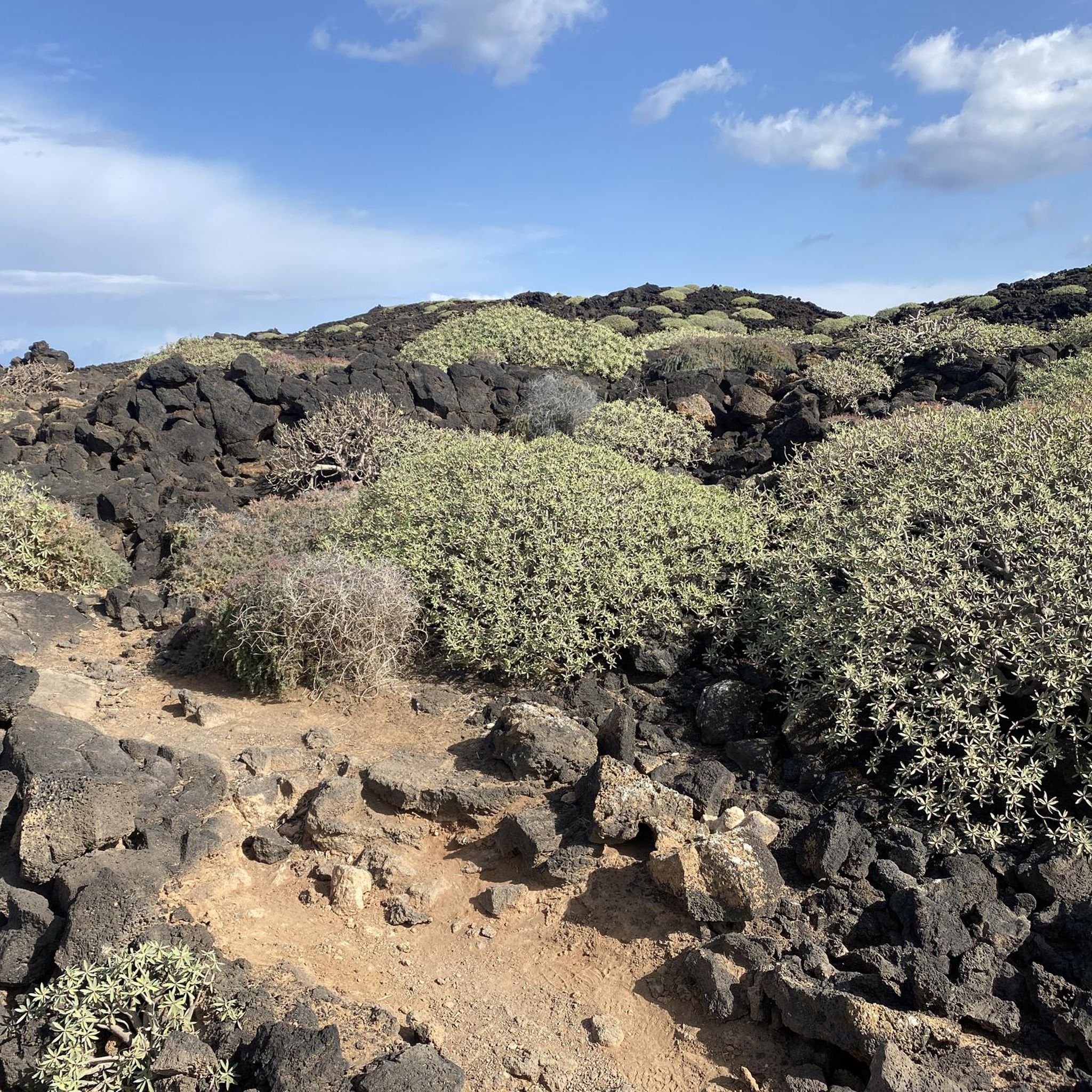
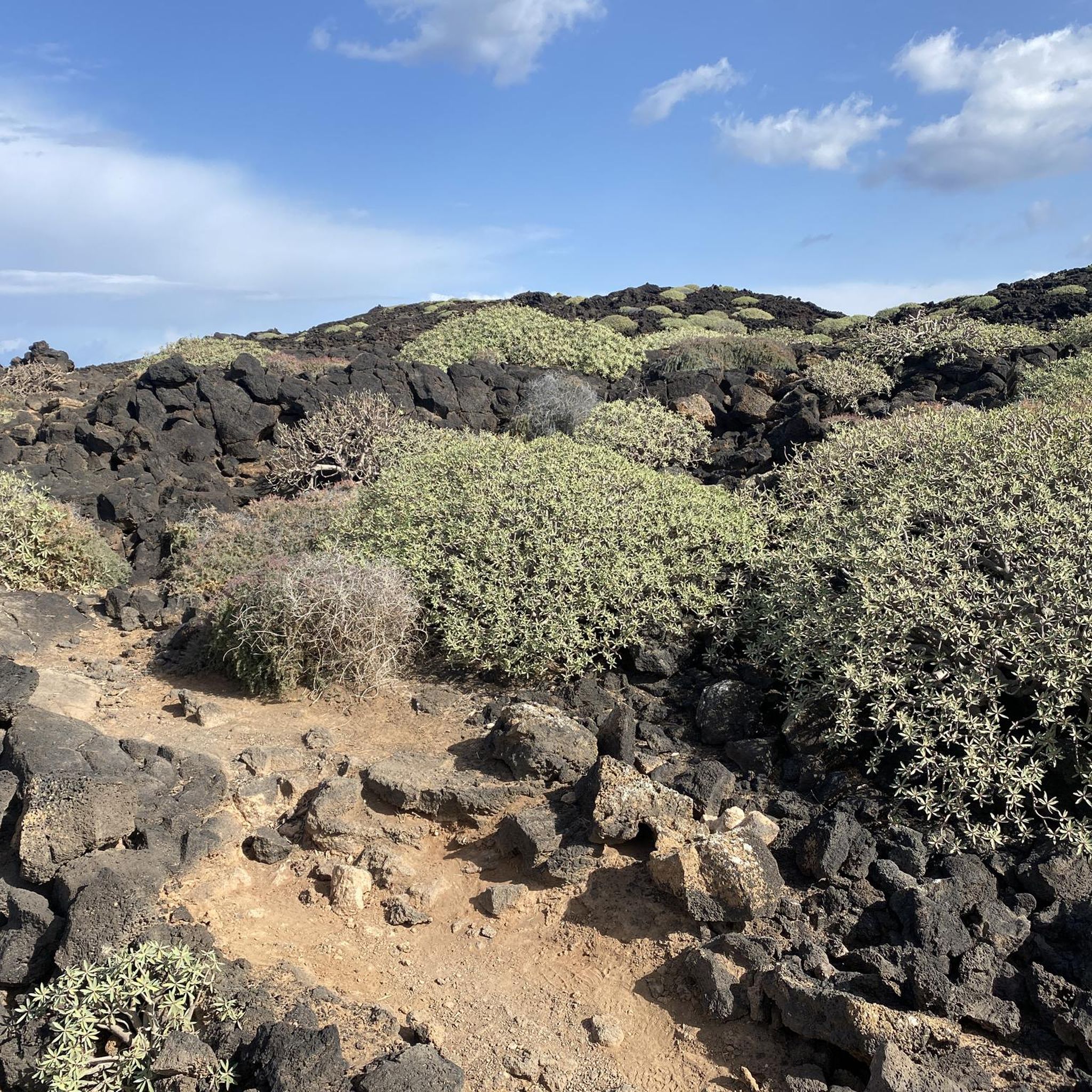
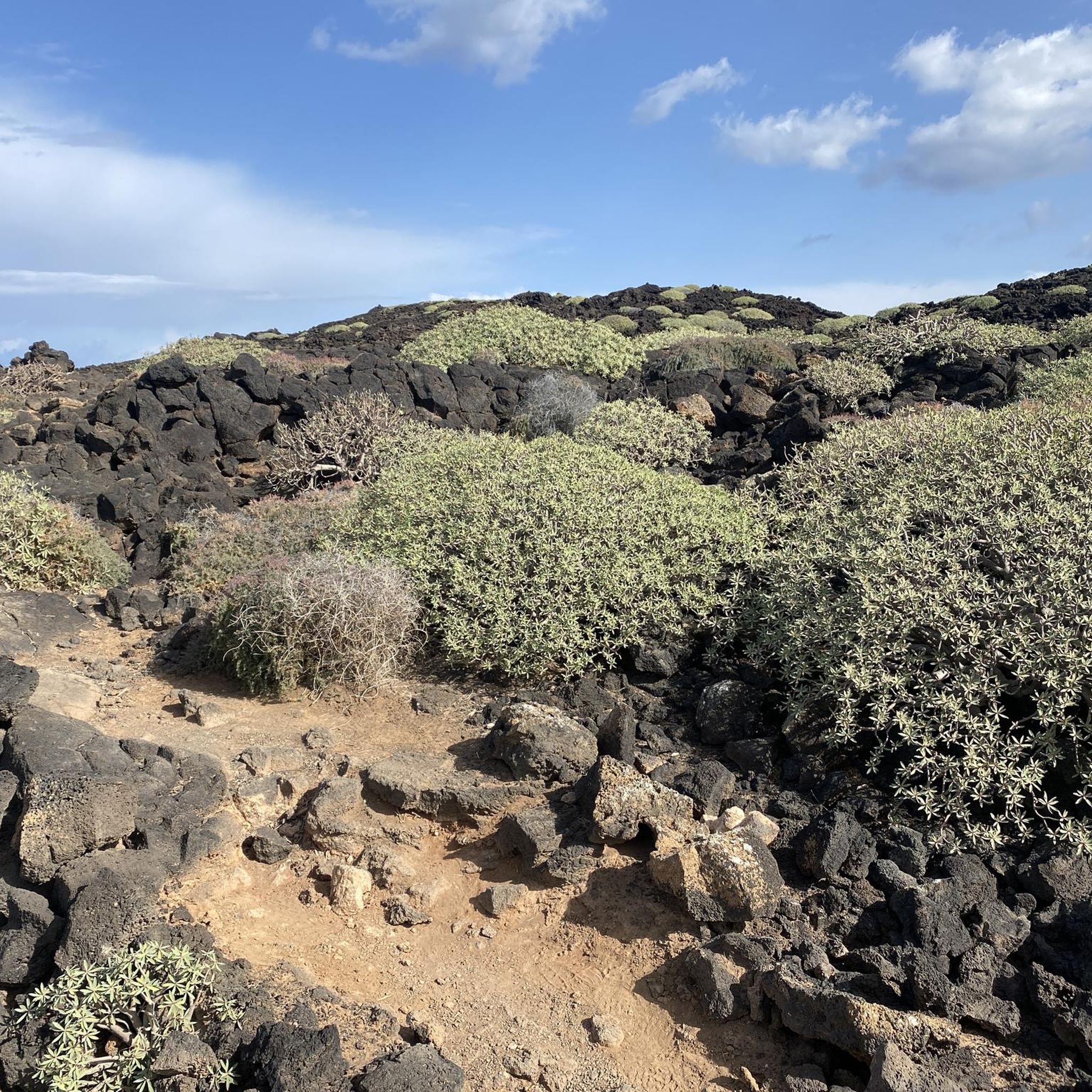
A spectacular road that passes directly through Timanfaya National Park, the most recent and massive volcanic eruption on the island of Lanzarote. Perfect weather, excellent asphalt (December 2022), and very little traffic made for a magical afternoon experience.
0
0

Great ride through national park 🏞️ followed by lovely lunch and ride home
0
0

This road, the LZ-67, along with the LZ-56 (both lead to the village of Mancha Blanca) and the LZ-703 (the road that takes you past Los Hervideros), are the visual highlights of Lanzarote. I've lost count of how many times I've crossed Timanfaya, and I'm struck by how amazed I am every time... I'm amazed by - the splendor of the wild, black landscape - how strong the headwind is when you cycle this road from Uga - how hard the wind blows you downhill as you fly towards Uga - how wonderfully smooth the asphalt - how courteous Spanish drivers are when they meticulously maintain the one-and-a-half-meter distance when overtaking you If you're coming from Uga, the long climb is logically the physical challenge. Once at the top, you have a beautiful viewpoint at the entrance to the national park. You'll find it less physically demanding if you come from Mancha Blanca. No matter how you drive this road, both sides offer stunning views. I love it!
5
0

The road through Timanfaya is also a "Vía Ciclista", which means that cars are only allowed to drive at 60 (and overtake at a large distance here too). There are only moderate inclines and of course great views of volcanoes and lava fields. In between there is a camel station and a well-designed and free visitor center. But as always: watch out for the wind direction!
0
0

Beach with fine black volcanic sand. Often with strong surf that prevents swimming.
1
0

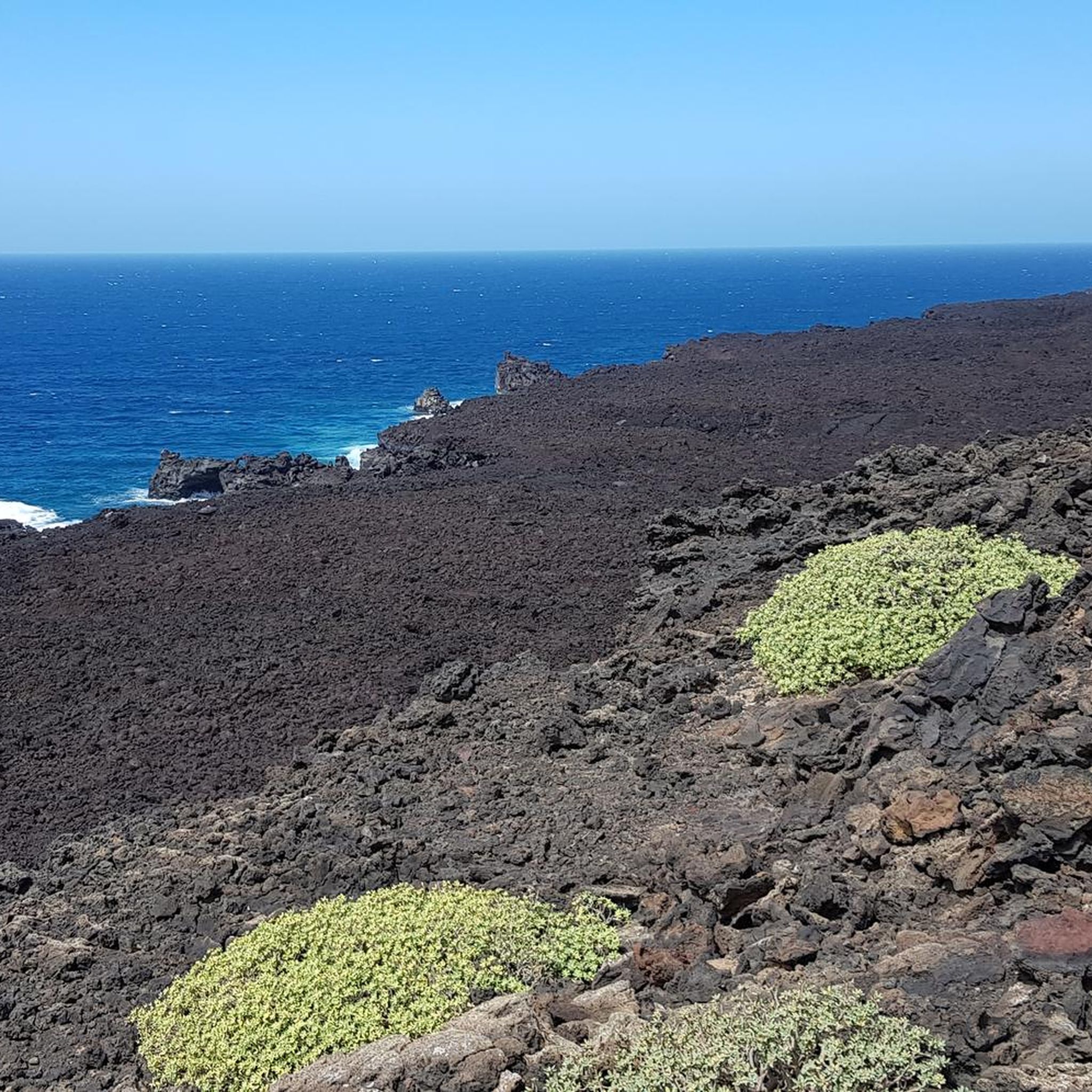
Suggestive black sand beach set between imposing lava flow rock formations. The sea here is particularly impetuous and the waves hit the cliffs violently. After passing through the village of El Golfo along Avenida Maritima you reach the large car park at the end of the driveway, near the children's park. The Ruta del Litoral begins on the northern edge, a 12 km hiking trail that runs along the entire coastal strip of the Timanfaya National Park up to Playa de La Madera (Tinajo). This is the only part of the protected area that can be explored independently. The route is characterized by jagged cliffs formed during the eruptions of the 18th and 19th centuries by the rapid cooling of the lava in contact with the sea. A primordial environment suspended between dark rocks, the blue of the ocean, bright green euphorbias and dozens of red crabs moving beneath us. Having sighted our next destination, we pass a balcony between modest ups and downs. Once you reach the dirt track you find yourself at a crossroads: Playa del Paso on the left, while Ruta del Litoral continues straight along the Mar de Lavas.
0
0

The entire volcanic area of the Timanfaya National Park is very impressive, the LZ-67 to Tinajo gives a very good overview of the area of the eruptions from 1730 to 1736. While the route from the wine region to Tinguaton (LZ-56) and then to Tinajo gives an overview of the last eruptions in 1824.
0
0

The Playa del Paso is located in “no man’s land” between El Golfo and the Timanfaya National Park. On the road to “El Golfo”, you turn onto the dirt road LZ-705. The track is still passable for a few hundred meters, then you continue on foot for about 2 dusty kilometers towards the sea. On the way you can see lava layers of different ages and many lava bombs. The oldest are covered with great euphorbias. The Playa del Paso has fine, black sand and is about 120 m long. The sea is usually quite stormy here, however.
0
0
Frequently Asked Questions
What unique natural features can I expect to see in Timanfaya National Park?
Timanfaya National Park is renowned for its otherworldly volcanic landscape, shaped by eruptions between 1730 and 1736. You'll encounter vast expanses of volcanic soil, extensive lava fields with diverse formations, and numerous dormant volcanoes displaying vibrant red, brown, ocher, and black hues. A key feature is the Timanfaya National Park itself, which showcases these impressive geological formations.
What is the best way to experience the volcanic landscape of Timanfaya?
The primary way to experience the park's interior is via the guided bus tour along the 13-kilometer Volcano Route, which is included in the park entrance fee. This route, often referred to as the Road through Timanfaya National Park, offers panoramic views of craters, lava fields, and volcanic mountains with informative narration.
Are there any family-friendly activities available in Timanfaya National Park?
Yes, Timanfaya offers several engaging activities for families. The geothermal demonstrations at Islote de Hilario, where water turns into geysers and dry brush ignites, are fascinating for all ages. Additionally, the Echadero de los Camellos offers unique 25-minute camel rides through the volcanic landscapes, providing a memorable experience. The Timanfaya Visitor and Interpretation Center also features interactive displays and a volcanic eruption simulation.
Can I go hiking in Timanfaya National Park?
While most of the park's core is restricted to protect its delicate environment, limited guided hikes are available on trails like the Tremensana Route, which requires advance booking. You can also find free walking trails in the surrounding Los Volcanes Natural Park, which borders Timanfaya. For more options, explore Hiking in Timanfaya, which includes routes like the 'Ascent to the Caldera Blanca'.
What is Islote de Hilario and what can I do there?
Islote de Hilario is a central point within Timanfaya National Park where you can witness the park's ongoing geothermal activity. Here, visitors can observe impressive heat demonstrations, such as water poured into the ground erupting as a geyser and dry brush igniting spontaneously. It's also home to the unique El Diablo Restaurant, which uses natural geothermal heat for grilling food.
Is there a black sand beach within Timanfaya National Park?
Yes, Playa del Paso (Black Sand Beach, Timanfaya National Park) is a tranquil dark sandy beach located within the park. It offers a stark contrast to the volcanic inland and can only be reached on foot. Please note that swimming is prohibited due to strong and unpredictable waves.
What is the Timanfaya Visitor and Interpretation Center?
Located outside the park on the LZ-67 road, the Timanfaya Visitor and Interpretation Center (Mancha Blanca) is a free-to-enter facility. It provides interactive displays and videos that vividly describe the volcanic processes and their impact on Lanzarote's history. It also features a large-scale representation of the park and offers a simulation of a volcanic eruption, making it a great educational stop.
What cycling opportunities are there near Timanfaya?
The roads around Timanfaya offer stunning cycling experiences through the volcanic landscape. Routes like the Road through Timanfaya National Park are popular for their smooth asphalt and magnificent views. For more detailed routes and options, you can explore guides such as Cycling in Timanfaya, which features routes like 'Yaiza, Natural Monument of Fire Mountains'.
What do visitors enjoy most about Timanfaya National Park?
Visitors frequently praise the park's unique, 'Mars-like' volcanic landscape and the impressive geological features. The guided bus tour along the Volcano Route is highly appreciated for offering panoramic views, and the geothermal demonstrations at Islote de Hilario are often highlighted as a fascinating experience. The distinct beauty of the Playa del Paso (Black Sand Beach, Timanfaya National Park) also leaves a lasting impression.
How long should I plan for a visit to Timanfaya National Park?
To fully experience the main attractions, including the guided bus tour, geothermal demonstrations, and a visit to the El Diablo Restaurant, you should plan for at least 2-3 hours. If you wish to include a camel ride or spend more time at the Visitor and Interpretation Center, allocate half a day.
Are there any cultural elements or influences by César Manrique within the park?
While not traditional historical sites, the designs of renowned local artist César Manrique are significant cultural contributions within Timanfaya. He designed the unique El Diablo Restaurant, which integrates with the natural landscape, and the iconic 'El Diablo' statue, which serves as the park's symbol. Manrique's work consistently emphasized the integration of art and nature, promoting the environmental value of the Canary Islands.
What are the Montañas del Fuego (Fire Mountains)?
The Montañas del Fuego, or Fire Mountains, represent the heart of Timanfaya National Park. This area is where the dramatic volcanic landscape, often described as Martian terrain, is most prominent. It encompasses over 100 volcanoes and vast lava flows, showcasing the raw power of the historic eruptions.
Most popular routes in Timanfaya
Most popular attractions in Timanfaya

Get inspired with the komoot mobile app


Explore more
Still not found the Highlight you’re looking for? See guides of the top attractions in other regions:
