The best cycling routes in Torcal De Antequera
4.6
(48)
730
riders
79
rides
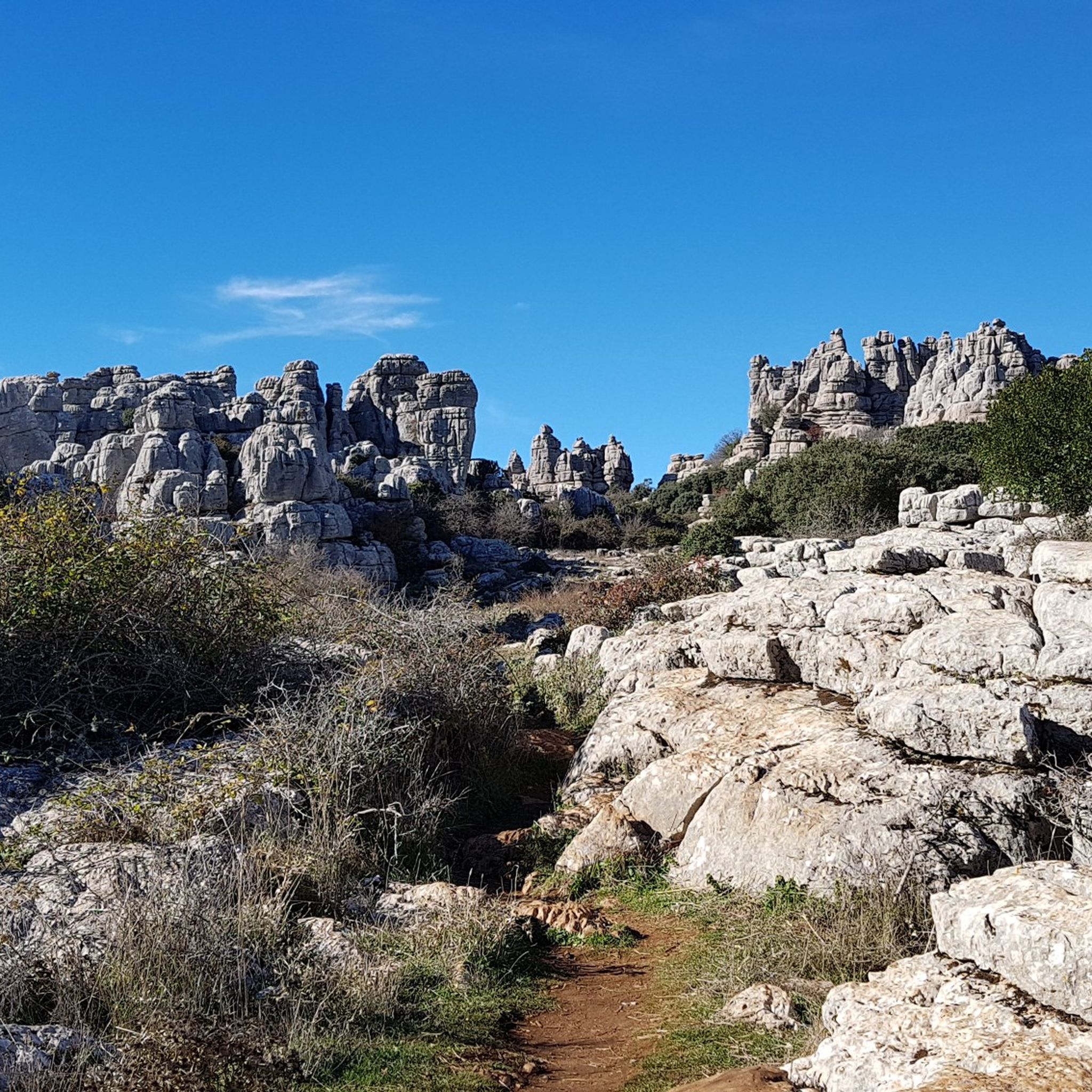
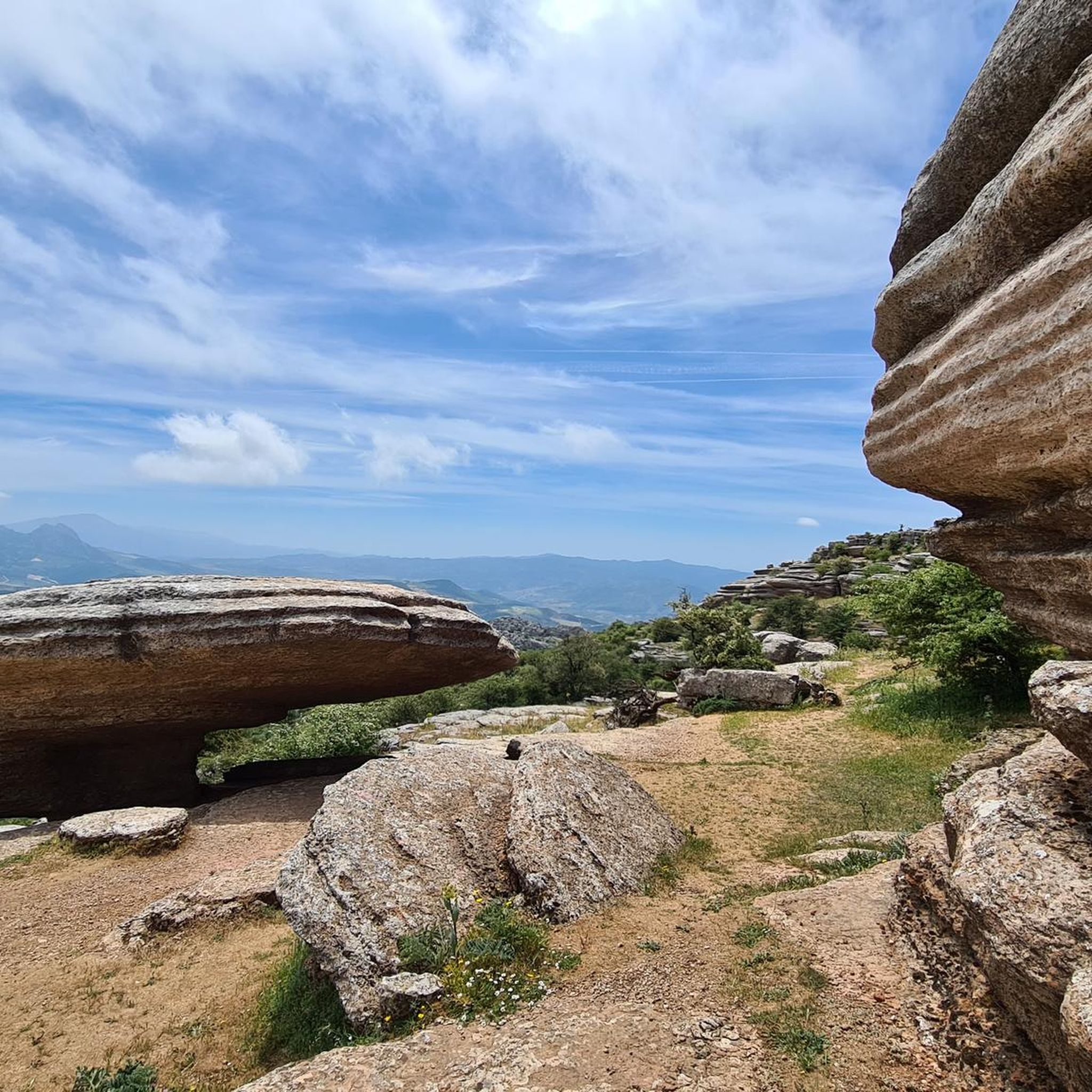
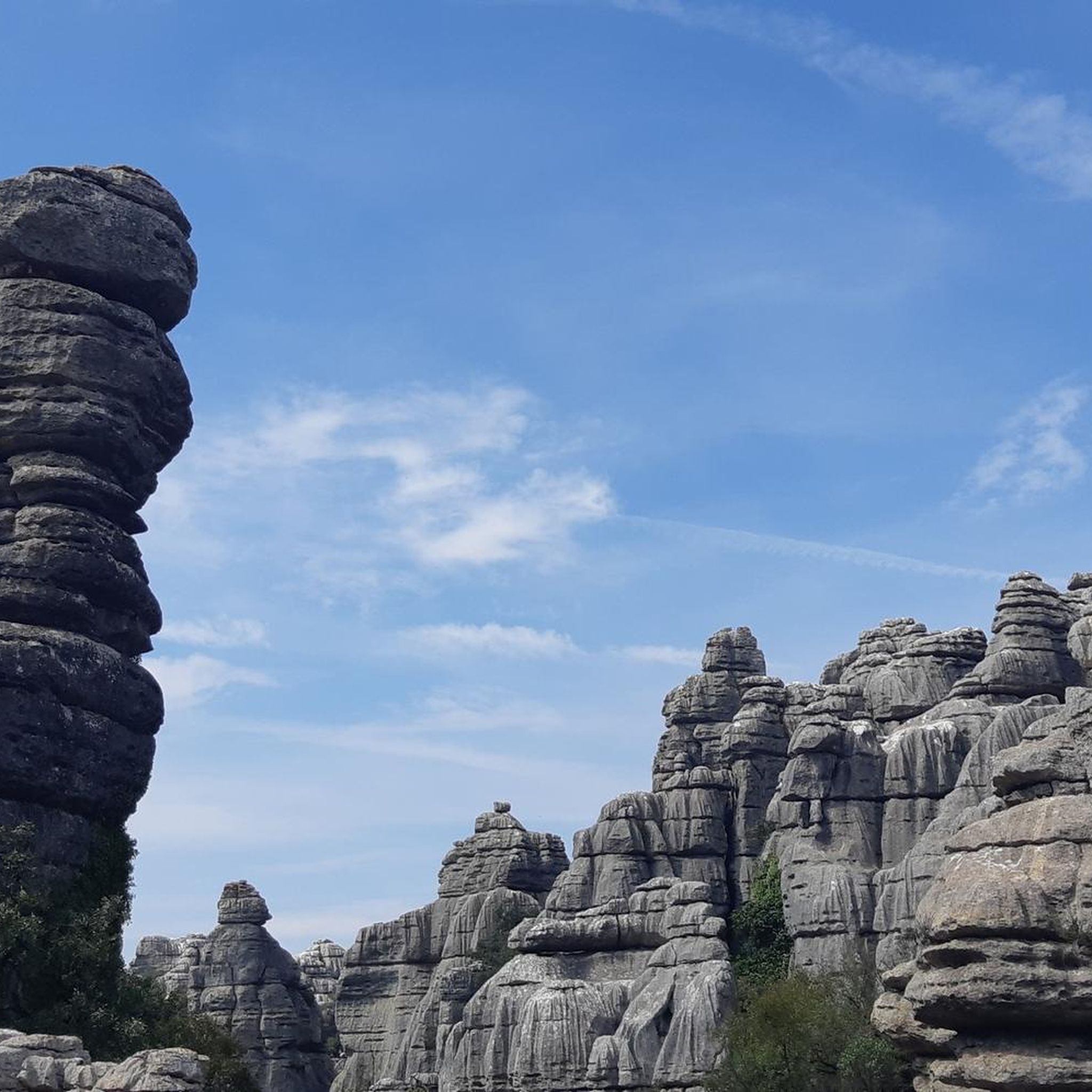
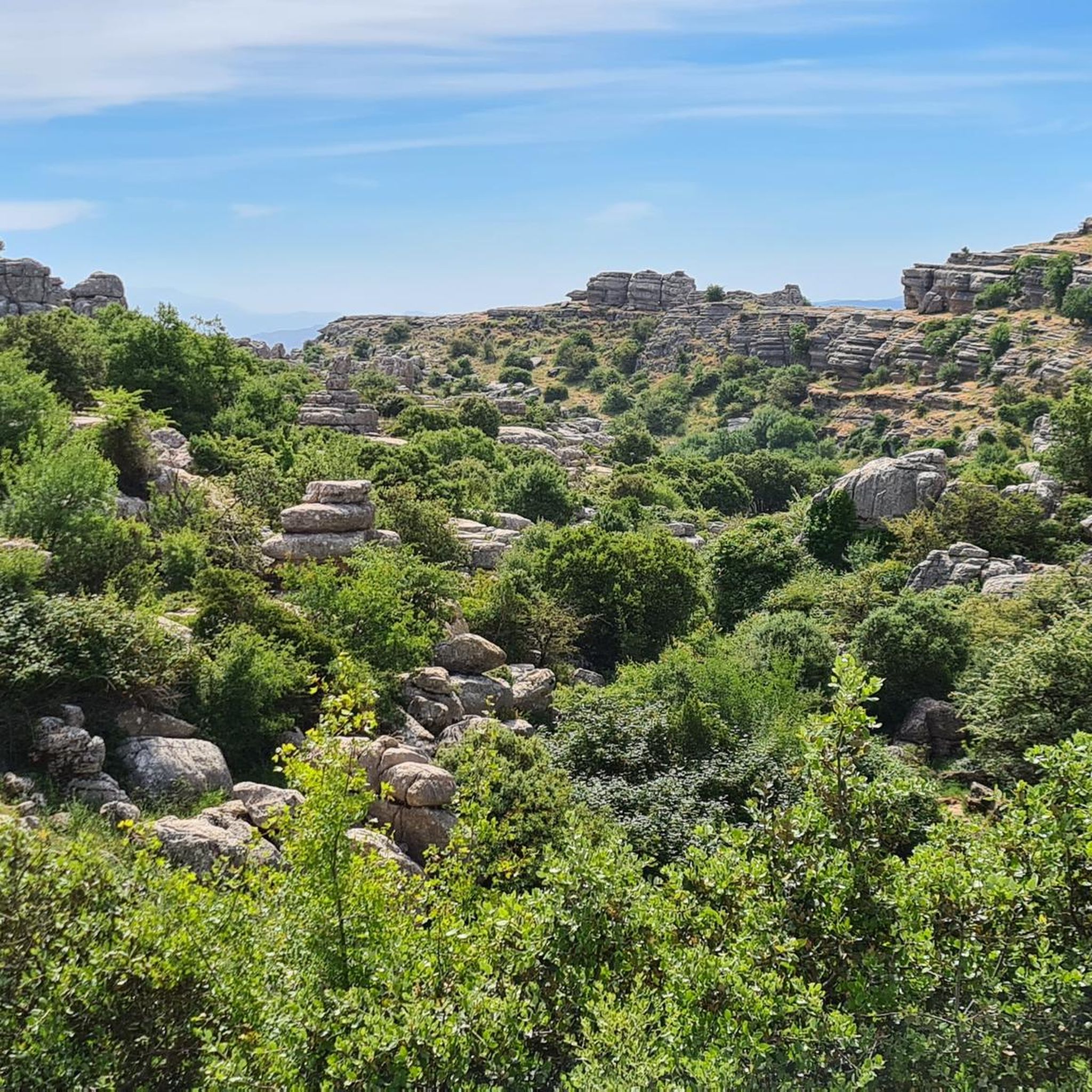
Touring cycling in Torcal De Antequera is characterized by its unique and dramatic karst landscape, featuring limestone rocks sculpted into distinctive formations over millions of years. The region offers challenging climbs and winding roads, providing expansive views of the surrounding area, including the African coastline on clear days. Cyclists navigate through a dynamic natural wonder with significant geological features and diverse flora. The routes often involve steady gradients and steep pitches, leading to elevated points with panoramic vistas.
Best touring cycling routes in Torcal De Antequera
- The most popular touring cycling route is Restaurante Asador Colmenar – Hotel Balcones de los Montes loop from Villanueva de la Concepción, a 31.2 miles (50.2 km) trail that takes 3 hours 35 minutes to complete. This difficult route features challenging climbs and scenic views across the diverse rocky landscape.
- Another top favourite among local touring cyclists is Almogía Cycling Viewpoint – Almogía loop from Villanueva de la Concepción, a difficult 22.3 miles (35.8 km) path. This route offers diverse rocky landscapes and panoramic views from elevated points.
- Local touring cyclists also love the Ascent to El Torcal – The Torcal of Antequera loop from Villanueva de la Concepción, a 14.2 miles (22.8 km) trail leading through unique limestone formations, often completed in about 1 hour 58 minutes.
- Touring cycling in Torcal De Antequera is defined by its dramatic karst landscape, unique limestone formations, and challenging climbs to panoramic viewpoints. The network offers options for various ability levels, from easy paths to difficult ascents.
- The routes in Torcal De Antequera are highly rated by the komoot community with an average score of 4.6 stars from over 48 reviews. More than 700 touring cyclists have used komoot to explore Torcal De Antequera's varied terrain.
Last updated: May 6, 2026
6
riders
Hard bike ride. Very good fitness required. Mostly paved surfaces. Suitable for all skill levels.
4.7
(6)
8
riders
35.8km
02:20
520m
520m
Hard bike ride. Very good fitness required. Mostly paved surfaces. Suitable for all skill levels.

Sign up for free
7
riders
Hard bike ride. Very good fitness required. Mostly paved surfaces. Suitable for all skill levels.
5.0
(9)
65
riders
30.7km
02:23
790m
790m
This difficult 19.1-mile touring cycling route from Antequera to Torcal de Antequera features unique karst formations and panoramic views.
17
riders
Hard bike ride. Good fitness required. You may need to push your bike for some segments of this route.
Get access to more routes and recommendations from other explorers.
Sign up for free
Already have an account?
Our route recommendations are based on thousands of hikes, rides, and runs completed by other people on komoot.
Start today with a free account
Your next adventure awaits.
Login or Signup
Tips from the Community

The Mirador Niña de Antequera offers excellent views over the eastern part of the old town of Antequera and the surrounding mountains.
0
0

At the end of the steady climb, where a sign reads El Torcal, you reach the pass, which runs along the western edge of the mountain range of the same name. Just a few kilometers further on, a separate road branches off to the El Torcal de Antequera Natural Park and its visitor center. From here, a sweeping view opens up across the surrounding mountain ranges. The pass lies directly on the main road connecting Antequera and Villanueva de la Concepción, making it a prominent landmark. Many mistake it for the natural park itself, but it actually marks the highest point of the road on the edge of the impressive karst mountains.
1
0
The Colmenar Town Hall (Ayuntamiento de Colmenar) is located in the town's historic center, on the Plaza de España, and forms the architectural and administrative heart of the municipality. Dating from the 19th century, the building has been restored several times to serve its function as a modern administrative center. It presents itself in typical Andalusian style with a light-colored plastered facade, symmetrical layout, and traditional wrought-iron balconies. A clock and the municipal coat of arms are located at the top, while the main entrance is emphasized by round arches and stone frames. Together with the church and several historic houses, the Town Hall frames Colmenar's central square, which serves as both a meeting place and venue for local festivals. Thus, the building embodies both the civic history and the architectural identity of this mountain village in the Axarquía region.
5
0
Colmenar, a picturesque village in the Andalusian province of Málaga, was founded at the end of the 15th century after the Christian reconquest of the region. The village's name derives from the Spanish word colmena ("beehive") and recalls the long tradition of beekeeping, which once played a central role here. Thanks to its favorable location in the Montes de Málaga mountains and the lush vegetation, beekeeping was one of the most important sources of income for the population for centuries. Even today, Colmenar is known as the "Village of Honey" and proudly maintains this cultural heritage. Among the village's most important landmarks is the Ermita de la Candelaria, a small 17th-century chapel perched on a hill overlooking the village, offering sweeping views of the surrounding mountains. In the town center stands the Iglesia de Nuestra Señora de la Asunción, a church dating from the 16th and 17th centuries, which impresses with its simple Andalusian style and tranquil atmosphere. At the town entrance, visitors are greeted by the Puerta de la Cruz, a symbolic gate featuring a monolith bearing the village's coat of arms – adorned with a bee and a honeycomb, representing Colmenar's history and identity. A particular highlight is the Museo de la Miel, the "Honey Museum," where visitors can learn all about beekeeping, the work of bees, and honey production. Thus, Colmenar harmoniously blends history, nature, and tradition – a place where the region's past and a deep love for its landscape are reflected in every street and every scent of wild rosemary.
6
0
The Asador restaurant at the Hotel Balcón de los Montes in Colmenar impresses with its rustic atmosphere and a terrace offering unobstructed views of the surrounding Montes de Málaga mountains. Specialties include grilled meat dishes and traditional regional cuisine. Large windows and the terrace seamlessly connect the dining experience with the expansive, idyllic landscape, making it the perfect place to relax during or after a day of sightseeing.
4
0
The Hotel Balcón de los Montes in Colmenar is a charming 3-star hotel, especially suited for cyclists. It offers an ideal starting point for bike tours through the surrounding countryside and countryside. The hotel features 12 comfortable rooms, some with balconies and views of the garden or mountains. All rooms are equipped with air conditioning, heating, a flat-screen TV, free Wi-Fi, and a private bathroom. Guests can enjoy regional specialties in the hotel's restaurant, while the terrace and bar offer a relaxing atmosphere. Thanks to its location near attractions such as the Ermita de Nuestra Señora de la Candelaria and the Museo de la Miel, the hotel is a convenient base for exploring the region by bicycle.
1
0
The Alcazaba de Antequera is a 14th-century Moorish fortress in the heart of the Andalusian city of Antequera. Built on the remains of an ancient Roman settlement, it served as a defensive fortification during the Muslim rule, protecting the city and the surrounding valley. After the Christian conquest in 1410 by Infante Ferdinand of Castile, the fortress became a key strategic point in the Kingdom of Castile. The imposing Torre del Homenaje (Tower of Homage) is particularly impressive, one of the largest keeps in Andalusia, offering panoramic views of the city, the Peña de los Enamorados (Peño de los Enamorados rock formation), and the surrounding landscape. A bell tower was later added to the tower, housing a large bell dating from 1582. Within the walls, remnants of residential buildings, cisterns, and fortifications can still be seen. Today, the Alcazaba is open to the public, offering a fascinating glimpse into the history of Antequera and Andalusia through its panoramic views and audio guides.
1
0
The Moorish city of Antequera bore the Arabic name Madīnat Antaqīra (مدينة أنتقيرة) during the al-Andalus period, literally meaning "City of Antequera." This name derives from the earlier Roman Anticaria, which was Arabized during Islamic rule. The Medina Antaqīra formed the walled city center, stretching along the hillside below the present-day Alcazaba. Within the walls were the city's most important buildings, including the main mosque, the citadel, residential quarters, baths, and small markets. After its conquest by Ferdinand of Aragon in 1410, the Arabic name gradually disappeared, and Madīnat Antaqīra reverted to Antequera, which, as a Christian city, soon expanded beyond the boundaries of the old Medina.
0
1
Frequently Asked Questions
What is the general difficulty level of touring cycling routes in Torcal De Antequera?
Torcal De Antequera offers a range of touring cycling routes, but many are quite challenging due to the region's dramatic karst landscape and significant elevation changes. Out of 79 routes, 46 are classified as difficult, 29 as moderate, and 4 as easy. Expect winding roads, steady gradients, and steep pitches, especially on ascents to higher viewpoints.
What unique natural features can I expect to see while cycling in Torcal De Antequera?
While cycling in Torcal De Antequera, you'll encounter an otherworldly landscape sculpted over millions of years. The region is famous for its bizarre limestone rock formations, known as 'tors,' which often resemble animals or human profiles. A notable formation is 'El Tornillo' (The Screw). You'll also experience a labyrinth of narrow alleys and towering cliffs, making it a dynamic natural wonder. From elevated points, enjoy panoramic views that can stretch to the African coastline on clear days.
Are there any specific landmarks or points of interest to look out for on a touring cycling route?
Yes, several natural landmarks are prominent in the area. You can cycle past or near The Torcal of Antequera itself, which is the heart of the natural park. Other notable features include The Cathedrals of El Torcal and various paths along stunningly beautiful rock formations. The Ascent to El Torcal is also a significant climb offering spectacular views.
When is the best time of year to go touring cycling in Torcal De Antequera?
The best time for touring cycling in Torcal De Antequera is generally during the spring (March to May) and autumn (September to November) months. During these periods, temperatures are milder and more comfortable for cycling. Summers can be very hot, and while winters are generally mild, higher elevations can experience colder temperatures. Roads can be busier on weekends and holidays, so consider cycling during weekdays for a quieter experience.
Are there any family-friendly touring cycling routes in Torcal De Antequera?
While many routes in Torcal De Antequera are challenging, there are a few easier options suitable for families or those seeking a less strenuous ride. These routes typically feature gentler gradients and shorter distances, allowing for a more relaxed exploration of the region's unique scenery. Always check the route's difficulty and elevation profile before setting out with family.
Can I find circular touring cycling routes in the area?
Yes, many touring cycling routes in Torcal De Antequera are designed as loops, allowing you to start and finish at the same point. For example, the Ascent to El Torcal – The Torcal of Antequera loop from Villanueva de la Concepción is a popular circular option that takes you through unique limestone formations. Another is the The Alcazaba of Antequera – El Arte Sin Tiempo Sculpture loop from Antequera Dolmens Site, which offers a different perspective of the surrounding area.
What are the options for parking or public transport when planning a cycling trip to Torcal De Antequera?
For those driving, parking is available, particularly near key access points and visitor centers. The Torcal Alto Visitor Centre, for instance, offers essential services and is a convenient starting point. While public transport options directly to trailheads might be limited, towns like Antequera and Villanueva de la Concepción serve as common starting points and may have better public transport links, from where you can begin your cycling ascent.
Are there amenities like cafes or visitor centers available along the cycling routes?
Yes, the Torcal Alto Visitor Centre is a key amenity point within the natural park. It provides tourist information, a cafe/restaurant, and a souvenir shop, making it a convenient stop for cyclists. While specific cafes directly on every route might be scarce due to the natural park's protected status, you'll find options in nearby towns like Villanueva de la Concepción and Antequera.
Are touring cycling routes in Torcal De Antequera dog-friendly?
While the natural park is a beautiful place, specific regulations regarding dogs on cycling routes can vary. Generally, dogs are often permitted on trails if kept on a leash, but it's always best to check the latest park rules or signage at the Torcal Alto Visitor Centre. Some areas, especially protected wildlife zones, might have restrictions.
For experienced cyclists, what are some of the more challenging touring routes?
Experienced cyclists looking for a challenge will find plenty of difficult routes in Torcal De Antequera. The ascent to El Torcal itself is a significant draw, featuring gradients that can reach 9-15% in the final kilometers. A demanding option is the Restaurante Asador Colmenar – Hotel Balcones de los Montes loop from Villanueva de la Concepción, a 31.2-mile route with over 1000 meters of elevation gain. Another challenging ride is the Almogía Cycling Viewpoint – Almogía loop from Villanueva de la Concepción, offering diverse rocky landscapes and panoramic views.
What do other touring cyclists enjoy the most about touring cycling in Torcal De Antequera?
The touring cycling routes in Torcal De Antequera are highly rated by the komoot community, with an average score of 4.6 stars from over 48 reviews. Cyclists frequently praise the unique and dramatic karst landscape, the challenging climbs that offer rewarding panoramic views, and the excellent road surfaces. The feeling of navigating through such a geologically significant and dynamic natural wonder is often highlighted as a major draw.
Are there any routes that start directly from Antequera town?
Yes, you can find touring cycling routes that start from Antequera. For example, the Torcal de Antequera from Antequera route is a challenging ride that takes you towards the natural park, offering a direct ascent from the town. This provides a convenient starting point for those staying in Antequera.
Most popular routes in Torcal De Antequera
Most popular attractions in Torcal De Antequera

Get inspired with the komoot mobile app


Explore more
Browse the best Cycling routes in other regions.
