Attractions and Places To See around Río Guadalquivir -Tramo Medio - Top 14
Attractions and places to see around Río Guadalquivir -Tramo Medio span a significant part of Andalusia, primarily within the province of Cordoba, with sections also touching Jaén and Seville. This middle course of the Guadalquivir River is recognized for its crucial role in conserving riverside habitats and various fish species, acting as a vital ecological corridor. The region features rich riparian vegetation and diverse fauna, including otters and numerous bird species. Visitors can explore historical landmarks, natural monuments, and cultural…
Last updated: July 14, 2026
Villafranca Iron Bridge
Highlight • Bridge
Translated by Google •
Tip by

Bridge over the Guadalquivir River
Highlight • Bridge
The battle of the bridge of Alcolea took place on September 28, 1868 and confronted the rebel military against Queen Elizabeth …
Translated by Google •
Tip by

Sign up now to discover places like this
Get recommendations on the best single tracks, peaks, & plenty of other exciting outdoor places.
Sign up for free
Peñaflor Reservoir - Guadalquivir River
Highlight • River
Translated by Google •
Tip by

Torre de Guadacabrillas
Highlight • Monument
Translated by Google •
Tip by

Los Cansinos Straight Road
Highlight (Segment) • Cycleway
Translated by Google •
Tip by

Iron Bridge of Palma del Río
Highlight • Bridge
Showing Translation
Tip by
Bridge over the Guadalquivir River in Castro del Río
Highlight • Bridge
Translated by Google •
Tip by

House of Shells of Montoro
Highlight • Monument
Translated by Google •
Tip by
El Salto Dam
Highlight • Monument
Translated by Google •
Tip by
Puente Mayor
Highlight • Bridge
Translated by Google •
Tip by
Sign up for free to discover even more attractions around Río Guadalquivir -Tramo Medio.
Sign up for free
Already have an account?
Start today with a free account
Your next adventure awaits.
Login or Signup
Popular around Río Guadalquivir -Tramo Medio
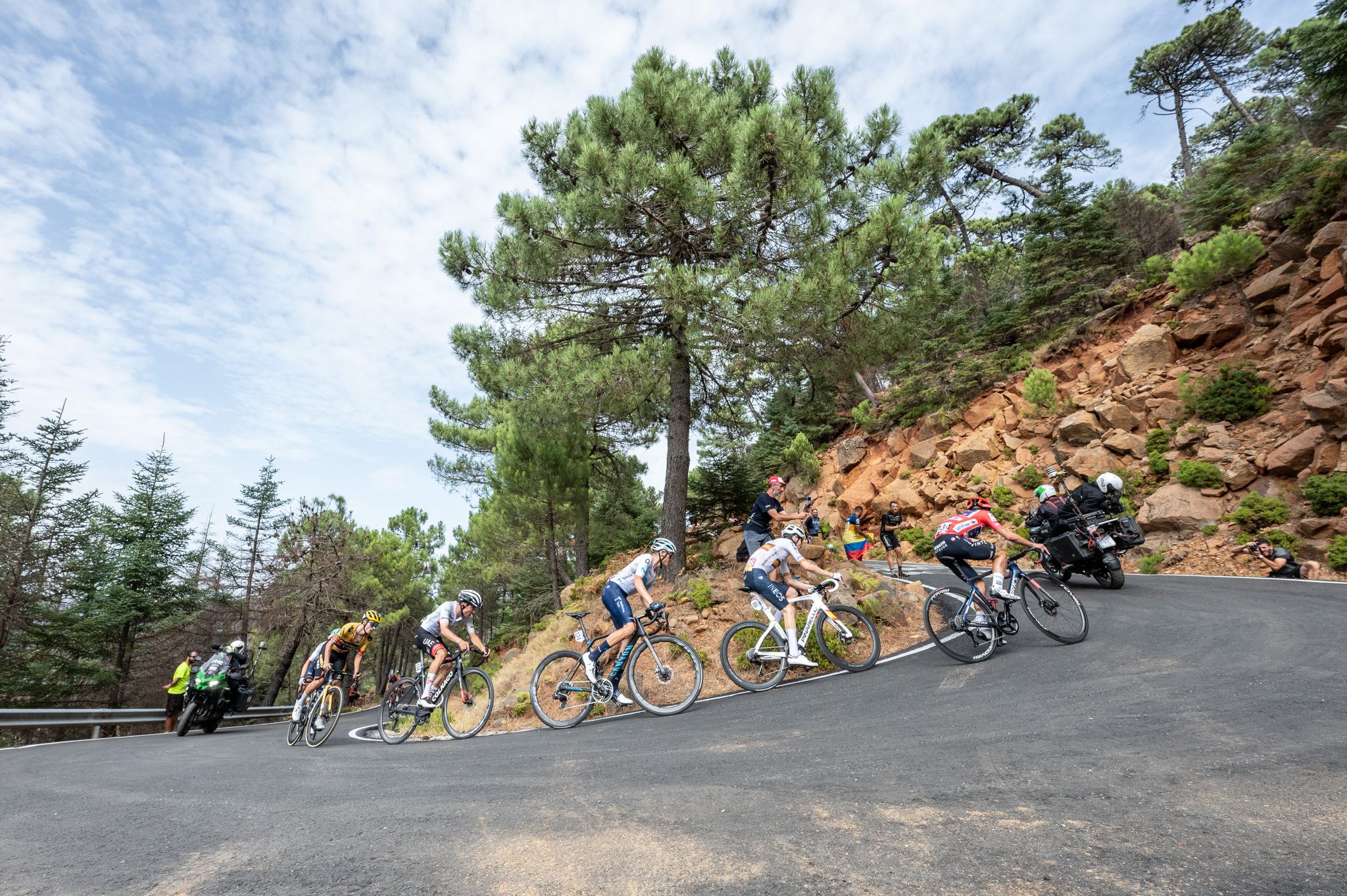
La Vuelta 26 — All Official Stages
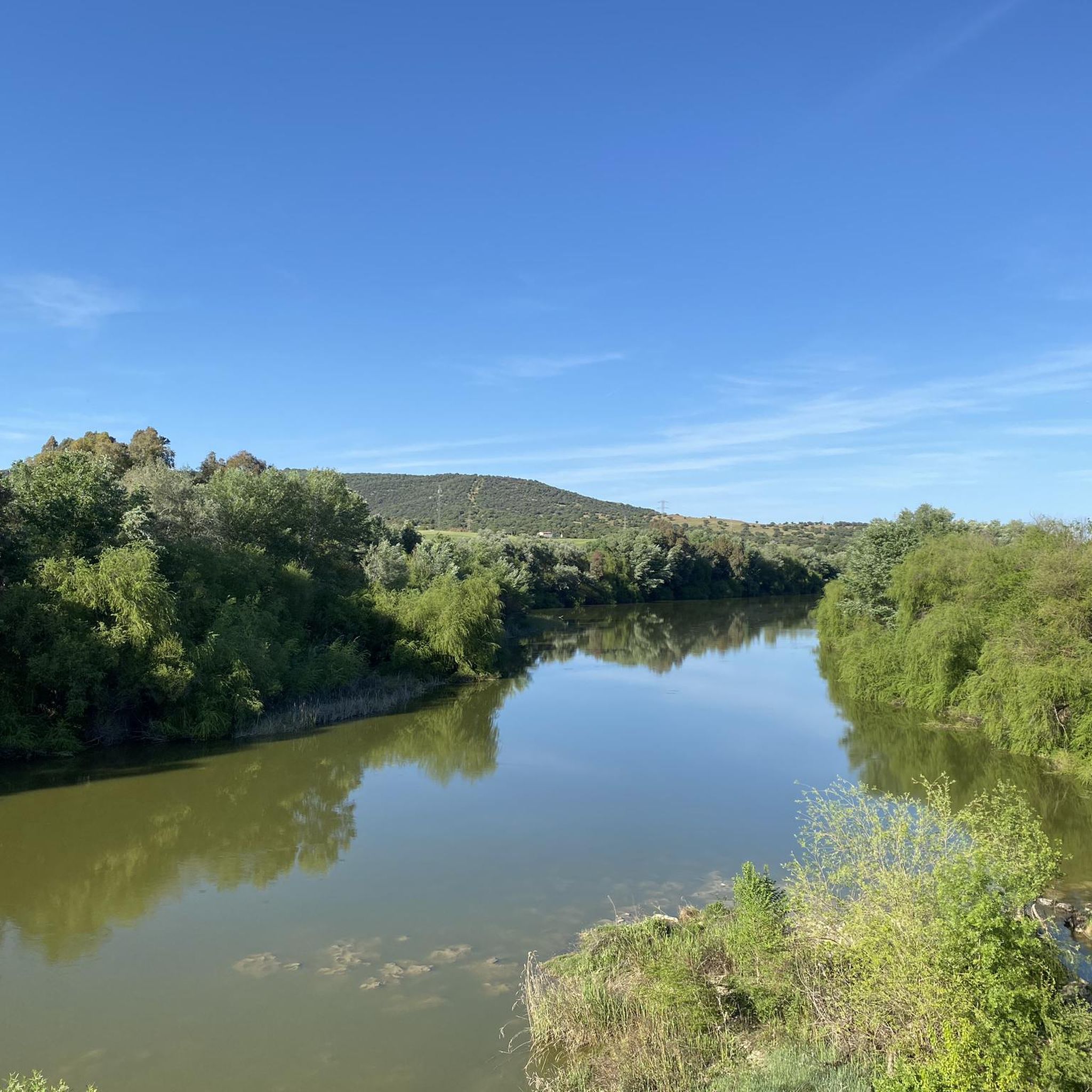
Road Cycling Routes around Río Guadalquivir -Tramo Medio
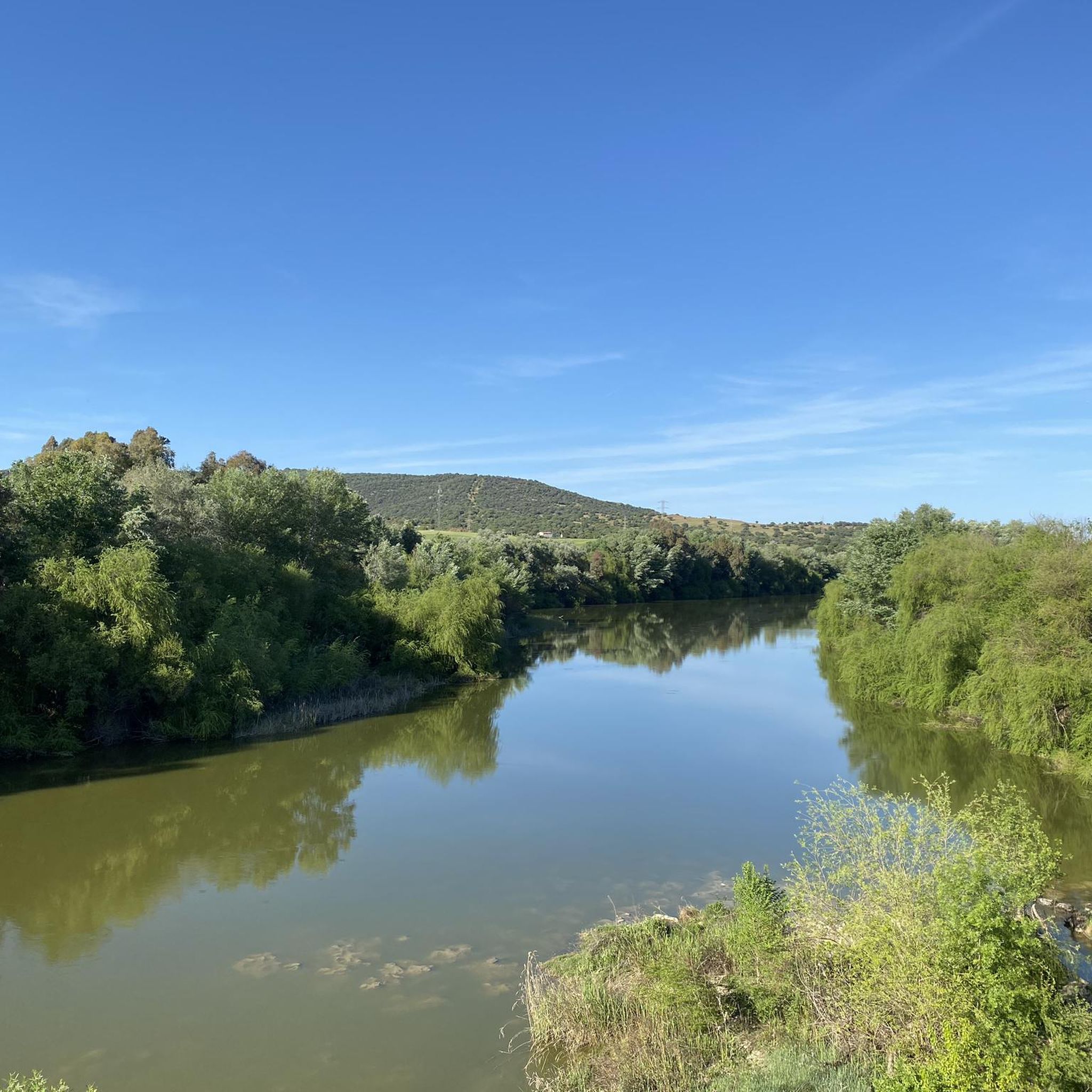
Cycling around Río Guadalquivir -Tramo Medio
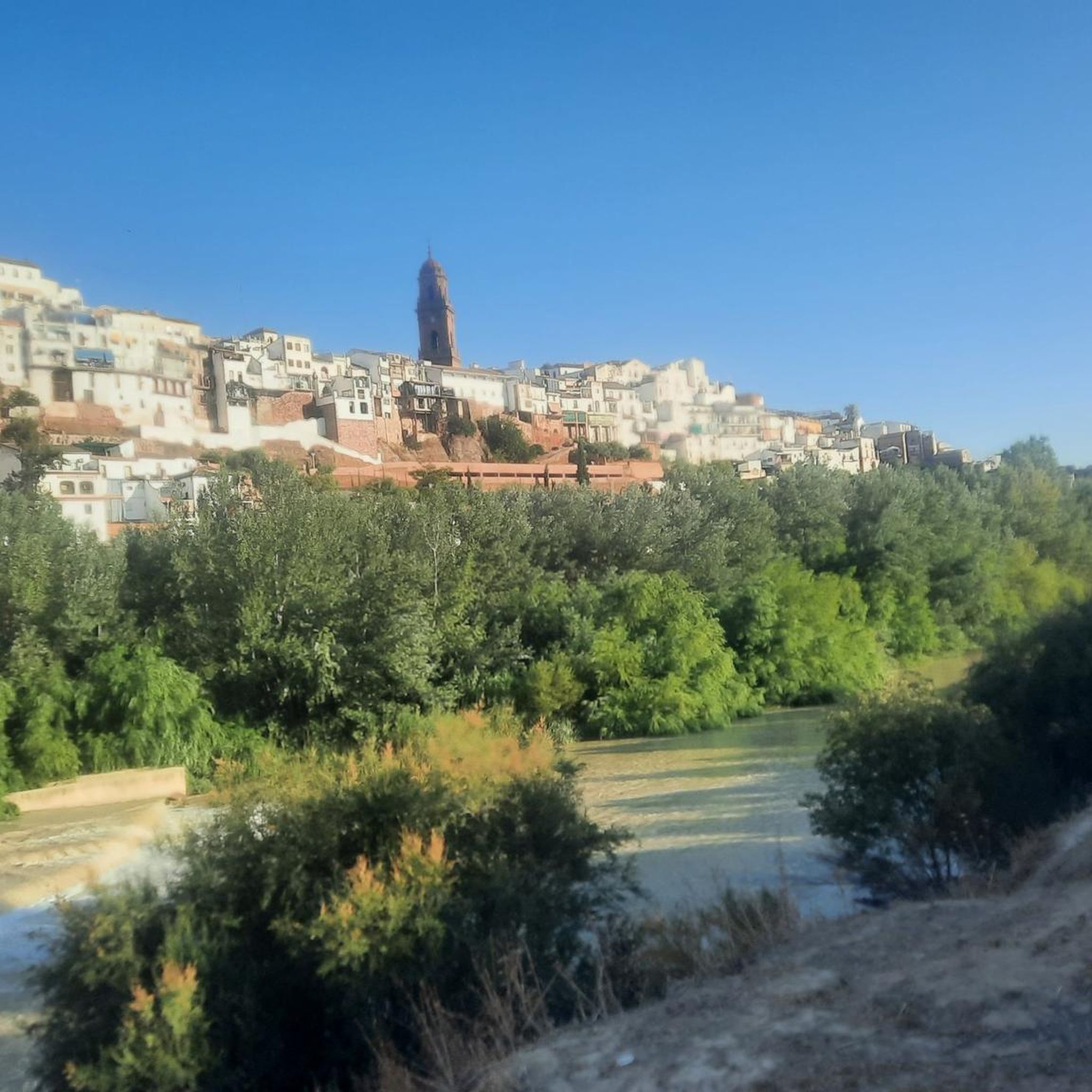
MTB Trails around Río Guadalquivir -Tramo Medio
Hiking around Río Guadalquivir -Tramo Medio
Gravel biking around Río Guadalquivir -Tramo Medio
Running Trails around Río Guadalquivir -Tramo Medio
Other adventures around Río Guadalquivir -Tramo Medio

Tips from the Community

A metal bridge crosses the Guadalquivir River on the outskirts of Villafranca de Córdoba. Built in the late 19th century, it is notable for its riveted iron structure, typical of the engineering of that era.
0
0

As a good pharaonic work, the builders decided to place a memorial obelisk with various images at the foot as a tribute to agricultural workers.
4
0
The Embalse de Peñaflor is a water storage facility located in the province of Seville. The reservoir was built in 1983 on the Guadalquivir River and has a capacity of 3 million cubic meters of water. It is an important source of water for irrigation, which is essential for agriculture in the region. The Embalse de Peñaflor dam is a so-called grave dam with a height of 19.7 meters and a length of 236 meters.
9
0

This 7 km straight is a common passage for road cyclists, connecting the town of Alcolea de Córdoba, with the A-4 service road, a frequent passage for cyclists.
0
0
Puente de los Remedios welcomes us to the town of Villafranca de Córdoba, this bridge crosses the Guadalquivir River, in the surroundings of this bridge there is a recreational area and a small pier.
0
0

It is a beautiful stone bridge that passes over the Guadalquivir river. It is supported by four semicircular arches and was built in 1498 with the idea of connecting the different urban centers of Montoro.
1
1
It is a watchtower tower built in the 15th century with the aim of dealing with possible Muslim attacks. It is part of the set of fortifications located on the defensive line of the road between Córdoba and Seville. There is currently a project to enhance the value that will allow the tower to be visited from the inside.
3
0

A peculiar building, decorated for 50 years by a resident of Montoro, with 45 million shells inside and out. The visit costs 1 eur.
2
0
Frequently Asked Questions
What historical landmarks can I explore along the Río Guadalquivir - Tramo Medio?
The region is rich in history. You can visit the impressive Castillo de Almodóvar del Río, an 8th-century Arab Muslim castle strategically located on a hill. Other notable historical sites include the Villafranca Iron Bridge, a late 19th-century metal bridge, and the Bridge over the Guadalquivir River near Alcolea, famous as the site of the Battle of Alcolea. The town of Peñaflor also offers several cultural and archaeological sites like the El Higueron Ruins and the Enclave arqueológico de Celti.
Are there any natural monuments or ecological sites worth visiting in the area?
Yes, the Río Guadalquivir - Tramo Medio is recognized for its significant natural features. The area is part of the Natura 2000 Network (SAC Río Guadalquivir-Middle Section), vital for conserving riparian habitats and fish species. You can also explore the Peñaflor Reservoir, an important water storage facility. The Meandro de Montoro Natural Monument is another distinctive river landmark that can be explored via hiking routes.
What kind of outdoor activities can I do near the attractions?
The region offers diverse outdoor activities. You can find numerous routes for hiking, cycling, and gravel biking. For hiking, consider trails like the 'Embalse de la Breña - circular from Almodóvar del Río' or the 'Guadalquivir Meanders Trail'. Cyclists can explore routes such as the 'Route of the Reservoirs: Guadalmellato Loop'. You can find more detailed routes and guides for hiking, cycling, and gravel biking in the area.
Are there family-friendly attractions or activities in the Río Guadalquivir - Tramo Medio region?
Many attractions are suitable for families. The Castillo de Almodóvar del Río offers guided tours and an engaging historical experience. Viewpoints like the Roman Empire Viewpoint provide scenic spots for all ages. Additionally, many hiking paths in the region, such as those around Villafranca de Córdoba, are designed to be family-friendly and suitable for various skill levels.
What kind of wildlife can I expect to see along the river?
The Río Guadalquivir - Tramo Medio is a haven for wildlife, particularly due to its rich riparian habitats. You might spot prominent riparian species like otters, various amphibians, reptiles, and numerous dragonfly species. Birdwatchers will enjoy observing a variety of wading birds, herons, and raptors. The area also serves as an important ecological corridor for endangered species such as the Iberian lynx.
Are there any viewpoints offering scenic vistas of the river and surrounding landscape?
Yes, the region offers several excellent viewpoints. The View of Castillo de Almodóvar del Río from CO-3313 provides stunning panoramic views of the castle and the Guadalquivir River. The Roman Empire Viewpoint is another spot offering picturesque river views.
What is the best time of year to visit the Río Guadalquivir - Tramo Medio?
The best time to visit the Río Guadalquivir - Tramo Medio is generally during the spring (March to May) and autumn (September to November). During these seasons, the weather is milder and more pleasant for outdoor activities like hiking and exploring historical sites. Summers can be very hot, while winters are generally mild but can be damp.
Are there any accessible routes or attractions for visitors with mobility challenges?
While many natural trails may have varied terrain, some historical sites and bridges offer better accessibility. For instance, the Puente Mayor is noted as wheelchair accessible. It's advisable to check specific accessibility details for other attractions or routes before your visit.
Where can I find historical sites related to the Roman Empire in this region?
The region has historical ties to the Roman Empire. You can visit the Roman dock on the Guadalquivir River, which offers a glimpse into the area's ancient past. Additionally, the Roman Empire Viewpoint provides a scenic spot with historical context.
What are some unique man-made structures or engineering marvels in the area?
Beyond the historical bridges, the region features interesting engineering. The Villafranca Iron Bridge is a notable example of late 19th-century riveted iron structure. The Peñaflor Reservoir, with its gravity dam built in 1983, is another significant man-made structure contributing to the region's agriculture.
Can I find any cycling-specific routes or paths?
Yes, the region is popular for cycling. The Los Cansinos Straight Road is a common passage for road cyclists connecting Alcolea de Córdoba. For more extensive cycling adventures, you can explore various routes detailed in the Cycling around Río Guadalquivir -Tramo Medio guide, including challenging loops like the 'Route of the Reservoirs: Guadalmellato Loop'.
What are the main characteristics of the Río Guadalquivir - Tramo Medio as an ecological corridor?
The Río Guadalquivir - Tramo Medio, particularly the Natura 2000 designated area, functions as a crucial ecological corridor. It supports rich riparian habitats with vegetation like poplar groves and white willows, and is vital for conserving various fish species. This corridor facilitates the movement and survival of diverse fauna, including otters and endangered species like the Iberian lynx, connecting different natural areas and maintaining regional biodiversity.
Most popular routes around Río Guadalquivir -Tramo Medio

Get inspired with the komoot mobile app


Explore more
Still not found the Highlight you’re looking for? See guides of the top attractions in other regions:
