Attractions and Places To See in Bajo Guadalquivir - Top 13
Best attractions and places to see in Bajo Guadalquivir include significant natural landscapes, rich cultural heritage, and historical landmarks along the lower stretch of the Guadalquivir River. This region, largely within the province of Seville, is recognized for its ecological importance, featuring extensive riparian habitats and diverse wildlife. It offers a blend of natural beauty, such as marshes and riverbanks, alongside towns with historical and cultural sites. The area provides opportunities for exploring both its environmental significance and its historical…
Last updated: July 7, 2026
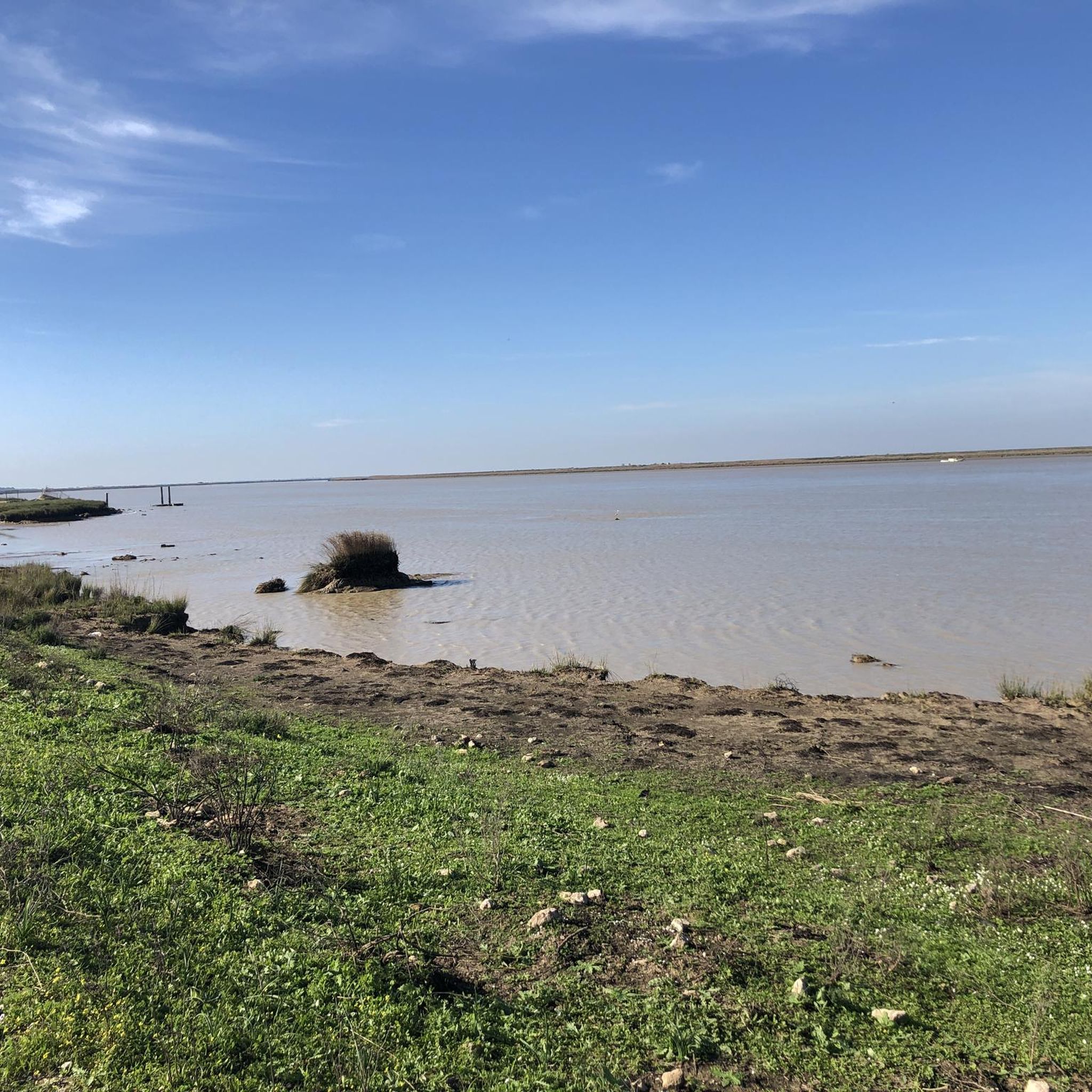
Guadalquivir River
Highlight • River
Translated by Google •
Tip by

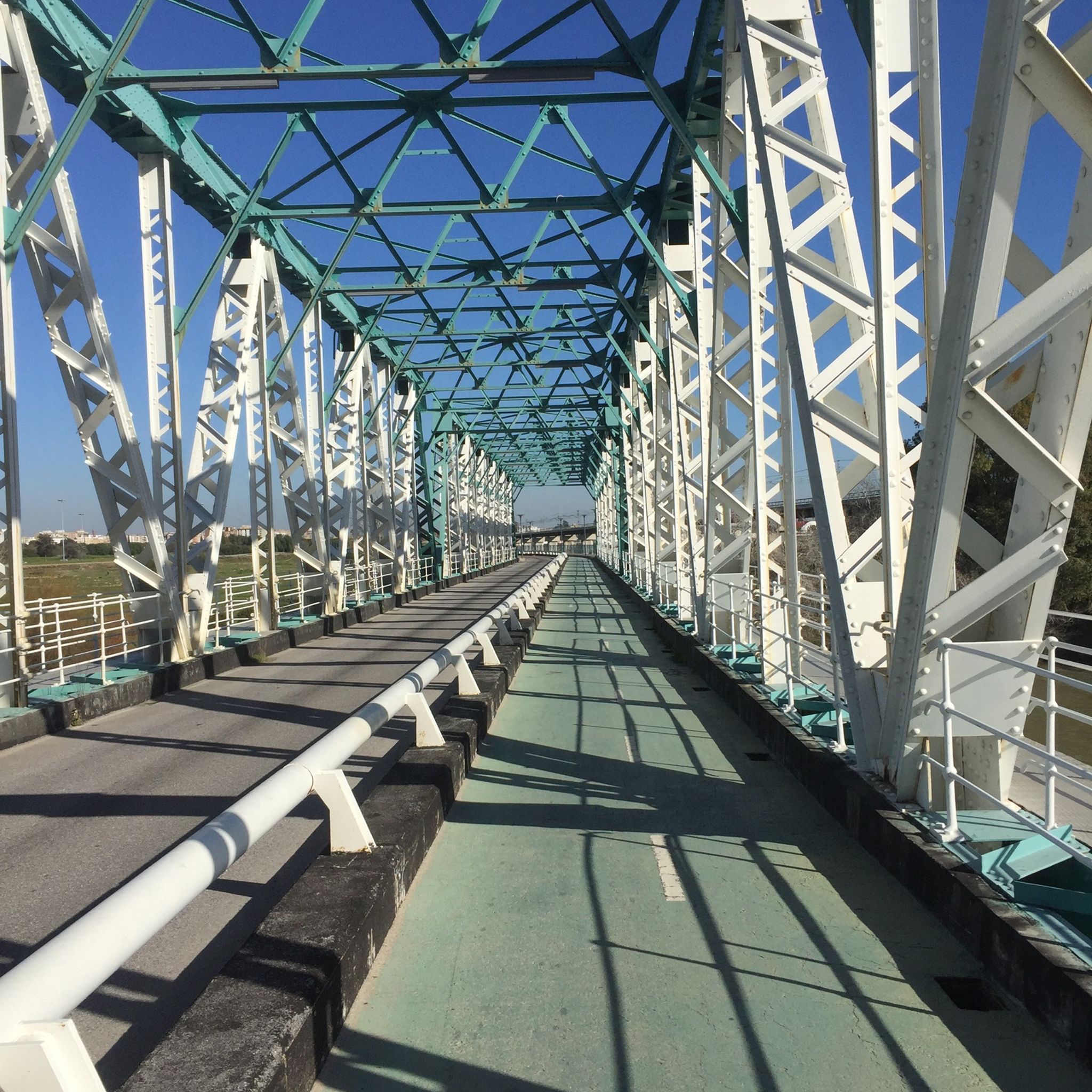
Bridge over the Guadalquivir River
Highlight • Bridge
Translated by Google •
Tip by
Sign up now to discover places like this
Get recommendations on the best single tracks, peaks, & plenty of other exciting outdoor places.
Sign up for free
Doñana Marshes
Highlight (Segment) • Natural
Translated by Google •
Tip by

Carlos De Mesa Promenade (Guadalquivir River)
Highlight • Trail
Translated by Google •
Tip by

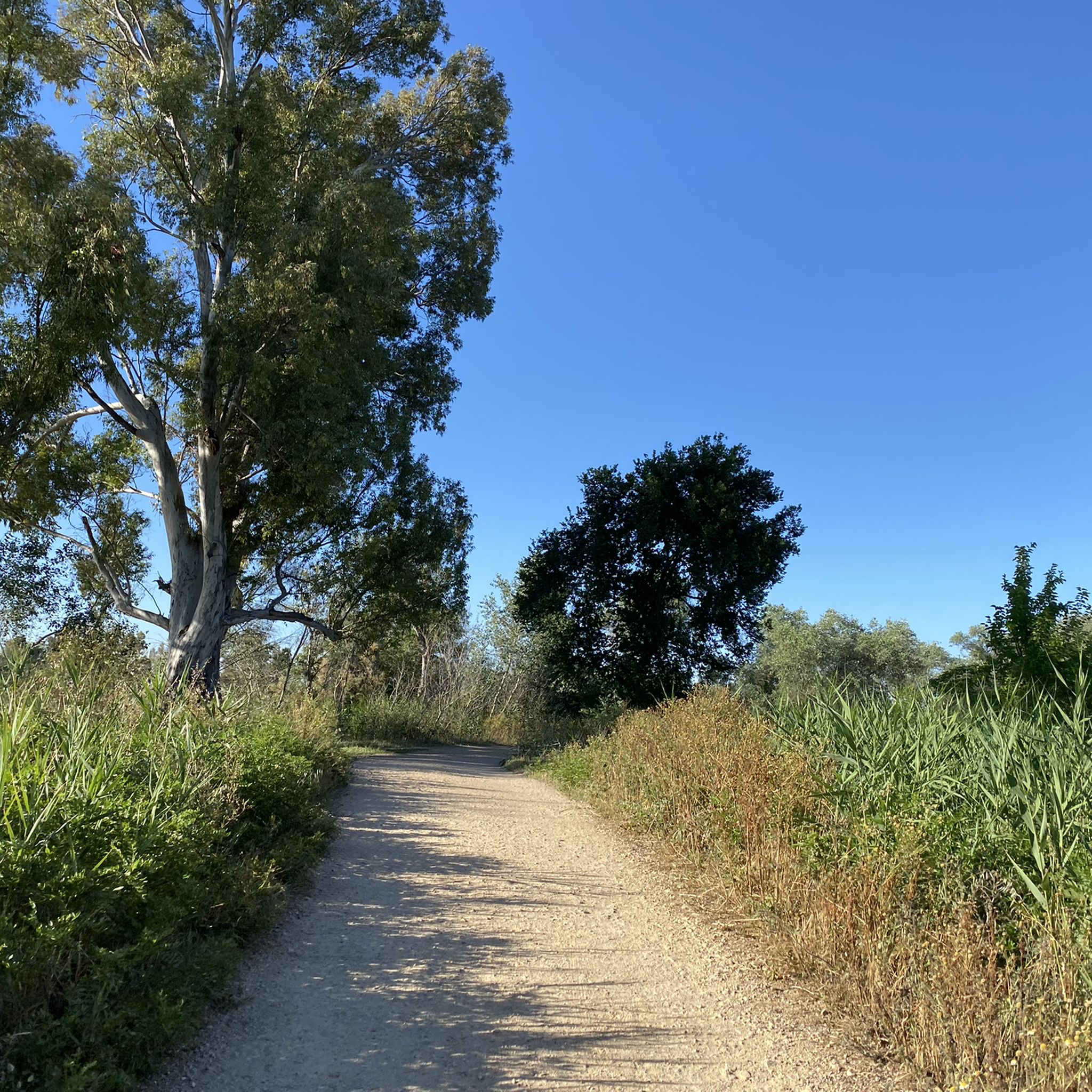
Beautiful tree-lined walk along the river
Highlight (Segment) • Trail
Translated by Google •
Tip by

Sign up for free to discover even more attractions in Bajo Guadalquivir.
Sign up for free
Already have an account?
Start today with a free account
Your next adventure awaits.
Login or Signup
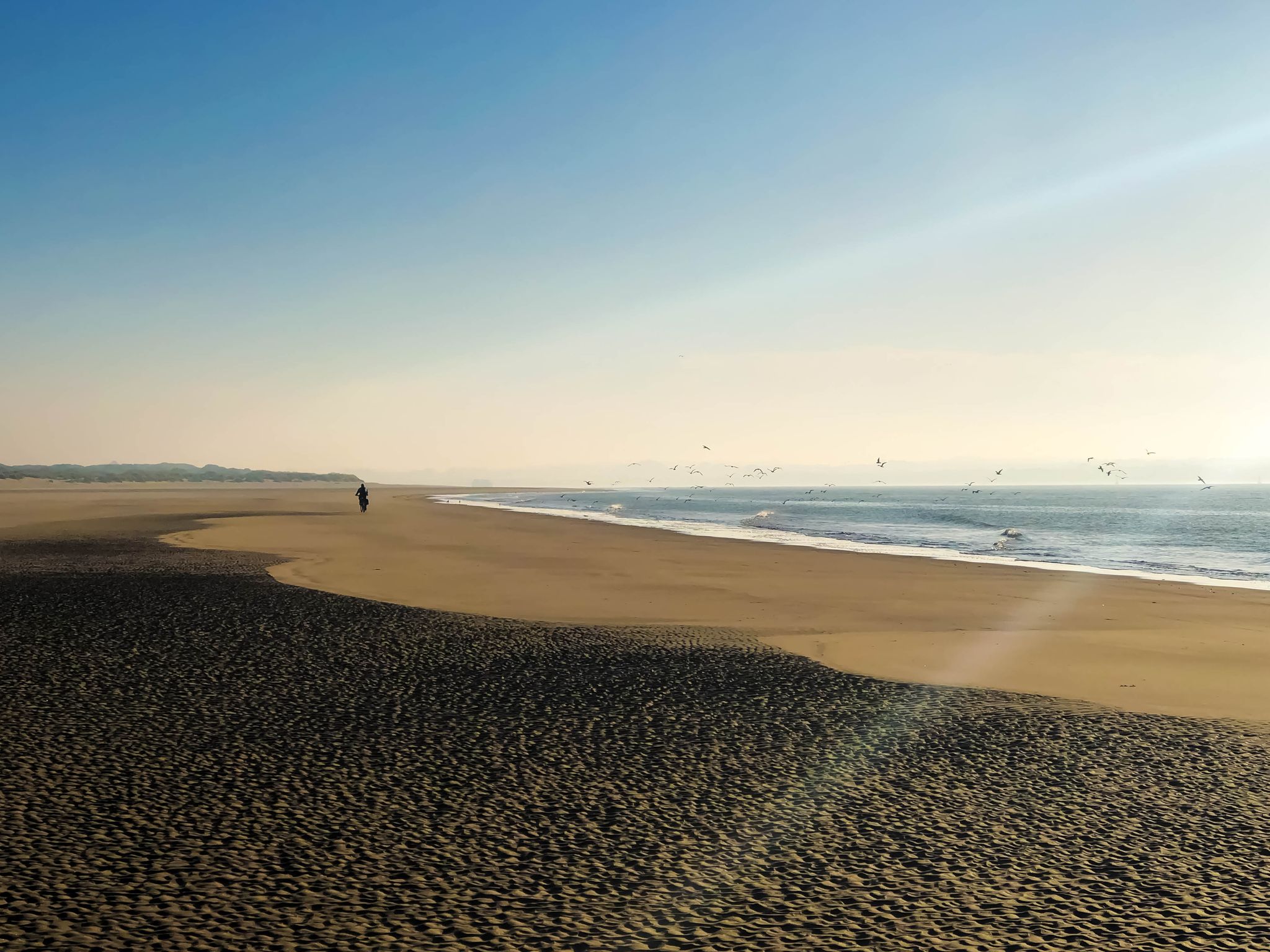

Other adventures in Bajo Guadalquivir

Tips from the Community

View of the Edificio Torretriana, an administrative building of the Junta de Andalucia, built in 1993. It is known for its unique circular shape and color (a yellow tint).
9
0
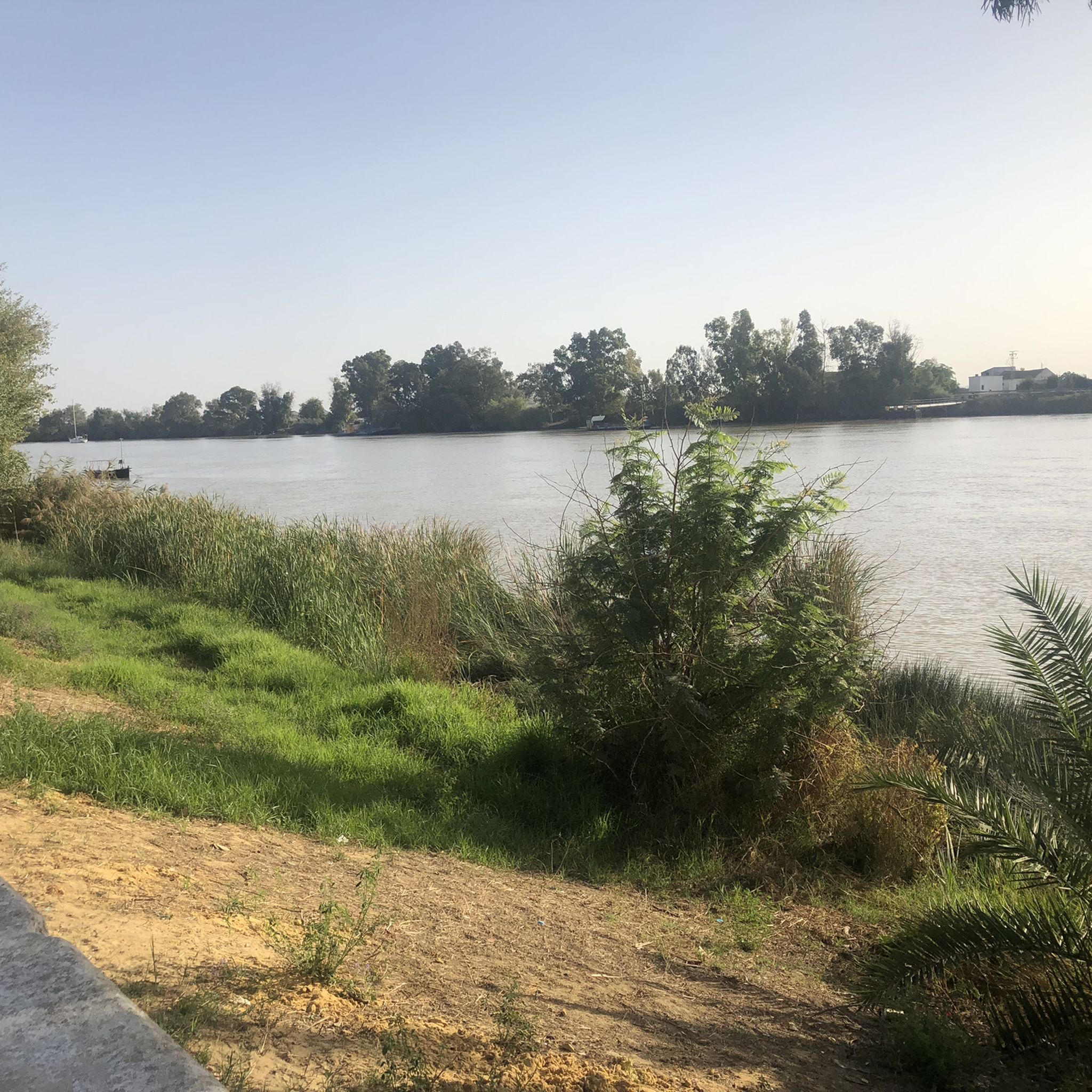
It is the fifth longest river in the Iberian Peninsula. It is 657 km from the Sierra de Cazorla (source) to Sanlúcar (Atlantic Ocean). On its journey through Andalusia from east to west it passes through cities such as Andújar, Córdoba and Seville. From pre-Roman times it was known as Baetis or Betis, and was called Wad al-Kibir (Great River) by the Arabs from the eleventh century.
7
0
The Puente de la Señorita, also known as the Puente de Camas, is a bridge over the Guadalquivir River in Seville. This bridge connects the Isla de la Cartuja with the village of Camas in the comarca of Aljarafe. The bridge was originally built in 1981 as part of the Seville-Huelva railway line, but since 1991 it has been used mainly for road traffic, cycling and walking.
8
0

The route is partly impassable - deep ditches with water and mud - impossible to get through between points 8 and 9
0
0

Walk that is close to the town of Coria del Río and that goes in the direction of La Puebla del Río. The area is very good for running and training always watching the Río Guadalquivir!
0
0
Nice park where you can walk and eat in the establishments that are there. You can find tributes to Japan (which has a curious link with the municipality). It is located by the river, where the "Toro Nagashi" ceremony is held in summer.
1
0

Its name means Rio Grande in Arabic, it runs through Andalusia from east to west and its last stretch from Seville is navigable. From the bike path of the bridge you can see its enormous flow.
4
0

With a length of 657 km, the Guadalquivir is the fifth longest river in Spain (after the Tajo, Ebro, Duero and Guadiana) and the longest in Andalusia (Wikipedia).
3
1
Frequently Asked Questions
What natural attractions can I explore in Bajo Guadalquivir?
The region is rich in natural beauty, centered around the Guadalquivir River, which is the fifth longest in the Iberian Peninsula. You can also visit the Doñana Marshes, an important natural area for environmental and ornithological significance. The Brazo del Este natural space is another highly valued site for birdwatching, especially at sunrise or sunset.
Where can I go birdwatching in the Bajo Guadalquivir region?
The Doñana Marshes and the Brazo del Este natural space are excellent locations for birdwatching. These areas are recognized for their environmental and ornithological significance, offering opportunities to observe flamingos and other migratory birds, particularly during sunrise or sunset.
Are there family-friendly attractions in Bajo Guadalquivir?
Yes, several attractions are suitable for families. The Guadalquivir River itself offers a rich ecosystem to explore. The Carlos De Mesa Promenade in Coria del Río is a pleasant park by the river, perfect for walks and has establishments for food, making it a great family-friendly spot.
What historical or cultural sites can I visit in the towns of Bajo Guadalquivir?
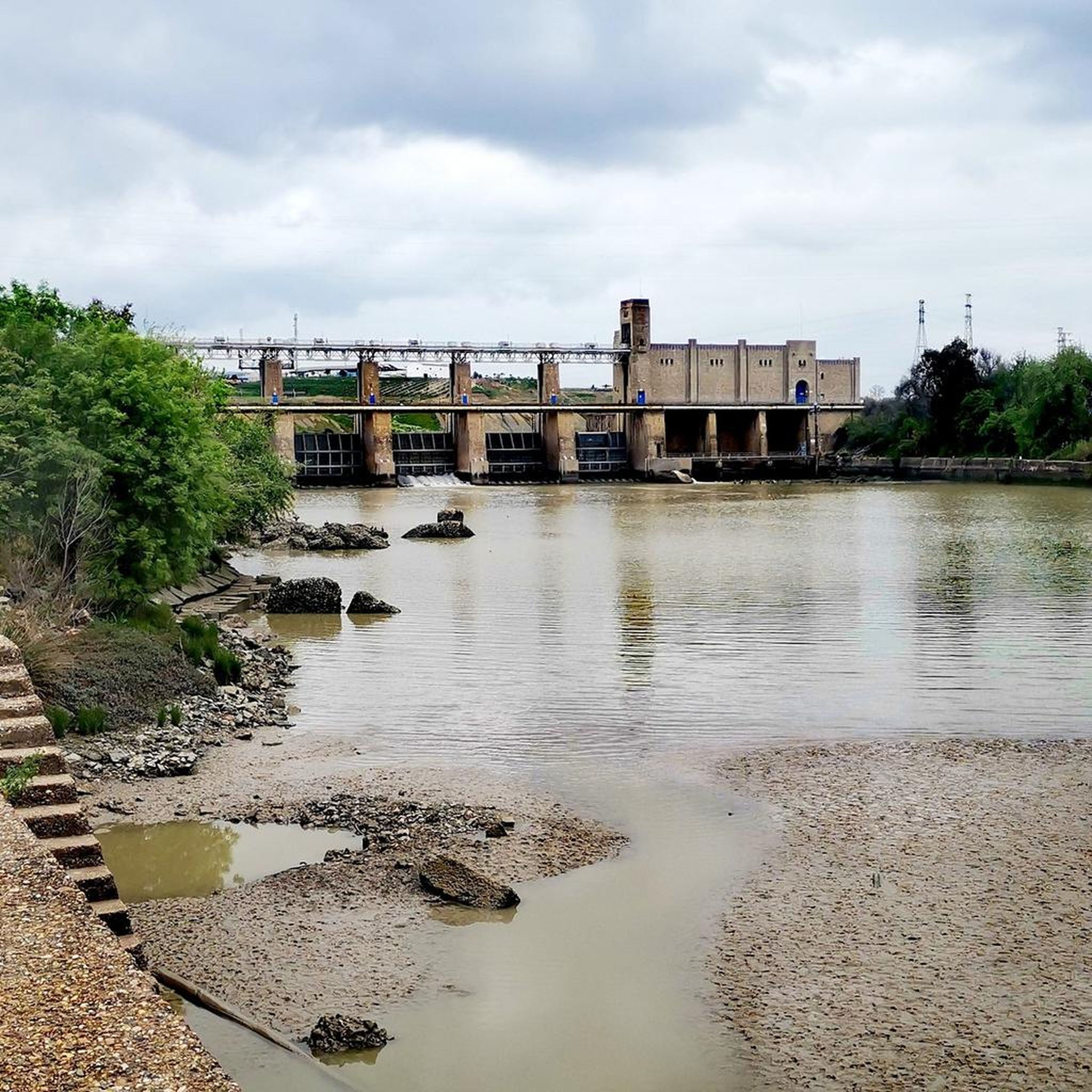
The towns in the region offer a rich historical and cultural legacy. In Lebrija, you can find an artisan forge and the Hermitage of San Benito. Coria del Río features the Shrine to San Juan Bautista, the Sendai House Museum, and the Santa María de la Estrella Church. Las Cabezas de San Juan has the Parish Church of San Juan Bautista and the Interpretation Centre of Lieutenant Colonel Rafael de Riego – Casa Valcarce. Alcalá del Río is home to the historic Alcalá del Río Dam, and Los Palacios y Villafranca boasts the Torre del Agua (Water Tower).
What outdoor activities are available near the attractions?
The Bajo Guadalquivir region is ideal for various outdoor activities. You can find numerous routes for hiking, cycling, and gravel biking. For example, there are moderate hiking trails like 'From Coria del Rio promenade to La Isleta quarry' and easy options such as 'The Beach – Playa de Sanlúcar de Barrameda loop'. You can explore more options on the Hiking in Bajo Guadalquivir or Gravel biking in Bajo Guadalquivir guide pages.
Are there easy walking trails along the Guadalquivir River?
Yes, the region offers several easy walking trails, particularly along the Guadalquivir River. The Carlos De Mesa Promenade in Coria del Río is a great option for a leisurely stroll. Additionally, you can find easy routes like the 'Statue of Hasekura Tsunenaga loop from Coria del Río' on the Easy hikes in Bajo Guadalquivir guide page.
When is the best time to visit Bajo Guadalquivir for outdoor activities?
The best time to visit Bajo Guadalquivir for outdoor activities is typically during spring (March to May) and autumn (September to November). During these seasons, the weather is milder and more pleasant for hiking, cycling, and exploring natural areas like the Doñana Marshes, avoiding the intense heat of summer.
Are there any wheelchair-accessible attractions in Bajo Guadalquivir?
Yes, some attractions in the region offer wheelchair accessibility. The Bridge over the Guadalquivir River and the San Juan Bridge are noted for being wheelchair-accessible, allowing visitors to enjoy views and cross the river. It's always recommended to check specific site details for the most up-to-date accessibility information.
What is the significance of the bridges in the Bajo Guadalquivir region?
The bridges in Bajo Guadalquivir hold historical and practical significance. The San Juan Bridge, built in 1930, was a primary connection between the South of Aljarafe and Seville for many decades. The Bridge over the Guadalquivir River (Puente de la Señorita) also serves as a vital link, originally for railway and now for road traffic, cycling, and walking, offering views of landmarks like the Edificio Torretriana.
What do visitors enjoy most about the Bajo Guadalquivir region?
Visitors particularly appreciate the region's blend of natural landscapes and historical structures. The ecological importance of the Guadalquivir River and the opportunity for birdwatching in areas like the Doñana Marshes are highly valued. The scenic trails along the river, such as the Carlos De Mesa Promenade, are also popular for their recreational opportunities and views.
Are there any notable dams or water features in the area?
Yes, the Alcalá del Río Dam, built in 1930, is a significant water feature in the region. It was constructed for hydroelectric purposes and divides the middle and lower sections of the Guadalquivir River, with the lower section being under tidal influence. This dam is an important part of the river's infrastructure and history.
What is the significance of the Guadalquivir River in this region?
The Guadalquivir River is central to the Bajo Guadalquivir region. It is the fifth longest river in the Iberian Peninsula and the longest in Andalusia, known for its rich ecosystem and historical importance. Its name, derived from Arabic 'Wad al-Kibir' (Great River), reflects its grandeur. The river provides extensive riparian habitats, supports diverse wildlife, and its banks offer ideal settings for activities like cycling along green trails.
Most popular routes in Bajo Guadalquivir

Get inspired with the komoot mobile app


Explore more
Still not found the Highlight you’re looking for? See guides of the top attractions in other regions:
