Attractions and Places To See in Cornalvo - Top 8
Best attractions and places to see in Cornalvo are primarily found within the Cornalvo Natural Park, a protected area near Mérida in Extremadura, Spain. This region features rolling hills, oak dehesas, and small mountain ranges, providing a diverse natural landscape. It also contains significant historical sites, including ancient Roman engineering marvels. The park offers opportunities to explore both natural beauty and cultural heritage.
Best attractions and places to see in Cornalvo
- The most popular attractions is Cornalvo Dam, a…
Last updated: July 8, 2026
Cornalvo Dam
Highlight • Monument
Translated by Google •
Tip by

Cornalvo Reservoir
Highlight • Lake
Translated by Google •
Tip by

Sign up now to discover places like this
Get recommendations on the best single tracks, peaks, & plenty of other exciting outdoor places.
Sign up for free
Picnic Area Near the Roman Bridge of Aljucén
Highlight • Rest Area
Translated by Google •
Tip by
El Rugidero
Highlight • Natural Monument
Translated by Google •
Tip by
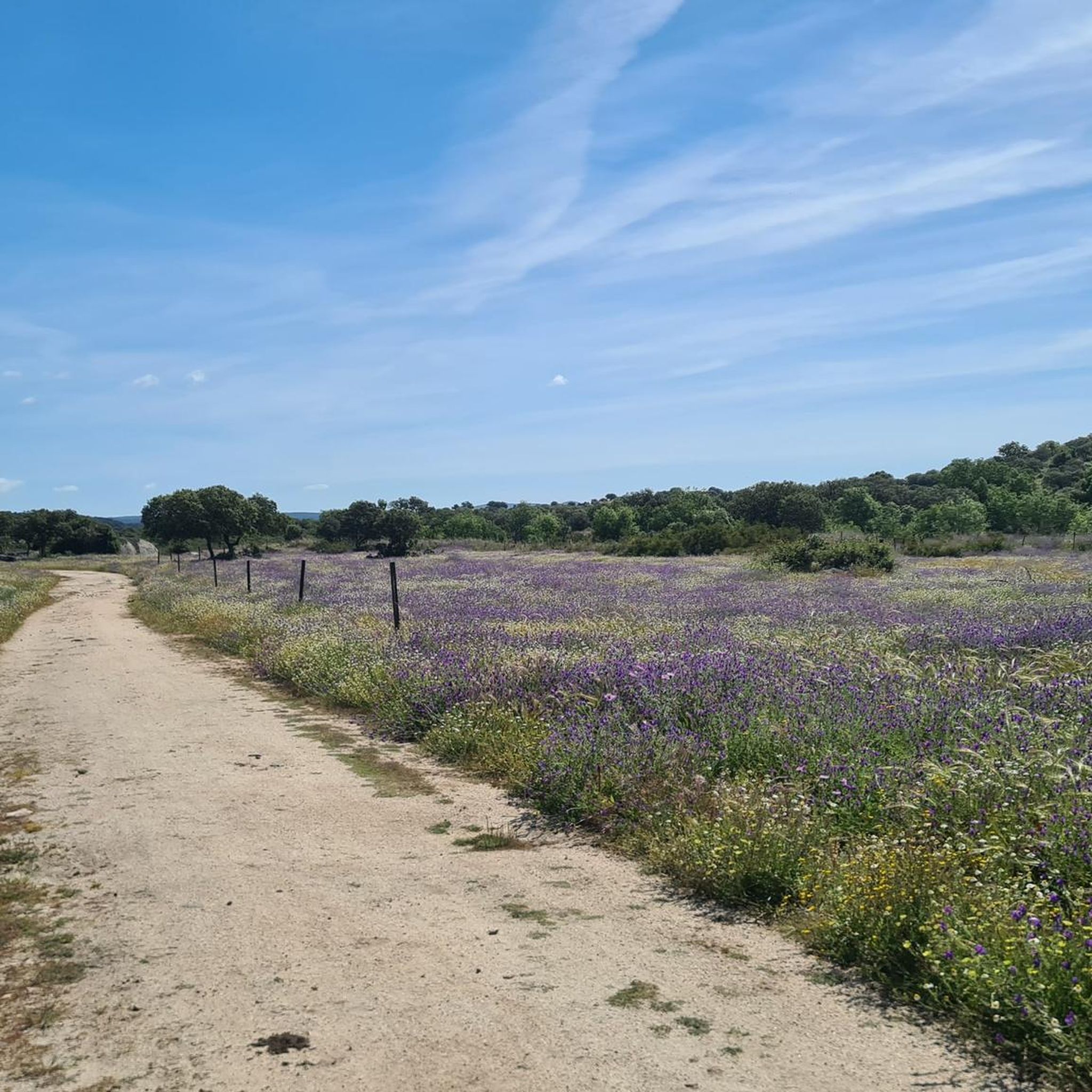
Dirt Road with Cistus Flowers
Highlight (Segment) • Trail
Translated by Google •
Tip by

Sign up for free to discover even more attractions in Cornalvo.
Sign up for free
Already have an account?
Start today with a free account
Your next adventure awaits.
Login or Signup
Tips from the Community

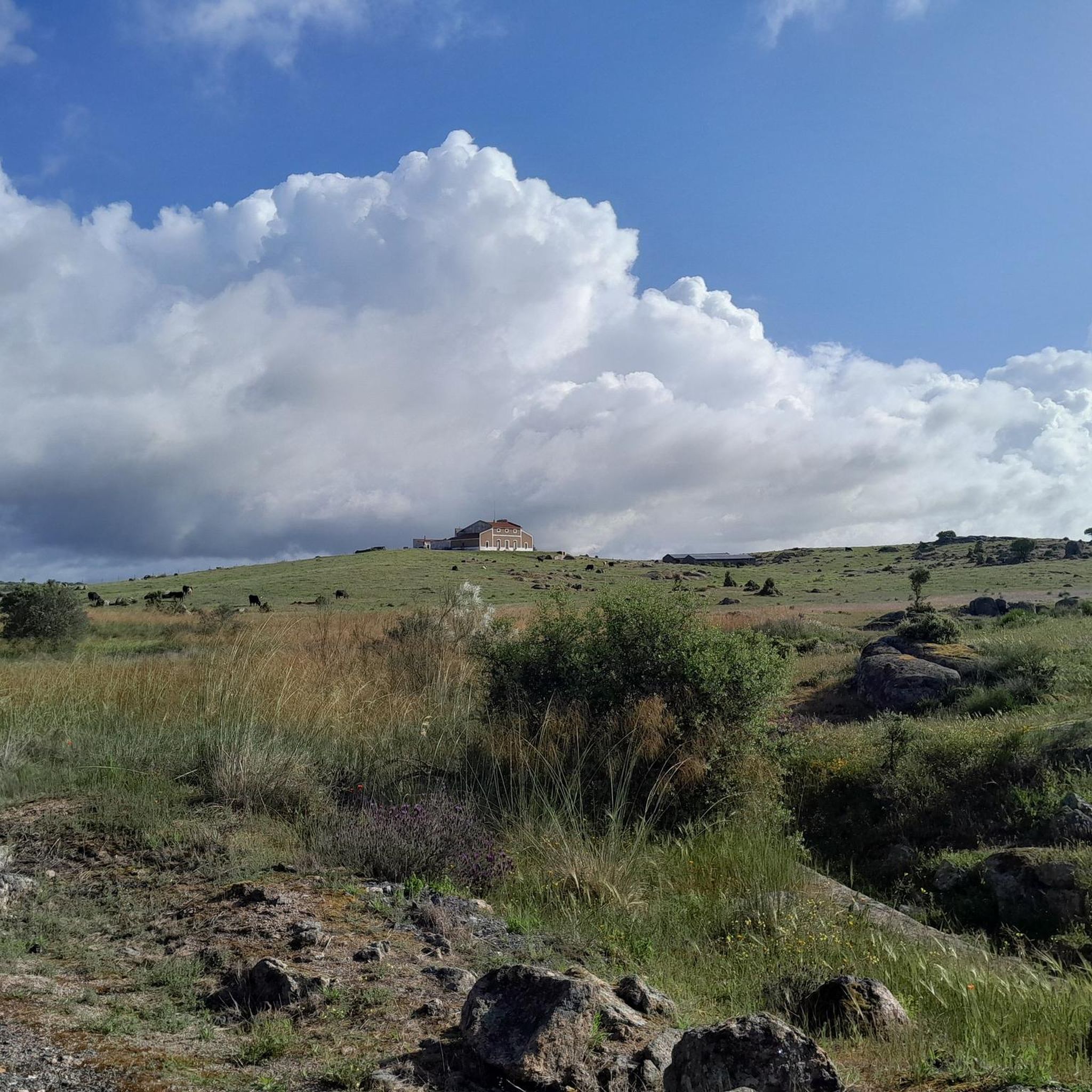
The Cornalvo Dam is an impressive Roman engineering work located about 15 km from Mérida. Built in the 1st century AD, this dam is still in use today and is part of the Cornalvo Natural Park. The reservoir is an ideal place to enjoy nature and explore Roman history.
7
0

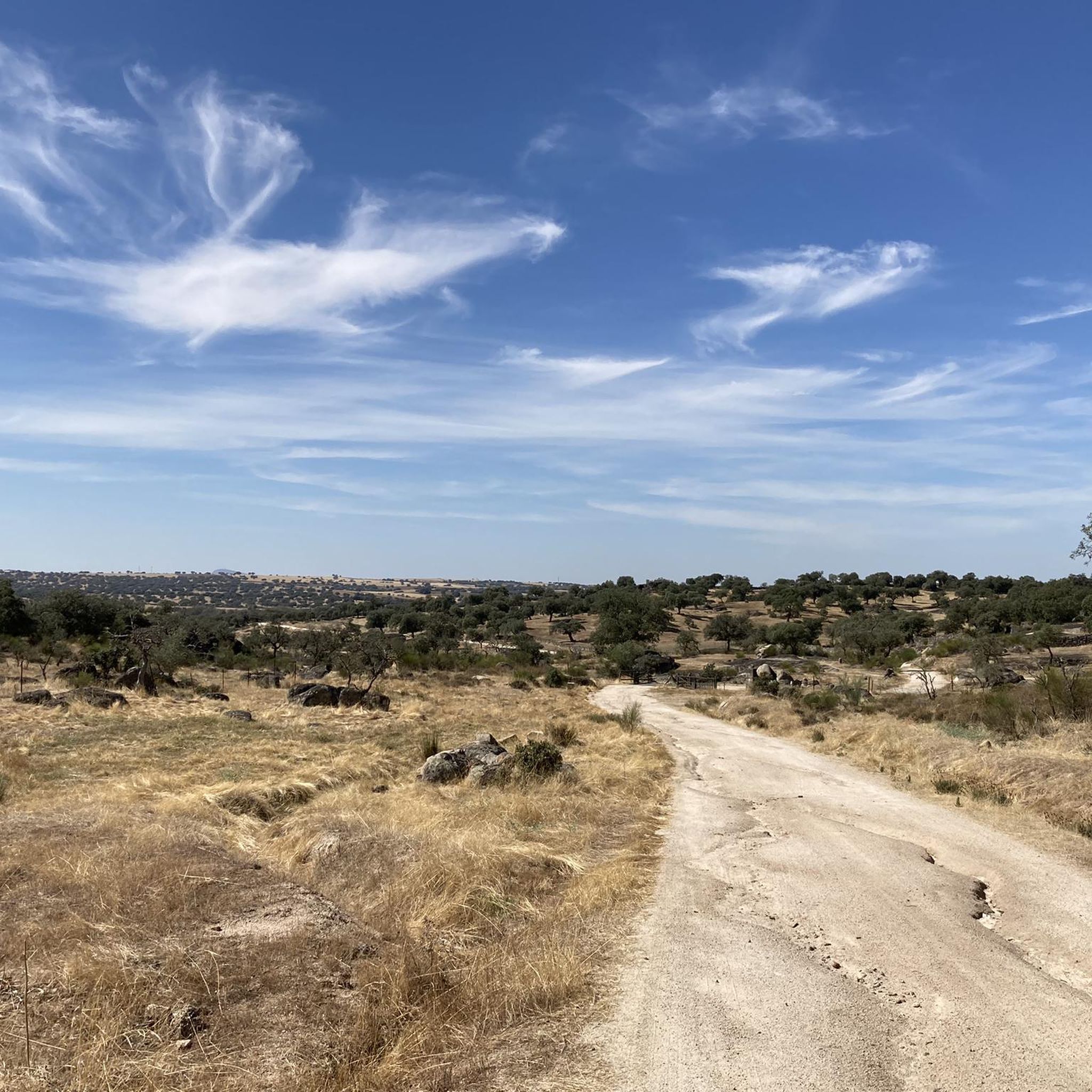
Track that runs parallel to the N630. Quite easy. From south to north it slopes upwards.
0
0
El Rugidero is a popular circular route in the Cornalvo Natural Park. Approximately 19.8 km. It is an excellent option for hiking lovers looking for a challenge and enjoying nature.
4
0
Near the Roman bridge of Aljucén, you can find several rest areas and interesting places to relax. One of the most notable is Termas Aqua Libera, which offers a relaxing environment with thermal baths and a beautiful garden.
4
0
Built around 130 AD, this dam was used to supply water to the ancient Roman city of Augusta Emerita. The reservoir and its surroundings were declared a natural park in 2004, making it an ideal destination for nature and history lovers.
7
0

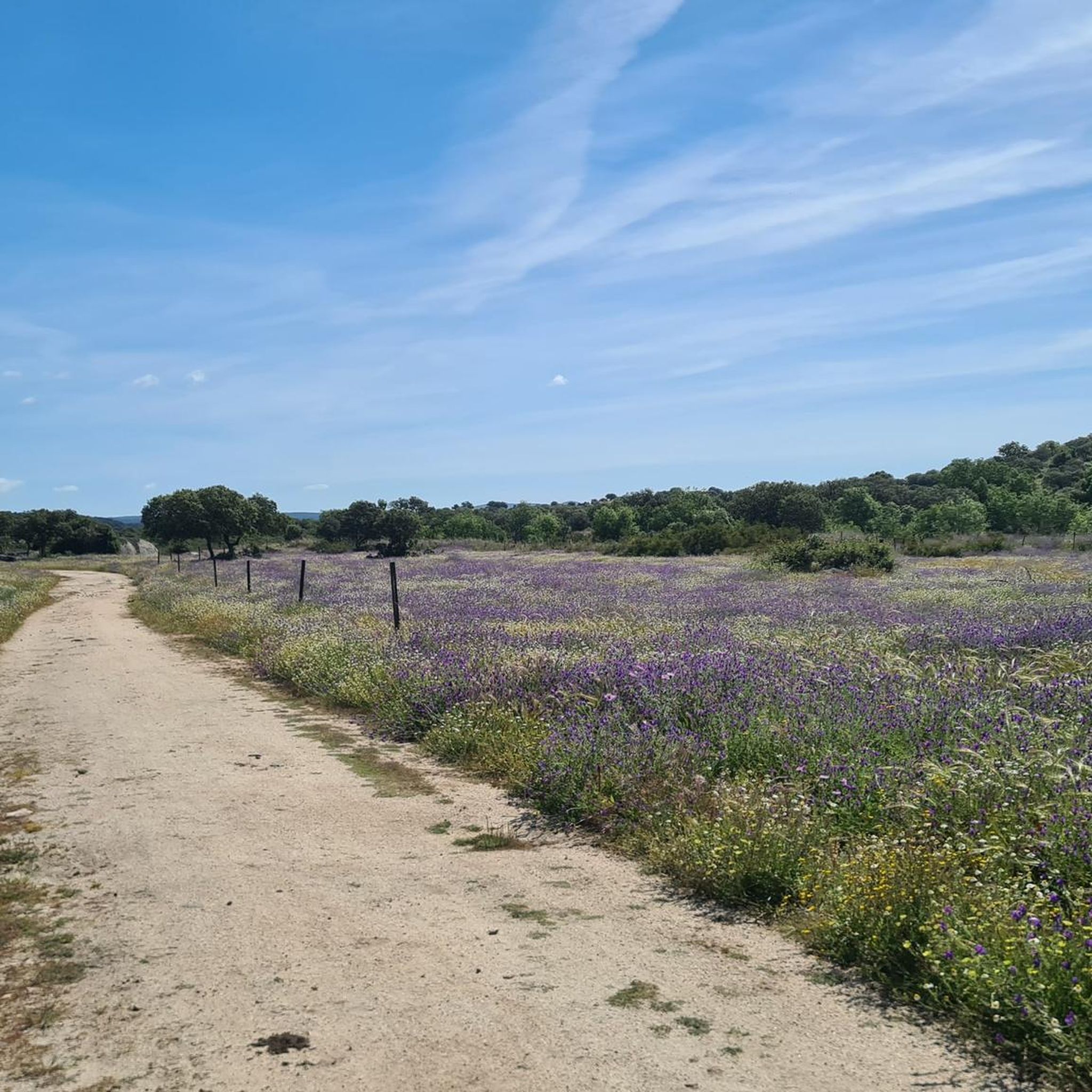
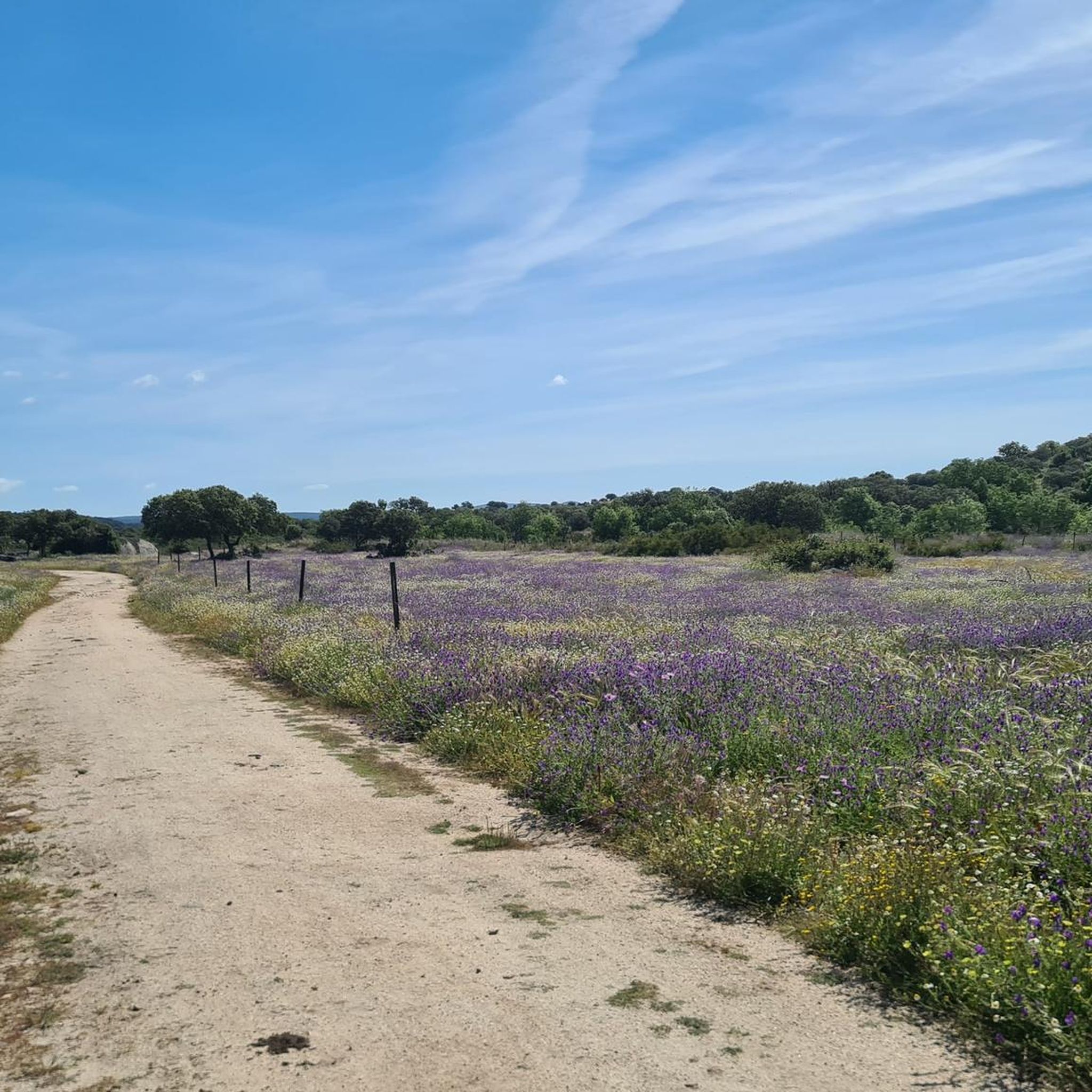
Cistus is everywhere and is often used to make face creams.
0
0
Steadily uphill but beautiful!
0
0

It is worth reaching this point above the Presa de Cornalvo, a set of granitic rocks located on top of each other where the path that takes you has to jump over some of them!
0
1
Frequently Asked Questions
What historical sites can I explore in Cornalvo?
Cornalvo is rich in Roman heritage. The most prominent site is the Cornalvo Dam, an impressive 1st-2nd century AD Roman engineering marvel still in use today, which supplied water to Emerita Augusta (Mérida). It's part of Mérida's UNESCO World Heritage Site. You can also find other Roman remains like underground watercourses, fountains, villas, roads, and bridges throughout the area. Near Aljucén, the largest dolmen in Extremadura, Dolmen Lácara, offers a glimpse into prehistoric times.
What natural features define Cornalvo Natural Park?
The Cornalvo Natural Park is characterized by rolling hills, extensive oak dehesas (open oak woodlands), and small mountain ranges such as the Sierra del Moro and Sierra Bermeja. Key water features include the Cornalvo Reservoir, along with the Aljucén and Albarregas Rivers. The park's name, 'Cornus Albus' (white horn), refers to the horned shape of its lake and the white waters of the Albarregas river.
Are there family-friendly activities or places to visit in Cornalvo?
Yes, Cornalvo offers several family-friendly options. The Cornalvo Dam and Cornalvo Reservoir are suitable for visits with children, offering easy access and scenic views. Additionally, there's a dedicated Picnic Area Near the Roman Bridge of Aljucén, perfect for a relaxing break. The park's Interpretation Centre also provides engaging displays about the local flora, fauna, and history.
What kind of wildlife can I expect to see in Cornalvo Natural Park?
Cornalvo Natural Park is a haven for biodiversity, home to over 250 vertebrate species. It's especially significant for migratory and resident aquatic birds. Keep an eye out for endangered species like the black stork, which nests in secluded oak areas, and the Jarabugo fish in the Aljucén River. Other notable birds include the Spanish imperial eagle, black vulture, and red kite. The predominant trees are Holm oak and Cork oak, with ash and willows along river margins.
What hiking opportunities are available in Cornalvo?
Cornalvo Natural Park is excellent for hiking, offering a range of trails. You can explore routes like the El Rugidero circular route, which is approximately 19.8 km and considered challenging, leading to a picturesque waterfall. For a more gentle experience, the Dirt Road with Cistus Flowers offers a beautiful, steadily uphill track. You can find more detailed hiking routes, including easy and moderate options, in the Hiking in Cornalvo guide.
Are there any specific trails for birdwatching in Cornalvo?
Cornalvo Natural Park is a prime location for birdwatching due to its rich biodiversity and status as a Special Protection Area. While specific birdwatching trails aren't explicitly named, any trail within the park, especially those near the Cornalvo Reservoir or along the Aljucén and Albarregas Rivers, will offer opportunities to spot various species. The park is vital for many migratory and resident aquatic birds, including endangered black storks.
What is the best time of year to visit Cornalvo Natural Park?
The Cornalvo Natural Park is beautiful year-round, but the Cornalvo Reservoir is particularly stunning in leafy and wet seasons, typically spring and autumn. These seasons also offer more comfortable temperatures for hiking and enjoying the natural landscapes, as the cistus flowers are abundant and the park's flora is at its most vibrant. Summers can be hot, while winters are mild.
Where can I find information about the park's ecology and history?
The Interpretation Centre, located on the road between Trujillanos and the Cornalvo reservoir, is an excellent resource. It provides valuable information about the park's diverse flora, fauna, and significant historical context, including its Roman past. The center features informative displays and knowledgeable staff to enhance your understanding of the area.
Are there any challenging routes for experienced hikers in Cornalvo?
Yes, for experienced hikers seeking a challenge, the El Rugidero route is a popular option within the Cornalvo Natural Park. This circular route is approximately 19.8 km long and is rated as difficult, taking you through the heart of the park to a waterfall. You can find more challenging routes in the Hiking in Cornalvo guide, including other difficult trails that explore the park's varied terrain.
What are the options for cycling near Cornalvo attractions?
If you enjoy cycling, there are several road cycling routes available near Cornalvo. These routes often incorporate scenic landscapes and historical points of interest. For example, you can find routes like the 'Roman Bridge of Mérida – Mérida loop from San Pedro de Mérida' or the 'Mérida – Road through fields loop from Mérida'. More details on distances and difficulty levels can be found in the Road Cycling Routes in Cornalvo guide.
Is there public transport available to Cornalvo Natural Park?
While the guide data doesn't specify direct public transport routes to every corner of Cornalvo Natural Park, the park is located near Mérida, which is well-connected. Visitors typically access the park by car, and the Cornalvo Dam is about 15 km from Mérida. It's advisable to check local transport options from Mérida to nearby towns or consider driving for more flexibility within the park.
What kind of flora is unique to Cornalvo Natural Park?
The park is dominated by Holm oak (Quercus rotundifolia) and Cork oak (Quercus suber) trees, forming the characteristic dehesa landscape. Along the river margins, you'll find ash trees, willows, and bright pink flowering Oleander. A particularly unique species is the orchid Serapia perez-chiscanoi, which is found only in the Guadiana river basin and adjacent parts of Portugal, making it a special botanical highlight of the region.
Most popular routes in Cornalvo
Most popular attractions in Cornalvo

Get inspired with the komoot mobile app


Explore more
Still not found the Highlight you’re looking for? See guides of the top attractions in other regions:
