The best cycling routes in Moncayo
5.0
(4)
146
riders
23
rides
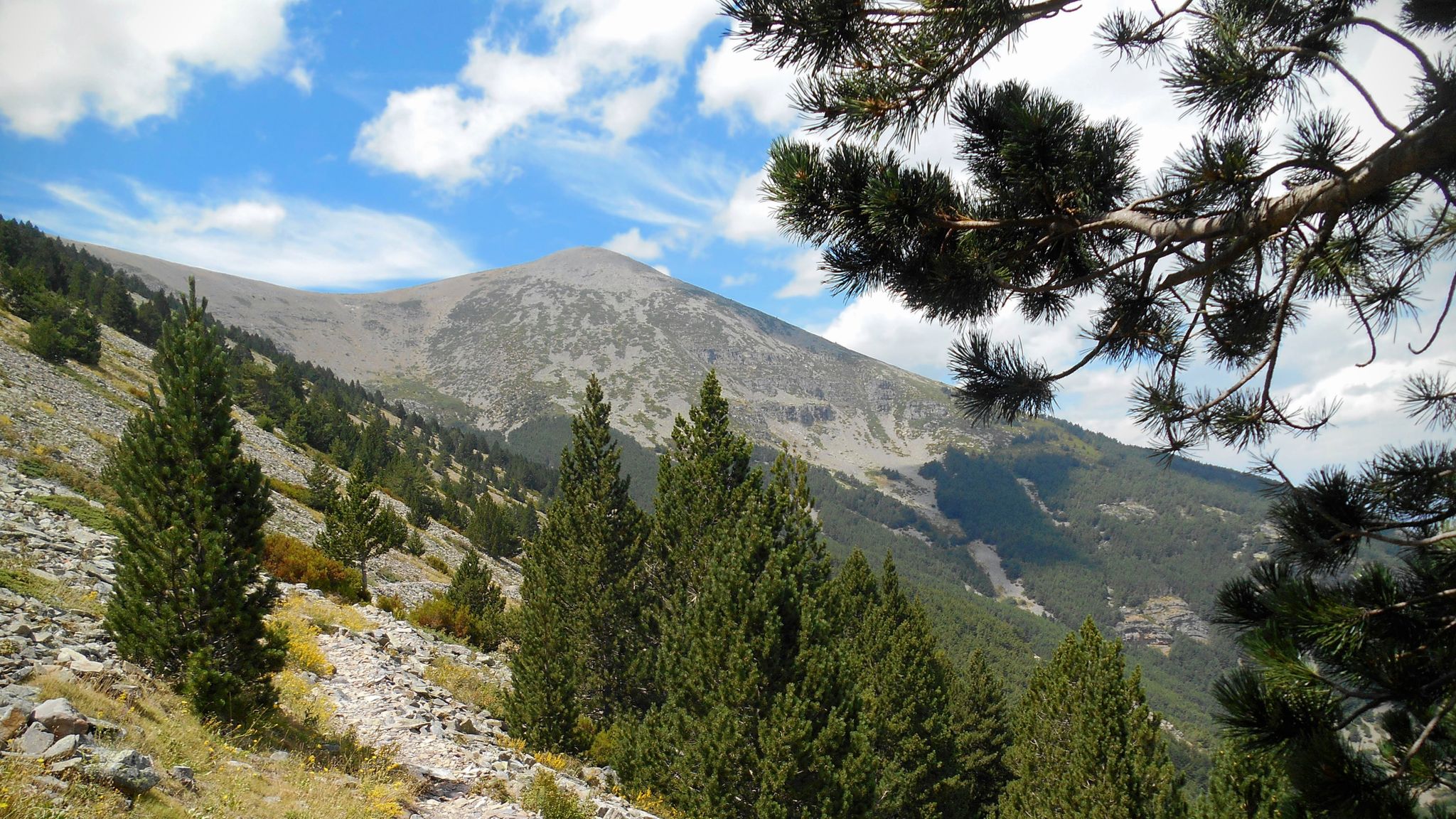
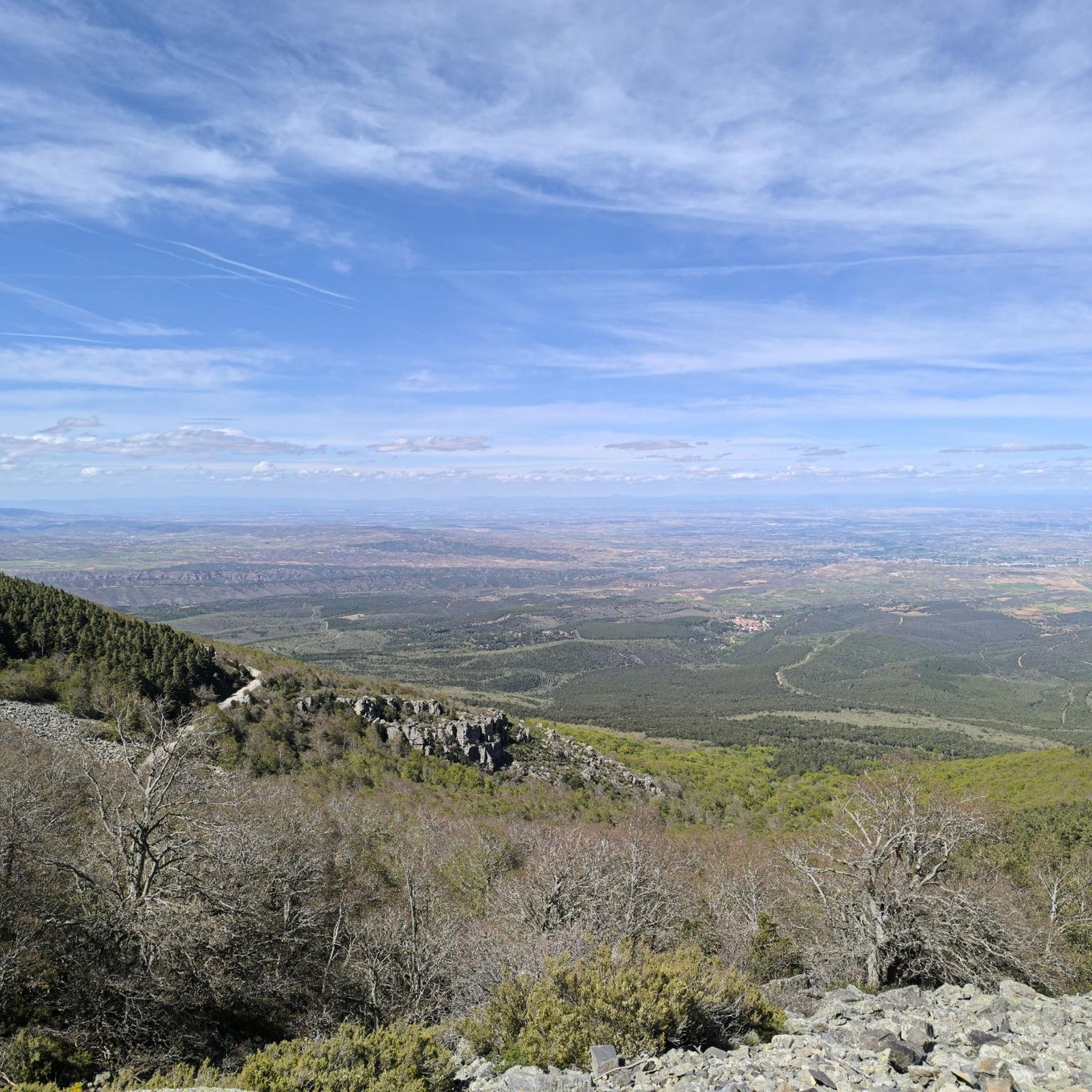
Best cycling routes in Moncayo traverse a diverse landscape, from lower slopes with holm oak and kermes oak to extensive pine groves and beech forests at mid-elevations. The region features dramatic peaks, including San Miguel at 2,373 meters, and remnants of glacial activity in its summit areas. This altitudinal layering provides continuously changing backdrops for touring cyclists.
Best touring cycling routes in Moncayo
- The most popular touring cycling route is Monastery of Santa María de Veruela y Ambel — circular from Talamantes, a 20.9 miles (33.7 km) trail that takes 2 hours 38 minutes to complete. This difficult route offers a circular journey through the Moncayo foothills, passing historical sites.
- Another top favourite among local touring cyclists is Calcena and Purujosa Loop via the Hidden Face of Moncayo, a difficult 15.6 miles (25.2 km) path. This route explores rugged terrain and significant climbs on the less-traveled side of Moncayo.
- Local touring cyclists also love the View of Calcena – Calcena loop from Calcena, a 31.1 miles (50.1 km) trail leading through varied Moncayo landscapes, often completed in about 3 hours 19 minutes.
- Touring cycling in Moncayo is defined by varied forests, dramatic peaks, and high-altitude meadows. The network offers options for different ability levels, from challenging climbs to more moderate paths.
- The routes in Moncayo are highly rated by the komoot community with an average score of 5.0 stars from over 3 reviews. More than 136 touring cyclists have used komoot to explore Moncayo's varied terrain.
Last updated: August 22, 2026
1
riders
33.7km
02:39
550m
560m
Hard bike ride. Very good fitness required. Mostly paved surfaces. Suitable for all skill levels.
25.2km
02:18
520m
520m
Hard bike ride. Very good fitness required. Some segments of this route may be unpaved and difficult to ride.

Sign up for free
3
riders
21.9km
02:28
650m
650m
Hard bike ride. Very good fitness required. Mostly paved surfaces. Suitable for all skill levels.
5.0
(1)
5
riders
Hard bike ride. Very good fitness required. Mostly paved surfaces. Suitable for all skill levels.
5
riders
31.9km
02:28
570m
570m
Hard bike ride. Very good fitness required. Mostly paved surfaces. Suitable for all skill levels.
Get access to more routes and recommendations from other explorers.
Sign up for free
Already have an account?
Our route recommendations are based on thousands of hikes, rides, and runs completed by other people on komoot.
Start today with a free account
Your next adventure awaits.
Login or Signup



Tips from the Community

A beautiful place where the road up to Moncayo ends. Fresh water
0
0

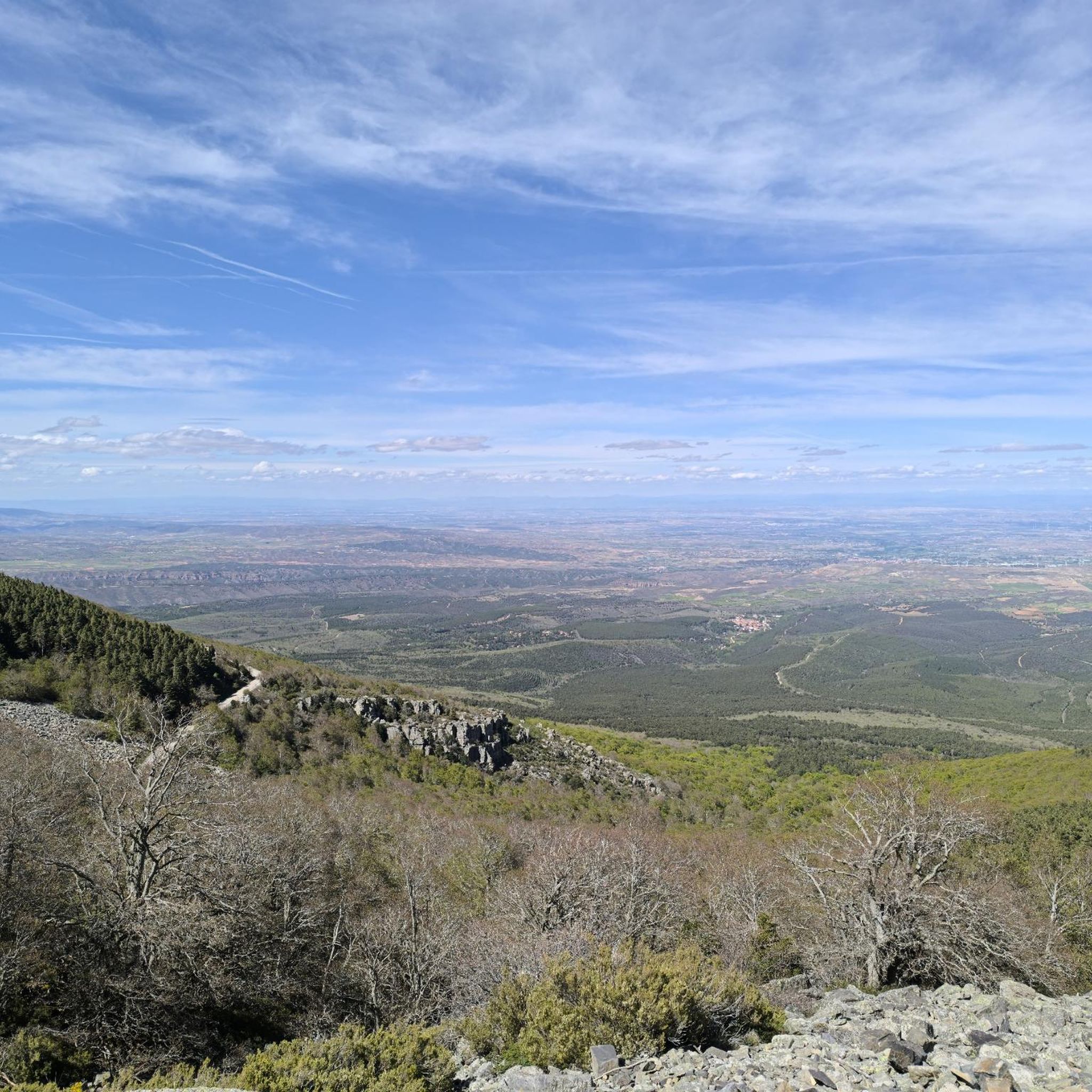
Spectacular views towards Añón de Moncayo and in the background, Moncayo.
0
0
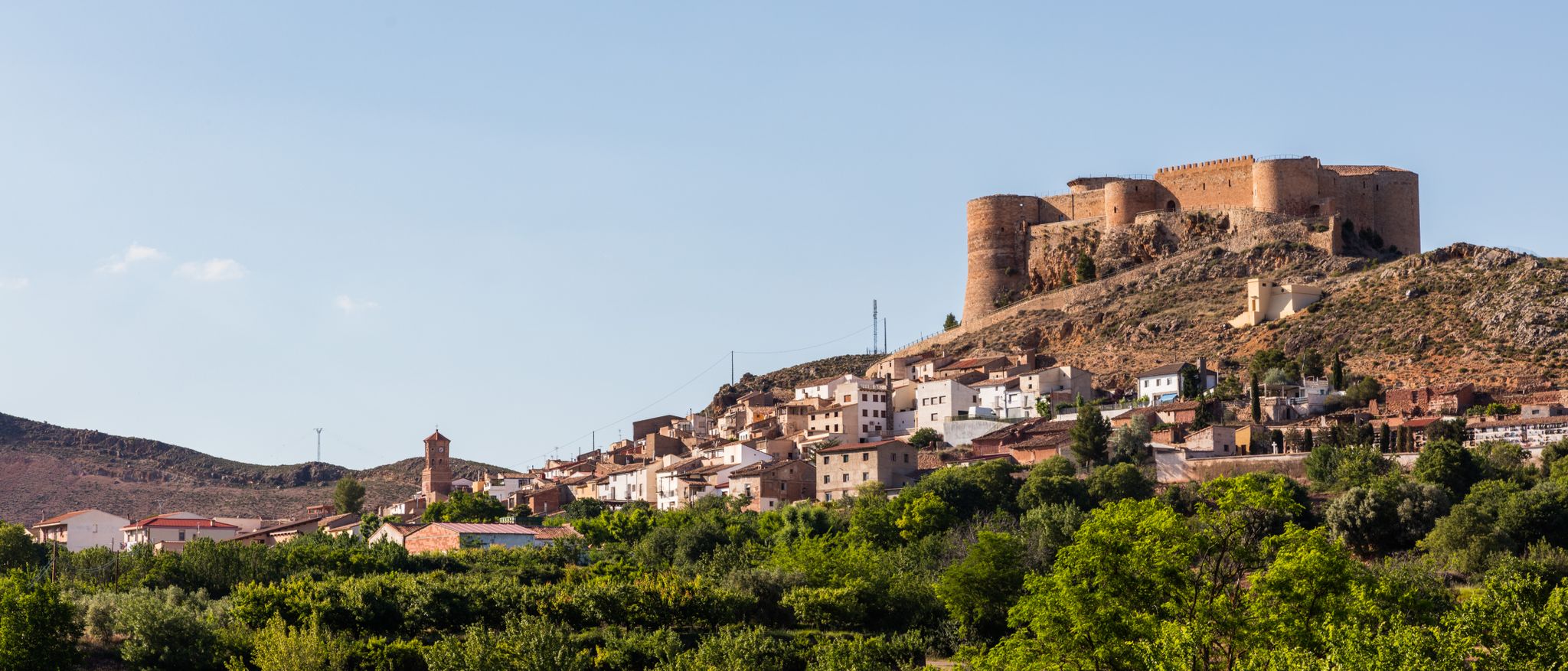
Talamantes is a fantastic starting point for exploring the Moncayo region, with trails that blend forest, mountains, and ravines. Paths like the one leading to the Valdetreviño ravine start right from the village, perfect for walks with great views and no crowds. Plus, it's small and peaceful, ideal for stopping, having a bite to eat, and recharging after your hike.
1
0
This small town of fewer than 300 inhabitants boasts a mycology center. It is also home to the Church of San Martín de Tours, a neo-Romanesque church with colonial American art.
0
0

The Peñas del Cabo Caves are located on the western cliffs of the Peñas del Cabo, near Calcena, in the province of Zaragoza, Aragon. These caves are known for their impressive geological structure and speleothems, such as stalactites, stalagmites and flowstones. One of the most popular caves is the Cueva Honda, which has been used as a shelter for livestock and has housed archaeological remains from the Neolithic period. In addition, the cave is an important refuge for bat colonies during the summer. The caves offer a unique experience for caving and nature lovers.😊
4
0
The Mirador de la Ermita de San Cristóbal is located in the municipality of Los Fayos, in the province of Zaragoza, Aragon. This viewpoint offers spectacular views of the Queiles River Valley and the surrounding area, including the Val reservoir. The San Cristóbal hermitage, located next to the viewpoint, is a place of great historical and cultural interest. Built in the 17th century, the hermitage is an example of religious architecture in the region. Access to the viewpoint and the hermitage can be made through several hiking routes that run through the area, offering the opportunity to enjoy nature and panoramic views.
4
0
The Fountain and Hermitage of San Gaudioso are located in the Moncayo Natural Park, near Tarazona, in the Campo de Borja region, Aragon. This place is a popular point of interest for hikers and nature lovers. The hermitage is located in a stunning natural setting, surrounded by forests and mountains. The fountain, which bears the same name, is known for its fresh, crystal-clear water. It is an ideal place to rest and enjoy the tranquility of the landscape. Access to the Fountain and Hermitage of San Gaudioso can be made through several hiking routes that run through the natural park, offering spectacular views and the opportunity to observe the local flora and fauna.😊
5
0

Real Monasterio de Santa María de Veruela, or "The Royal Monastery of Santa María de Veruela") is a Cistercian abbey from the 12th century. It is located near Vera de Moncayo. It was founded in 1146 by Pedro de Atarés. Source wikipedia.
1
0
Frequently Asked Questions
How many touring cycling routes are available in Moncayo?
Moncayo offers a wide variety of touring cycling routes, with over 25 options available. These routes cater to different skill levels, including 1 easy, 6 moderate, and 18 difficult trails, ensuring there's something for every cyclist.
What is the best time of year to go touring cycling in Moncayo?
The best time for touring cycling in Moncayo generally depends on your preference for weather and terrain. Spring and autumn offer pleasant temperatures and vibrant landscapes, with changing foliage in autumn. Summer can be warm, especially at lower elevations, but higher routes provide cooler air. Winter cycling is possible but requires appropriate gear due to potential snow and colder conditions, particularly at higher altitudes.
What natural landmarks can I see while cycling in Moncayo?
Moncayo's touring cycling routes often pass by impressive natural landmarks. You can explore the Cueva de los Pilares with its unique rock formations, or experience the dramatic views from the Moncayo Summit. The region is also known for its diverse forests, from holm oak to extensive beech groves, and remnants of glacial activity at higher elevations.
Are there any cultural or historical sites accessible by touring bike in Moncayo?
Yes, Moncayo's touring cycling routes can be integrated with visits to rich historical and cultural sites. You can cycle towards the 12th-century Cistercian Royal Monastery of Santa María de Veruela, or visit the historic Santuario del Moncayo. The Mudéjar heritage of Tarazona, including its Cathedral, is also easily accessible and adds a significant cultural dimension to any cycling tour.
What do other touring cyclists enjoy most about Moncayo?
The Moncayo region is highly rated by the komoot community, with an average score of 5.0 stars from over 3 reviews. Cyclists frequently praise the stunning and varied landscapes, from lush forests to alpine meadows, and the challenging yet rewarding climbs. The generally low traffic on many roads and the well-maintained infrastructure also contribute to a pleasant cycling experience.
Are there any circular touring cycling routes in Moncayo?
Yes, Moncayo offers several excellent circular touring cycling routes. A popular option is the Monastery of Santa María de Veruela y Ambel — circular from Talamantes, which takes you through the Moncayo foothills and historical sites. Another highly-rated circular route is the View of Calcena – Calcena loop from Calcena, offering varied landscapes.
Are there family-friendly touring cycling routes in Moncayo?
While many routes in Moncayo are rated as difficult due to significant climbs and rugged terrain, there are some easier sections and paths suitable for families. It's advisable to check the specific route details on komoot for elevation gain and surface type to ensure it matches your family's skill level. Look for routes with lower difficulty ratings for a more relaxed experience.
Can I bring my dog on touring cycling routes in Moncayo Natural Park?
Moncayo Natural Park is generally welcoming to dogs, but specific rules may apply, especially regarding leashes and protected areas. It's always best to keep your dog on a leash, particularly in areas with wildlife or other visitors, and to ensure you clean up after them. Check local regulations for any specific restrictions within the Natural Park before your visit.
Where can I find parking for touring cycling routes in Moncayo?
Access points like Tarazona and San Martín de la Virgen del Moncayo serve as convenient starting points for exploring the park and typically offer parking facilities. For specific routes, such as those starting from Calcena or Talamantes, you can usually find parking in or near the villages. Always check local signage for parking restrictions.
Are there places to eat or stay near the touring cycling routes in Moncayo?
Yes, the Moncayo region offers various options for food and accommodation. Villages and towns around the natural park, such as Tarazona, Talamantes, and Calcena, have local cafes, restaurants, and guesthouses. The Santuario del Moncayo Restaurant and Hostel is also a notable spot within the park itself, providing a convenient stop for cyclists.
What kind of terrain can I expect on Moncayo's touring cycling routes?
Moncayo's touring cycling routes feature highly varied terrain. You'll encounter everything from lower slopes with holm and kermes oak forests, transitioning to Pyrenean oak and extensive pine groves, and some of Spain's largest beech forests at mid-elevations. Higher up, juniper and alpine scrub give way to meadows and rugged peaks, offering a continuously changing backdrop and diverse riding surfaces.
Are there options for long-distance touring cycling in Moncayo?
While many routes are designed for day trips, Moncayo's network of trails and roads can be combined to create longer touring experiences. Routes like the Castle of Talamantes – Castle of Talamantes loop from Alcalá de Moncayo, at over 30 km, provide a good foundation for extended rides. The region's infrastructure and accommodation options also support multi-day touring.
How can I reach the touring cycling routes in Moncayo using public transport?
Public transport options to Moncayo are available, primarily through bus services connecting larger towns like Tarazona to nearby cities. From these towns, you can often access the starting points of various cycling routes. However, public transport access directly into the heart of the Natural Park may be limited, so planning your journey in advance is recommended.
Most popular routes in Moncayo
Most popular attractions in Moncayo

Get inspired with the komoot mobile app


Explore more
Browse the best Cycling routes in other regions.
