Attractions and Places To See in Lic-Rio Deva - Top 15
Best attractions and places to see in Lic-Rio Deva is a protected natural area in northern Spain, encompassing the Deva River as it flows through parts of Cantabria and Asturias. This region is recognized for its significant ecological value, particularly its fluvial ecosystems and diverse flora and fauna. Bordering the Picos de Europa National Park, the area offers a blend of natural features, charming villages, and opportunities for outdoor activities. The primary attractions are largely natural landscapes and historical sites…
Last updated: June 23, 2026
Historic center of Potes
Highlight • Settlement
Translated by Google •
Tip by

Santa María de Lebeña Church
Highlight • Religious Site
Translated by Google •
Tip by
Sign up now to discover places like this
Get recommendations on the best single tracks, peaks, & plenty of other exciting outdoor places.
Sign up for free
Infantado Tower
Highlight • Monument
Translated by Google •
Tip by
Linares to La Hermida Mountain Road
Highlight (Segment) • Mountain Pass
Translated by Google •
Tip by

Climb to Fuente Dé from Potes
Highlight (Segment) • Climb
The …
Translated by Google •
Tip by

Sign up for free to discover even more attractions in Lic-Rio Deva.
Sign up for free
Already have an account?
Start today with a free account
Your next adventure awaits.
Login or Signup
Popular around Lic-Rio Deva
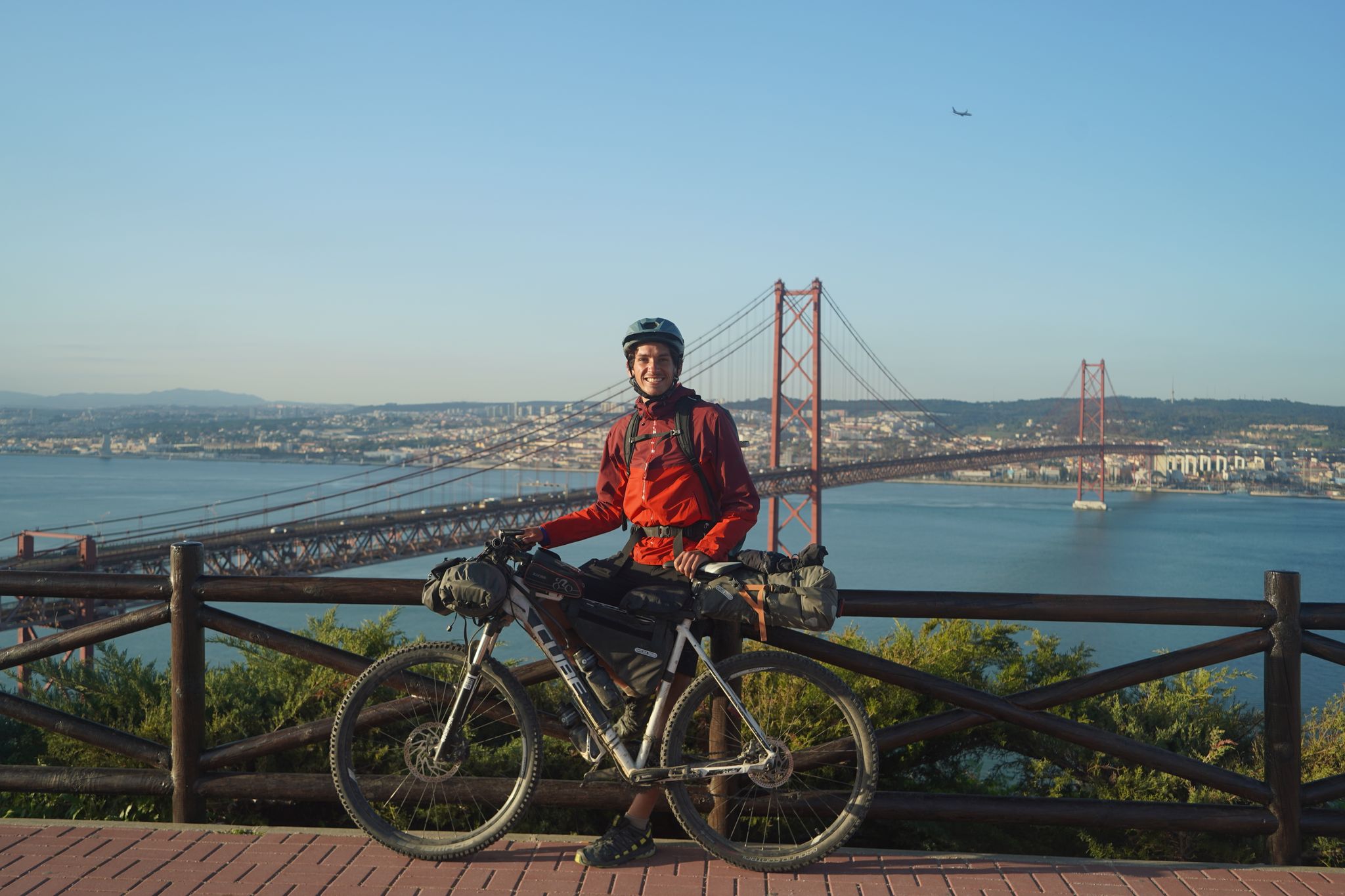
Road to Lisbon – bikepacking the Alps, Pyrenees and Picos de Europa
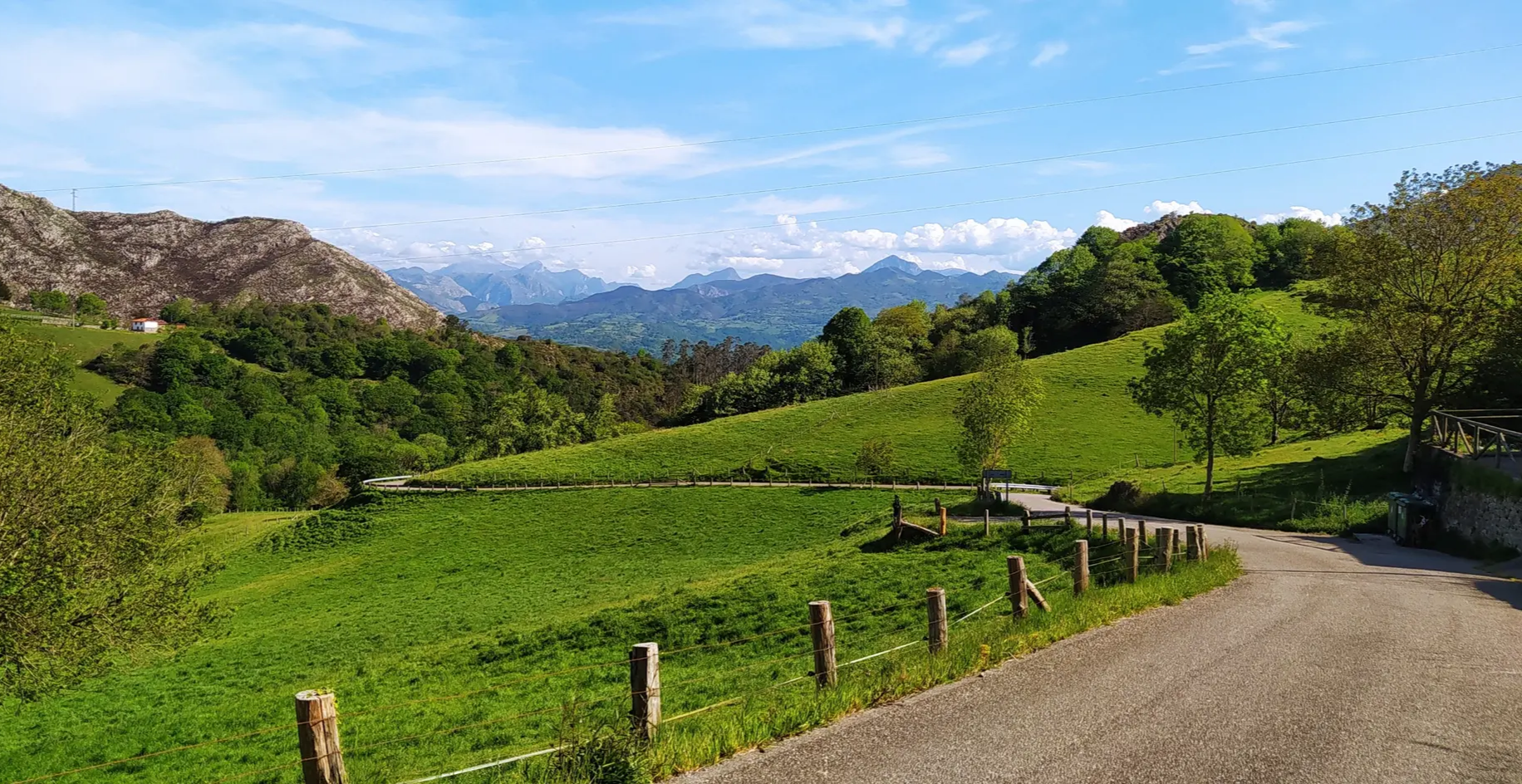
Great mountain passes of Picos de Europa on road bikes
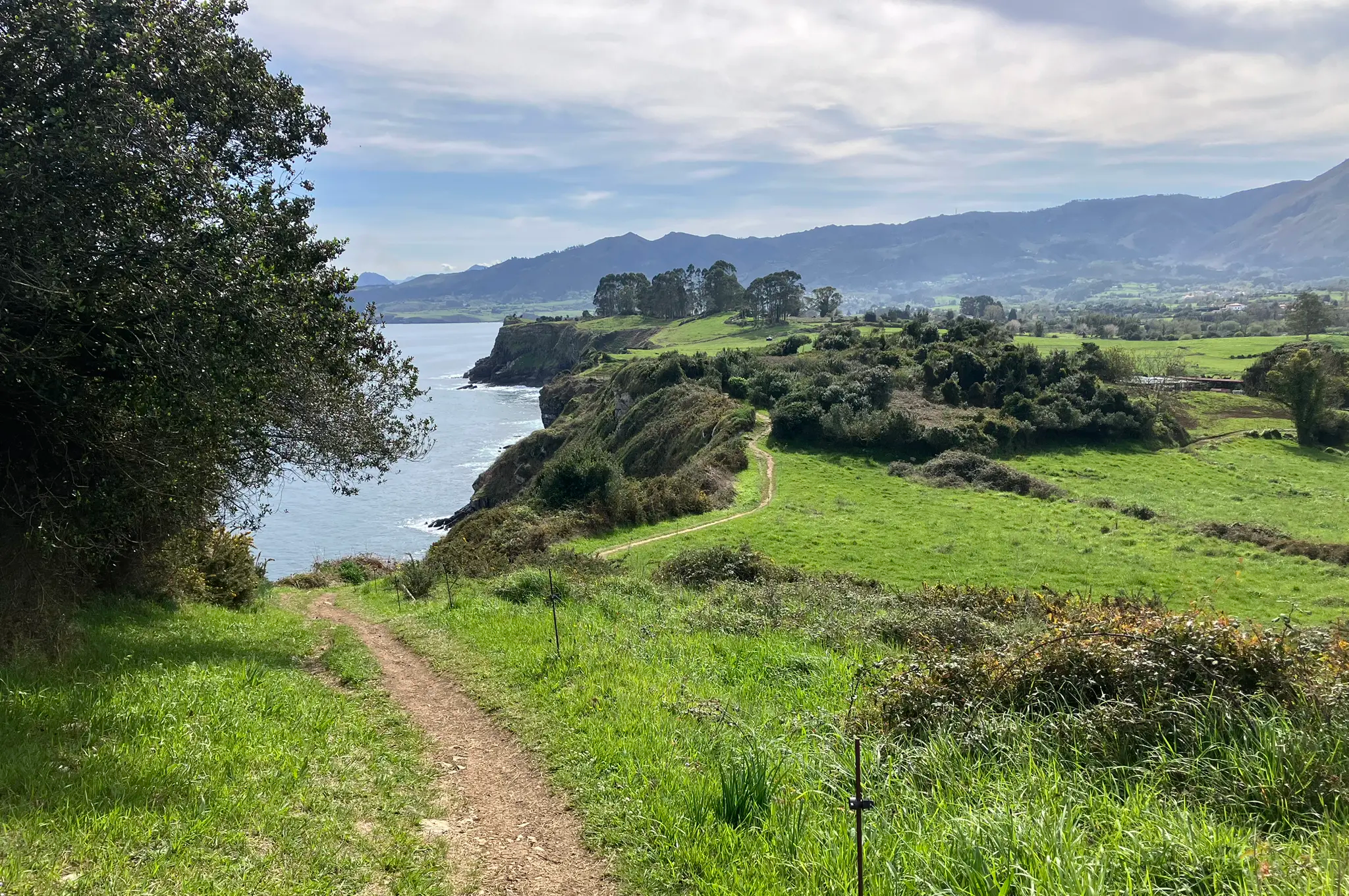
Green, Blue and Gold - Coastal Path through Asturias (GR 204)
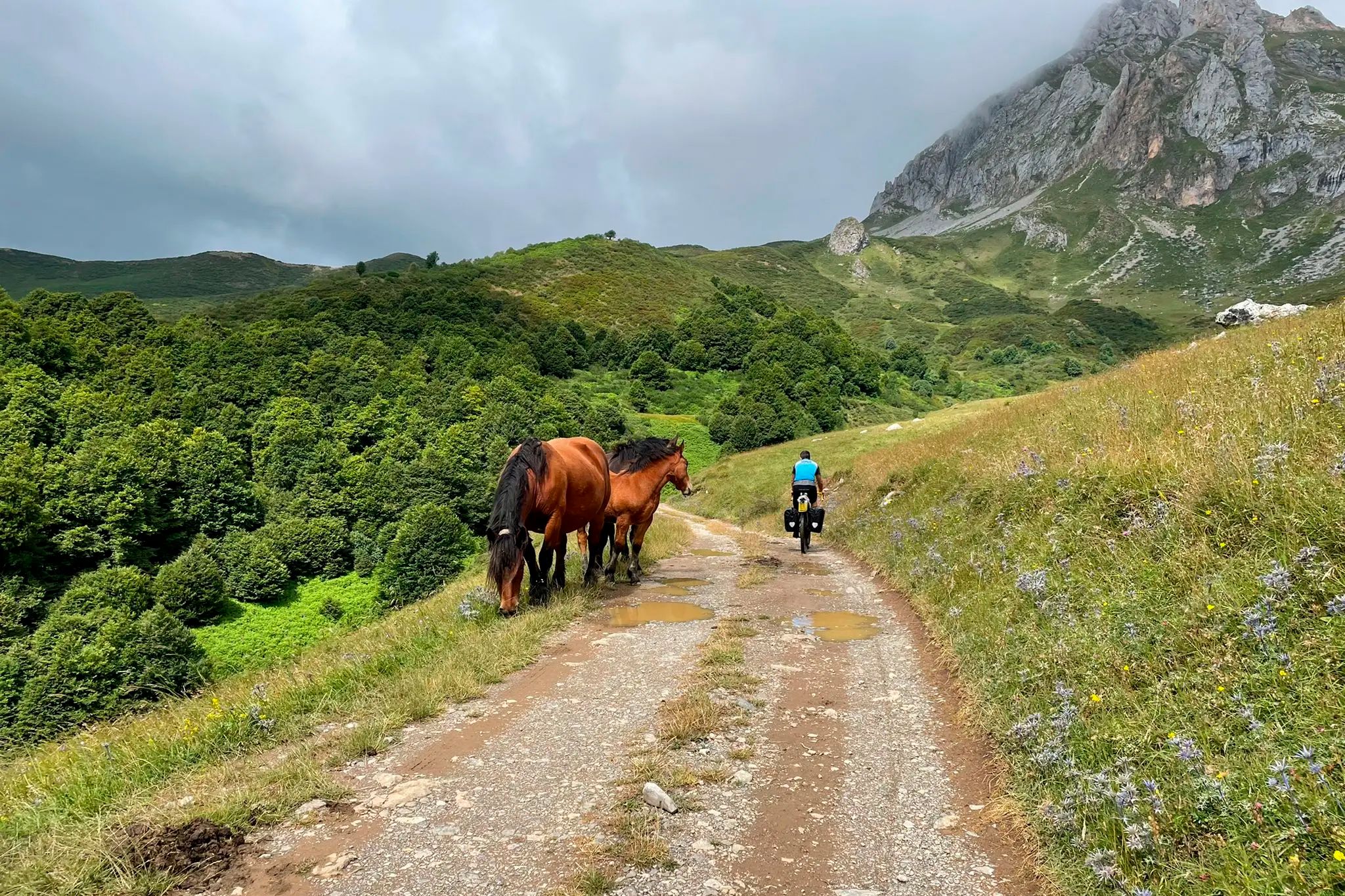
TransCantabrica – Extreme mountain biking in northern Spain
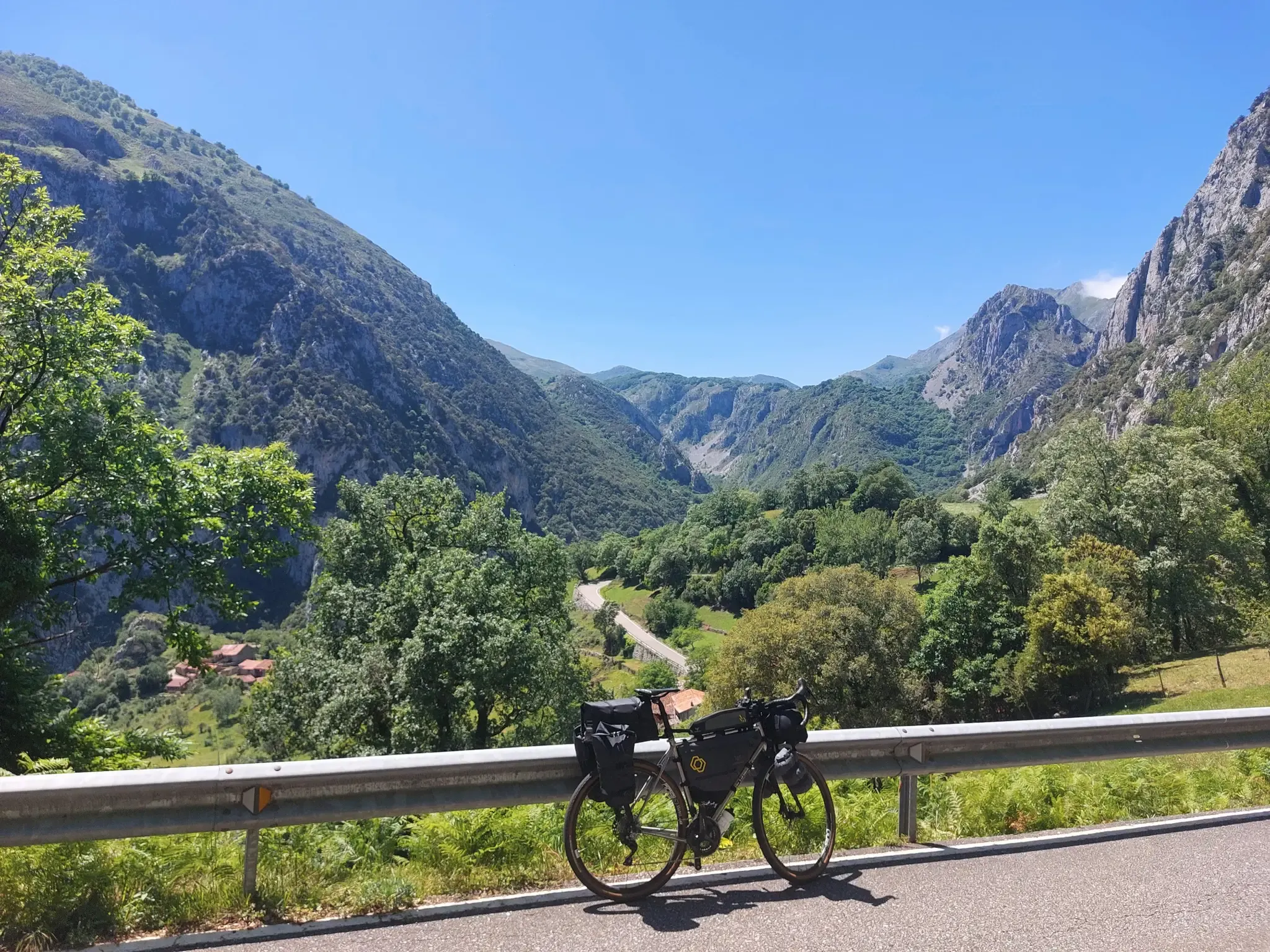
Cycling from Potes – one of the most beautiful villages in Spain
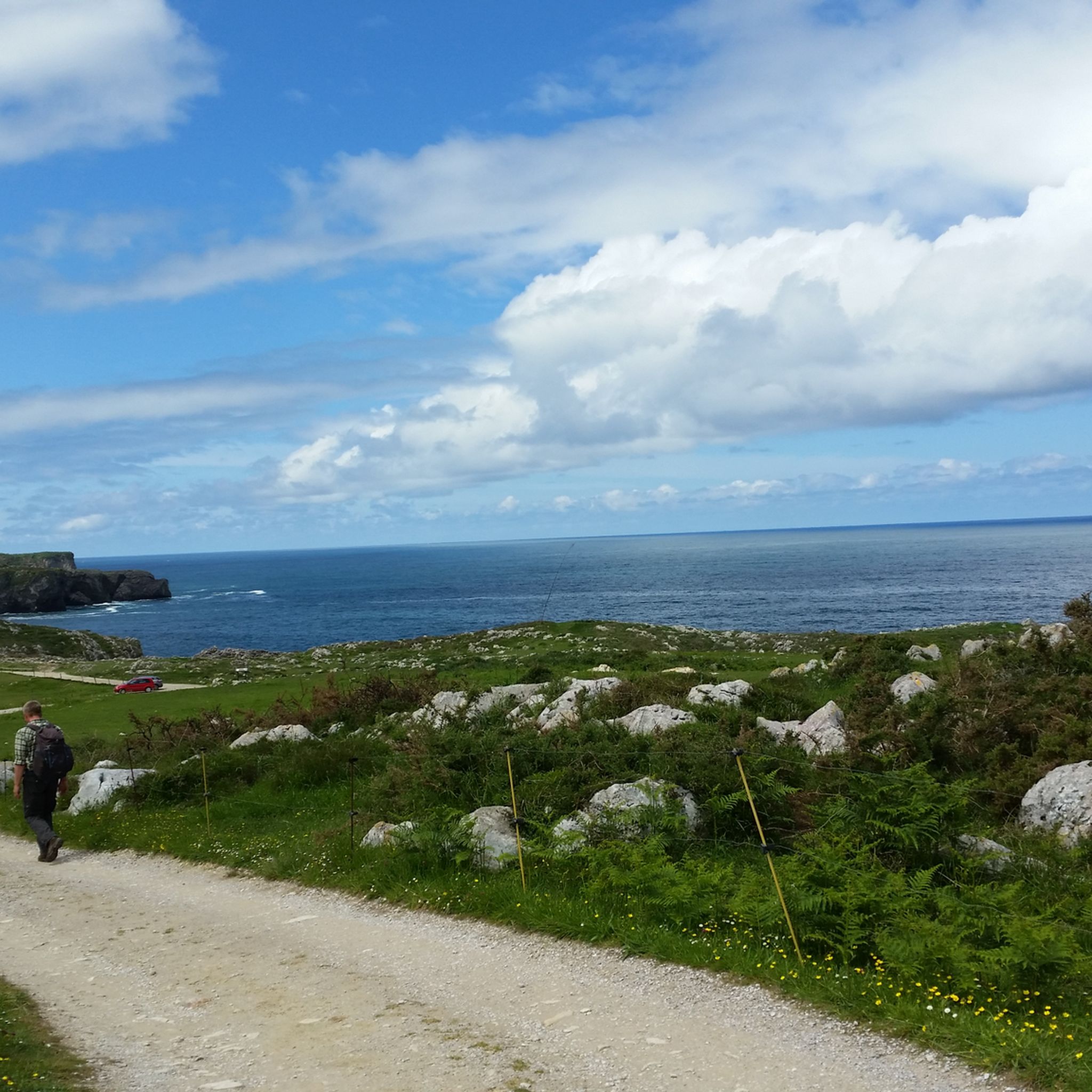
Hiking in Lic-Rio Deva
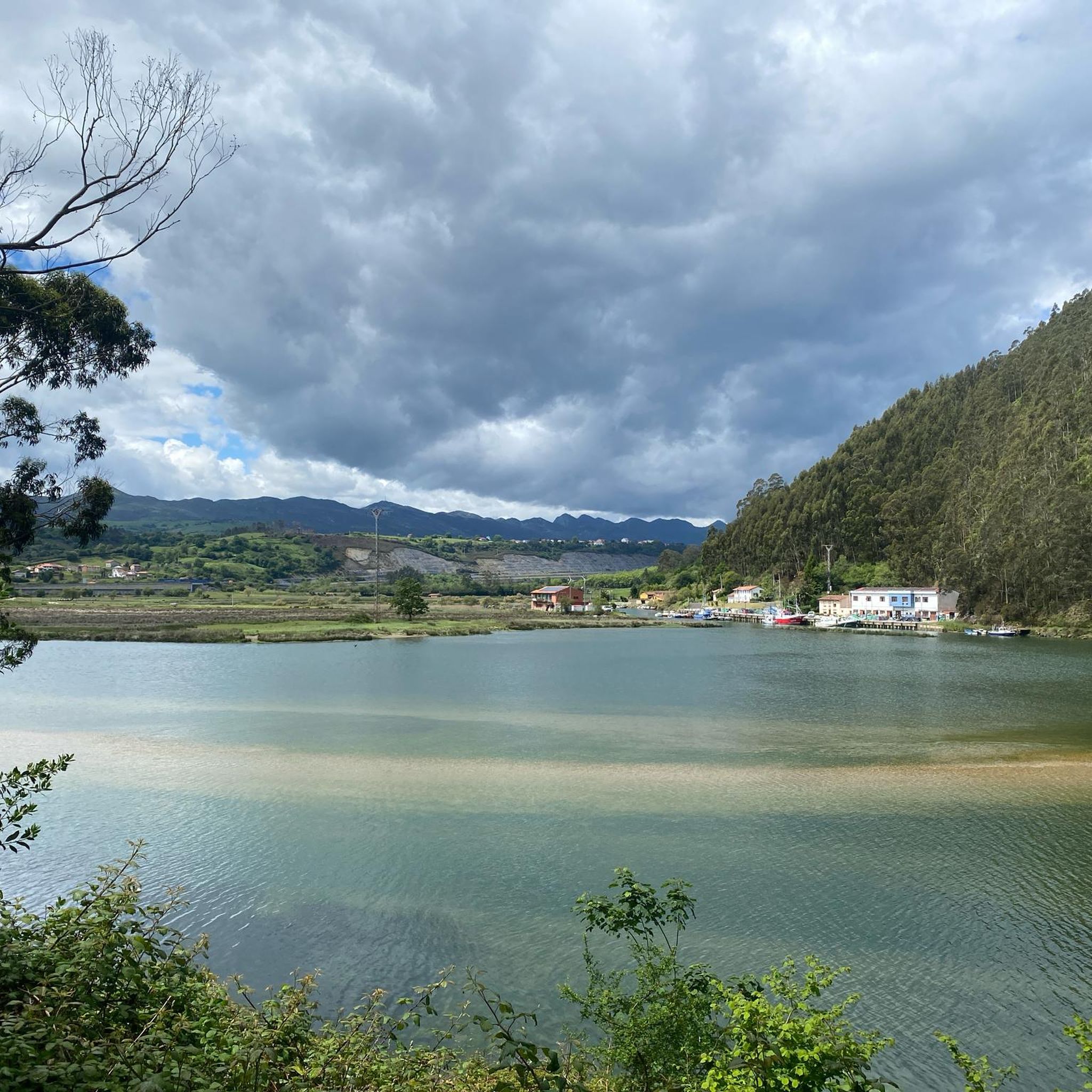
Cycling in Lic-Rio Deva
MTB Trails in Lic-Rio Deva
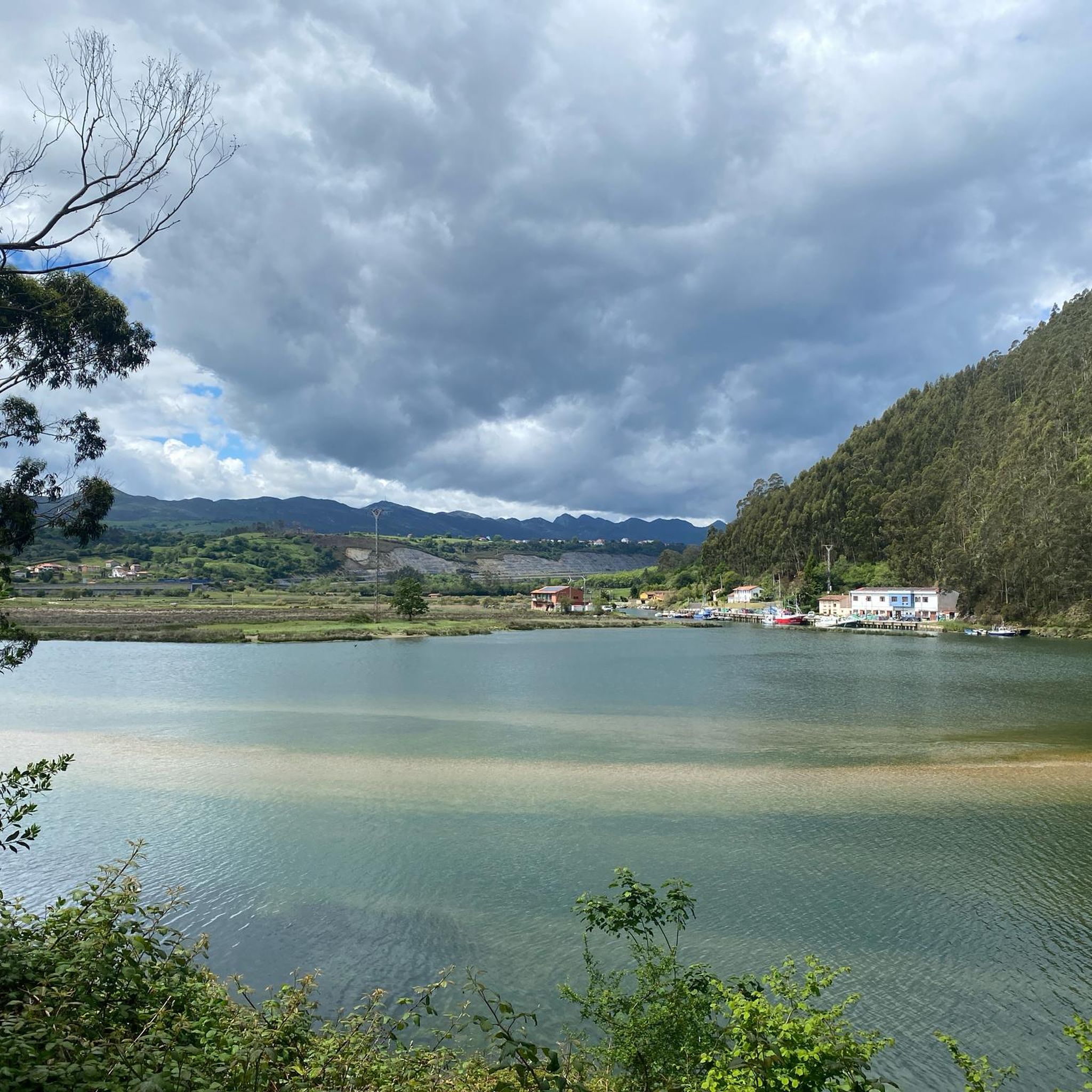
Road Cycling Routes in Lic-Rio Deva
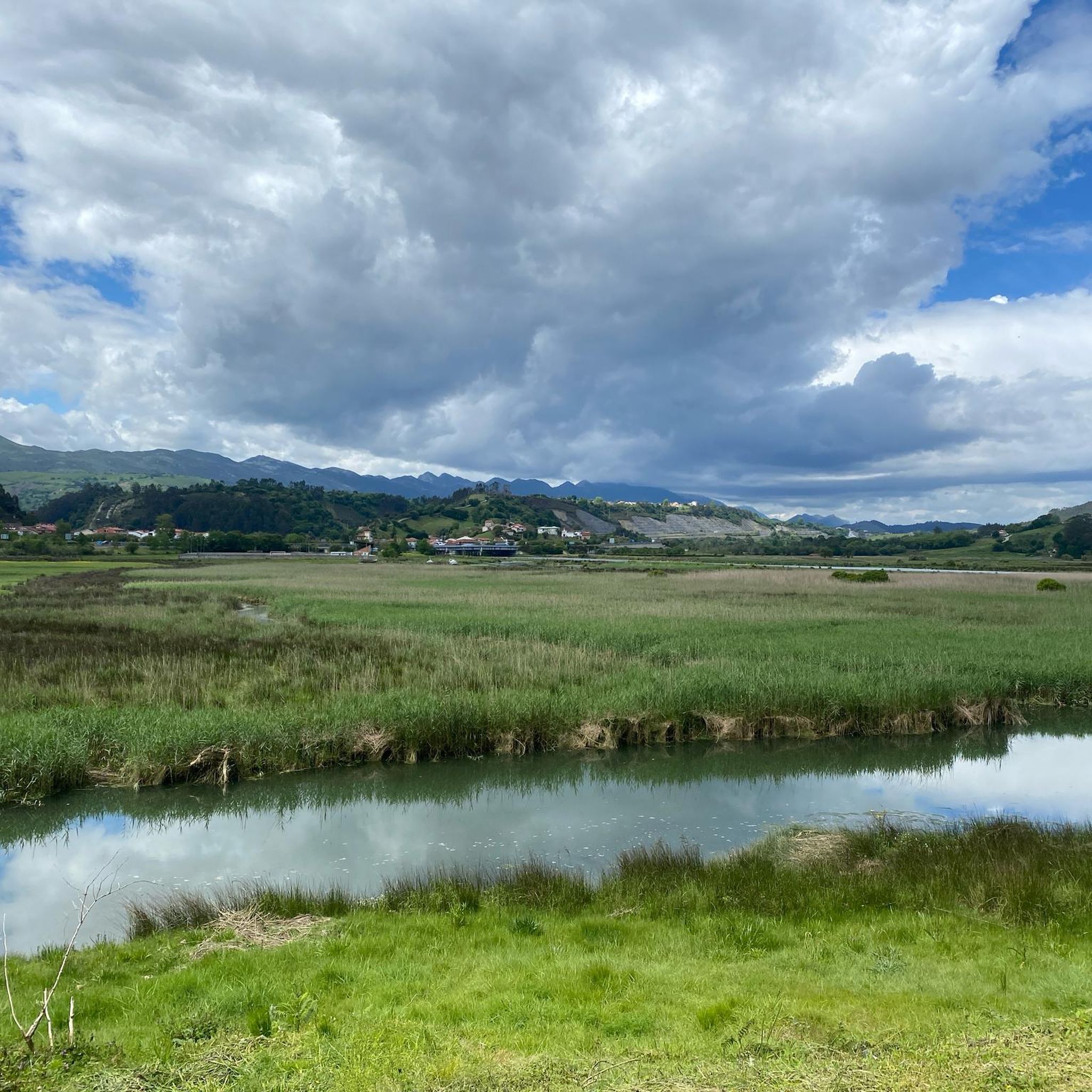
Running Trails in Lic-Rio Deva
Other adventures in Lic-Rio Deva


Tips from the Community

A town with a lively and very pleasant atmosphere, where you can feel both peace and adventure.
0
0

Anyone who wants to can visit.
0
0

This is a well-known climb that takes you to Fuente Dé from Potes. It's quite manageable: 23 kilometers at an average gradient of 3.6%, with some sections exceeding 9%. The views are beautiful, there's usually little traffic, and the road surface is in good condition.
0
0

Beautiful little town. Try Restaurante La Barrica, unbelievable food.
0
1

One of the most beautiful towns in Cantabria, with the Torre del Infantado, the narrow alleys, the river through the city, with the Museo de la Sidra and of course as a gateway to the Picos.
1
0

The section between Linares and La Hermida will be a great surprise. It is a winding mountain road that will leave you with tired legs and a feeling of joy at being able to enjoy such unparalleled views. On the way down, I suggest you visit the Romanesque church of Santa Juliana, right at the entrance to the town of Lafuente.
0
0

Surrounded by a spectacular landscape and located at the confluence of the four valleys of the Region, Potes is known as the town of bridges (hence its name) and towers. Its narrow streets and mansions (most with coats of arms) help to imagine past times full of history. One of the most relevant aspects of Potes is gastronomy and the cocido lebaniego is one of its culinary stars.
1
0

From Linares to La Hermida a great mountain road with many serpentines meanders down the mountain. Especially uphill, pleasant slope.
0
0
Frequently Asked Questions
What natural attractions can I explore in Lic-Rio Deva?
The Lic-Rio Deva region is rich in natural beauty, centered around the Deva River itself. A prominent feature is the dramatic La Hermida Gorge, where the river carves through steep limestone cliffs. The area also borders the renowned Picos de Europa National Park, offering access to its stunning mountainous landscapes. You can also visit Fuente Dé, the source of the Deva River, famous for its cable car and breathtaking views.
Are there historical or cultural sites to visit in the region?
Yes, the region offers several significant historical and cultural sites. The Historic center of Potes is a picturesque town known for its narrow streets, historic buildings, and the medieval Infantado Tower, which now serves as a cultural center. Additionally, the 10th-century Santa María de Lebeña Church is a significant pre-Romanesque monument in Cantabria, representing High Middle Ages architecture.
What kind of outdoor activities are popular in Lic-Rio Deva?
Lic-Rio Deva is an ideal destination for outdoor enthusiasts. Popular activities include hiking along the riverbanks and through gorges, cycling on scenic mountain roads, and exploring the mountainous terrain bordering the Picos de Europa. The region is also excellent for wildlife viewing, with opportunities to spot Atlantic salmon, Eurasian otters, and various bird species. For more detailed routes, you can explore guides like Mountain Hikes in Lic-Rio Deva or Cycling in Lic-Rio Deva.
Are there hiking opportunities near the attractions?
Absolutely. The natural environment around Lic-Rio Deva's attractions is perfect for hiking. You can find trails ranging from easy to difficult, often offering stunning views. For instance, there are routes near Potes that incorporate the Infantado Tower and the Historic center of Potes. For specific hiking routes, check out the Mountain Hikes in Lic-Rio Deva guide, which includes routes like the 'Viewpoint – Horcados Rojos loop from Fuente Dé'.
Can I go cycling in Lic-Rio Deva?
Yes, cycling is a fantastic way to experience the scenic landscapes of Lic-Rio Deva. The region offers challenging mountain roads and picturesque routes. A notable highlight for cyclists is the Climb to Fuente Dé from Potes, known for its manageable gradient, beautiful views, and good road surface. For more cycling adventures, refer to the Cycling in Lic-Rio Deva guide, which features routes like 'Piedrasluengas from Potes Loop' and 'San Glorio - Collada de Llesba Trail'.
What is Potes known for?
Potes is often considered the capital of the Liébana region and is renowned as one of the most beautiful towns in Cantabria. It's known for its privileged position as a gateway to the Picos de Europa, its charming Historic center with narrow streets and mansions, and its local gastronomy, particularly the 'cocido lebaniego'. The town is also home to the impressive medieval Infantado Tower.
Are there family-friendly attractions in Lic-Rio Deva?
Many attractions in Lic-Rio Deva are suitable for families. The Historic center of Potes offers a pleasant environment for strolling and exploring. The Infantado Tower and Santa María de Lebeña Church are also accessible and interesting for all ages. The natural surroundings provide opportunities for easy walks and enjoying the scenery together.
Where can I find dramatic scenic drives or viewpoints?
For breathtaking scenic drives, the section between Linares to La Hermida Mountain Road is highly recommended. It's a winding route that offers unparalleled views of the mountainous landscape. Additionally, the climb to Fuente Dé from Potes provides stunning vistas, especially from the cable car at Fuente Dé, which ascends into the Picos de Europa.
What wildlife can I expect to see in the Lic-Rio Deva area?
The Lic-Rio Deva is a protected natural area, making it excellent for wildlife observation. The Deva River is known for native runs of Atlantic salmon and other species like the sea lamprey, Iberian desman, Eurasian otter, and European crayfish. The diverse ecosystems also support a variety of amphibians, birds, and other mammals, especially in the areas bordering the Picos de Europa National Park.
What do visitors enjoy most about the Lic-Rio Deva region?
Visitors consistently praise the region's spectacular natural landscapes, especially the dramatic gorges and the proximity to the Picos de Europa. The charm of towns like Potes, with its historic architecture and local gastronomy, is also a major draw. Many appreciate the opportunities for outdoor activities like hiking and cycling, and the overall feeling of being immersed in history and nature.
What is the best time of year to visit Lic-Rio Deva for outdoor activities?
The warmer months, particularly summer, are generally ideal for outdoor activities in Lic-Rio Deva. During this time, the weather is most favorable for hiking, cycling, and exploring the natural attractions. The region's proximity to the Picos de Europa means that summer offers the best conditions for accessing higher mountain trails and enjoying the full range of outdoor pursuits.
Are there any routes that feature waterfalls in Lic-Rio Deva?
Yes, you can find routes that incorporate waterfalls in the Lic-Rio Deva area. For example, there's a 'Waterfall loop from Río Quiviesa' which is an easy route. You can explore more options in the Waterfall hikes in Lic-Rio Deva guide, which lists several routes that include waterfalls as points of interest.
What is the significance of the Deva River in the region?
The Deva River is the central feature of the region, giving it its name and ecological significance. It's a protected natural area (LIC Río Deva) recognized for its fluvial ecosystems and diverse flora and fauna, including Atlantic salmon and Eurasian otters. The river's course, particularly through the dramatic La Hermida Gorge, defines much of the landscape and provides a rich habitat for wildlife. Its source is at Fuente Dé, and it flows through parts of Cantabria and Asturias.
Most popular routes in Lic-Rio Deva

Get inspired with the komoot mobile app


Explore more
Still not found the Highlight you’re looking for? See guides of the top attractions in other regions:
