The best walks and hikes in Arribes Del Duero
4.4
(251)
1,483
hikers
79
hikes
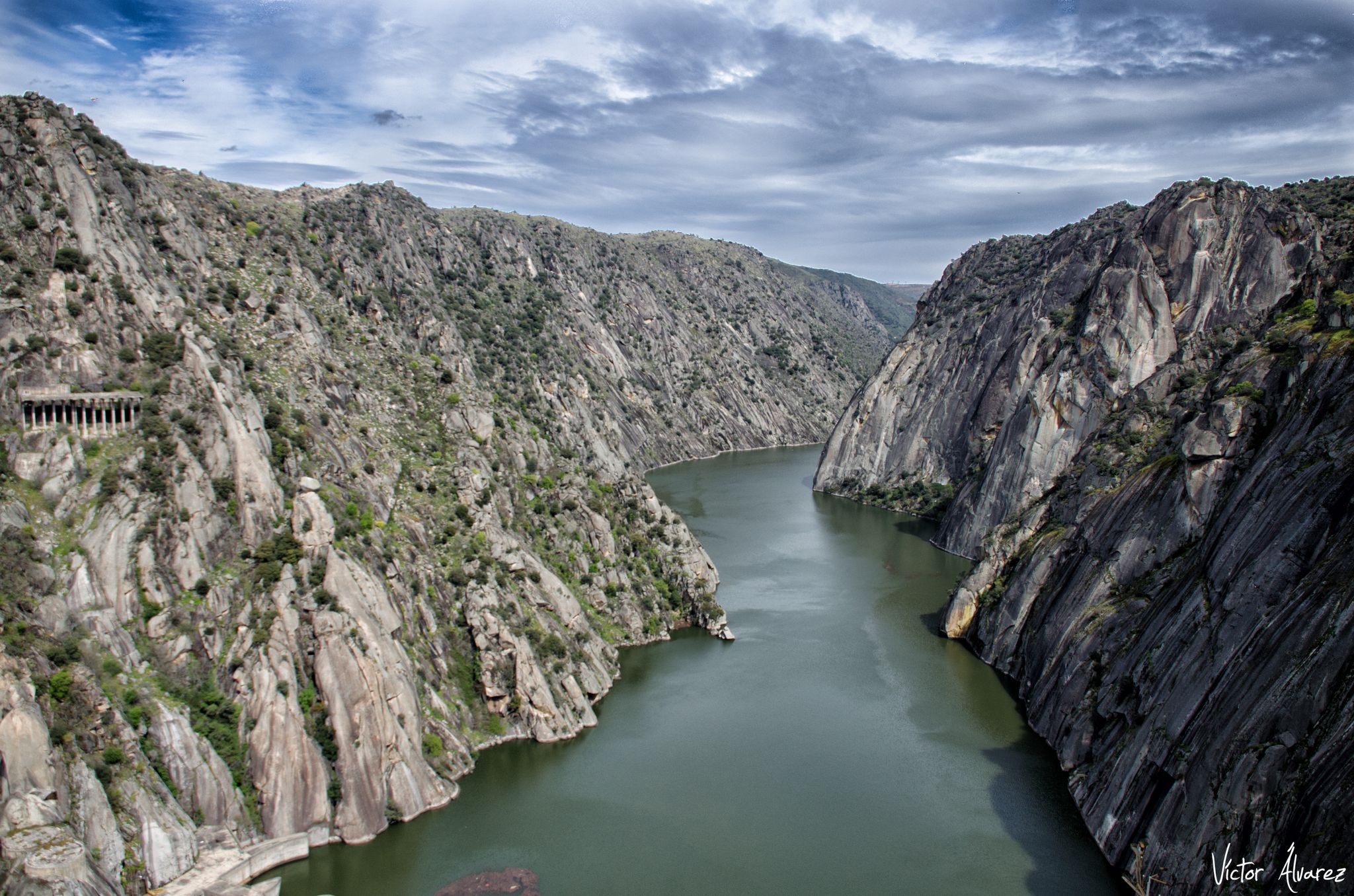
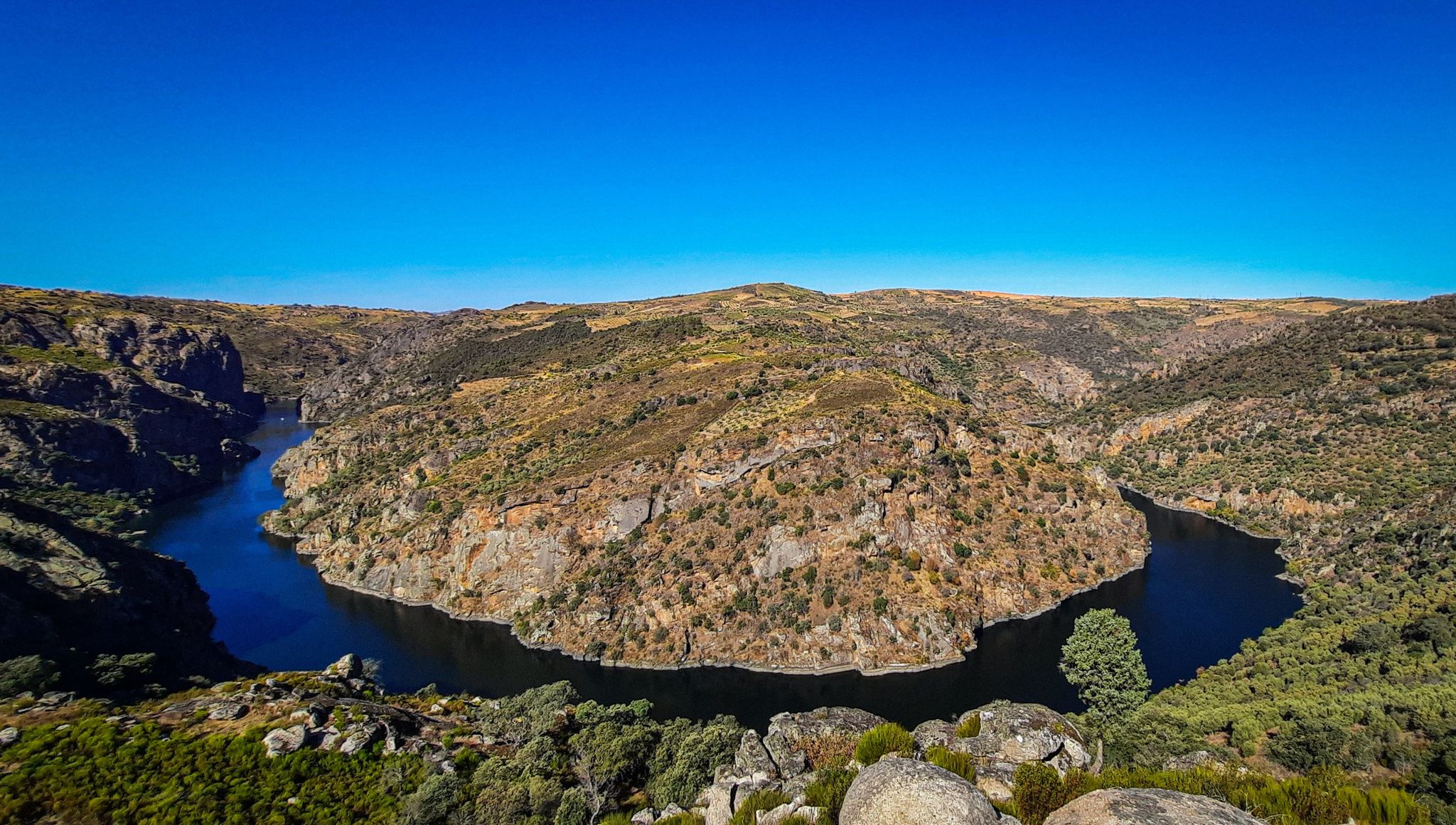
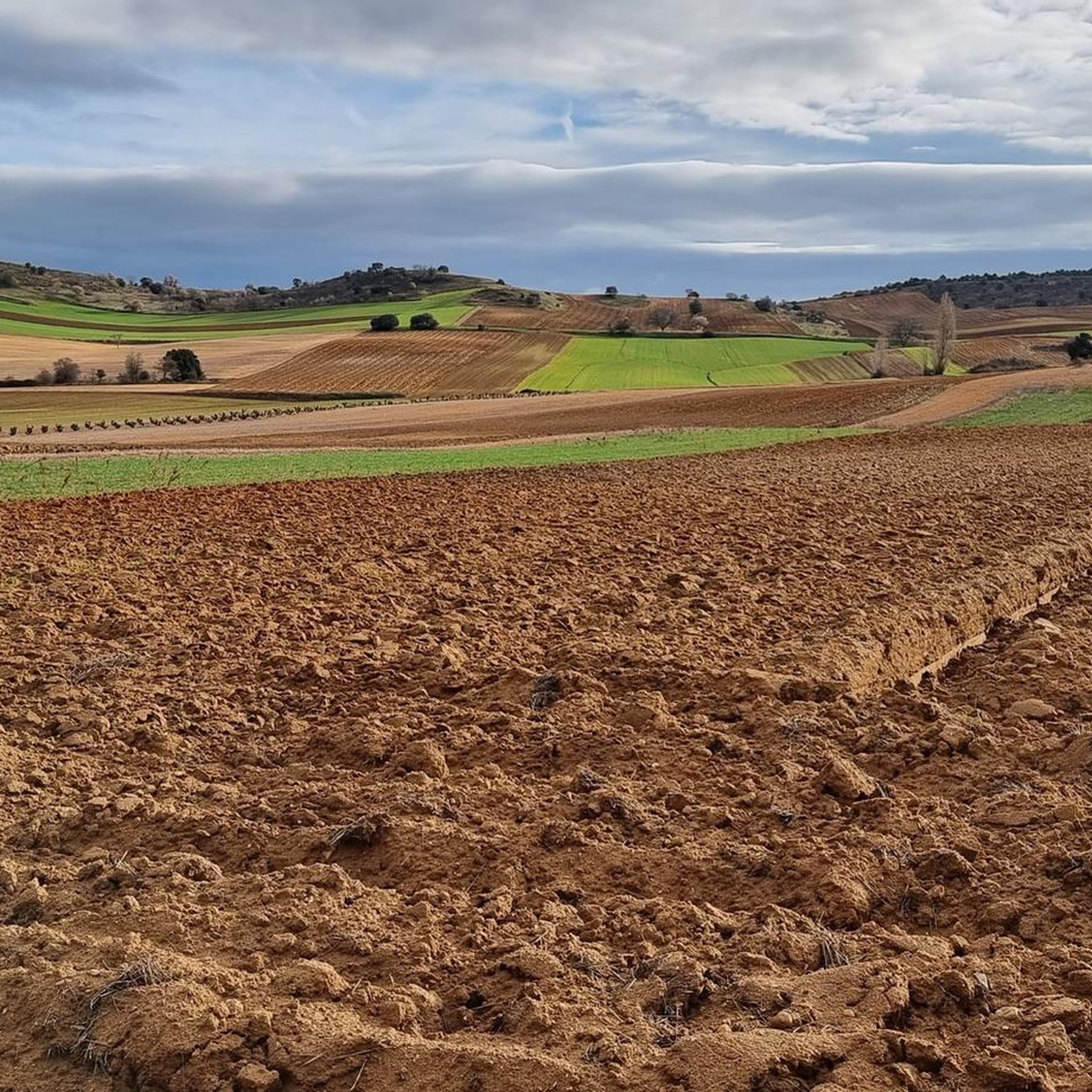
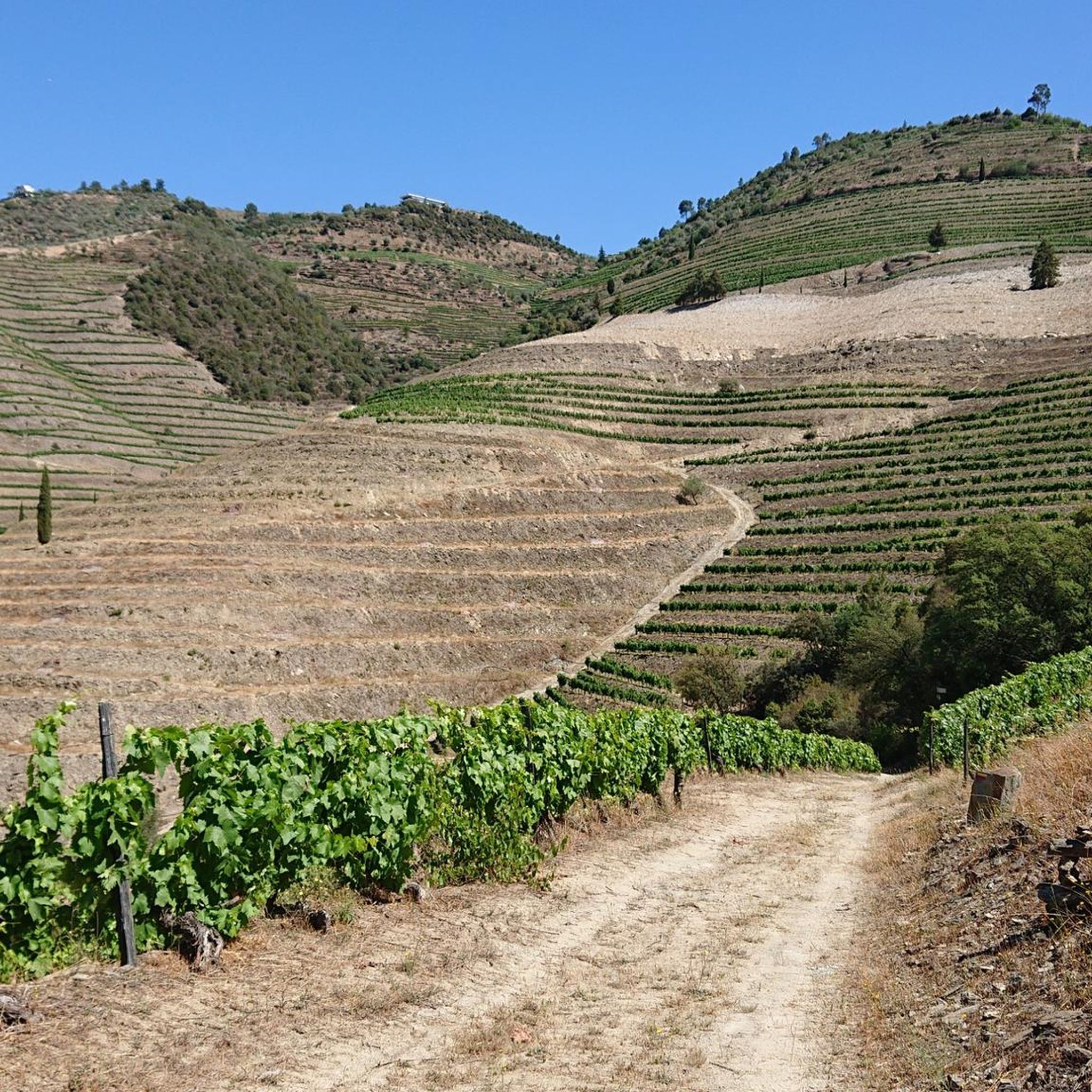
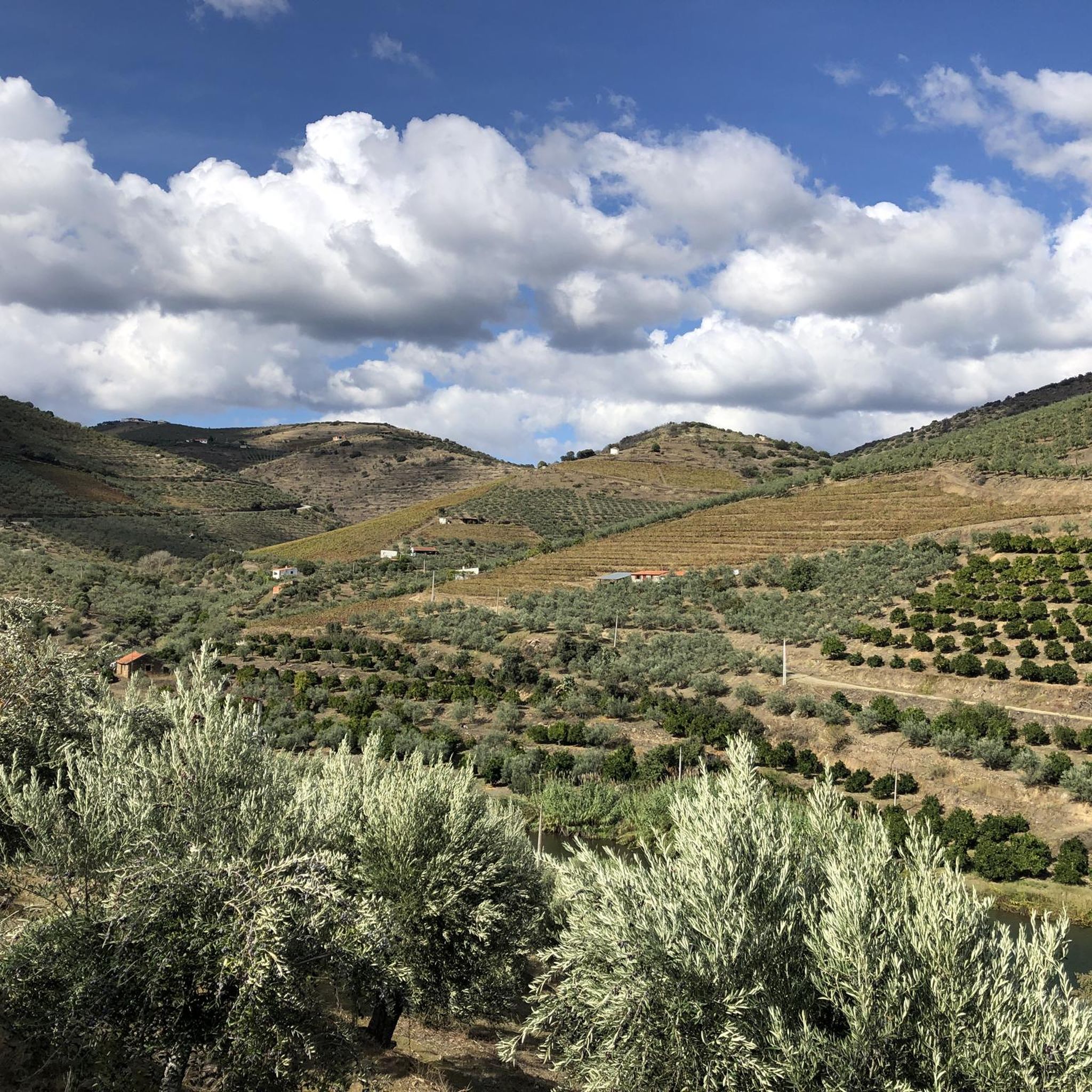
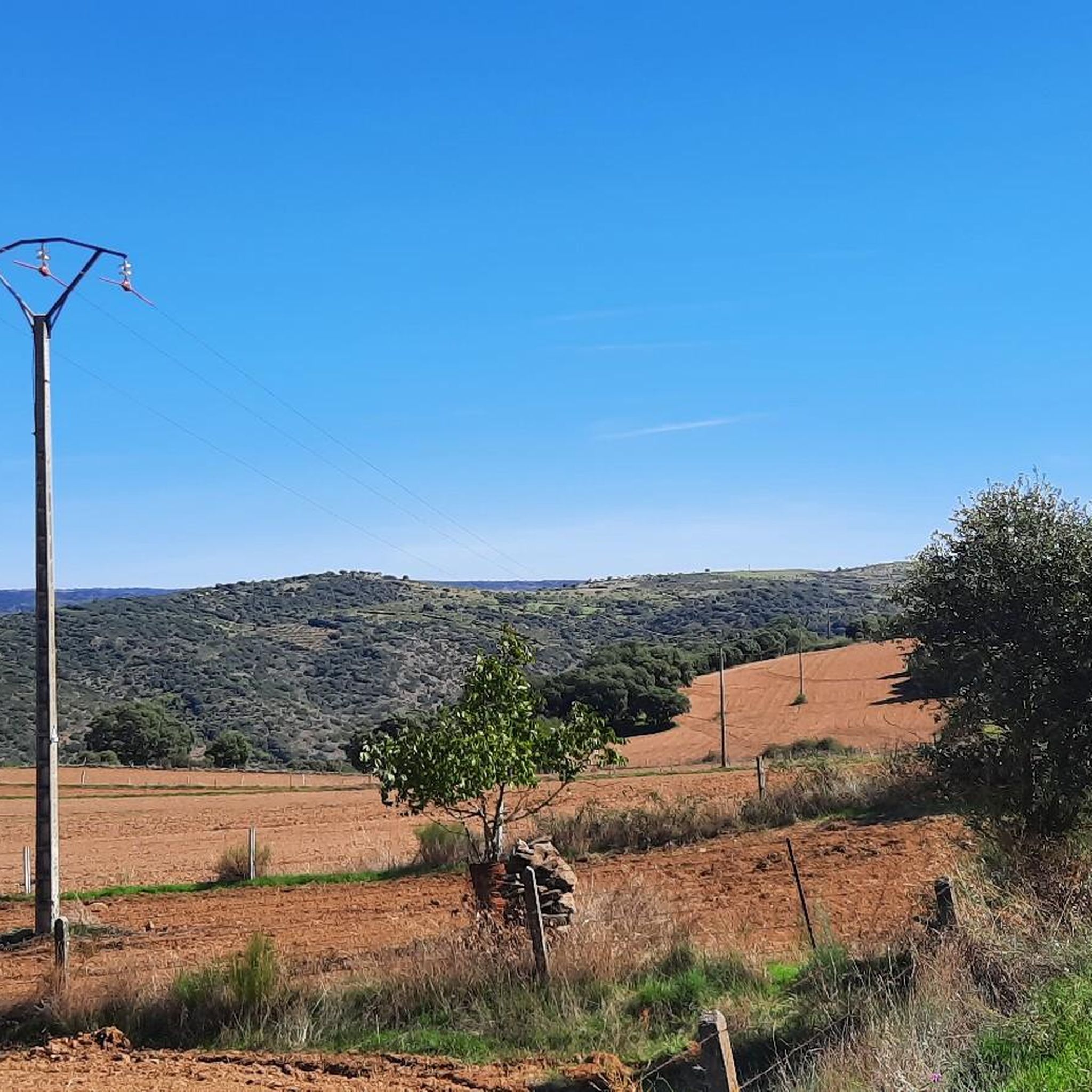
Hiking in Arribes del Duero offers routes through dramatic landscapes defined by deep canyons and impressive cliffs carved by the Duero River and its tributaries, forming a natural border between Spain and Portugal. The Arribes del Duero hiking terrain is characterized by granite formations and a Mediterranean microclimate within the canyons, supporting diverse flora like olive and almond trees. This Natural Park and Biosphere Reserve features extensive ravines and river valleys, providing varied natural features for exploration.
Best hiking trails…
Last updated: August 17, 2026
5.0
(6)
81
hikers
33.2km
09:07
540m
540m
Hard hike. Very good fitness required. Easily-accessible paths. Suitable for all skill levels.
4.7
(6)
23
hikers
Moderate hike. Good fitness required. Easily-accessible paths. Suitable for all skill levels.

Sign up for free
4.7
(9)
27
hikers
6.33km
01:42
80m
80m
Easy hike. Great for any fitness level. Easily-accessible paths. Suitable for all skill levels.
5.0
(1)
29
hikers
3.75km
01:04
90m
90m
Easy hike. Great for any fitness level. Easily-accessible paths. Suitable for all skill levels.
4.2
(5)
20
hikers
Hard hike. Good fitness required. Sure-footedness, sturdy shoes and alpine experience required.
Get access to more routes and recommendations from other explorers.
Sign up for free
Already have an account?
Our route recommendations are based on thousands of hikes, rides, and runs completed by other people on komoot.
Start today with a free account
Your next adventure awaits.
Login or Signup


Tips from the Community

The Pisón Stream Bridge in Fariza is part of one of the most iconic hiking trails in the Arribes del Duero Natural Park: the Mills Route. It is a medieval bridge, possibly with a Roman base, that crosses the Pisón Stream, a tributary that fed numerous flour mills in the area.
1
0
The Hermitage of the Virgen del Castillo in Fariza, Zamora, is a place of great historical, spiritual, and scenic value, nestled in the heart of the Arribes del Duero Natural Park. It sits atop a hill, offering spectacular views of the Duero canyon, right on the natural border between Spain and Portugal. Nearby is the Mirador de la Virgen del Castillo, considered one of the most beautiful in the Arribes.
1
0
The Mirador de las Barrancas, located in Fariza, in the province of Zamora, is one of the most spectacular spots in the Arribes del Duero Natural Park. It offers stunning views of the Duero River canyon, which marks the natural border between Spain and Portugal. A granite landscape with unique rock formations and a microclimate that favors Mediterranean crops such as olive trees, vineyards, and almond trees. Spot birds of prey, such as the griffon vulture and the golden eagle, which are very common in the area.
1
0
Camino de Hierro is a 17-kilometer-long pedestrian path that runs along a section of a closed-to-traffic, renovated railway line. It combines the grandeur of the most representative civil engineering (tunnels and viaducts) of the 19th century with spectacular natural beauty.
10
1
The Pozo de los Humos is an impressive waterfall located in the province of Salamanca, in the autonomous community of Castilla y León, Spain. This waterfall is located on the Uces River and is known for its spectacular waterfall of about 50 meters high, especially impressive during the rainy season. 😊
6
0
The Pozo de los Humos is an impressive waterfall located in the province of Salamanca, in the autonomous community of Castilla y León, Spain. This waterfall is located on the Uces River and is known for its spectacular waterfall of about 50 meters high, especially impressive during the rainy season. 😊
6
0

Beautiful views of the Duero and its Arribes.
1
0

It is worth taking a look at the El pozo de los Humos waterfall. There are many different views and the area near the waterfall is very nicely designed for visitors. You can also take a circular walk from Masueco: towards the car park to the Pozo and then back to the village via a narrow hiking trail.
1
0
Frequently Asked Questions
How many hiking trails are available in Arribes del Duero?
There are over 70 hiking trails in Arribes del Duero, offering a wide range of options for all skill levels. You'll find everything from easy strolls to challenging long-distance routes through the dramatic canyon landscapes.
What kind of terrain can I expect on hikes in Arribes del Duero?
The terrain in Arribes del Duero is primarily characterized by deep river canyons carved into granite formations. You can expect rugged paths, some with significant elevation changes, especially when descending into or climbing out of the 'Arribes' (canyons). Many trails also feature Mediterranean vegetation like olive and almond trees, and some follow river valleys.
Are there any family-friendly hiking options in Arribes del Duero?
Yes, Arribes del Duero offers several easier routes suitable for families. For example, the Ribera de los Molinos Trail is an easy 3.9-mile (6.3 km) path that leads through river valleys with old water mills, providing an engaging experience for children.
Can I bring my dog on the hiking trails in Arribes del Duero?
Arribes del Duero is a natural park and Biosphere Reserve, and generally, dogs are welcome on trails, but it's always best to keep them on a leash to protect local wildlife, especially birds of prey, and to respect other hikers. Always check specific trail regulations before you go.
Are there any notable waterfalls to see while hiking?
Absolutely! The most magnificent waterfall is Pozo de los Humos Waterfall, which is nearly 200 meters high and particularly impressive during the rainy season. You can hike to it via the Pozo de los Humos Trail or the more challenging Pozo de los Humos – circular from Masueco.
What are the best viewpoints in Arribes del Duero?
The park is famous for its panoramic viewpoints. Some of the most stunning include Mirador de las Barrancas for excellent birdwatching, Staircase Viewpoint, and Friar's Viewpoint (Mirador del Fraile), which offers one of the most impressive vistas of the Duero winding through the canyons.
Are there any circular hiking routes in the region?
Yes, many trails in Arribes del Duero are circular, allowing you to start and end at the same point. An example is the moderate Mirador de la Peña del Cura and mirador del meandro del Duero - circular from Pinilla de Fermoselle, which offers views of the Duero river bend.
When is the best time of year to go hiking in Arribes del Duero?
Spring (March to May) and autumn (September to November) are generally the best times for hiking. In spring, the blooming almond trees create a spectacular display, and the waterfalls are at their fullest. The deep canyons create a Mediterranean microclimate, making temperatures milder than surrounding areas, but summers can still be very hot, and winters can be chilly.
What kind of wildlife can I expect to see?
Arribes del Duero is a haven for diverse wildlife, especially birds of prey. You might spot griffon vultures, Bonelli's eagles, golden eagles, Egyptian vultures, peregrine falcons, and black storks soaring above the canyons. Mammals such as otters, martens, foxes, and wild boars also inhabit the area.
Are there any long-distance trails in Arribes del Duero?
Yes, the GR14, also known as the Douro Trail, traverses the park from north to south, parallel to the Spanish-Portuguese border. This Great Route offers multiple stages for long-distance hikers, allowing you to explore varied landscapes, water mills, and viewpoints. A challenging section is the Iron Way Trail, a 20.6-mile (33.2 km) route along the Duero.
What do other hikers enjoy most about hiking in Arribes del Duero?
The area is highly rated by the komoot community, with an average score of 4.5 stars from over 100 reviews. Reviewers often praise the dramatic canyon views, the unique granite formations, and the rich biodiversity, especially the opportunities for birdwatching. The well-maintained trails and the sense of wild nature are also frequently highlighted.
Are there any historical or cultural sites along the trails?
Beyond its natural beauty, Arribes del Duero encompasses villages with rich historical and cultural heritage. You can find old water mills along trails like the Ribera de los Molinos. The region also features impressive hydroelectric dams, such as the Almendra Reservoir Dam, which are significant feats of engineering set within the natural landscape.
Most popular routes in Arribes Del Duero
Most popular attractions in Arribes Del Duero

Get inspired with the komoot mobile app


Explore more
Browse the best Hikes in other regions.
