The best cycling routes in Lic-Montaña Oriental
4.7
(42)
1,539
riders
55
rides
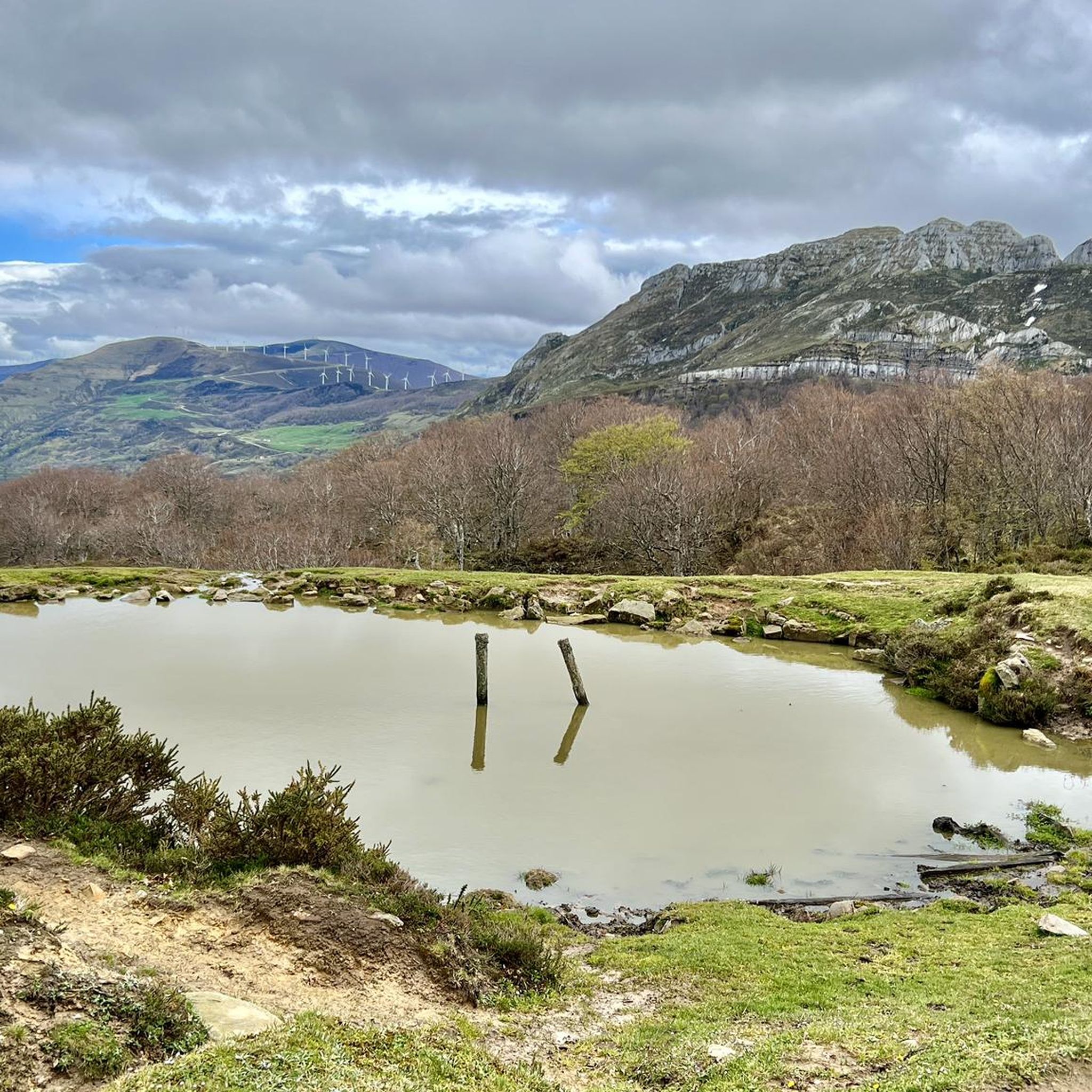
Touring cycling in Lic-Montaña Oriental, also known as the Eastern Mountain ZEC, offers routes through a diverse natural environment in Cantabria, Spain. The region features limestone mountains, extensive beech forests, holm oak groves, and grasslands, all influenced by the Atlantic climate. Cyclists encounter challenging mountain passes like Sía, Estacas de Trueba, and Lunada, alongside quiet, well-maintained secondary roads. This landscape provides varied terrain for touring cyclists.
Best touring cycling routes in Lic-Montaña Oriental
- The most popular touring cycling route is Puerto de Alisas – Summit of Fuente Las Varas loop from Arredondo, a 36.6 miles (58.9 km) difficult trail that takes 4 hours 15 minutes to complete, featuring significant elevation gain through mountainous terrain.
- Another top favourite among local touring cyclists is Ramales de la Victoria – Ampuero Climb loop from Ramales de la Victoria, a difficult 31.9 miles (51.4 km) path. This route offers a demanding climb and scenic views of the surrounding valleys.
- Local touring cyclists also love the La Sía Pass – Collado de Asón loop from Arredondo, a 25.8 miles (41.6 km) trail leading through mountain passes and forested areas, often completed in about 3 hours 15 minutes.
- Touring cycling in Lic-Montaña Oriental is defined by limestone mountains, extensive beech forests, and challenging mountain passes. The network offers options for various ability levels, from moderate climbs to difficult routes with significant elevation.
- The routes in Lic-Montaña Oriental are highly rated by the komoot community with an average score of 4.6 stars from over 30 reviews. More than 1500 touring cyclists have used komoot to explore Lic-Montaña Oriental's varied terrain.
Last updated: July 12, 2026
5.0
(1)
59
riders
58.9km
04:16
1,250m
1,250m
Hard bike ride. Very good fitness required. Mostly paved surfaces. Suitable for all skill levels.
5.0
(3)
27
riders
Hard bike ride. Very good fitness required. Mostly paved surfaces. Suitable for all skill levels.

Sign up for free
31
riders
41.6km
03:16
1,170m
1,170m
Hard bike ride. Very good fitness required. Mostly paved surfaces. Suitable for all skill levels.
2.0
(2)
29
riders
60.1km
04:38
1,570m
1,570m
Hard bike ride. Very good fitness required. Mostly paved surfaces. Suitable for all skill levels.
23
riders
32.3km
02:36
980m
980m
Hard bike ride. Very good fitness required. Mostly paved surfaces. Suitable for all skill levels.
Get access to more routes and recommendations from other explorers.
Sign up for free
Already have an account?
Our route recommendations are based on thousands of hikes, rides, and runs completed by other people on komoot.
Start today with a free account
Your next adventure awaits.
Login or Signup
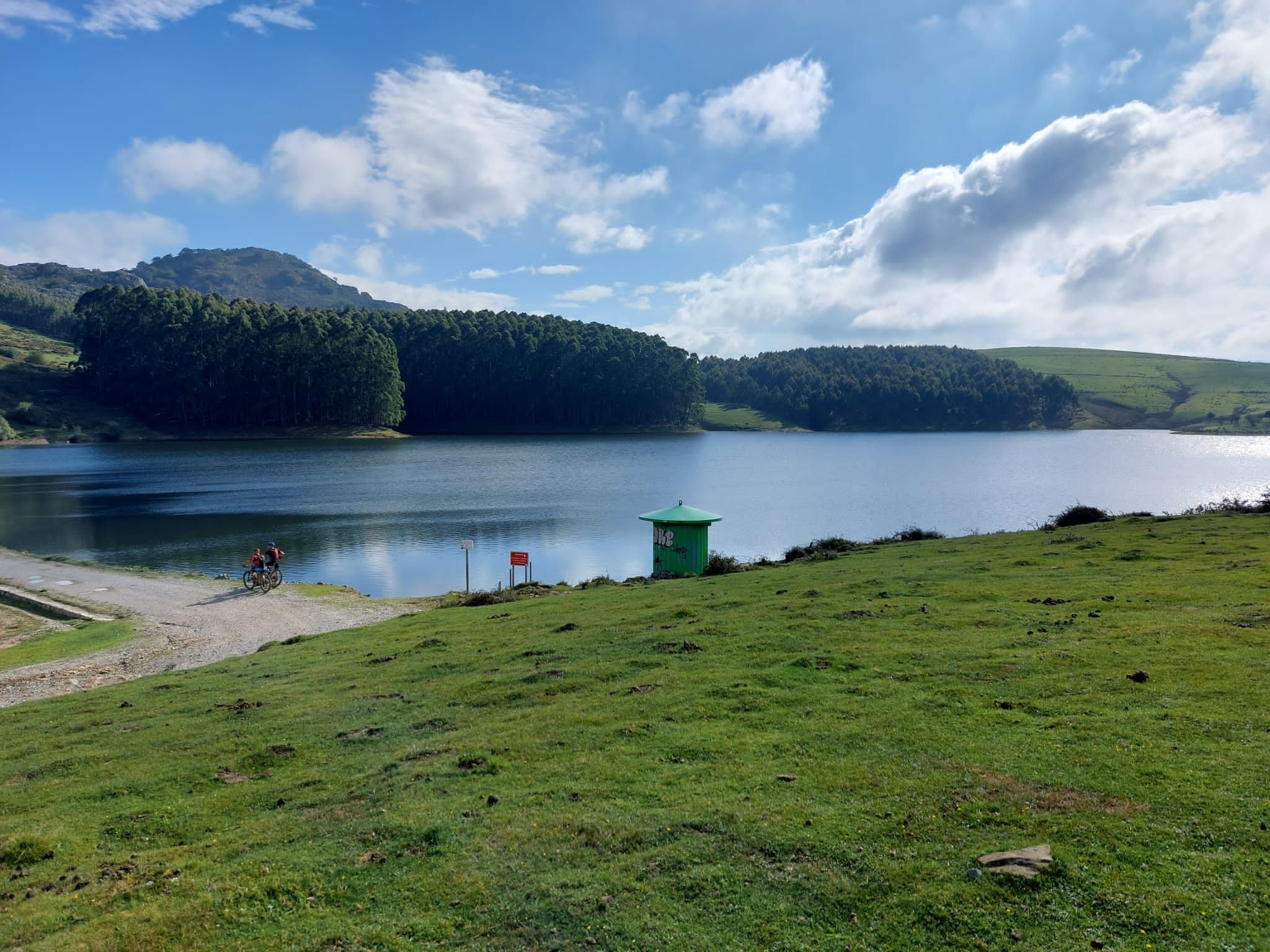
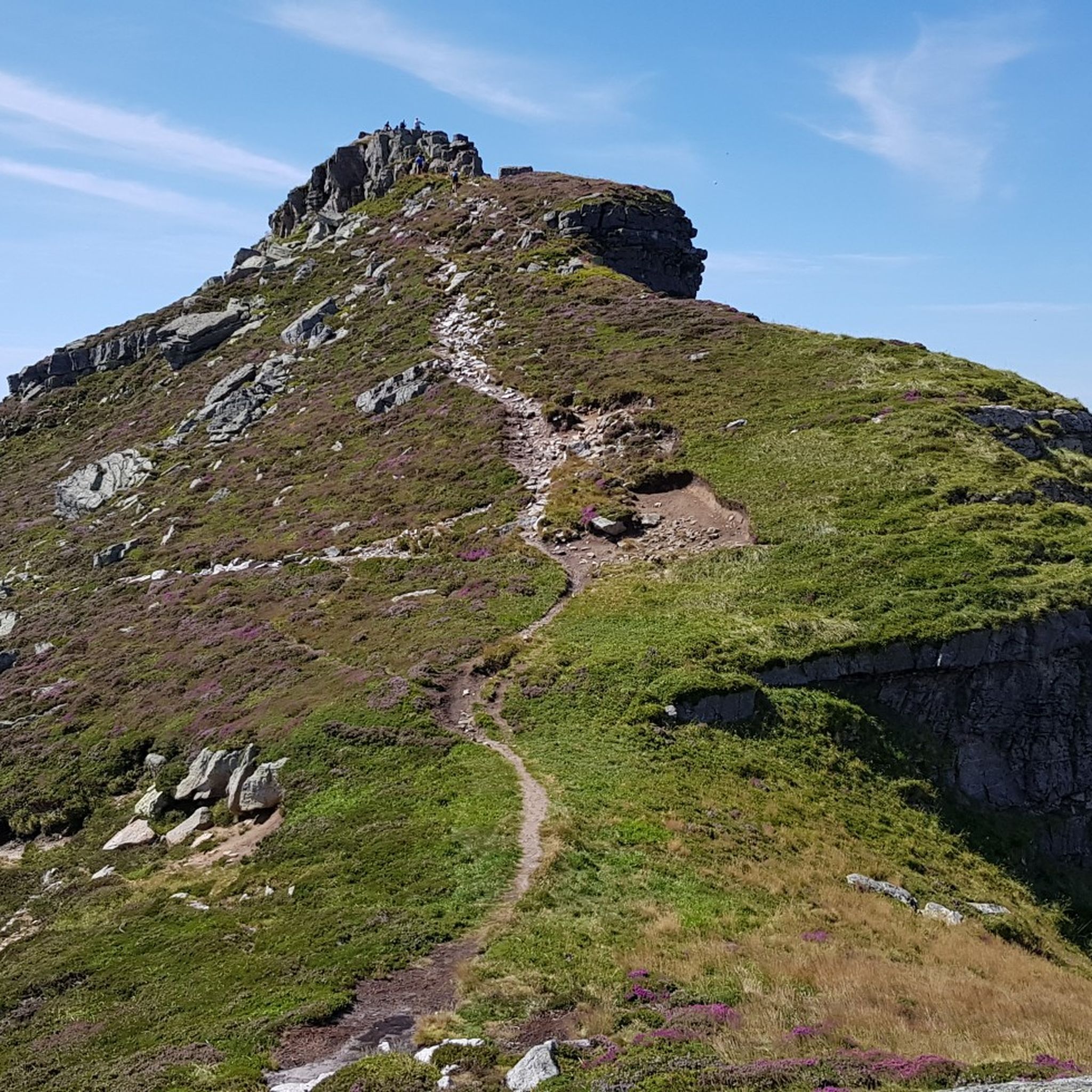
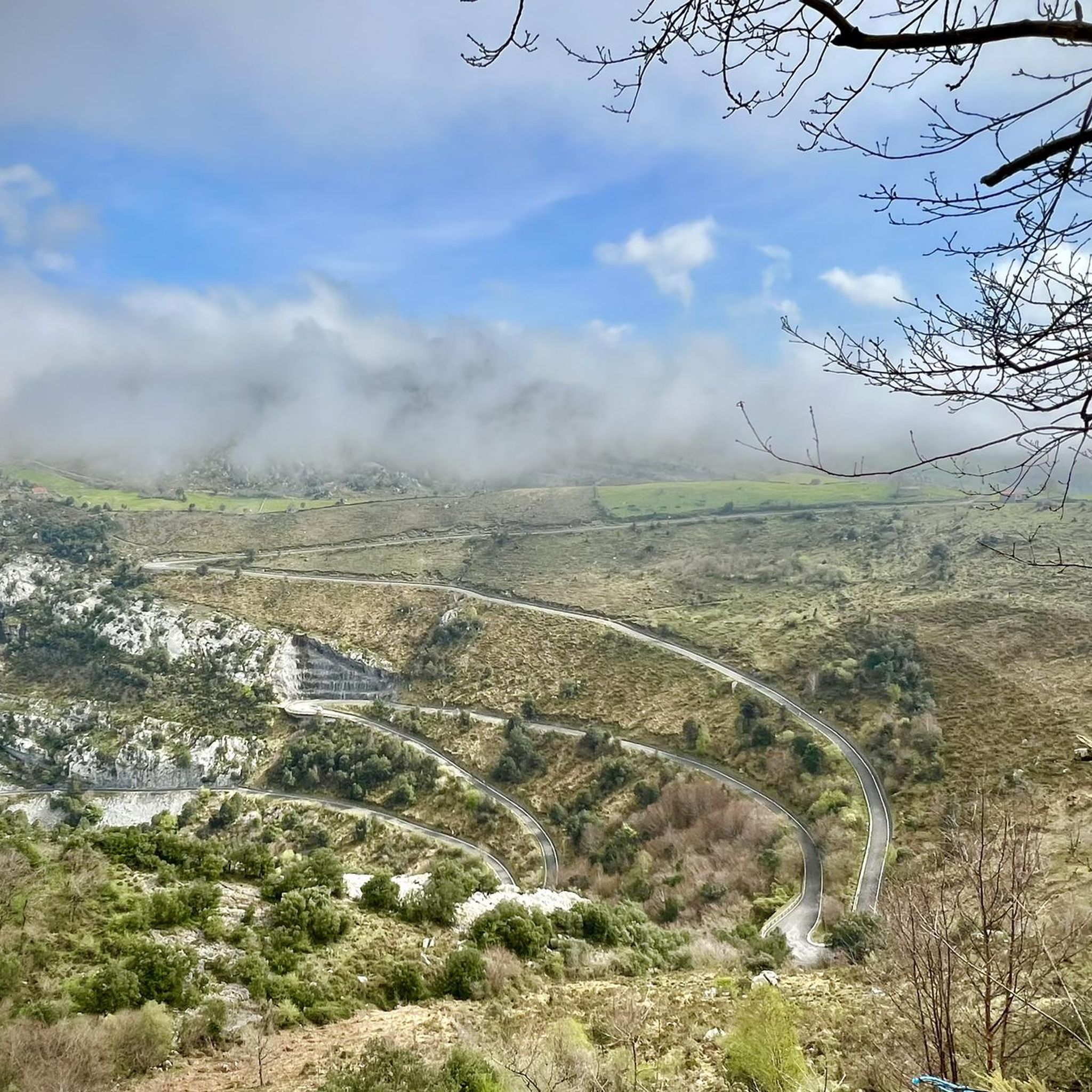
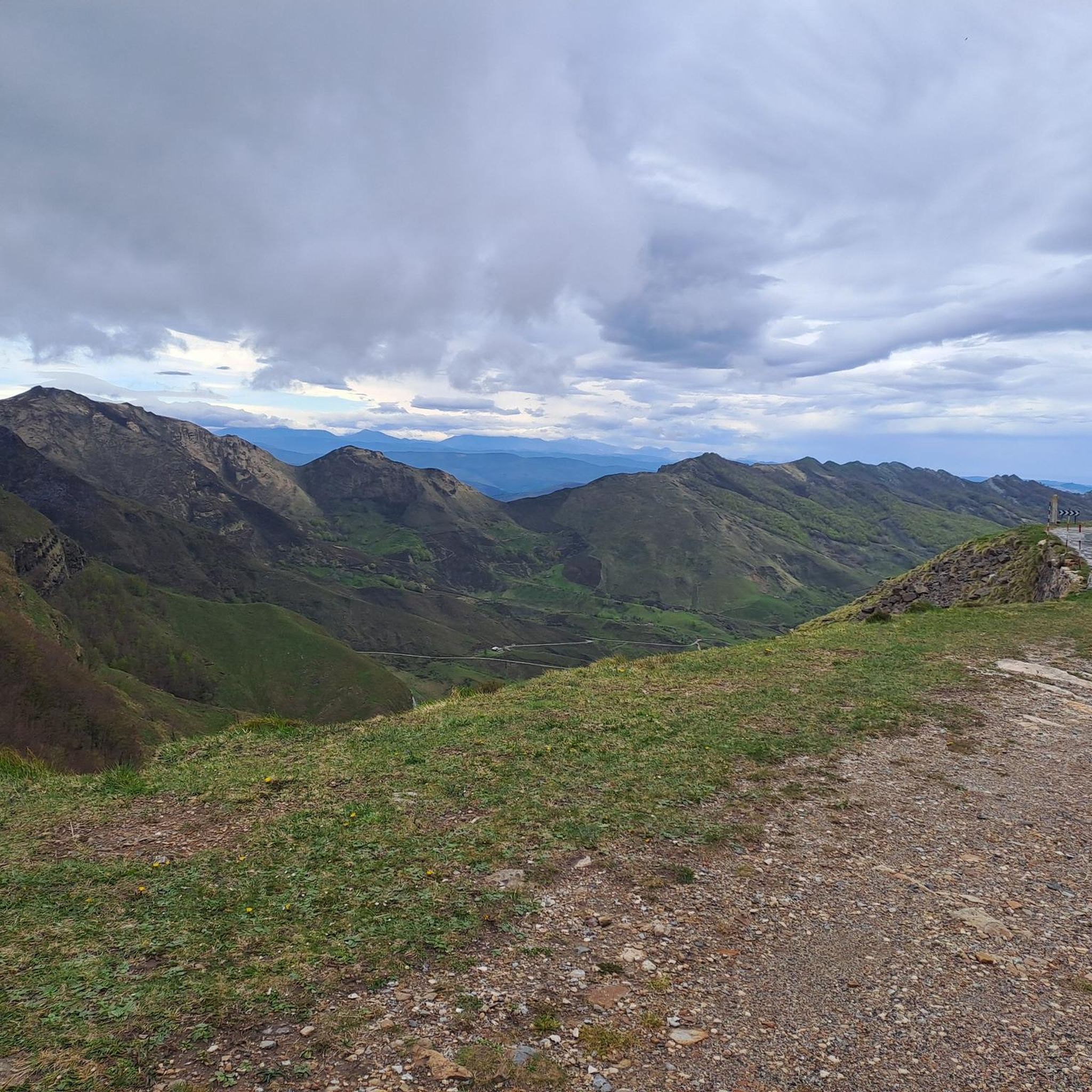
Other adventures in Lic-Montaña Oriental

Tips from the Community


Meters before reaching the Port or Portillo de la Sía, at 1,200 m. altitude, we find the Mirador, from where we have impressive views of the Soba Valley.
0
1

The Carlos III Gate is located in the town of Riotuerto. If you're in the area, stop by this baroque memorial arch.
1
0
Gibaja belongs to Ramales de la Victoria. It has rural accommodation as well as a store where you can buy snacks and various foods.
0
0


From here the main routes of the Collados del Asón Natural Park begin. This car park is usually full on weekends and you can also park on the other side of the road
1
0

Within this territory we find spectacular nature. We have assets of important cultural interest such as the Palacio de los Acebedo, a Herrerian Renaissance style building belonging to the 17th century, and the Palacio de los Fernández de Velasco, also from the 17th century, with elements from the 18th century, which belongs to the regional classicist. Another spectacular place is the Fuente del Francés and the Molino maquilero or aceña mill, typical of this area.
2
0
Beautiful and well-kept sanctuary located in a beautiful setting. It houses the image of La Bien Aparecida, patron saint of Cantabria. Free access. Outside is La Solana restaurant, with very good reviews.
1
0
Frequently Asked Questions
How many touring cycling routes are available in Lic-Montaña Oriental?
Lic-Montaña Oriental offers a wide selection of touring cycling routes, with over 60 different tours available. These routes cater to various skill levels, from moderate to very challenging.
What kind of terrain can I expect on touring cycling routes in Lic-Montaña Oriental?
The region is characterized by a diverse landscape of limestone mountains, extensive beech forests, and holm oak groves. You can expect challenging mountain passes with demanding gradients and rewarding panoramic views, as well as quiet, well-paved secondary roads through lonely valleys and lush forests. The terrain provides a mix of long, steady climbs, steep ramps, and technical descents.
Are there touring cycling routes suitable for beginners or less experienced cyclists?
While many routes in Lic-Montaña Oriental are challenging, there are options for less experienced cyclists. The region offers 1 easy route and 10 moderate routes, providing a good starting point for those looking for less demanding rides. For example, Cantabria also features Vías Verdes (Greenways), which are former railway lines converted into safe and accessible cycling routes, suitable for families and beginners, though specific Vías Verdes are not detailed in the provided touring cycling routes.
What is the best time of year for touring cycling in Lic-Montaña Oriental?
The mild summers, with temperatures rarely exceeding 25°C, make May to October the ideal period for touring cycling in Lic-Montaña Oriental. This season is perfect for tackling long climbs without extreme heat, allowing for a more comfortable and enjoyable experience.
Are there any circular touring cycling routes in the region?
Yes, many of the touring cycling routes in Lic-Montaña Oriental are designed as loops. For instance, you can explore the Puerto de Alisas – Summit of Fuente Las Varas loop from Arredondo, or the Ramales de la Victoria – Ampuero Climb loop from Ramales de la Victoria. Another popular option is the La Sía Pass – Collado de Asón loop from Arredondo.
What interesting sights or landmarks can I see while cycling in Lic-Montaña Oriental?
As you cycle through Lic-Montaña Oriental, you'll encounter impressive natural features and traditional rural environments. Notable mountain passes include La Sía Pass and Alto del Caracol. You can also find stunning viewpoints like Alto de la Posadía. The region is also home to traditional Pasiegan cabins and charming villages with well-preserved architecture, offering a glimpse into local culture.
Are there challenging routes for experienced touring cyclists?
Absolutely. Lic-Montaña Oriental is known for its challenging terrain, with 49 routes rated as difficult. These routes often feature significant elevation gain and demanding climbs. An example is the Puerto de Alisas – Carlos III Gate loop from Arredondo, which covers over 60 km with substantial ascent.
What do other touring cyclists say about the routes in Lic-Montaña Oriental?
The touring cycling routes in Lic-Montaña Oriental are highly rated by the komoot community, with an average score of 4.6 stars from over 30 reviews. Cyclists often praise the region's diverse natural environment, the challenge of its mountain passes, and the tranquility of its secondary roads, making for an immersive experience.
Are there any high mountain peaks or summits accessible by touring bike in the area?
While touring bikes are generally for roads, the region features prominent peaks that offer spectacular views and can be part of a cycling experience. Notable summits include Castro Valnera Summit and Pico de la Miel. Some routes, like the Portillo Lunada – Portillo de Ludaña loop from La Pedrosa, traverse high mountain areas, offering views of these peaks.
What kind of natural habitats and geological features can be observed while cycling?
The region protects valuable Atlantic habitats, including extensive beech and Cantabrian holm oak forests, and humid heathlands. You'll also encounter impressive karst landscapes with an extensive underground system of chasms and cavities, and visible traces of the Castro Valnera Glacier from the last Ice Age, showcasing significant geological richness.
Are the roads generally quiet for touring cyclists?
Yes, touring cyclists can enjoy routes on secondary, well-paved roads with very little traffic, especially in the mountainous areas. This allows for a peaceful and immersive experience through the region's natural beauty, away from busy main roads.
Most popular routes in Lic-Montaña Oriental
Most popular attractions in Lic-Montaña Oriental

Get inspired with the komoot mobile app


Explore more
Browse the best Cycling routes in other regions.
