Attractions and Places To See around Río Eo - Top 12
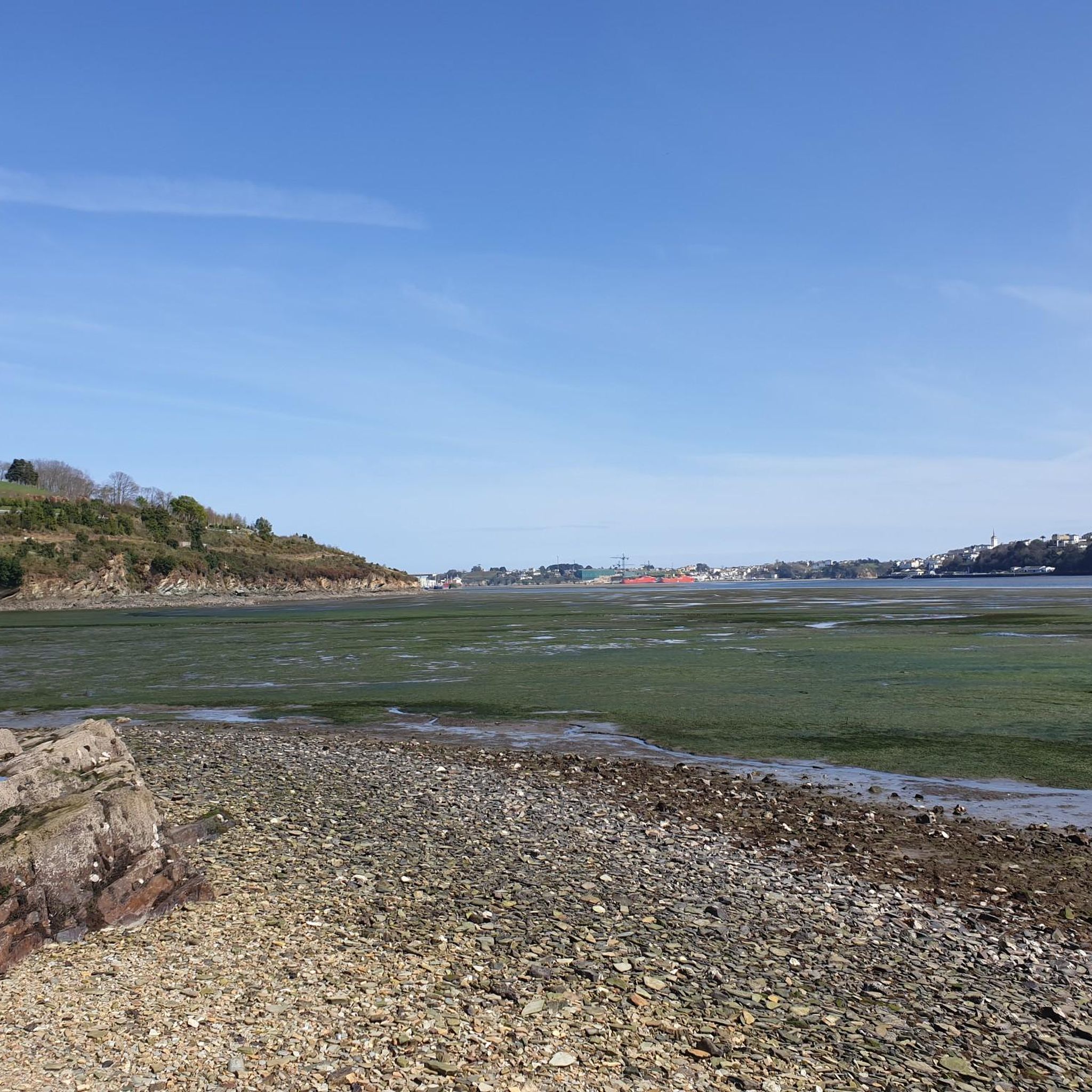
Best attractions and places to see around Río Eo include the extensive estuary that forms a natural boundary between Galicia and Asturias. This region is part of the Río Eo, Oscos y Terras de Burón Biosphere Reserve, known for its diverse landscapes and rich biodiversity. It offers a blend of natural features, significant cultural sites, and charming towns. The area provides a variety of attractions for exploration.
Best attractions and places to see around Río Eo
- The most popular attractions…
Last updated: June 22, 2026
Puente de los Santos
Highlight (Segment) • Bridge
Translated by Google •
Tip by

Hornos de Vilaoudriz
Highlight • Monument
Translated by Google •
Tip by

Sign up now to discover places like this
Get recommendations on the best single tracks, peaks, & plenty of other exciting outdoor places.
Sign up for free
Ribadeo Port
Highlight • Bridge
Translated by Google •
Tip by

The Cargadoiro Ethnographic Park
Highlight • Historical Site
Translated by Google •
Tip by
Atalaya Chapel (Chapel of the Holy Trinity)
Highlight • Religious Site
Translated by Google •
Tip by
San Damián Fort
Highlight • Historical Site
Translated by Google •
Tip by
Isla Pancha Lighthouse
Highlight • Monument
Translated by Google •
Tip by

Ribadeo
Highlight • Settlement
Tip by

Camino del Norte: Tapia de Casariego - Ribadeo
Highlight (Segment) • Trail
Tip by

San Miguel Chapel, Ribadeo
Highlight • Religious Site
Translated by Google •
Tip by
Sign up for free to discover even more attractions around Río Eo.
Sign up for free
Already have an account?
Start today with a free account
Your next adventure awaits.
Login or Signup

Tips from the Community

Small temple located on the marina, in the area of Estrada do Faro, whose exact date of construction is not known.
4
0

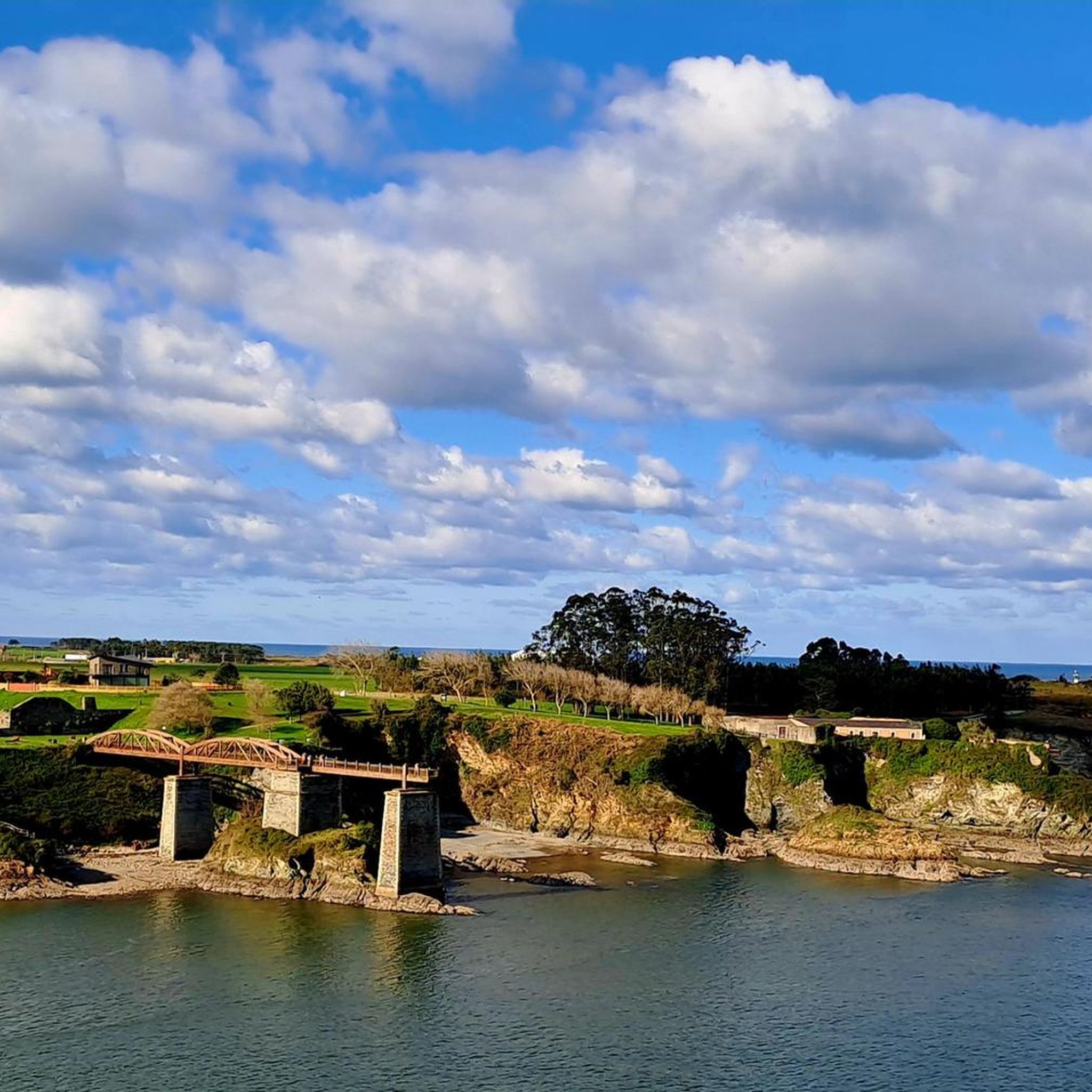
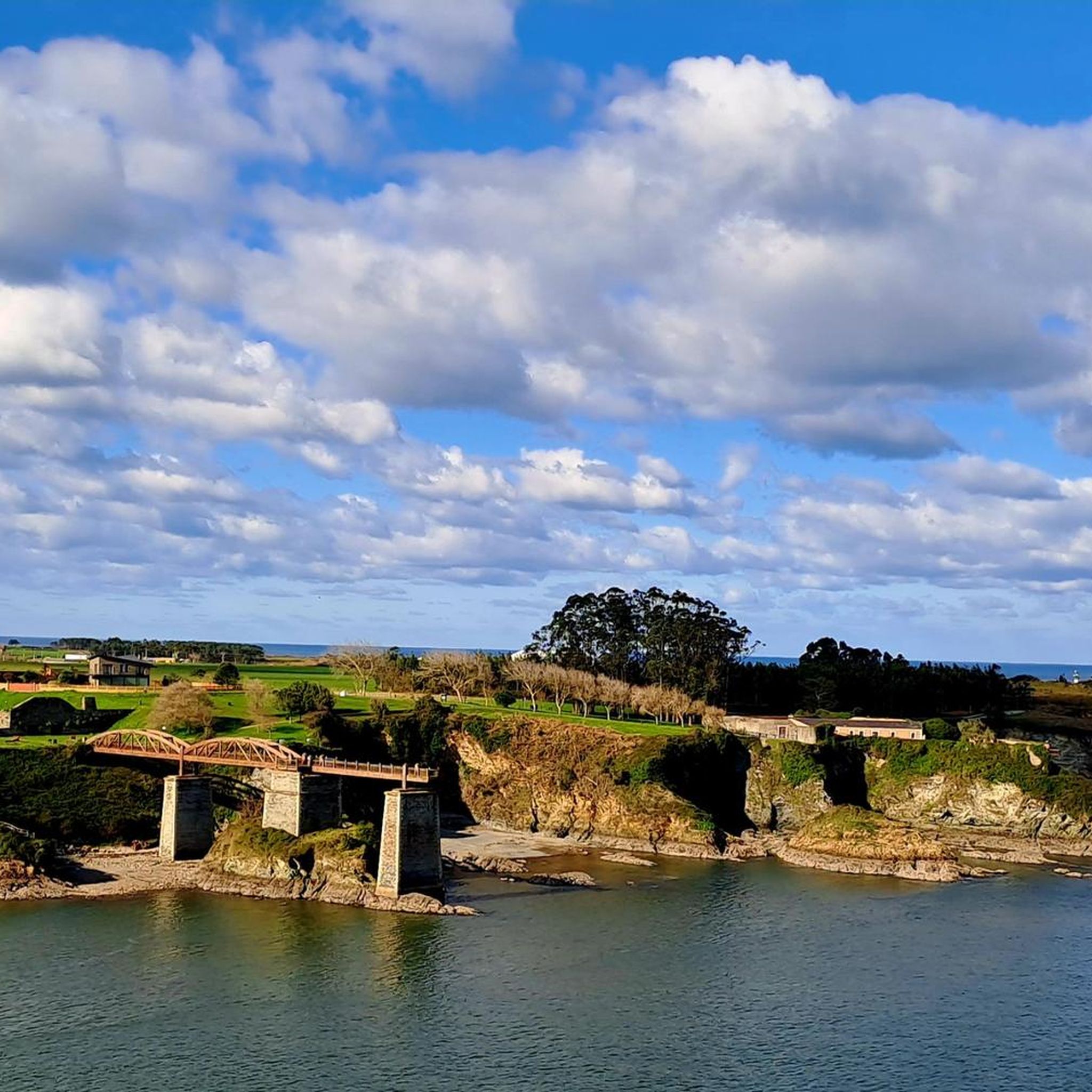
The lighthouse sits on a rock formation, an island that is accessed by a bridge. Great trails to tour the point of land with spectacular views of this incredible landscape.
1
0

The Vilaoudriz kilns, made up of five kilns built in different stages, are the largest set of calcination kilns in the northwest of the peninsula and a visit is highly recommended. The two oldest were built in brick, while the other three used masonry. With 11 meters high and 4 meters in diameter each, and four loading entrances, this construction also preserves a mine entrance from where the mineral extracted from the Vieiro Mine came.
2
0
The Vilaoudriz kilns, made up of five kilns built in different stages, are the largest set of calcination kilns in the northwest of the peninsula and a visit is highly recommended. The two oldest were built in brick, while the other three used masonry. With 11 meters high and 4 meters in diameter each, and four loading entrances, this construction also preserves a mine entrance from where the mineral extracted from the Vieiro Mine came.
2
0

When the pilgrims cross the Rio Eo on the bridge in Ribadeo, they leave Asturias and have reached Galicia.
2
1

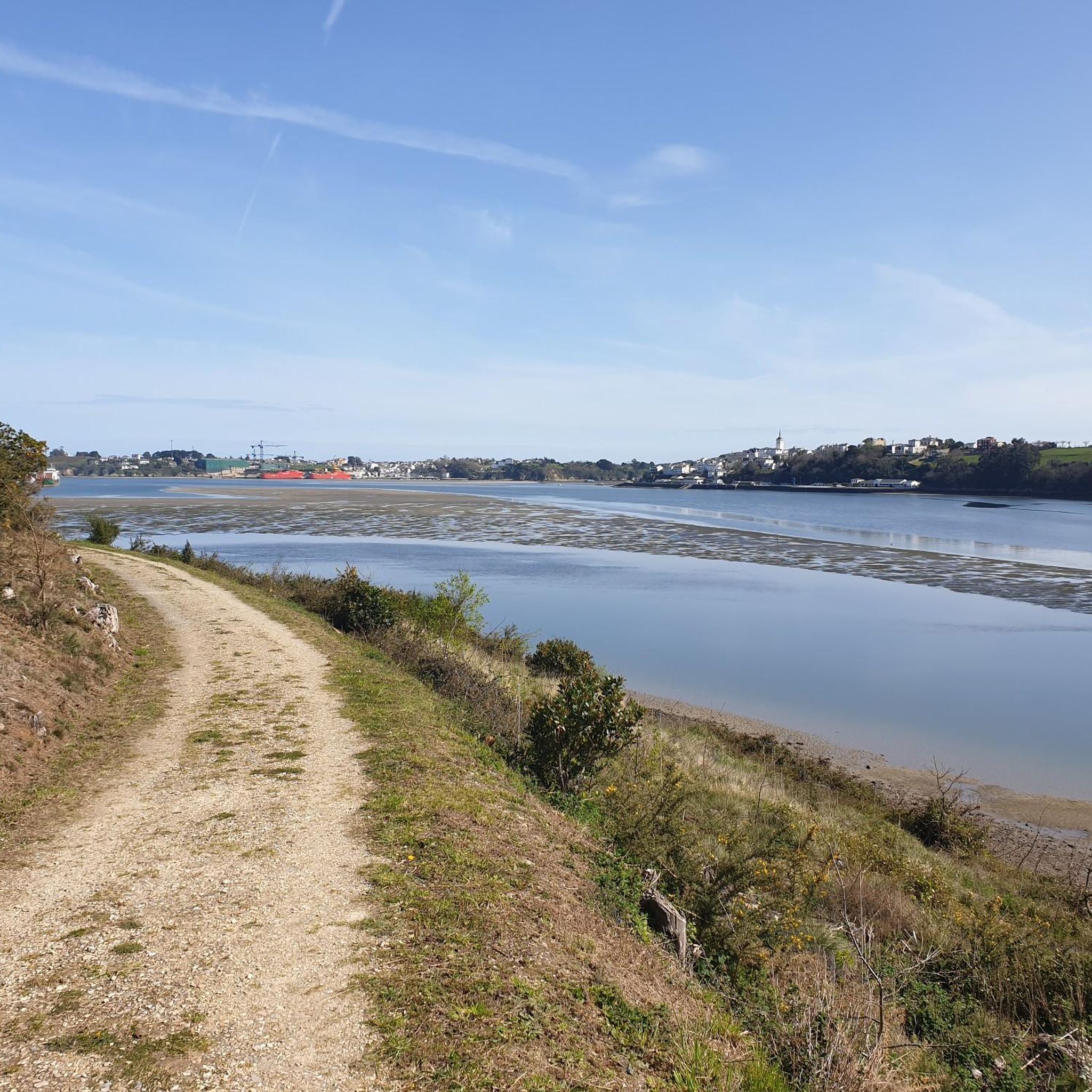
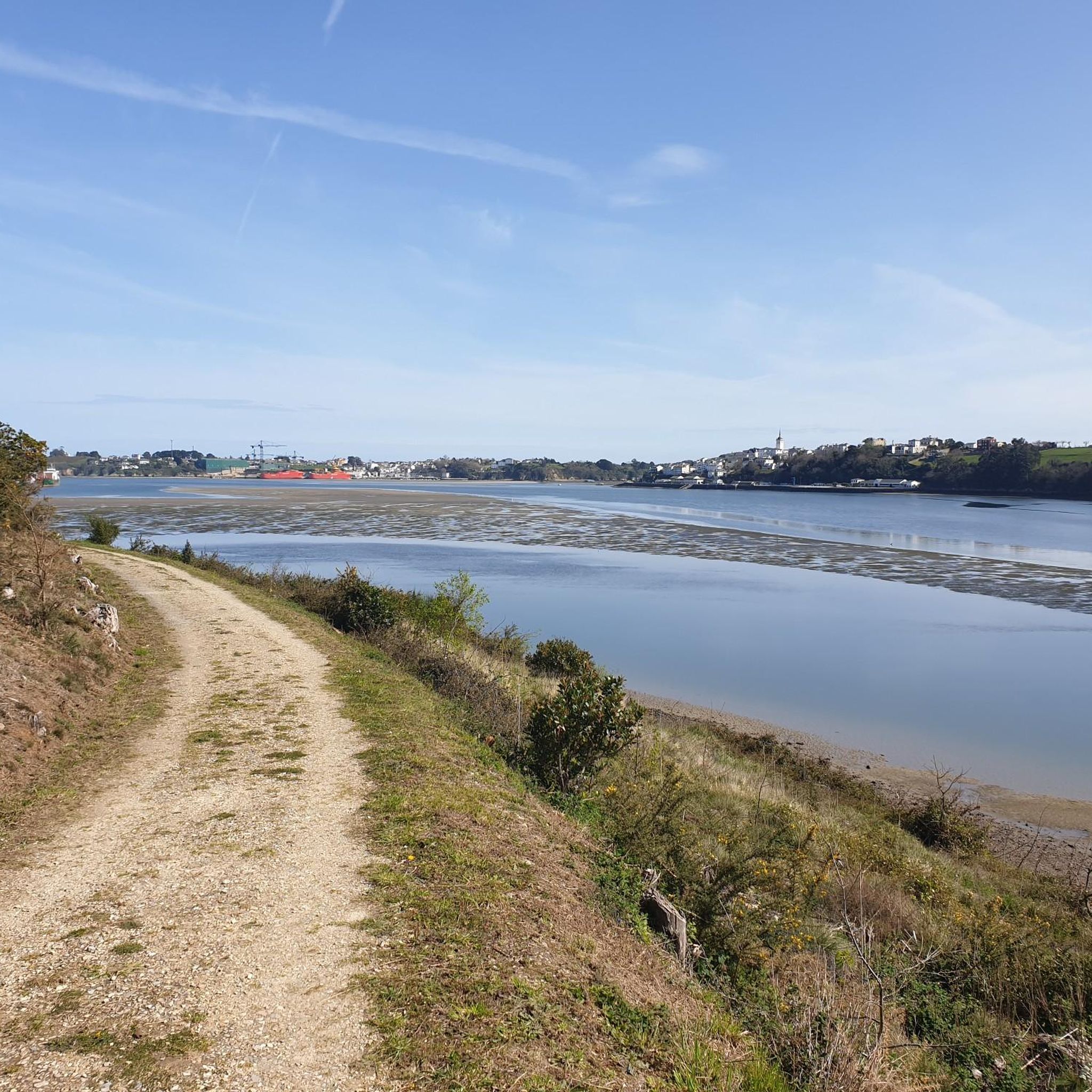
Following the Camino del Norte from Tapia de Casariego to Ribadeo. Have a look at the photos to see the condition of the path!
0
0

Very narrow path at the edge of the bridge. But even I, with a fear of heights, made it over there. First looking straight ahead with brisk steps and after another cyclist squeezed past me while dismounting, I did throw a few glances down, especially towards the "motivating end". The view is gorgeous.
2
3
Chapel of the Trinity or Watchtower. It is one of the oldest temples in Ribadeo, built in the 12th century by Fernando II on sections of the old Ribadeo walls. It is located on a promontory from which the entrance to the estuary can be seen and in which torches were already placed in medieval times to guide sailors at night.
18
1
Frequently Asked Questions
What natural features and viewpoints can I explore around Río Eo?
The Río Eo region is rich in natural beauty. You can visit the extensive Ría de Ribadeo Estuary, a wetland important for birdwatching, or explore the dramatic rock arches of As Catedrais Beach at low tide. For panoramic views, consider visiting Isla Pancha Lighthouse, which offers spectacular vistas of the coastline, or the Puente de los Santos, which spans the estuary and marks the border between Asturias and Galicia.
Are there any historical or cultural sites to visit in the Río Eo area?
Yes, the region offers several significant historical and cultural sites. Explore the Hornos de Vilaoudriz, the largest set of calcination kilns in northwestern Spain, showcasing industrial heritage. You can also visit the The Cargadoiro Ethnographic Park, which preserves the remains of an old freight loading area. Other notable sites include the 12th-century Atalaya Chapel (Chapel of the Holy Trinity) in Ribadeo and the San Damián Fort.
What outdoor activities can I do near the attractions in Río Eo?
The Río Eo region is excellent for outdoor enthusiasts. You can enjoy various cycling routes, including road cycling, touring, and mountain biking. For example, there are challenging road cycling loops like the 'Ribadeo - Vilalba - Meira Loop' and moderate touring routes such as 'Rinlo 🌉🏘️ – Beach of the Cathedrals loop from Castropol'. Runners can explore trails like the 'Toques Waterfalls Trail' or the 'A Pontenova Mines Trail'. For more details on routes, check out the Road Cycling Routes around Río Eo, Cycling around Río Eo, and Running Trails around Río Eo guides.
Are there family-friendly attractions in the Río Eo area?
Yes, several attractions are suitable for families. The Hornos de Vilaoudriz and The Cargadoiro Ethnographic Park are both marked as family-friendly and offer educational insights into the region's history. Exploring the Ría de Ribadeo Estuary by kayak or visiting the Source of the Eo River in Fonteo, which has a recreational area, can also be enjoyable family activities.
What is the best time to visit Río Eo for outdoor activities and sightseeing?
The Río Eo region is beautiful year-round, but for outdoor activities like hiking, cycling, and birdwatching, spring and autumn offer pleasant temperatures and vibrant landscapes. Summer is ideal for enjoying the beaches and watersports, though it can be busier. Winter is excellent for birdwatching in the Ría de Ribadeo Estuary, as it hosts numerous migratory species.
Are there any dog-friendly places or walks around Río Eo?
Yes, the Río Eo region offers several dog-friendly options. Many natural areas and trails are suitable for walks with your dog. For instance, the trails around Isla Pancha Lighthouse are noted as dog-friendly, providing scenic views for both you and your pet. Always ensure dogs are kept on a leash where required and respect local regulations.
Are there any wheelchair-accessible attractions in Río Eo?
Yes, the Ribadeo Panoramic Elevator is specifically noted as wheelchair accessible, offering easy access and views of the surroundings. While many natural trails may have varied terrain, efforts are being made to improve accessibility in certain urban and park areas.
Where can I find information about the local flora and fauna of the Río Eo Biosphere Reserve?
To learn more about the diverse ecosystems, flora, and fauna of the Río Eo, Oscos y Terras de Burón Biosphere Reserve, you can visit the Centro de Interpretación de la Ría del Eo in Castropol. This center provides audiovisual exhibitions and information panels detailing the local environment and human activity in the area.
What are some unique natural features of the Ría de Ribadeo Estuary?
The Ría de Ribadeo Estuary, also known as Ría del Eo, is a wetland of international importance. It features diverse ecosystems including marsh vegetation, underwater meadows of *Zostera marina*, and extensive reedbeds. It's a crucial Special Protection Area for Birds (ZEPA), especially during migration. A unique feature is El Tesón, a large sand island that emerges at low tide in the middle of the estuary.
What towns are located along the Río Eo Estuary and what do they offer?
Several charming towns dot the shores of the Río Eo Estuary. Castropol is known for its traditional architecture and cafes, while Ribadeo is a more bustling hub with hotels, restaurants, and bars, particularly lively in summer. Other notable towns include Vegadeo and Figueras, each offering a glimpse into the local Asturian and Galician cultures.
Can I find waterfalls in the Río Eo region?
Yes, the region boasts impressive waterfalls. You can visit A Seimeira in Santa Eulalia de Oscos, which features a thirty-meter drop, or the Morlongo waterfall in Villanueva de Oscos, which is easily accessible after a short walk. These natural sites offer beautiful scenery and opportunities for tranquil exploration.
What kind of historical remnants can be found in the Río Eo area?
Beyond specific sites, the Río Eo region is rich in ancient historical remnants. These include *mámoas* (burial mounds) and *castros* (hill forts), which provide insights into prehistoric settlements. The area also features various monasteries, reflecting a long history of human presence and cultural development.
Most popular routes around Río Eo

Get inspired with the komoot mobile app


Explore more
Still not found the Highlight you’re looking for? See guides of the top attractions in other regions:
