Attractions and Places To See in Sierra De Peña Sagra - Top 2
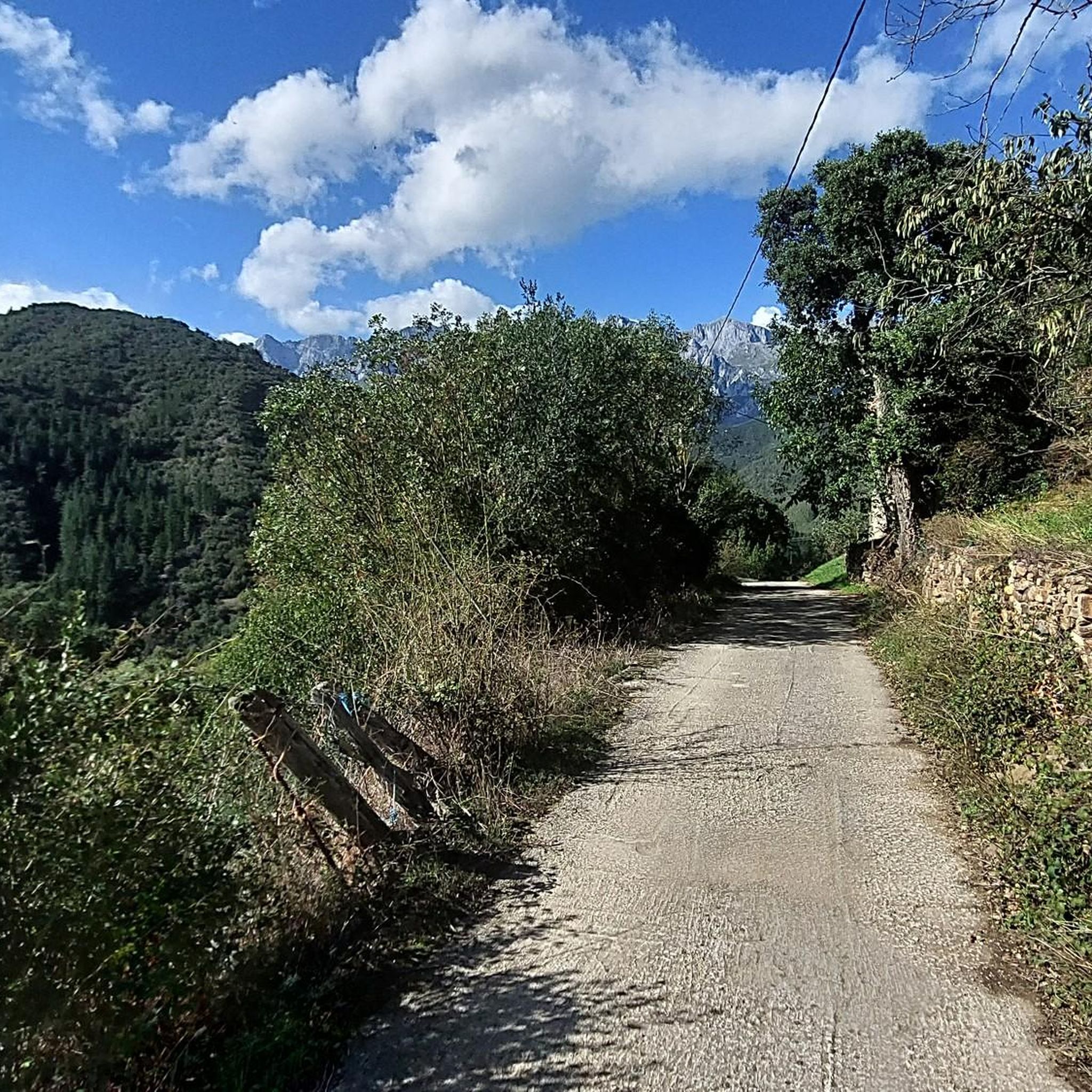
Attractions and places to see in Sierra De Peña Sagra include dramatic limestone peaks, deep valleys, and extensive forests, offering panoramic views. This mountain range in Cantabria, Spain, is recognized as a Special Protection Area for Birds (ZEPA), highlighting its ecological significance. The region features traditional mountain architecture in villages and historical sites like hermitages. It serves as a natural barrier between the Nansa and Liébana valleys, providing diverse landscapes for exploration.
Best attractions and places to see in Sierra De Peña Sagra
- The most popular attractions is Ascent to the Cohilla Reservoir, a climb that features challenging sections between 8% and 9%. It is known for its scenic beauty and demanding terrain.
- Another must-see spot is Hermitage of Our Lady of the Light, a religious building located at an altitude of 1,274 meters on the slope of Peña Sagra. This historical site houses the "Santuca", patron saint of Liébana, and offers impressive views.
- Visitors also love Collado Abellán, a mountain pass reached by a steep track. From this point, the views of the Peña Sagra mountain range, with the Cornón standing out, are impressive.
- Sierra De Peña Sagra is known for its natural features, historical sites, and numerous viewpoints. The region offers a variety of attractions to see and explore, from challenging climbs to serene religious buildings and panoramic mountain passes.
- The attractions in Sierra De Peña Sagra are appreciated by the komoot community. With 9 upvotes and 5 photos, these spots offer diverse experiences for outdoor enthusiasts.
Last updated: July 13, 2026
Ascent to the Cohilla Reservoir
Highlight (Segment) • Climb
Translated by Google •
Tip by

Hermitage of Our Lady of the Light
Highlight • Religious Site
Translated by Google •
Tip by

Sign up now to discover places like this
Get recommendations on the best single tracks, peaks, & plenty of other exciting outdoor places.
Sign up for free
Collado Abellán
Highlight • Mountain Pass
Translated by Google •
Tip by
Camino del Potro
Highlight (Segment) • Trail
Translated by Google •
Tip by
Start today with a free account
Your next adventure awaits.
Login or Signup
Tips from the Community

Unfortunately, you can't visit the chapel, even the forecourt is secured by a fence (a pity). But there is a gimmick "selfie holder", which is fun to use.
0
0

Only accessible by all-terrain vehicle
0
0

The Abellán pass (also called the Joza de Abellón pass) is reached by a steep track. From this point, the views of the Peña Sagra mountain range, with the Cornón standing out from the rest of the peaks, are impressive.
0
0
The Sanctuary of the Virgen de la Luz is located at an altitude of 1,274 meters, on the slope of Peña Sagra. Here is the "Santuca", patron saint of Liébana. The image is made of alabaster and only measures 23 centimeters.
1
0
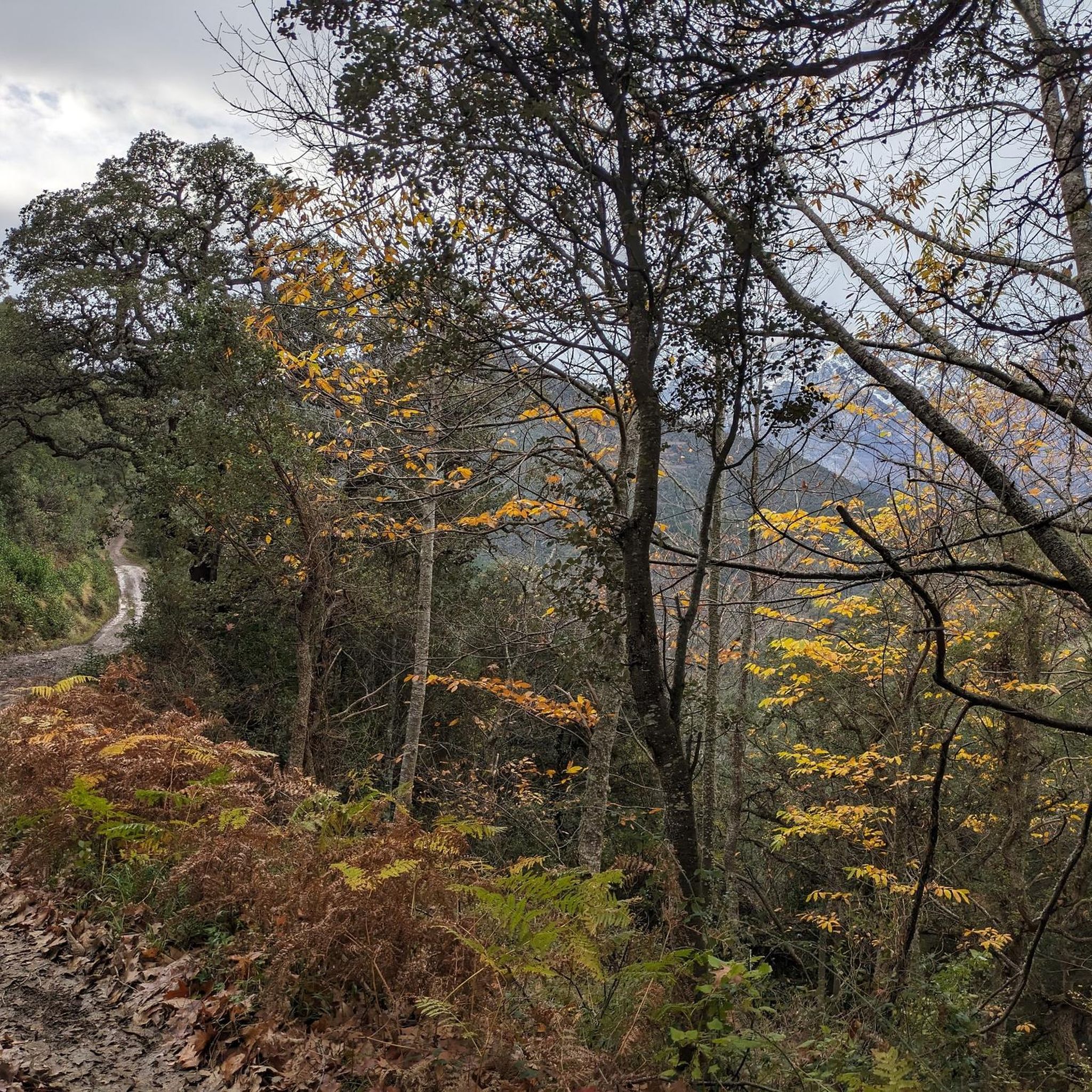
The Camino del Potro is a path that was formerly used to connect the Polaciones Valley with the Cantabrian Sea. It is a delight for hikers because it offers spectacular views.
0
0

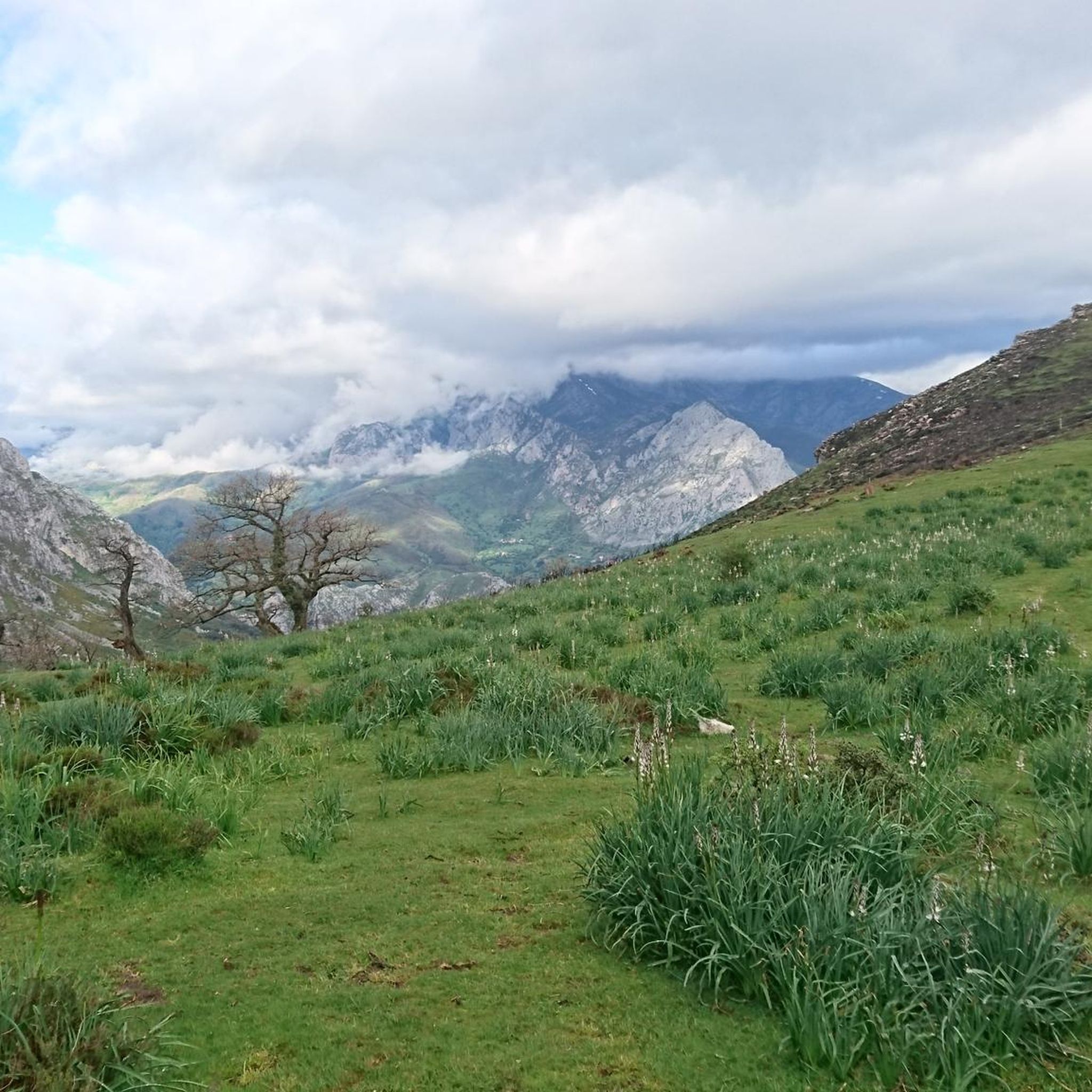
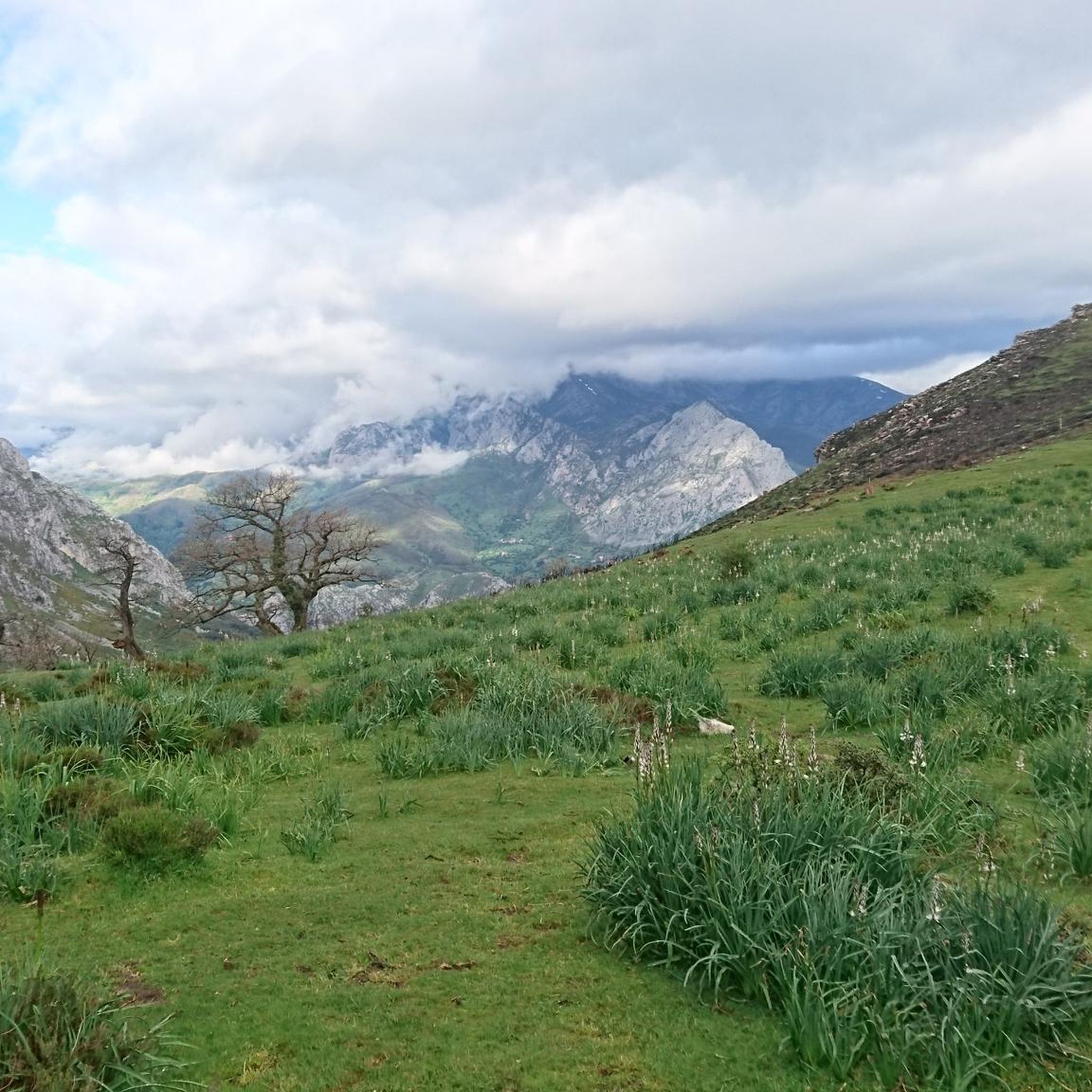
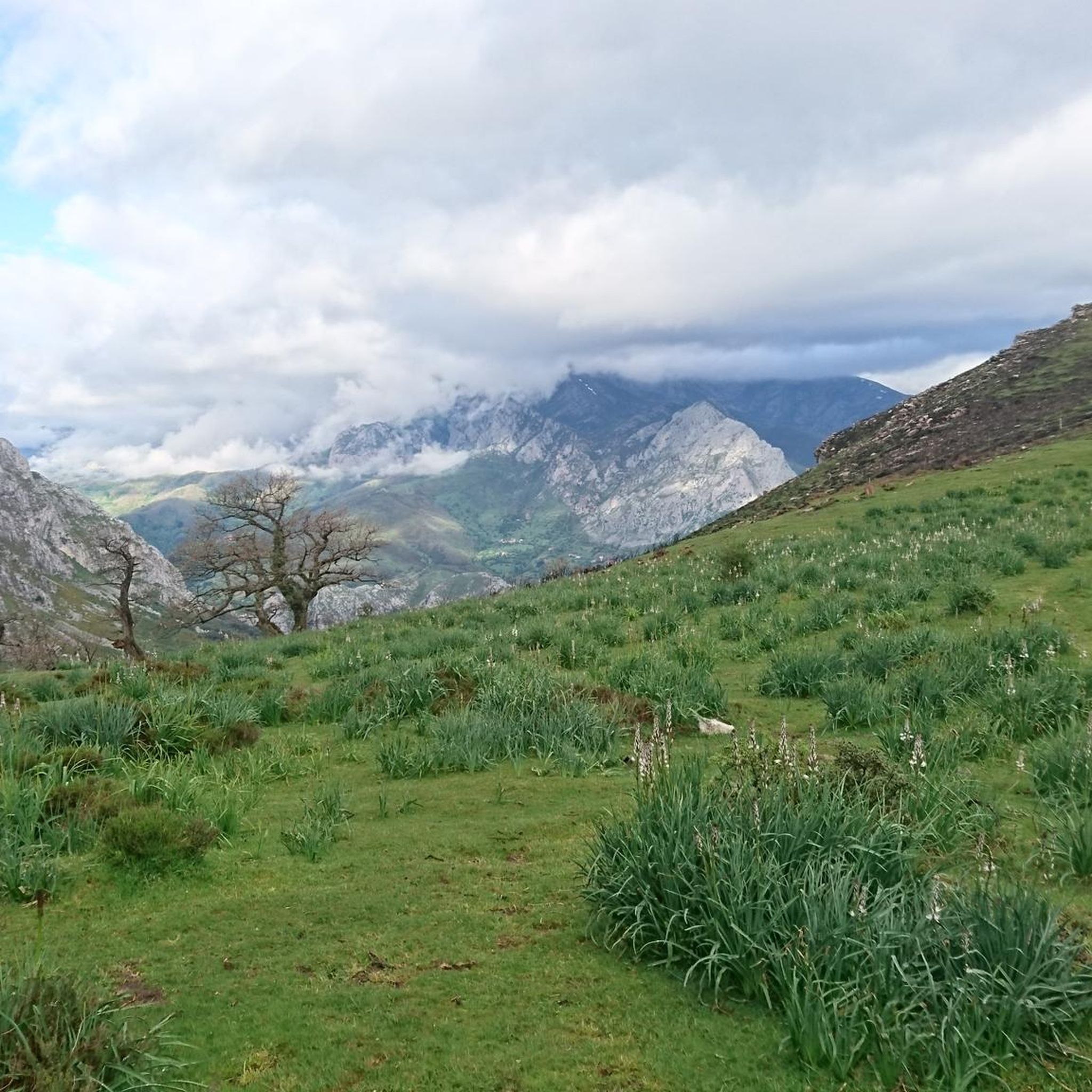
This is the toughest and most beautiful part at the same time, with sections between 8% and 9% until the ascent to the Cohilla reservoir.
1
0
Frequently Asked Questions
What kind of natural landscapes can I expect to see in Sierra de Peña Sagra?
Sierra de Peña Sagra is renowned for its dramatic limestone peaks, deep valleys, and extensive forests of birch, beech, and oak. You'll find stunning panoramic views that often stretch to the Picos de Europa and the Cantabrian Sea. Key natural features include the highest point, Cornón (or Cornón de Peña Sagra) at 2,047 meters, and the Deva River flowing through the nearby Liébana valley.
Are there any significant historical or cultural sites to visit in the region?
Yes, the region holds cultural significance. A notable site is the Hermitage of Our Lady of the Light, located at 1,274 meters on the slope of Peña Sagra. This hermitage houses "La Santuca," the patron saint of Liébana, and is a site of traditional pilgrimage. While not directly within the sierra, the nearby village of Tudanca is a Site of Cultural Interest with traditional architecture and a house-museum.
What are some of the best viewpoints in Sierra de Peña Sagra?
The region offers numerous spectacular viewpoints. From Collado Abellán, you can enjoy impressive vistas of the entire Peña Sagra mountain range, with Cornón prominently in view. The Camino del Potro also provides spectacular views for hikers. Other notable viewpoints include Taberna Mirador Peña Sagra, Mirador de La Cohilla, Mirador del Tanea, and Mirador del Potro.
What outdoor activities are popular in Sierra de Peña Sagra?
Sierra de Peña Sagra is an excellent destination for outdoor sports. Hiking and mountain biking are very popular, with a mix of well-maintained trails and rugged paths. You can find a variety of routes for different sports, including cycling and running. For more detailed information on routes, check out the guides for Cycling in Sierra De Peña Sagra, Running Trails in Sierra De Peña Sagra, and Hikes from bus stations in Sierra De Peña Sagra.
Are there challenging climbs for experienced hikers or cyclists?
Absolutely. The region offers several challenging routes. The Ascent to the Cohilla Reservoir is described as a tough and beautiful climb, with sections reaching 8% to 9% gradients. The Hermitage of Our Lady of the Light is also an intermediate to challenging destination, often requiring an all-terrain vehicle for access to its higher reaches.
What kind of wildlife can I spot in Sierra de Peña Sagra?
As a Special Protection Area for Birds (ZEPA), Sierra de Peña Sagra is home to diverse bird species, including the golden eagle, Egyptian vulture, griffon vulture, and hen harrier. You might also spot Cantabrian chamois and roe deer. Occasionally, wolves and even bears are present in the wider region, making it a rich area for wildlife observation.
What is the best time of year to visit Sierra de Peña Sagra for outdoor activities?
While the region offers beauty year-round, the best time for hiking and cycling is generally from late spring to early autumn (May to October) when the weather is milder and trails are most accessible. During these months, you'll experience pleasant temperatures and lush landscapes. Winter can bring snow to higher elevations, offering opportunities for different types of activities, but requiring more specialized gear.
Are there any family-friendly walking options in Sierra de Peña Sagra?
While many routes in Sierra de Peña Sagra can be challenging, there are options for families. Look for trails around the traditional villages like Somaniezo, Cahecho, and San Mamés, which often serve as starting points for easier walks. The nearby town of Potes also offers accessible paths and a historic center to explore. Always check specific route details for difficulty and length to ensure they are suitable for your family.
Can I find traditional villages or local culture to experience?
Yes, the region is dotted with charming traditional villages. Somaniezo, Cahecho, and San Mamés are excellent examples, offering a glimpse into local life and traditional mountain architecture. The village of Tudanca, declared a Site of Cultural Interest, features a house-museum (Casa-Museo de Cossío) that provides insight into the area's heritage.
What do visitors enjoy most about the attractions in Sierra de Peña Sagra?
Visitors consistently highlight the breathtaking panoramic views, especially from spots like Collado Abellán and the Camino del Potro. The challenging yet rewarding climbs, such as the Ascent to the Cohilla Reservoir, are also highly praised. The sense of adventure and the stunning natural beauty are often cited as the most enjoyable aspects.
Where can I find accommodations or a base for exploring the Sierra de Peña Sagra?
While not directly within the Sierra de Peña Sagra range, the town of Potes in the Liébana Valley is a significant nearby hub. It offers a range of accommodations and serves as an excellent base for exploring the region's attractions and trails. You'll also find amenities and a historic center there.
Most popular routes in Sierra De Peña Sagra

Get inspired with the komoot mobile app


Explore more
Still not found the Highlight you’re looking for? See guides of the top attractions in other regions:
