Attractions and Places To See in Hortobágy National Park - Top 13
Best attractions and places to see in Hortobágy National Park include a UNESCO World Heritage Site known for its vast plains and wetlands. This region, often called the Puszta, is Europe's largest continuous natural grassland. It represents a cultural landscape shaped by traditional pastoralism over millennia. The park offers diverse wildlife and significant cultural heritage.
Best attractions and places to see in Hortobágy National Park
- The most popular attractions is Tisza River Bicycle Bridge, a bridge that provides a connection between the two sides of the river. This bridge is exclusively for bicycles and tricycles.
- Another must-see spot is Nine-Arch Bridge, a historic stone bridge spanning the Hortobágy River. It is one of Hungary's most famous buildings and an iconic symbol of the Puszta.
- Visitors also love Birdlife in the Marsh, an area where visitors can observe fish and other inhabitants of the marsh. This natural feature provides opportunities for wildlife viewing.
- Hortobágy National Park is known for its historical bridges, diverse natural landscapes, and wildlife observation points. The park offers a variety of attractions to see and explore, from cultural landmarks to extensive wetlands.
- The attractions in Hortobágy National Park are appreciated by the komoot community, with 155 upvotes and 56 photos shared across the highlights.
Last updated: July 7, 2026
Tisza River Bicycle Bridge
Highlight (Segment) • Bridge
Translated by Google •
Tip by

Lake Tisza
Highlight • Lake
If you visit here, be sure to visit the Lake Tisza Eco-Centre!!!
Translated by Google •
Tip by

Sign up now to discover places like this
Get recommendations on the best single tracks, peaks, & plenty of other exciting outdoor places.
Sign up for free
Birdlife in the Marsh
Highlight (Segment) • Natural
Translated by Google •
Tip by

Nine-Arch Bridge
Highlight • Bridge
Translated by Google •
Tip by

Górés-tanya Bird Rescue Center, Hortobágyi National Park
Highlight • Structure
Translated by Google •
Tip by

Sign up for free to discover even more attractions in Hortobágy National Park.
Sign up for free
Already have an account?
Start today with a free account
Your next adventure awaits.
Login or Signup
Popular around Hortobágy National Park
Tips from the Community


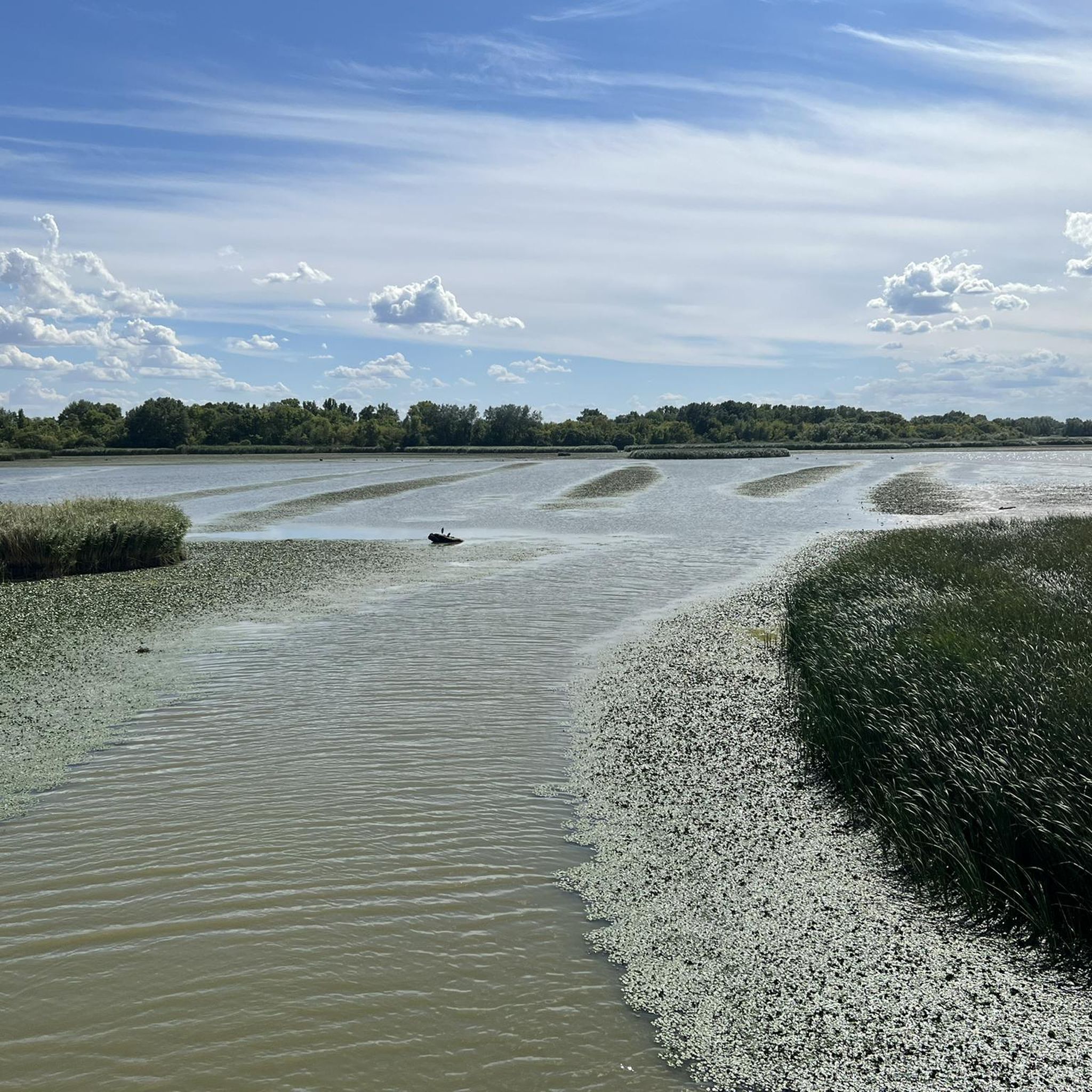
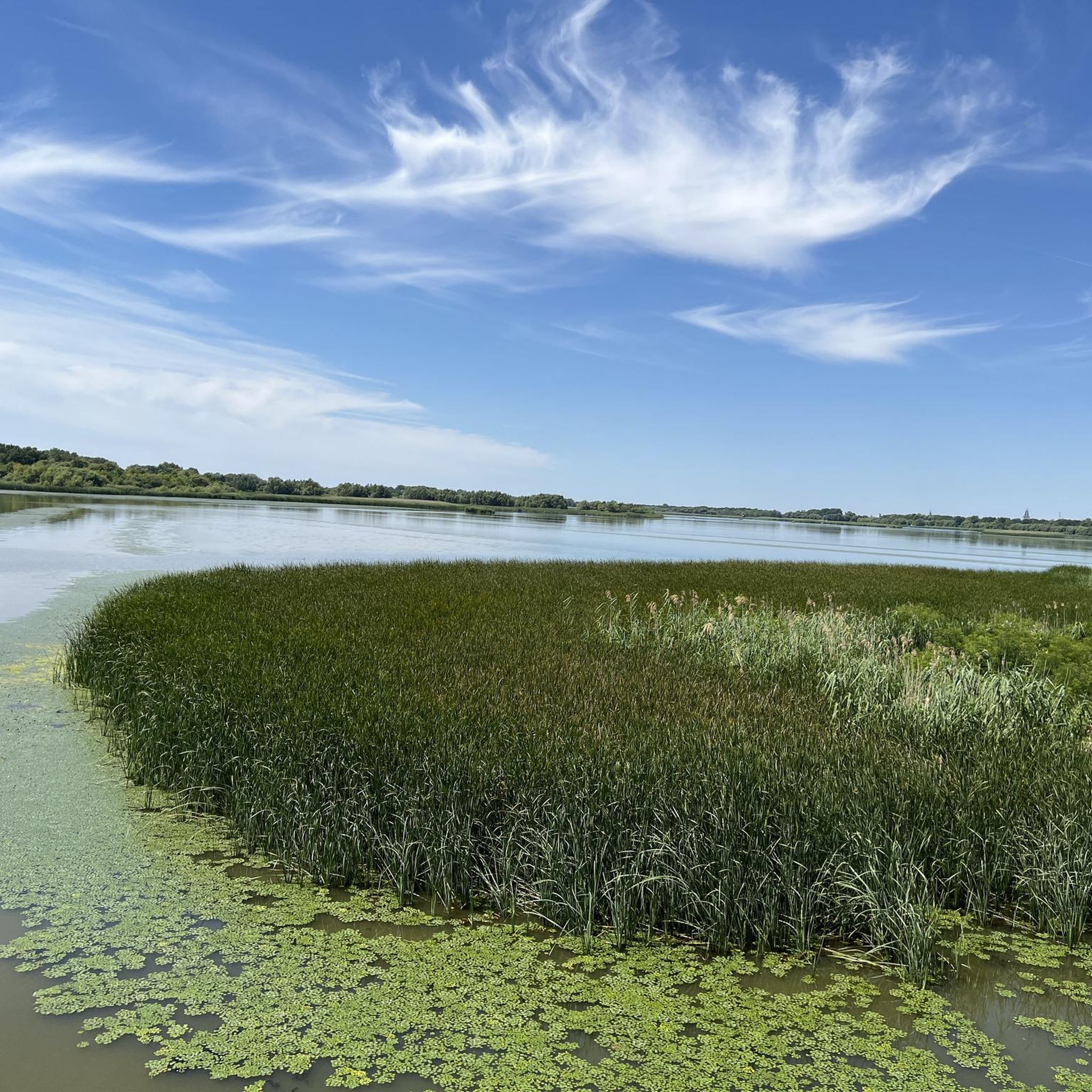
The atmosphere and wildlife of Lake Tisza are an excellent cycling destination. With countless stops and sights to take pictures! If you visit here, be sure to visit the Lake Tisza Eco-Centre!!!
0
0


The Górés farm is approx. It is 4 km away. Notable are the sheepfolds of the farm, the traditionally designed hen house and the boom well that compliments it. The Filagória mound next to it is protected, as is every mound in Hungary. Experts on the subject say the density of kunhalmas in the region is uniquely high worldwide. The new aviaries of the Górés Nature Reserve (bird repatriation site) were renovated in 2013 from KEOP sources. Individuals arriving at the rescue site shall, if possible, be returned to their original habitat after professional care. A XX. The building, built in the first half of the 19th century, originally housed a farm school, while the area was populated by a multitude of inhabited homesteads. The original name of the Górés farm was most likely Filagóriás.
1
0

A recently handed over bicycle bridge provides a cultured connection between the two sides.
1
0

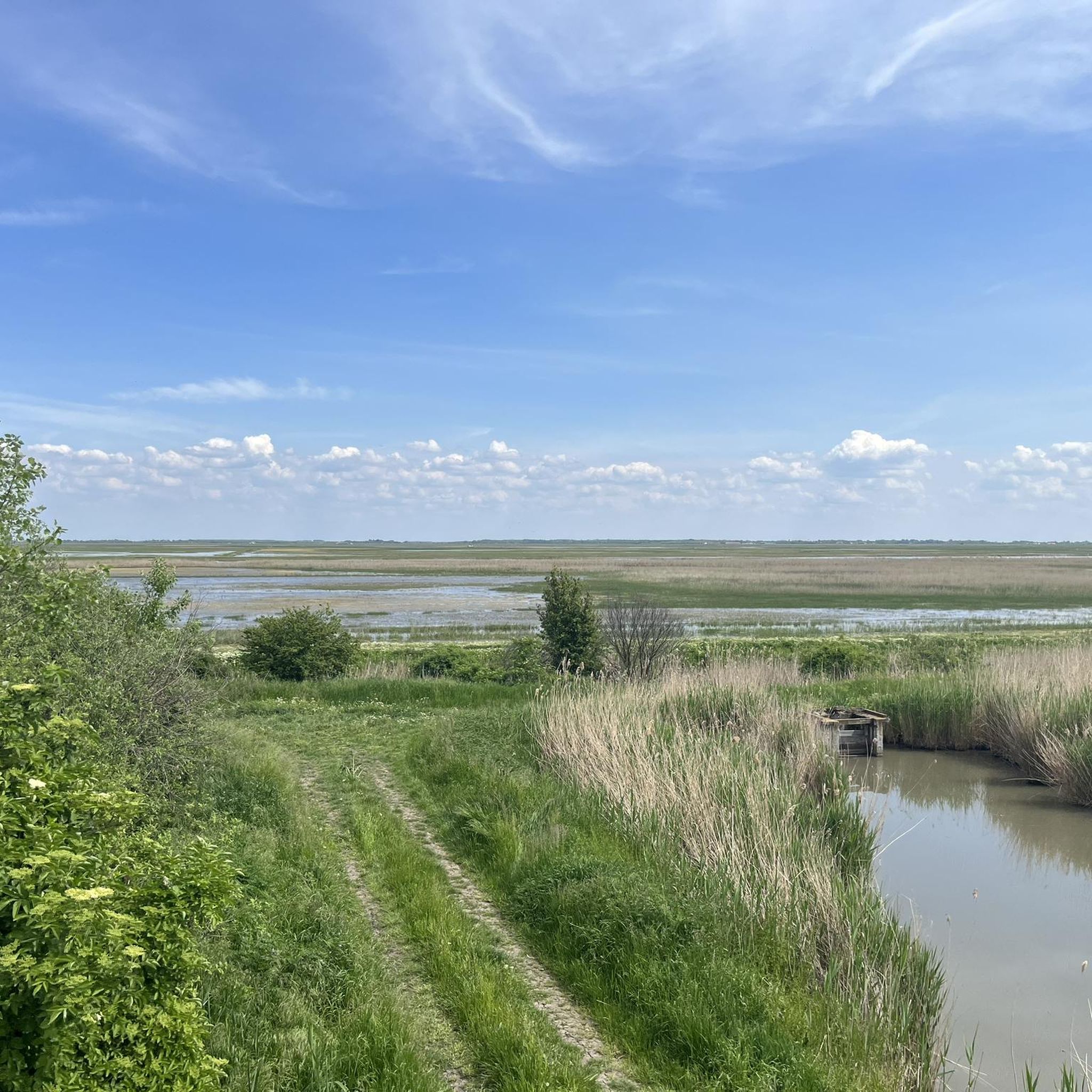
Here you can see the fish and inhabitants of the area. We found it extremely interesting.
0
0

Above the Hortobágy River stretches the 92 m long Nine Arch Bridge, one of the most famous buildings in Hungary.
0
0
Frequently Asked Questions
What kind of wildlife can I expect to see in Hortobágy National Park?
Hortobágy National Park is home to diverse wildlife. You can spot Hungarian Grey cattle, Racka sheep, Italian Mediterranean buffalo, and Nonius horses roaming the Puszta. The park also hosts roe deer, European wildcats, and European red foxes. For a closer look at indigenous species, visit the Hortobágy Wild Animal Park. Birdwatchers will find a spectacular array of migratory birds, especially around the fishponds.
Where are the best spots for birdwatching in Hortobágy National Park?
The Birdlife in the Marsh area is excellent for observing fish and other marsh inhabitants, including various bird species. The Hortobágy Fishponds are a crucial stopover for migratory birds, making them a paradise for birdwatchers. A 460-meter long boardwalk at Lake Kondás allows for exploration. You can also climb the Daruhalom Lookout for panoramic views and a chance to see cranes.
What historical landmarks should I visit in Hortobágy National Park?
A must-see is the Nine-Arch Bridge, an iconic symbol of the Puszta and one of Hungary's most famous historic stone bridges. You'll also find distinctive traditional sweep wells dotted across the landscape and ancient burial mounds (kurgans) and low mounds (tells) that mark early human settlements.
Where can I learn about the cultural heritage of the Puszta?
The Visitor Center is an excellent starting point, offering interactive exhibits on the park's flora, fauna, and cultural heritage, including insights into the life of traditional Hungarian herdsmen. The Herdsman Museum, located at the historic Hortobágy Csárda, also provides a deep dive into pastoral traditions. Additionally, the Máta Stud Farm showcases the famous Hungarian Nonius horses and traditional herding techniques.
What family-friendly activities are available in Hortobágy National Park?
Families can enjoy visiting the Górés-tanya Bird Rescue Center, which cares for injured birds and features traditional farm structures. The Puszta Animal Park offers a glimpse into traditional pastoral life with Hungarian grey cattle, Racka sheep, and Nonius horses. Horse carriage tours provide an authentic way to experience the Puszta. The nearby Lake Tisza Eco-Centre is also a recommended visit for those interested in aquatic life.
Are there cycling opportunities near the attractions in Hortobágy National Park?
Yes, the area offers great cycling. The Tisza River Bicycle Bridge provides a dedicated connection for cyclists. Lake Tisza is also an excellent cycling destination with numerous stops and sights. You can find various cycling routes, including easy options like the 'Tisza Lake Footbridge – Tisza River Bridge loop from Poroszló' or the 'Birdlife in the Marsh loop from Tiszafüred'. For more options, explore the Cycling in Hortobágy National Park guide.
What kind of hiking or running trails are available in Hortobágy National Park?
The Halastó Nature Trail is a scenic walking path around the main fishponds, perfect for enjoying the tranquility and spotting water birds. For running, options like the 'Tiszafüred suspension canal loop from Tiszaörvény' or the 'Mancsos Pancsoló kutyastrand loop from Tiszafüred' are available. Many routes are considered moderate difficulty. You can find more detailed running routes in the Running Trails in Hortobágy National Park guide.
When is the best time to visit Hortobágy National Park?
Spring is an excellent time to visit, as the Puszta's salt-tolerant plants like Hungarian Sea Lavender and Rhone Aster are in bloom. It's also a prime season for birdwatching, especially during migration periods. The vast plains offer unique beauty throughout the warmer months.
Can I experience traditional pastoral life and animals in the park?
Absolutely. The Puszta is characterized by its traditional pastoralism. You can visit the Puszta Animal Park to see Hungarian grey cattle, Racka sheep, and Nonius horses in a traditional farm setting. The Máta Stud Farm also offers a chance to see the famous Nonius horses and witness horse shows demonstrating traditional herding techniques. The distinctive sweep wells across the landscape are also a reminder of this heritage.
Are there opportunities for stargazing in Hortobágy National Park?
Yes, part of Hortobágy National Park is designated as a dark sky preserve, offering excellent opportunities for stargazing due to its minimal light pollution. It's a unique way to experience the vastness of the Puszta after sunset.
Where can I find traditional Hungarian cuisine in the park?
The Hortobágy Csárda, located at the foot of the Nine-Arch Bridge, is one of the few surviving original inns. It now houses the Herdsmen Museum and a restaurant serving traditional organic cuisine, offering an authentic taste of the region.
What is the terrain like for outdoor activities in Hortobágy National Park?
The park is primarily characterized by its extensive natural grasslands, often referred to as the Puszta. You'll find loess ridges, alkaline pastures, meadows, and wetlands. The terrain is generally flat, making many cycling and running routes easy to moderate in difficulty, suitable for various fitness levels.
Most popular routes in Hortobágy National Park

Get inspired with the komoot mobile app


Explore more
Still not found the Highlight you’re looking for? See guides of the top attractions in other regions:
