Attractions and Places To See around Natural Park Valle del Ticino - Top 20
Best attractions and places to see around Natural Park Valle del Ticino, a UNESCO World Network of Biosphere Reserves and Europe's first river park, spanning Lombardy and Piedmont. The park is centered around the Ticino River, featuring diverse natural environments including wetlands, riparian woods, and various forests. It encompasses a rich blend of natural landscapes, historical landmarks, and cultural sites. Visitors can explore extensive cycling and walking paths that connect these varied points of interest.
Best attractions and places to…
Last updated: July 6, 2026
Panperduto Dam
Highlight • Monument
Translated by Google •
Tip by

Panperduto Dam
Highlight • Monument
Translated by Google •
Tip by

Sign up now to discover places like this
Get recommendations on the best single tracks, peaks, & plenty of other exciting outdoor places.
Sign up for free
Ticino Iron Bridge
Highlight • Bridge
Translated by Google •
Tip by

Villa Picchetta
Highlight • Historical Site
Translated by Google •
Tip by

Castelnovate singletrack along the Ticino
Highlight (Segment) • Trail
Translated by Google •
Tip by

Sign up for free to discover even more attractions around Natural Park Valle del Ticino.
Sign up for free
Already have an account?
Start today with a free account
Your next adventure awaits.
Login or Signup
Popular around Natural Park Valle del Ticino
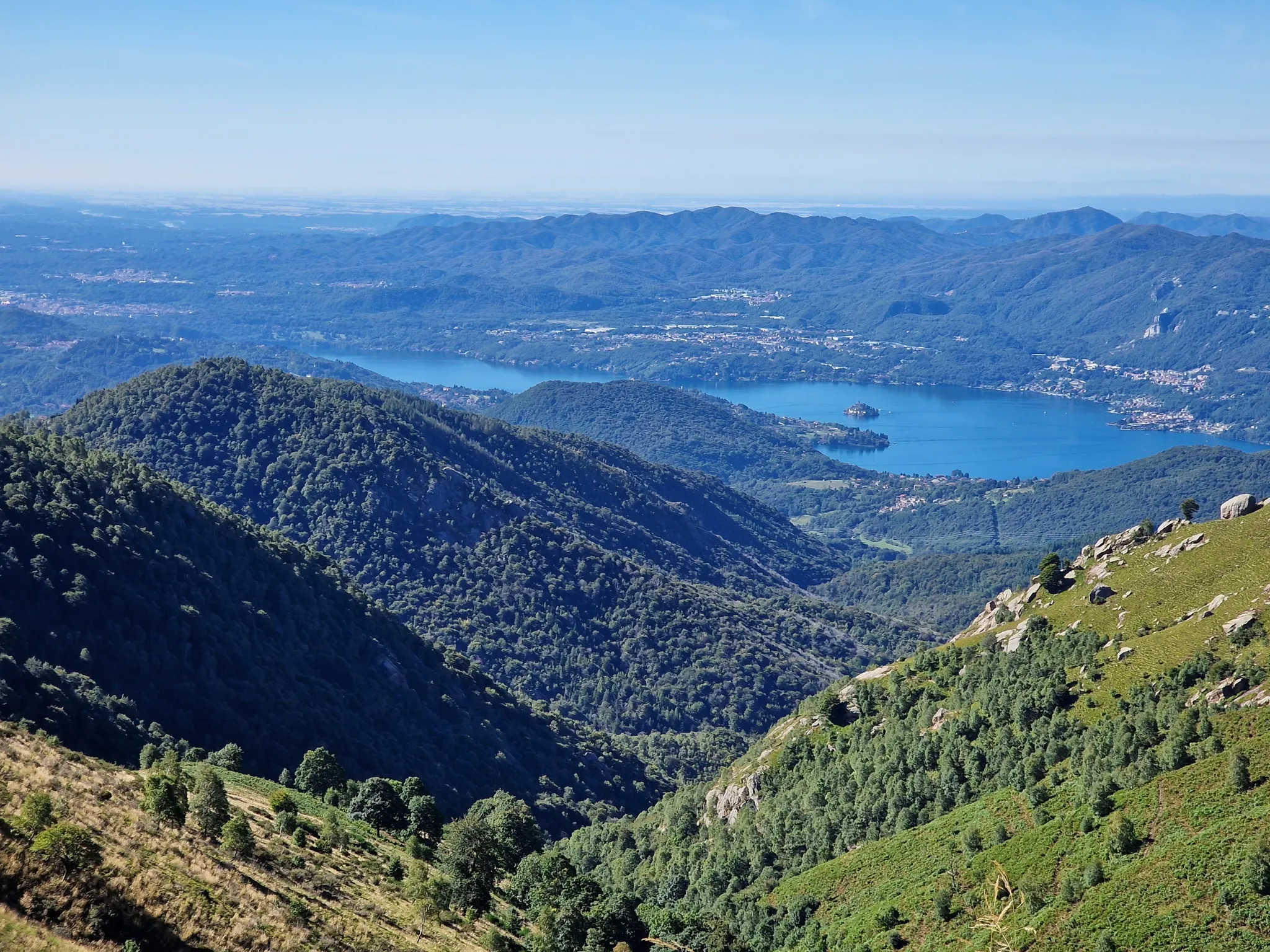
Around Lake Maggiore
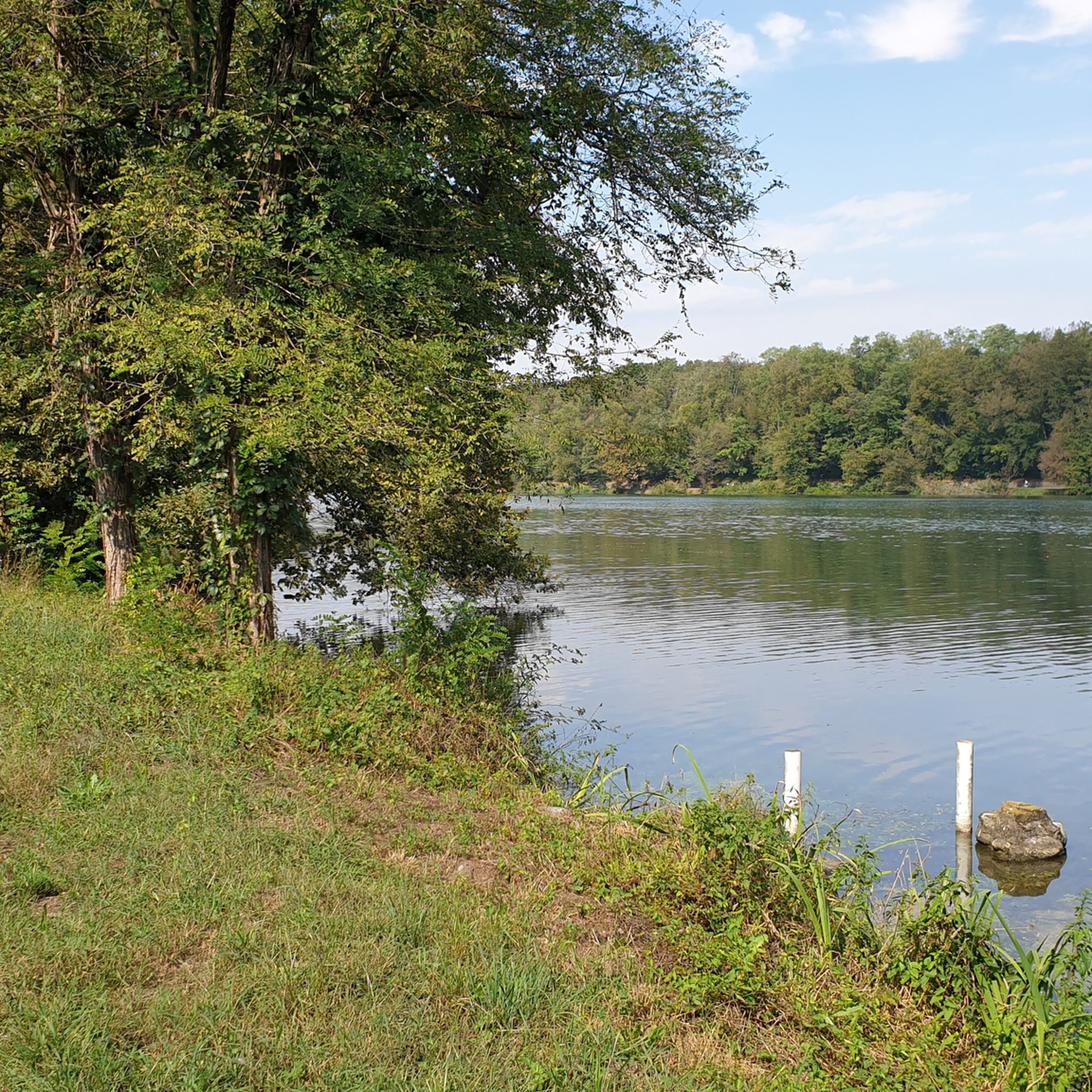
Cycling around Natural Park Valle del Ticino
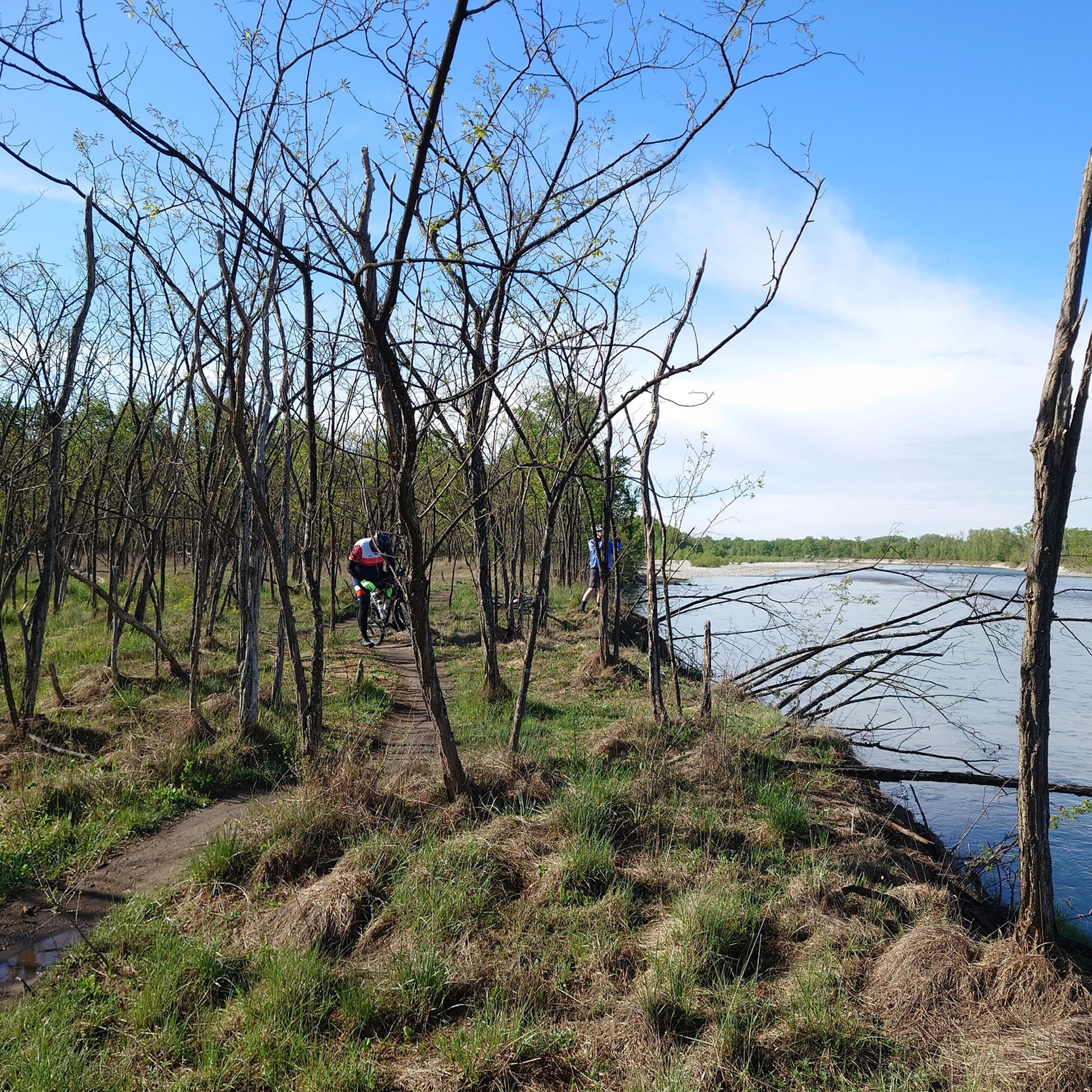
MTB Trails around Natural Park Valle del Ticino
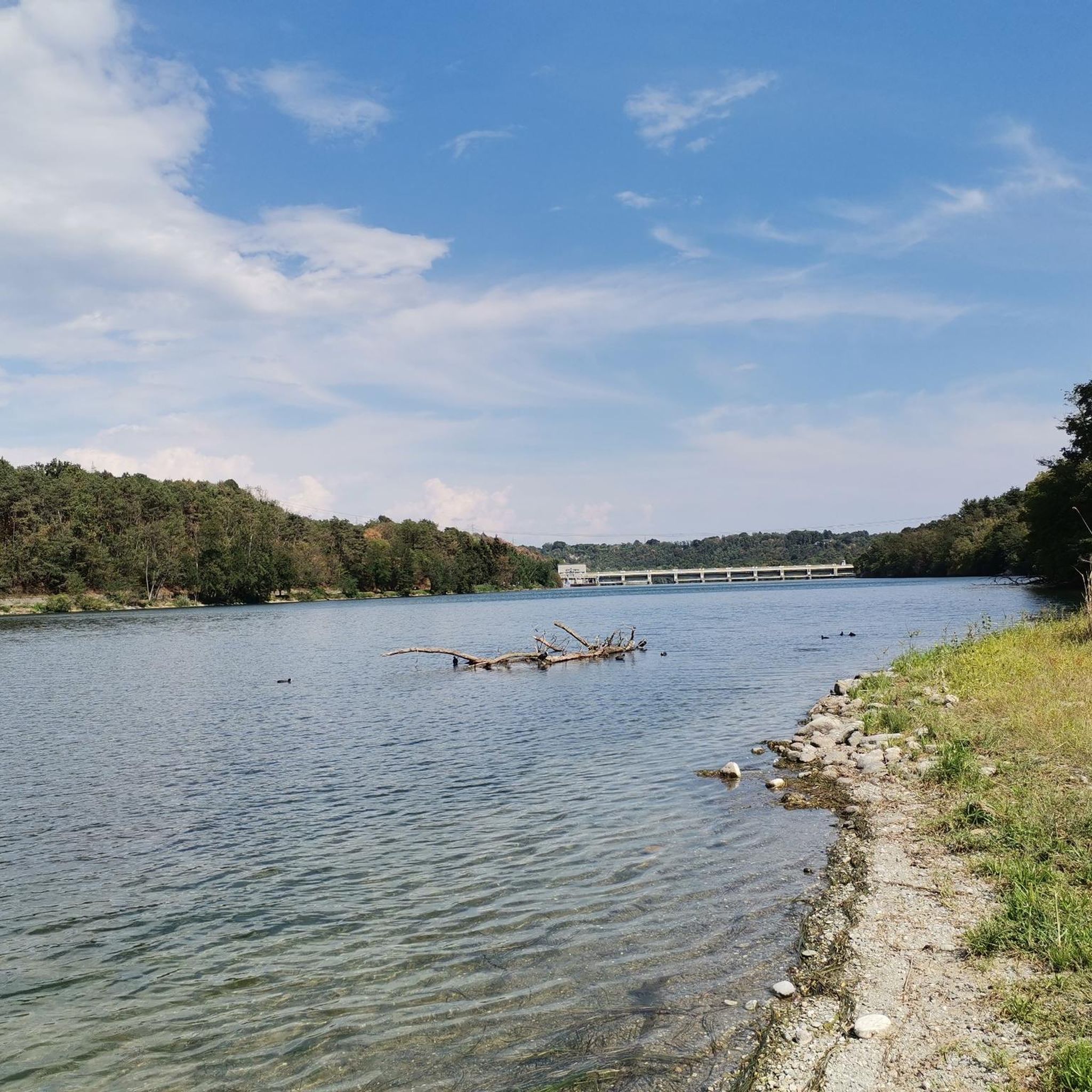
Road Cycling Routes around Natural Park Valle del Ticino
Hiking around Natural Park Valle del Ticino

Gravel biking around Natural Park Valle del Ticino
Running Trails around Natural Park Valle del Ticino
Other adventures around Natural Park Valle del Ticino

Tips from the Community

The unique name "Panperduto" derives mainly from the local dialect and ancient stories related to river navigation before the construction of the dam. In the past, commercial barges carrying goods or stones often collided with the rapids and rocky riverbeds of this stretch of the river, ending up capsizing and losing their entire cargo. This meant the loss of the entire day's work and the earnings needed to buy food, hence the saying "we lost the bread" (hence Panperduto).
0
0
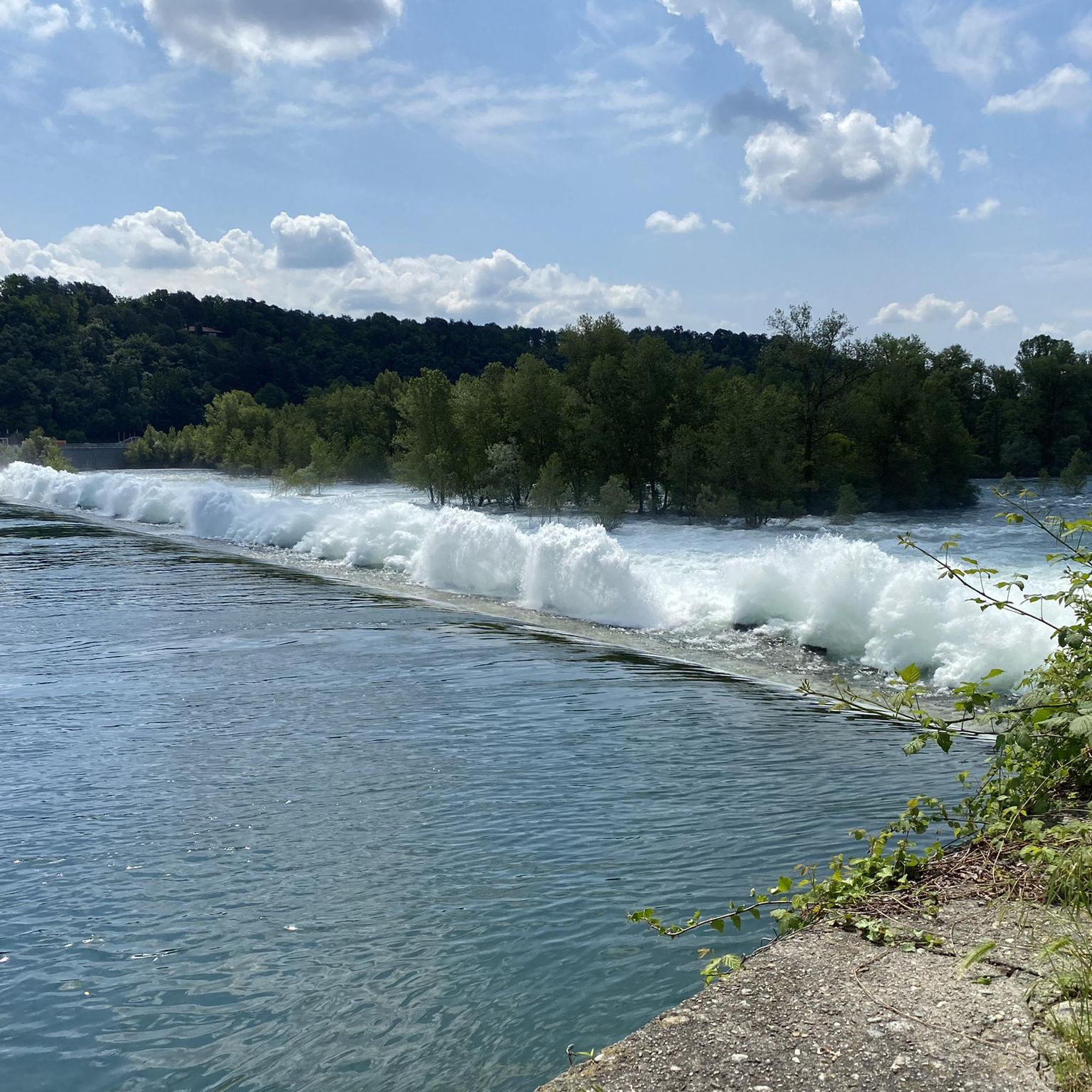
La Diga del Panperduto (or rather, the Dighe del Panperduto) is one of Lombardy's most important and fascinating hydraulic junctions, located on the Ticino river in the municipality of Somma Lombardo, in the province of Varese. This monumental complex of hydraulic engineering dates back to the late 19th century (inaugurated in 1884) and mainly serves to divert the waters of the Ticino to feed two fundamental artificial canals: Villoresi Canal: used for irrigation purposes, guaranteeing water for over 100,000 hectares of agricultural land in the Po Valley. Industrial Canal: fundamental for the production of hydroelectric energy through various power plants in the area.
0
0
Villa Picchetta di Cameri, the stately seat and property of the Park, already mentioned in 16th-century documents, overlooks the Ticino valley. It is enriched by three gardens, the Octagon Room with its frescoes, and the East Room with an imposing fireplace. The historic building, acquired in 1989 thanks to the contribution of the Piedmont Region, was in the past the manor house of an ancient agricultural complex, Cascina Picchetta, consisting of rustic buildings and the villa itself, located at the center of the settlement, which still today is distinguished by the stately architectural features.
1
0

cultivation of tulips 🌷 in the Villa Picchetta area
1
3

Nice to have a bit of fun, but always watch out for pedestrians!
1
0
beautiful singletrack of castelnovate
2
4
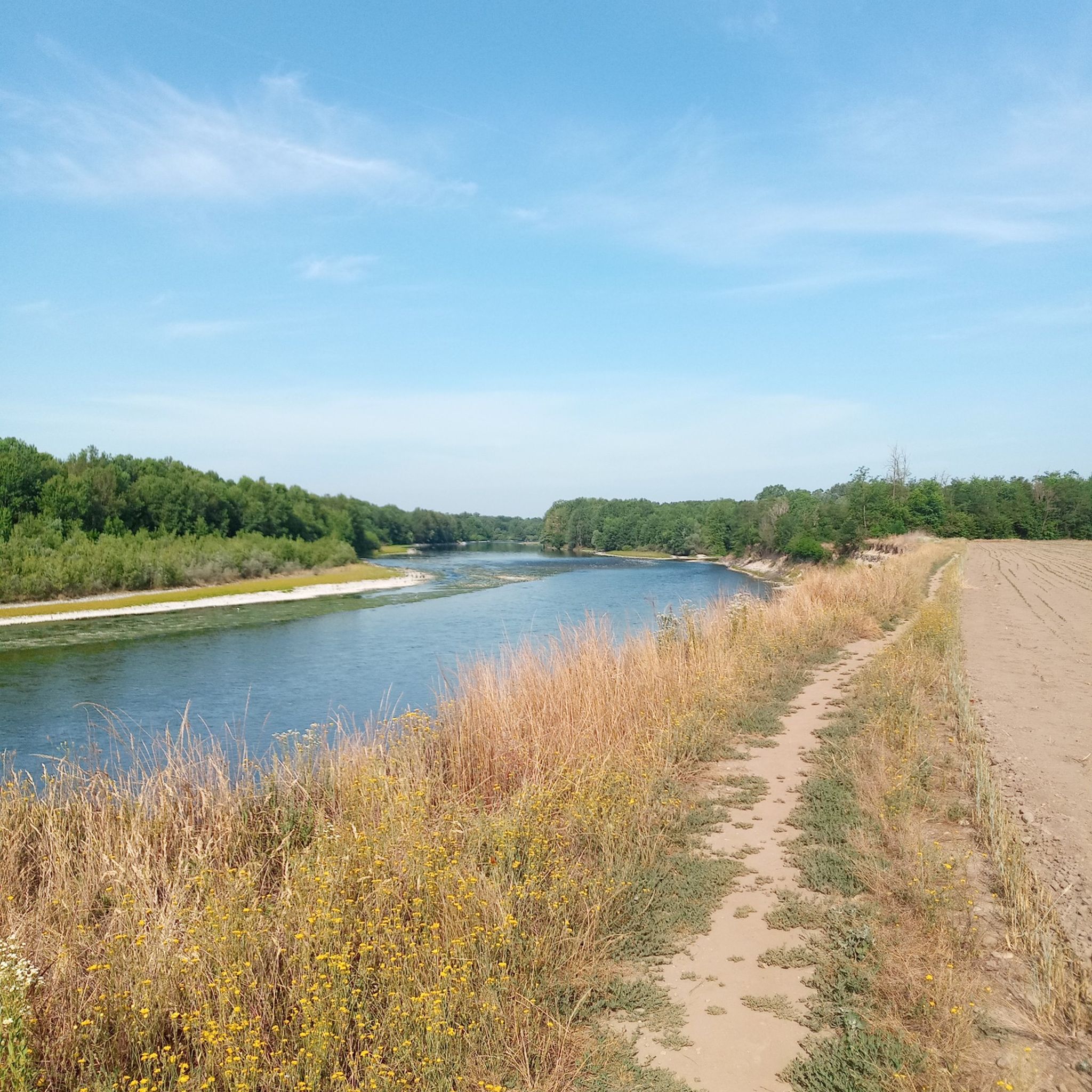
The Ticino that runs along the Castelnovate single track
1
4
A beautiful villa overlooking Cameri
1
3
Frequently Asked Questions
What natural features can I explore in Natural Park Valle del Ticino?
The park is centered around the Ticino River, offering diverse natural environments including wetlands, riparian woods, and various forests like alder, willow, poplar, chestnut, and well-preserved English oak woods. You can also find arid meadows, heaths, and traditional agricultural areas such as paddy fields. It's a significant ecological corridor, recognized by UNESCO as a World Network of Biosphere Reserves.
Are there historical or cultural sites to visit within the park?
Yes, the park is rich in history. You can visit the iconic Panperduto Dam, a crucial hydraulic junction. Other notable sites include the Ticino Iron Bridge, the historic Ponte Coperto in Pavia, and several impressive Visconti Castles in the vicinity, such as those in Somma Lombardo, Abbiategrasso, Vigevano, and Pavia. The Morimondo Abbey, founded in 1134, is also a significant cultural landmark.
What outdoor activities are available in Natural Park Valle del Ticino?
The park offers extensive opportunities for outdoor activities. There are over 750 kilometers of cycle and pedestrian paths, with more than 100 kilometers running along canal banks, perfect for exploring. You can enjoy walking, cycling, and wildlife viewing. For more structured routes, explore hiking trails, gravel biking routes, and running trails throughout the region.
Is Natural Park Valle del Ticino suitable for families with children?
Yes, many attractions and activities in the park are family-friendly. The extensive network of cycle and pedestrian paths provides safe and enjoyable routes for all ages. Highlights like the Panperduto Dam and Villa Picchetta are listed as family-friendly, offering educational and recreational experiences. Wildlife viewing and exploring the diverse natural habitats can also be engaging for children.
Where can I observe wildlife in the park?
The park's diverse ecosystems, including wetlands and riparian woods, make it an excellent spot for wildlife viewing and birdwatching. It is home to various animals such as foxes, badgers, weasels, skunks, martens, reintroduced European otters, and roe deer. Exploring the quieter trails and riverbanks increases your chances of spotting local fauna.
What is the significance of the Panperduto Dam?
The Panperduto Dam is an iconic hydraulic junction along the Ticino River. It plays a crucial role in diverting water into the Villoresi Canal for irrigation and the Industrial Canal. This man-made monument offers panoramic views and is a starting point for several cycling and walking paths along the canals.
Are there any notable villas or religious sites in the area?
Yes, Villa Picchetta is a significant historical site, formerly a manor house and now the headquarters for the Management Body of the Protected Areas of Ticino and Lake Maggiore, featuring beautiful gardens and 19th-century frescoes. The park also includes religious sites such as the Sanctuary of Madonna della Ghianda in Somma Lombardo and the Sanctuary of Madonna delle Grazie in Bozzole di Garlasco.
What kind of cycling paths are available in Natural Park Valle del Ticino?
The park boasts over 750 kilometers of cycle paths, including more than 100 kilometers along canal banks. These paths cater to various skill levels, from easy routes along the canals to more challenging singletracks like the Castelnovate singletrack along the Ticino. Many routes offer scenic views of the river and surrounding landscapes.
Which cities are partly located within the Natural Park Valle del Ticino?
The cities of Pavia and Vigevano are partly situated within the park's boundaries. Both cities offer a rich historical and artistic heritage, with Pavia notably having a past as a capital of various kingdoms. They provide cultural extensions to the natural beauty of the park.
What is the best time to visit Natural Park Valle del Ticino?
The park can be enjoyed throughout the year, but spring and autumn generally offer the most pleasant weather for outdoor activities like cycling and walking, with vibrant foliage or blooming flora. Summer is also popular, especially for activities near the river, while winter offers a quieter, serene experience.
Where can I find archaeological insights into the region?
For those interested in history and archaeology, the region offers several museums. You can visit the Civic Museum of Sesto Calende, the Lomellino Archaeological Museum, and the Archaeological Museum of Arsago Seprio. These institutions house important archaeological finds that shed light on the area's past.
What makes the Ticino Iron Bridge noteworthy?
The Ticino Iron Bridge is a historical landmark, originally built in 1868 and later rebuilt after World War II. This impressive 270-meter double-decker bridge spans the Ticino River and serves as a significant marker, delineating the border between the Piedmont and Lombardy regions.
Most popular routes around Natural Park Valle del Ticino
Most popular attractions around Natural Park Valle del Ticino

Get inspired with the komoot mobile app


Explore more
Still not found the Highlight you’re looking for? See guides of the top attractions in other regions:
