The best walks and hikes in Ourense
4.5
(2907)
13,539
hikers
341
hikes
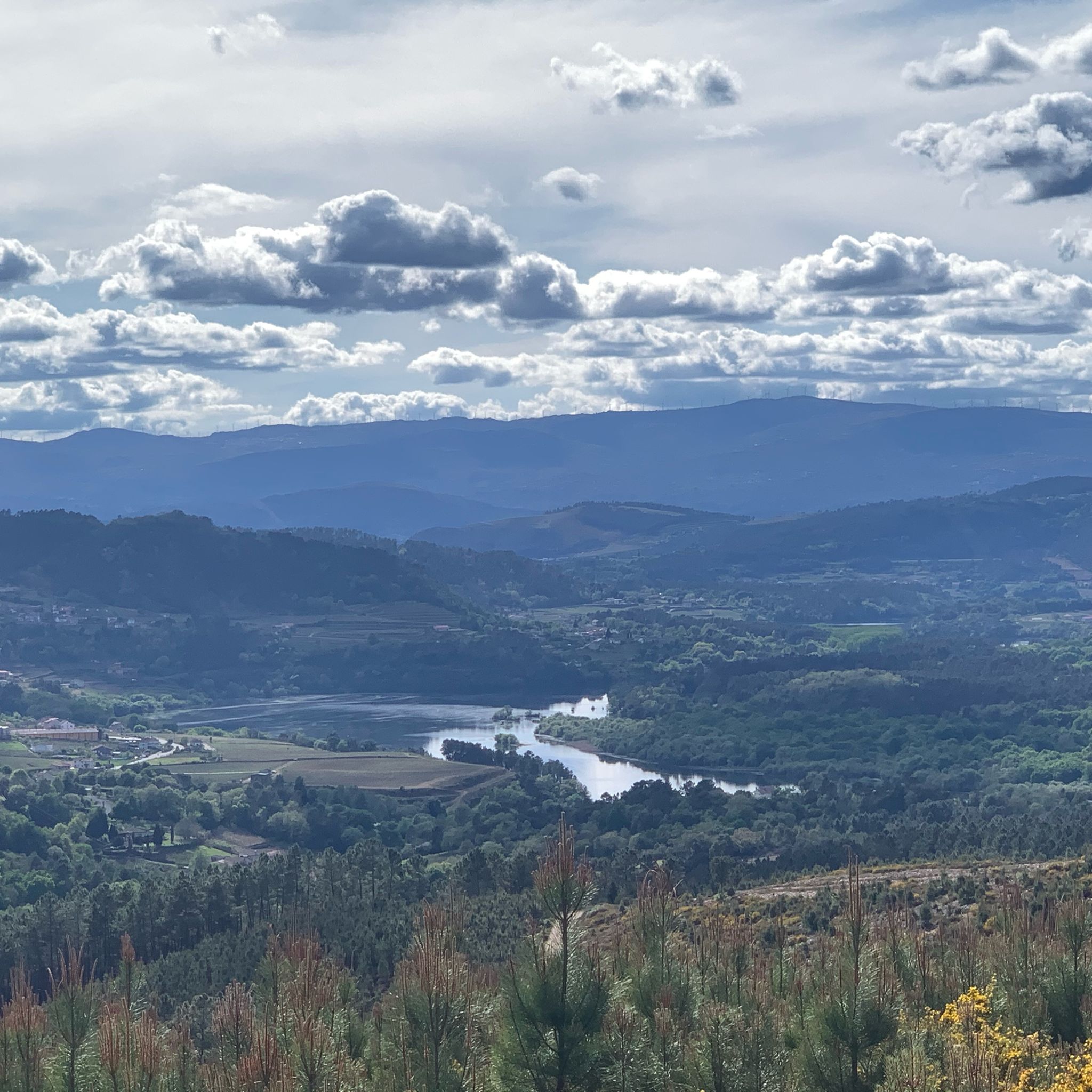
Hiking trails in Ourense traverse a diverse landscape characterized by river canyons, thermal springs, and varied forest paths. The region, part of Galicia, features the dramatic Sil Canyon and the winding Miño River, offering routes with significant elevation changes and more gentle riverside walks. This terrain provides a range of experiences from challenging climbs to accessible paths.
Best hiking trails in Ourense
- The most popular hiking route is PR-G 98 Sil Canyon - Santa Cristina Trail, a 12.0 miles (19.4 km) trail that takes 6 hours 20 minutes to complete, offering views of the Sil Canyon.
- Another top favourite among local hikers is Geira and Arrieiros Way Trail, a moderate 9.3 miles (14.9 km) path. This route follows an ancient path through rural landscapes.
- Local hikers also love the Miño River Thermal Trail, a 6.9 miles (11.1 km) trail leading through riverside scenery and past thermal springs, often completed in about 2 hours 55 minutes.
- Hiking in Ourense is defined by river canyons, thermal areas, and lush river valleys, with options for easy hikes with kids as well as more demanding long distance hiking trails.
- The routes in Ourense are highly rated by the komoot community with an average score of 4.5 stars from over 600 reviews. More than 4000 hikers have used komoot to explore Ourense's varied terrain.
Last updated: October 10, 2026
4.7
(15)
102
hikers
19.4km
06:21
720m
720m
Hard hike. Very good fitness required. Sure-footedness, sturdy shoes and alpine experience required.
4.1
(14)
56
hikers
14.9km
04:36
520m
520m
Moderate hike. Good fitness required. Mostly accessible paths. Sure-footedness required.

4.3
(12)
62
hikers
5.11km
01:45
250m
250m
Easy hike. Great for any fitness level. Easily-accessible paths. Suitable for all skill levels.
4.4
(40)
164
hikers
11.1km
02:55
100m
100m
Moderate hike. Good fitness required. Easily-accessible paths. Suitable for all skill levels.
4.8
(13)
72
hikers
8.29km
02:30
280m
290m
Moderate hike. Good fitness required. Mostly accessible paths. Sure-footedness required.
4.6
(5)
20
hikers
16.8km
04:57
490m
490m
Moderate hike. Good fitness required. Mostly accessible paths. Sure-footedness required.
4.5
(6)
15
hikers
11.9km
03:31
350m
350m
Moderate hike. Good fitness required. Mostly accessible paths. Sure-footedness required.
4.6
(11)
50
hikers
6.10km
01:48
190m
190m
Easy hike. Great for any fitness level. Easily-accessible paths. Suitable for all skill levels.
4.5
(4)
21
hikers
12.1km
03:22
220m
220m
Moderate hike. Good fitness required. Mostly accessible paths. Sure-footedness required.
4.3
(6)
15
hikers
14.2km
03:47
150m
150m
Moderate hike. Good fitness required. Easily-accessible paths. Suitable for all skill levels.
Get access to more routes and recommendations from other explorers.
Already have an account?
Our route recommendations are based on thousands of hikes, rides, and runs completed by other people on komoot.
Start today with a free account
Your next adventure awaits.

Other adventures in Ourense

Tips from the Community

It spans the Miño River, linking the historic center of Ourense with the A Ponte neighborhood. It was built in the 1st century AD as a branch of the Via Nova (Via XVIII), connecting Bracara Augusta (Braga) with Asturica Augusta (Astorga). Only traces of the original Roman phase remain, such as rusticated stonework at the ends near the banks. It suffered damage during the Middle Ages; in 1228, under Bishop Lorenzo and with the support of Ferdinand III, it was rebuilt with pointed arches and renovated approaches. Until the 17th century, the bridge repeatedly collapsed. The final work was directed by Melchor de Velasco Agüero around 1660, establishing its current appearance.
1
0

The Balconies of Madrid have a history that speaks of emigration, dreams and human adventures in unknown lands. The original name of Os Torgás was changed when the people of the Ourense villages of the Ribeira Sacra hung themselves from the cliffs of the River Sil to say goodbye to their loved ones who were leaving for Madrid and other lands in the south with the dream of a new life. The viewing points form small steps hanging over the river gorge and cause a special fascination. The breeze in the air carries the aromas of vineyards hanging on steep rocky terraces and melodies of elves emerging from enchanted forests, descendants of the primitive mythological beings who resisted the sacralisation of their plant kingdom by the monks and long before by the Roman legions. The walls of the Sil Canyon are a monumental sculpture five hundred metres high made of fierce, bare granite, a fortress of living rock up to the edge of the viewing points that filter the wind, the lights and the eternal songs of all the people who have passed through this fantastic natural balcony to say goodbye or find someone.
1
1
It is a magnificent example of rural Galician Romanesque architecture. The original building is from the 12th century, and preserves carvings from the 16th century and baroque altarpieces from the 18th century. The entrance to the cloister has a Romanesque doorway with lobed arches and a magnificent sculptural pantheon. The economic power of the monks of the Sil reached a notable splendour in the 12th century, when they received royal privileges and papal protection to expand the monasteries and sanctuaries on both banks of the Sil, a territory with a strong historical and cultural personality, called Rivoyra Sacrata at that time and known since then as Ribeira Sacra.
1
0
The Monastery of San Pedro de Rocas is one of the oldest and most unique monasteries in Galicia, located in the municipality of Esgos, in the province of Ourense. This monastery stands out for being partially excavated in the rock, which gives it a unique and mysterious character. The foundation of the monastery dates back to the 6th century, although most of the structures visible today date from the 9th and 10th centuries. The monastery church is composed of three naves excavated in the rock, with a series of anthropomorphic tombs also carved in the stone. Outside, you can see a bell tower that was added in the 15th century. San Pedro de Rocas is known not only for its architecture, but also for its natural environment, surrounded by forests and mountains, making it a place of great beauty and tranquility. The monastery has been declared a Historic-Artistic Monument and is an important tourist and pilgrimage destination.
6
2

Thermal area, just stop by 🤙
0
1
Nice little park, great for getting some shade 🤙
0
0
Interesting bridge 🤙
0
2

It is a beautiful waterfall located on the Barbantiño River, in the province of Ourense, Galicia. With a waterfall of about 20 meters, it is one of the most impressive natural landscapes in the area. Surrounded by a lush and green environment, the waterfall is ideal for those who enjoy hiking and contact with nature.
1
0
Frequently Asked Questions
Are there easy hiking trails suitable for families or beginners in Ourense?
Yes, Ourense offers a good selection of easy trails perfect for families and beginners. For example, the Río Mao Canyon Route is an easy option, offering scenic views without significant difficulty. There are over 100 easy routes available in the region.
Can I find long-distance hiking trails in Ourense?
Ourense features several longer routes that cater to experienced hikers looking for more challenging treks. The PR-G 98 Sil Canyon - Santa Cristina Trail is a demanding 12-mile (19.4 km) route that takes over 6 hours to complete, offering extensive views of the dramatic Sil Canyon.
Are there hiking trails in Ourense that feature waterfalls or other natural attractions?
Absolutely. Ourense is known for its natural beauty, including stunning waterfalls and thermal springs. You can explore the Pacín River Valley Waterfalls Trail to discover several cascades. Another excellent option is the Pozas de Melón and Fervenza Touron route, which takes you past the beautiful Pozas de Melón. The Miño River Thermal Trail also leads past natural thermal springs.
Are there circular hiking routes available in Ourense?
Yes, many trails in Ourense are designed as circular routes, allowing you to start and end at the same point. Examples include the Pozas de Melón and Fervenza Touron - circular along the Cerves River and the Camino Natural del Río Barbantiño – circular from A Forxa.
What is the best time of year to go hiking in Ourense?
The best time for hiking in Ourense is generally during spring (April to June) and autumn (September to October). During these seasons, the weather is mild and pleasant, and the landscapes are particularly vibrant. Summers can be hot, especially in the river canyons, while winters can be cooler and wetter, though still offering unique hiking experiences.
How many hiking trails are available in Ourense?
Ourense offers a wide variety of hiking experiences, with over 280 trails documented. These range from easy strolls to more challenging, difficult routes, ensuring there's something for every hiker.
What do other hikers enjoy most about the trails in Ourense?
The hiking trails in Ourense are highly rated by the komoot community, with an average score of 4.5 stars from over 600 reviews. Hikers frequently praise the diverse landscapes, from dramatic river canyons to lush river valleys and thermal areas, as well as the well-maintained paths and the region's natural beauty.
Are hiking trails in Ourense dog-friendly?
Many trails in Ourense are suitable for hiking with dogs, especially those in natural parks and rural areas. It's always advisable to keep your dog on a leash, especially in areas with livestock or wildlife, and to check local regulations for specific trails or protected areas.
Is parking available at the trailheads in Ourense?
For many popular hiking trails in Ourense, you will find designated parking areas near the trailheads, particularly for routes that start in or near villages and natural parks. However, for more remote trails, parking might be less formal, often requiring roadside parking or small pull-offs.
Can I reach hiking trails in Ourense using public transport?
While some trails, especially those closer to Ourense city or larger towns, might be accessible by local bus services, many of the more scenic and remote routes are best reached by car. Planning ahead and checking local bus schedules is recommended if you intend to rely on public transport.
Are there amenities like cafes or restaurants near hiking trails in Ourense?
Along many popular hiking routes, especially those passing through or near villages, you can often find small cafes, bars, or restaurants to refuel. For example, trails like the Geira and Arrieiros Way Trail traverse rural landscapes where local establishments might be available. It's always a good idea to carry sufficient water and snacks, especially on longer or more remote hikes.
What are some hidden gem hikes in Ourense?
For a less-traveled experience, consider the Royal Trail of San Pedro de Rocas, which leads to the ancient monastery carved into the rock. Another less-known but rewarding option is the Route of the mills of the Loña river, offering a glimpse into the region's historical agricultural heritage.
Most popular routes in Ourense
Most popular attractions in Ourense

Get inspired with the komoot mobile app


Didn’t find what you were looking for?
Check out more Hikes throughout Ourense below and find the perfect route in your destination.
Explore more
Browse the best Hikes in other regions.
