Attractions and Places To See around Białowieski Park Narodowy - Top 20
Best attractions and places to see around Białowieski Park Narodowy include a UNESCO World Heritage Site protecting Europe's last primeval lowland forest. This ancient forest is a Biosphere Reserve, renowned for its exceptional biodiversity and unique ecosystems. It features multi-species, multi-layered forests with abundant deadwood, hosting numerous species not found in typical forests. The region offers a blend of pristine natural wilderness and historical heritage.
Best attractions and places to see around Białowieski Park Narodowy
- The most popular attractions is…
Last updated: October 10, 2026
Palace Park
Highlight • Historical Site
Translated by Google •
Tip by

Białowieża Palace Station Pavilion
Highlight • Monument
Translated by Google •
Tip by

Sign up now to discover places like this
Get recommendations on the best single tracks, peaks, & plenty of other exciting outdoor places.
Białowieża National Park
Highlight • Forest
Translated by Google •
Tip by
Royal Oaks Trail
Highlight • Trail
The shape of the oaks and the clusters of their arrangement on the trail also indicate …
Translated by Google •
Tip by

St. Nicholas Orthodox Church
Highlight • Religious Site
Translated by Google •
Tip by
Sign up for free to discover even more attractions around Białowieski Park Narodowy.
Already have an account?
Start today with a free account
Your next adventure awaits.
Popular around Białowieski Park Narodowy
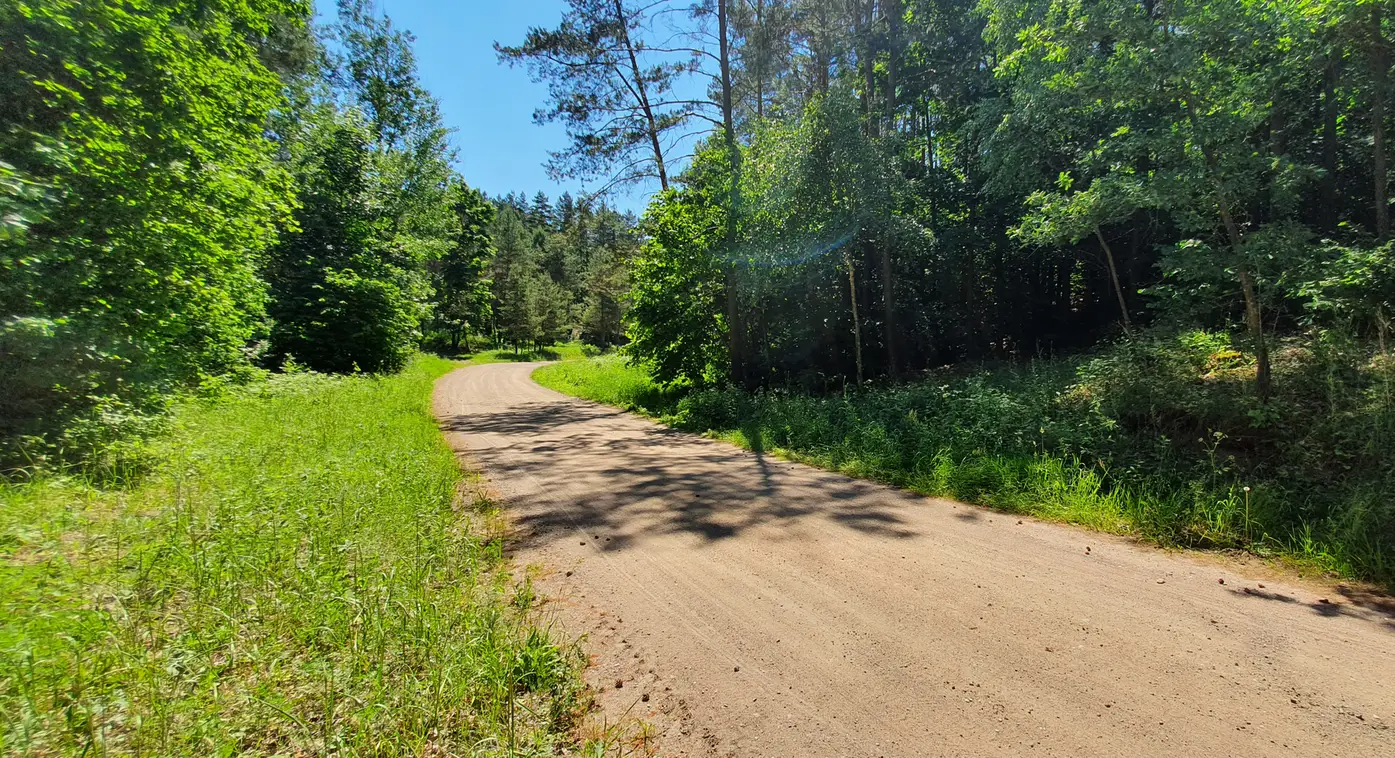
The river rustles, the forest rustles – Podlaski Stork Trail
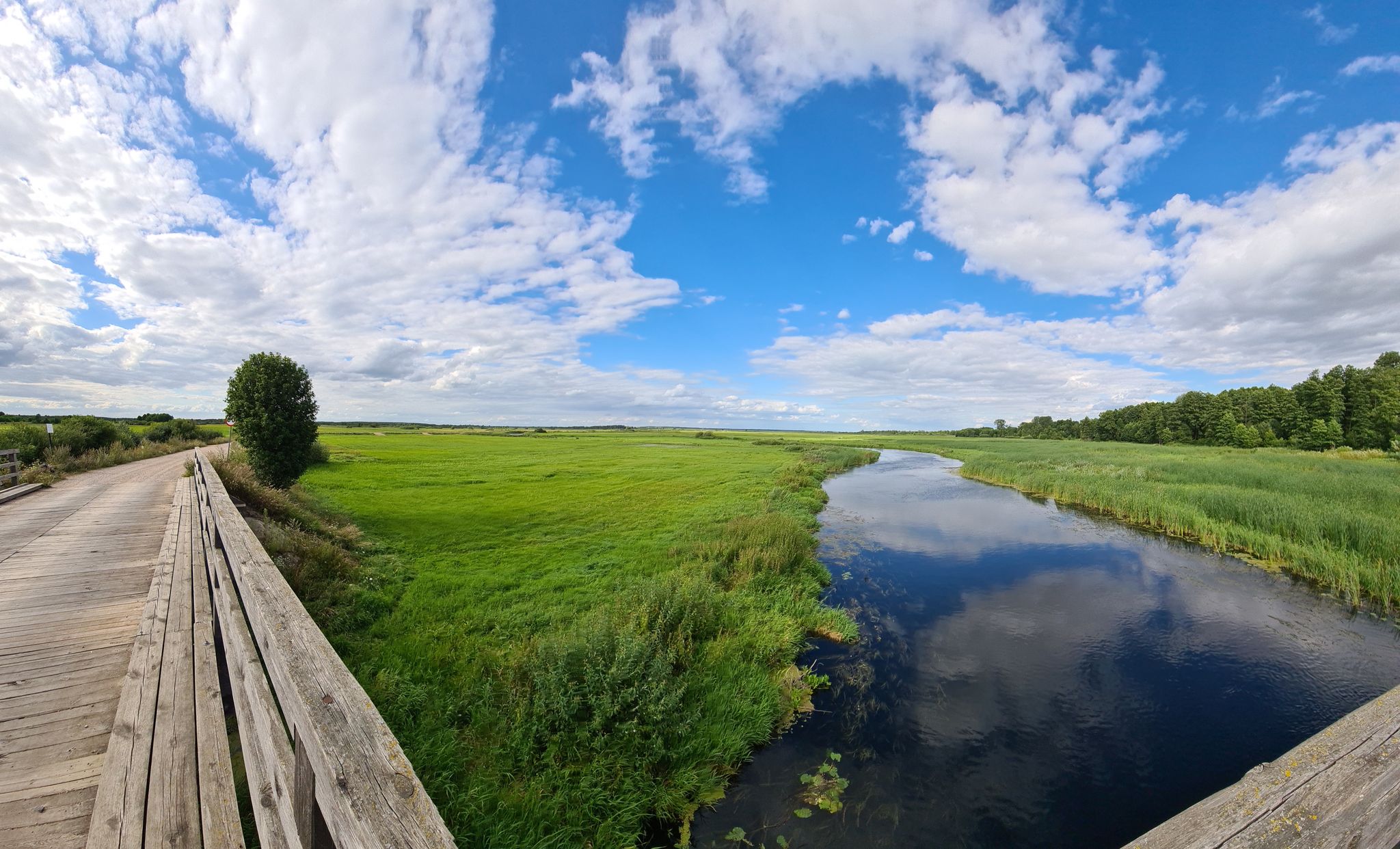
To the east, Eden – Green Velo Szlak (second part)
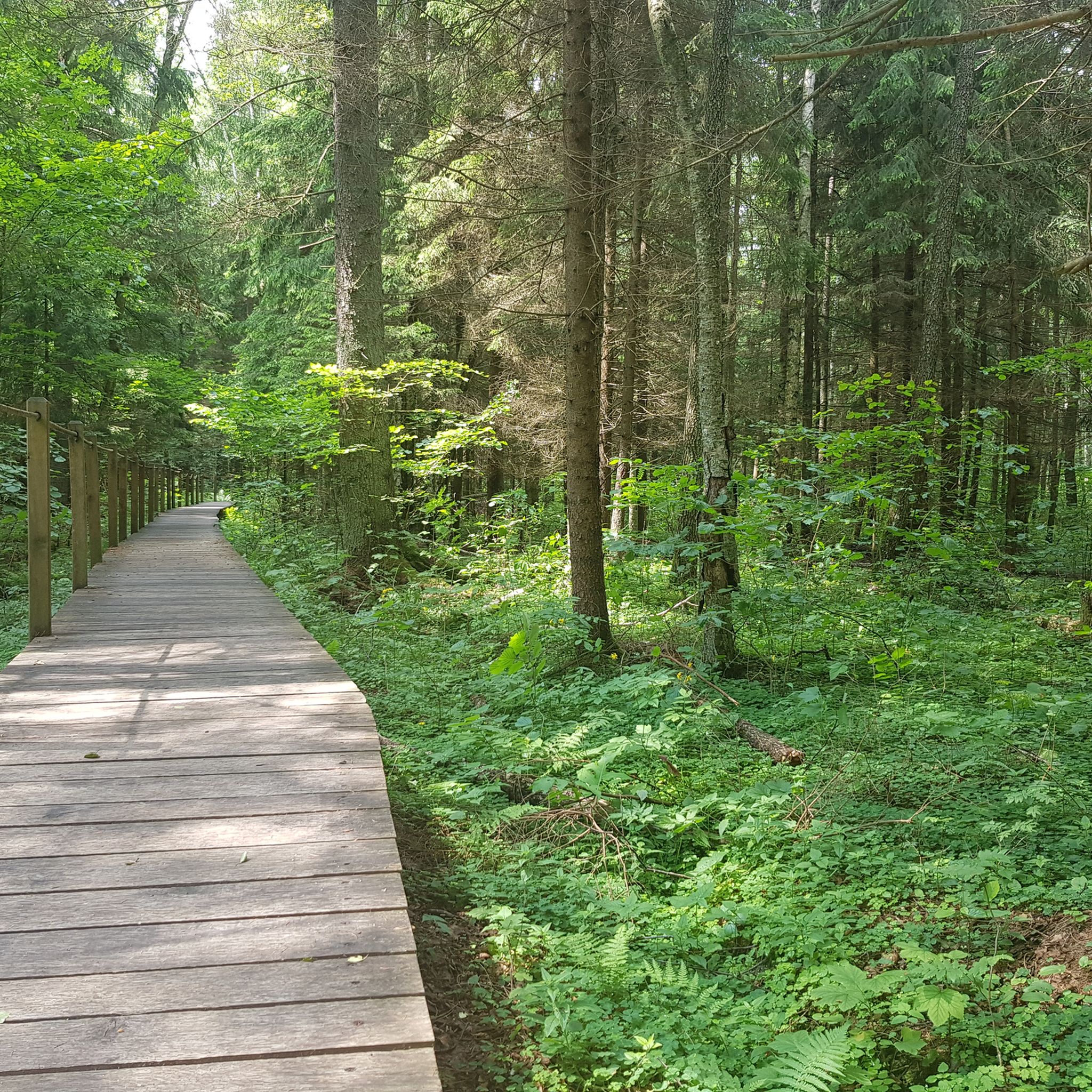
Hiking around Białowieski Park Narodowy
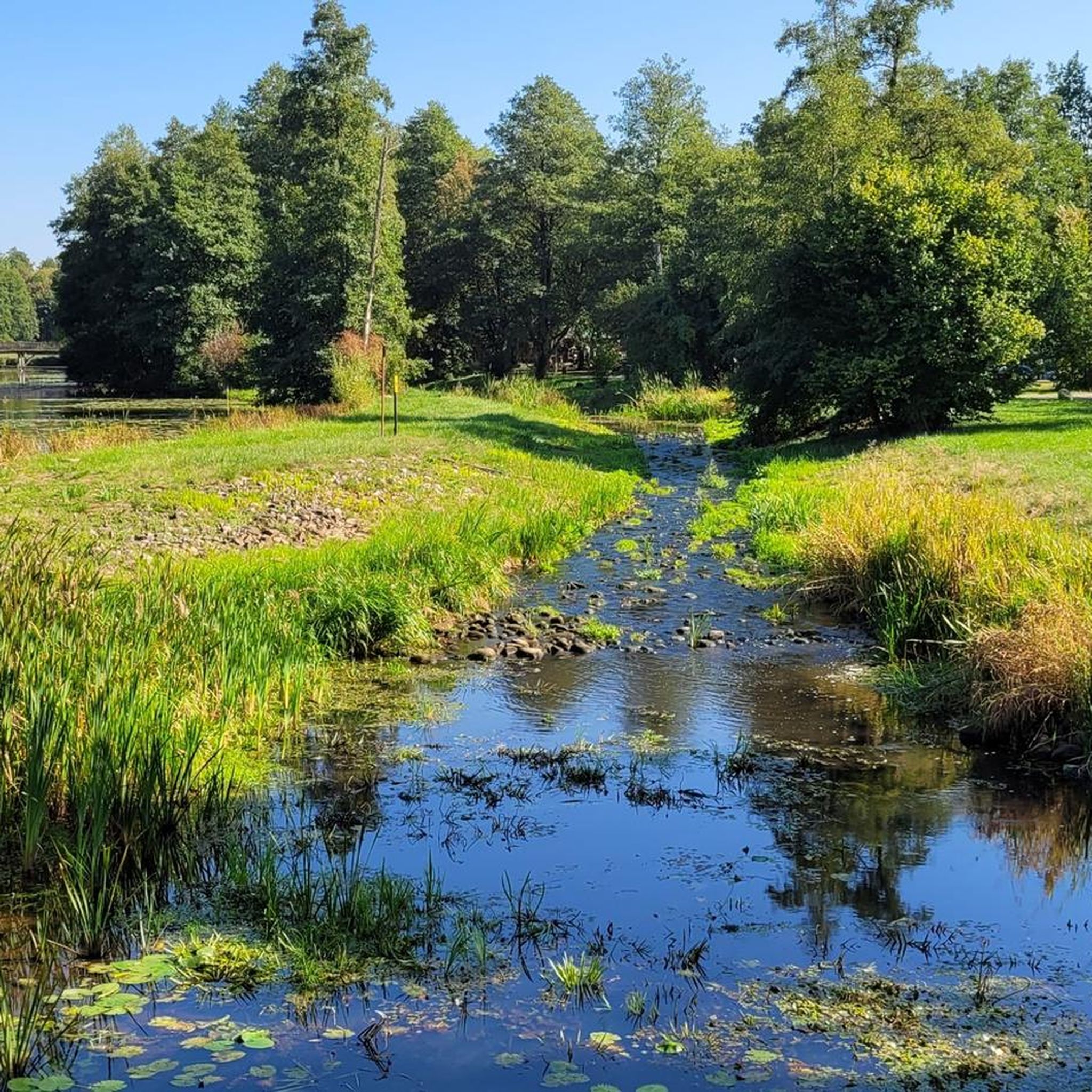
Cycling around Białowieski Park Narodowy
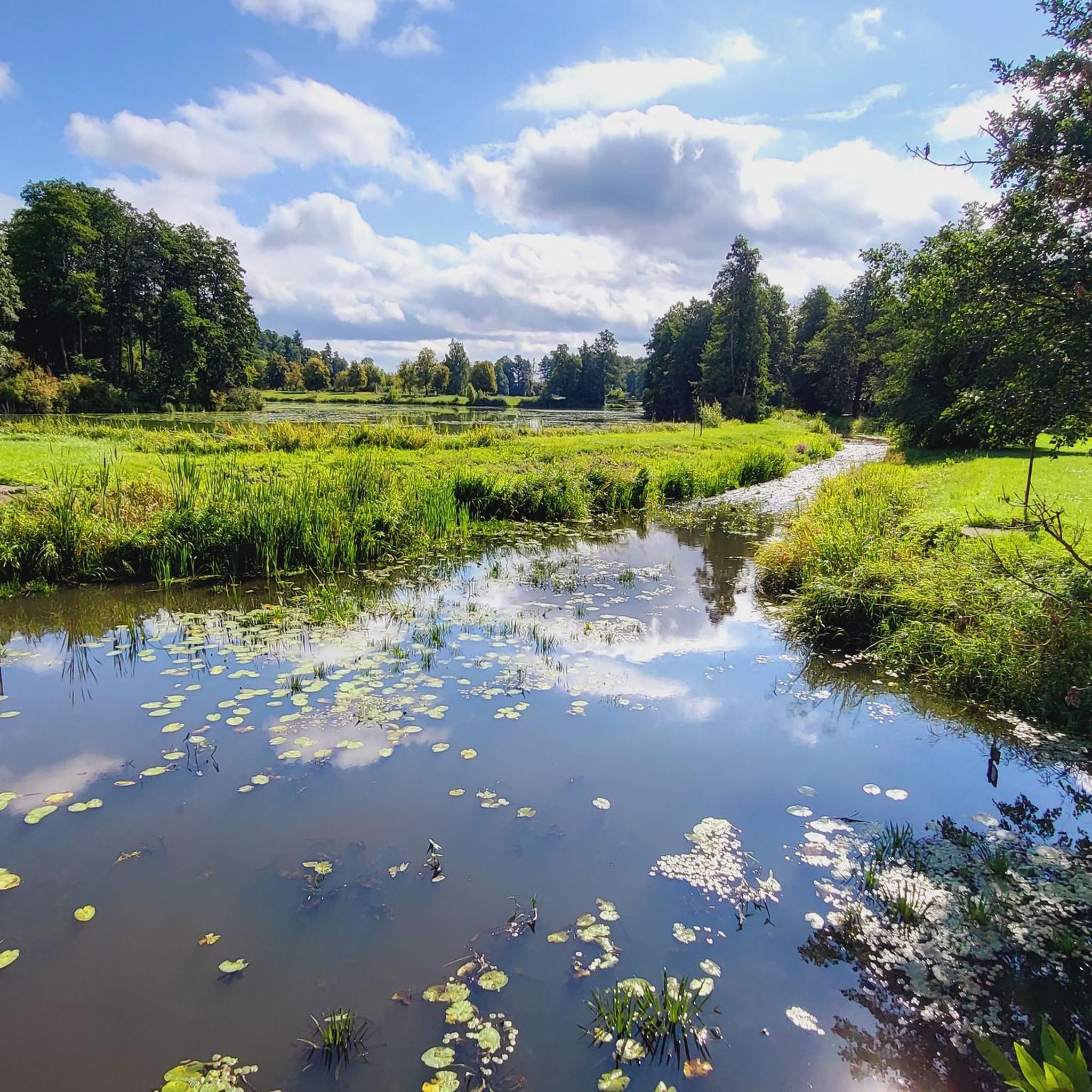
Road Cycling Routes around Białowieski Park Narodowy

Gravel biking around Białowieski Park Narodowy
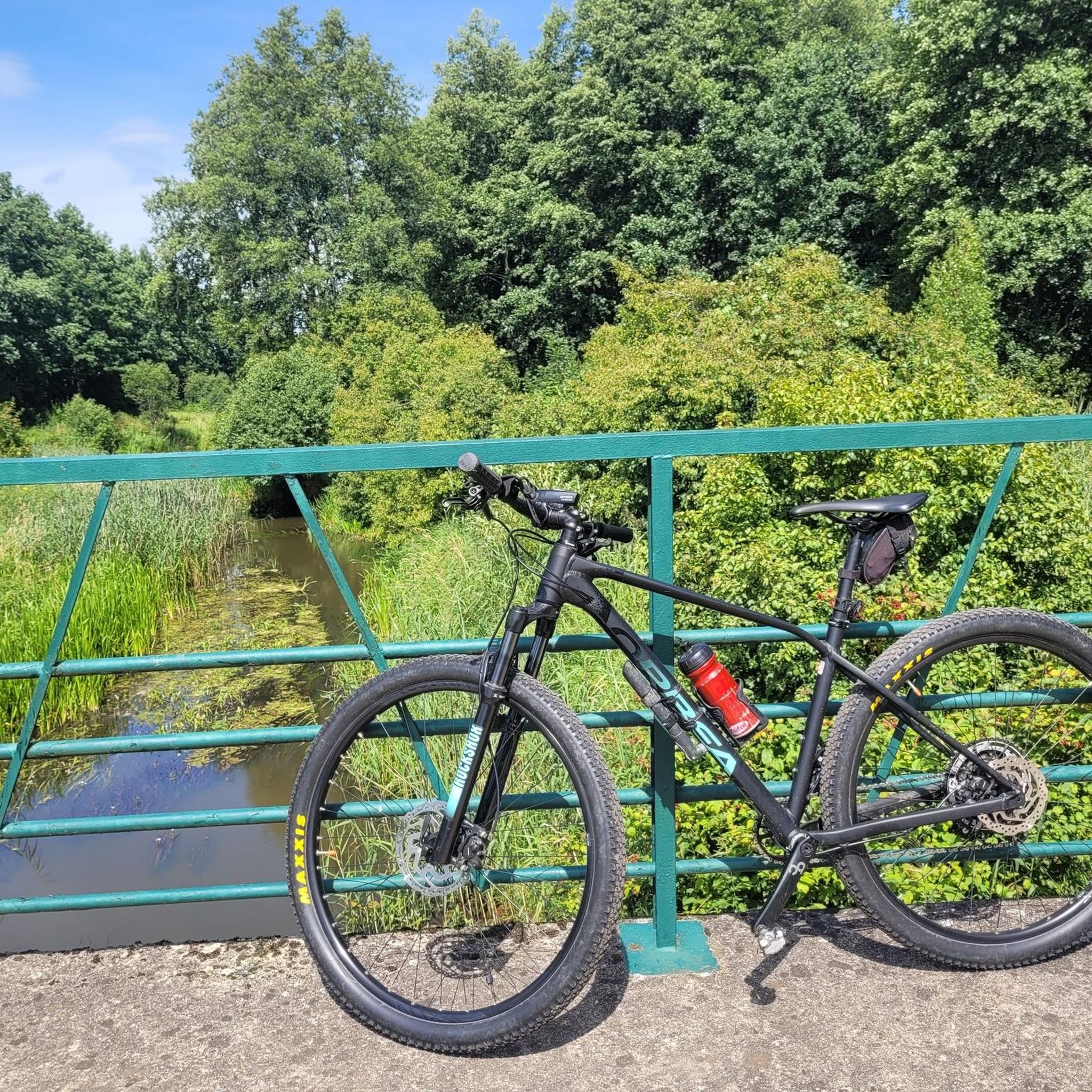
MTB Trails around Białowieski Park Narodowy
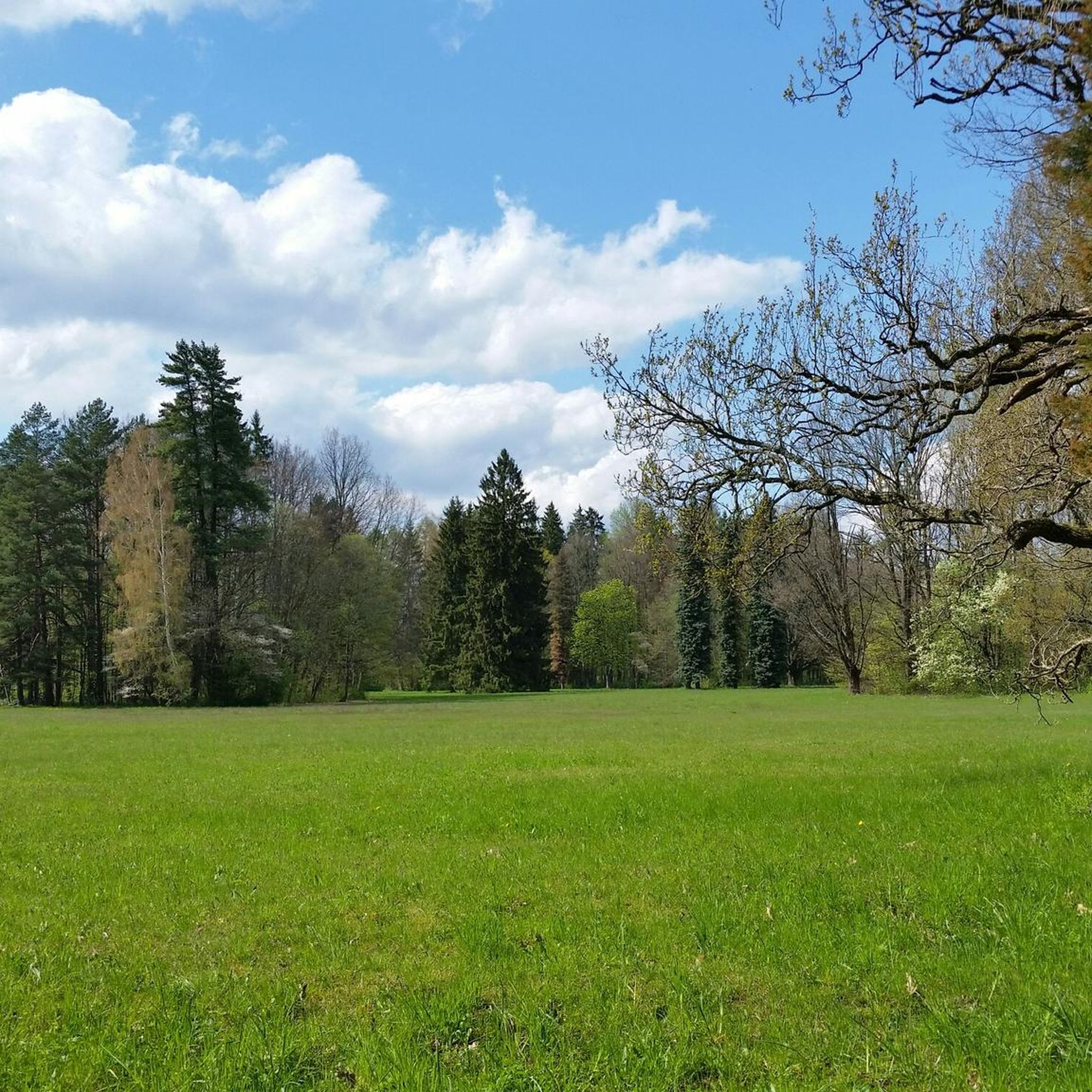
Running Trails around Białowieski Park Narodowy
Other adventures around Białowieski Park Narodowy


Tips from the Community

The series »Treasures of the World – Heritage of Humanity« presents special places from all countries, cultures, and eras in short segments (unfortunately only available in German), which have one thing in common despite all their differences: they are selected as UNESCO World Heritage or Natural Heritage sites. The fifteen-minute film segment can be accessed in the ARD media library at the following link => https://www.ardmediathek.de/video/schaetze-der-welt/nationalpark-belovezhskaya-pushcha-bialowieza-polen-folge-257/swr/Y3JpZDovL3N3ci5kZS82OTA1OTI2
1
0

The Royal Oak Trail in the Stara Białowieża forest is a picturesque educational trail leading through the former settlement, where archaeological research indicates the original Białowieża was founded. A wooden footbridge winds through ancient oak trees named after Polish and Lithuanian kings, creating a unique blend of history and nature.
3
0

Beautiful old Orthodox church next to the entrance gate to the Palace Park.
0
0

Immediately after its construction, in the 19th century, the church was widely considered (by the press of the time) to be the most beautiful in the entire Grodno Governorate. Its historical values are associated with the patrons and founders of the church - the royal family. The building was funded and built under the personal supervision of Tsar Alexander III, it was visited by the most distinguished state dignitaries and clergy, and was and is the place of important religious and secular ceremonies.
1
0

St. Nicholas Church in Białowieża. According to local accounts, a small church existed in Białowieża as early as the 17th century, but it was burned down along with the village during the plague of 1710. These accounts locate the church on the Brov Road. The only surviving relic of it is said to be a bell from 1661, located in the cemetery chapel. Unfortunately, there is no confirmation of this information in known written sources. Initially, the Białowieża residents were assigned to the parish church in Shereshevo, which received funds and privileges from Ivan Abramovich as early as 1517. After the construction of the church in Suchopol in 1680 and the establishment of the Suchopol parish, they transferred to it. In 1704, the Białowieża manor received the right to collate and present the Suchopol priests from King Augustus II. Białowieża's affiliation with the Suchopol parish is confirmed by visitations from 1748, 1757, and 1769. In 1757, it had 733 faithful, including 83 from Białowieża. In 1769, the parish had 251 families – 23 from Białowieża (56 people were recorded as having gone to confession). Around 1782, the church in Suchopol burned down. Because the chapel built in its place could not accommodate all the parishioners, construction of a new church began. Construction work lasted seven years. In 1799, Białowieża, with 30 families, was still part of the Suchopol parish, although it had already had its own church for several years. The Białowieżaites may have been assigned to the Suchopol parish as late as 1800, but the 1801 visit does not mention them. The Orthodox church in Białowieża was built in 1793. The church's foundation deed was issued on May 2, 1797, by the Chief Treasurer, Major Jan Szczepanowski. bialowieza.travel/see-it-necessarily/sacred-objects/attraction/171
3
0
The Palace Park was established after 1895 as an integral part of the private hunting residence of the Russian tsars, built in the years 1889-1894. The name of the park "Palace" refers to the most important building, this residence, which was the tsar's palace (it burned down in 1944 and was finally demolished in 1962). The palace was accompanied by a complex of other buildings. Some of them were intended for the needs of the court and the tsar's service: the Orthodox church, the Drivers' House, the Bath House, the Management House, the stable house, the Świcki House, the Marshal's House, the Jegierski House. The remaining buildings were of an economic and industrial nature: the Cossack stable, the arsenal, the mill, the power plant, the barn, the garages. This hunting residence was surrounded by a park of over 50 hectares. The park was designed by Walerian Kronenberg (1859-1934), one of the most outstanding and fashionable designers of garden and park layouts from the turn of the century. He also designed over 300 larger and smaller parks in Poland, Lithuania, Russia and Crimea. In Warsaw alone, Kronenberg designed, among others, the Horse Racing Grounds and Agricola. bpn.com.pl/index.php?option=com_content&task=view&id=32
3
0
The Palace Park located in Białowieża was established at the turn of the 19th and 20th centuries around the hunting residence of the Russian tsars, built in the years 1889–1894. Its area is approx. 50 ha. The main building of this residence was the palace, which burned down in 1944. Only the so-called kitchen gate survived. The buildings that once accompanied the tsar's palace have also survived: the Management House, the Marshal's House, the Jegierski House, the Drivers' House, the Bath House. In the place where the palace once stood, today there is the Directorate, the Nature and Forest Museum and the BPN Guest Rooms. The park was designed in the English style, also called landscape style, by the famous planner - Walerian Kronenberg. Its characteristic feature is the free compositional assumptions, with the plant thread coming to the forefront. Against the background of compact trees, single trees and their small groups growing in the clearings look picturesque. Of the approximately 200 species of trees and shrubs planted here, nearly 90 have survived to this day. bpn.com.pl/index.php?option=com_content&task=view&id=650&Itemid=280
3
0
The Royal Oak Trail is an educational trail located in the Stara Białowieża forest. The habit of the oaks and their clustered arrangement along the trail also indicates human intervention. The relatively short, approximately 32-meter-tall trees are nearly 10 meters shorter than the oaks that have always grown in a dense stand. This means they were planted by human hands as park trees near a manor house that once stood here. One legend says they were planted at the behest of King Sigismund the Old. A wooden footbridge leads along the trail, equipped with plaques describing the oaks, named after Polish and Lithuanian rulers who ruled the forest. Walking the trail offers the opportunity not only to experience nature but also to deepen your historical knowledge. The author and initiator of this project was Jacek Wysmułek, a forester from the Białowieża Forest District. Back in 1976, he proposed protecting the entire area and creating a historical educational trail. The footbridge is wheelchair-accessible and features additional Braille signs. A road connecting Białowieża with Narewka runs parallel to the footbridge. This road leads to the Siemianówka Reservoir. Approximately 1.5 km north of this site (in section 281 - yellow tourist trail) lie the remains of the foundations of another hunting castle, likely built by the Grand Duke of Lithuania, Gediminas. The Royal Oak Trail is leased to a separate private company responsible for maintaining the trail and maintaining the cleanliness of the grounds. The company charges an admission fee. e-puszcza.pl/pearls-forest/szlak-debow-krolewskich-perelka-puszczy
3
2
Frequently Asked Questions
What unique natural features can I explore in Białowieski Park Narodowy?
Białowieski Park Narodowy is home to Europe's last primeval lowland forest. You can explore the Strict Protection Area, which features ancient, multi-species forests with abundant deadwood. While largely protected, a 4 km trail, "To Dębu Jagiełły" (To Jagiełło's Oak), allows visitors to see monumental trees. The park also boasts unique forest ecosystems, including oak-hornbeam, alder, and marshy forests, with many trees over 200 years old.
Where can I observe European bison and other wildlife?
The best place to observe European bison, the park's symbol, along with elk, deer, roe deer, wild boars, wolves, and lynx, is the European Bison Reserve – Białowieża National Park. This reserve offers conditions close to their natural habitat. For a chance to spot bison in the wild, especially in winter, visit observation platforms like "Kosy Most" and "Czoł".
Are there specific trails for nature observation and hiking?
Yes, several trails are designed for nature observation. The "Wolf's Trail" (Wilczy Szlak) is an 11.5 km green-marked trail through the Hwoźna Protective District, showcasing various forest communities and a glacial erratic. The "The Tsar's Trail" (Carska Tropina) is a 4 km black-marked trail along the Narewka Valley, featuring a viewing tower ideal for observing birds and large mammals. Additionally, you can find many easy hiking routes around the park, such as the National Memory Sites Trail or the Scenic Pier over the Pond loop. For more options, explore easy hikes around Białowieski Park Narodowy.
What historical and cultural sites are there to visit in the Białowieża area?
The region offers a rich blend of history and culture. You can visit Palace Park, a historical English-style park that was once part of the Russian Tsar's hunting residence. The Białowieża Palace Station Pavilion, built for Tsar Alexander III, is a historical railway station reflecting royal hunting traditions. The Royal Oaks Trail features ancient oak trees named after Polish and Lithuanian kings, and the St. Nicholas Orthodox Church holds significant historical value.
Can I learn about the history and nature of the Białowieża Forest indoors?
Absolutely. The Natural-Forest Museum, located within the Palace Park, offers insightful exhibits on the nature and history of the Białowieża Forest. It details characteristic forest communities, invertebrates, mammals, birds, and the importance of deadwood and fungi. An observation tower above the museum provides panoramic views of the area.
Are there family-friendly attractions suitable for children?
Yes, several attractions are great for families. The European Bison Reserve – Białowieża National Park is a popular choice where children can see bison and other animals up close. Palace Park offers charming walking paths, and the Royal Oaks Trail is an educational and engaging walk through ancient trees.
Are there any accessible trails for visitors with mobility needs?
The Royal Oaks Trail is designed with accessibility in mind, featuring a wooden footbridge adapted for wheelchair users and additional boards written in Braille, making it a good option for visitors with mobility needs.
What kind of cycling routes are available near the attractions?
The area around Białowieski Park Narodowy offers various cycling routes. You can find road cycling routes ranging from easy to moderate, such as the "St. Nicholas Orthodox Church – Orthodox Church in Białowieża loop" or the "Hunter's Inn 'U Kolarza' loop." For more detailed information and route options, check out the Road Cycling Routes around Białowieski Park Narodowy guide.
Can I go kayaking in the area?
Yes, the Narewka River, which flows through the park, offers opportunities for kayaking trips. These typically start in Białowieża and end in Narewka village, providing a unique perspective of the forest from the water.
What is the best time to visit Białowieski Park Narodowy for wildlife spotting?
While the park is beautiful year-round, winter can be an excellent time for wildlife spotting, especially for European bison. During colder months, bison often gather in areas where hay is provided, such as the "Kosy Most" and "Czoł" refuges, making them easier to observe.
What do visitors enjoy most about the attractions around Białowieski Park Narodowy?
Visitors particularly appreciate the blend of pristine natural wilderness and rich historical heritage. The opportunity to see European bison in conditions close to their natural habitat at the European Bison Reserve is a highlight. Many also enjoy the tranquil walks through Palace Park and the educational experience of the Royal Oaks Trail.
Are there any running trails available?
Yes, there are several running trails around Białowieski Park Narodowy. You can find moderate to difficult routes, such as the "Running loop from Bialowieza" or longer trails like the "Garden path to Altmühl Pavilion loop." For more options and details, refer to the Running Trails around Białowieski Park Narodowy guide.
Most popular routes around Białowieski Park Narodowy
Most popular attractions around Białowieski Park Narodowy

Get inspired with the komoot mobile app


Explore more
Still not found the Highlight you’re looking for? See guides of the top attractions in other regions:
