Attractions and Places To See around Karkonoski Park Narodowy - Top 20
Best attractions and places to see around Karkonoski Park Narodowy include a diverse range of natural features and historical landmarks. This region in southwestern Poland is recognized as a UNESCO Biosphere Reserve, highlighting its ecological significance. Visitors can explore glacial lakes, high mountain peaks, and ancient wooden churches, offering insights into both the natural and cultural heritage of the Karkonosze Mountains. The park provides a well-developed network of trails for exploration.
Best attractions and places to see around Karkonoski Park Narodowy
- The most popular attractions is Mały Staw (Little Pond) and Samotnia Mountain Hut, a lake that features a picturesque mountain shelter. This location is known for its scenic views and serves as a starting point for various hikes.
- Another must-see spot is Śnieżka (Schneekoppe) Summit, a summit and the highest peak in the Karkonosze Mountains. It offers panoramic views and features a historic chapel and a meteorological observatory.
- Visitors also love Wang Church, a religious building and a 12th-century wooden stave church. Originally from Norway, it was relocated to Karpacz in the 19th century and is considered the oldest wooden church in Poland.
- Karkonoski Park Narodowy is known for its glacial cirques, waterfalls, and diverse flora and fauna. The park offers a variety of natural spectacles and cultural sites to explore.
- The attractions around Karkonoski Park Narodowy are appreciated by the komoot community, with more than 2100 upvotes and over 1900 photos shared.
Last updated: July 6, 2026
Śnieżka (Schneekoppe) Summit
Highlight • Summit
Unfortunately, only the kiosk on the Czech side is still open.
The Sächsische Zeitung reported on December 28, 2021 that the restaurant on the Polish side should reopen in 2025.
Translated by Google •
Tip by

View of Śnieżka
Highlight • Viewpoint
Translated by Google •
Tip by

Sign up now to discover places like this
Get recommendations on the best single tracks, peaks, & plenty of other exciting outdoor places.
Sign up for free
Kamieńczyk Waterfall
Highlight • Waterfall
Translated by Google •
Tip by

Wang Church
Highlight • Religious Site
Translated by Google •
Tip by

Mały Staw (Little Pond) and Samotnia Mountain Hut
Highlight • Lake
A nice photo motif.
Translated by Google •
Tip by
Sign up for free to discover even more attractions around Karkonoski Park Narodowy.
Sign up for free
Already have an account?
Start today with a free account
Your next adventure awaits.
Login or Signup
Popular around Karkonoski Park Narodowy
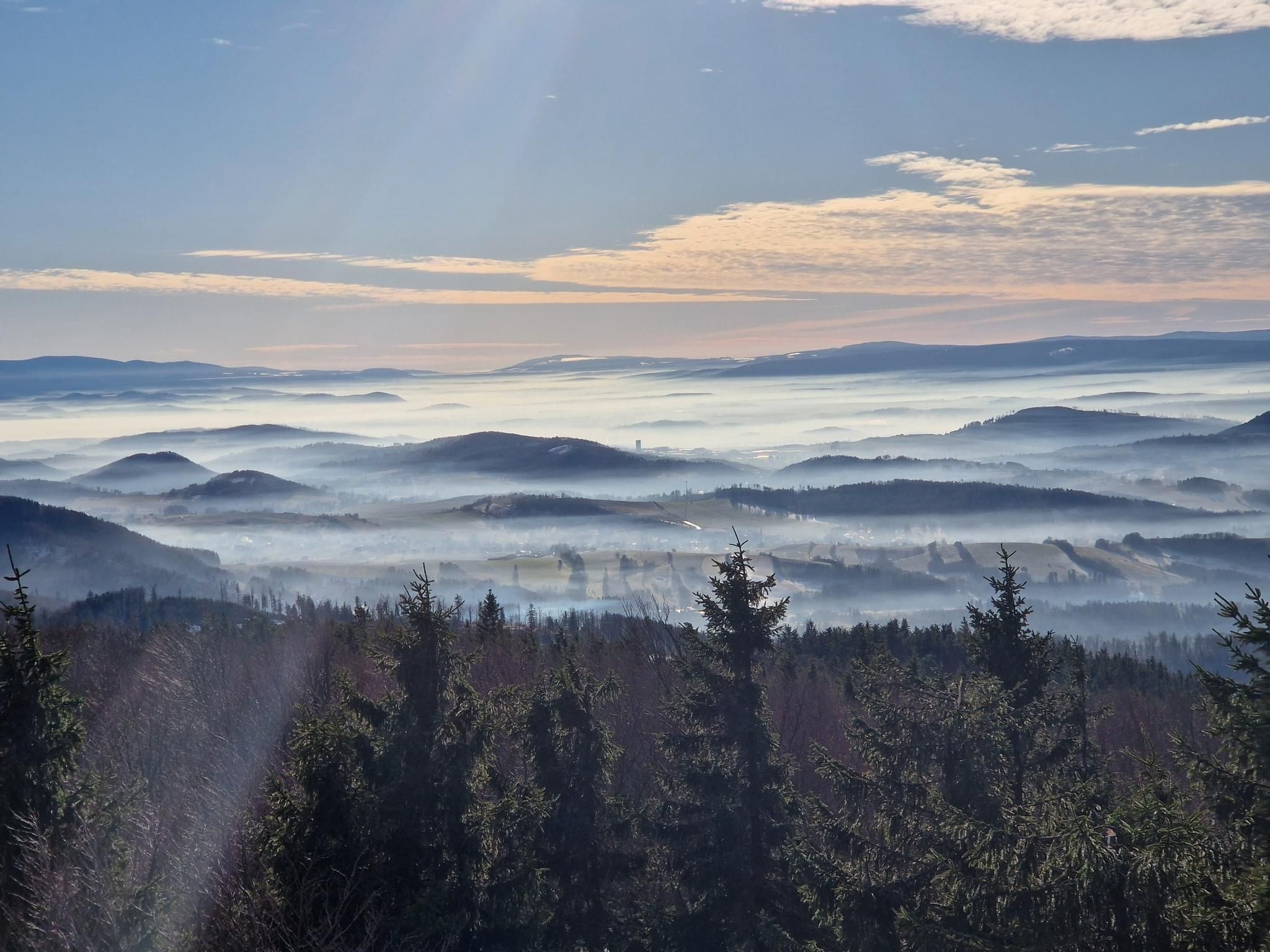
The Main Sudeten Route – a great Polish mountain adventure
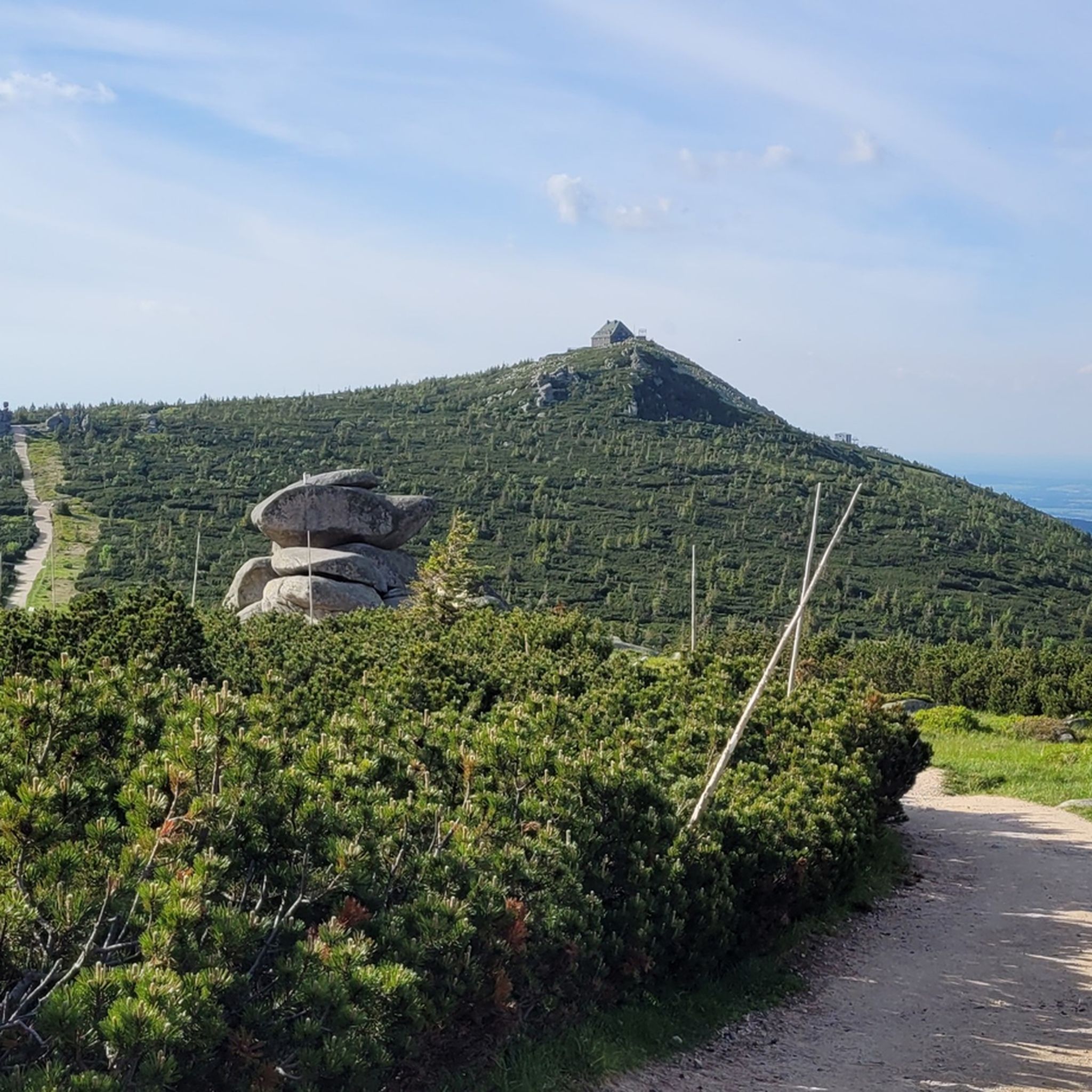
Hiking around Karkonoski Park Narodowy
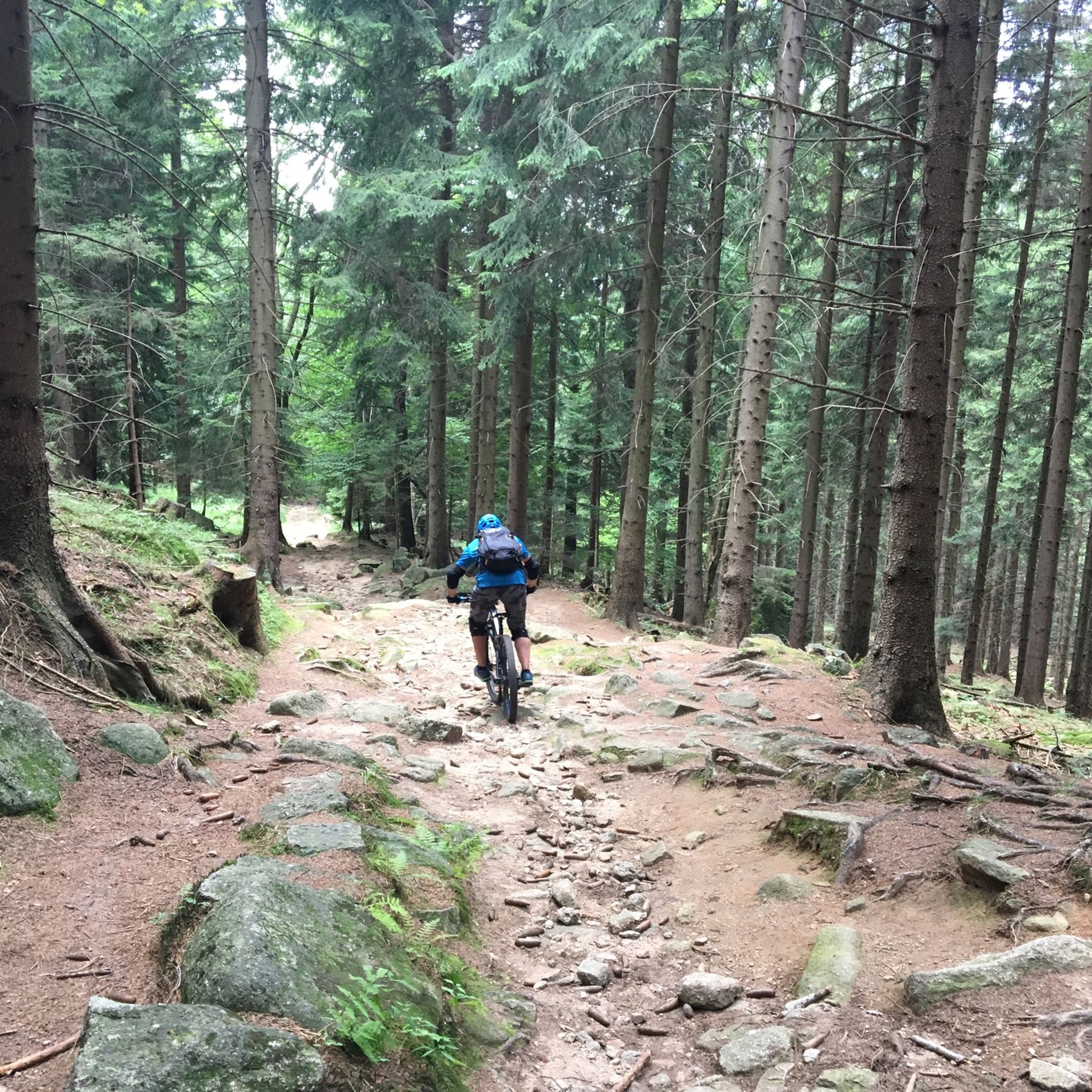
MTB Trails around Karkonoski Park Narodowy
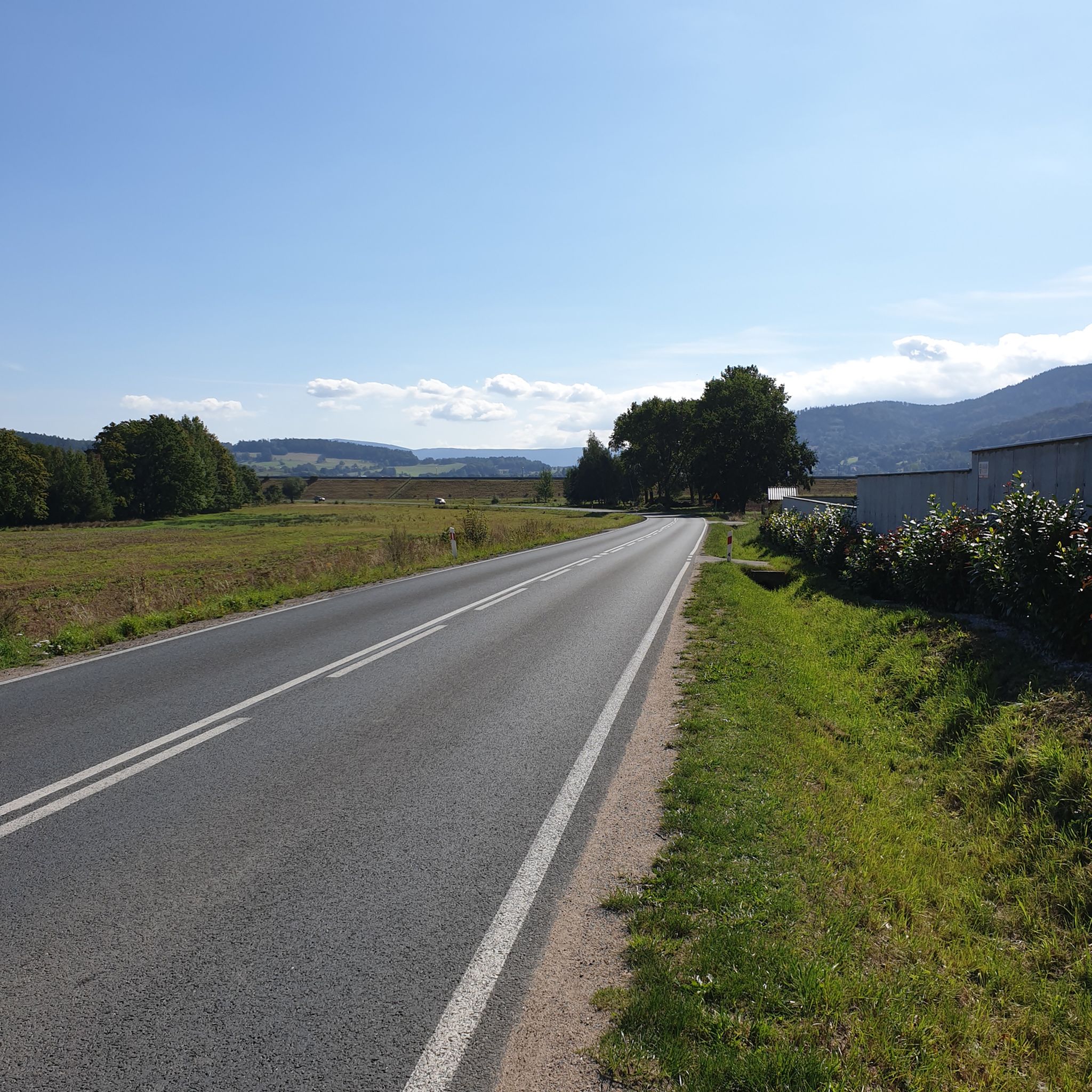
Road Cycling Routes around Karkonoski Park Narodowy

Mountain Hikes around Karkonoski Park Narodowy
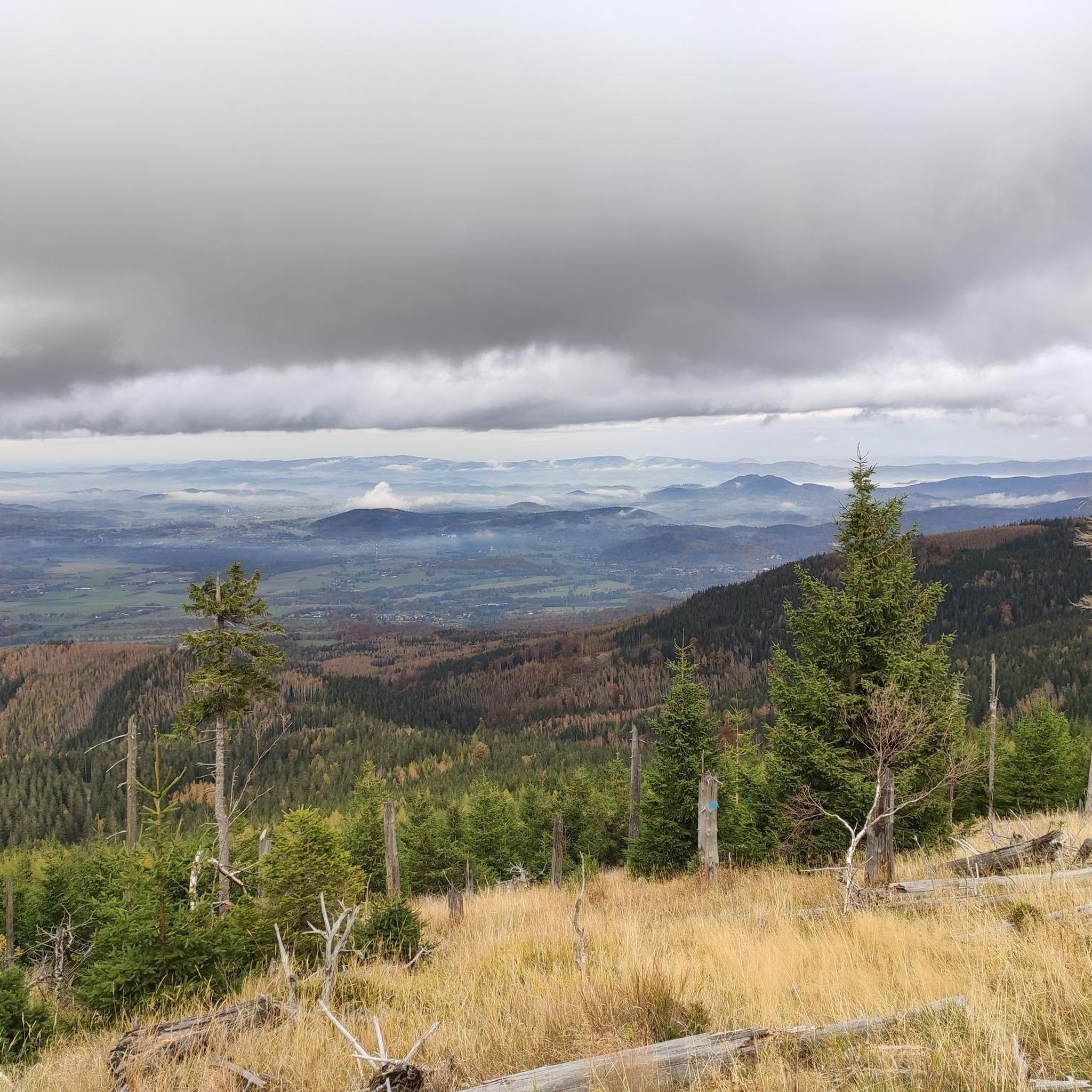
Running Trails around Karkonoski Park Narodowy
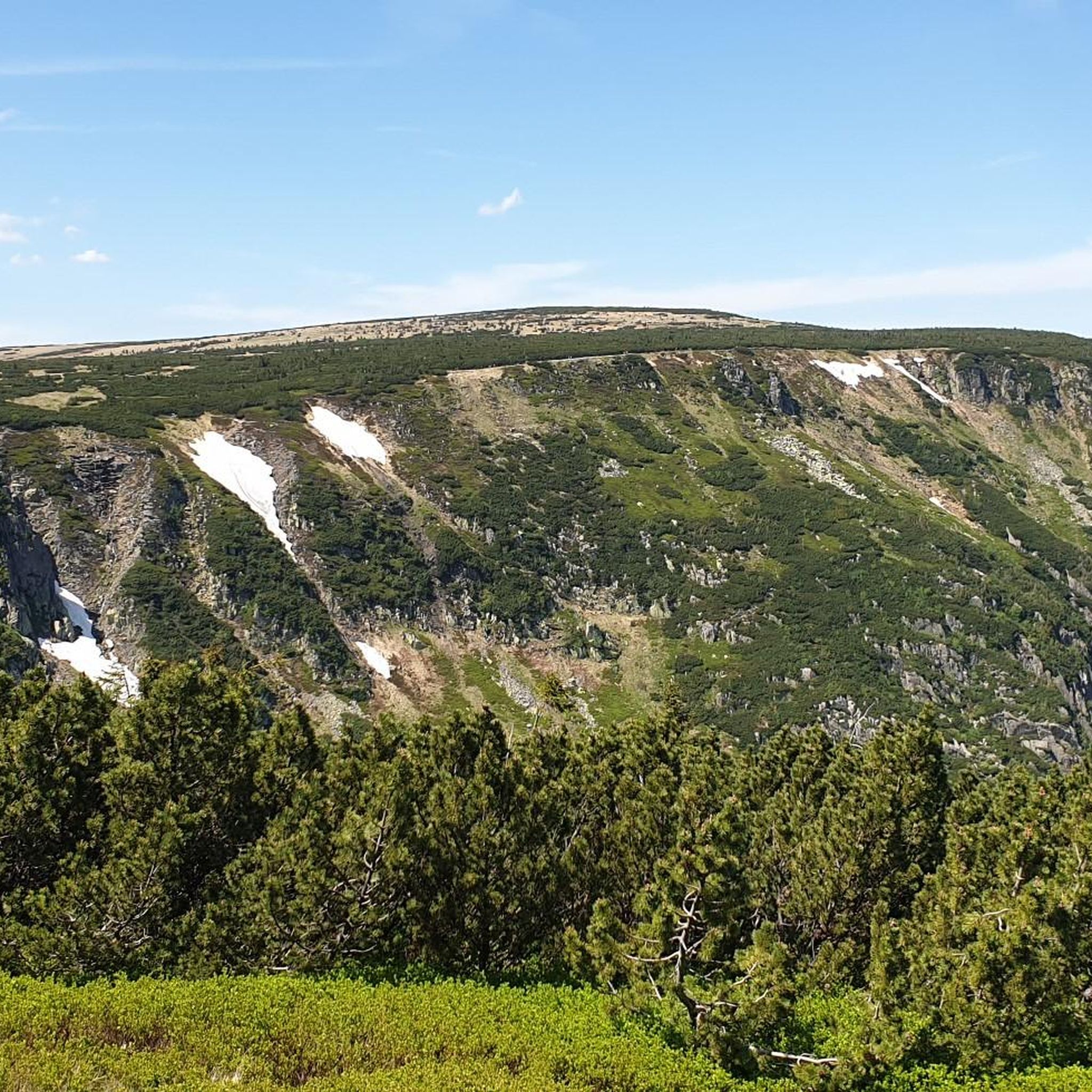
Cycling around Karkonoski Park Narodowy

Gravel biking around Karkonoski Park Narodowy
Other adventures around Karkonoski Park Narodowy

Tips from the Community

If you go to Sněžka in the summer, wear autumn clothes. If you go to Sněžka in the autumn, wear winter clothes. If you go to Sněžka in the winter, wear clothes that you would also wear in the Arctic! And if you go to Sněžka in the spring, wear clothes for all four seasons. 🌦️😅
6
0

Against the impressive mountain backdrop of the Giant Mountains, an architectural jewel stands out here that is no less impressive: an original Norwegian stave church has stood here for more than 180 years, although its origins are much older. The local community put the building up for sale to build a new one, but it was acquired under Prussian rule and found a second "life" here.
4
0

The church itself is very beautiful. Interesting history and architecture. Directly behind the church is the entrance to the Giant Mountains National Park with the ascent to Snezka. However, the interior of the church is not recommended with small children, very tiring due to the large number of people.
4
0

The most beautiful place in this part of the Karkonosze Mountains. Easy access from Karpacz. In the season there are a lot of people...
2
0

The famous Wang Stave Church in Karpacz is definitely worth a visit. The architecture and history of this church are very interesting. That is why this gem is always well visited.
5
0

The 13 Zt entrance fee for adults is definitely worth it for the amazing interior. In addition to a German text as a leaflet to explain things, we also had a personal explanation of the details on the portals etc. Don't be put off by the larger groups. There are time slots in between for individual visitors etc. Be sure to take a look at the cloister on the inner church walls!
5
0

Beautiful church with an interesting history. Great photo opportunity with the Sněžka in the background. You only pay admission if you want to see the inside of the church.
6
0
One of the most beautiful buildings in the Giant Mountains, great location, good food. But overcrowded on the weekend.
6
0
Frequently Asked Questions
What natural features can I explore in Karkonoski Park Narodowy?
Karkonoski Park Narodowy is rich in natural beauty. You can visit Śnieżka (Schneekoppe) Summit, the highest peak offering panoramic views. Don't miss the impressive Kamieńczyk Waterfall, the highest in the Polish Sudetes, or the beautiful Szklarka Waterfall. The glacial lakes, such as Mały Staw (Little Pond) and Wielki Staw, are also popular spots, often featuring picturesque mountain shelters like Samotnia.
Are there any historical or cultural sites worth visiting in the region?
Yes, the area boasts several significant historical and cultural sites. The Wang Church in Karpacz is a unique 12th-century wooden stave church originally from Norway. You can also explore Chojnik Castle, a 14th-century fortress offering historical insights and panoramic views. The Karkonosze Museum in Jelenia Góra provides a deeper look into the region's heritage.
What are some unique natural formations in Karkonoski Park Narodowy?
Beyond the peaks and waterfalls, the park features unique post-glacial formations. The Snowy Cauldrons (Śnieżne Kotły) are dramatic glacial cirques with stunning views. You can also observe the distinctive Pilgrims Rocks and the picturesque Łomniczka River Valley, which features a series of cascades.
Are there family-friendly attractions around Karkonoski Park Narodowy?
Many attractions are suitable for families. The Wang Church is easily accessible, and both Kamieńczyk Waterfall and Szklarka Waterfall have paths that are generally manageable for families. The Nature and Education Center in Karkonosze National Park offers engaging multimedia exhibitions for all ages.
What kind of wildlife and plant life can I expect to see in the park?
Karkonoski Park Narodowy is a UNESCO Biosphere Reserve, home to diverse flora and fauna. You might encounter rare alpine and Arctic vegetation, various mammals, and birds. Mouflons, an introduced species, can also be spotted. The glacial lakes, like Mały Staw, are surrounded by rich plant life, which can be explored via nature paths.
When is the best time to visit Karkonoski Park Narodowy?
The park is beautiful year-round, but the best time depends on your preferred activities. Summer (June-August) is ideal for hiking and enjoying the full network of trails. Spring and autumn offer vibrant colors and fewer crowds. Winter transforms the landscape into a snowy wonderland, suitable for skiing and winter hiking, though some areas may be less accessible.
Where can I find accommodation or mountain shelters within the park?
Within the park, you can find picturesque mountain shelters that offer a cozy retreat and serve as starting points for hikes. A notable example is the Samotnia Mountain Hut, located by Mały Staw. Nearby towns like Karpacz and Szklarska Poręba also offer a wide range of accommodation options, from hotels to guesthouses.
Are there any entry fees or regulations for Karkonoski Park Narodowy?
Yes, Karkonoski Park Narodowy has entry fees and specific regulations to protect its natural environment. It's advisable to check the official park website for the most current information on fees, opening hours, and rules regarding hiking, dogs, and other activities. You can find more details at kpn.gov.pl.
What hiking opportunities are available in Karkonoski Park Narodowy?
The park offers 112 km of well-developed hiking trails, including 9 nature educational trails. A famous route is the green mountain trail "Ścieżka nad reglami," which spans almost 30 km. For easier options, you can explore routes like the "Szklarka Waterfall – Karkonosze National Park loop" or the "View of Chojnik Castle – Chojnik Castle loop." You can find more hiking routes in the Easy hikes around Karkonoski Park Narodowy guide.
Are there cycling routes suitable for gravel or road biking near the attractions?
Yes, the region around Karkonoski Park Narodowy offers various cycling paths. For road cycling, you can find routes like the "Karpacz loop - Okraj Pass" or the "Waterfall Near Borowice loop from Karpacz." Gravel biking enthusiasts can explore routes such as the "Hala Izerska – Izerska Meadow loop from Jelenia Góra Sobieszów." More details are available in the Road Cycling Routes around Karkonoski Park Narodowy and Gravel biking around Karkonoski Park Narodowy guides.
What do visitors particularly enjoy about the attractions in Karkonoski Park Narodowy?
Visitors frequently praise the breathtaking views, especially from Śnieżka (Schneekoppe) Summit and the Snowy Cauldrons. The unique architecture of the Wang Church is also a highlight. Many appreciate the well-maintained trails and the opportunity to experience the natural beauty and tranquility of the glacial lakes like Mały Staw, often noting the picturesque mountain huts and good food available.
How can I get to Karkonoski Park Narodowy using public transport?
Public transport options are available to reach the vicinity of Karkonoski Park Narodowy. Buses connect major towns like Jelenia Góra, Karpacz, and Szklarska Poręba, which serve as gateways to the park. From these towns, local buses or taxis can often take you closer to specific trailheads or attractions. It's recommended to check local bus schedules in advance for the most convenient routes.
Most popular routes around Karkonoski Park Narodowy
Most popular attractions around Karkonoski Park Narodowy

Get inspired with the komoot mobile app


Explore more
Still not found the Highlight you’re looking for? See guides of the top attractions in other regions:
