Top 6 Castles around Parque Natural do Sudoeste Alentejano e Costa Vicentina
Best castles around Parque Natural do Sudoeste Alentejano e Costa Vicentina are situated in a region known for its rugged cliffs, pristine beaches, and significant historical fortifications. This area, encompassing the southwesternmost tip of mainland Europe, offers insights into Portugal's past and its role in maritime exploration. The natural landscape provides dramatic backdrops for these historical sites, many of which were strategically built to guard the coast. Visitors can explore a variety of fortifications that blend historical importance with scenic…
Last updated: October 17, 2026
Sagres Fortress
Highlight • Historical Site
Tip by

Aljezur Castle and the Old Town
Highlight • Castle
Translated by Google •
Tip by

Sign up now to discover places like this
Get recommendations on the best single tracks, peaks, & plenty of other exciting outdoor places.
Fort of Pessegueiro
Highlight • Historical Site
Translated by Google •
Tip by

Almádena Fort
Highlight • Historical Site
Translated by Google •
Tip by
Fort of Santo António de Belixe
Highlight • Castle
Translated by Google •
Tip by

Sign up for free to discover even more castles around Parque Natural do Sudoeste Alentejano e Costa Vicentina.
Already have an account?
Start today with a free account
Your next adventure awaits.
Popular around Parque Natural do Sudoeste Alentejano e Costa Vicentina
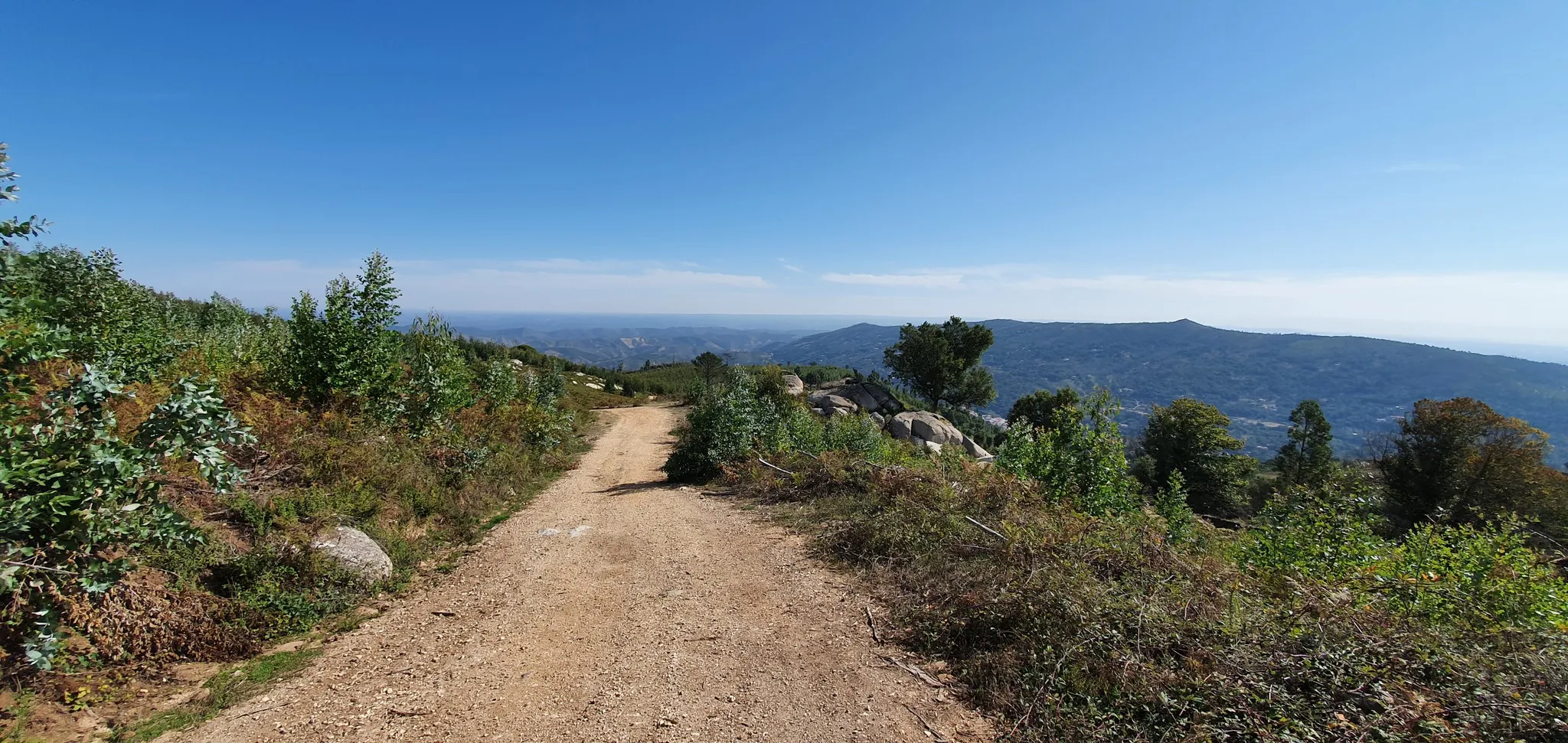
Via Algarviana (GR 13) - hidden corners of the south
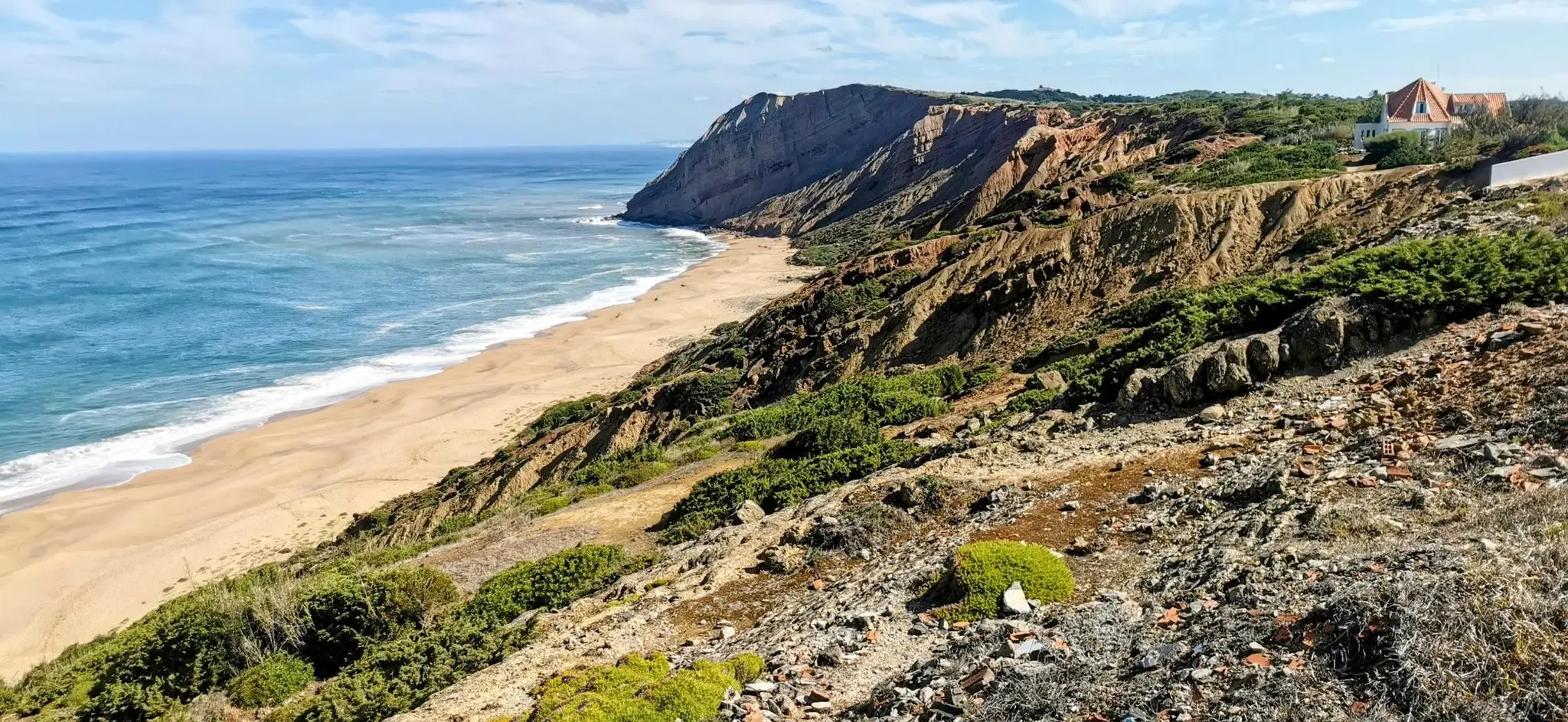
EuroVelo 1 Portugal – Cycle the Atlantic Coast
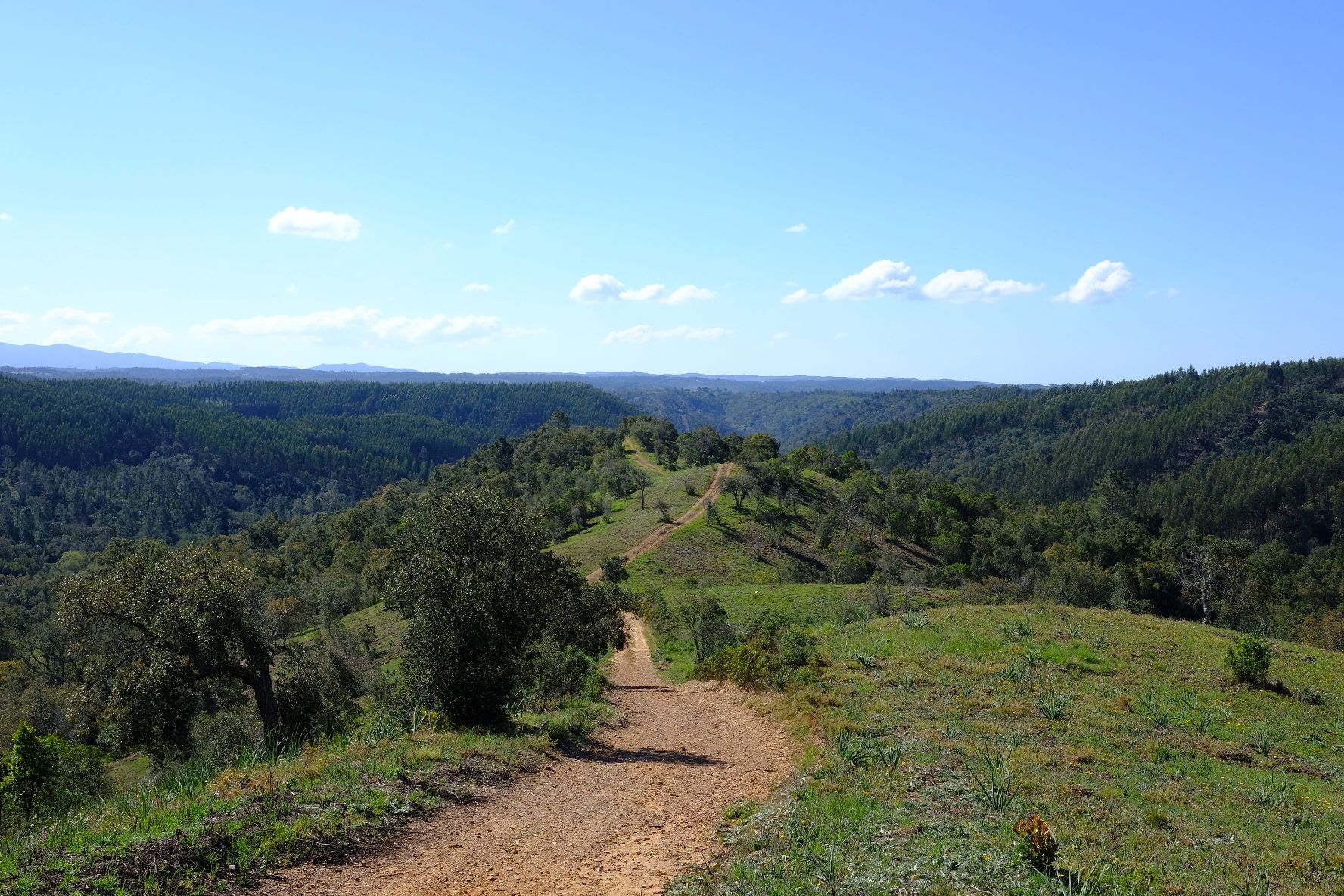
Caminho Histórico – Discover Portugal's beauty and history
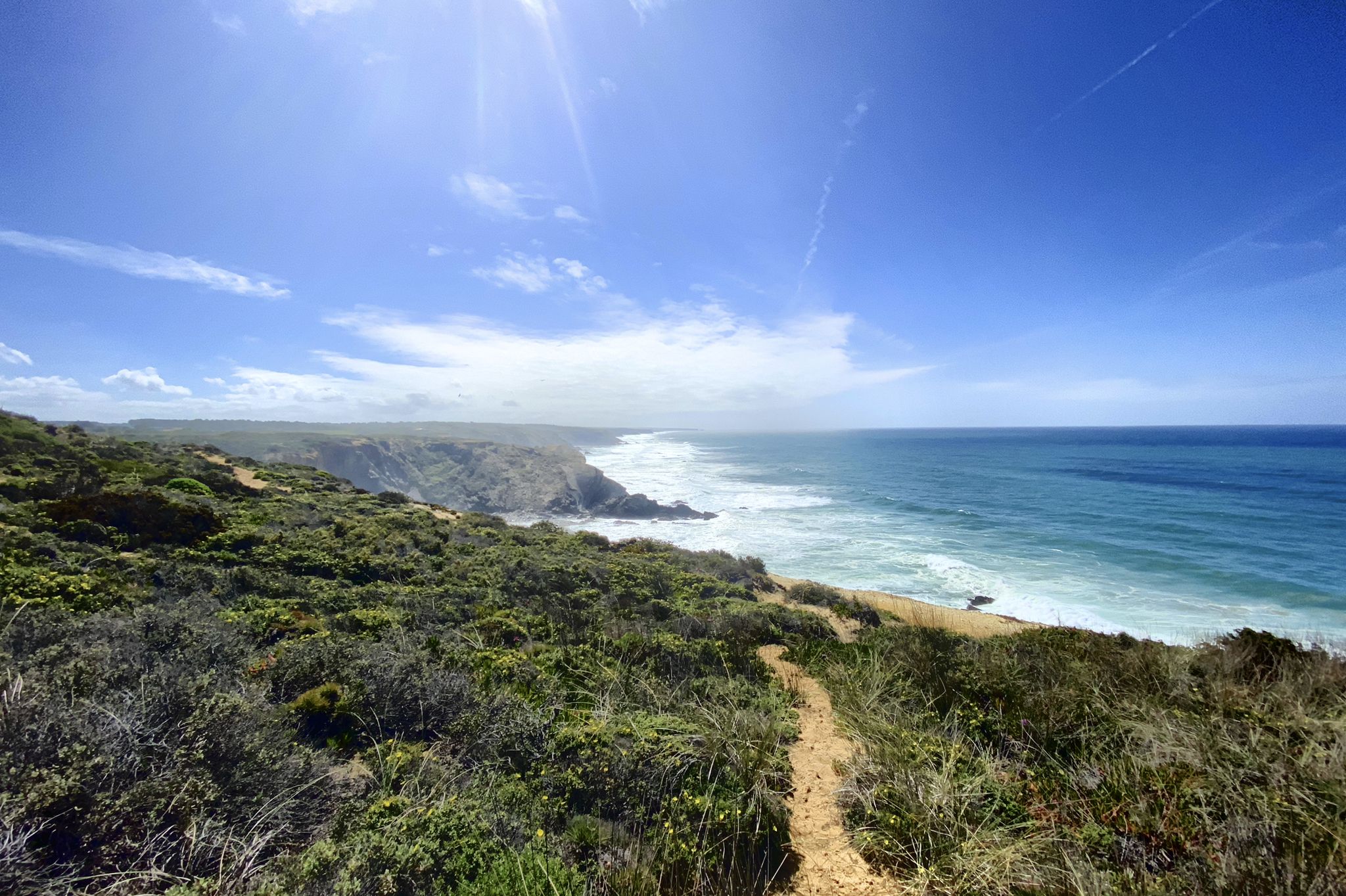
Trilho dos Pescadores – Portugal's Fishermen's Trail
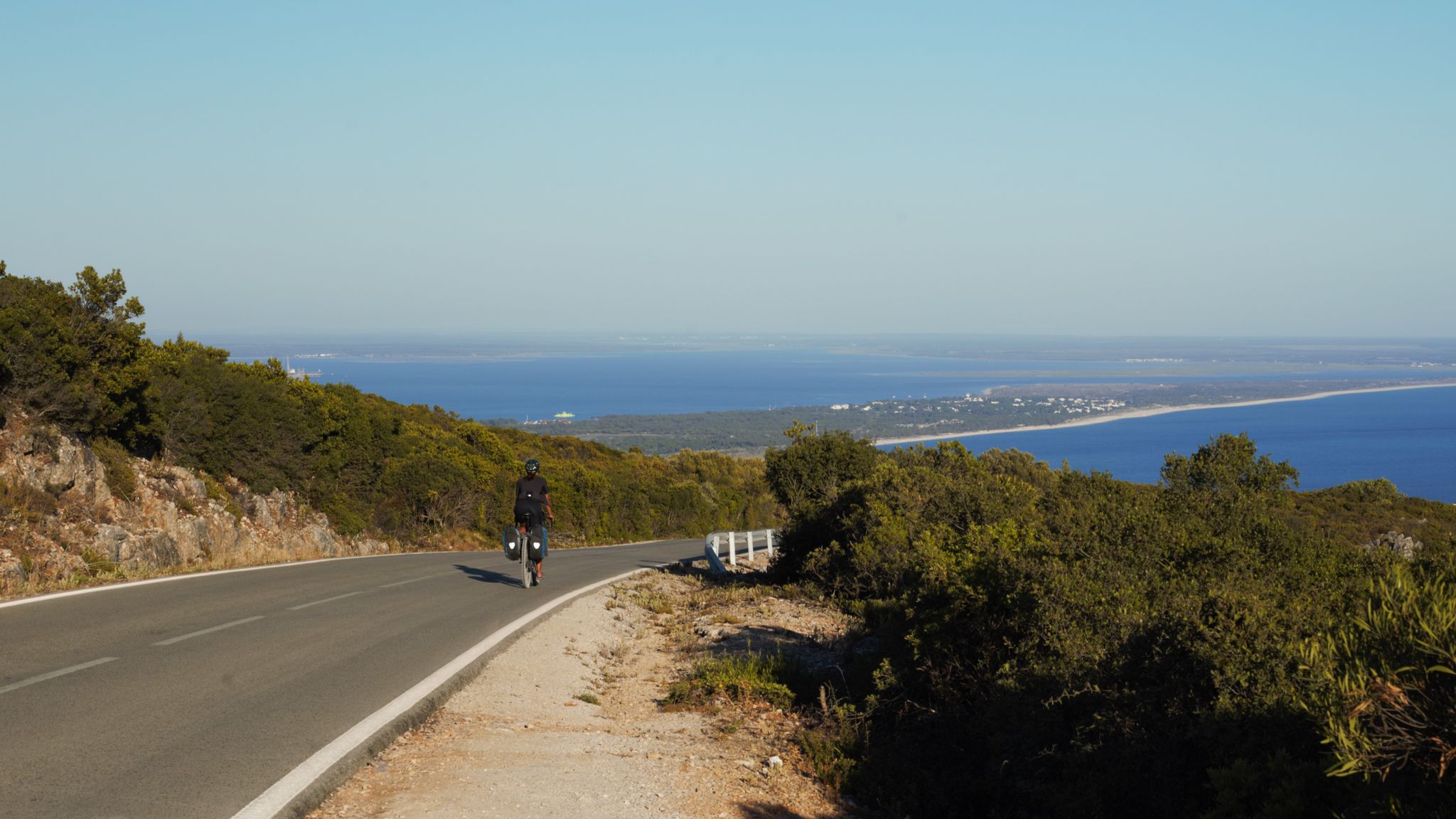
The breaking waves – cycle along the Atlantic coast of Portugal
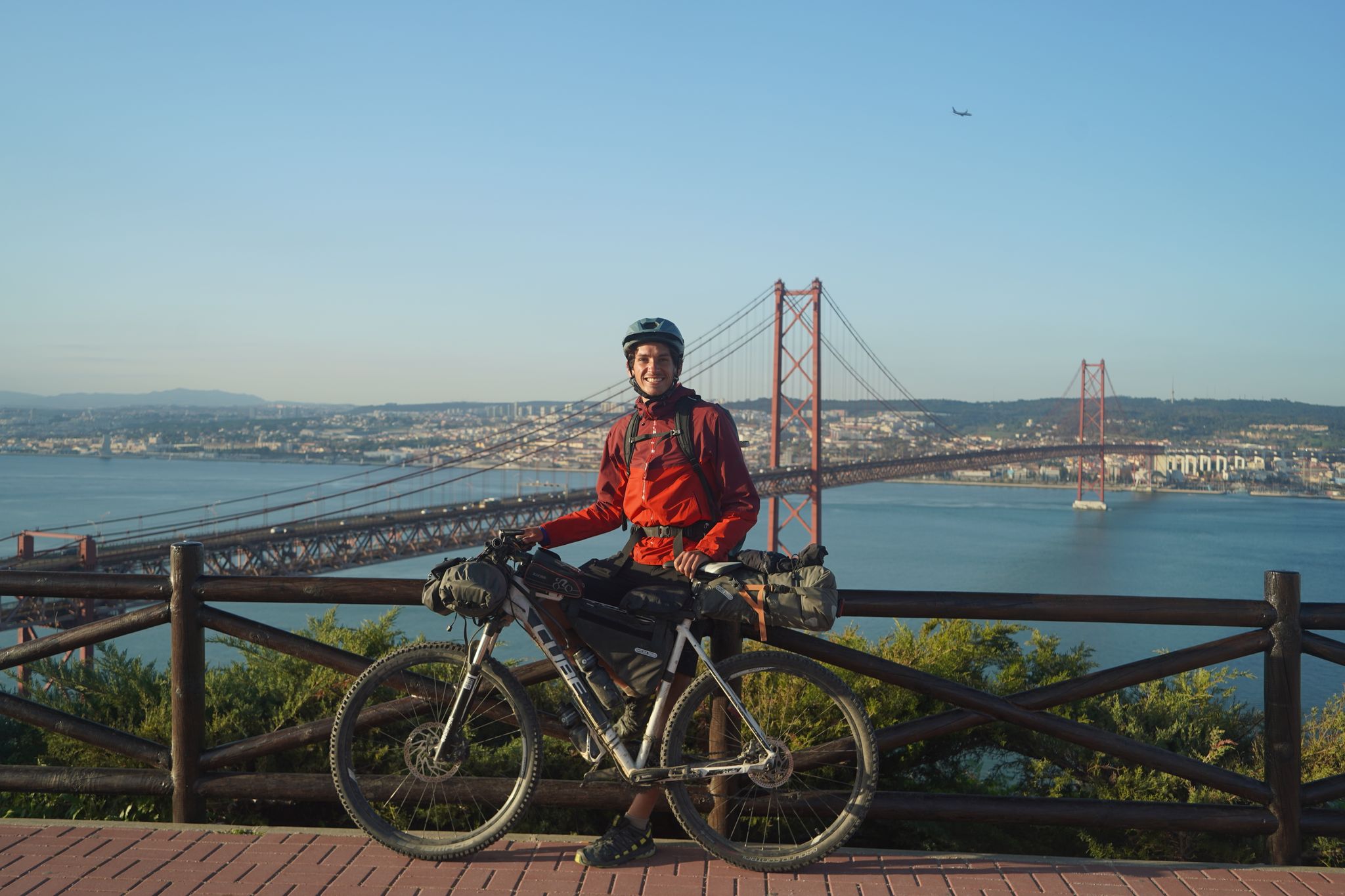
Road to Lisbon – bikepacking the Alps, Pyrenees and Picos de Europa
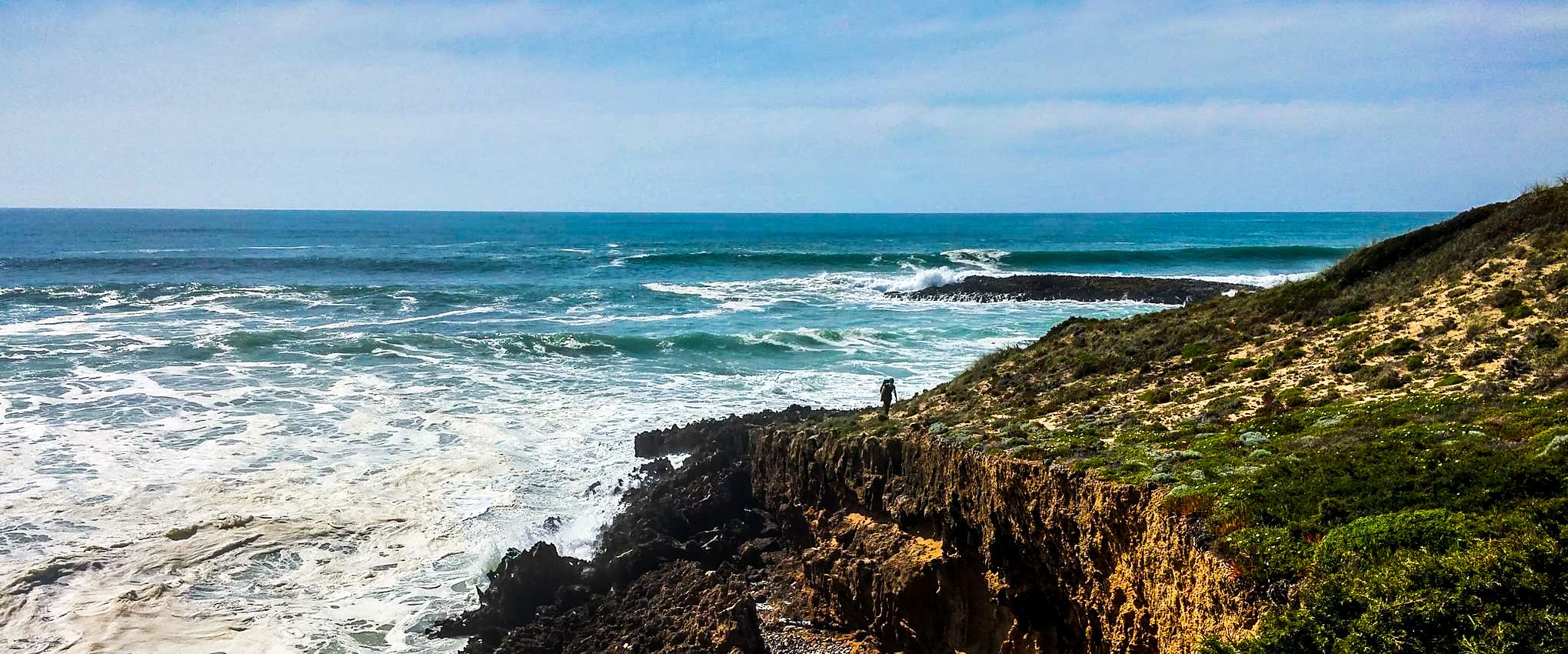
Fishermen's Trail – Discover Portugal's Atlantic Coast
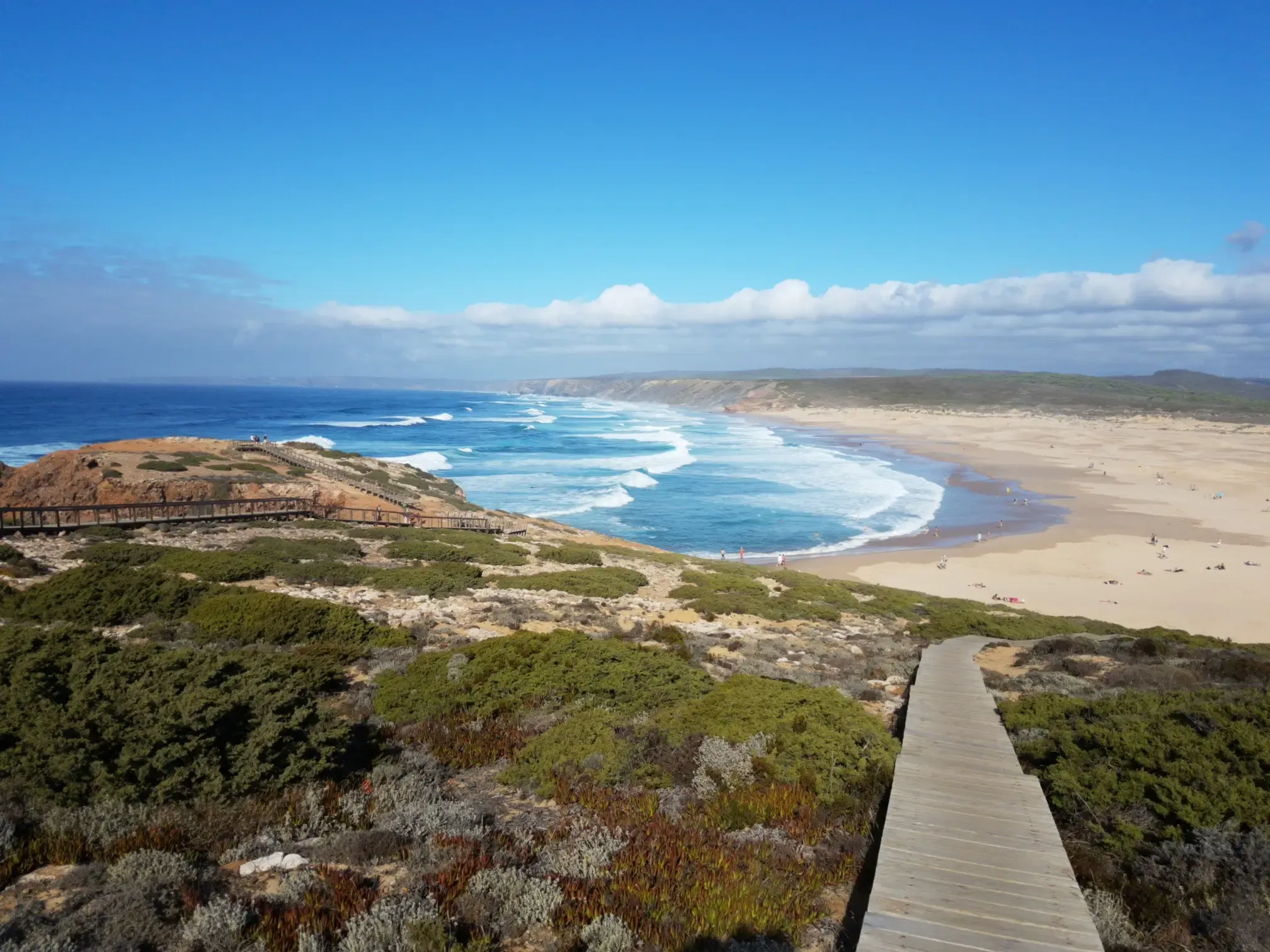
Lisbon to Santo António – The Atlantic Coast of Portugal (south)
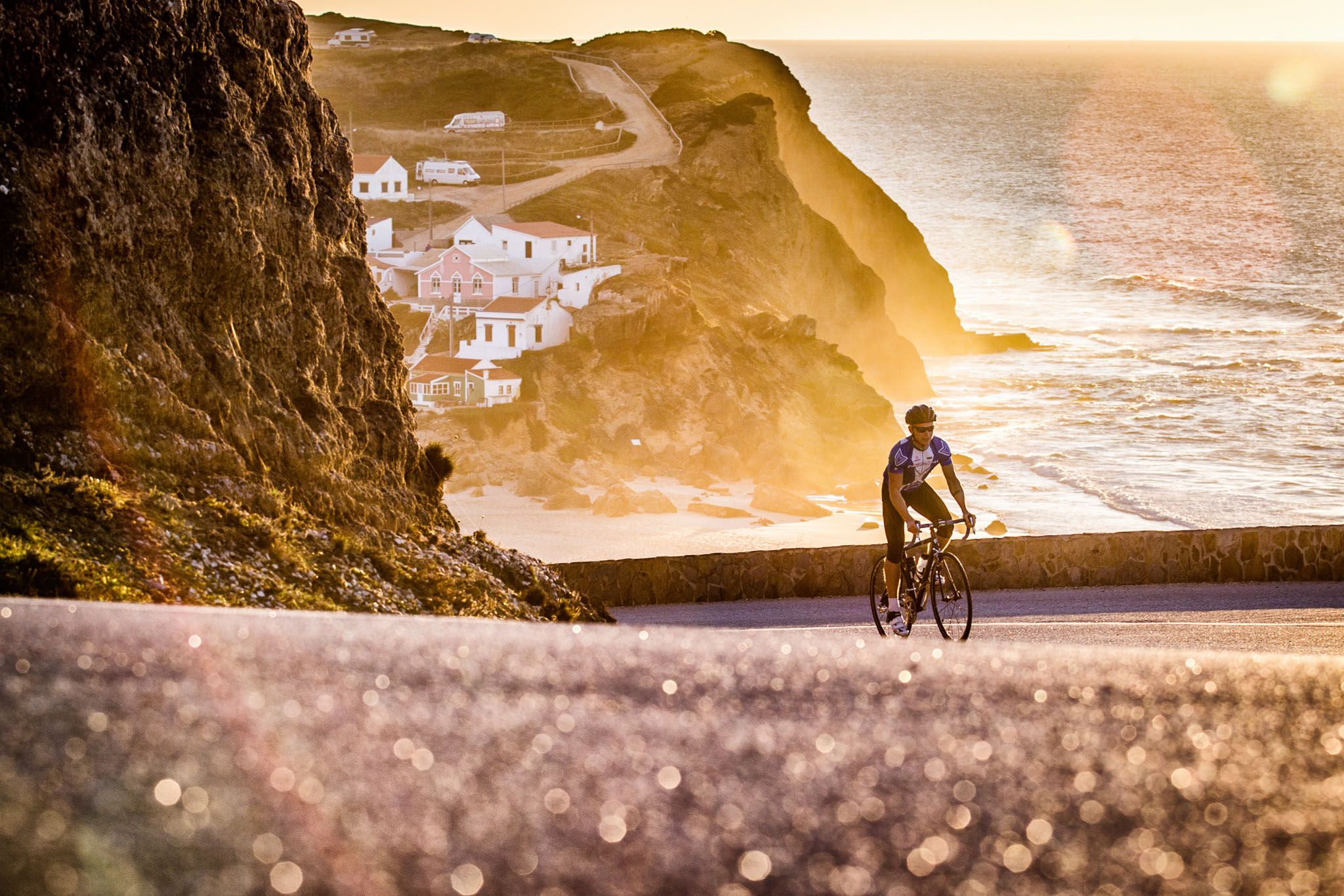
Sun, cliffs and endless roads in the Algarve
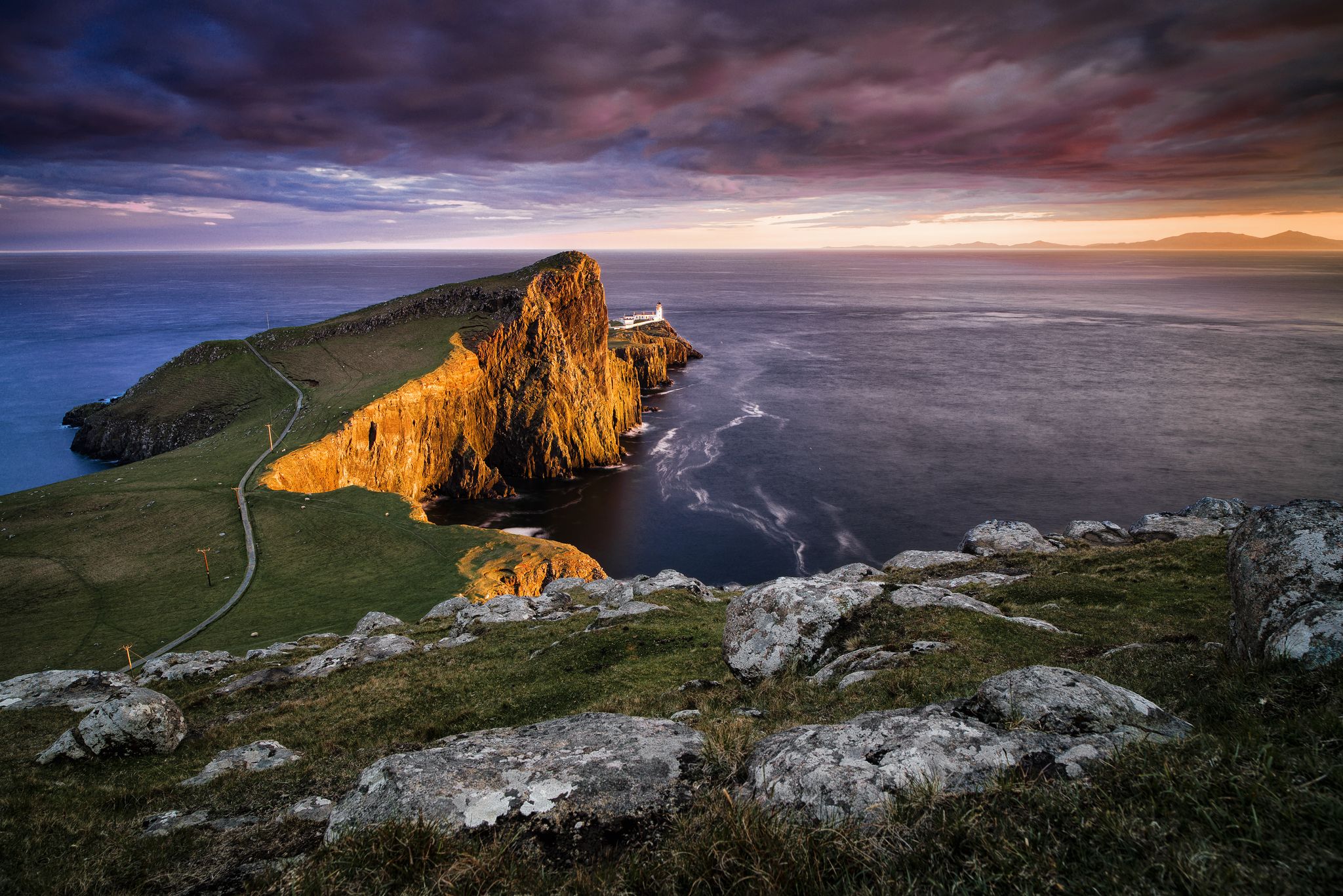
Epic sunset spots in Western Europe
Other adventures around Parque Natural do Sudoeste Alentejano e Costa Vicentina


Tips from the Community

Beliche cove marks the meeting point between southern and western Portugal, a setting where the sea and cliffs seem to clash. High above stands the Fort of Santo António de Belixe, a guardian of centuries and storms. Built before the 16th century, it survived attacks, reconstructions, and the 1755 earthquake, later being reborn as an inn. Nearby, the chapel of Santa Catarina, commissioned by Prince Henry the Navigator, serenely watches over the abyss. The views? Breathtaking: the Atlantic and the cliffs merge in a spectacle of pure grandeur.
4
0

Fortaleza de Sagres is a 15th-century fortress located on a cliff at the southwestern tip of Portugal, near Sagres. It was built by order of Prince Henry the Navigator and played a key role in the Portuguese voyages of discovery. The fortress offers impressive views of the Atlantic Ocean and includes an old compass and a small chapel.
3
0
Aljezur Castle (Castelo de Aljezur) is a medieval ruin located on a hill above the old town of Aljezur in the Algarve, Portugal. It was originally built by the Moors in the 10th century and later conquered by the Christians in 1249. Today, you can see the remains of walls, towers, and a cistern, with stunning views over the valley and coast.
3
0

The view of the surrounding area is absolutely unique!
2
0
Also known as the Fortaleza de Beliche, this historic fortress is located on the high cliffs of Cabo de São Vicente, near Sagres, in the Algarve, Portugal. It stands approximately 86 meters above sea level and was built to protect the bay of Beliche from pirates and corsairs.
4
0

During the summer months, it's possible to visit the island. Unfortunately, access to the Fort of Nossa Senhora da Queimada is not possible. There's a sign in front of the fortress stating its opening hours.
2
0

The fortress withstood the earthquake of 1755, but was abandoned when piracy ceased to threaten the coast.
0
0

The Fort of Santo Alberto do Pessegueiro, also known as the Fort of Pessegueiro Island or the Fort of Ilha de Fora, is located on the Alentejo coast, on the island of Pessegueiro, in the parish of Porto Covo, municipality of Sines, district of Setúbal, in Portugal. It crossed fires, on the mainland, with another maritime fort: the Fort of Nossa Senhora da Queimada do Pessegueiro, also known as the Fort of Praia do Pessegueiro or the Fort of Ilha de Dentro, in a dominant position over Pessegueiro beach. Both were part of a larger project to defend the Costa Vicentina, which included an artificial port sheltered by a stone breakwater that would connect the island of Pessegueiro to the bordering islet of Penedo do Cavalo and this islet to the mainland. They are currently located in the area of the Southwest Alentejo and Costa Vicentina Natural Park.
4
0
Frequently Asked Questions
What kind of historical sites can I explore in the Parque Natural do Sudoeste Alentejano e Costa Vicentina?
The region offers a rich tapestry of historical sites, primarily focusing on medieval castles and coastal fortresses. You can explore significant locations like the Sagres Fortress, a large walled promontory crucial to Portugal's Age of Discoveries, and the Aljezur Castle, a medieval ruin with roots stretching back to the 10th century. These sites provide insights into the region's defensive past and its strategic importance.
Are there family-friendly castles to visit in the area?
Yes, the Sagres Fortress is categorized as family-friendly. Its expansive grounds and dramatic coastal setting offer plenty of space for exploration, and the historical significance can be engaging for all ages. While other castles might be more ruinous, their open-air nature and scenic views can still be enjoyable for families.
What are the best castles for panoramic views?
For breathtaking panoramic views, both the Sagres Fortress and Aljezur Castle are excellent choices. Sagres offers unparalleled vistas of the Atlantic Ocean and the rugged coastline from the southwesternmost tip of Europe. Aljezur Castle, perched atop a hill, provides sweeping views of the town, the Aljezur River, the surrounding countryside, and even the distant Atlantic Ocean and Amoreira Beach.
How long should I plan for a visit to these castles?
For sites like Aljezur Castle, visitors often spend about an hour exploring the ruins and enjoying the views. The Sagres Fortress, being a larger walled promontory with an exhibition center and coastal walks, might take 2-3 hours to fully appreciate. Other smaller forts, like Almádena Fort, can be explored in less than an hour.
What outdoor activities can I do near the castles?
The region is excellent for outdoor activities. You can find numerous cycling and gravel biking routes, such as the 'Milfontes – Costa Vicentina Natural Park' for gravel biking or the 'Cape St. Vincent – Cabo de São Vicente Lighthouse loop' for cycling. There are also running trails like 'From Sagres to Cabo de São Vicente'. For more details on routes, check out the Gravel biking, Cycling, and Running Trails guides for the area.
What is the best time of year to visit the castles in this region?
The Parque Natural do Sudoeste Alentejano e Costa Vicentina generally enjoys mild weather. Spring and autumn offer pleasant temperatures for exploring, avoiding the peak summer heat and crowds. Winter visits are also possible, as the climate remains relatively mild, though some facilities might have reduced hours.
Are there any less-known or 'hidden gem' castles worth visiting?
While Sagres Fortress and Aljezur Castle are well-known, the Almádena Fort offers a more ruinous, yet historically significant, experience. Built in the 16th century to protect fishermen from pirates, it provides lovely views of the coast between Salema and Burgau and a glimpse into local maritime defense without the larger crowds.
What do visitors enjoy most about the castles in the Parque Natural do Sudoeste Alentejano e Costa Vicentina?
Visitors frequently highlight the stunning panoramic views, especially from sites like Sagres Fortress and Aljezur Castle. The historical significance, particularly the connection to Portugal's Age of Discoveries and the medieval Moorish past, is also a major draw. Many appreciate the opportunity to walk around the coastal cliffs and explore the unique blend of history and dramatic natural landscapes.
Is there parking available at these historical sites?
Parking is generally available near the main historical sites. For Sagres Fortress, there is usually designated parking. For Aljezur Castle, you can often find parking in the town below and walk up, or sometimes closer to the castle itself, depending on the season and local regulations.
Can I visit these castles using public transport?
While public transport options exist in the region, direct access to all castle sites can be limited. Major towns like Sagres and Aljezur are served by buses, but reaching the specific castle entrances might require a short walk or a taxi. It's advisable to check local bus schedules and routes in advance for the most up-to-date information.
Are there any castles that are particularly accessible for those with mobility challenges?
Due to their historical nature and often hilltop or cliffside locations, many of the castles and forts in the region may present challenges for visitors with limited mobility. Sagres Fortress, being a large promontory with relatively flat areas once inside, might be more accessible than hilltop ruins like Aljezur Castle, which involves steep climbs.
What is the historical significance of the <a href="https://www.komoot.com/highlight/1123694" target="_blank" rel="noopener">Sagres Fortress</a>?
The Sagres Fortress holds immense historical significance as it was commissioned by Prince Henry the Navigator in the 15th century. It played a pivotal role in Portugal's Age of Discoveries, serving as a strategic stronghold for maritime exploration and a place where voyages were planned. It's considered a symbol of the expansion of European culture, science, and commerce.
What makes <a href="https://www.komoot.com/highlight/1005774" target="_blank" rel="noopener">Aljezur Castle</a> unique?
Aljezur Castle is unique for its deep historical roots, dating back to the 10th century with evidence of even older occupations. It was a crucial part of the Islamic defensive line and was the last Islamic castle in the Algarve to be conquered by Christian forces in 1249. Despite being largely in ruins, its strategic hilltop position offers a tangible connection to centuries of history and stunning views.
Most popular routes around Parque Natural do Sudoeste Alentejano e Costa Vicentina
Most popular attractions around Parque Natural do Sudoeste Alentejano e Costa Vicentina

Get inspired with the komoot mobile app


Explore more
Looking for the best castles somewhere else? Discover other guides around Parque Natural do Sudoeste Alentejano e Costa Vicentina:
