The best walks and hikes in Oregon
4.6
(1941)
32,978
hikers
2,431
hikes
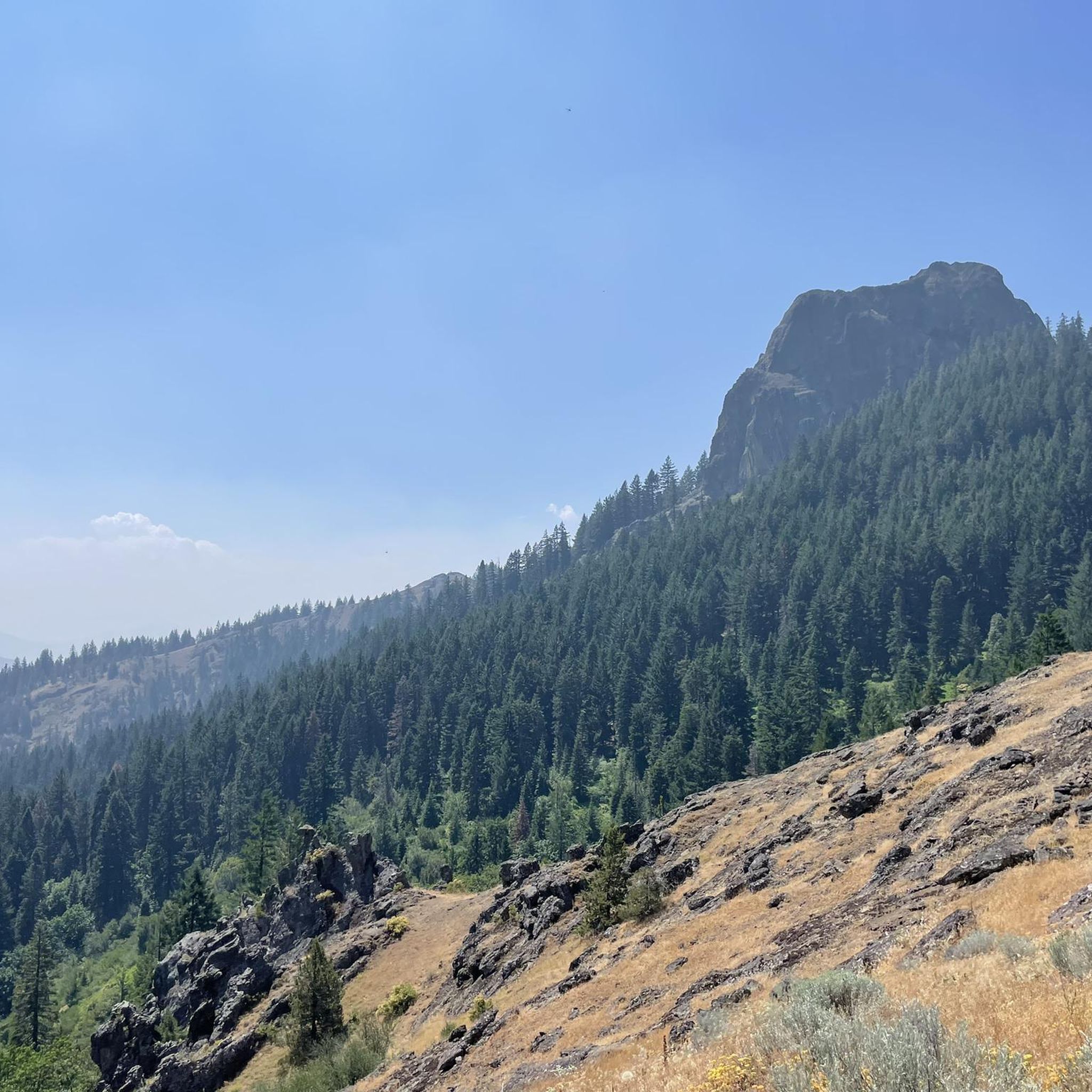
Hiking in Oregon offers access to a diverse range of landscapes, from the Pacific coastline to the Cascade Mountain Range. The state is divided by the mountains, creating lush, forested regions with numerous waterfalls in the west and arid, high desert terrain in the east. This geographical variety provides a wide array of oregon hiking trails across different environments, including volcanic peaks and river canyons.
Best hiking trails in Oregon
- The most popular hiking route is Upper North Falls — Silver Falls State Park, a 7.4 mile (11.9 km) trail that takes about 3 hours 20 minutes to complete. This route is known for its series of waterfalls within a dense forest setting.
- Another top favourite among local hiking enthusiasts is Misery Ridge Trail and River Trail loop — Smith Rock State Park, a moderate 3.9 mile (6.2 km) path. The trail features steep ascents to viewpoints overlooking the Crooked River and dramatic rock spires.
- Local hiking enthusiasts also love the Wahkeena Falls Trail to Fairy Falls and Multnomah Falls loop — Columbia River Gorge, a 5.1 mile (8.2 km) trail leading through the Columbia River Gorge, often completed in about 3 hours.
- Hiking in Oregon is defined by waterfall canyons, volcanic rock formations, and coastal forests. The trail network includes options for various ability levels, from easy family walks to more challenging hikes in the mountains.
- The routes in Oregon are highly rated by the komoot community with an average score of 4.7 stars from over 1,600 reviews. More than 28,000 hikers have used komoot to explore Oregon's varied terrain.
Last updated: September 27, 2026
4.6
(10)
155
hikers
18.7km
06:38
1,250m
740m
Prepare for a challenging hike on the Angel's Rest and Devil's Rest Loop Trail, a difficult route covering 11.6 miles (18.7 km) with a significant 4103 feet (1251 metres) of elevation gain. This loop typically requires about 6 hours and 37 minutes to complete. You'll traverse varied terrain, passing through areas of forest recovery and alongside several waterfalls, including Multnomah Falls. The ascent to Angel's Rest rewards you with wide-ranging 270-degree views of the Columbia River, Beacon Rock, and on clear days, even Mount St. Helens. It's a strenuous journey that offers a true test of endurance and provides memorable vistas.
Planning your visit requires some foresight, especially regarding parking. The trailhead is popular, particularly on weekends, so arrive early to secure a spot. Be ready for diverse conditions on the trail; you might encounter muddy sections, slush, or even compacted snow at higher elevations depending on the season. Always check current trail conditions before you head out to ensure a safe and enjoyable experience.
This trail is notable for its location within the Columbia River Gorge National Scenic Area, showcasing both natural beauty and the resilience of nature after wildfires. The route offers a unique perspective on the gorge's dramatic landscape and its ongoing ecological recovery. It provides a comprehensive experience of the region's diverse ecosystems and geological features, making it a standout option for those seeking a demanding yet rewarding outdoor adventure.
4.9
(54)
796
hikers
6.23km
02:02
260m
260m
Embark on the Misery Ridge and River Trail Loop, a moderate 3.9-mile (6.2 km) hike that takes about 2 hours and 2 minutes to complete. You will gain 850 feet (259 metres) in elevation, starting with a challenging ascent up Misery Ridge. From the top, you'll be rewarded with expansive views of the high desert and the winding Crooked River below, before descending to walk alongside the water. Keep an eye out for the distinctive Monkey Face Rock, a popular spot for climbers.
This loop is a very popular choice within Smith Rock State Park, so expect crowds, especially during peak times. If you prefer a quieter experience, consider starting early in the morning. The climb up Misery Ridge is steep and rugged, so bringing trekking poles can provide extra stability. While the River Trail section is much flatter, be prepared for a demanding workout on the initial ascent.
The Misery Ridge and River Trail Loop offers a fantastic way to experience the unique geology of Smith Rock State Park. The trail showcases the dramatic cliffs and rock formations that define this high desert landscape. It's a prime example of why this park is renowned for both hiking and rock climbing, providing a dynamic outdoor adventure for visitors.

4.9
(77)
730
hikers
11.9km
03:19
230m
230m
Embark on the Trail of Ten Falls, a moderate 7.4-mile (11.9 km) hike through a dense, mossy rainforest. You'll gain 757 feet (231 metres) over approximately 3 hours and 19 minutes, encountering towering pine trees and cedar as you go. The highlight is undoubtedly the ten waterfalls, with the impressive 177-foot South Falls standing out. You can even walk behind several of these roaring cascades, offering a unique perspective on their power and the lush surroundings.
When planning your visit, be sure to wear appropriate footwear, as the trail can be wet and slippery, particularly behind the waterfalls. The waterfalls are at their most impressive during the rainy season, which runs from October to April, with spring offering spectacular views due to snowmelt. If you visit in winter, you might even see some of the falls frozen over, creating a different kind of natural spectacle. Consider starting early to avoid crowds, especially on weekends.
Located within Oregon's Silver Falls State Park, the Trail of Ten Falls is renowned for its unique opportunity to walk directly behind several of its cascades. This immersive experience allows you to feel the spray and hear the roar of the water up close, making it a truly memorable hike. The park itself is a significant natural area, preserving a rich ecosystem of old-growth forest and diverse wildlife, making it a standout destination in the region for nature lovers.
5.0
(5)
99
hikers
14.4km
05:47
950m
850m
Embark on the McNeil Point Trail for a challenging hiking experience that rewards you with spectacular vistas. This difficult 8.9-mile (14.4 km) route takes you through diverse terrain, starting with a forest climb before opening up to expansive meadows and rocky sections. You will gain 3115 feet (949 metres) in elevation, requiring about 5 hours and 46 minutes to complete. The highlight is undoubtedly the close-up views of Mount Hood, especially from the historic McNeil Point Rock Shelter. On clear days, you can also spot Mount Adams, Mount St. Helens, and Mount Rainier in the distance, surrounded by abundant wildflowers and the sound of tumbling brooks.
When planning your hike, be aware that the McNeil Point Trail is generally snow-free from mid-July through October. If you plan to go earlier in the season, particularly into June, be prepared for snow in the higher elevations; you might need snowshoes or other traction devices. Due to the demanding nature of the route, proper hiking boots are essential, and you should carry ample water and snacks. Always check current conditions before heading out to ensure a safe and enjoyable trip.
This trail is a prime example of the rugged beauty found within Mount Hood National Forest. It offers a unique perspective on the region's volcanic landscape, allowing you to witness the grandeur of multiple Cascade peaks. The journey itself, with its varied ecosystems from dense forest to alpine meadows, showcases the rich biodiversity of the area. It stands out as a significant challenge for hikers seeking both physical exertion and profound natural beauty.
4.8
(4)
106
hikers
15.8km
05:04
680m
690m
The Paradise Park Loop from Timberline Lodge offers a challenging yet incredibly rewarding hike on Mount Hood, renowned for its diverse terrain and stunning scenery. You'll traverse open spaces, dense forests, and dramatic canyons, including the significant Zig Zag Canyon, before reaching the vibrant wildflower meadows of Paradise Park. This alpine meadow provides outstanding, up-close views of Mount Hood, making the strenuous effort worthwhile.
This difficult 9.8-mile (15.8 km) loop involves a substantial 2229 feet (679 metres) of elevation gain, typically taking around 5 hours and 3 minutes to complete. The route starts at the historic Timberline Lodge, which also serves as a hub for amenities. Be aware that snow can persist on sections of the trail until late June or even mid-July, and the Zigzag River crossing can be challenging depending on water levels. For the best experience, aim for late July through early September to catch the peak wildflower season.
This trail is celebrated for its spectacular wildflower displays, particularly in Paradise Park, and offers panoramic views of Mount Hood and Mount Jefferson. It utilizes sections of the Pacific Crest Trail and the Timberline Trail, providing a classic Mount Hood experience. The route's significant elevation changes, including multiple descents into and climbs out of canyons, make it a true test of endurance for experienced hikers.
5.0
(3)
92
hikers
20.4km
06:23
790m
800m
Embark on the Paradise Park Loop from Timberline Lodge for an unforgettable journey through Mount Hood's diverse landscapes. This difficult 12.7-mile (20.4 km) hike features a substantial 2596 feet (791 metres) of elevation gain, leading you through lush forests, across the dramatic Zigzag Canyon, and into the famed Paradise Park. Here, you'll be treated to continuous, outstanding views of Mount Hood and, in summer, vibrant wildflower meadows that transform the alpine scenery into a painter's palette.
Allow approximately 6 hours and 22 minutes for this strenuous loop, which starts and ends at the iconic Timberline Lodge. While parking is available, it's wise to arrive early, especially during peak season. If you're considering an overnight stay in Paradise Park, remember it's a federally protected wilderness area, requiring a self-issued wilderness permit. The trail incorporates sections of the Pacific Crest Trail, offering a taste of long-distance hiking.
This route is a classic for a reason, blending challenging terrain with immense natural beauty. Beyond the stunning vistas of Mount Hood, you'll also catch glimpses of Mount Jefferson to the south. The trail's varied conditions, from sandy paths to rocky ascents and descents, make it a true test of endurance, but the reward of reaching Paradise Park and its panoramic views is well worth the effort.
4.8
(8)
98
hikers
7.36km
02:07
180m
190m
Embark on the MAX to MAC hike, a moderate 4.6-mile (7.4 km) route that offers a refreshing escape into nature right within Portland's Washington Park. You will gain 589 feet (180 metres) in elevation over an estimated 2 hours and 6 minutes, winding through thick, shaded forest on singletrack paths. Expect small switchbacks and rolling sections, with glimpses of Mount Hood through the trees on clear days, and pass by the beautiful Hoyt Arboretum.
This trail is generally accessible year-round, making it a great option for any season. Dogs are welcome on leash, so you can bring your furry companion along for the adventure. Parking is typically available in the Washington Park area, but be aware that it can get busy, especially on weekends. No specific permits or fees are required to enjoy this route.
The MAX to MAC route is notable for its unique urban-nature blend, connecting you to key city attractions while immersing you in a natural setting. You will get close to the International Rose Test Garden, experiencing a mix of dirt and paved sections as you explore. This trail provides a perfect opportunity to enjoy the outdoors without leaving the city limits, offering a diverse and engaging experience.
4.9
(46)
555
hikers
8.24km
02:57
500m
500m
Embark on the Wahkeena Falls Trail to Fairy Falls and Multnomah Falls loop, a moderate hike that plunges you into the lush, waterfall-rich landscape of the Columbia River Gorge. This 5.1-mile (8.2 km) route features a significant elevation gain of 1632 feet (497 metres), typically taking around 2 hours and 56 minutes to complete. You will wander through dense, ferny forests and along babbling creeks, encountering at least five distinct waterfalls, including the iconic Multnomah Falls and the delicate Fairy Falls. The trail also offers dramatic basalt outcroppings and expansive views of the Columbia River from viewpoints like Lemmons Viewpoint. It's a rewarding experience that showcases the region's natural beauty.
When planning your hike, be prepared for varied trail conditions. The path can become muddy, especially after rainfall, so sturdy hiking shoes are highly recommended to ensure good footing. Consider bringing hiking poles for added stability on steeper sections of the route. During winter months, snow and ice may cover parts of the trail, making microspikes a necessary addition to your gear for safe passage. You have the option to begin your journey at either Multnomah Falls or Wahkeena Falls, though starting at Multnomah Falls often involves a more immediate and steeper climb.
This loop offers a deep immersion into the unique natural environment of the Columbia River Gorge National Scenic Area. The region is renowned for its dramatic geological formations, particularly the basalt outcroppings carved by ancient volcanic activity and glacial floods. The trail provides an excellent opportunity to observe the diverse ecosystem, characterized by its abundant waterfalls and verdant, temperate rainforest. It stands out as a prime example of the Gorge's natural splendor, making it a popular choice for those seeking to experience its iconic landscapes and powerful cascades.
5.0
(1)
88
hikers
3.32km
00:59
100m
100m
Embark on an easy 2.1-mile (3.3 km) hike along the North Fork Trail to reach the impressive Tumalo Falls. This route, which takes about 58 minutes to complete, guides you through the serene Deschutes National Forest, offering a gentle ascent of 341 feet (104 metres). As you follow Tumalo Creek, you will encounter the powerful 100-foot waterfall cascading over ancient lava rock. The path winds through a dense Ponderosa pine forest, providing glimpses of the surrounding Cascade Mountains and the soothing sounds of the creek.
Before you head out, be aware that parking at the trailhead requires a recreation pass; you can purchase a $5 day pass or use a Northwest Forest ePass. It is wise to prepare for changing mountain weather, particularly if you plan to visit during winter or spring. During these seasons, snow and ice can be present on the trail, so check conditions beforehand to ensure a safe and enjoyable experience.
Tumalo Falls is a prominent feature within the Deschutes National Forest, known for its dramatic plunge over ancient lava rock. Beyond the main falls, the trail continues to reveal additional cascades, such as Lower Double Falls, showcasing the dynamic geology of the area. This trail offers a wonderful opportunity to experience the natural beauty of Central Oregon's volcanic landscape and its lush forest ecosystems.
4.8
(4)
61
hikers
8.77km
02:34
230m
280m
Embark on the Wildwood, Birch and Holman Lane Loop, a moderate hiking route that takes you through the verdant woodlands of Portland's Forest Park. This 5.5-mile (8.8 km) journey involves a steady climb of 754 feet (230 metres) and typically takes about 2 hours and 34 minutes to complete. You will experience sections of the Wildwood Trail that feel almost primeval, winding through a lush canopy of Douglas firs and bigleaf maples.
Planning your visit is straightforward; you will find free parking available at the trailhead, and no permits are required for this hike. If you bring your dog, please ensure they remain on a leash throughout the route. Remember that while bikes are allowed uphill on Holman Lane, they are prohibited on the Wildwood and Birch Trails to ensure a peaceful hiking experience for everyone.
This loop offers a wonderful opportunity to immerse yourself in the natural beauty of the Tualatin Mountains, also known as the West Hills. As you hike, keep an eye out for the historic Stone House, a notable landmark that adds a touch of history to your outdoor adventure. It is a popular choice for those seeking a refreshing escape into nature without leaving the city far behind.
Get access to more routes and recommendations from other explorers.
Already have an account?
Our route recommendations are based on thousands of hikes, rides, and runs completed by other people on komoot.
Start today with a free account
Your next adventure awaits.
Other adventures in Oregon


Tips from the Community

Strongly suggest you walk this trail clockwise. This means you descend on steps rather than very slippy gravel & sand.
0
0


The River Trail is an easy, mostly flat out-and-back path that stretches 2.5 miles along the scenic Crooked River, with stunning views of the park's iconic rock formations. It's a fantastic trail for watching climbers and spotting wildlife. While you're here, you might see a deer fording the river, and if you're lucky, you might even catch a glimpse of an otter family swimming by. The trail also connects to other paths in the park and is a favorite for families who want to take in the scenery while enjoying mostly flat terrain.
0
0
Great half Marathon track here and super challenging to run!
0
0

Here's a perfect spot to take a break, park your bike, and walk up the trail for an excellent view of both Lower and Upper Multnomah Falls.
1
0

From this spot on the Chute (a short connector trail), you get truly magnificent views over the park. There is also a bathroom and water fountain near here, making this a great place to stop, snap some photos, and grab a drink.
0
0

More Information
FAQs about hikes in Oregon
- When is the best time of year for hiking in Oregon?
Oregon offers great hiking opportunities across multiple seasons. Summer (July and August) is popular for drier conditions, while spring and autumn bring vibrant waterfalls and beautiful foliage. Some higher elevation trails might have snow well into June. - Are there easy hikes suitable for families in Oregon?
Absolutely! Oregon has many easy trails perfect for families. For example, the **Cleetwood Cove Trail – Crater Lake National Park** is an easy 3.43 km route that takes around 1 hour 08 minutes. Another accessible option is the **Mirror Lake loop — Mount Hood National Forest**, which is an easy 6.67 km hike taking about 1 hour 57 minutes. - Can I find challenging multi-day hikes in Oregon?
While specific multi-day routes aren't detailed in the top 10, trails with "moderate" difficulty like **Tom, Dick and Harry Mountain via Mirror Lake Trail #664 — Mt. Hood National Forest** (a 13.16 km route, 4 hours 00 minutes) indicate longer and more strenuous options. Komoot also features collections like "Oregon Desert Trail" or "Pacific Crest Trail" which can be multi-day expeditions. - Where can I find beautiful waterfalls on a hike in Oregon?
Oregon is famous for its waterfalls! The **Upper North Falls — Silver Falls State Park** is a highly popular choice for waterfall viewing. You can also explore routes like the **Wahkeena Falls Trail to Fairy Falls and Multnomah Falls loop — Columbia River Gorge** for stunning cascade experiences. - Which national parks offer hiking opportunities in Oregon?
Several national parks and forests in Oregon provide excellent hiking. Notable examples from the routes include **Crater Lake National Park** (e.g., Cleetwood Cove Trail, Garfield Peak Trail, Watchman Peak Trail) and **Mount Hood National Forest** (e.g., Mirror Lake loop, Tamanawas Falls Trail). - What kind of wildlife might I encounter while hiking in Oregon?
Oregon's diverse ecosystems mean you could encounter a variety of wildlife, from deer and elk in forested areas to smaller mammals and numerous bird species. Always be mindful of your surroundings and local wildlife guidelines. - Are there hiking trails with scenic views in Oregon?
Many hikes in Oregon boast spectacular scenery. Trails in **Smith Rock State Park** like the Misery Ridge Trail offer dramatic rock formations, while routes around **Crater Lake National Park** provide unparalleled views of the deep blue lake. **Mount Hood National Forest** also features breathtaking mountain vistas. - How are hiking difficulties rated on Komoot for Oregon trails?
Komoot rates hikes based on technical and fitness requirements. "Easy" trails are suitable for most fitness levels with accessible paths, often up to 2 hours and 1,000 feet of elevation gain. "Moderate" trails require good fitness, may involve some uneven terrain, and can be up to 5 hours and 3,000 feet of elevation gain. "Hard" routes demand very good fitness, sure-footedness, sturdy shoes, and alpine experience, often exceeding 5 hours or 3,000 feet of elevation gain.
Frequently Asked Questions
What is the best time of year to hike in Oregon?
The best time to hike in Oregon depends on the region. Summer offers the best access to high-elevation trails in the Cascade Mountains, like those around Mount Hood and Crater Lake. Spring is ideal for wildflower viewing and seeing waterfalls at their peak flow in the Columbia River Gorge. Autumn provides cooler temperatures and beautiful foliage, while coastal hikes are enjoyable year-round, though you should always be prepared for rain.
Are there many easy, family-friendly hikes in Oregon?
Yes, Oregon has plenty of options for families and beginners, with nearly 1,000 easy trails to choose from. For a classic Oregon experience, the Mirror Lake loop — Mount Hood National Forest is a great choice, offering picturesque views of Mount Hood reflecting in the lake. It's a relatively flat and manageable walk for all skill levels.
What are some good waterfall hikes?
Oregon is famous for its waterfalls, especially in the Columbia River Gorge and Silver Falls State Park. For a rewarding hike that takes you past multiple cascades, consider the Trail of Six Falls loop. This popular trail allows you to walk behind some of the waterfalls for a unique perspective.
Can I bring my dog on the trails?
Dog-friendliness varies by park and trail. Many trails in National Forests, like the Mount Hood National Forest, are dog-friendly. However, some popular areas, such as the main Trail of Ten Falls loop in Silver Falls State Park and many trails in Crater Lake National Park, do not permit dogs. Always check the specific regulations for the trail you plan to hike before you go.
What are some challenging hikes for experienced hikers?
For those seeking a challenge, Oregon's volcanic landscapes offer strenuous climbs with incredible rewards. A great example is the Tom, Dick and Harry Mountain via Mirror Lake Trail #664, which involves a significant elevation gain leading to panoramic views of Mount Hood and the surrounding Cascade peaks.
Are there any hikes with views of Crater Lake?
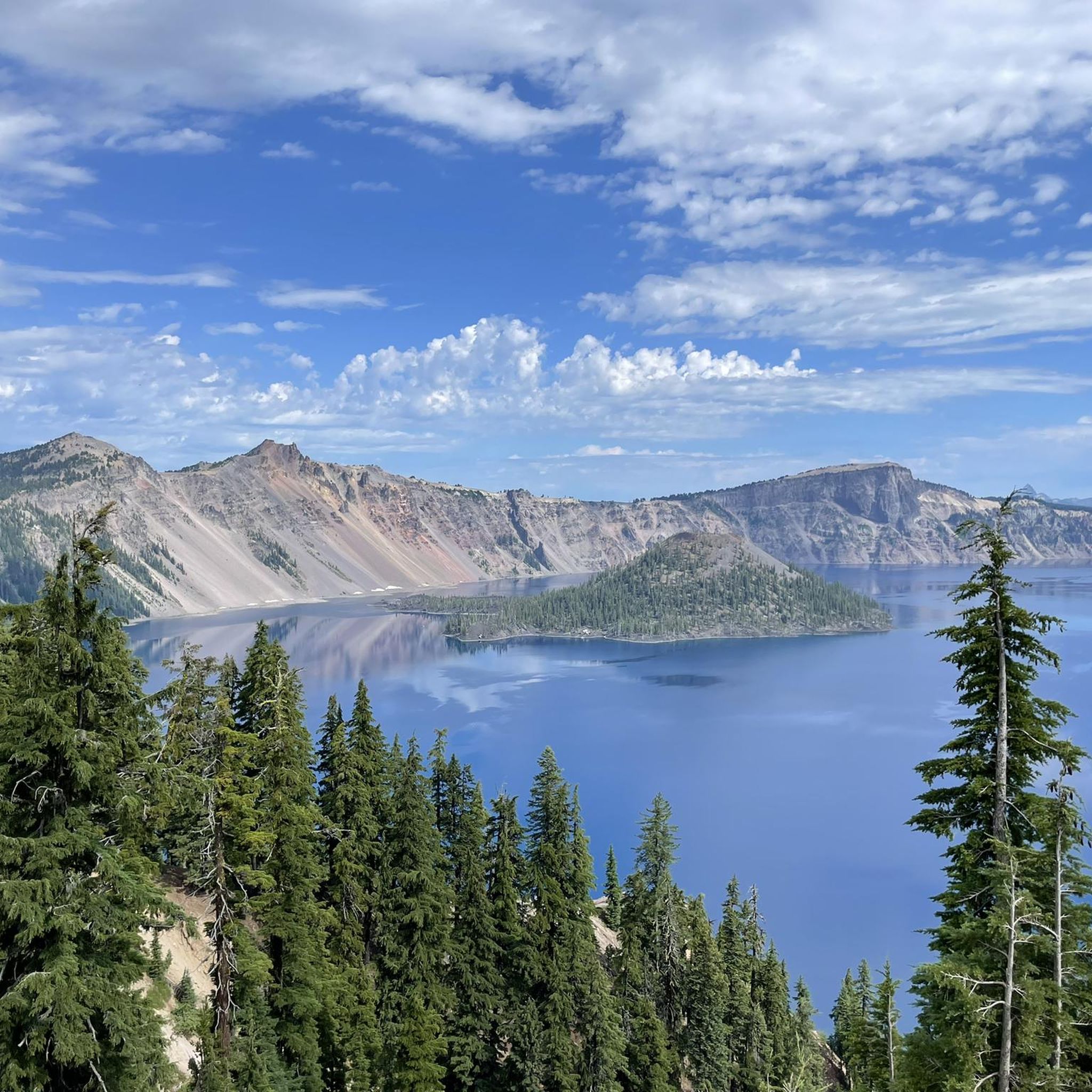
Absolutely. Crater Lake National Park has several trails offering spectacular views of the country's deepest lake. For a relatively short hike to a stunning viewpoint, the Garfield Peak Trail – Crater Lake National Park provides breathtaking panoramic vistas of the brilliant blue water and Wizard Island.
Can I hike down to the shore of Crater Lake?
Yes, the only legal and safe way to get to the shore of Crater Lake is via the Cleetwood Cove Trail. It's a short but steep trail that descends over 700 feet (213 m) to the water, where you can swim or take a boat tour. Remember that the climb back up is strenuous.
What kind of terrain can I expect on Oregon's trails?
The terrain is incredibly diverse. In western Oregon, expect lush, dense forests, muddy paths, and trails that wind through waterfall-filled canyons like the Columbia River Gorge. In Central and Eastern Oregon, the landscape shifts to high desert, with dusty trails, rocky ascents, and dramatic volcanic formations, such as those found in Smith Rock State Park.
Do I need a permit to hike in Oregon?
Permit requirements depend on the location and time of year. Many state parks, like Smith Rock and Silver Falls, require a day-use parking pass. Some popular wilderness areas in the National Forests require a Central Cascades Wilderness Permit for day-use or overnight trips during the peak season (typically summer). Always check the website for the specific park or forest you plan to visit for the most current information.
What do other hikers enjoy most about the trails in Oregon?
The trails in Oregon are highly regarded by the komoot community, with an average rating of 4.7 stars. Hikers frequently praise the state's stunning natural diversity, from the ability to walk behind powerful waterfalls to the panoramic views from atop volcanic peaks. The well-maintained trails through old-growth forests are also a consistent highlight.
How many hiking trails are available in Oregon?
There are over 1,800 hiking routes in Oregon cataloged on komoot. These trails cover a vast range of environments, including coastal headlands, dense forests, volcanic mountains, and high desert canyons, ensuring there's a hike for every interest and ability level.
Are there any easy waterfall hikes near Mount Hood?
Yes, the Tamanawas Falls Trail is a fantastic option. It's a relatively easy and popular hike through the forest along Cold Spring Creek that leads to a stunning 100-foot (30 m) waterfall cascading over a lava cliff.
Most popular routes in Oregon
Most popular attractions in Oregon

Get inspired with the komoot mobile app


Didn’t find what you were looking for?
Check out more Hikes throughout Oregon below and find the perfect route in your destination.
Explore more
Browse the best Hikes in other regions.
