The best cycling routes in Odense
4.3
(354)
2,833
riders
207
rides
Touring cycling in Odense is characterized by its extensive network of bike paths, flat terrain, and diverse natural landscapes. The region features the meandering Odense River, lush forests like Fruens Bøge, and coastal areas along Odense Fjord. These features provide varied scenery for cyclists, from urban green spaces to rural and island routes.
Best touring cycling routes in Odense
- The most popular touring cycling route is Odense-Kerteminde & return, a 28.5 miles (45.9 km) trail that takes 2 hours…
Last updated: October 7, 2026
4.4
(34)
155
riders
45.9km
02:38
130m
130m
Moderate bike ride. Good fitness required. Mostly paved surfaces. Suitable for all skill levels.
4.0
(4)
13
riders
39.2km
02:38
160m
160m
Moderate bike ride. Good fitness required. Mostly paved surfaces. Suitable for all skill levels.

5.0
(1)
7
riders
85.9km
06:02
250m
250m
Hard bike ride. Very good fitness required. Mostly paved surfaces. Suitable for all skill levels.
4.6
(25)
137
riders
56.0km
04:20
110m
110m
Moderate bike ride. Good fitness required. Mostly paved surfaces. Suitable for all skill levels.
4.6
(35)
195
riders
113km
06:55
550m
550m
Hard bike ride. Very good fitness required. Mostly paved surfaces. Suitable for all skill levels.
Get access to more routes and recommendations from other explorers.
Already have an account?
Our route recommendations are based on thousands of hikes, rides, and runs completed by other people on komoot.
Start today with a free account
Your next adventure awaits.
Popular around Odense
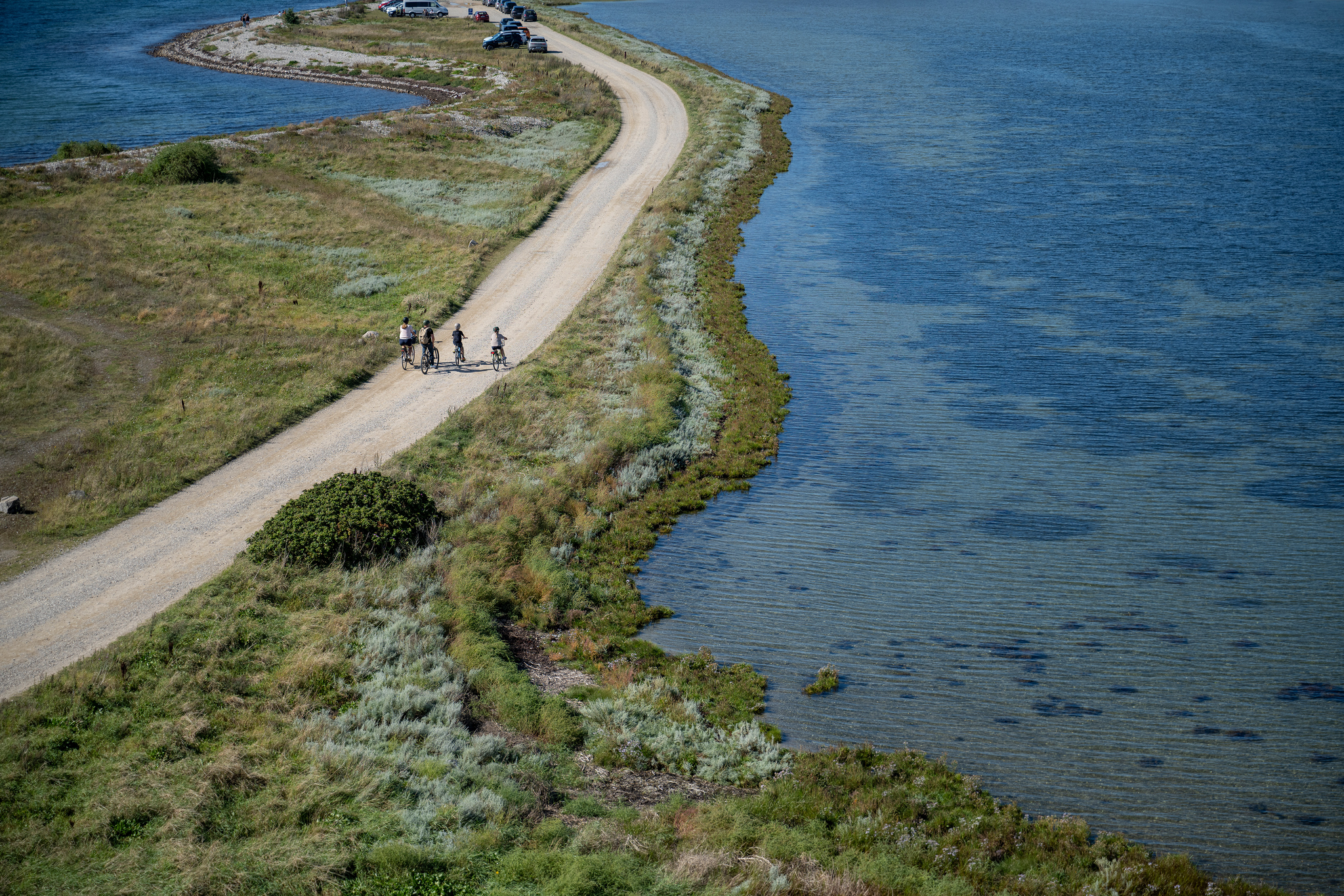
On the trail of Vikings – family cycling near Odense & Kerteminde
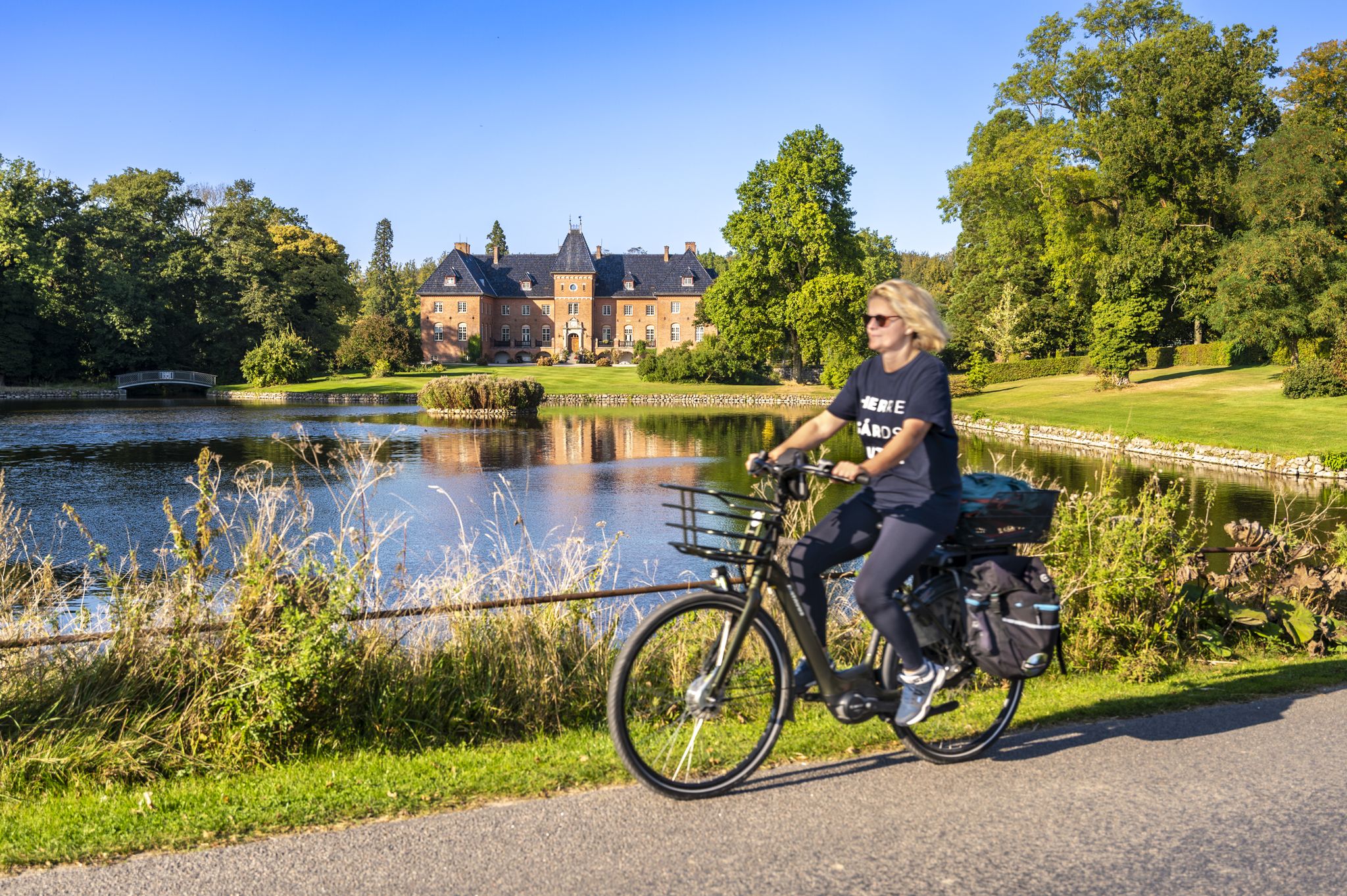
Magnificent castles and plenty of sea – island cycling on the Castle Route
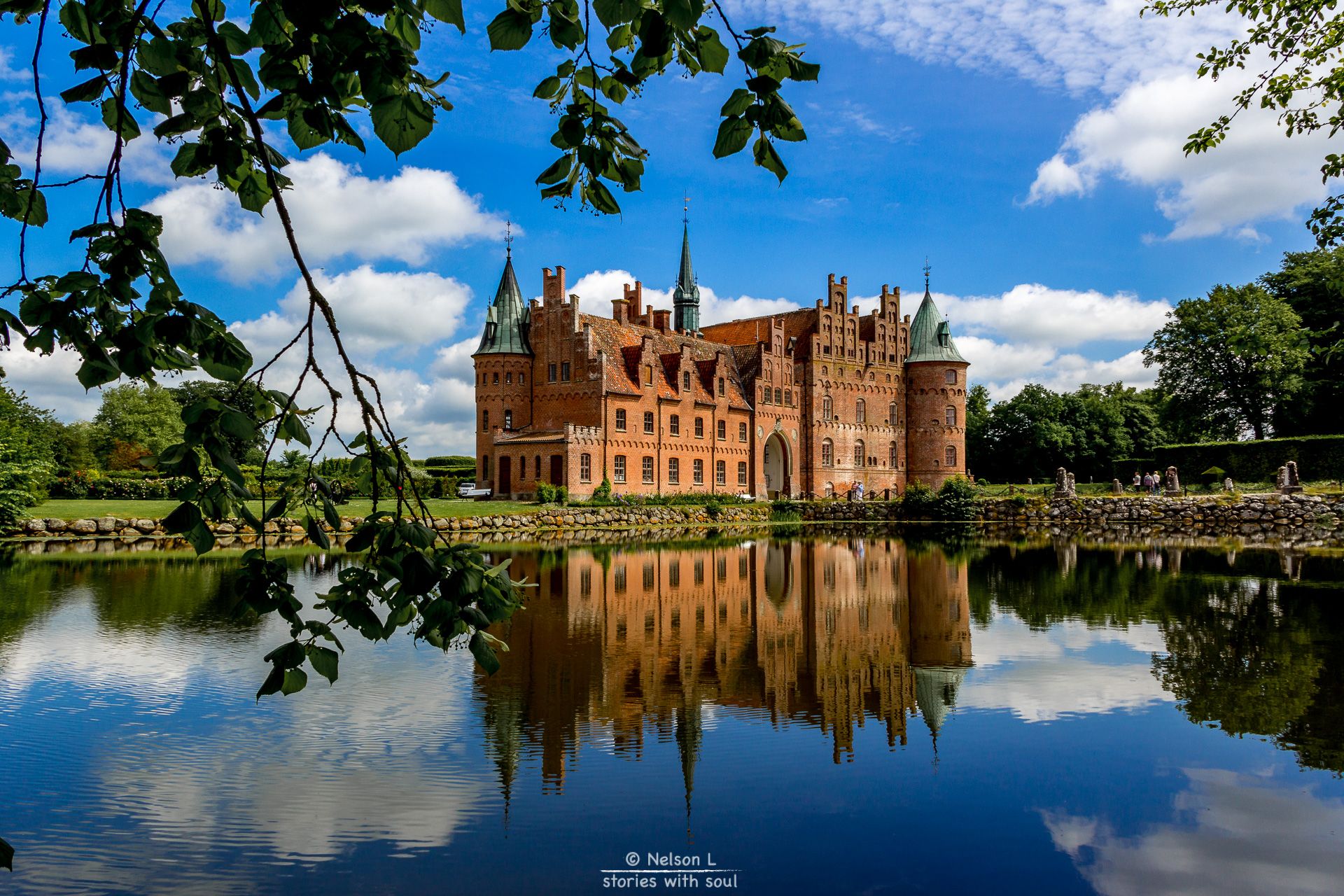
Magic Moments — 6 magical places in Germany and Denmark
Hiking in Odense
Road Cycling Routes in Odense
Running Trails in Odense
Gravel biking in Odense
MTB Trails in Odense
Other adventures in Odense


Tips from the Community

The bright yellow color of the houses is absolutely striking. A beautiful ensemble of buildings is revealed. Those traveling by bike should possibly expect increased riding demands due to the cobblestones.
0
0
The view extends over the Odense Fjord to Odense's center. Several table-bench ensembles invite you to linger.
0
0

The new Lillebælt Bridge was built between 1965 and 1970 and inaugurated on October 21, 1970. Subsequently, the new bridge relieved a large part of the road traffic from the old Lillebælt Bridge. The bridge has 6 lanes, is 1700 meters long, and the clearance under the bridge is 42 meters. It was built as a suspension bridge.
0
0


Show shortcuts Welcome to Stige Ø The harbor, which belongs to the self-governing facility "Stige Ø Lystbådehavn", is located on the starboard side when entering the canal, about ½ nautical mile before the Odin Bridge.
0
0
The bridge is constructed as a double swing bridge, whose two sections open for shipping traffic to ensure free passage.
0
0
The Enebærodde lighthouse stands at 14 white meters at the tip of Enebærodde - directly on the narrow Gabet strait and opposite Lodshusene on the other side of the Odense Fjord.
0
0
Frequently Asked Questions
How many touring cycling routes are available in Odense?
Odense offers a wide selection of touring cycling routes, with over 230 options available. These include more than 120 easy routes, nearly 100 moderate routes, and a few challenging options for experienced cyclists.
What kind of terrain can I expect on touring cycling routes in Odense?
Odense is known for its extensive network of bike paths and generally flat terrain, making it very accessible for touring cyclists. You'll encounter diverse landscapes, from urban green spaces and river valleys along the Odense River to lush forests like Fruens Bøge and coastal areas along Odense Fjord. Some longer routes may include gentle inclines, particularly when venturing further into Funen.
Are there family-friendly touring cycling routes in Odense?
Yes, Odense offers many family-friendly routes, particularly those that utilize the city's extensive network of bike paths and pass through green spaces. The flat terrain and well-maintained paths make it ideal for cyclists of all ages. Consider routes through areas like Munke Mose Park or Fruens Bøge forest for a pleasant family outing.
What are some notable landmarks or attractions I can see along touring cycling routes in Odense?
Many routes in Odense pass by significant landmarks and natural attractions. You might cycle past historic sites like Dallund Castle, or enjoy scenic views of Ulriksholm Castle and Kerteminde Fjord. Natural highlights include the tranquil Mermaid Statue and Lake in Odense Park, Lake Langesø, and the picturesque Odense River.
Are there any challenging long-distance touring routes from Odense?
For those seeking a challenge, Odense serves as a starting point for several longer and more demanding routes. The Enebærodde Hasmark & Dallund Castle route, for instance, is a difficult 53.3-mile (85.9 km) journey. Longer tours, such as those extending to Svendborg or even Copenhagen, offer varied Danish scenery and can include significant distances across multiple islands.
Can I find circular touring cycling routes in Odense?
Yes, many touring cycling routes in Odense are designed as circular loops, allowing you to start and end at the same point. An example is the Odin's Bridge – Enebærodde Lighthouse loop from Odense, which covers 56 km. The area around Davinde Lake also offers a beautiful circular tour option.
What is the best time of year for touring cycling in Odense?
The most pleasant time for touring cycling in Odense is typically from spring through early autumn (April to October). During these months, the weather is generally milder, and the natural landscapes are at their most vibrant. The extensive bike path network means cycling is possible year-round, but winter months can be cold and may have less predictable weather conditions.
Are there options for parking and public transport access to touring cycling routes in Odense?
Odense is exceptionally bike-friendly, offering convenient 'Park & Bike' facilities throughout the city. Many routes are easily accessible from urban areas, and public transport options can help you reach starting points further afield. The city's commitment to cycling infrastructure ensures good access for both local and visiting cyclists.
What do other touring cyclists enjoy most about cycling in Odense?
The touring cycling routes in Odense are highly rated by the komoot community, with an average score of 4.4 stars from over 270 reviews. Cyclists frequently praise the extensive and well-maintained bike paths, the diverse scenery ranging from urban parks to coastal views, and the overall bike-friendly atmosphere of the city. The ease of access to natural beauty and historical sites is also a common highlight.
Are there any touring cycling routes that offer scenic viewpoints?
Absolutely. Many routes in Odense provide beautiful scenic viewpoints. For instance, the route to Kerteminde offers coastal vistas, while paths through Fruens Bøge forest provide idyllic lake views. The View of Ulriksholm Castle and Kerteminde Fjord is a specific highlight offering picturesque scenery.
Can I find cafes or accommodation along touring cycling routes in Odense?
Yes, Odense and its surrounding areas are well-equipped to support touring cyclists. Many cafes and eateries are located along popular routes or in nearby towns. Additionally, several establishments, such as Kragsbjerggaard Hostel & Hotel, are part of the 'Bike Friends' network, offering services like tools, repair kits, and local route information, making it easy to find accommodation and refreshments.
Are there any routes that explore the unique natural areas around Odense?
Yes, you can explore unique natural areas like Stige Island (Stige Ø), a former landfill transformed into a vibrant nature and activity area. The Odense River Valley also offers opportunities for cycling through the Danish countryside and charming villages. For a longer journey, the New Little Belt Bridge – Staurby Forest loop from Odense takes you through varied landscapes including forests and coastal views.
Most popular attractions in Odense

Get inspired with the komoot mobile app


Explore more
Browse the best Cycling routes in other regions.
